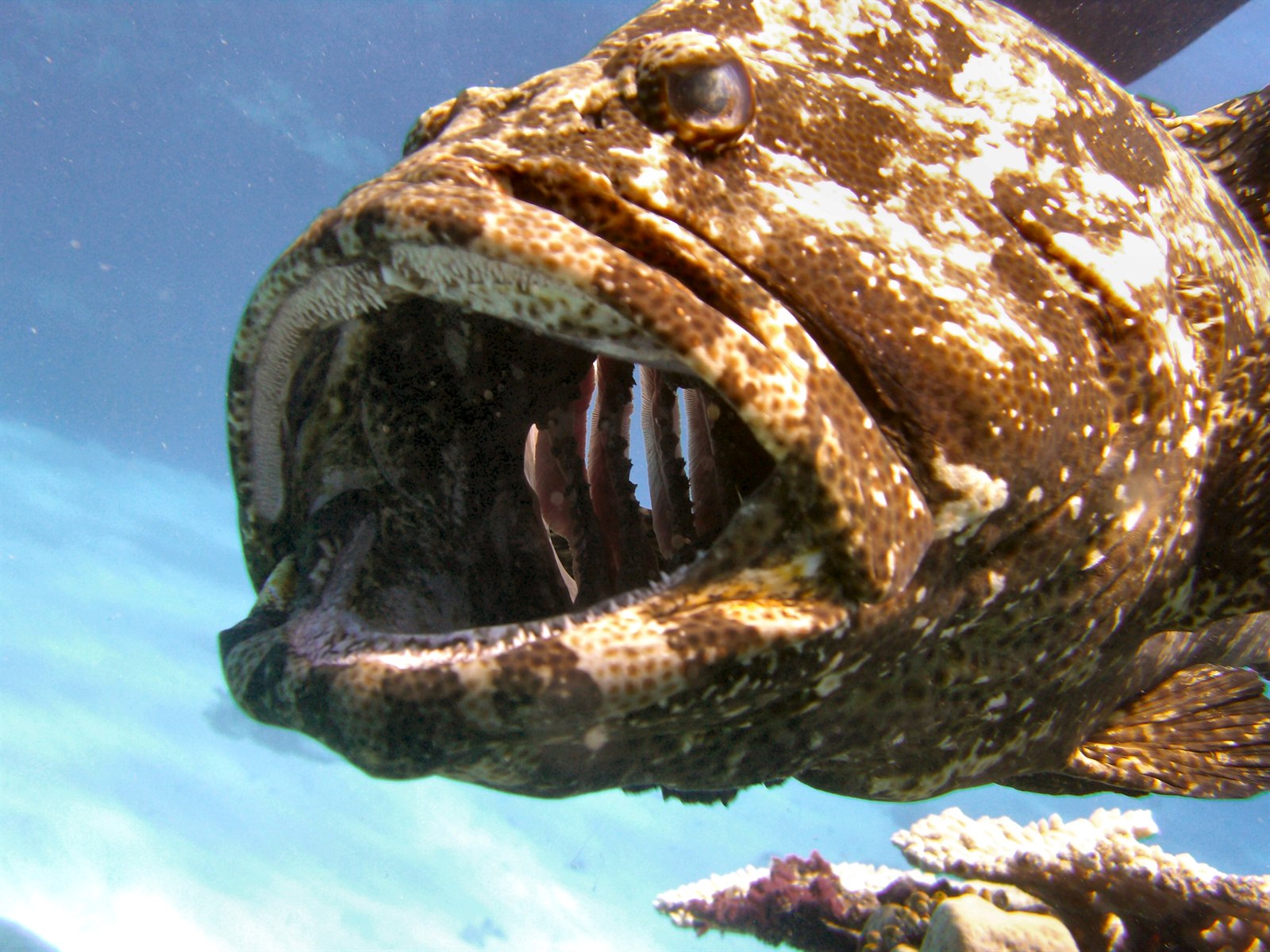
Cod Hole
Depth is the range from the top of the site to its usual maximum; "recommended cert" is the mainstream-agency level operators usually ask for, not a legal rule. Currents and visibility change daily, so treat everything here as planning ranges.
Cod Hole is a handshake with a fish. Resident potato cod, some longer than the divers watching them, have met groups here since the 1970s, when Ron and Valerie Taylor's films helped win the site protection. The cod drift up the moment the boat settles, all lips and patience, circling a sanctioned feeding conducted under strict marine-park rules. Between audiences, the site is a fine reef dive in its own right: coral heads scattered over pale sand, Maori wrasse trailing divers with proprietary interest, whitetips resting under ledges, and the current-swept clarity that the northern ribbons are known for.
The moment you come for: Face-to-face potato cod, regulated feeding ritual, Maori wrasse, clear pass diving near Lizard Island
Topography: Coral heads and sandy amphitheaters along the edge of a tidal pass
Current: Tidal flow through the pass can pick up; guides schedule the dive for slack or gentle current.
Entry: Dived from moored liveaboards at the northern end of Ribbon Reef No. 10, near Lizard Island; timing works around the tide through Cormorant Pass.
Know before you splash
Hazards: Tidal current in the pass; large, confident fish that deserve space.
Conservation: Feeding is limited to endorsed operators under Great Barrier Reef Marine Park rules; never touch or chase the cod.
Nitrox: Worth it here: profiles sit in the range where enriched air meaningfully extends no-stop time (with the training to use it).
Who you'll meet
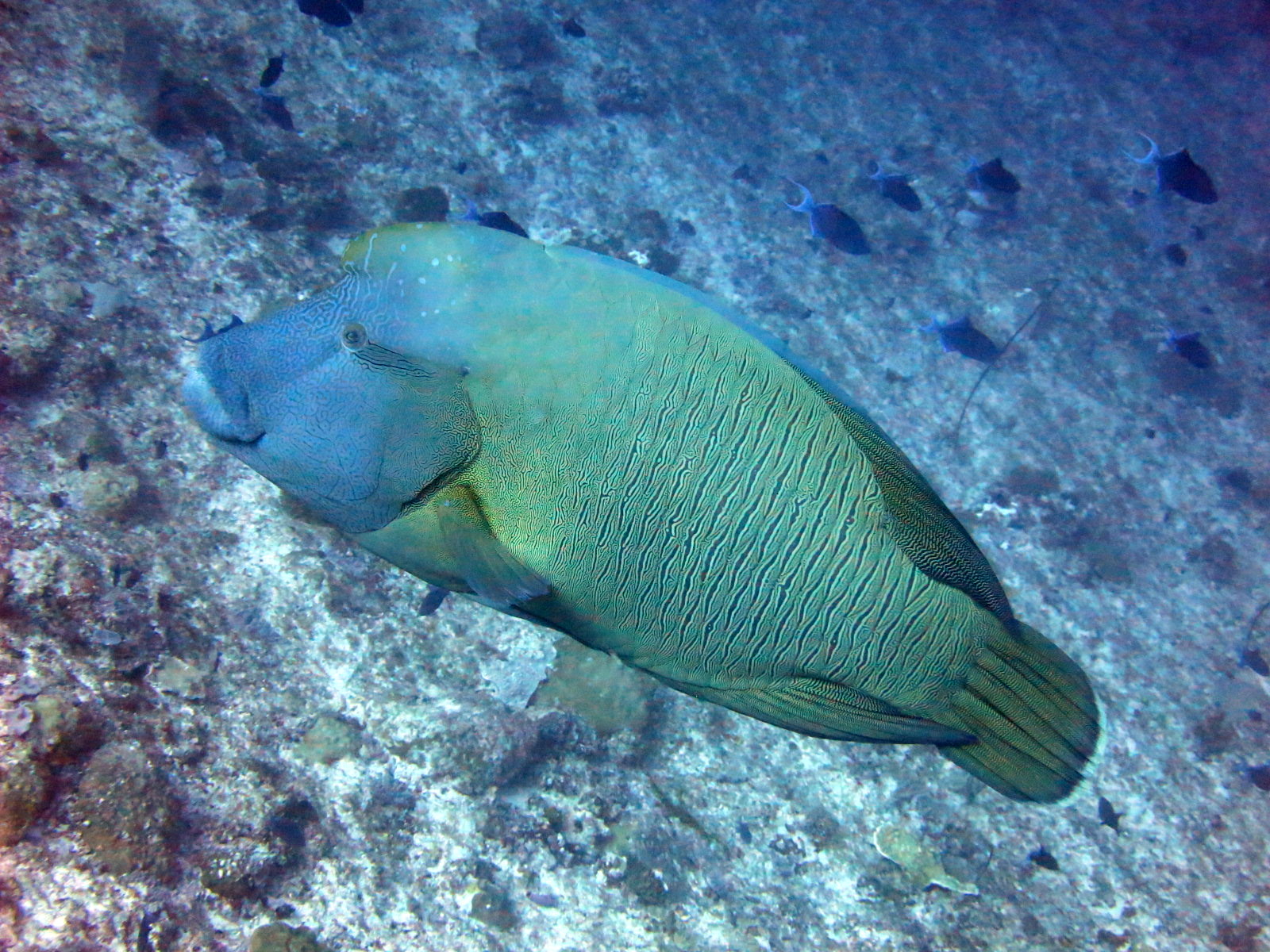
Napoleon (Humphead) Wrasse
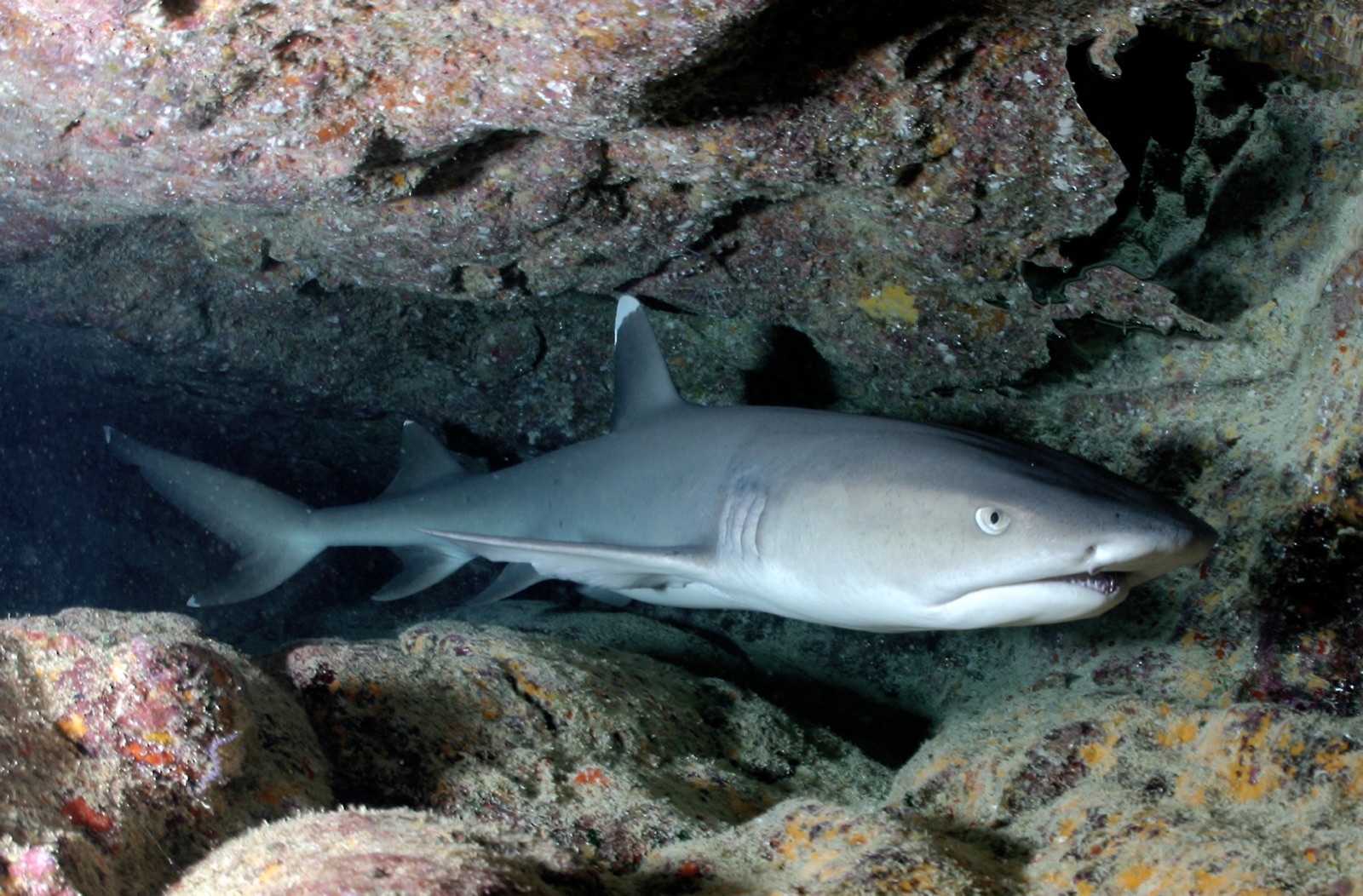
Whitetip Reef Shark
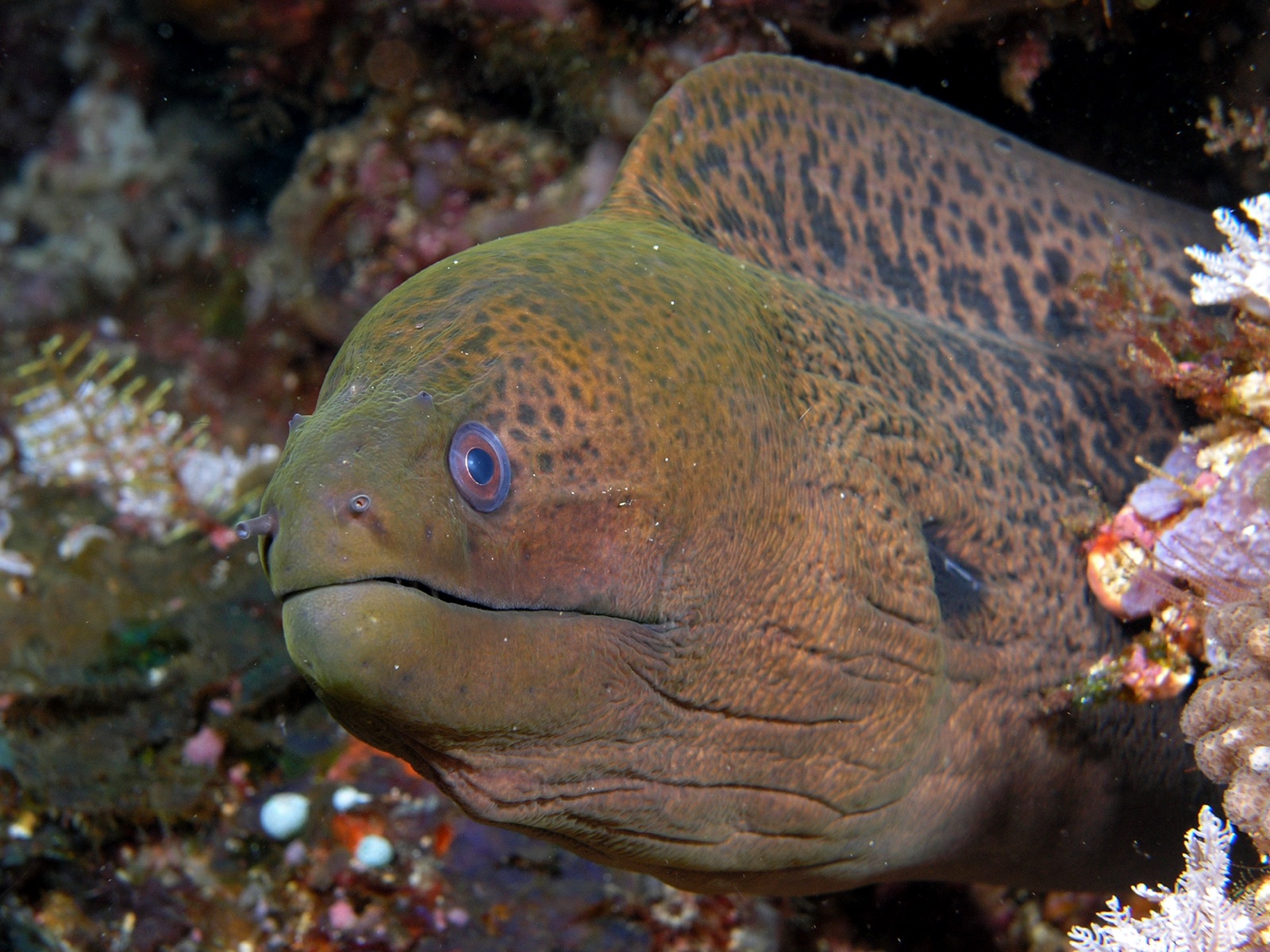
Giant Moray Eel
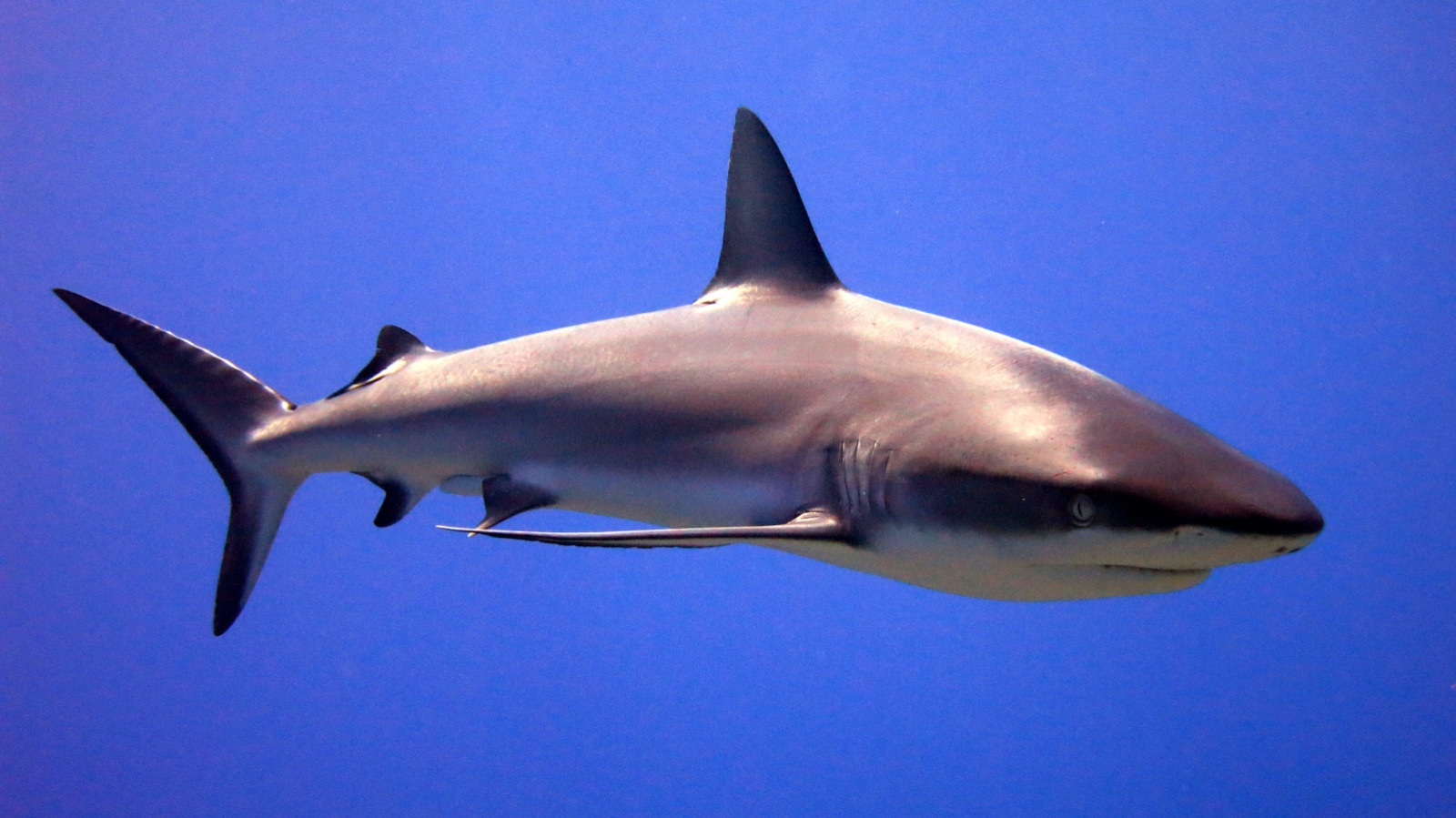
Grey Reef Shark
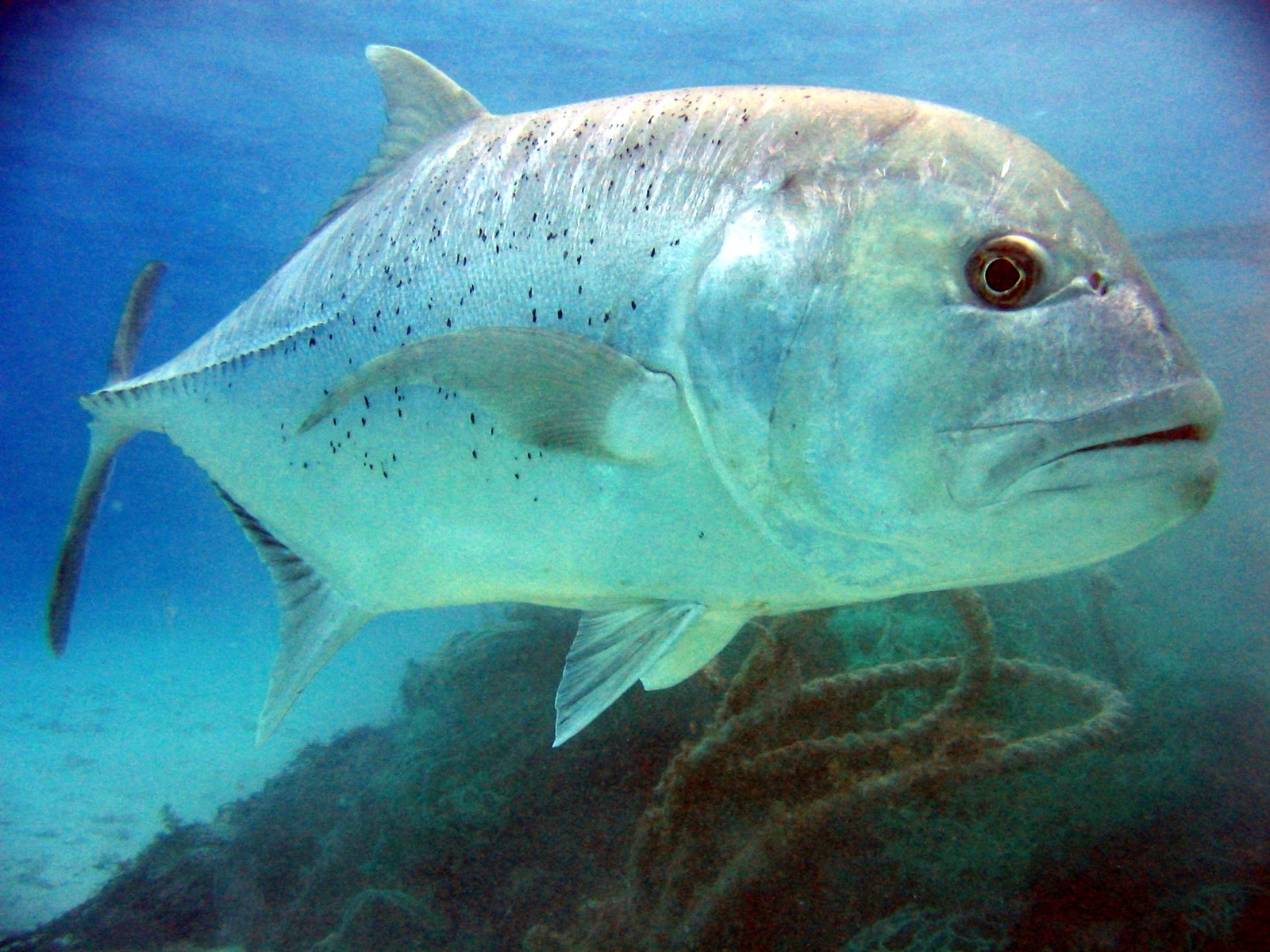
Giant Trevally
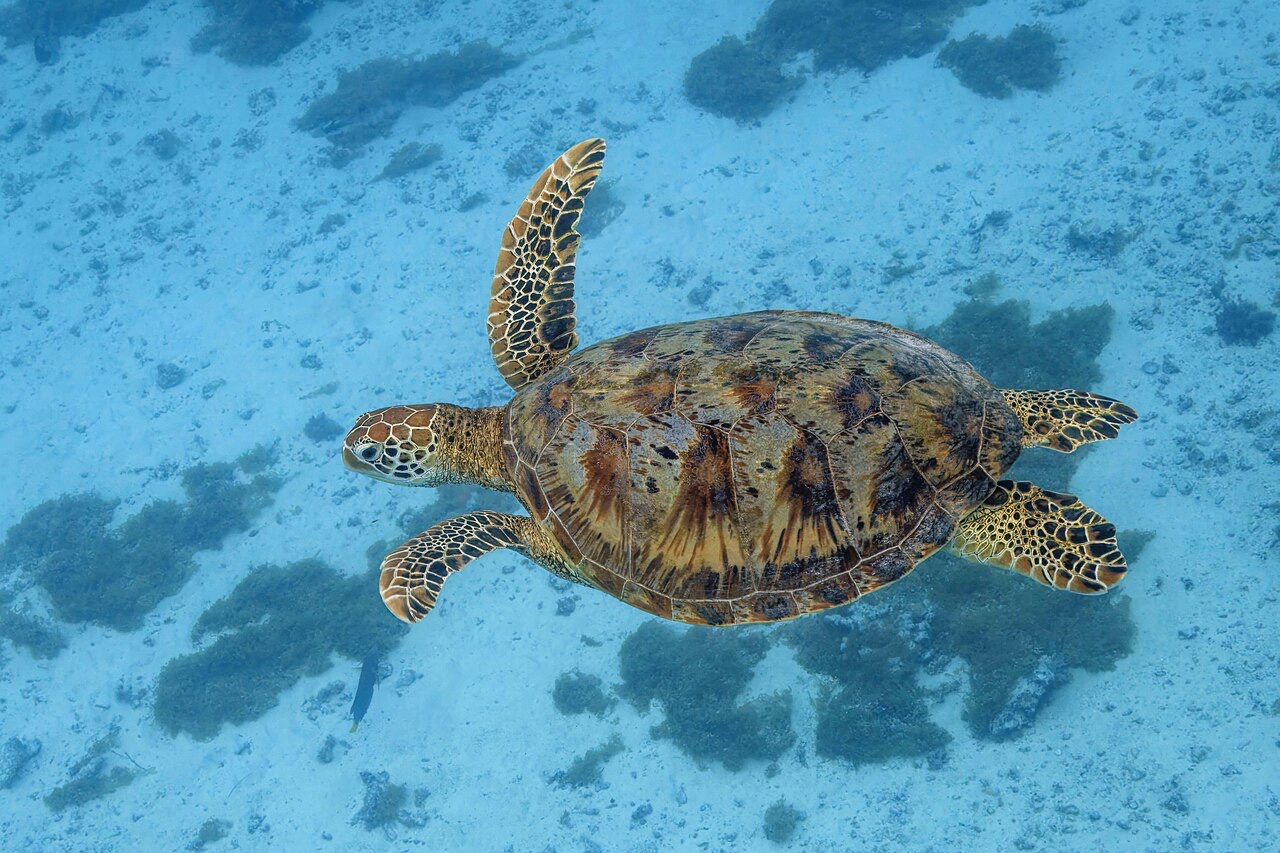
Green Sea Turtle
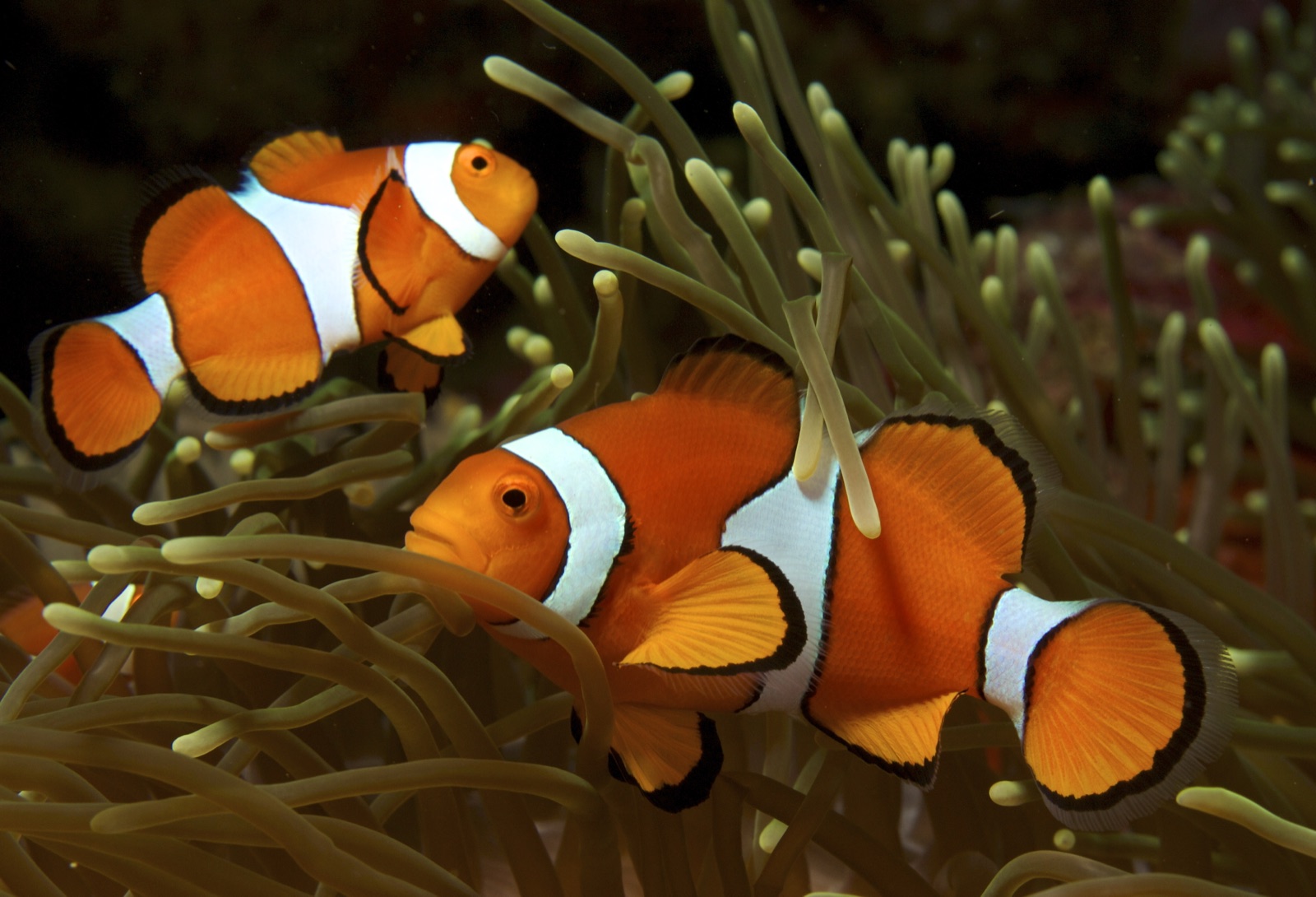
Clownfish & Anemonefish
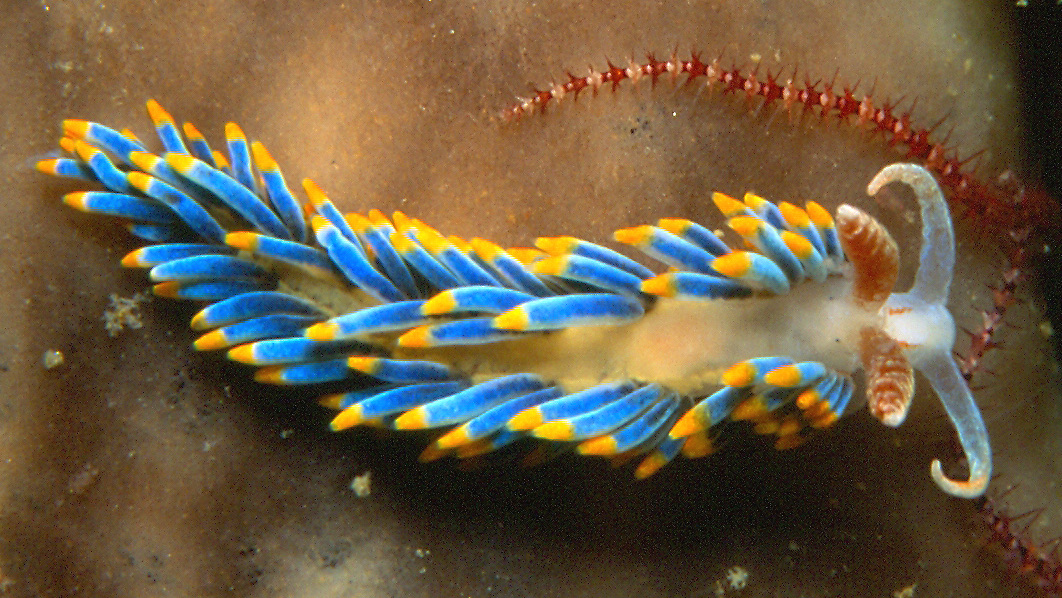
Nudibranchs
Also recorded nearby
"Charted here" species were listed by our editors from the sources on this page. Counts are GBIF occurrence records: observations logged within about 5 km of the charted position since 1990, matched only against the species in our catalogue. They show what has been seen there, not a promise of what you will see.
For photographers
Wide angle: ★★★★★ · Macro: ★★☆☆☆ (editors' 1–5 rating of what this site gives each style of shooting)