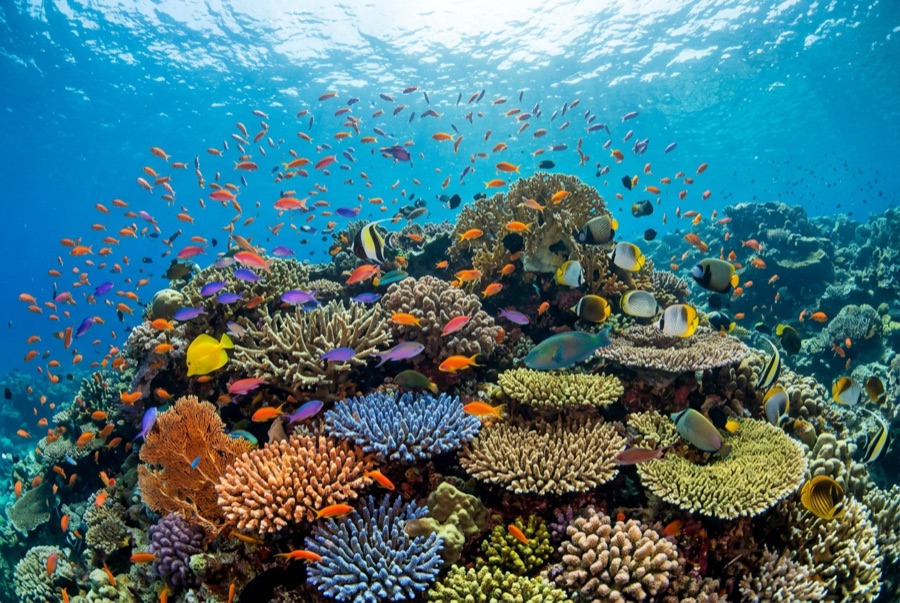
El Cabron
Depth is the range from the top of the site to its usual maximum; "recommended cert" is the mainstream-agency level operators usually ask for, not a legal rule. Currents and visibility change daily, so treat everything here as planning ranges.
El Cabron packs the Canaries' greatest concentration of fish life into one shore-dived headland. Lava arches and caverns open onto terraces where drifts of bastard grunts and bogue hang so thick they dim the light; angel sharks bury themselves in the winter sand, cuttlefish and octopus work the reef edge, and seahorses turn up for patient hunters. Because everything happens between 5 m and 25 m off a walk-in entry, the reserve rewards long, slow dives, the kind where a single arch can absorb half a tank.
The moment you come for: Dense fish schools, lava arches and caves, winter angelshark encounters
Topography: Volcanic arches, caves, drop-offs and sand patches around a protected headland
Entry: Rocky shore entries near Arinaga on Gran Canaria's east coast; steps and lava platforms demand calm seas and careful footing.
Know before you splash
Hazards: Entries over uneven lava are the main risk, and swell shuts the site quickly.
Conservation: A designated marine reserve; take nothing and keep off the sand where angelsharks lie buried.
Who you'll meet
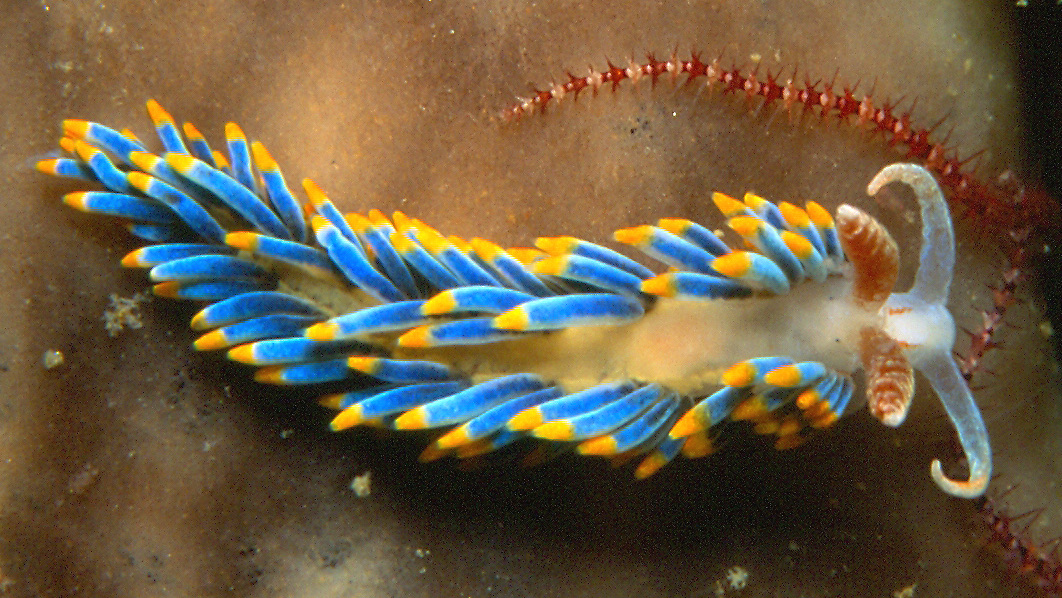
Nudibranchs
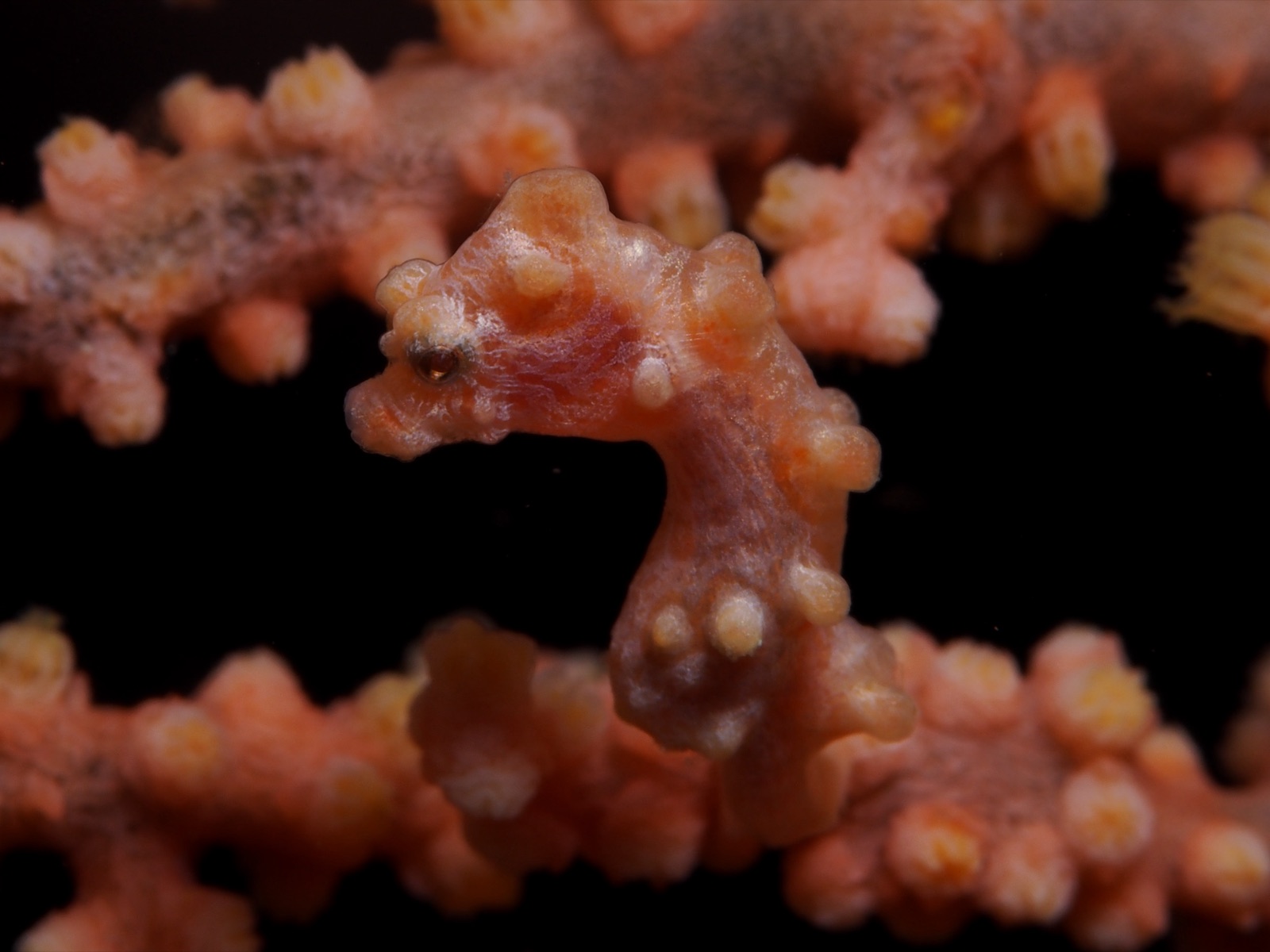
Seahorses
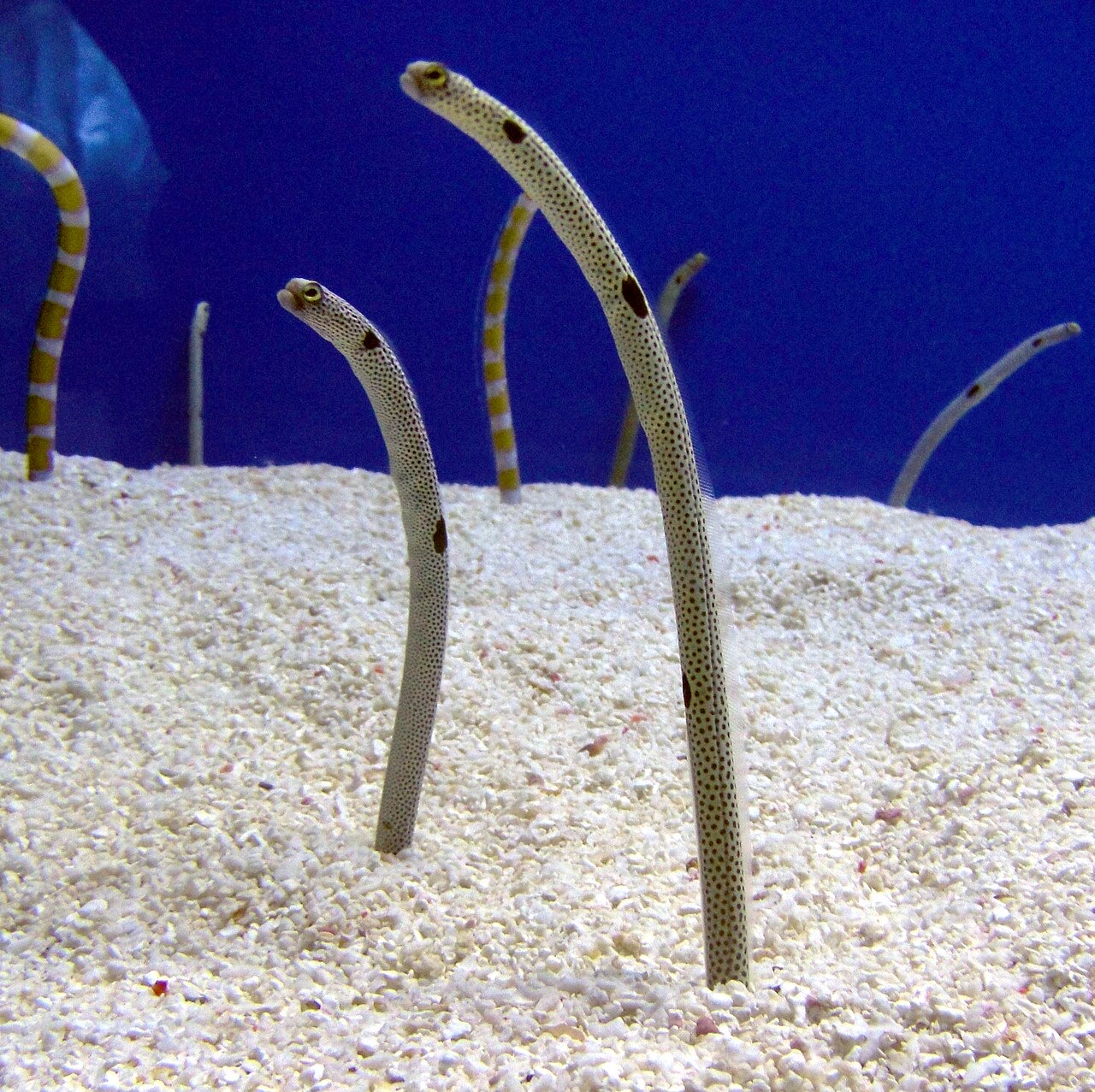
Garden Eel
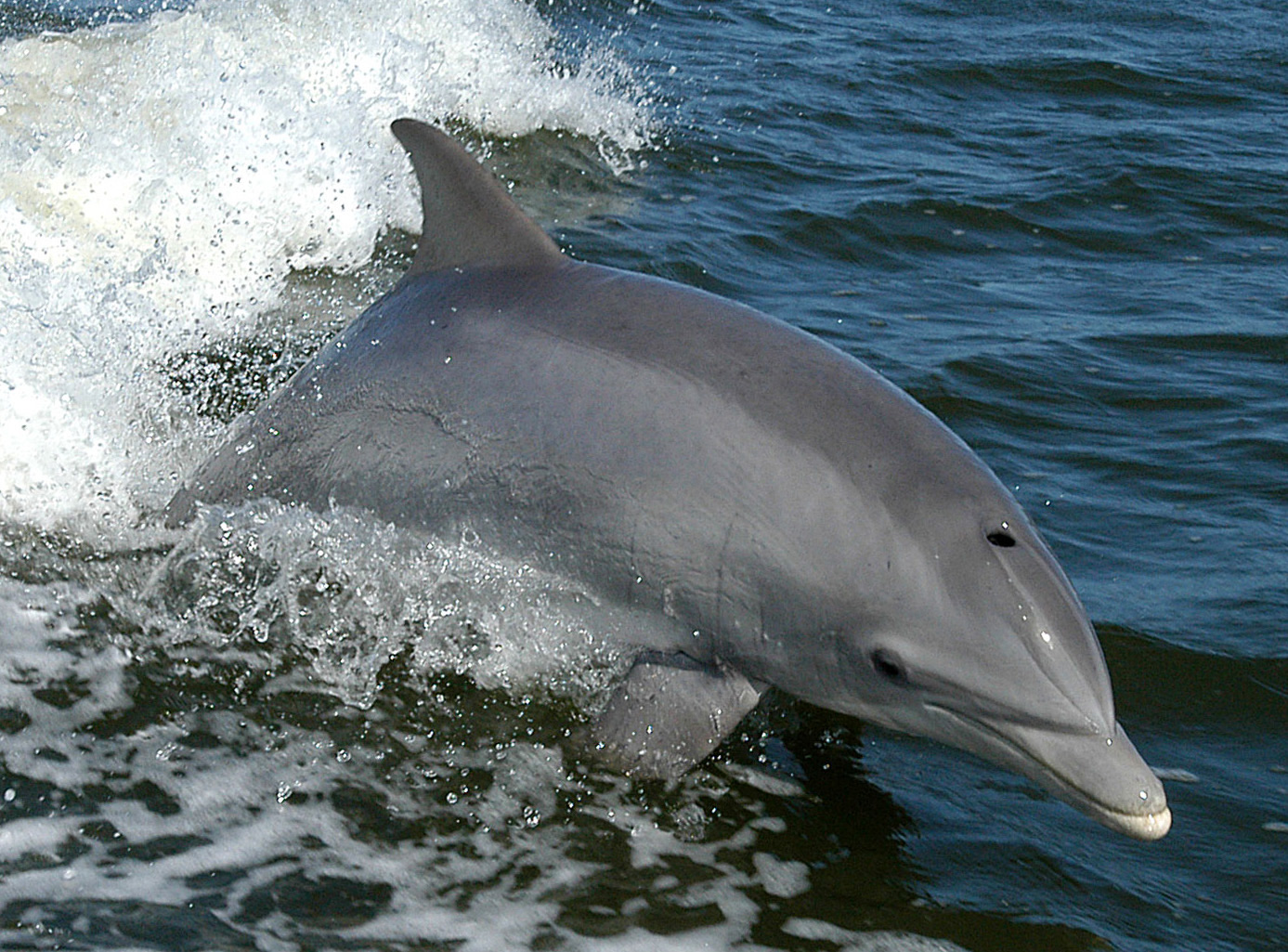
Bottlenose Dolphin
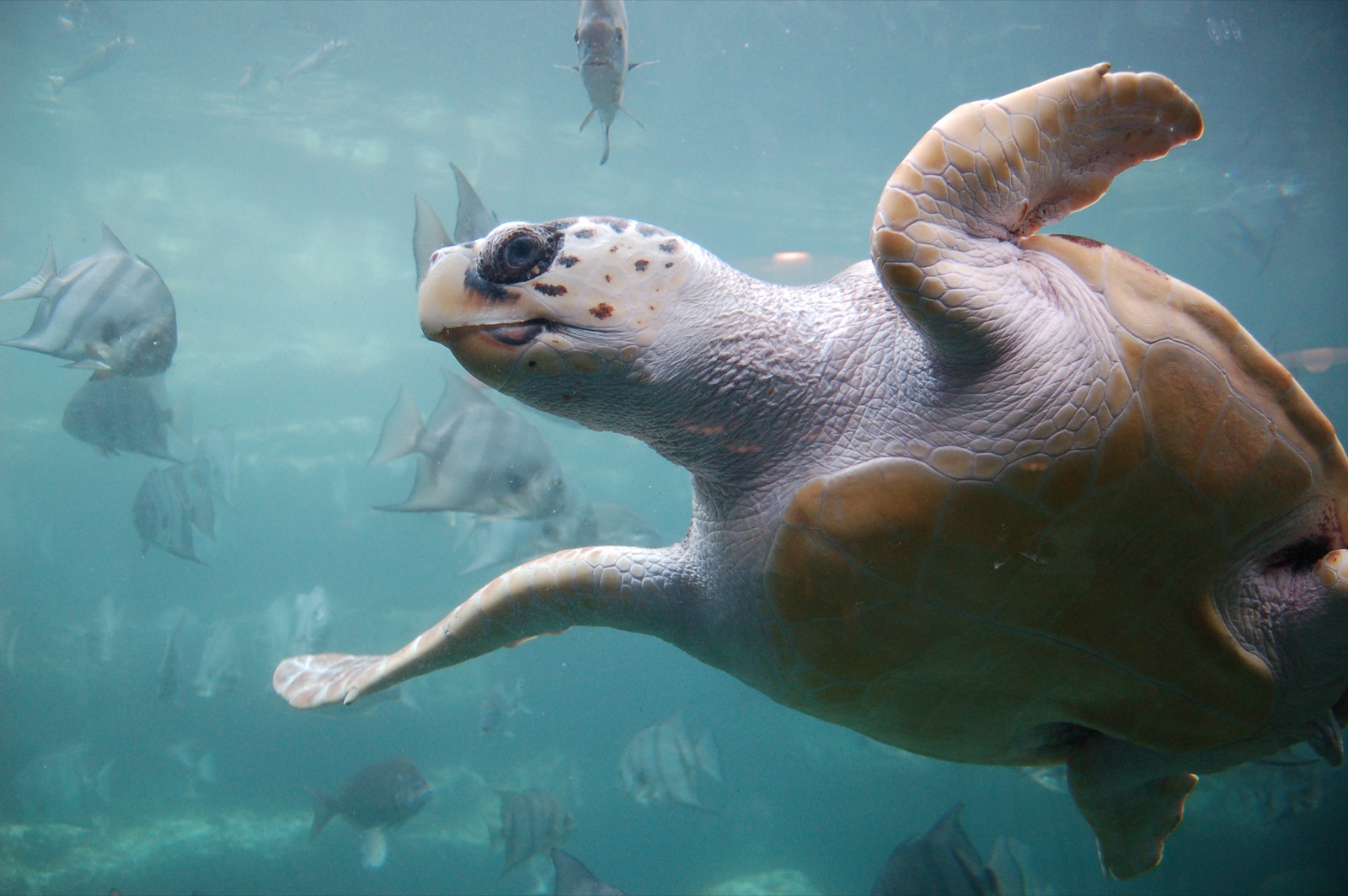
Loggerhead Turtle
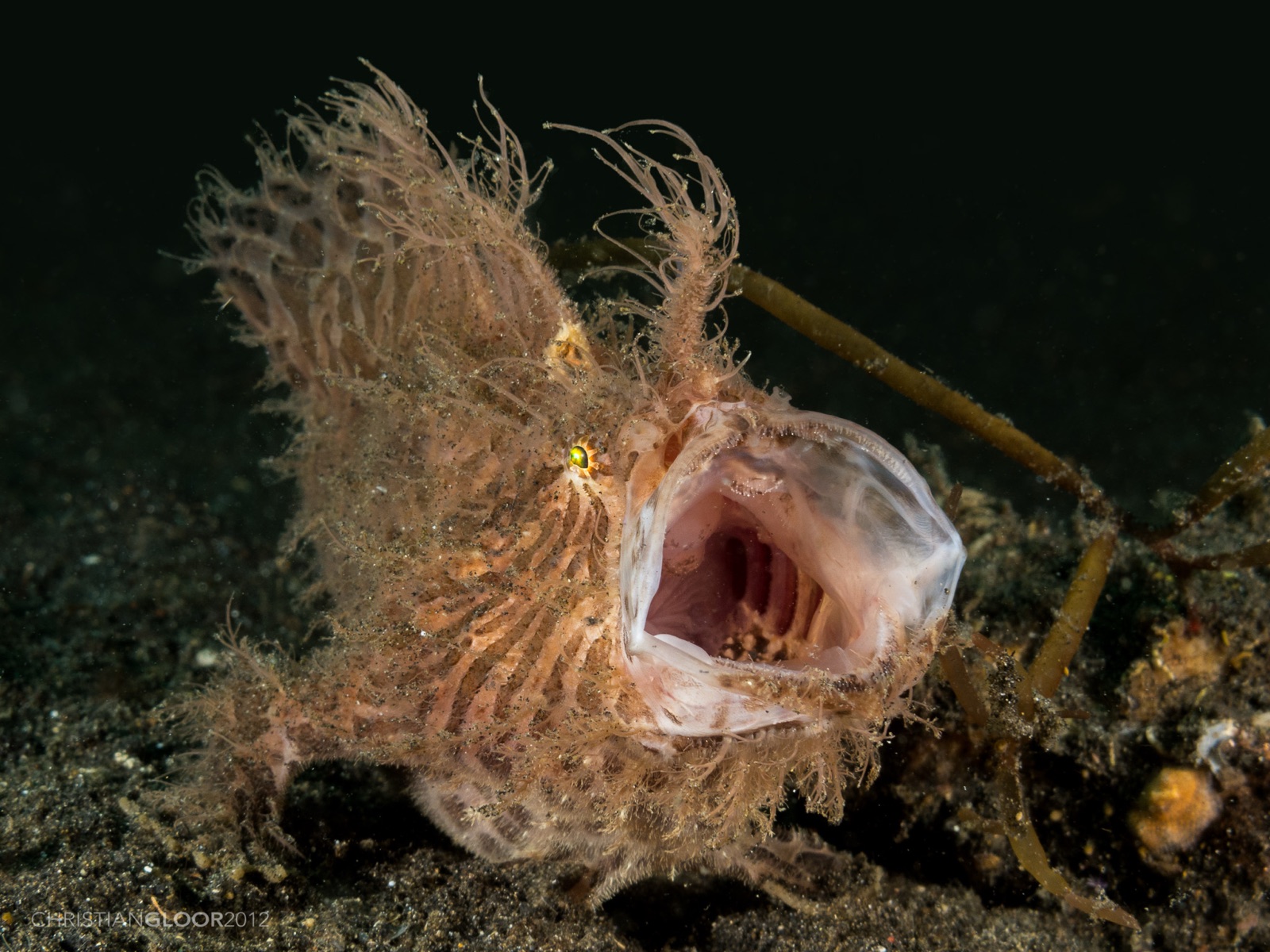
Frogfish
"Charted here" species were listed by our editors from the sources on this page. Counts are GBIF occurrence records: observations logged within about 5 km of the charted position since 1990, matched only against the species in our catalogue. They show what has been seen there, not a promise of what you will see.
For photographers
Wide angle: ★★★★☆ · Macro: ★★★★☆ (editors' 1–5 rating of what this site gives each style of shooting)