Dirty Rock
Depth is the range from the top of the site to its usual maximum; "recommended cert" is the mainstream-agency level operators usually ask for, not a legal rule. Currents and visibility change daily, so treat everything here as planning ranges.
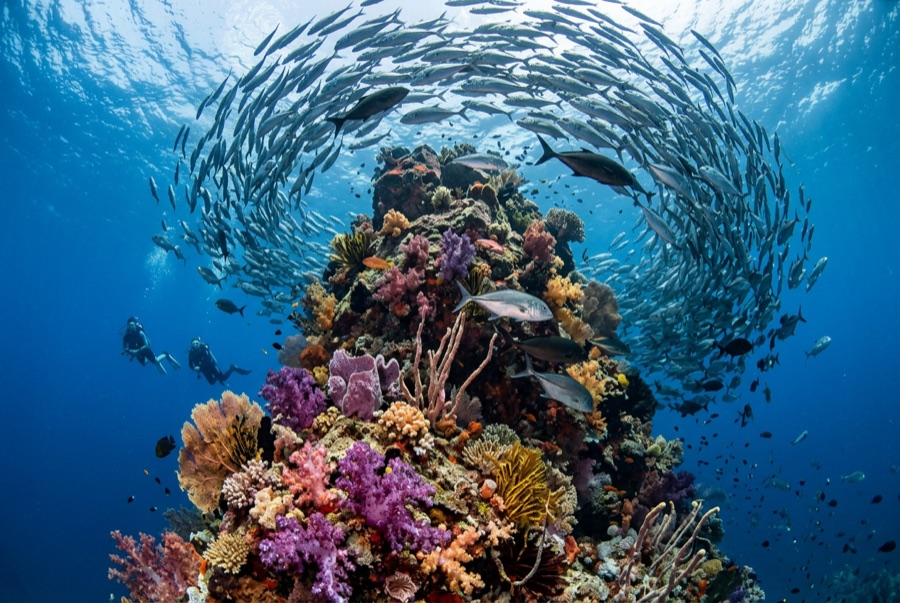
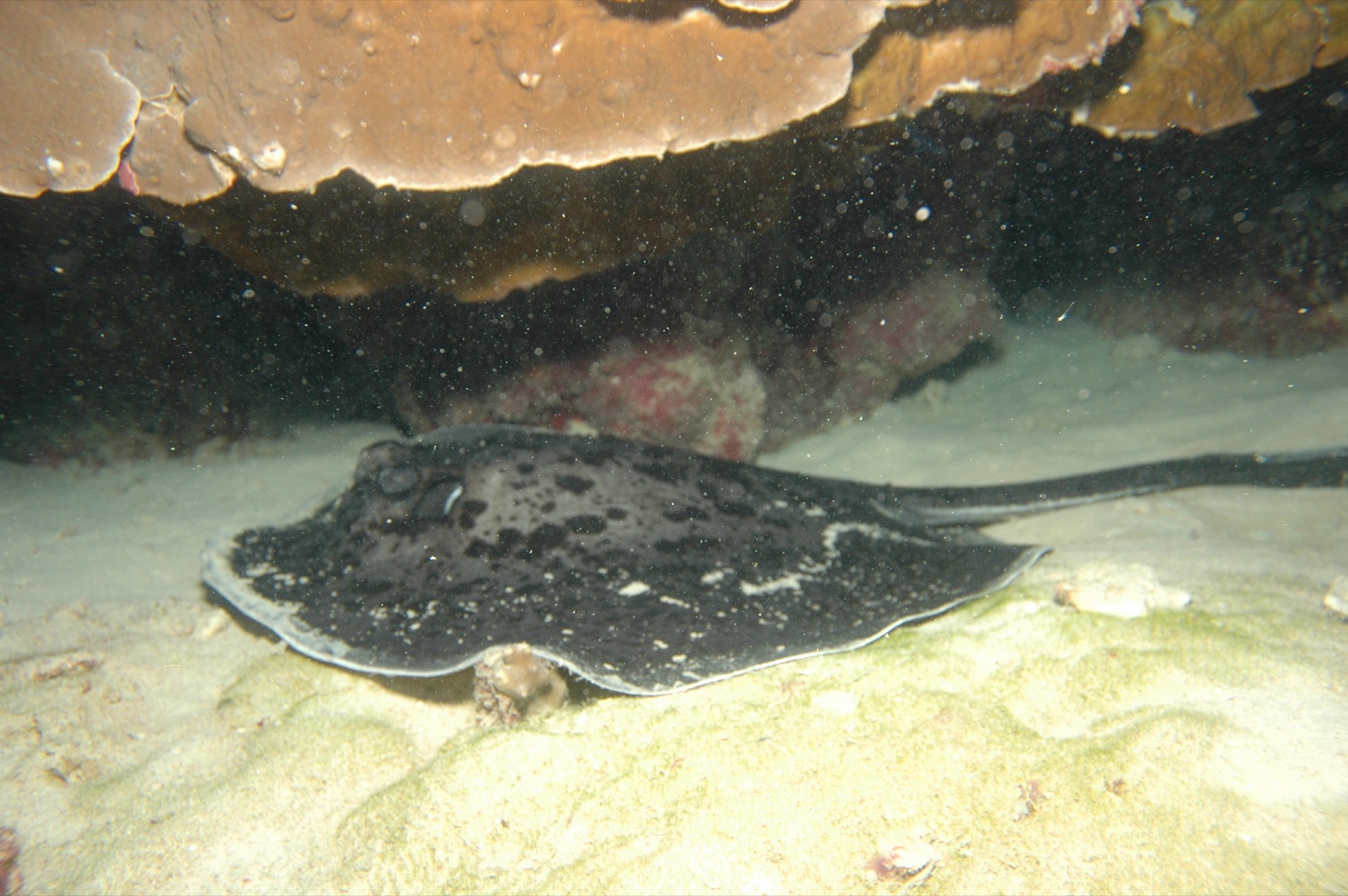
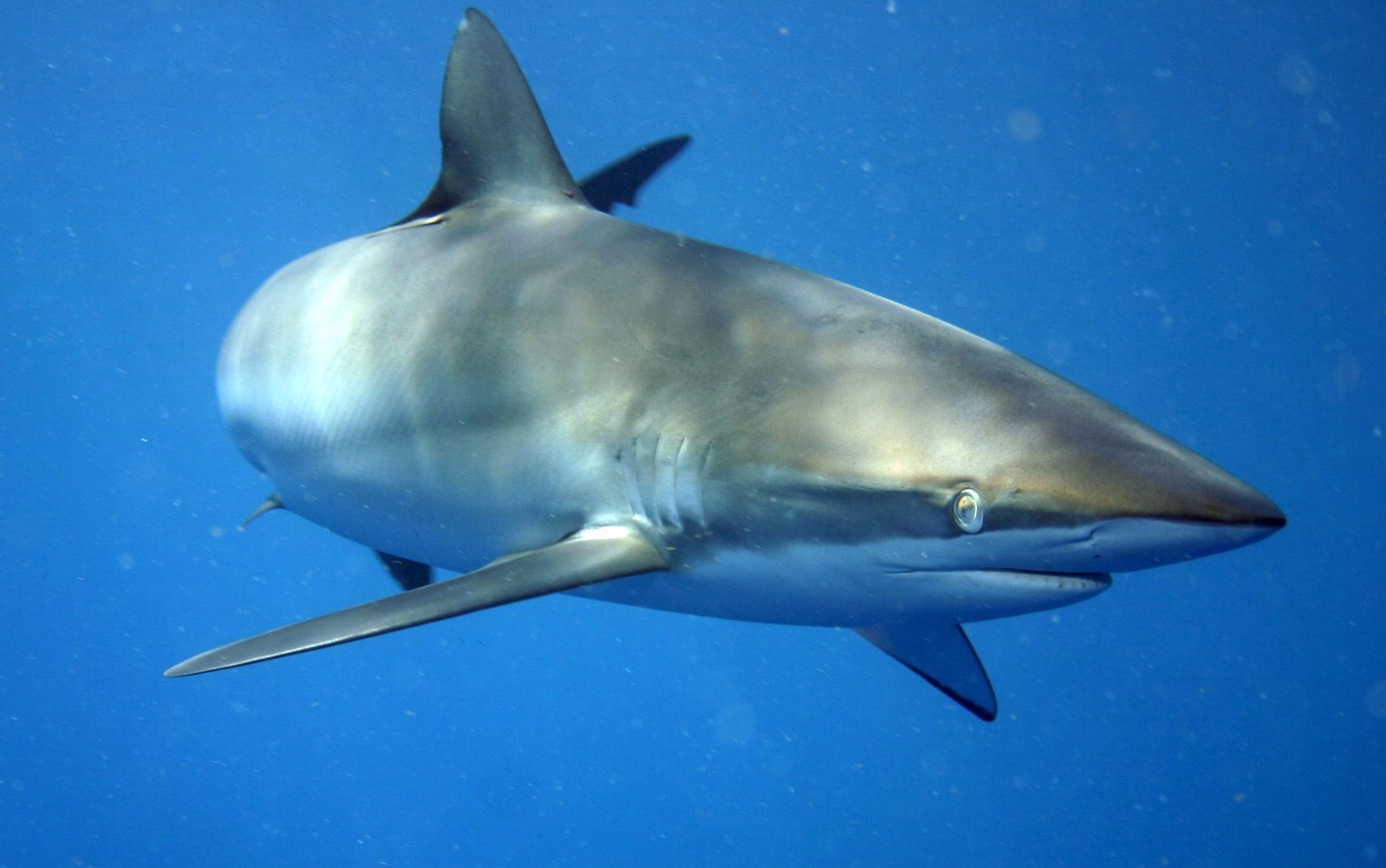
The name refers to the seabird whitewash on the stacks above; below, Dirty Rock is arguably Cocos's most consistent dive. A rubble channel between the main rock and its outliers acts as a highway - hammerheads cross it singly and in schools, marbled rays hug the bottom, and green turtles plow through the middle of everything. Massive balls of bigeye jacks form here, dense enough to swallow a diver's entire field of view, with silkies and the occasional Galapagos shark patrolling the edges. When the current runs, it feels less like visiting a reef than standing at a junction in open ocean watching traffic.
The moment you come for: Jack schools that block the sun, hammerhead crossings, marbled rays on the channel floor
Topography: Guano-stained rock stacks and a boulder channel dropping past 30 m
Current: Current splits around the rock; guides position groups on the lee shoulder facing the channel.
Know before you splash
Hazards: Current, surge near the stacks, easy to overstay depth in the excitement.
Conservation: National park rules; moorings only, groups follow ranger-approved plans.
Nitrox: Worth it here: profiles sit in the range where enriched air meaningfully extends no-stop time (with the training to use it).
Who you'll meet
Whitetip Reef Shark

Scalloped Hammerhead
Marbled Ray
Silky Shark
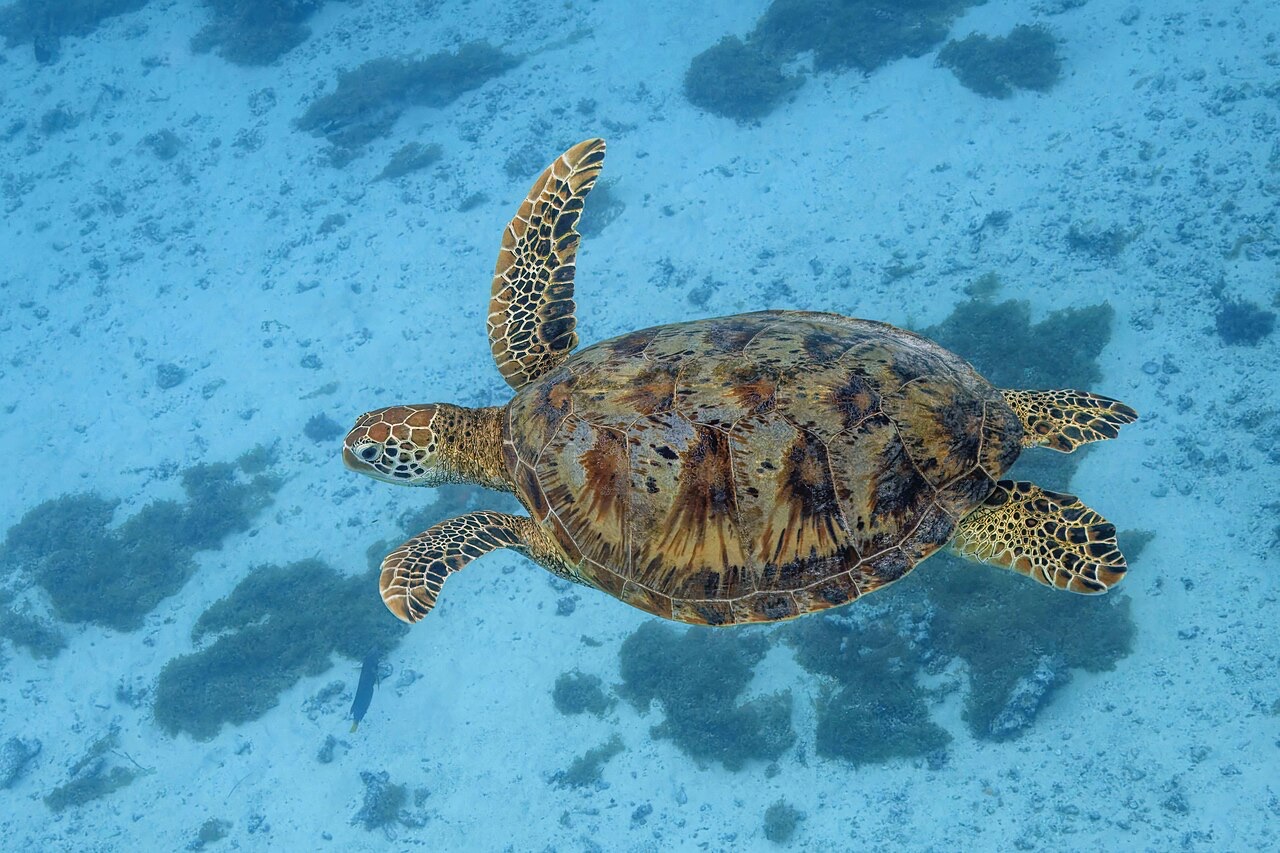
Green Sea Turtle

Bottlenose Dolphin
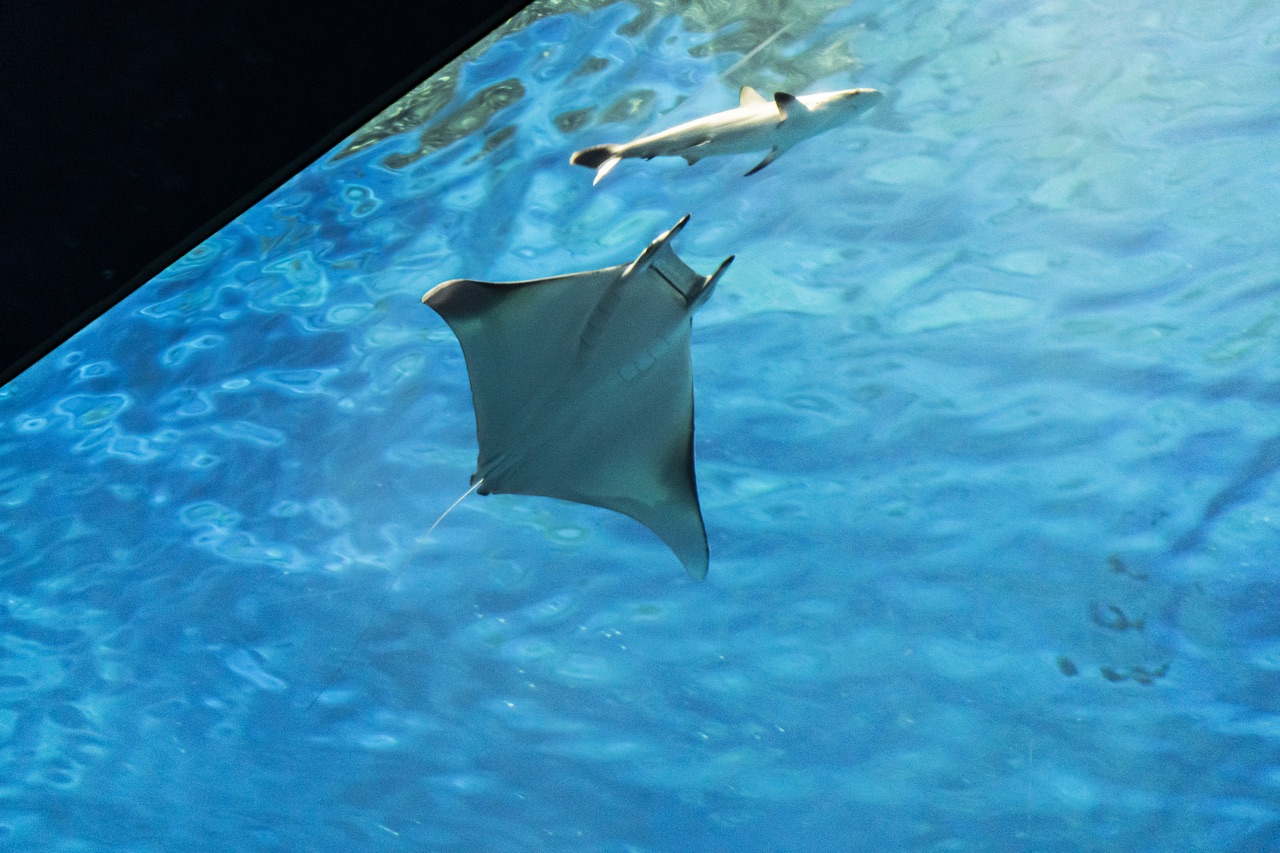
Mobula (Devil) Ray
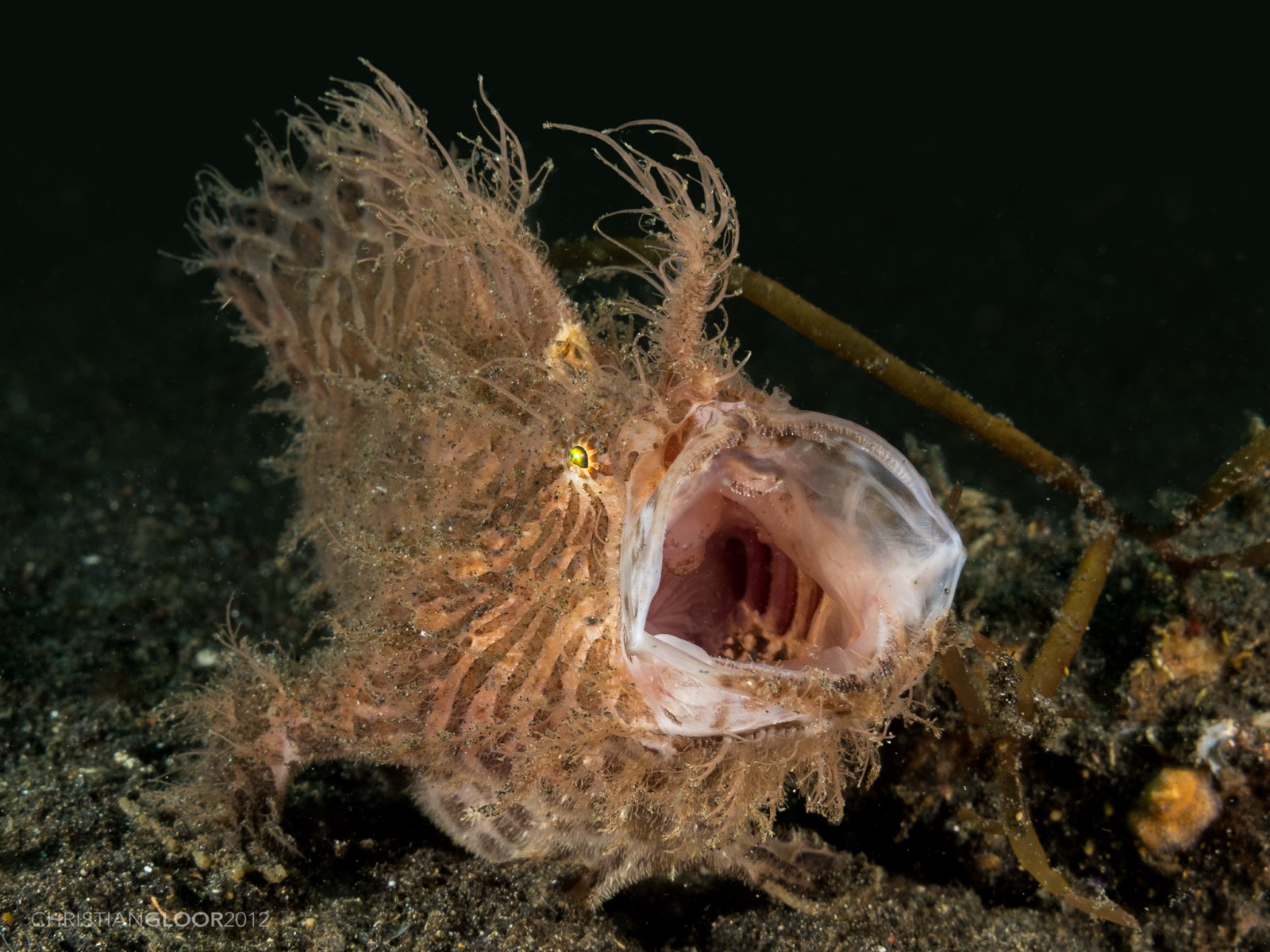
Frogfish
Also recorded nearby
"Charted here" species were listed by our editors from the sources on this page. Counts are GBIF occurrence records: observations logged within about 5 km of the charted position since 1990, matched only against the species in our catalogue. They show what has been seen there, not a promise of what you will see.
For photographers
Wide angle: ★★★★★ · Macro: ★☆☆☆☆ (editors' 1–5 rating of what this site gives each style of shooting)