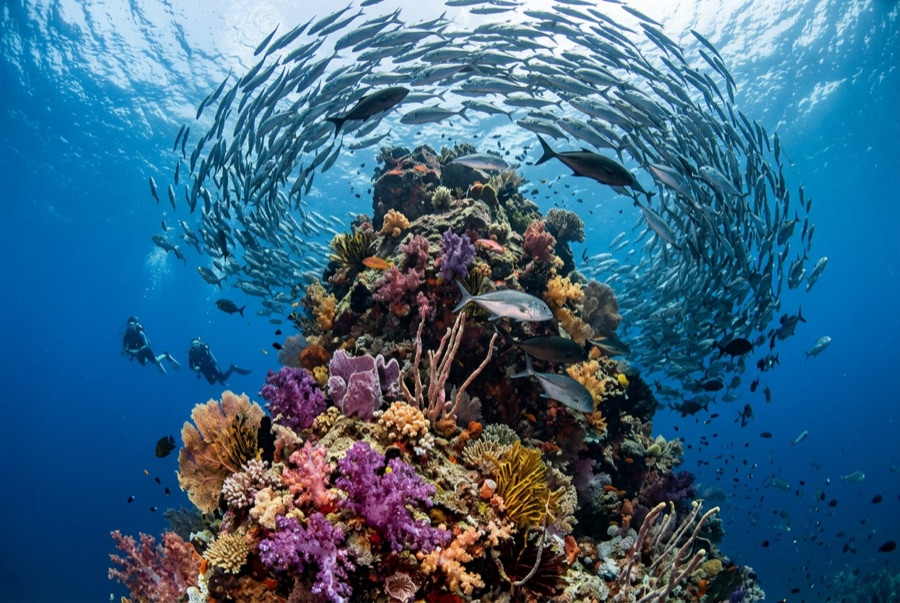
Dirty Rock
La profondeur correspond à la plage allant du sommet du site jusqu'à son maximum habituel ; le « niveau recommandé » est le niveau demandé en général par les opérateurs auprès des grandes agences, pas une règle légale. Les courants et la visibilité varient chaque jour, traitez donc tout cela comme des plages indicatives de planification.
The name refers to the seabird whitewash on the stacks above; below, Dirty Rock is arguably Cocos's most consistent dive. A rubble channel between the main rock and its outliers acts as a highway - hammerheads cross it singly and in schools, marbled rays hug the bottom, and green turtles plow through the middle of everything. Massive balls of bigeye jacks form here, dense enough to swallow a diver's entire field of view, with silkies and the occasional Galapagos shark patrolling the edges. When the current runs, it feels less like visiting a reef than standing at a junction in open ocean watching traffic.
Le moment pour lequel vous venez: Jack schools that block the sun, hammerhead crossings, marbled rays on the channel floor
Topographie: Guano-stained rock stacks and a boulder channel dropping past 30 m
Courant: Current splits around the rock; guides position groups on the lee shoulder facing the channel.
À savoir avant de plonger
Dangers: Current, surge near the stacks, easy to overstay depth in the excitement.
Conservation: National park rules; moorings only, groups follow ranger-approved plans.
Nitrox: Pertinent ici : les profils se situent dans la plage où le nitrox prolonge significativement le temps sans palier (avec la formation pour l'utiliser).
Qui vous croiserez
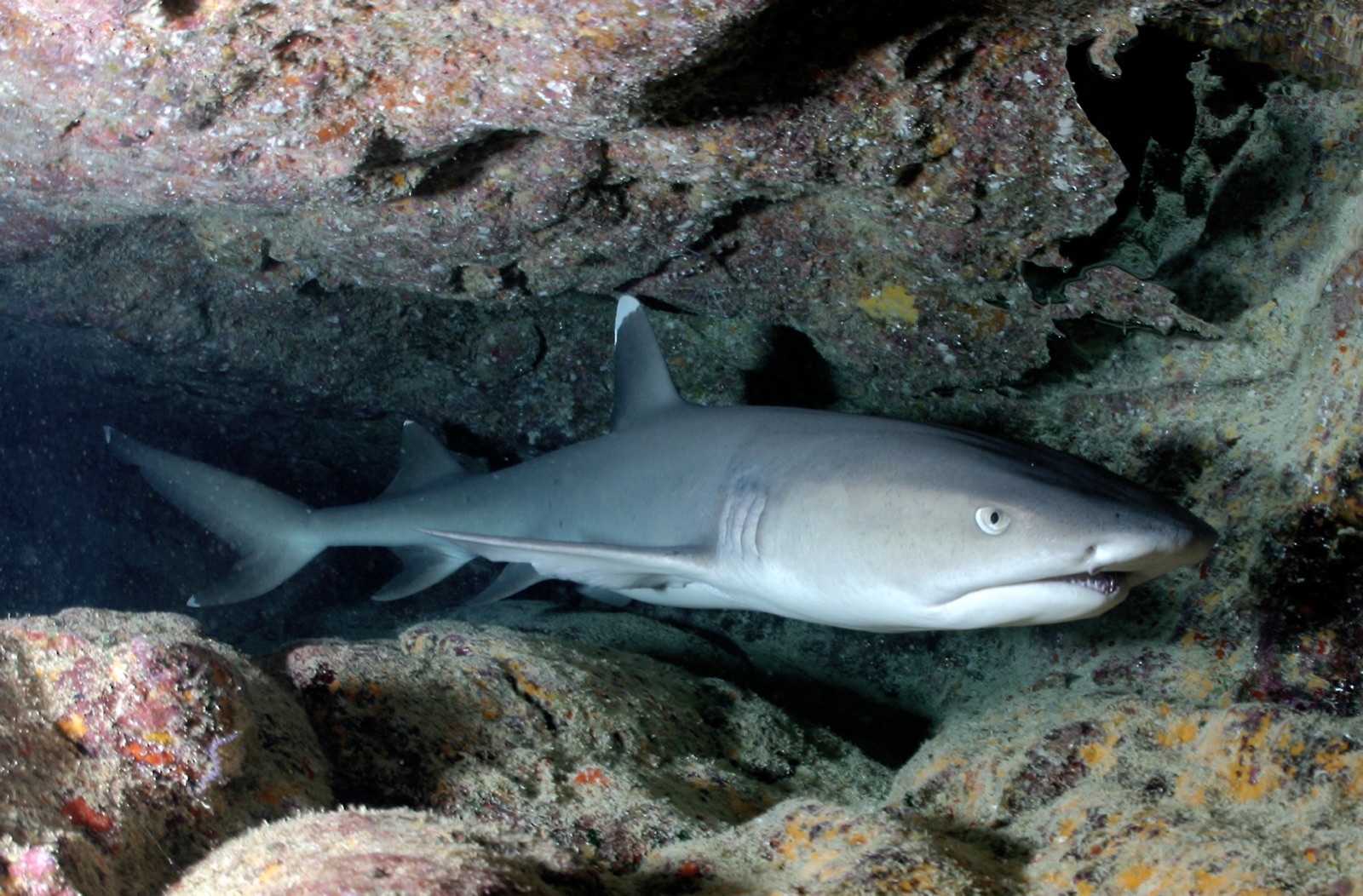
Whitetip Reef Shark
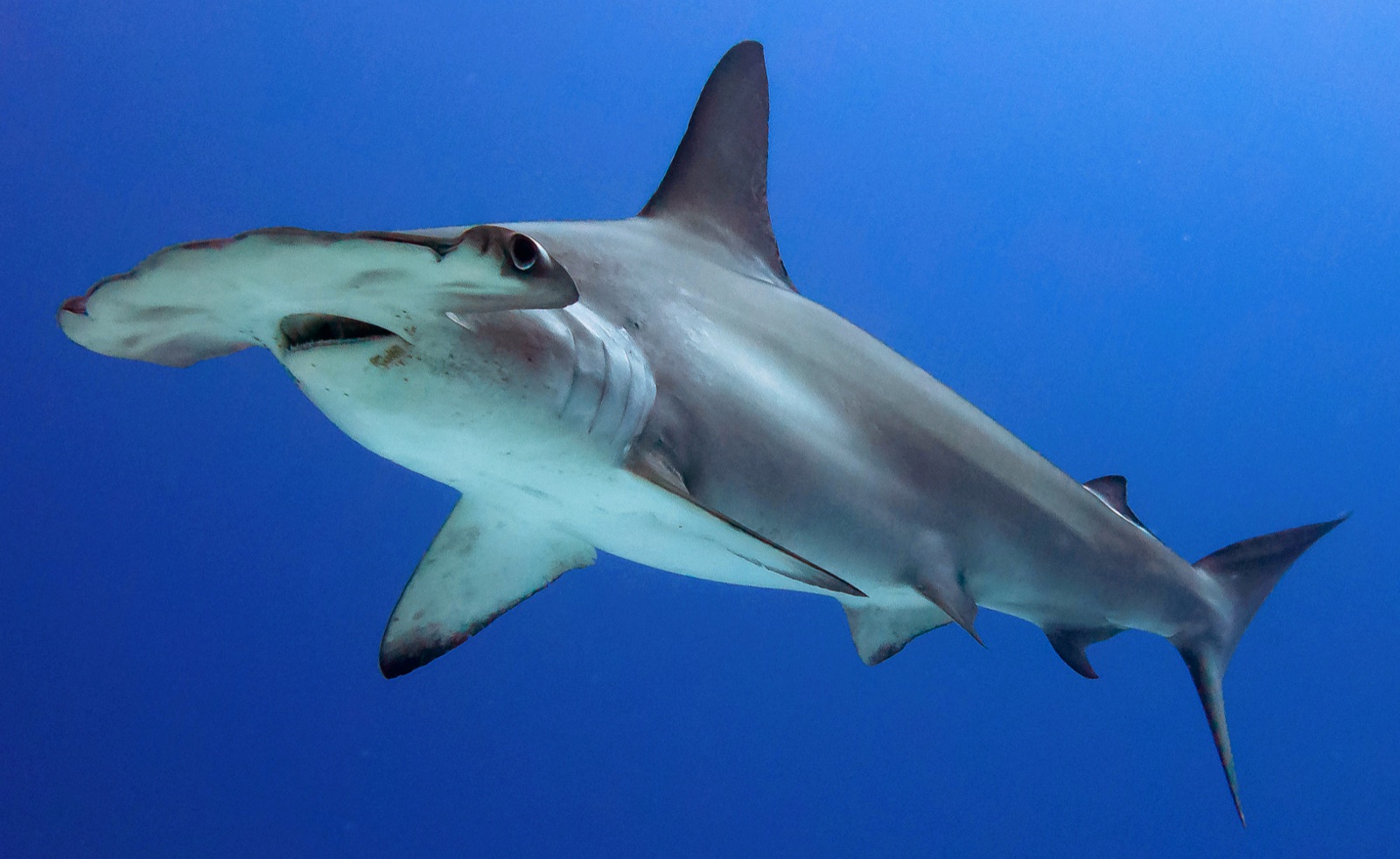
Scalloped Hammerhead
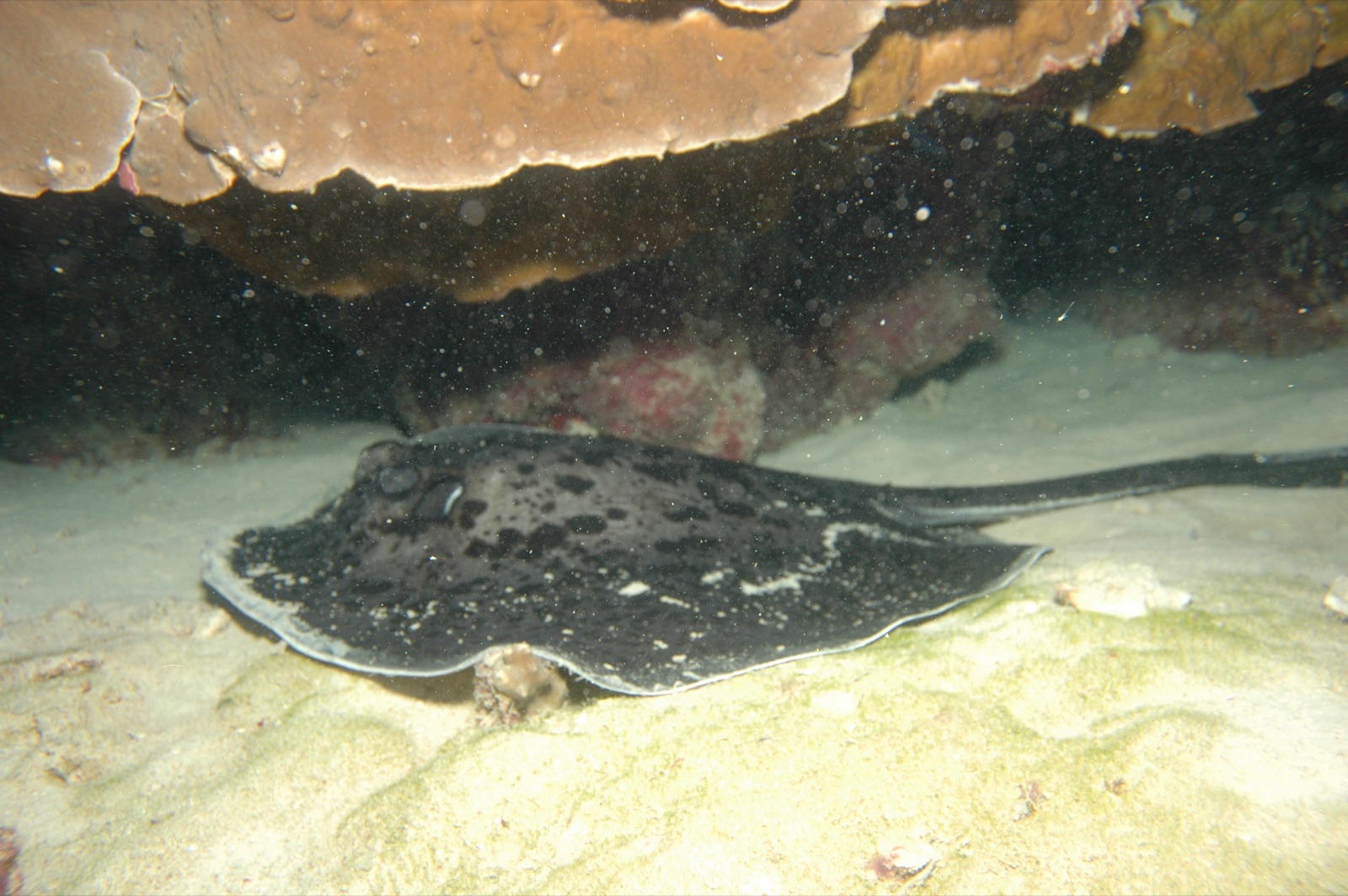
Marbled Ray
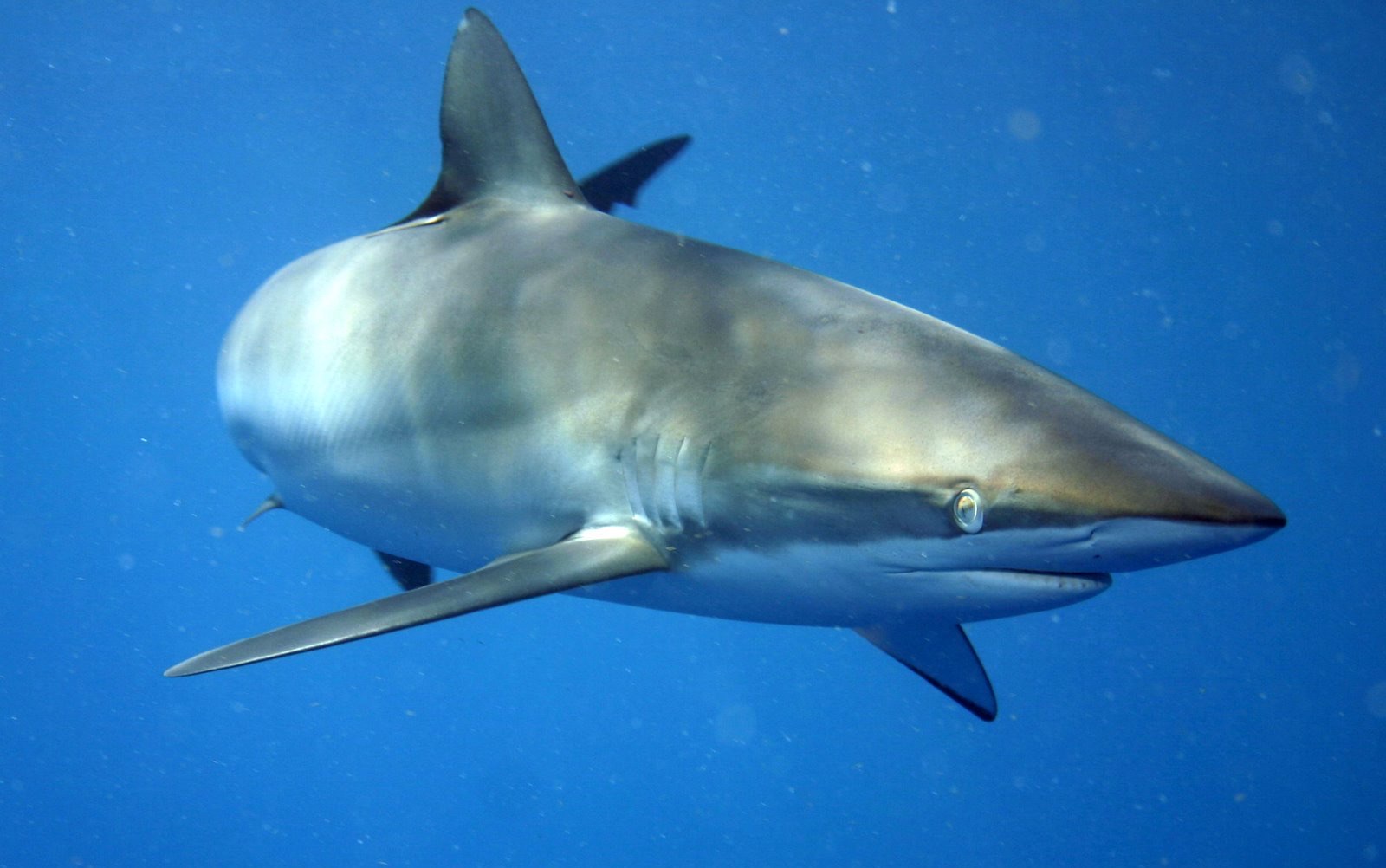
Silky Shark
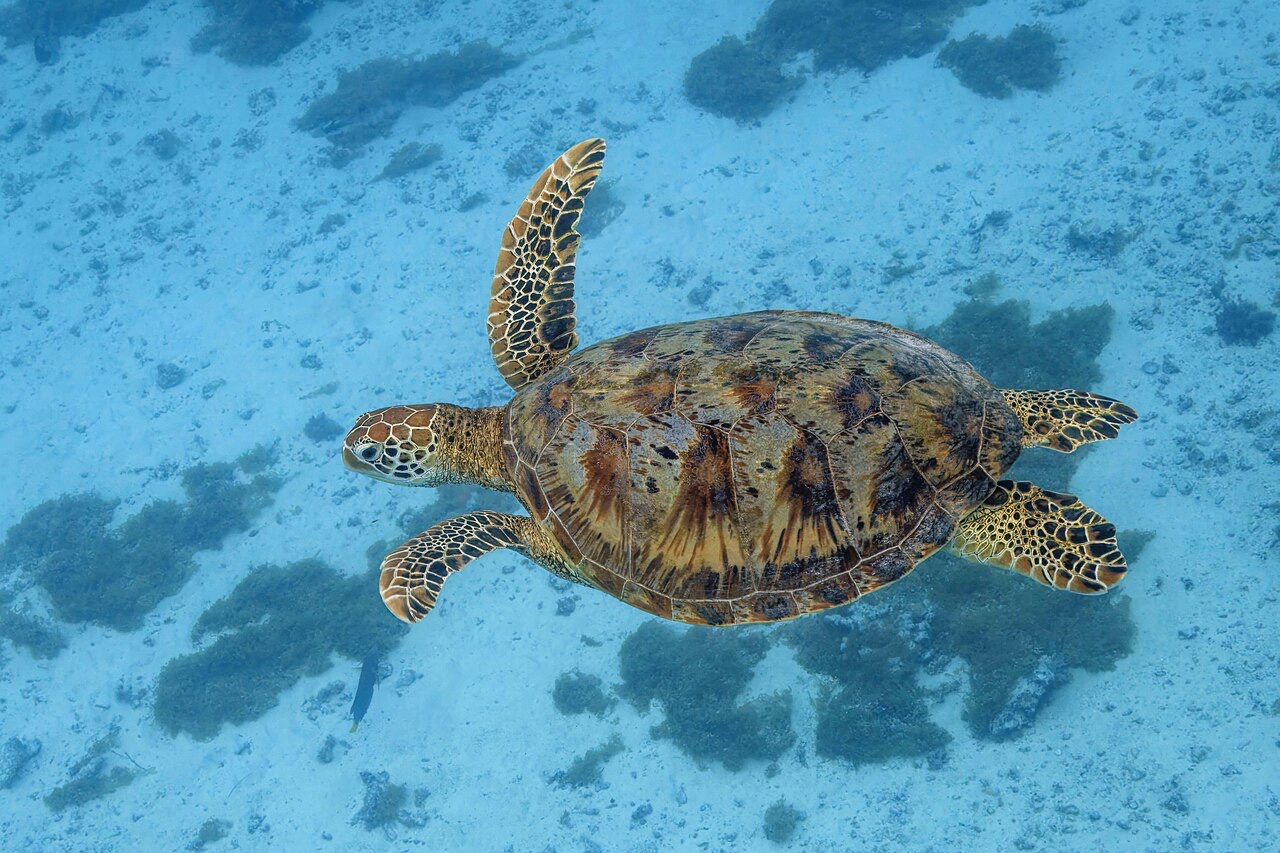
Green Sea Turtle
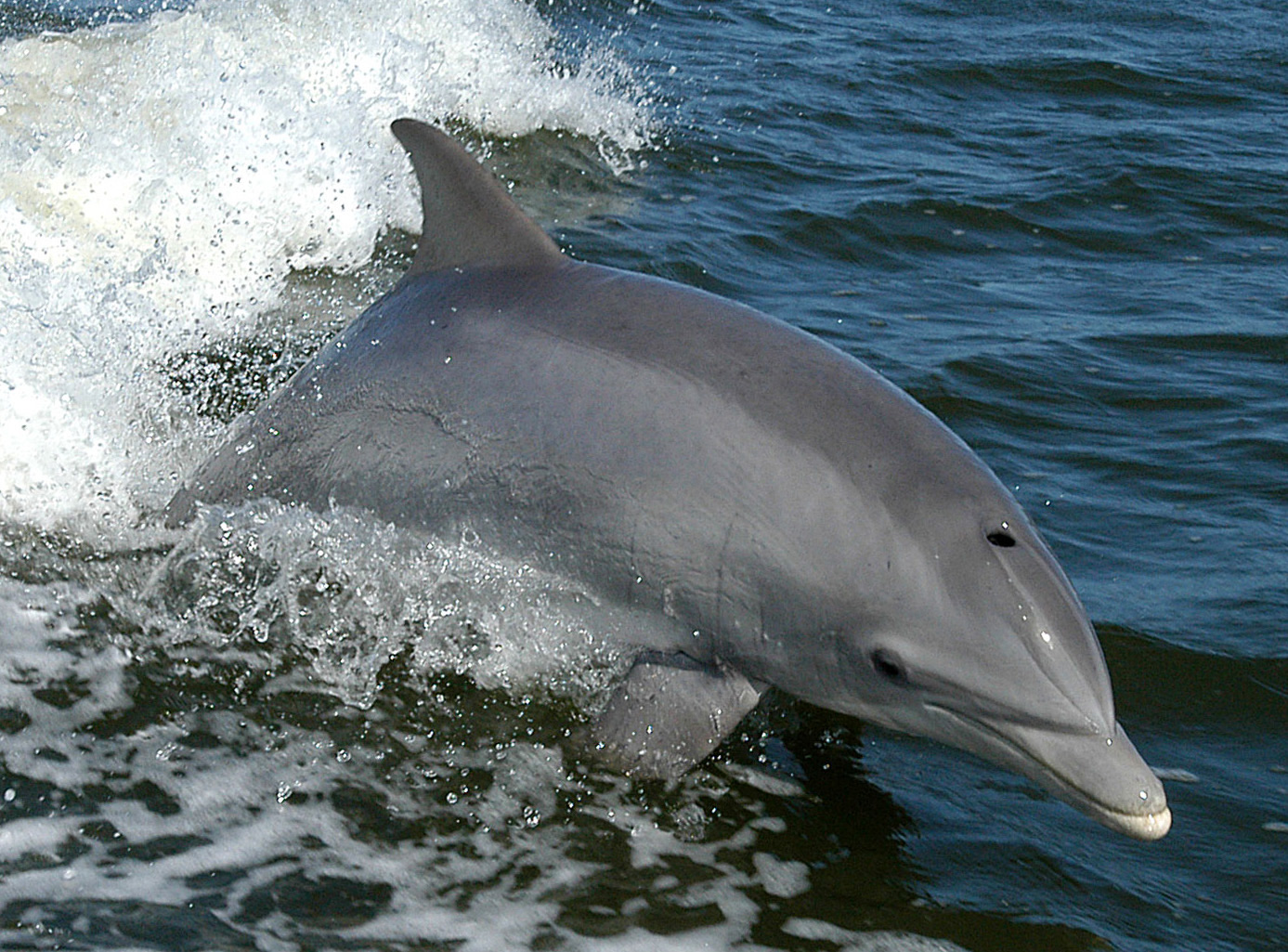
Bottlenose Dolphin
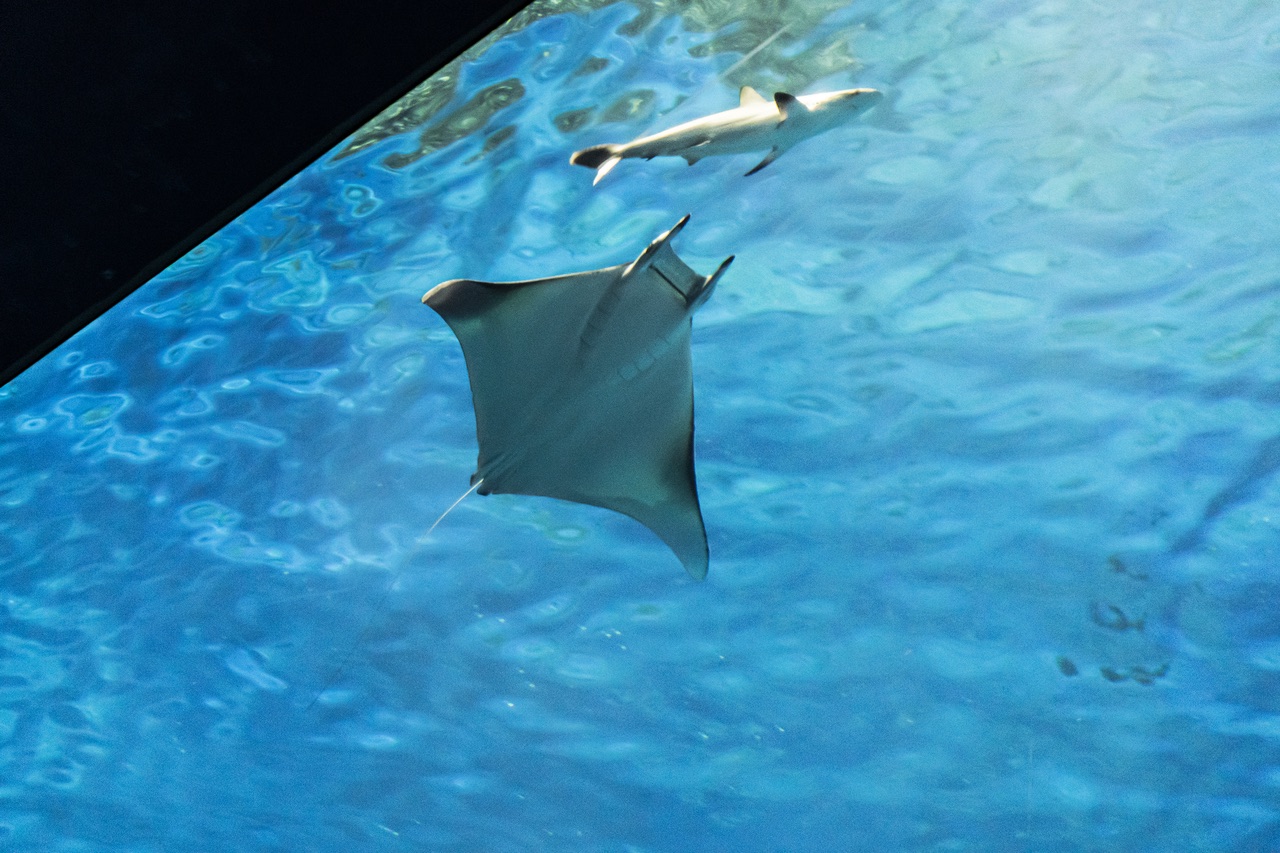
Mobula (Devil) Ray
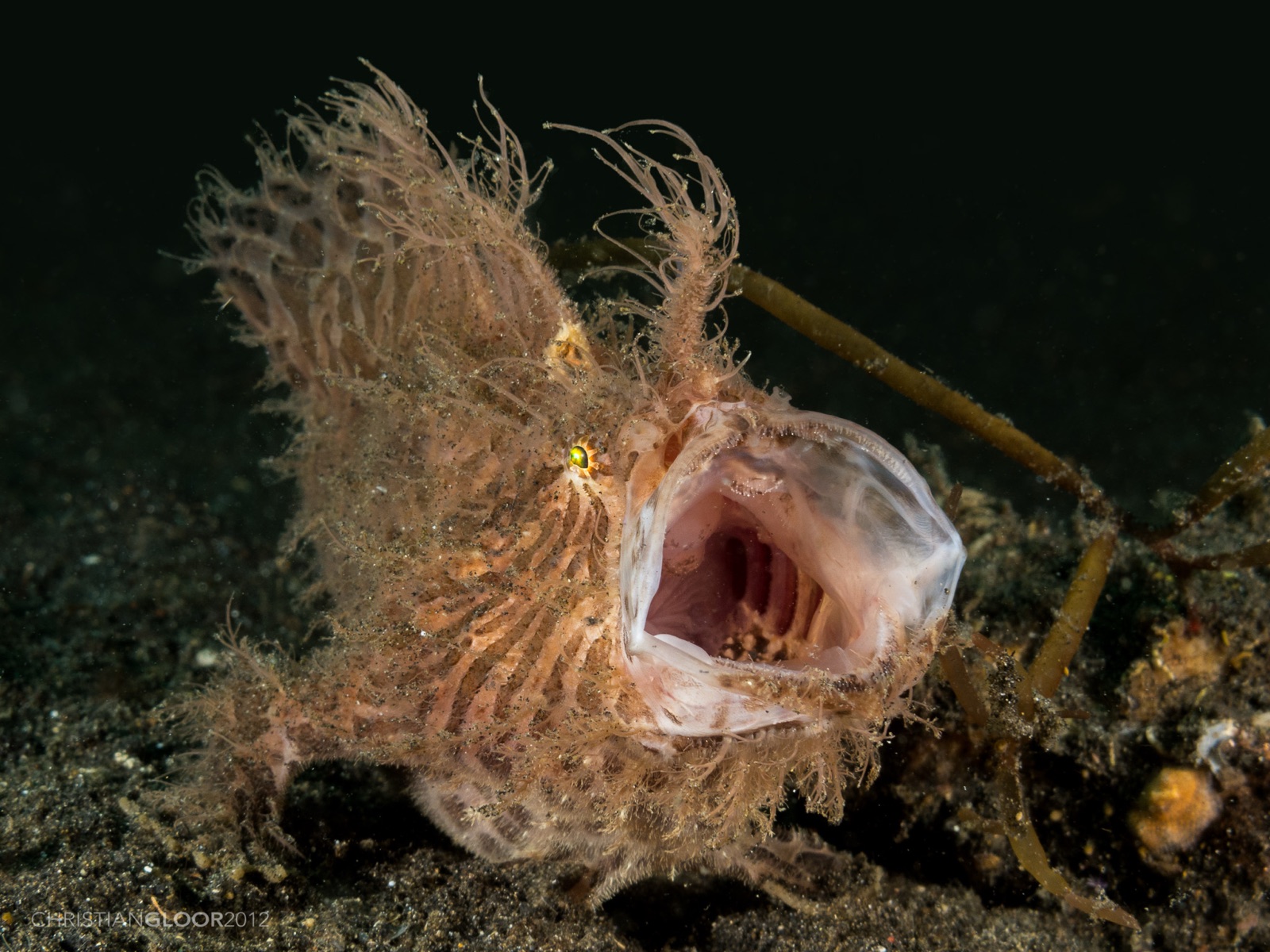
Frogfish
Également observé à proximité
Les espèces « cartographiées ici » ont été répertoriées par nos éditeurs à partir des sources indiquées sur cette page. Les comptages correspondent aux occurrences GBIF : observations enregistrées dans un rayon d'environ 5 km autour de la position cartographiée depuis 1990, comparées uniquement aux espèces de notre catalogue. Ils indiquent ce qui a été observé à cet endroit, sans garantir ce que vous y verrez.
Pour les photographes
Grand angle: ★★★★★ · Macro: ★☆☆☆☆ (note 1–5 des éditeurs sur ce que ce site offre à chaque style de prise de vue)