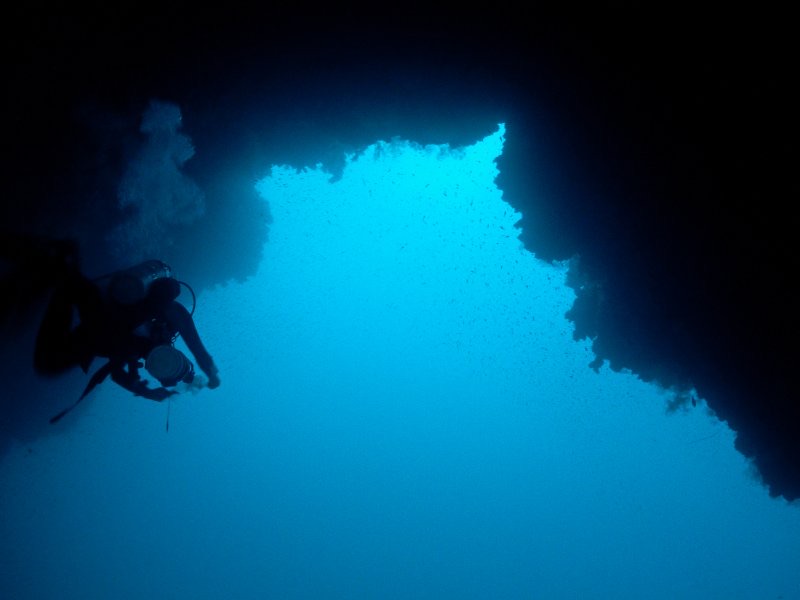
Blue Hole
Depth is the range from the top of the site to its usual maximum; "recommended cert" is the mainstream-agency level operators usually ask for, not a legal rule. Currents and visibility change daily, so treat everything here as planning ranges.
Dahab's famous sinkhole is really two dive sites sharing an address. The one most people do is lovely and undemanding: drop through the Bells chimney, drift south along an outer wall stepped with coral, and glide over the shallow saddle into the sunlit bowl. The other - the Arch, a roughly 26-meter tunnel through the reef wall with its ceiling near 55 meters - belongs to technical diving, and the site's grim reputation was earned almost entirely by people who attempted it without the training, gas, or support it requires. No official count exists; conservative estimates put the deaths well past one hundred, and memorial plaques line the cliff above the entry. Dived within limits, it is a calm, current-free pleasure. The shaft itself bottoms out somewhere between about 92 and 120 meters depending on the survey.
The moment you come for: The Bells chimney entry; the saddle crossing into blue light; freediving culture at the surface; sobering memorial wall ashore.
Topography: A collapsed circular shaft in the fringing reef, its floor far below recreational depths, ringed by living coral walls
Entry: The classic dive enters at the Bells, a narrow chimney north of the hole, follows the outer wall south, and crosses the saddle at about 7 meters into the hole itself. Proof of certification is checked.
Know before you splash
Hazards: The Arch has killed experienced divers as well as reckless ones - depth, narcosis, and a deceptive exit; freedivers and scuba traffic share the bowl; midday snorkeler crowds.
Permits & rules: Protectorate entry fee; guides and proof of certification required, with technical dives subject to additional checks.
Conservation: Inside the Ras Abu Galum protectorate; entry tickets fund management. The saddle's corals take heavy traffic - keep fins up.
Nitrox: Worth it here: profiles sit in the range where enriched air meaningfully extends no-stop time (with the training to use it).
Who you'll meet
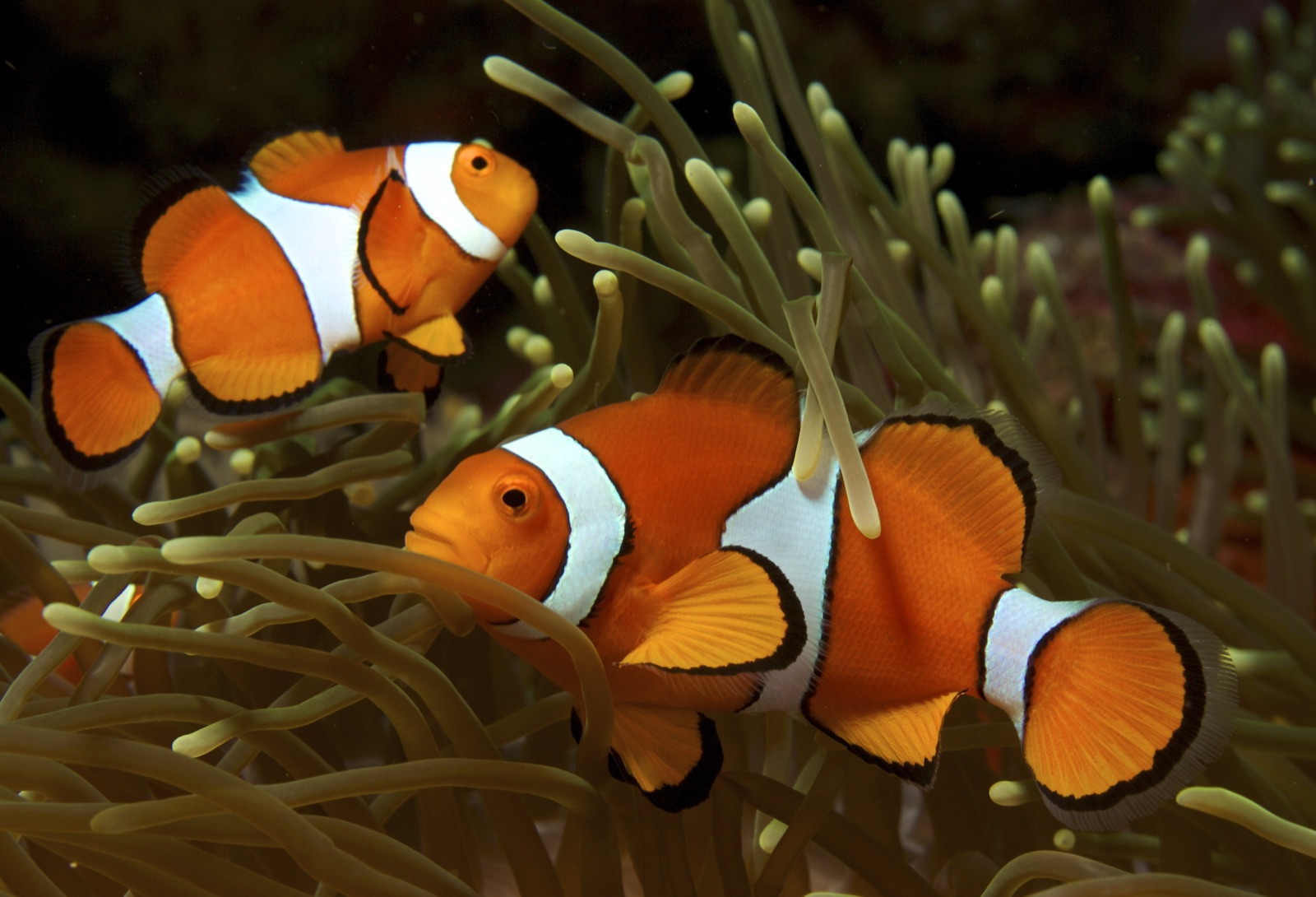
Clownfish & Anemonefish
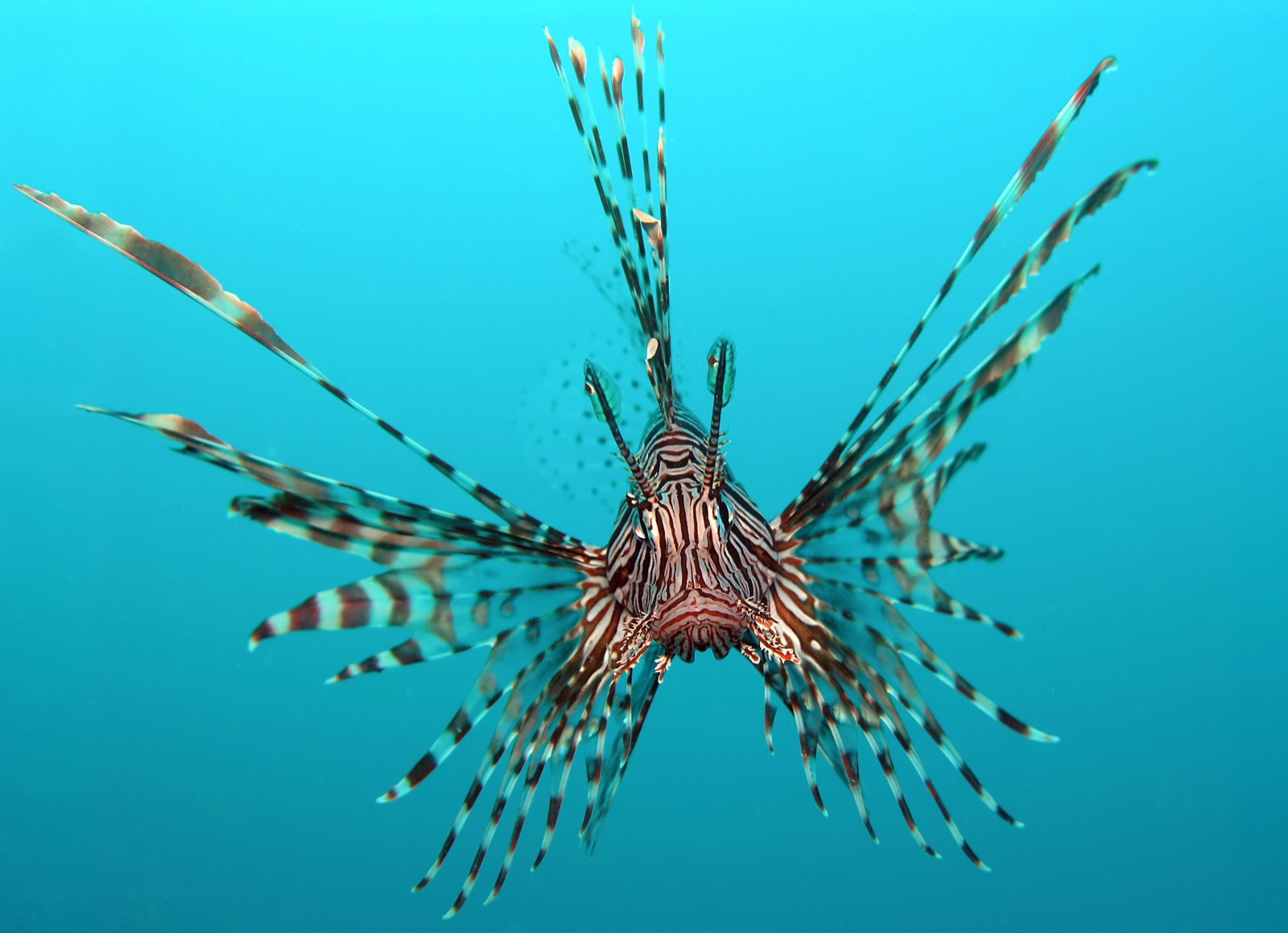
Lionfish
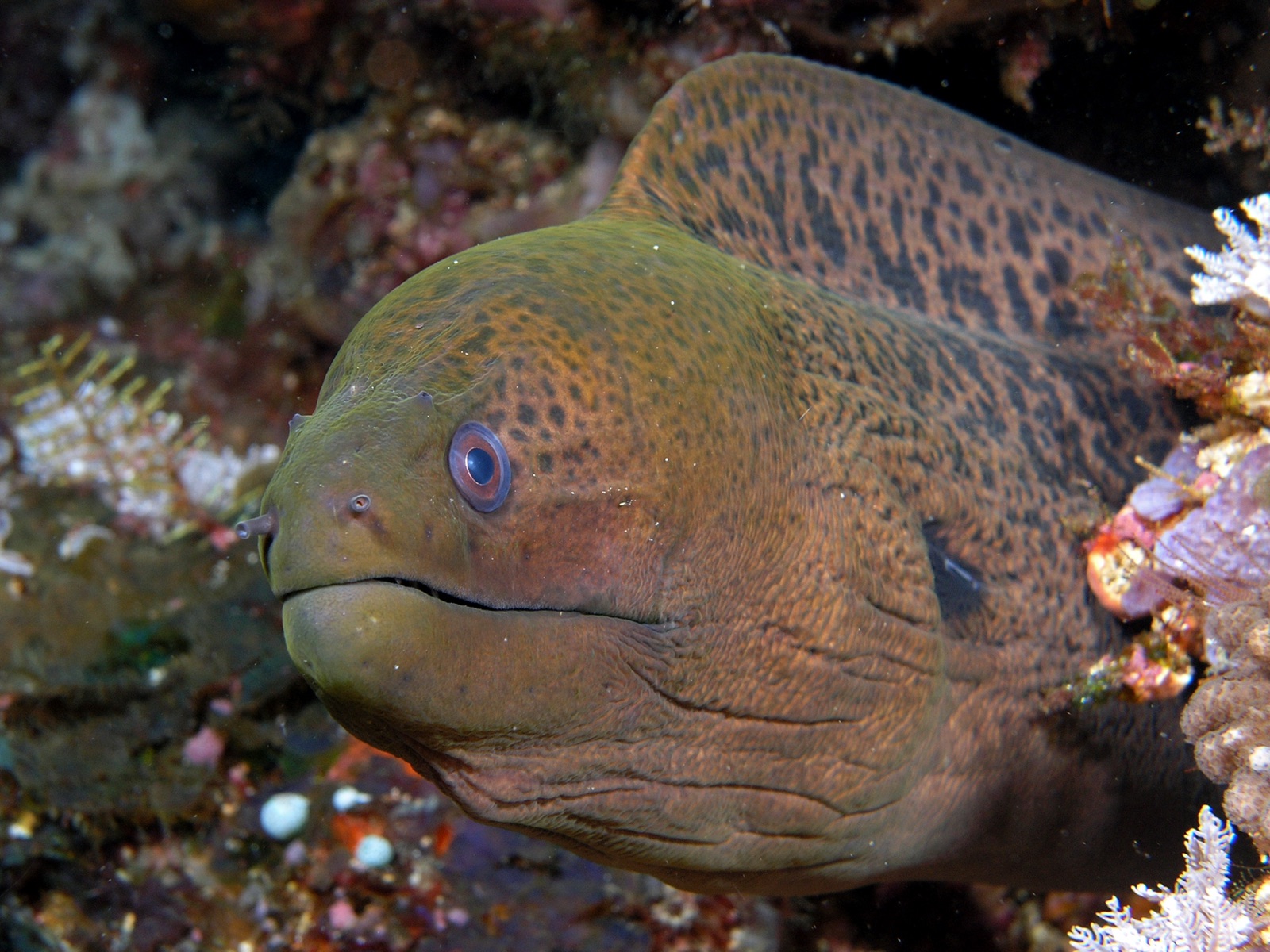
Giant Moray Eel
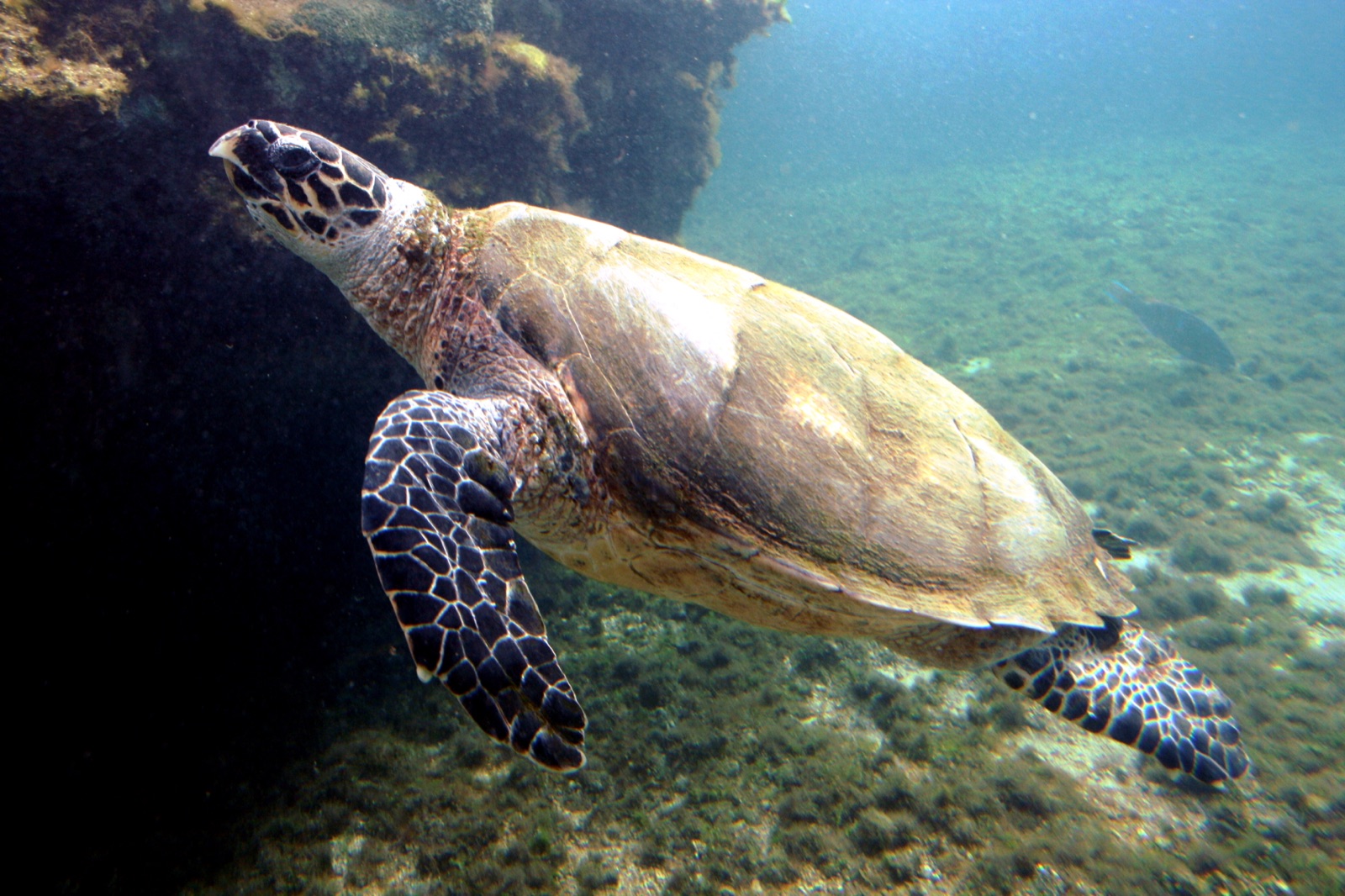
Hawksbill Turtle
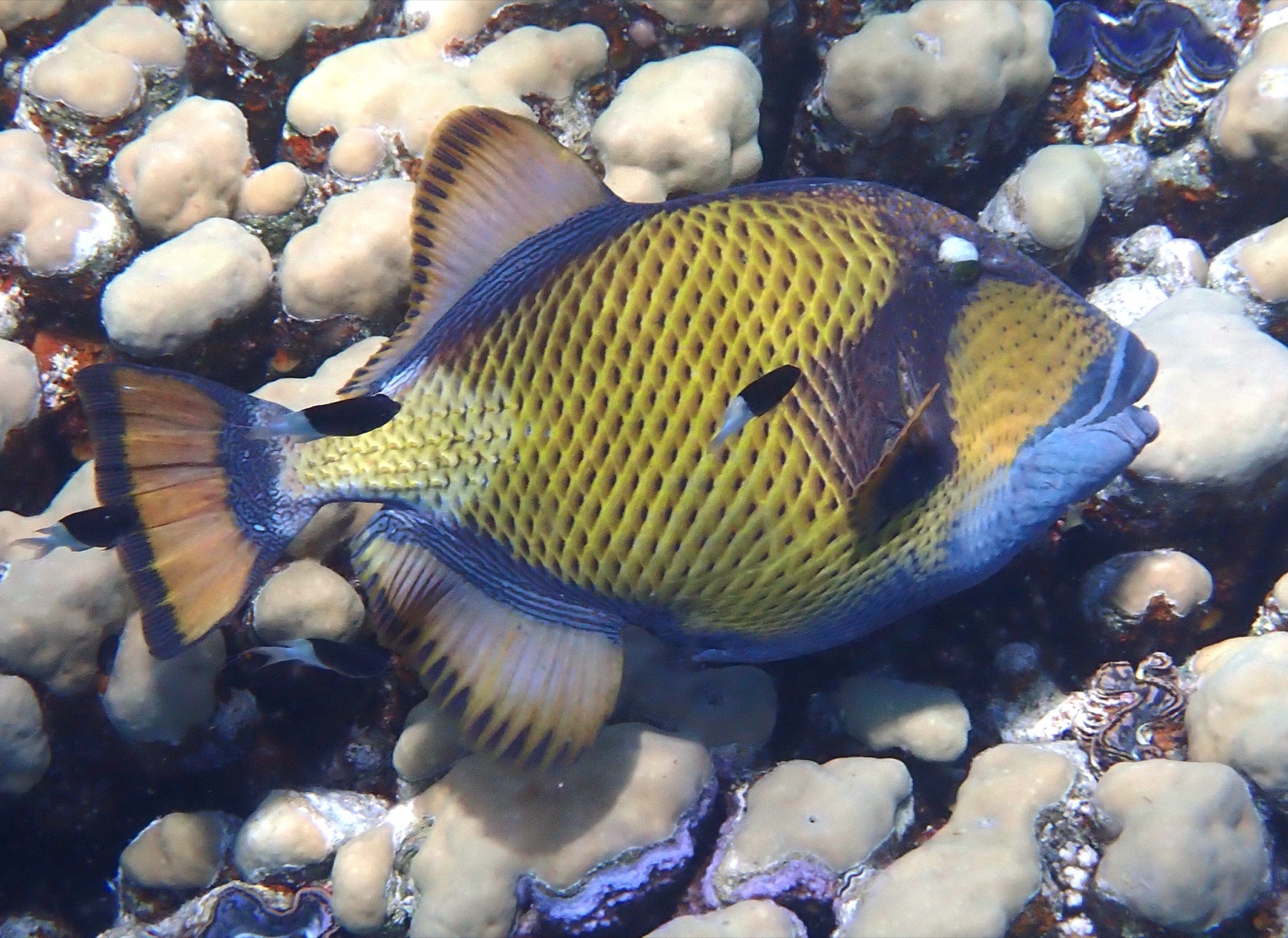
Titan Triggerfish
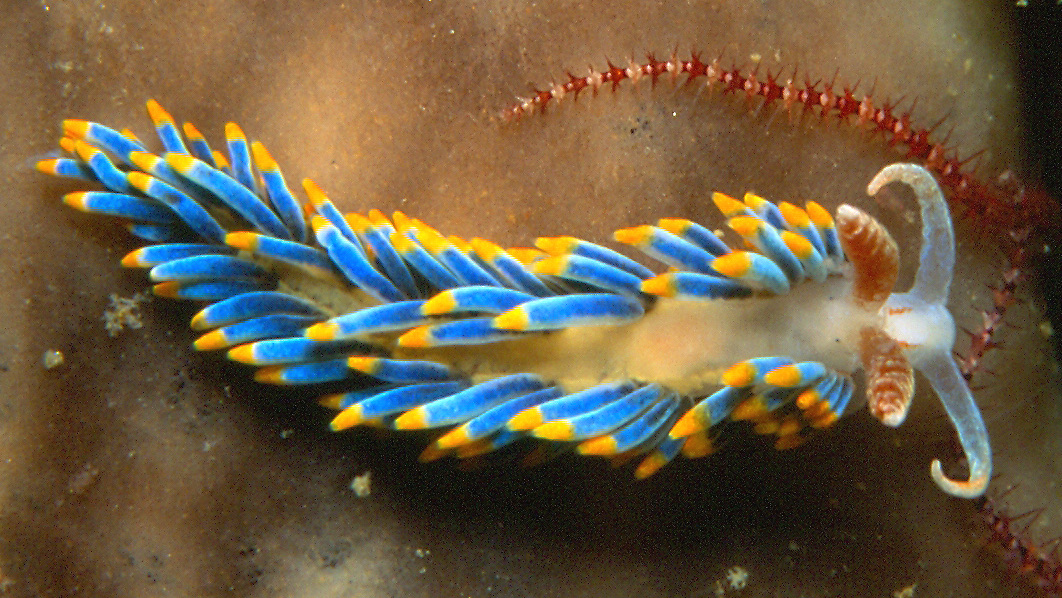
Nudibranchs
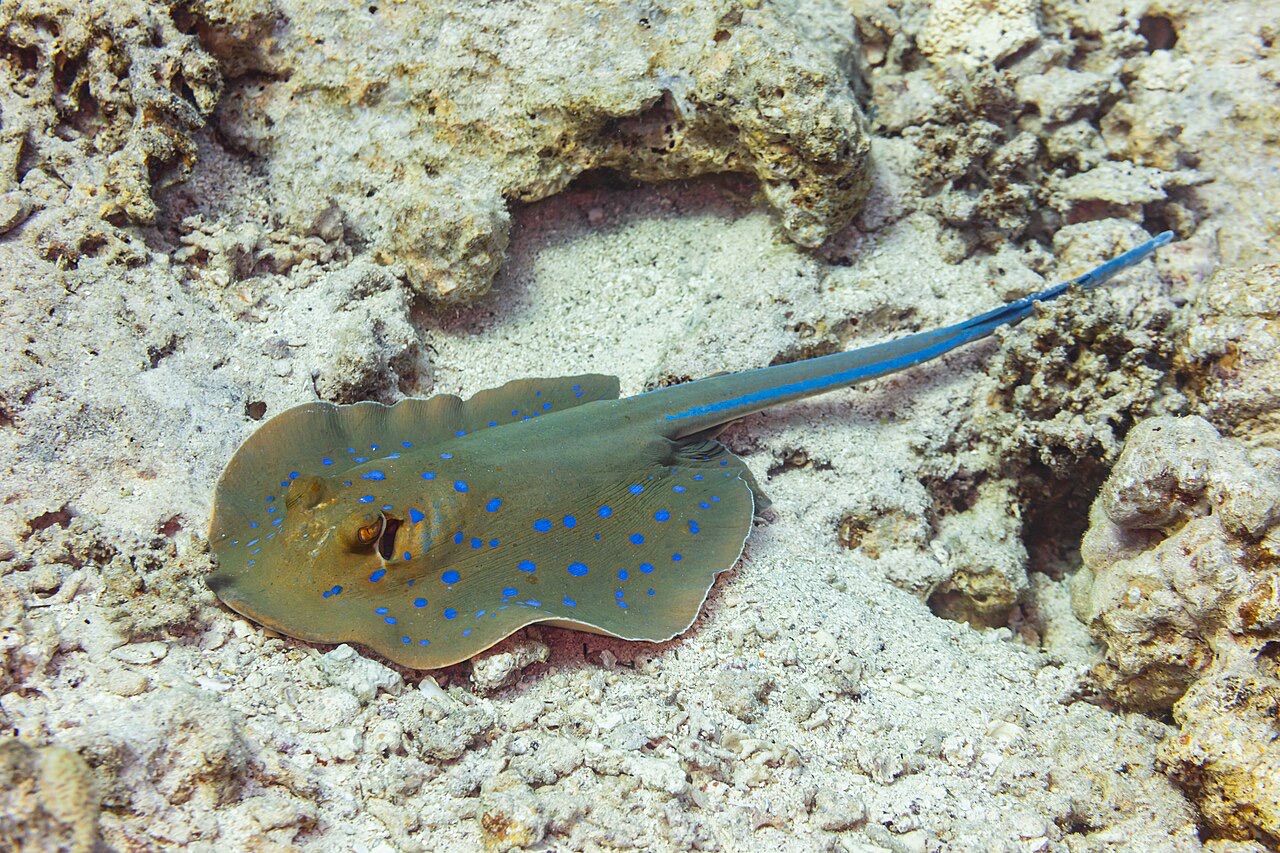
Blue-Spotted Ribbontail Ray
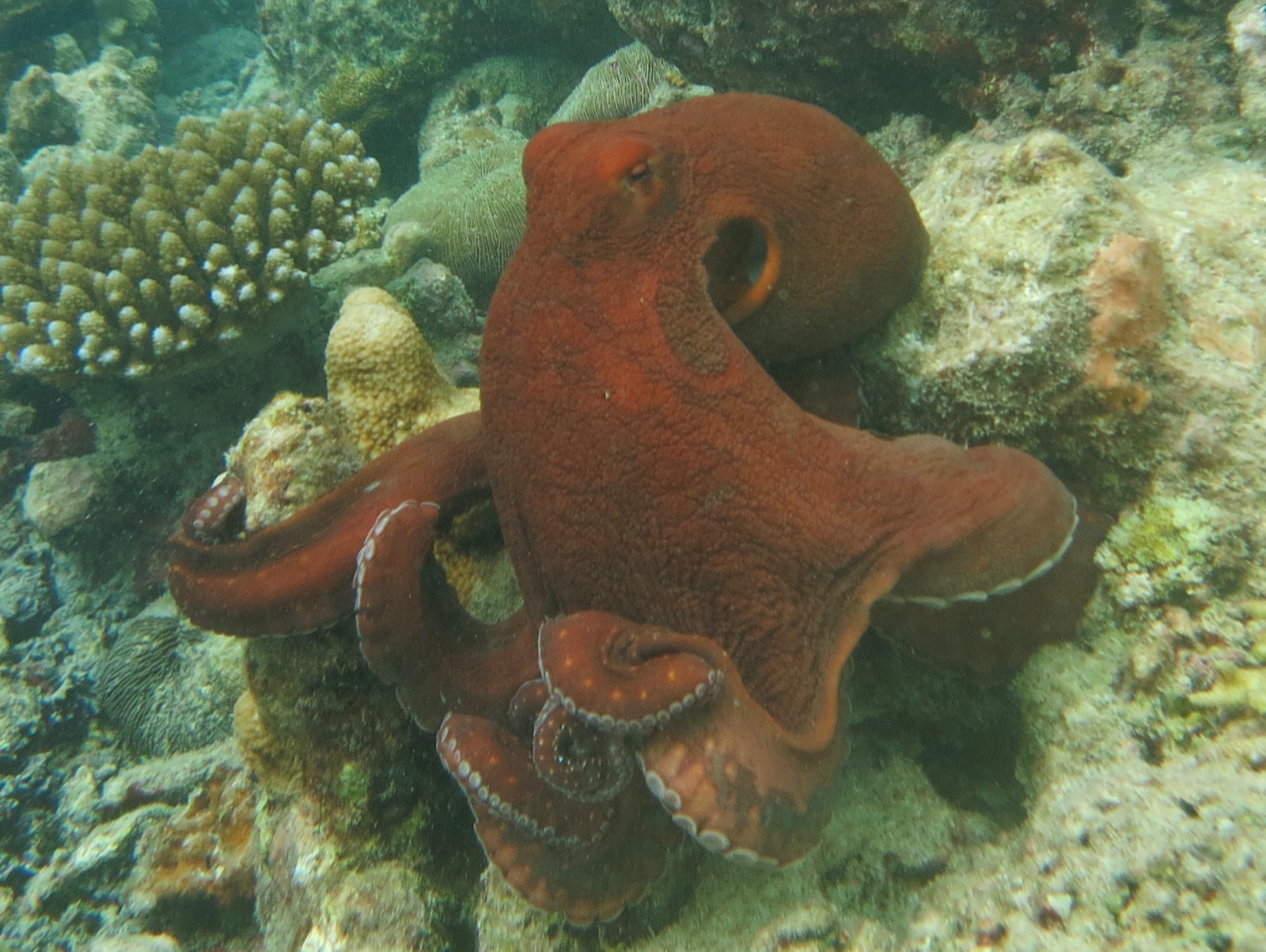
Common Reef (Day) Octopus
Also recorded nearby
"Charted here" species were listed by our editors from the sources on this page. Counts are GBIF occurrence records: observations logged within about 5 km of the charted position since 1990, matched only against the species in our catalogue. They show what has been seen there, not a promise of what you will see.
For photographers
Wide angle: ★★★★☆ · Macro: ★★☆☆☆ (editors' 1–5 rating of what this site gives each style of shooting)