Blue Hole
La profundidad es el rango desde la cima del punto de buceo hasta su máximo habitual; la "certificación recomendada" es el nivel que los operadores suelen pedir según las agencias principales, no una norma legal. Las corrientes y la visibilidad cambian a diario, así que trata todo esto como rangos de planificación.
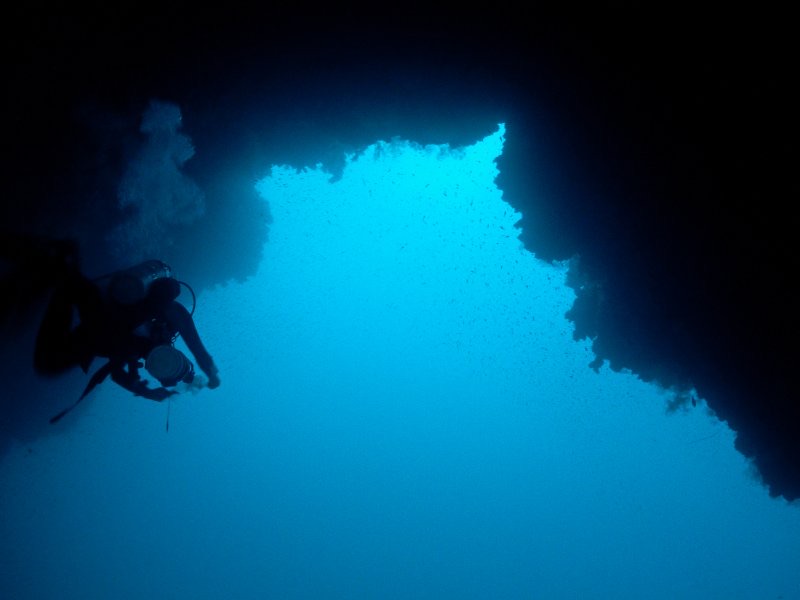
Dahab's famous sinkhole is really two dive sites sharing an address. The one most people do is lovely and undemanding: drop through the Bells chimney, drift south along an outer wall stepped with coral, and glide over the shallow saddle into the sunlit bowl. The other - the Arch, a roughly 26-meter tunnel through the reef wall with its ceiling near 55 meters - belongs to technical diving, and the site's grim reputation was earned almost entirely by people who attempted it without the training, gas, or support it requires. No official count exists; conservative estimates put the deaths well past one hundred, and memorial plaques line the cliff above the entry. Dived within limits, it is a calm, current-free pleasure. The shaft itself bottoms out somewhere between about 92 and 120 meters depending on the survey.
El momento por el que vienes: The Bells chimney entry; the saddle crossing into blue light; freediving culture at the surface; sobering memorial wall ashore.
Topografía: A collapsed circular shaft in the fringing reef, its floor far below recreational depths, ringed by living coral walls
Entrada: The classic dive enters at the Bells, a narrow chimney north of the hole, follows the outer wall south, and crosses the saddle at about 7 meters into the hole itself. Proof of certification is checked.
Lo que debes saber antes de tirarte al agua
Riesgos: The Arch has killed experienced divers as well as reckless ones - depth, narcosis, and a deceptive exit; freedivers and scuba traffic share the bowl; midday snorkeler crowds.
Permisos y normas: Protectorate entry fee; guides and proof of certification required, with technical dives subject to additional checks.
Conservación: Inside the Ras Abu Galum protectorate; entry tickets fund management. The saddle's corals take heavy traffic - keep fins up.
Nitrox: Vale la pena aquí: los perfiles están en el rango donde el nitrox amplía de forma significativa el tiempo sin parada (con la formación necesaria para usarlo).
A quién encontrarás
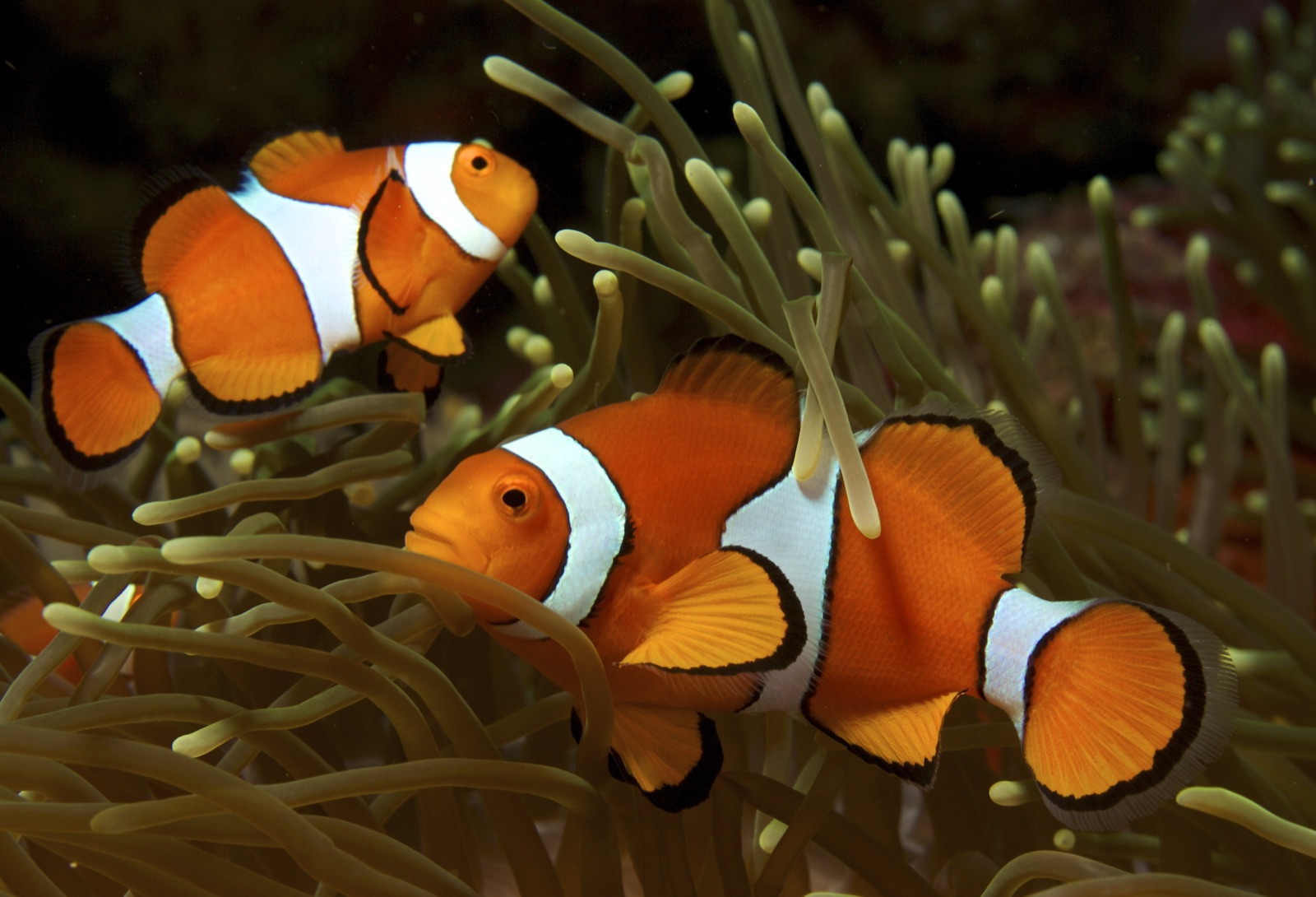
Clownfish & Anemonefish
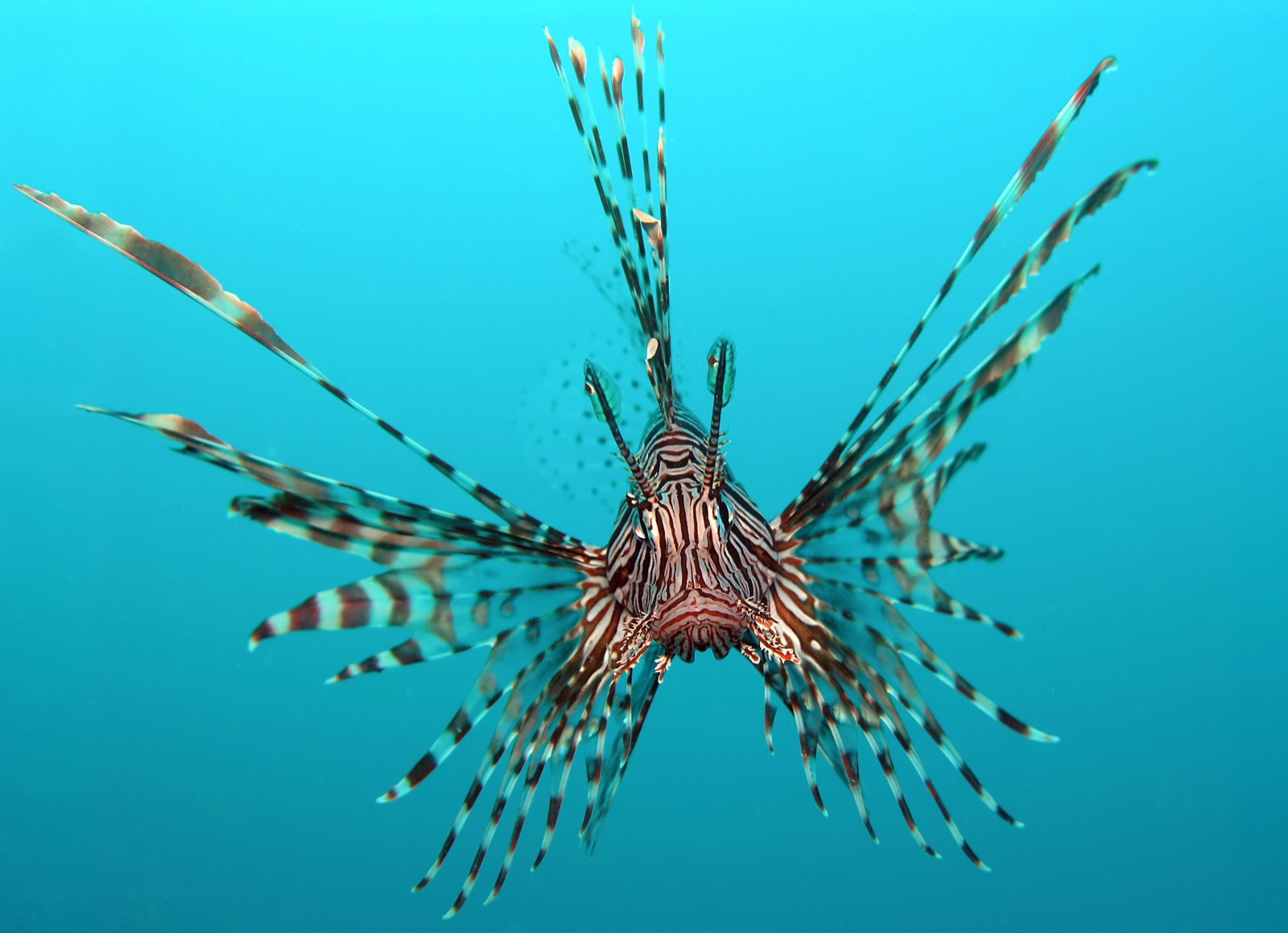
Lionfish
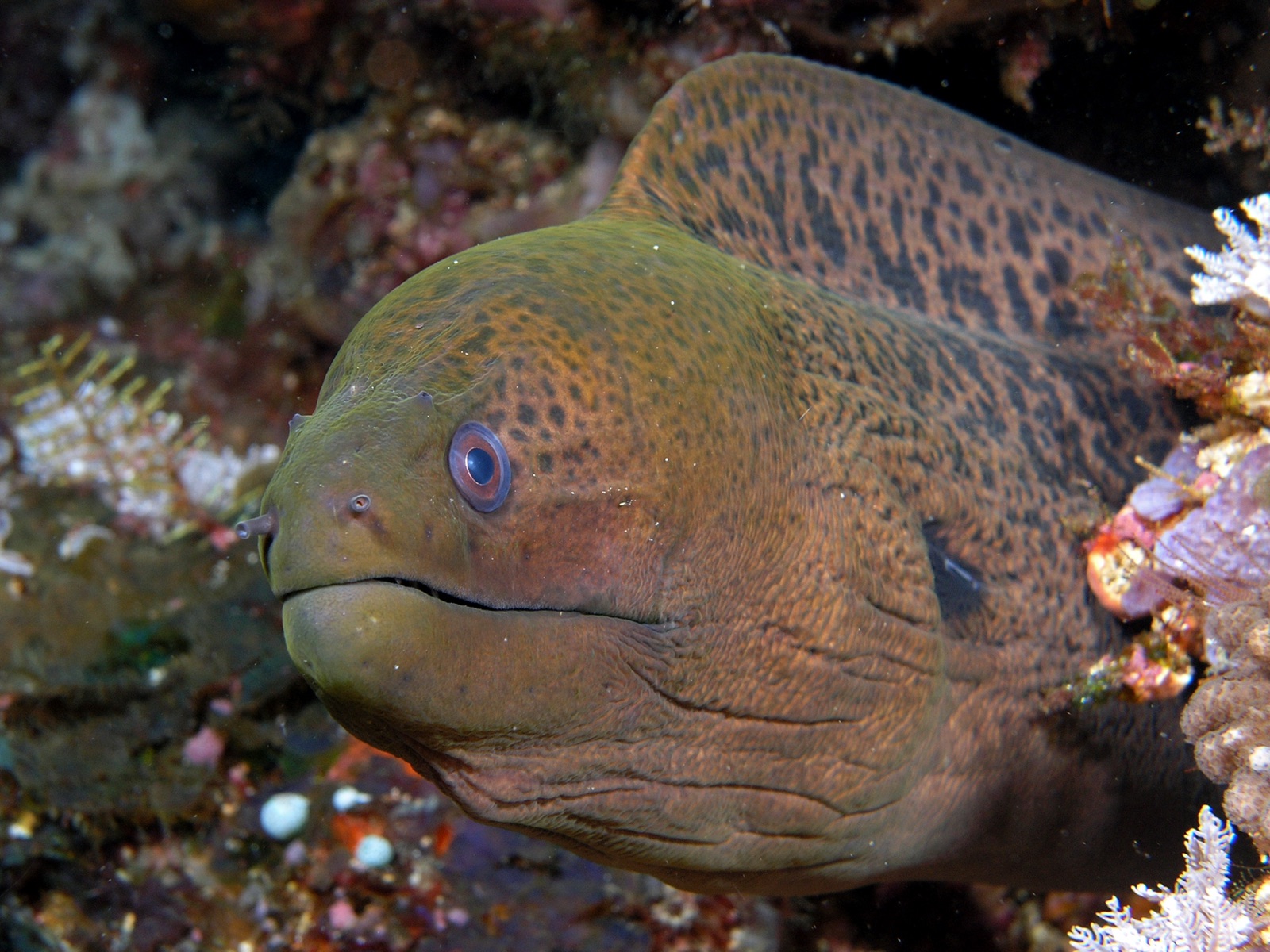
Giant Moray Eel
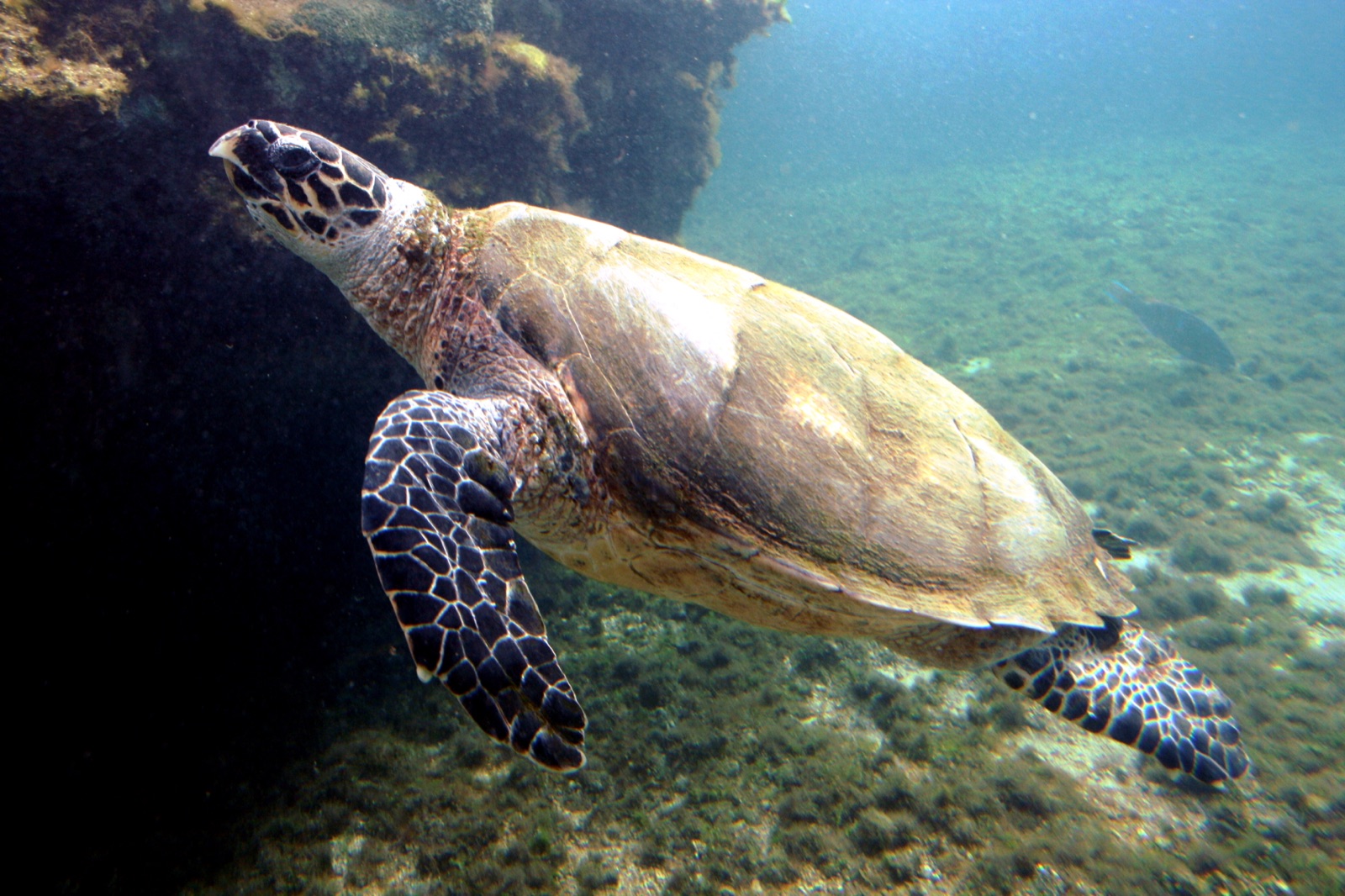
Hawksbill Turtle
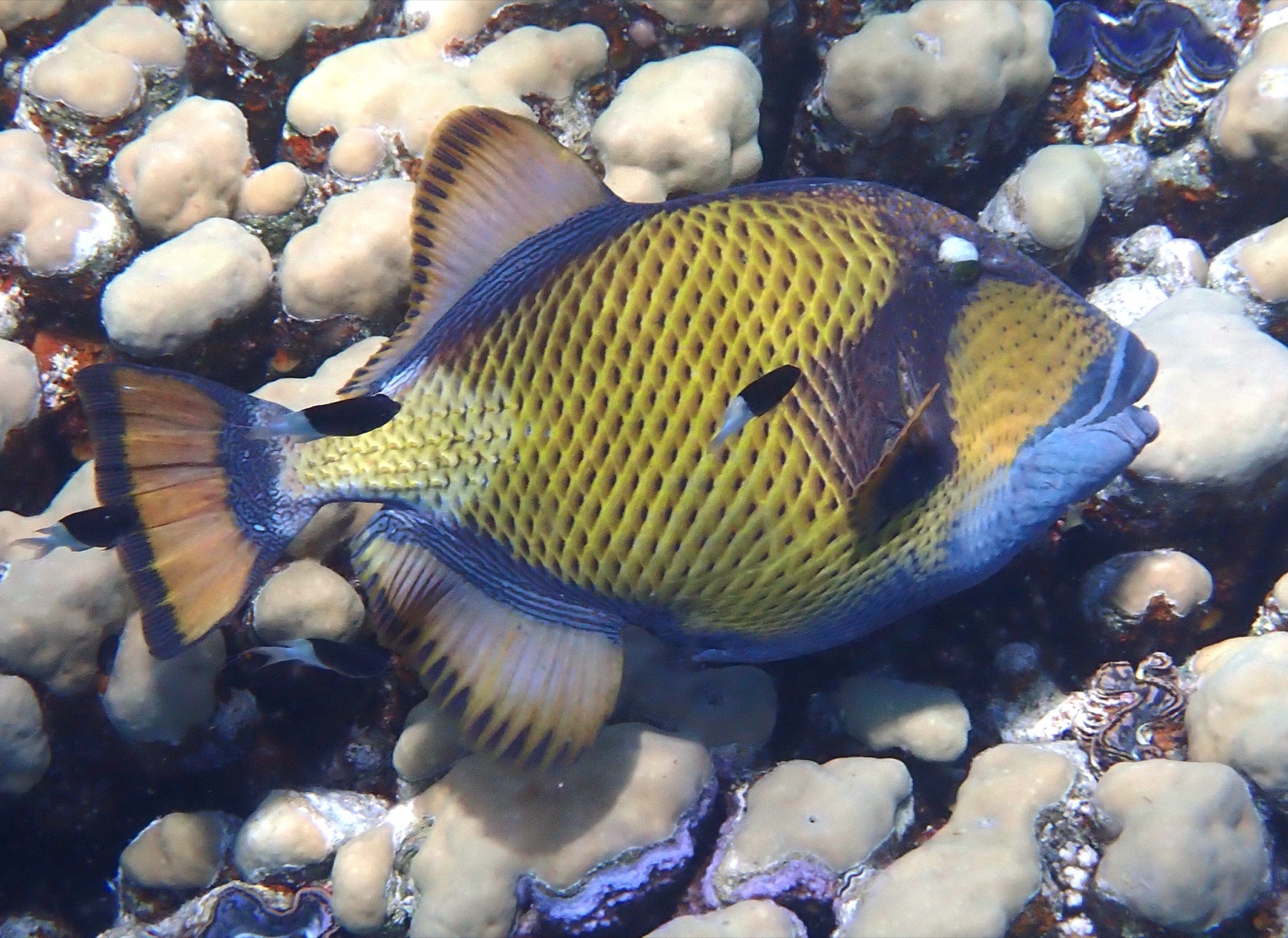
Titan Triggerfish
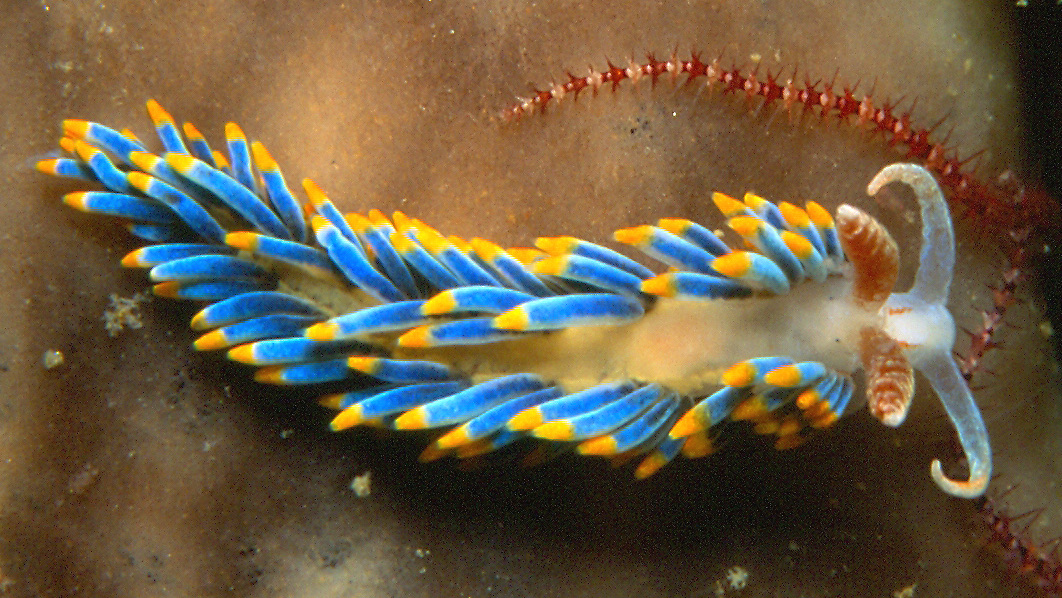
Nudibranchs
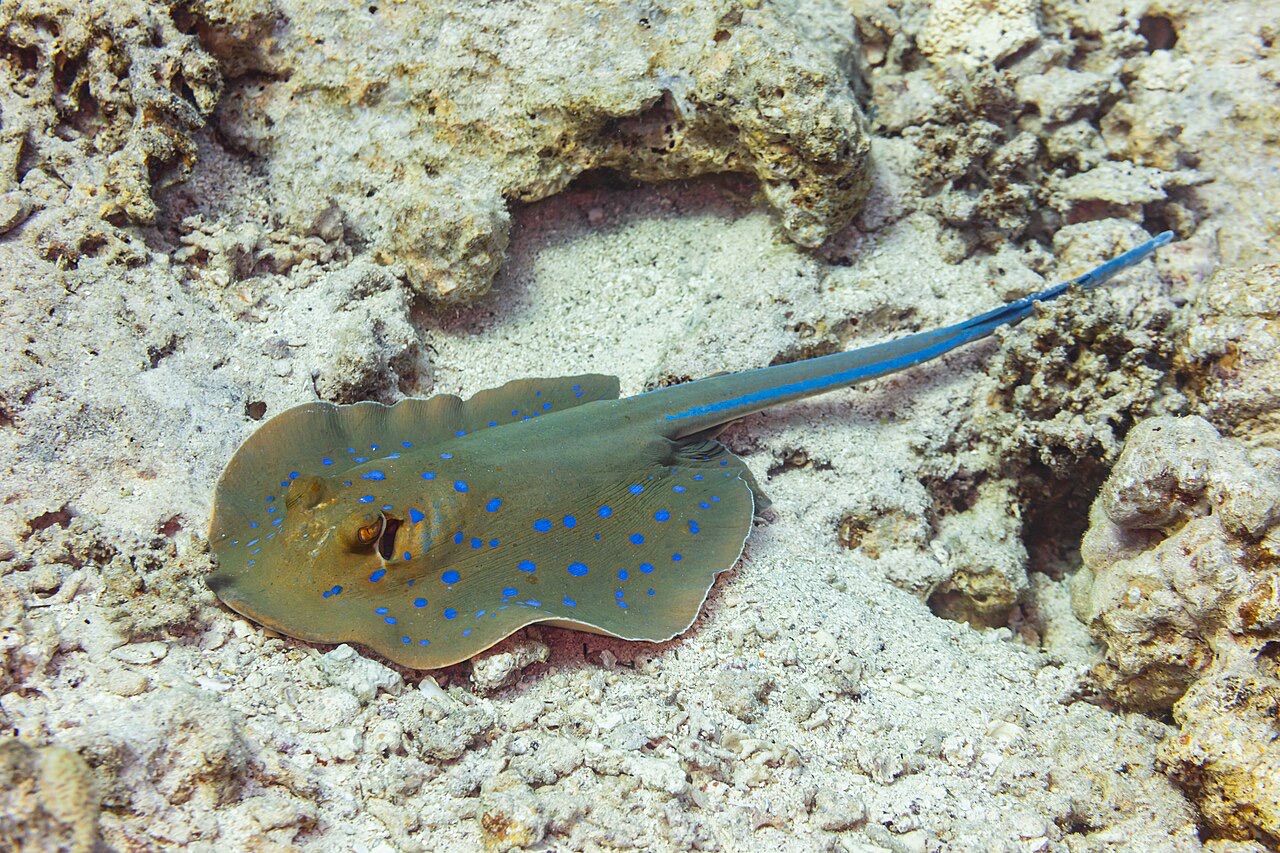
Blue-Spotted Ribbontail Ray
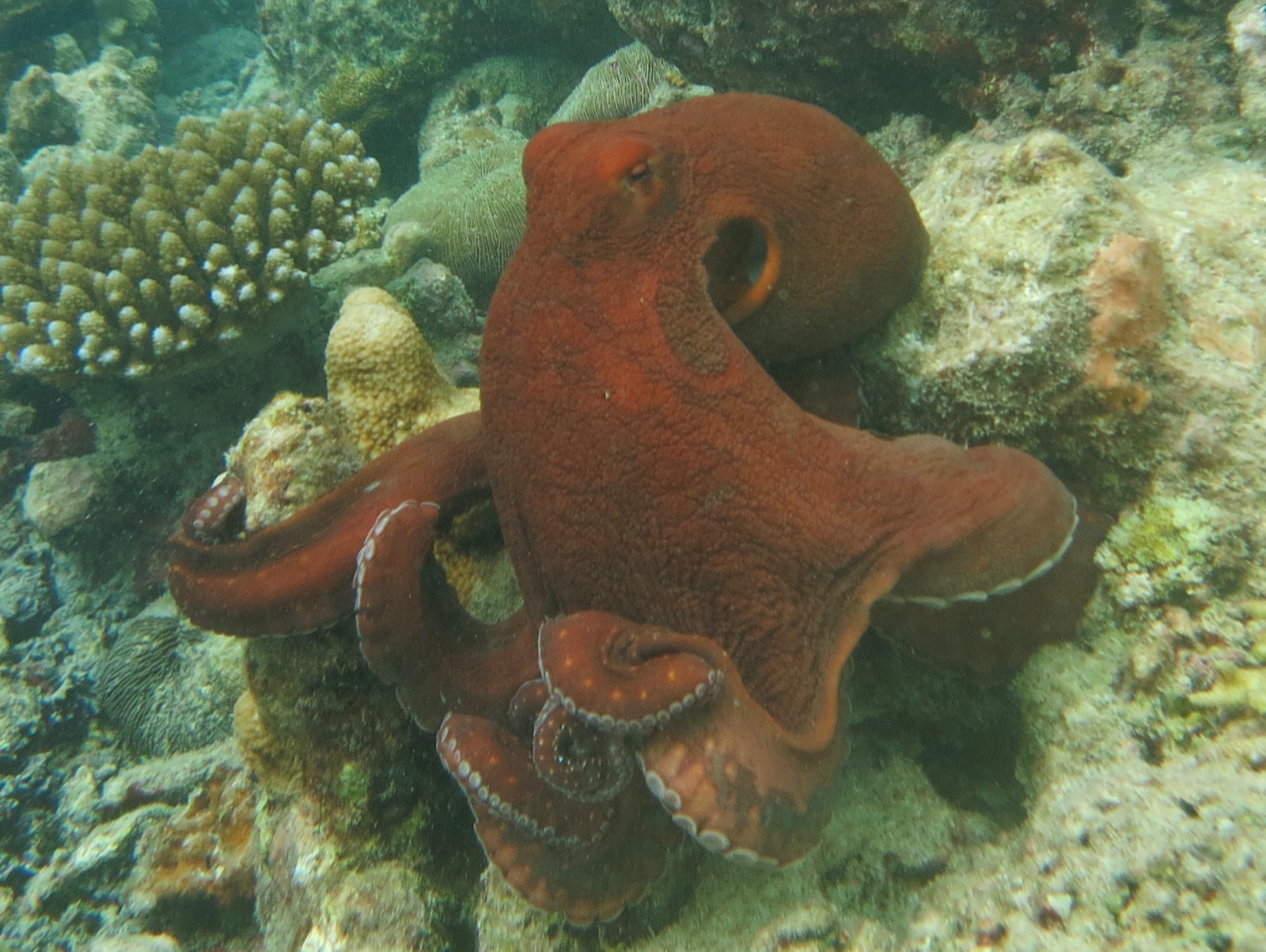
Common Reef (Day) Octopus
También registrado cerca
Las especies "aquí registradas" fueron añadidas por nuestros editores a partir de las fuentes de esta página. Los recuentos son registros de ocurrencia de GBIF: observaciones anotadas en un radio de unos 5 km de la posición registrada desde 1990, cotejadas únicamente con las especies de nuestro catálogo. Muestran lo que se ha avistado allí, no una garantía de lo que verás.
Para fotógrafos
Gran angular: ★★★★☆ · Macro: ★★☆☆☆ (valoración de 1 a 5 de los editores sobre lo que ofrece este sitio para cada estilo de fotografía)