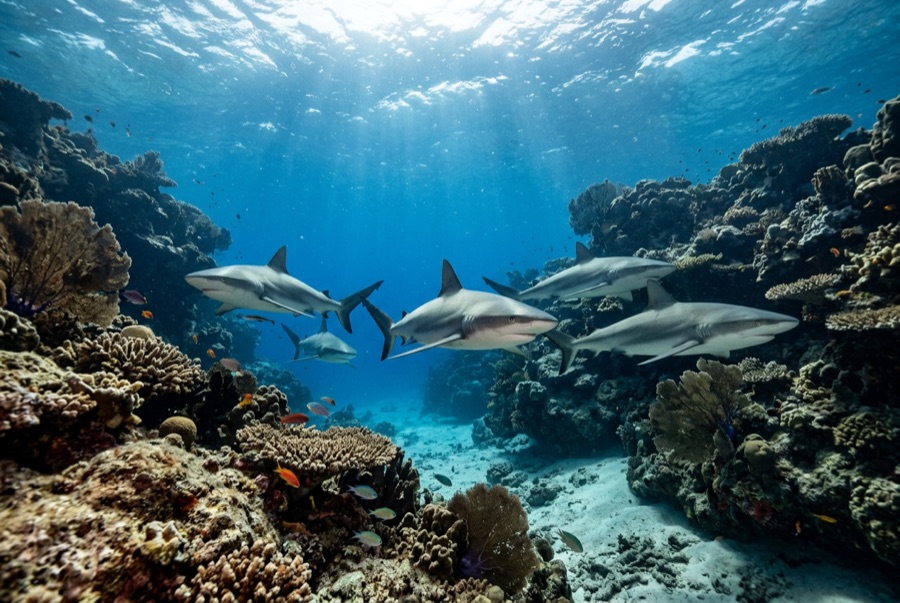
Garuae Pass
Depth is the range from the top of the site to its usual maximum; "recommended cert" is the mainstream-agency level operators usually ask for, not a legal rule. Currents and visibility change daily, so treat everything here as planning ranges.
Garuae is the south pass scaled up: the widest channel in French Polynesia, flushing so much ocean that its drift dives feel like weather. Divers drop on the ocean side, sink onto terraces where gray reef sharks pave the steps, and let the tide deal the deck: dogtooth tuna, snapper phalanxes, eagle rays, Napoleon wrasse, occasional mantas or a passing hammerhead in the blue. The current hands you canyon after canyon until the lagoon slows everything into bright shallows. It demands more of divers than Tumakohua (deeper, faster, wider) and repays them with the sensation of being small in a very large machine.
The moment you come for: Shark-covered terraces on a huge tide; big pelagics in the entry blue; the Tuamotus' most powerful drift.
Topography: A broad, deep channel with coral terraces, canyons on the ocean approach, and shark-lined steps into the lagoon
Current: Nearly a mile wide and deep-flushing: the incoming tide moves serious water, and dives abort when the window closes.
Entry: Minutes from Rotoava's dive centers; entries are timed precisely to the tide window on French Polynesia's widest pass.
Know before you splash
Hazards: Powerful, wide-field current with real consequences for separation; deeper working depths than the south pass; carry a DSMB per diver.
Conservation: Sanctuary rules protect every shark in these waters; keep formation in the group so boats can track one bubble cluster, not five.
Nitrox: Worth it here: profiles sit in the range where enriched air meaningfully extends no-stop time (with the training to use it).
Who you'll meet
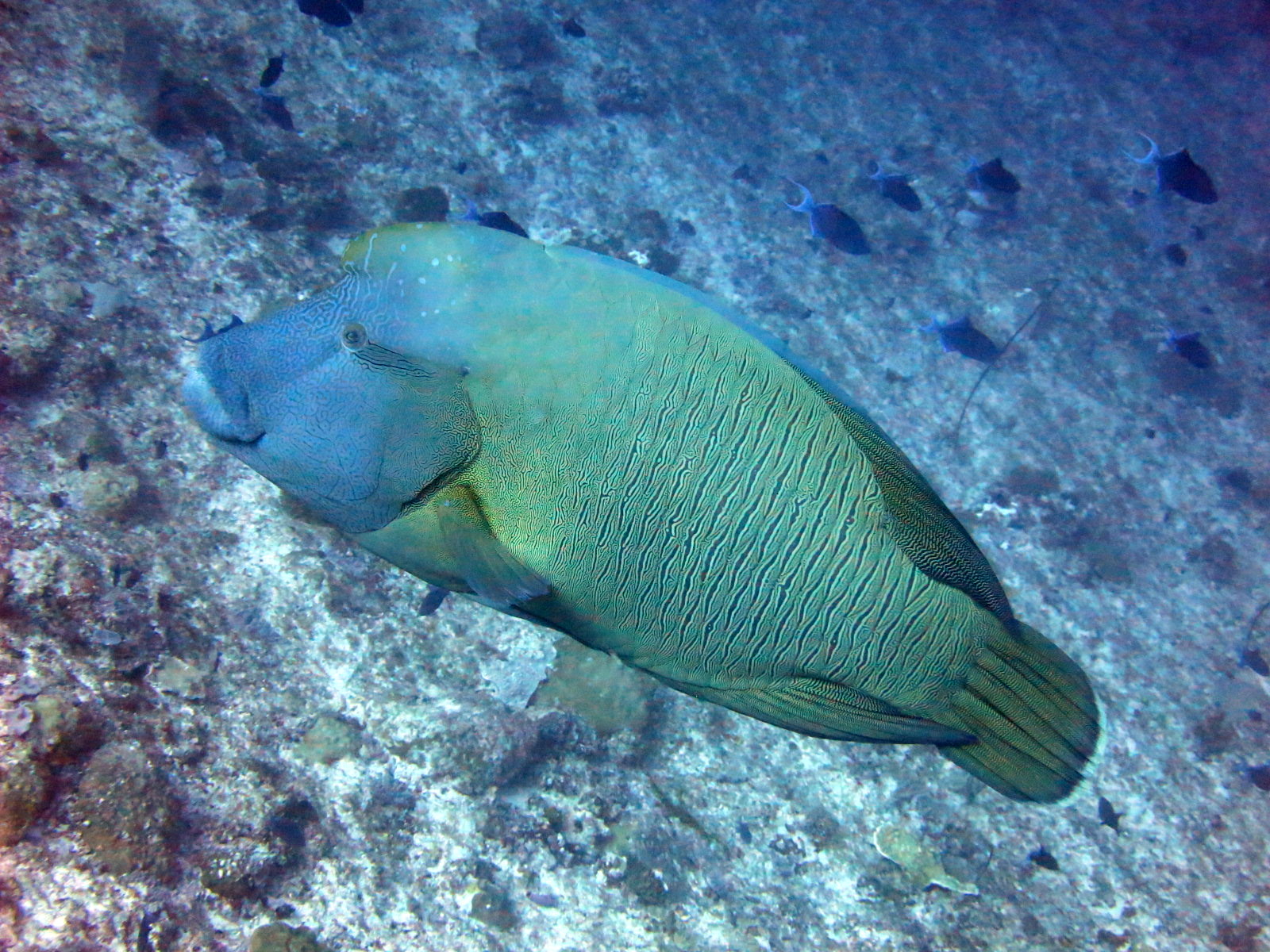
Napoleon (Humphead) Wrasse
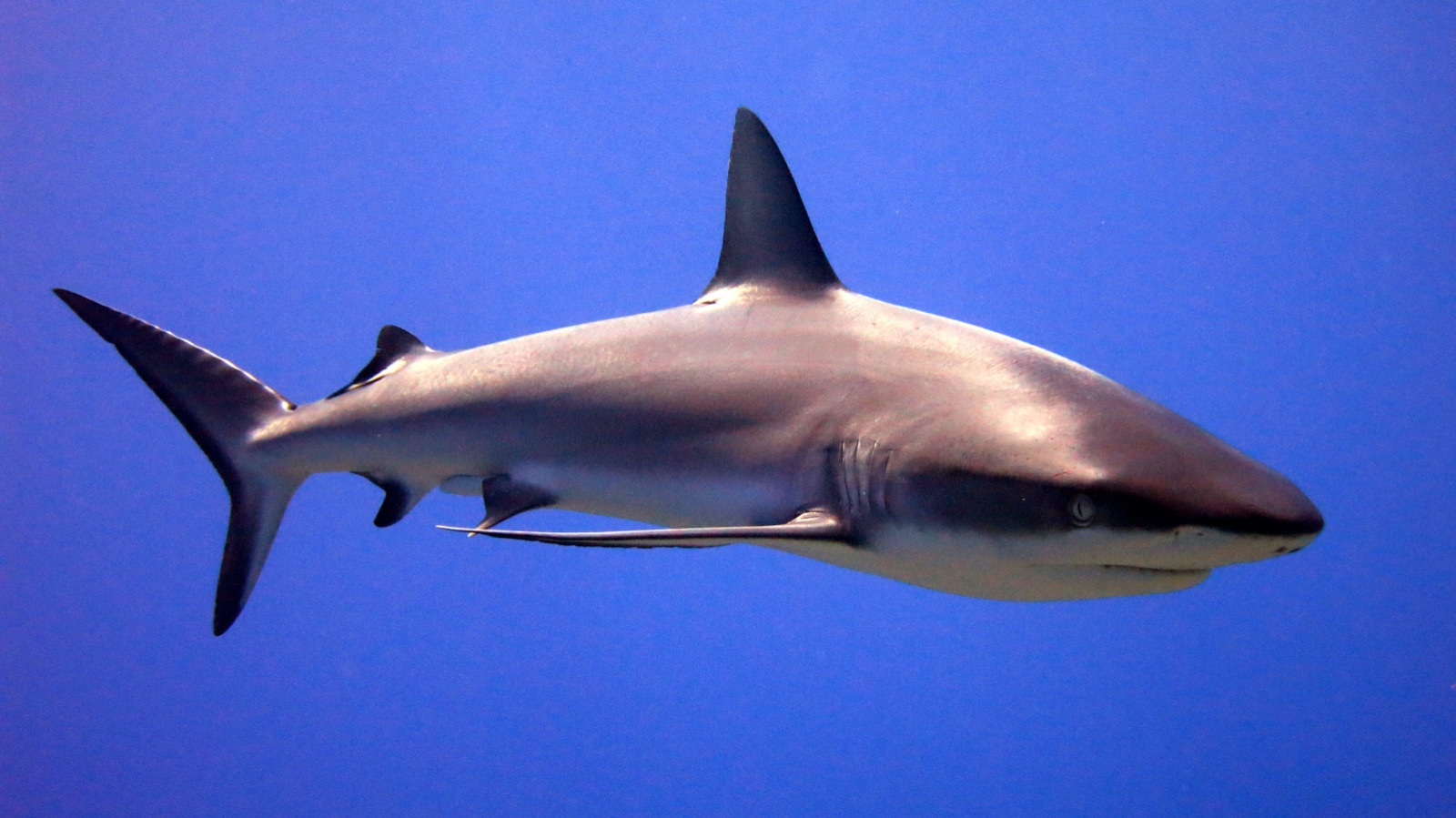
Grey Reef Shark
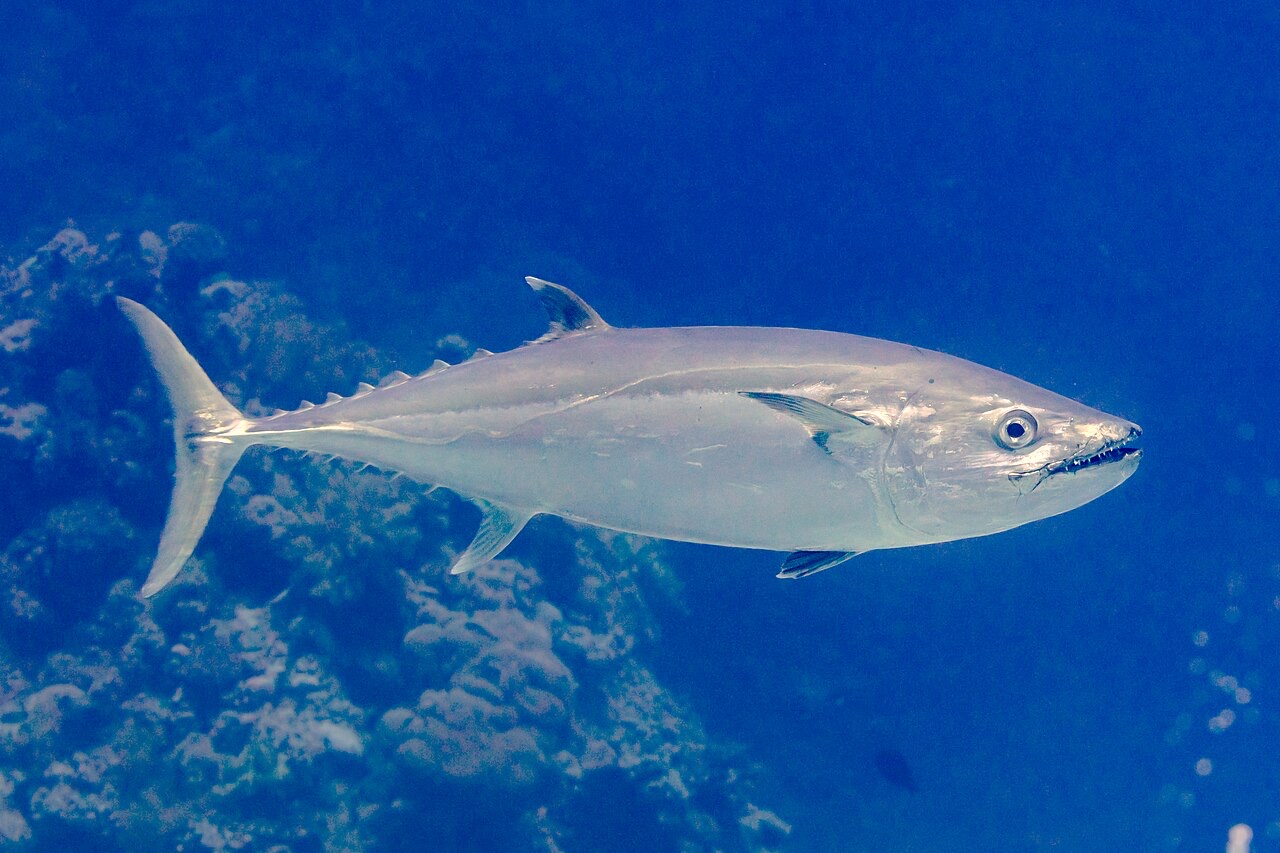
Dogtooth Tuna
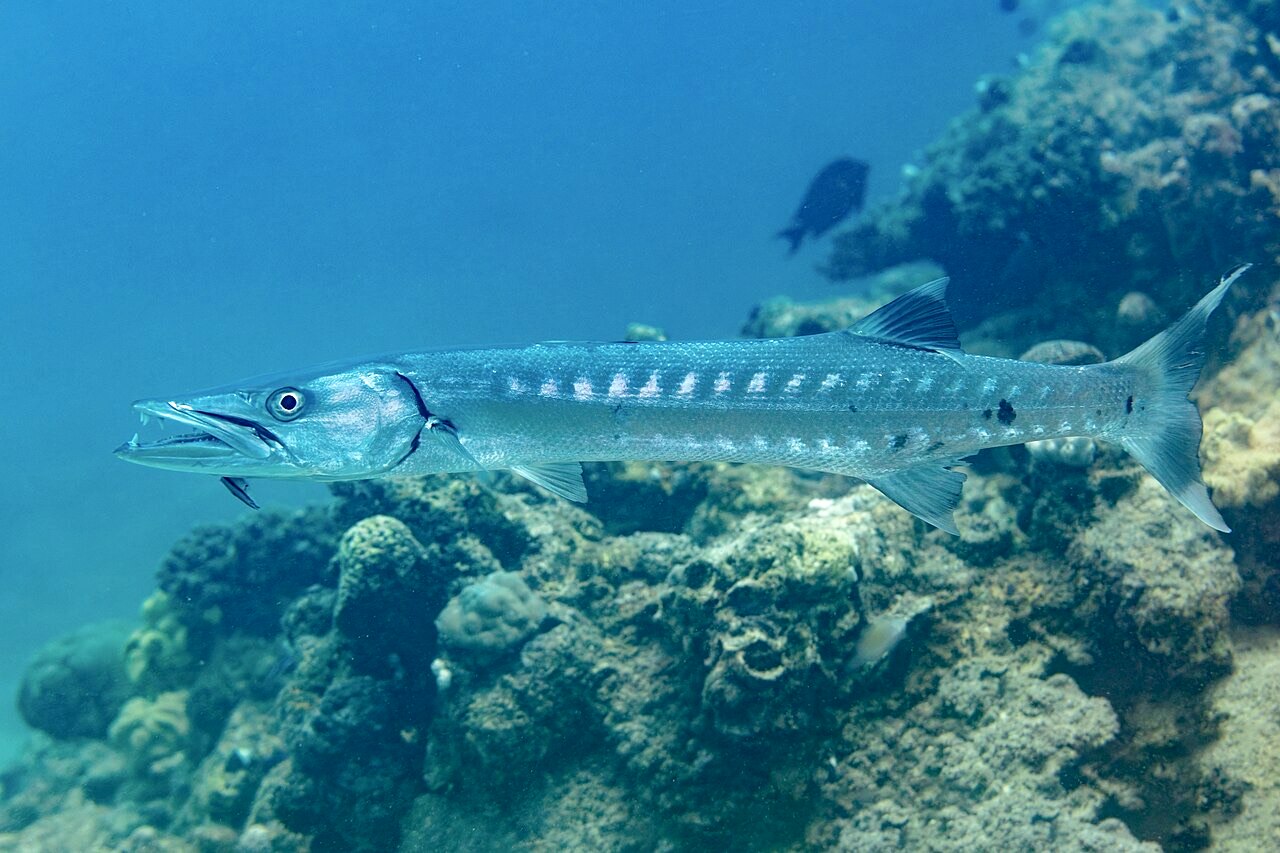
Great Barracuda
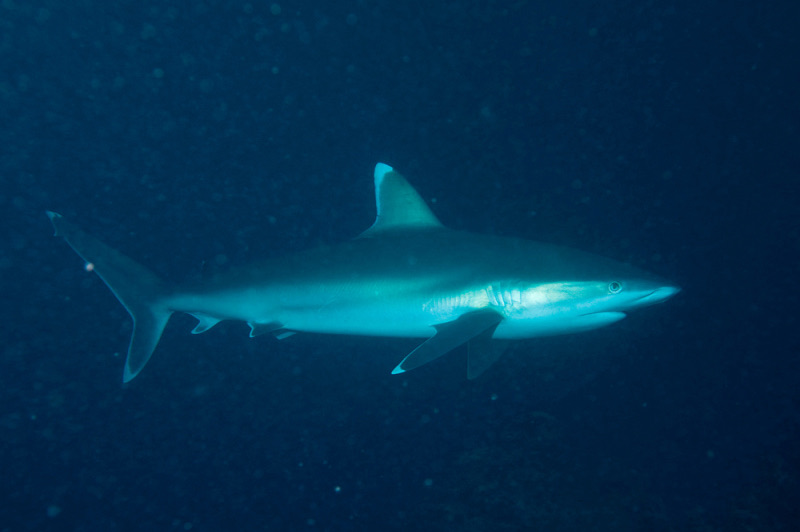
Silvertip Shark
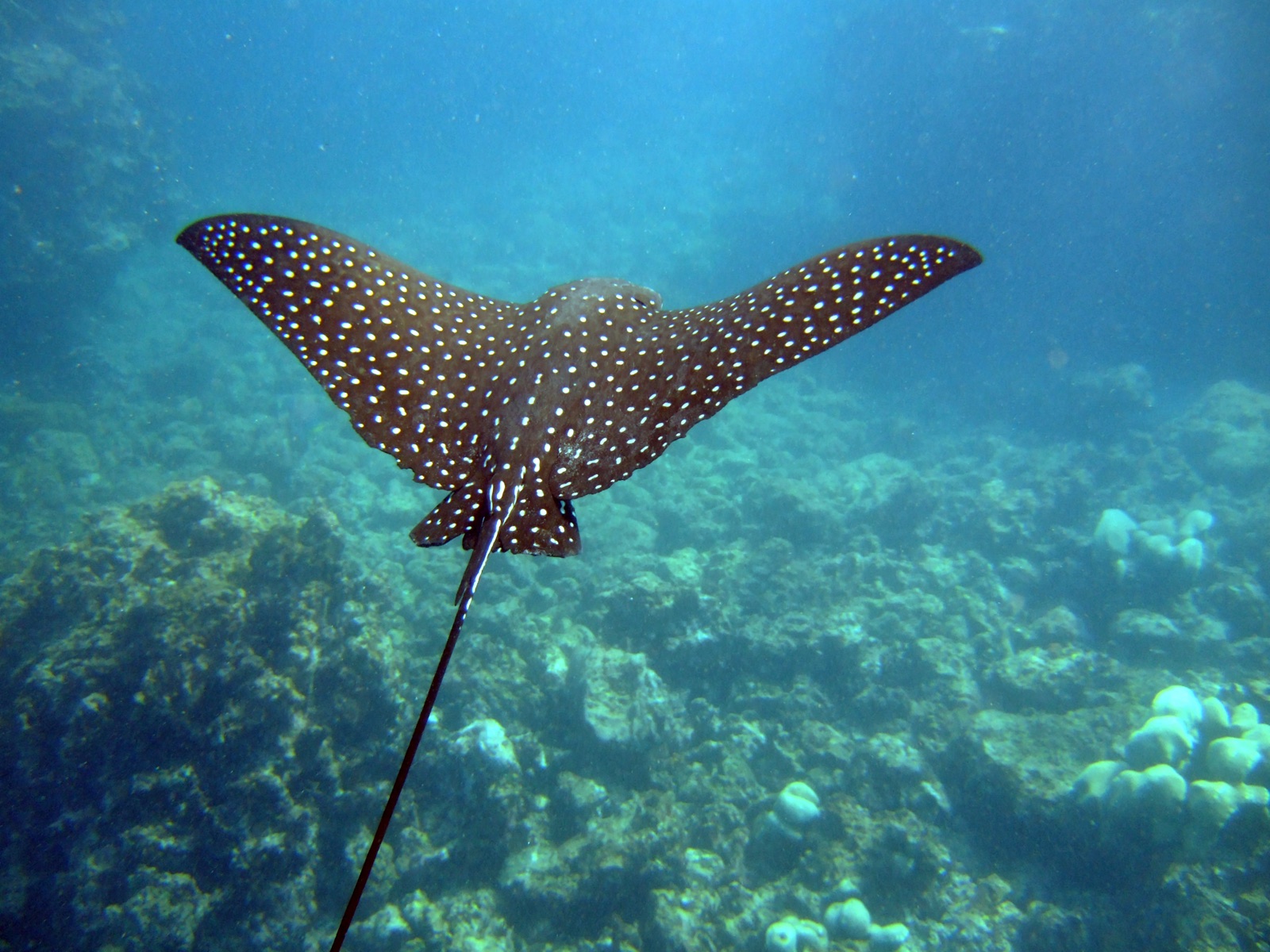
Spotted Eagle Ray
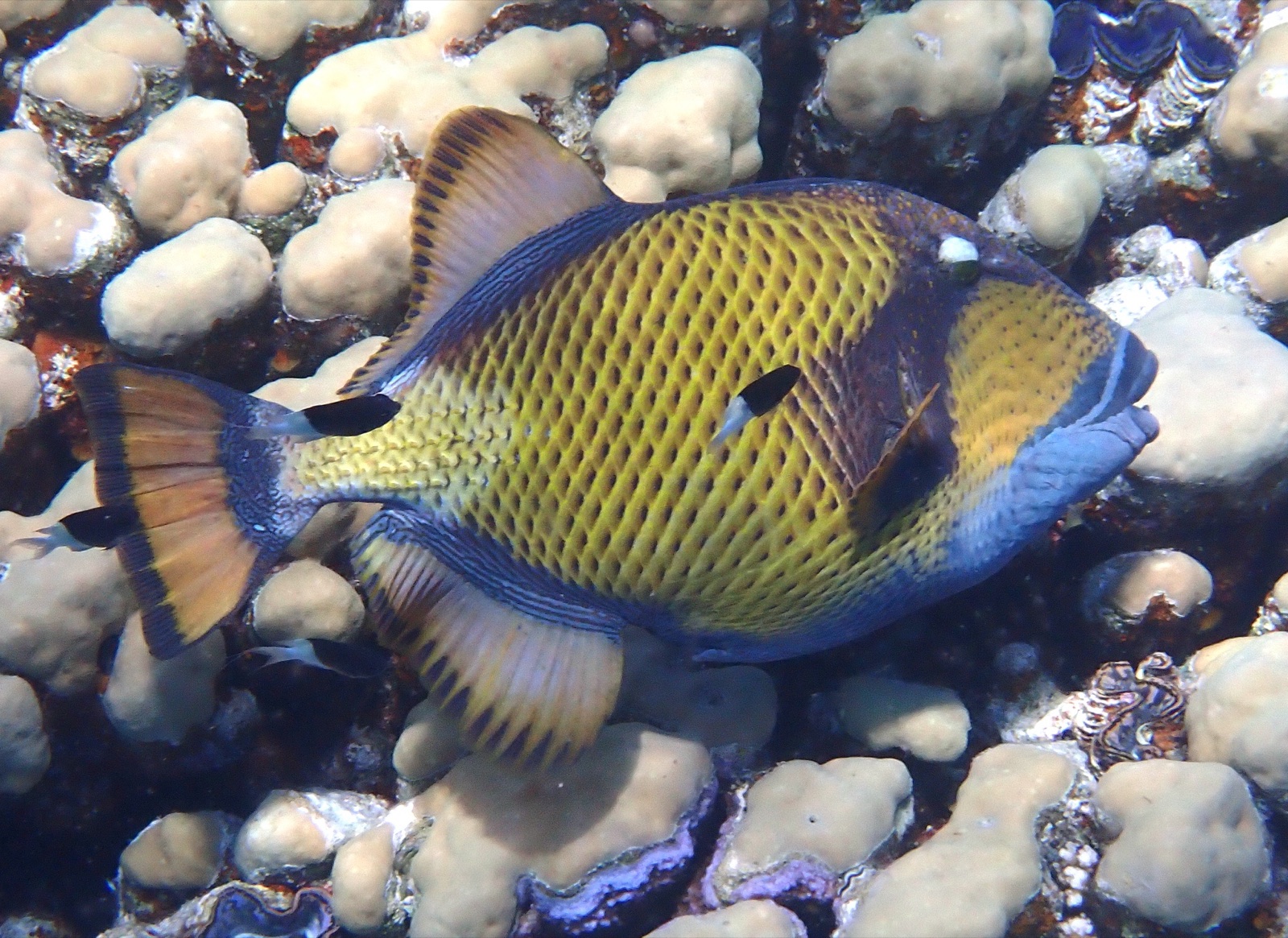
Titan Triggerfish
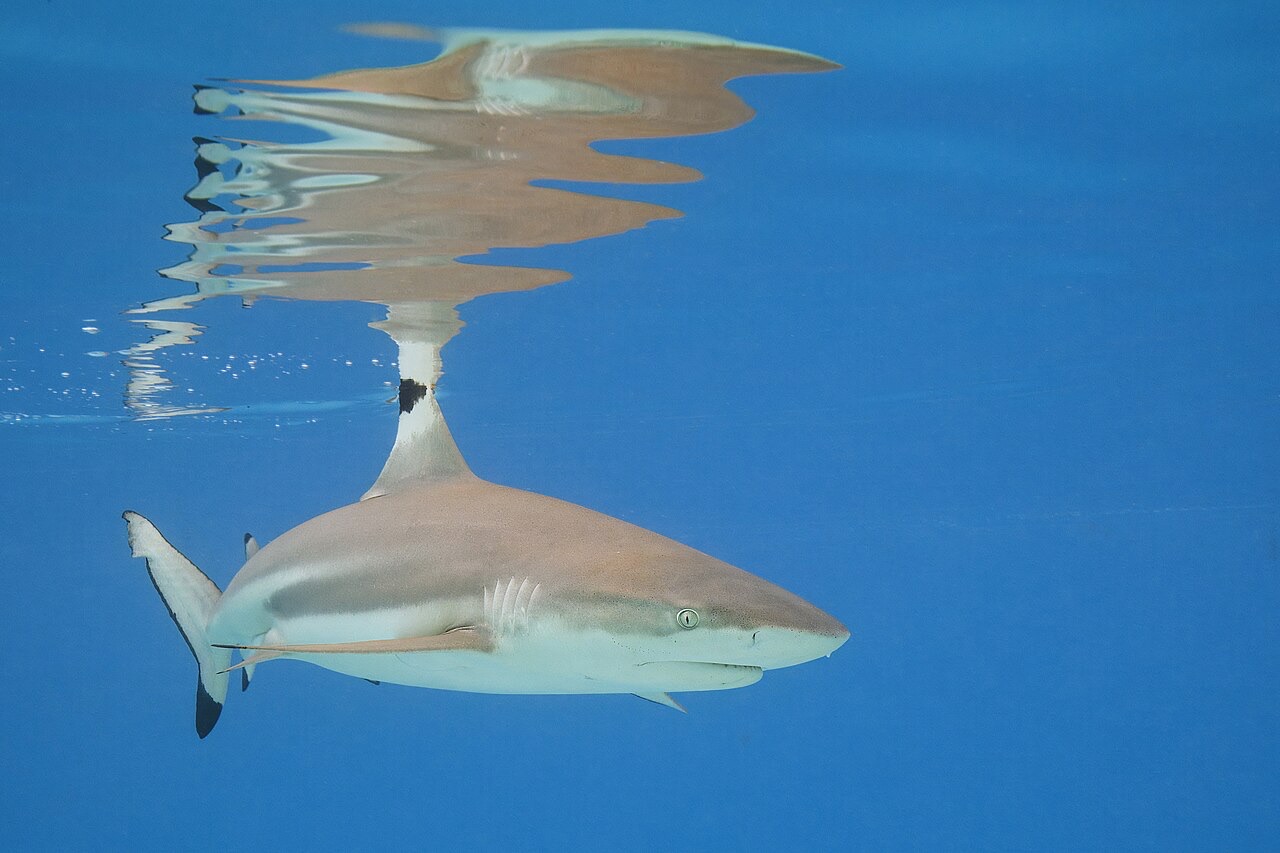
Blacktip Reef Shark
Also recorded nearby
"Charted here" species were listed by our editors from the sources on this page. Counts are GBIF occurrence records: observations logged within about 5 km of the charted position since 1990, matched only against the species in our catalogue. They show what has been seen there, not a promise of what you will see.
For photographers
Wide angle: ★★★★★ · Macro: ★☆☆☆☆ (editors' 1–5 rating of what this site gives each style of shooting)