
USS Spiegel Grove
La profundidad es el rango desde la cima del punto de buceo hasta su máximo habitual; la "certificación recomendada" es el nivel que los operadores suelen pedir según las agencias principales, no una norma legal. Las corrientes y la visibilidad cambian a diario, así que trata todo esto como rangos de planificación.
The Spiegel Grove's story is half the dive: the 155 m landing ship dock sank prematurely and rolled in 2002, was wrestled onto her side, and then Hurricane Dennis in 2005 did what salvage crews could not, setting her upright on the sand. She is enormous - divers speak of visiting neighborhoods rather than seeing the ship - with cranes, a cavernous well deck, and passageways prepared for trained wreck divers. Superstructure begins around 14-18 m, the sand lies at roughly 40 m, and goliath groupers the size of loveseats guard the shadows while barracuda hang in the current above. Multiple moorings, multiple dives, and most Key Largo regulars still have not seen all of her.
El momento por el que vienes: One of the largest ships ever intentionally reefed, resident goliath groupers, the hurricane-righting story
Topografía: 155 m landing ship dock upright on sand at about 40 m
Corriente: Current over the wreck varies from slack to ripping; descend and ascend on the mooring lines.
Lo que debes saber antes de tirarte al agua
Riesgos: Depth, current, and a genuine overhead environment for anyone leaving the exterior; monitor gas and deco margins.
Conservación: An FKNMS artificial reef; mooring buoys mandatory, artifact removal prohibited.
Nitrox: Vale la pena aquí: los perfiles están en el rango donde el nitrox amplía de forma significativa el tiempo sin parada (con la formación necesaria para usarlo).
A quién encontrarás
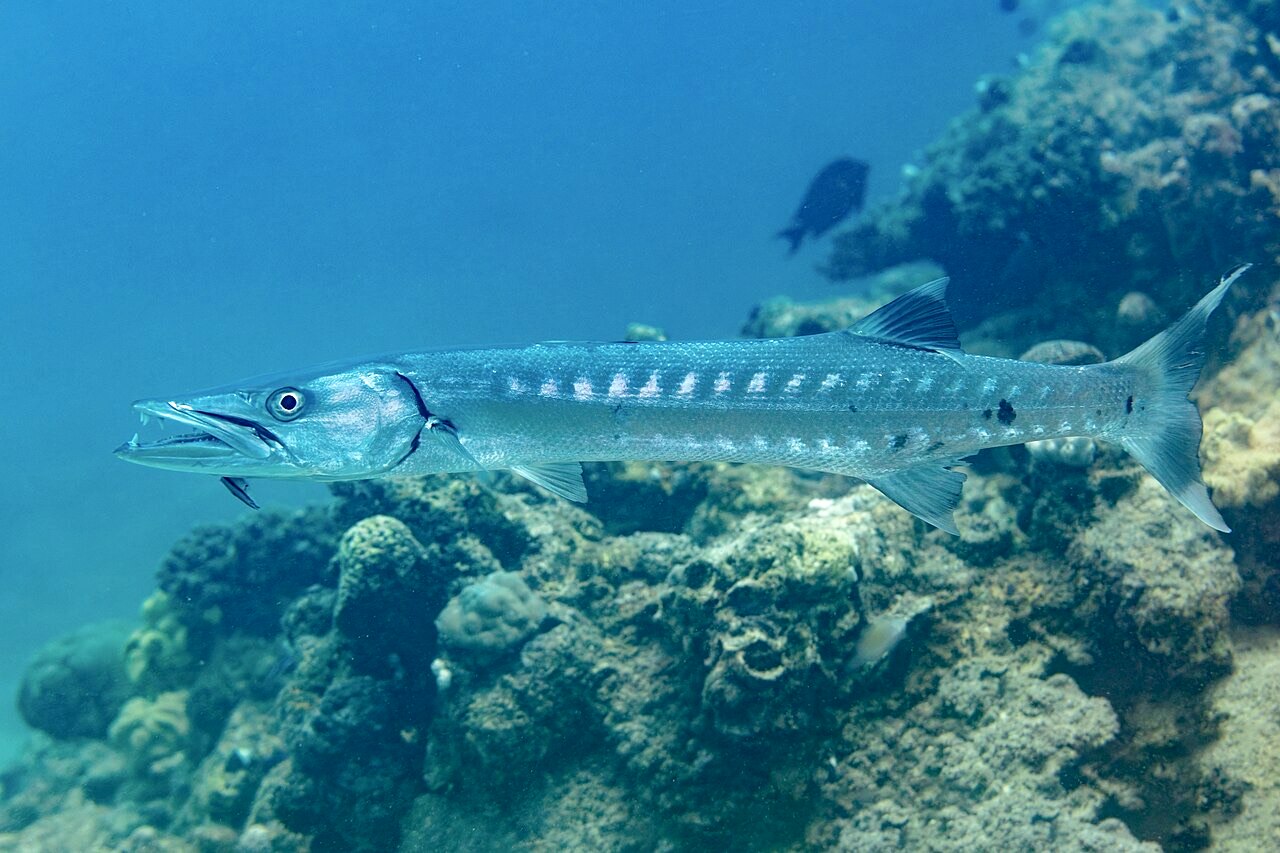
Great Barracuda
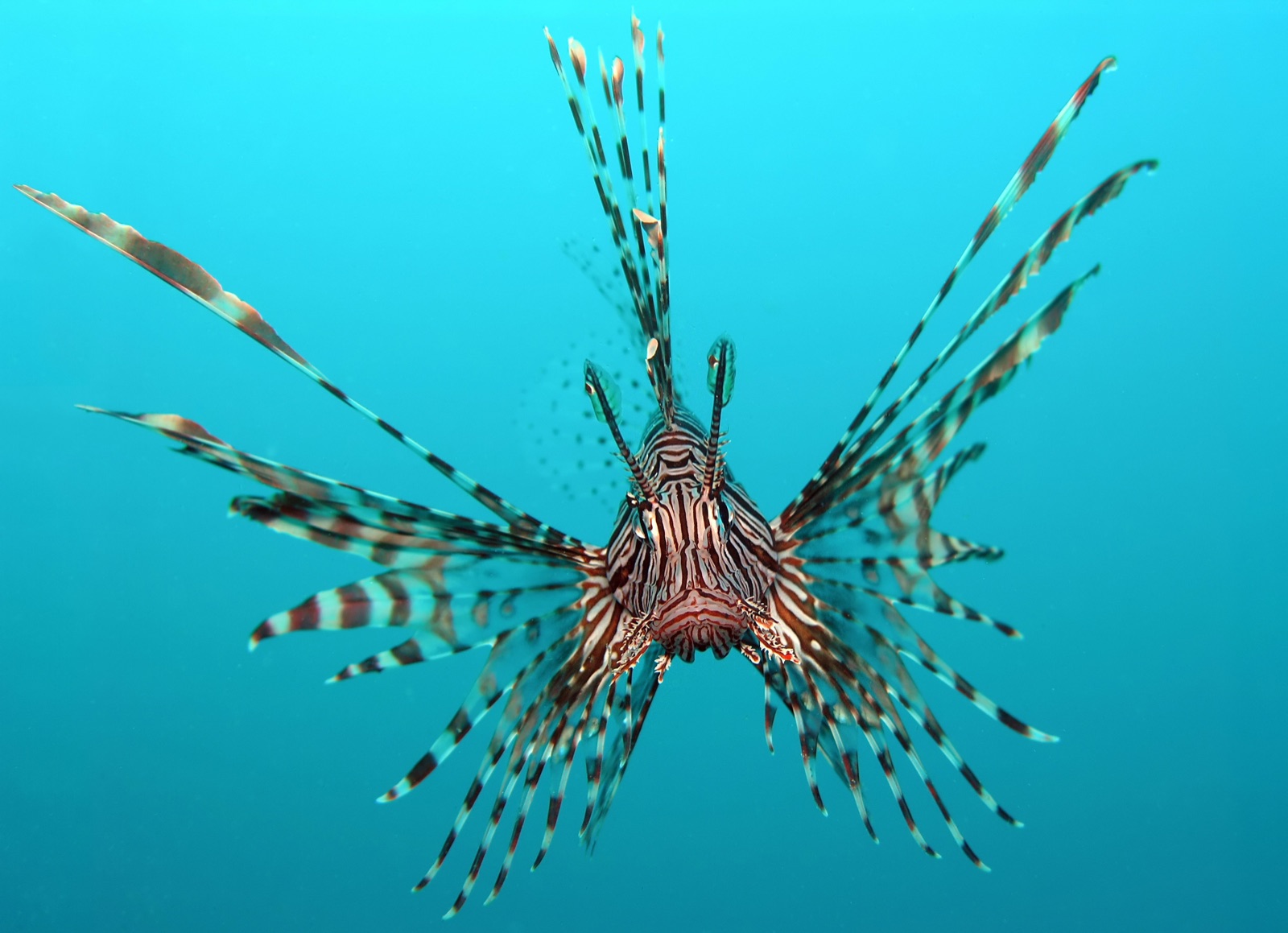
Lionfish
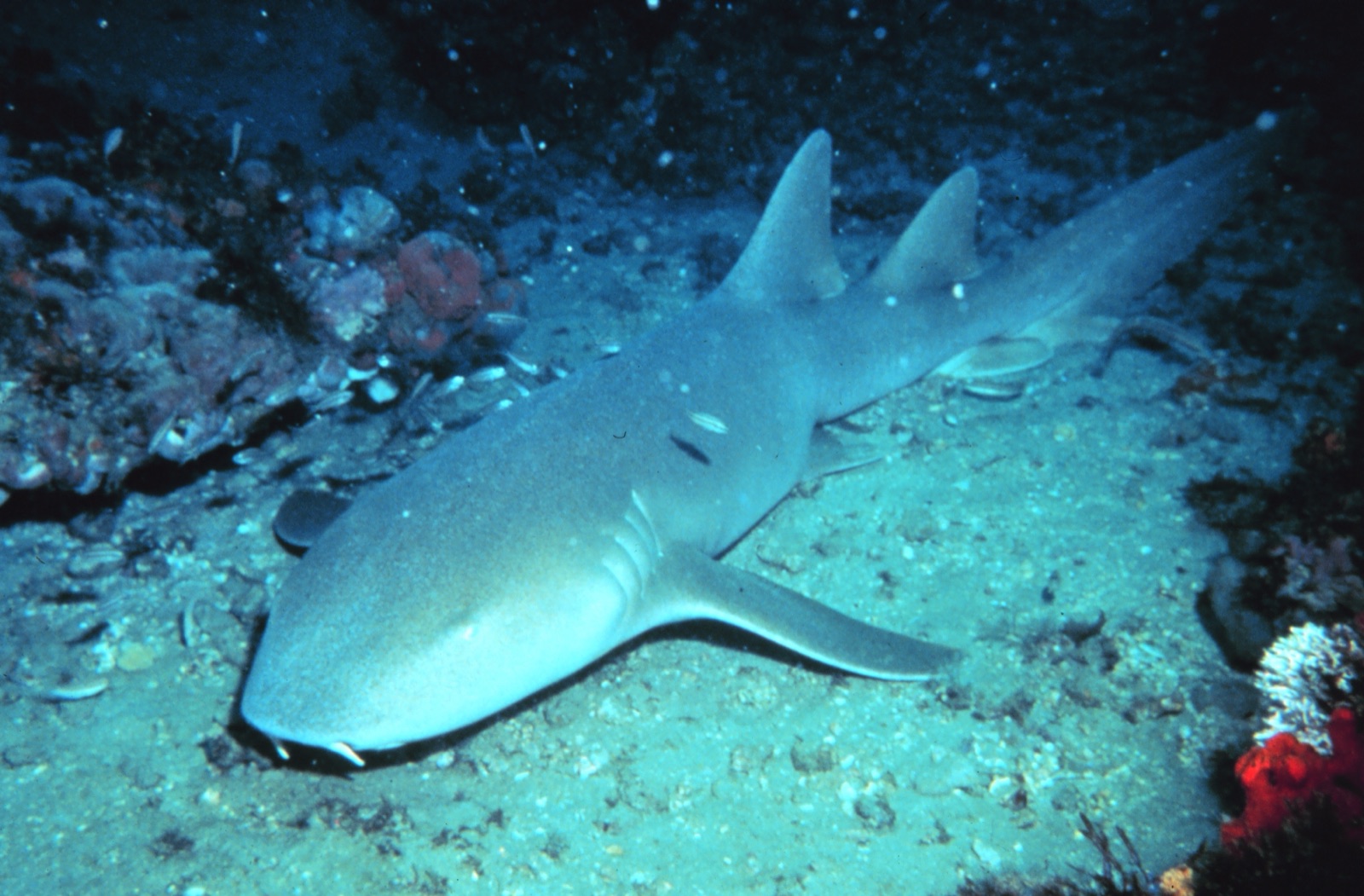
Nurse Shark
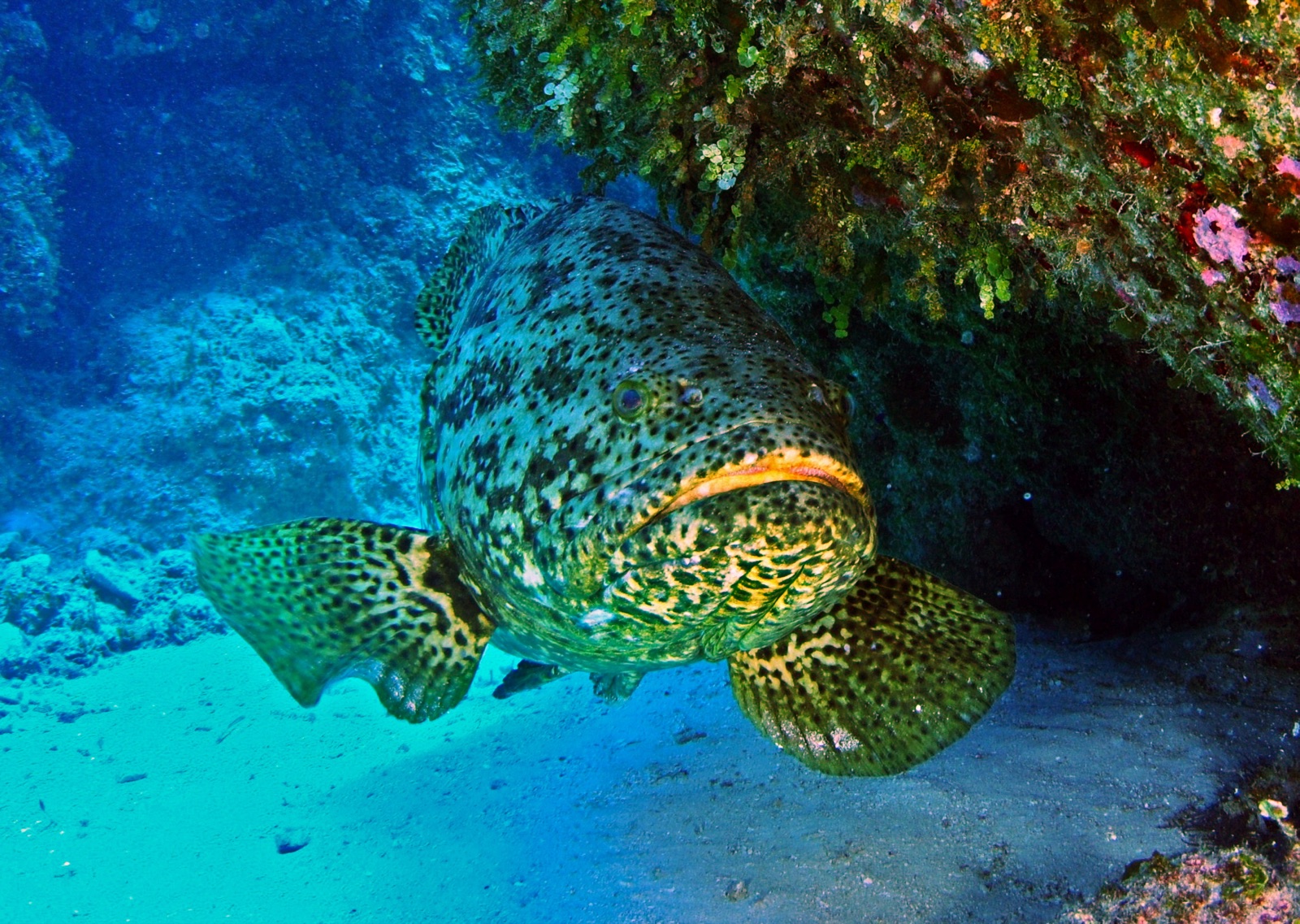
Atlantic Goliath Grouper
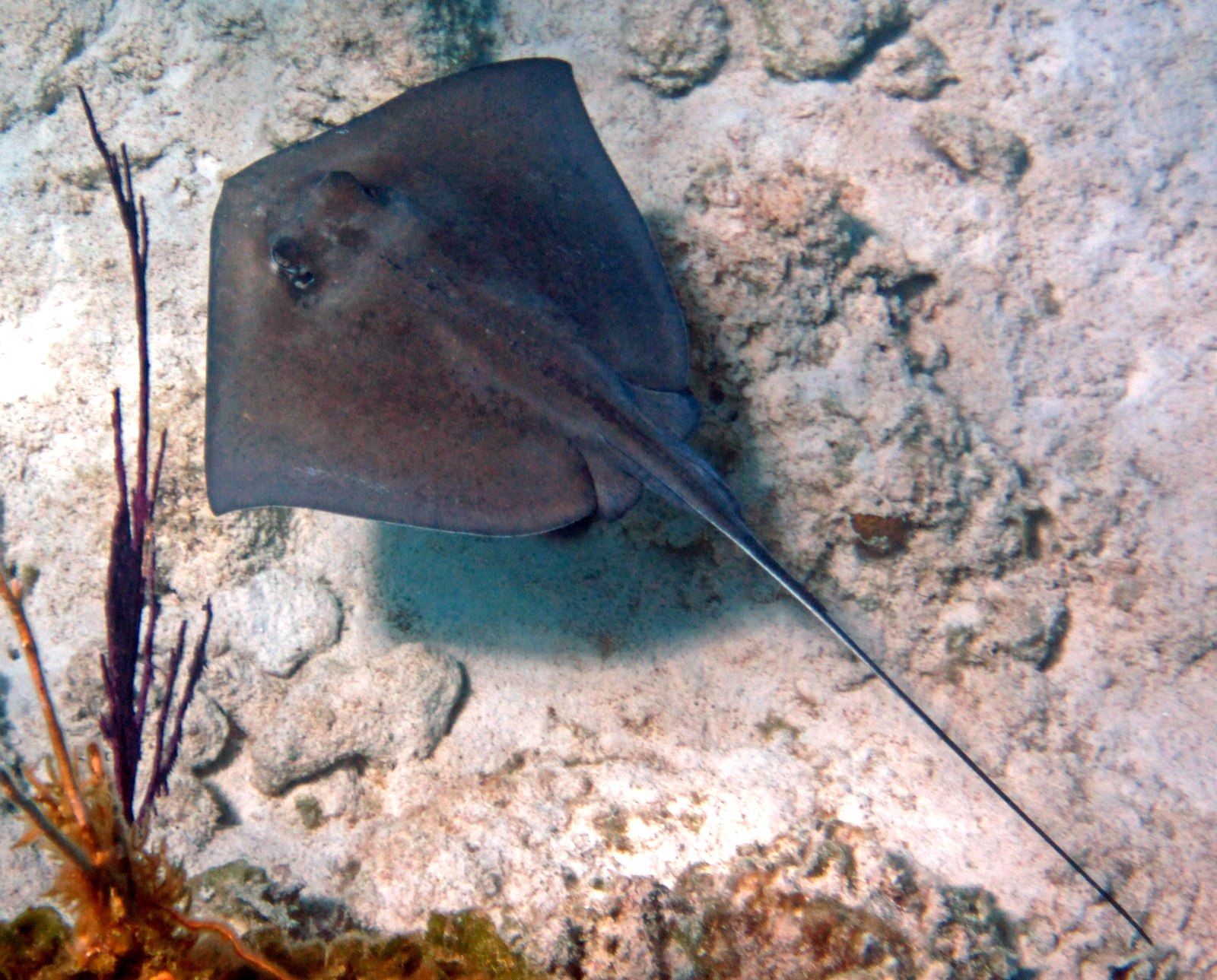
Southern Stingray
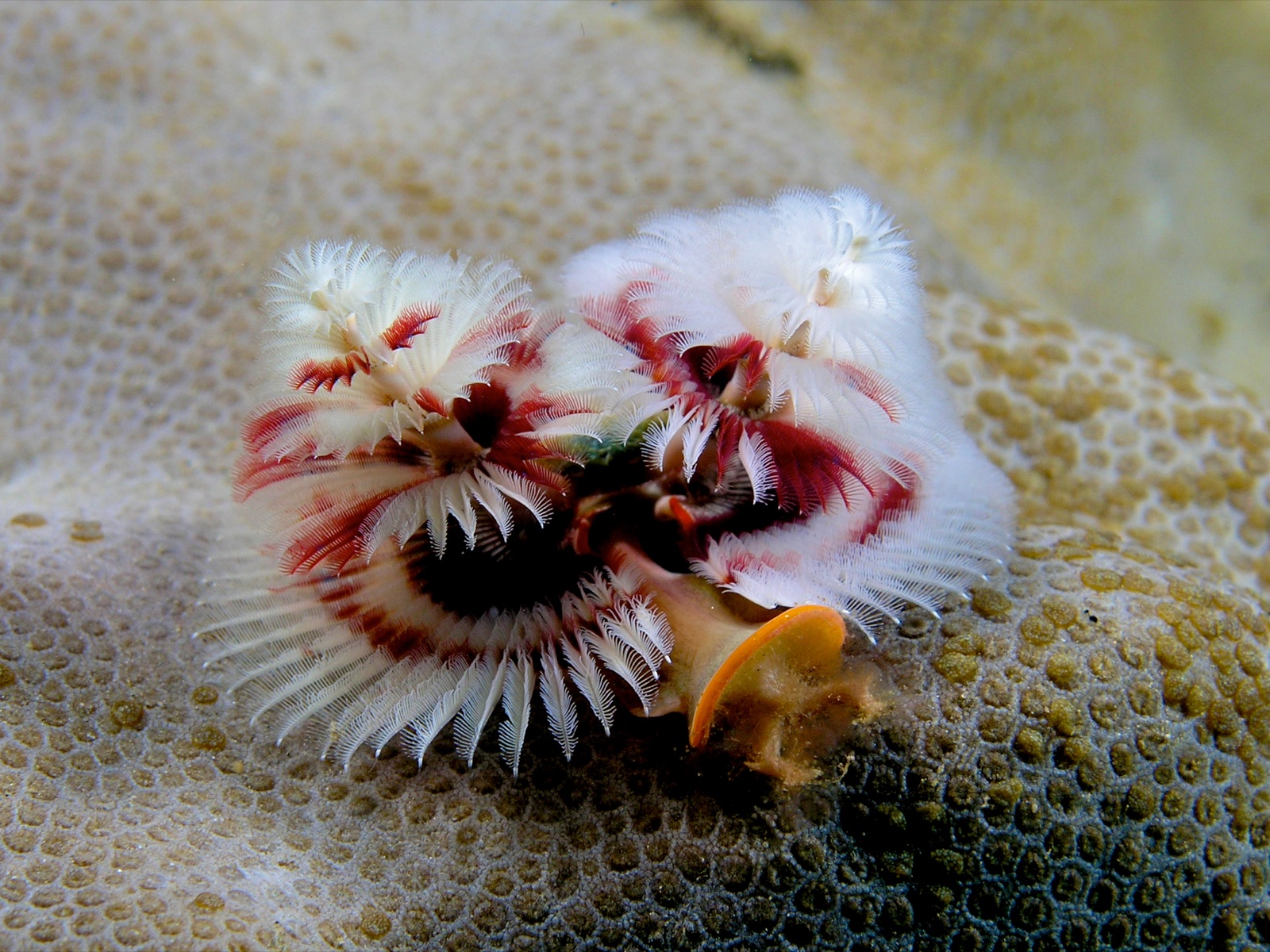
Christmas Tree Worm
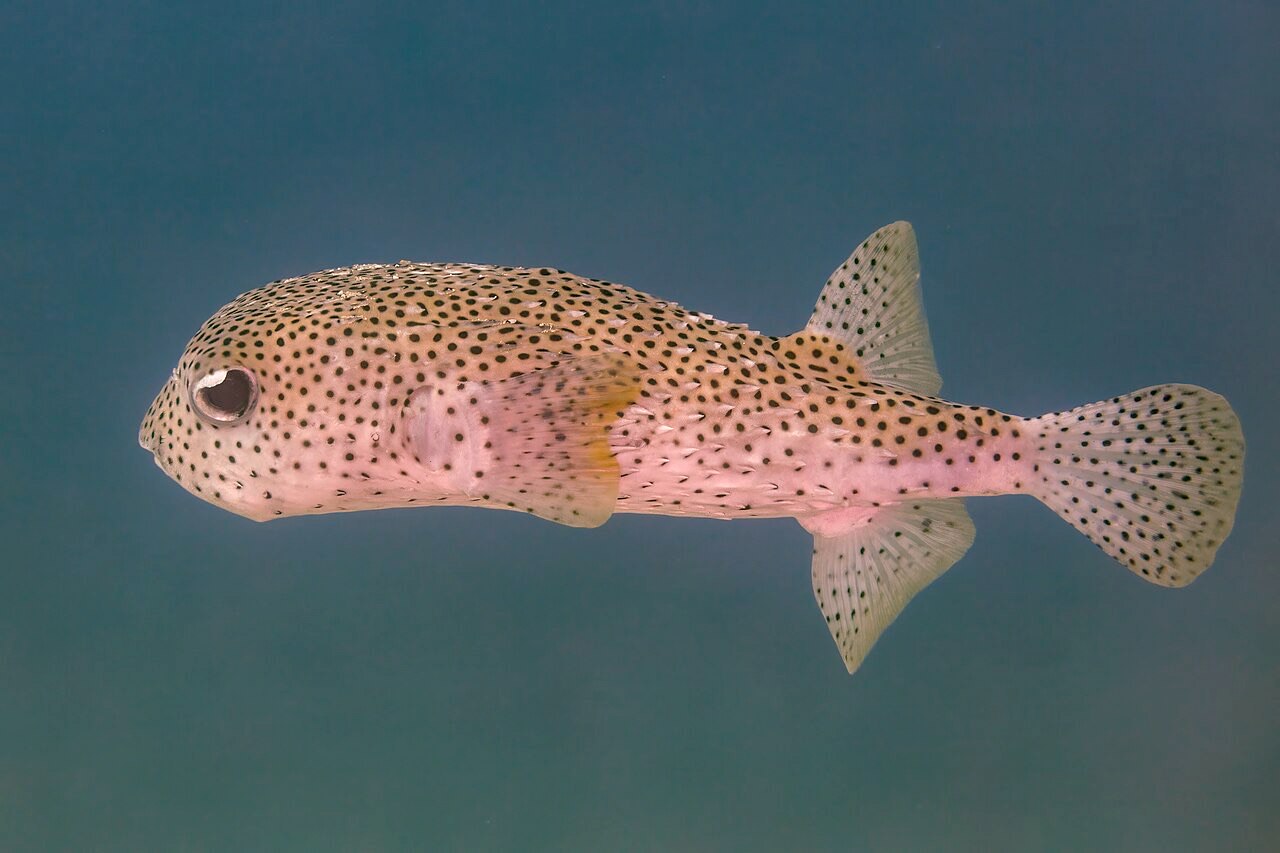
Porcupinefish
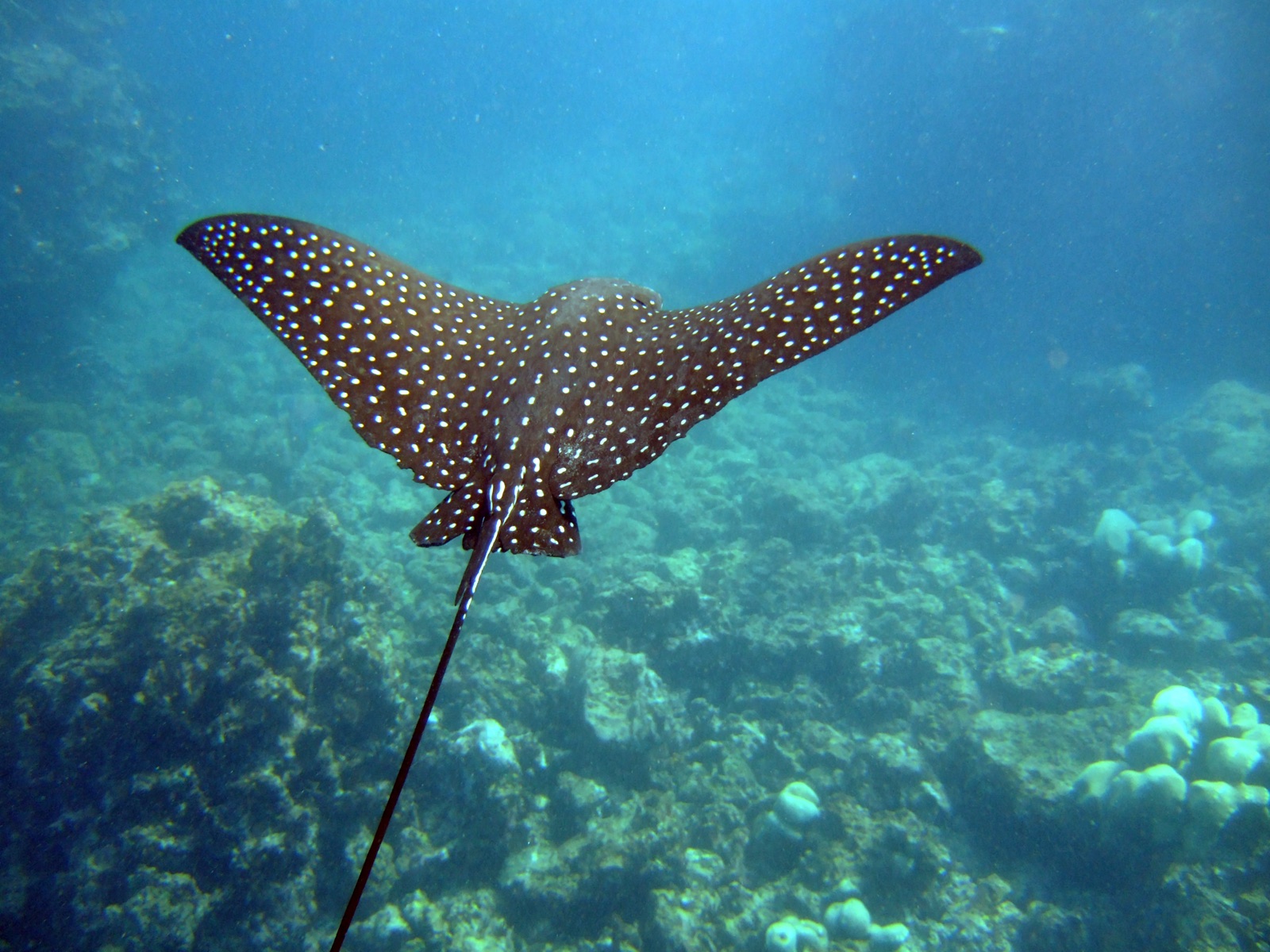
Spotted Eagle Ray
También registrado cerca
Las especies "aquí registradas" fueron añadidas por nuestros editores a partir de las fuentes de esta página. Los recuentos son registros de ocurrencia de GBIF: observaciones anotadas en un radio de unos 5 km de la posición registrada desde 1990, cotejadas únicamente con las especies de nuestro catálogo. Muestran lo que se ha avistado allí, no una garantía de lo que verás.
Para fotógrafos
Gran angular: ★★★★★ · Macro: ★☆☆☆☆ (valoración de 1 a 5 de los editores sobre lo que ofrece este sitio para cada estilo de fotografía)