Abu Dabbab
La profondeur correspond à la plage allant du sommet du site jusqu'à son maximum habituel ; le « niveau recommandé » est le niveau demandé en général par les opérateurs auprès des grandes agences, pas une règle légale. Les courants et la visibilité varient chaque jour, traitez donc tout cela comme des plages indicatives de planification.
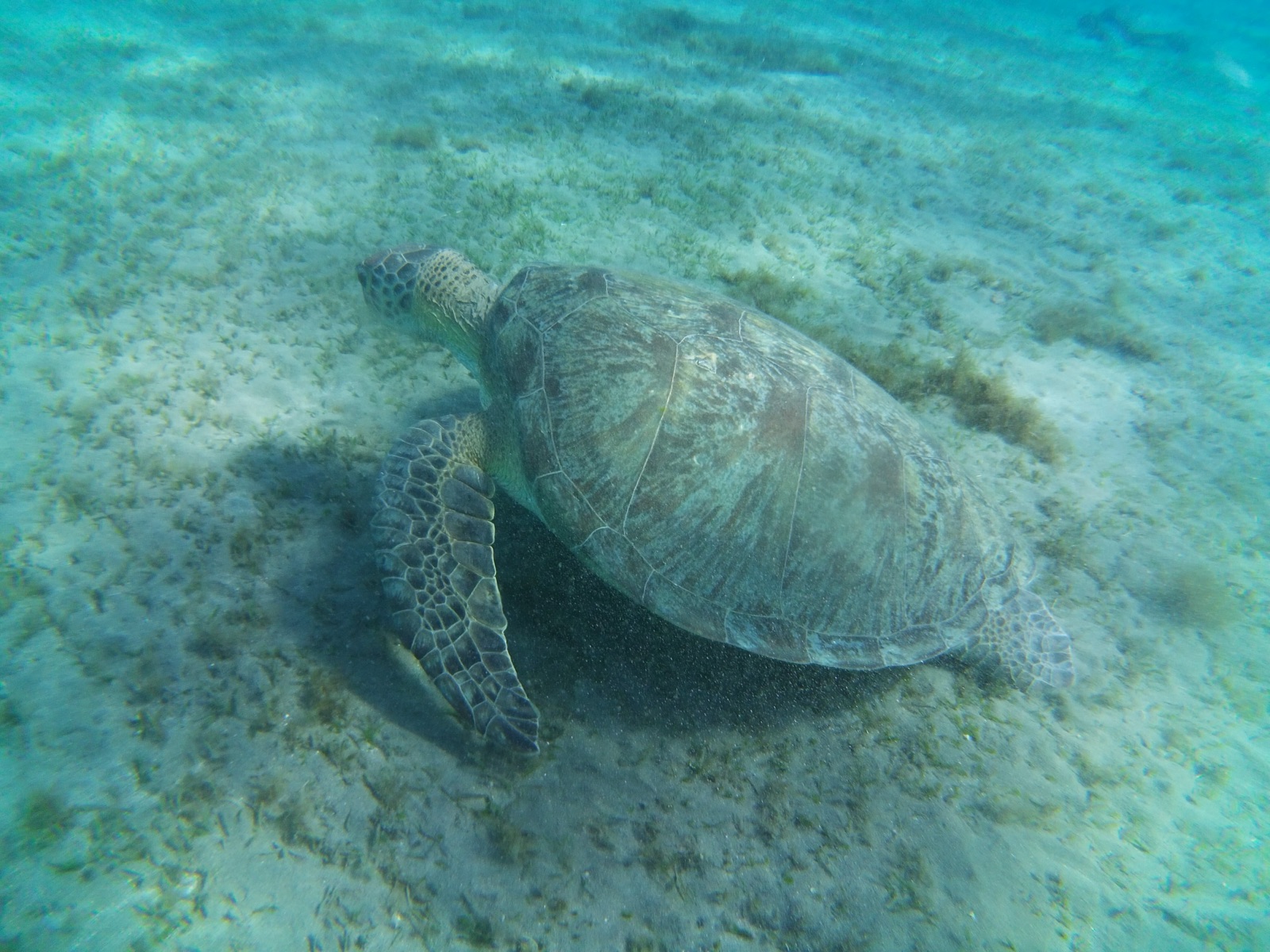
Abu Dabbab's wide, calm bay grows the northern Red Sea's best-known seagrass pasture, and pasture attracts grazers: green turtles of remarkable size feed here daily, trailing remoras like staff, and a small number of dugongs work the same meadows on their own unhurried schedule. A dugong sighting is a matter of luck and patience - some weeks they graze in front of everyone, some weeks not at all - but the turtles are near-certain, and the seagrass itself repays slow attention with guitar-shaped rays, flounders, and seahorse rumors. The flanking reef arms give the second half of the dive structure and color. It is shallow, warm, and gentle: family diving in the best sense, provided the crowd behaves.
Le moment pour lequel vous venez: Grazing green turtles at close range; the chance of a dugong; effortless shore logistics.
Topographie: Seagrass meadows over sand between two fringing reef arms
Entrée: Sandy beach entry into a broad bay; guides walk groups out over the shallows to the seagrass meadows.
À savoir avant de plonger
Dangers: Snorkeler and diver congestion over the meadows; midday sun on the long shallow swims.
Conservation: Give the dugongs room and never block a turtle's path to the surface; crowding pressure on the grazers is this bay's main threat.
Qui vous croiserez
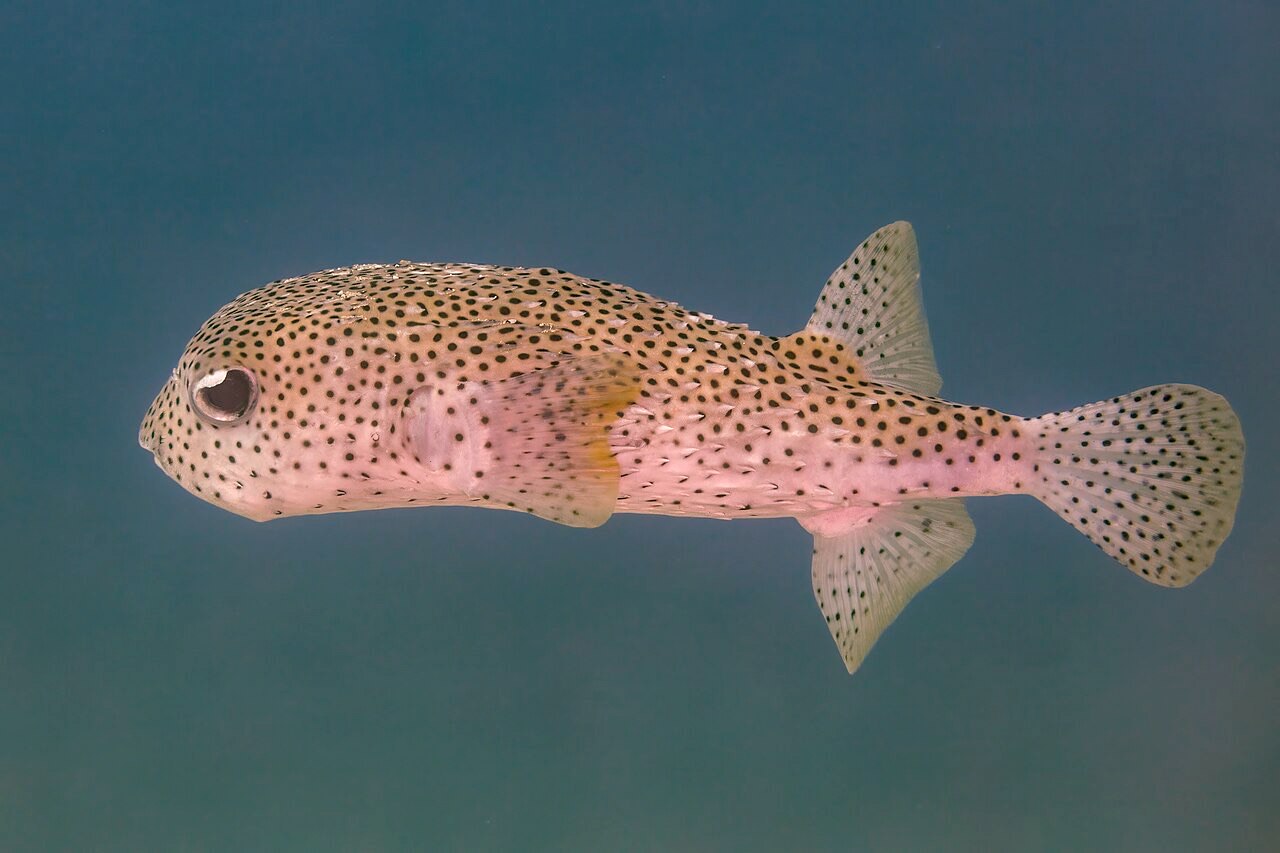
Porcupinefish
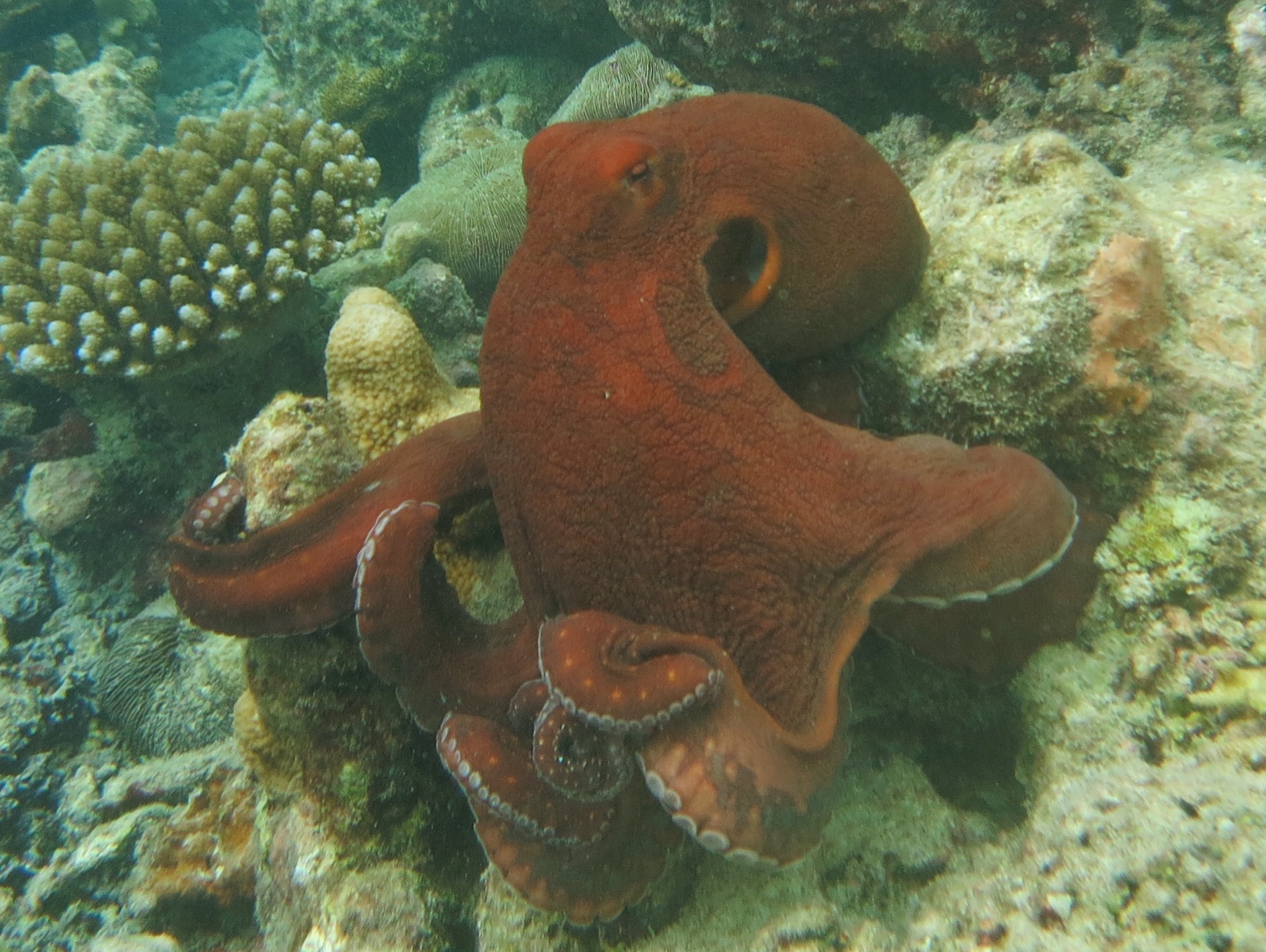
Common Reef (Day) Octopus
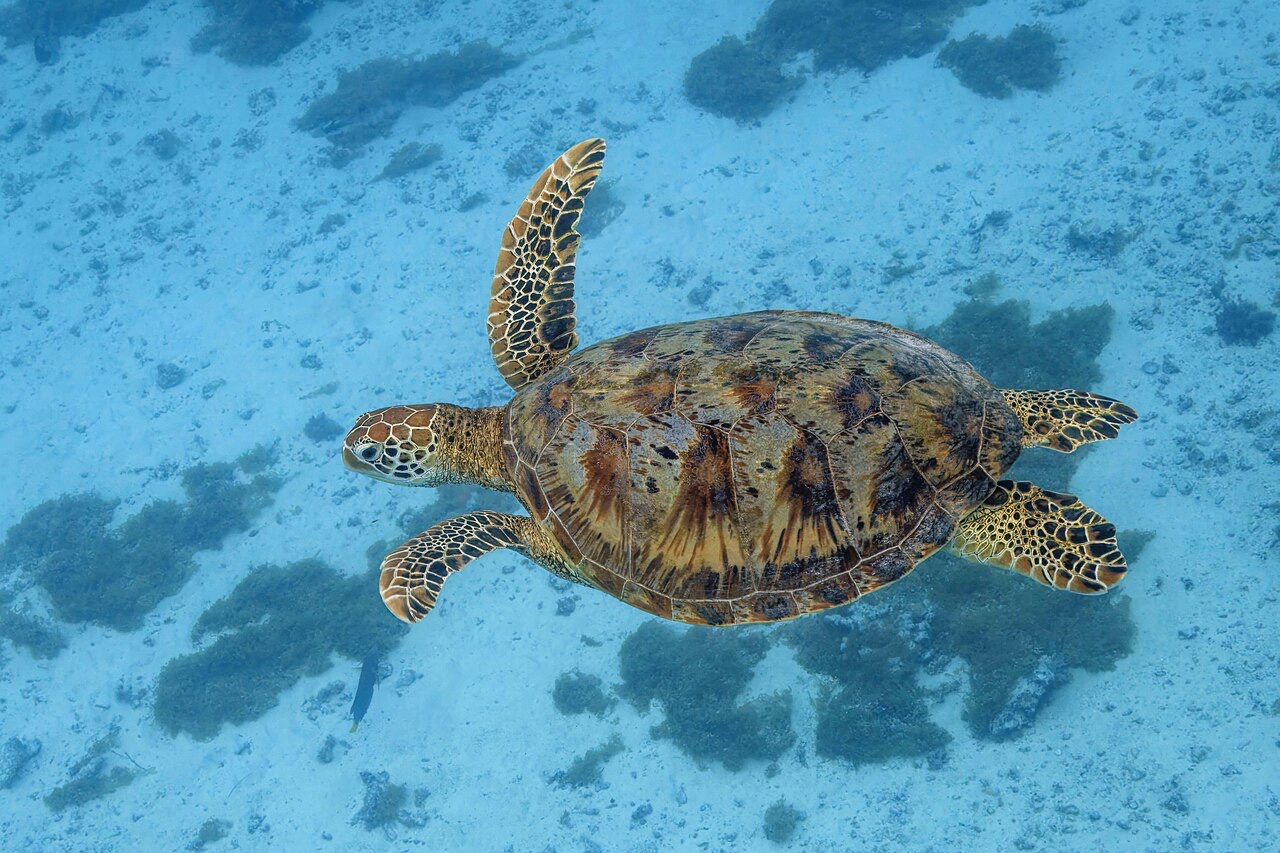
Green Sea Turtle
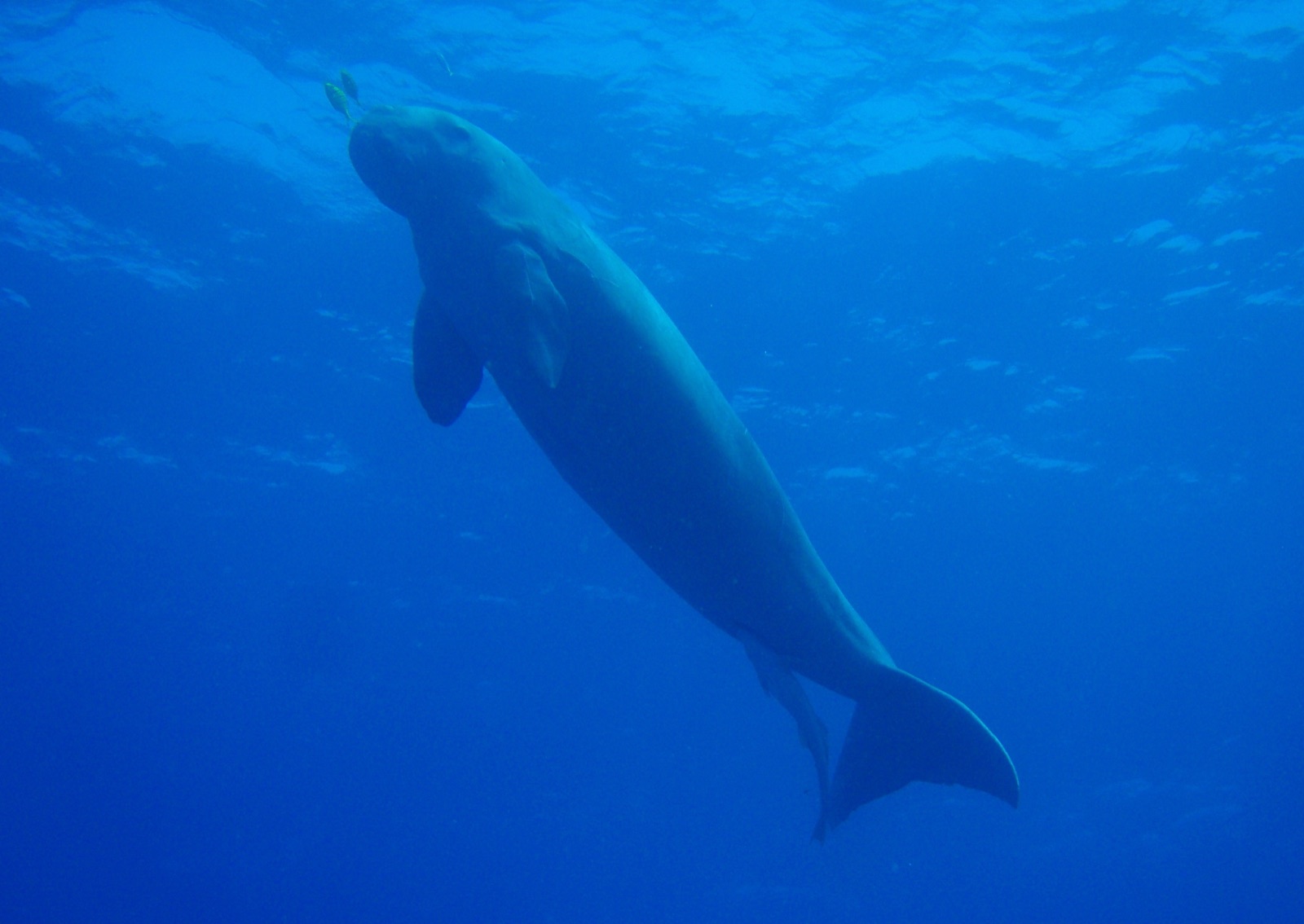
Dugong
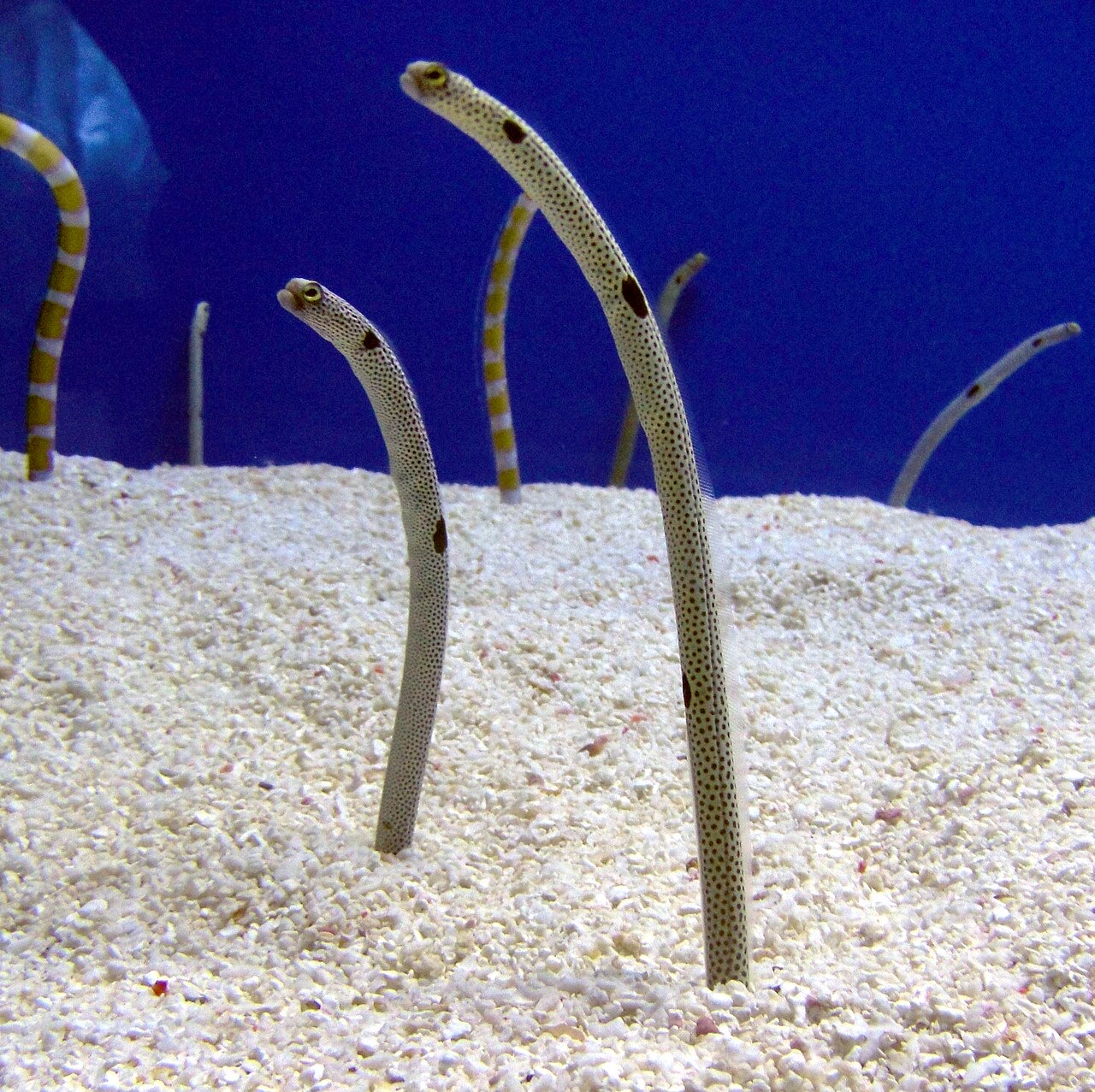
Garden Eel
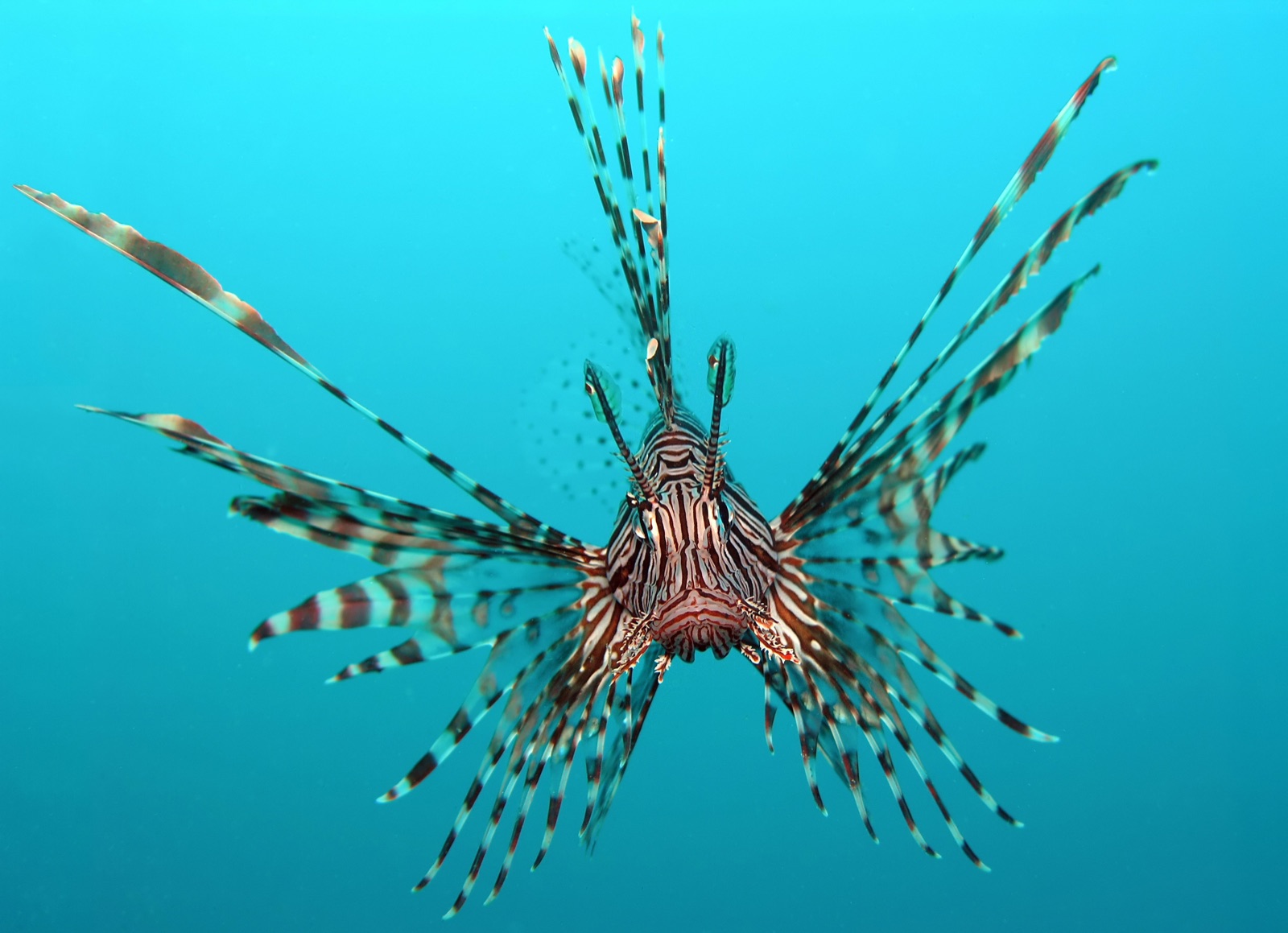
Lionfish
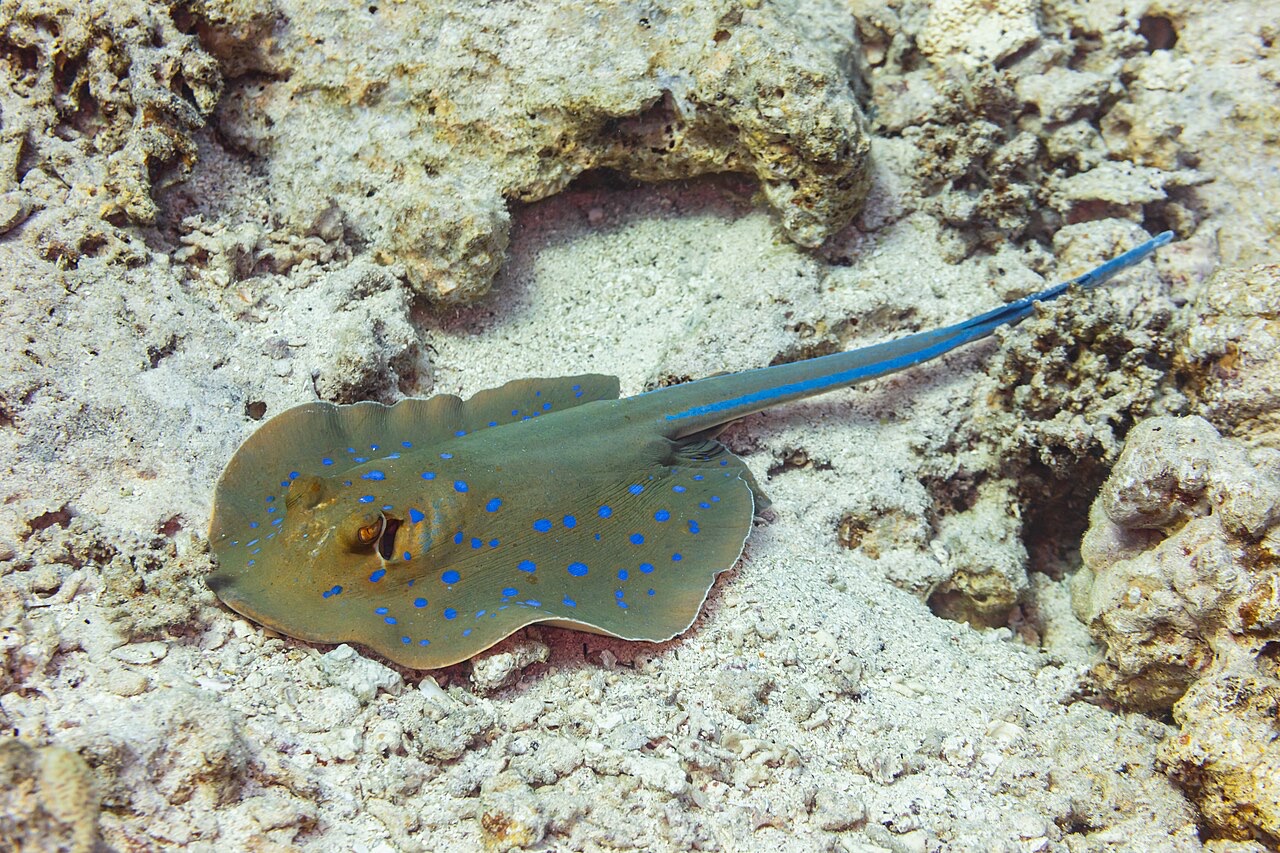
Blue-Spotted Ribbontail Ray
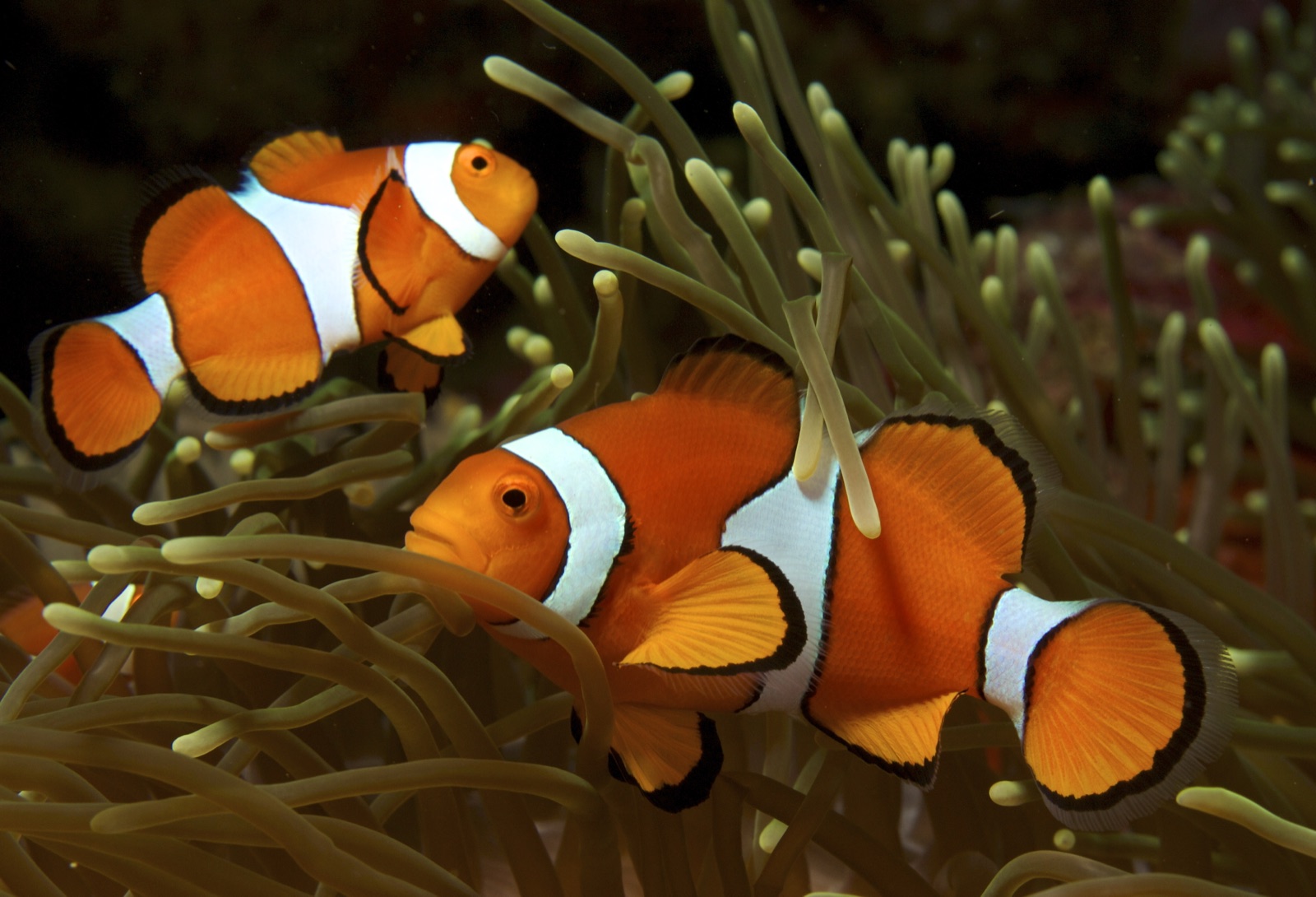
Clownfish & Anemonefish
Également observé à proximité
Les espèces « cartographiées ici » ont été répertoriées par nos éditeurs à partir des sources indiquées sur cette page. Les comptages correspondent aux occurrences GBIF : observations enregistrées dans un rayon d'environ 5 km autour de la position cartographiée depuis 1990, comparées uniquement aux espèces de notre catalogue. Ils indiquent ce qui a été observé à cet endroit, sans garantir ce que vous y verrez.
Pour les photographes
Grand angle: ★★★★☆ · Macro: ★★★☆☆ (note 1–5 des éditeurs sur ce que ce site offre à chaque style de prise de vue)