Elphinstone Reef
Depth is the range from the top of the site to its usual maximum; "recommended cert" is the mainstream-agency level operators usually ask for, not a legal rule. Currents and visibility change daily, so treat everything here as planning ranges.
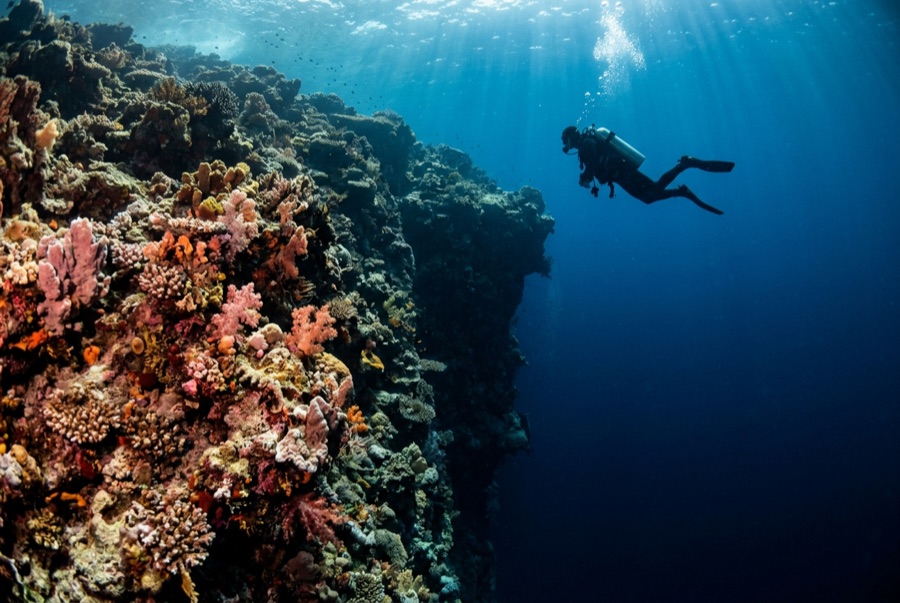
Elphinstone is a ridge of reef barely wider than a road, running several hundred meters through open water with nothing around it but blue. Its walls drop sheer on both flanks, upholstered in soft coral and swept by fusilier rivers, while the plateaus at either end gather the traffic that matters: grey reef sharks year-round, and from October into December, oceanic whitetips that cruise the shallows and inspect divers with their pilot-fish escorts in tow. Encounters happen close and demand composure - the surface interval briefing is as important as the dive plan. Between shark passes, the reef itself would justify the trip: hanging gardens, anthias haze, Napoleon wrasse on patrol. It is the deep south's signature dive and a genuine test of drift skills.
The moment you come for: Oceanic whitetips in fall; sheer soft-coral walls; the exposed north plateau in a running current.
Topography: A long, narrow offshore ridge with plateaus at each end and walls falling far beyond recreational depth
Current: Current usually splits at the plateaus; drift plans change on the day and negative entries are common.
Entry: Zodiac drops on the north or south plateau depending on current; day boats run from Marsa Alam jetties and liveaboards pass constantly.
Know before you splash
Hazards: Strong current and open-water exposure; bold oceanic whitetips near the surface; depth temptation on walls that keep going.
Conservation: Shark-conduct rules exist because encounters here are close; baiting is illegal and surface loitering is discouraged.
Nitrox: Worth it here: profiles sit in the range where enriched air meaningfully extends no-stop time (with the training to use it).
Who you'll meet
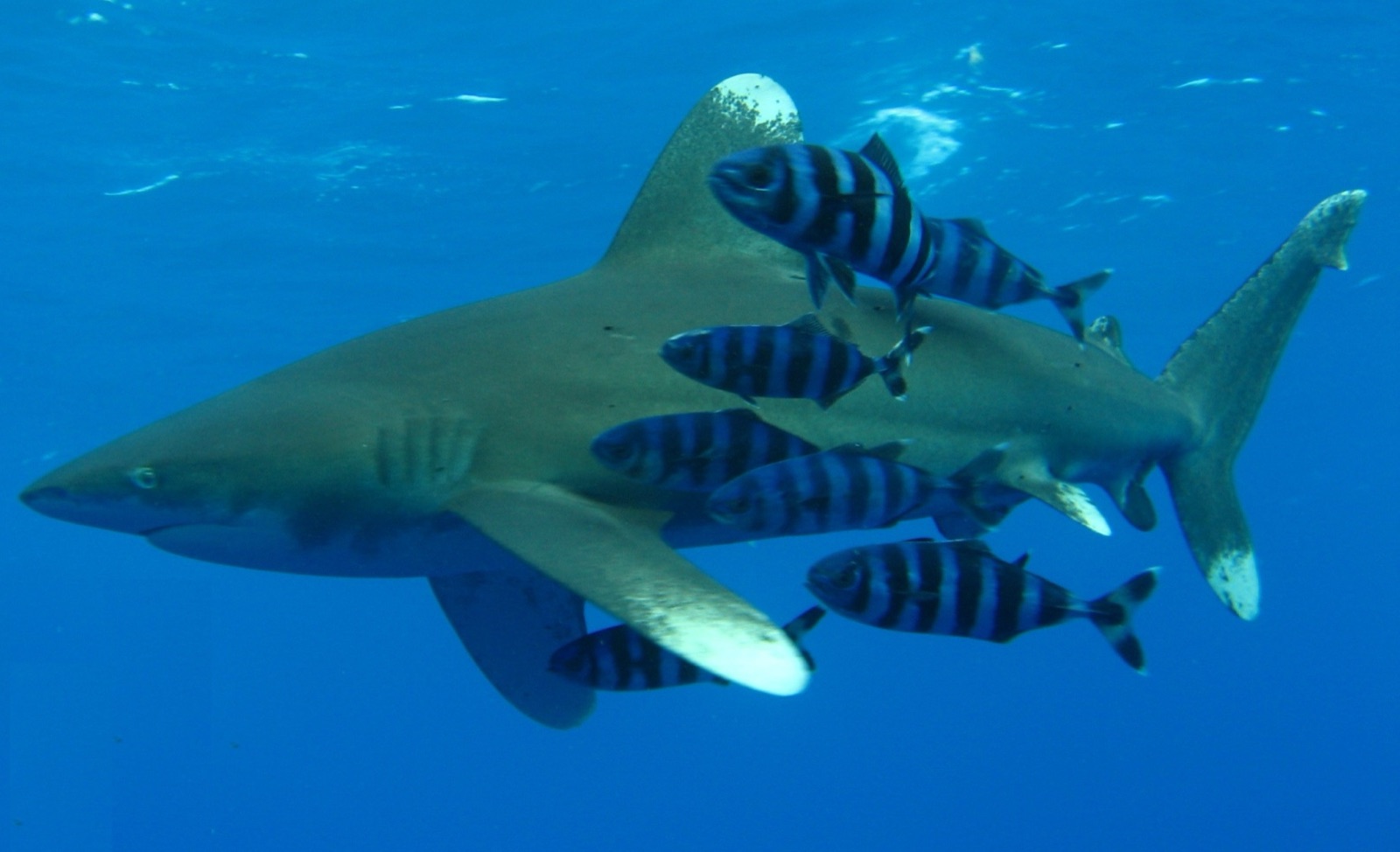
Oceanic Whitetip Shark
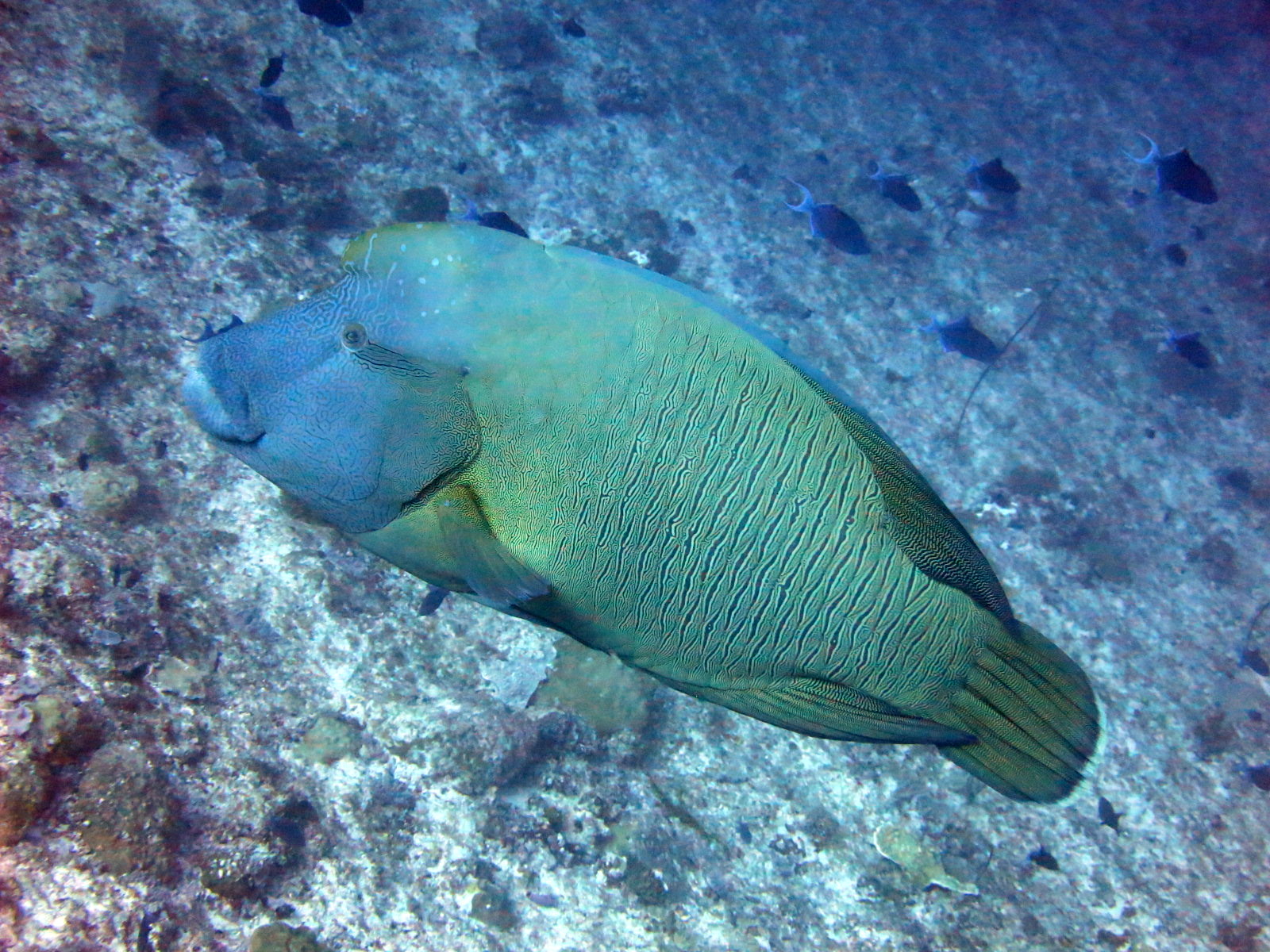
Napoleon (Humphead) Wrasse
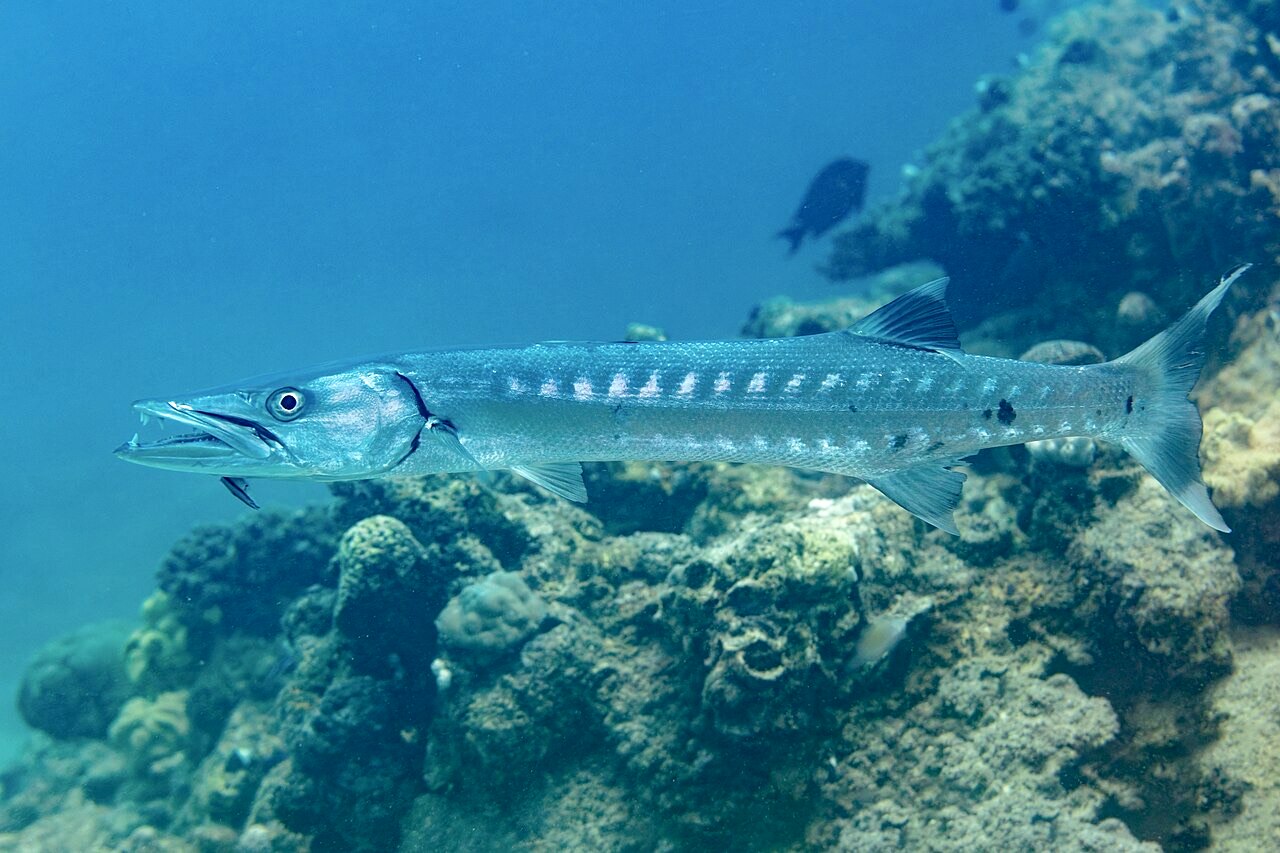
Great Barracuda
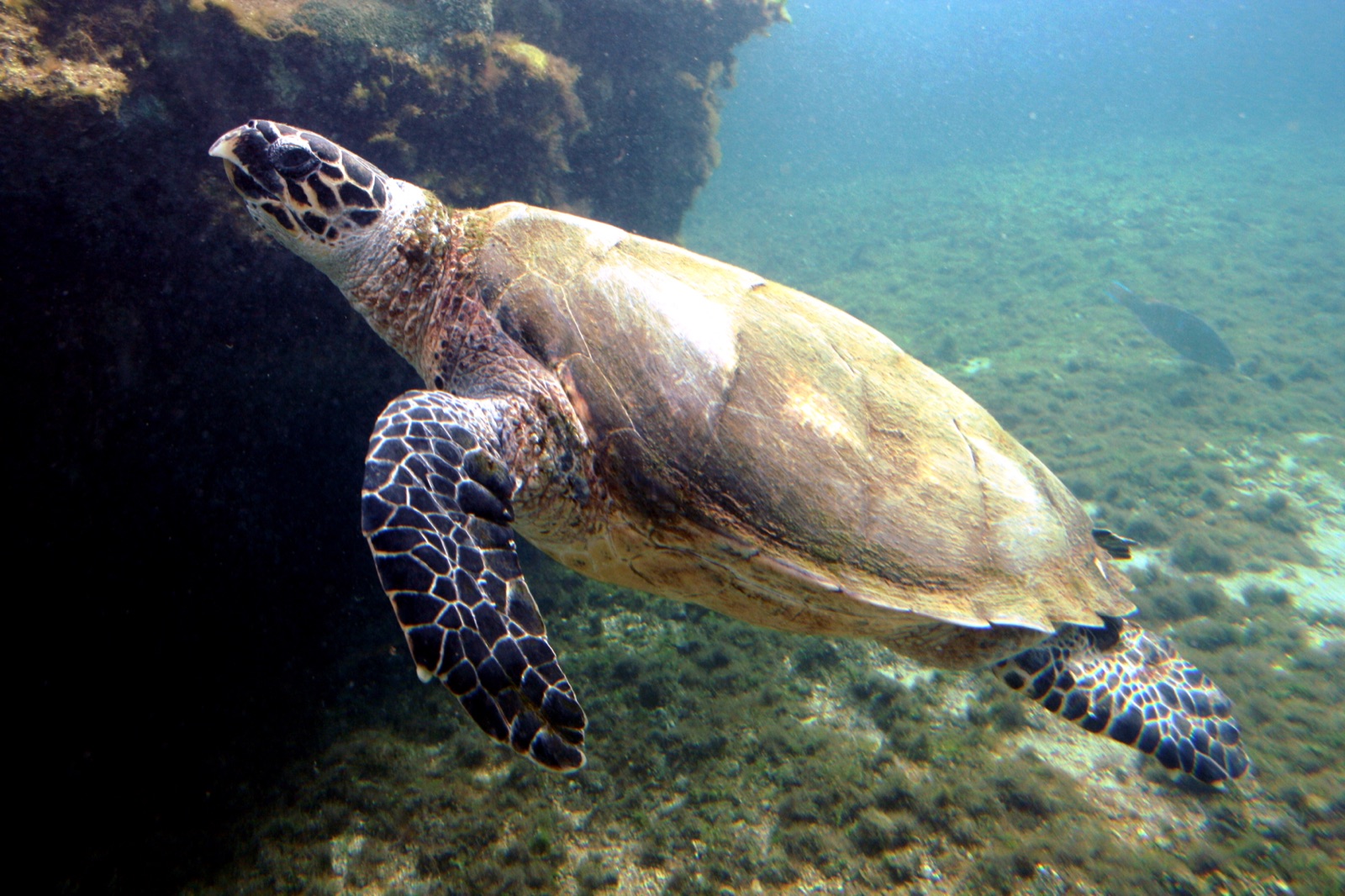
Hawksbill Turtle
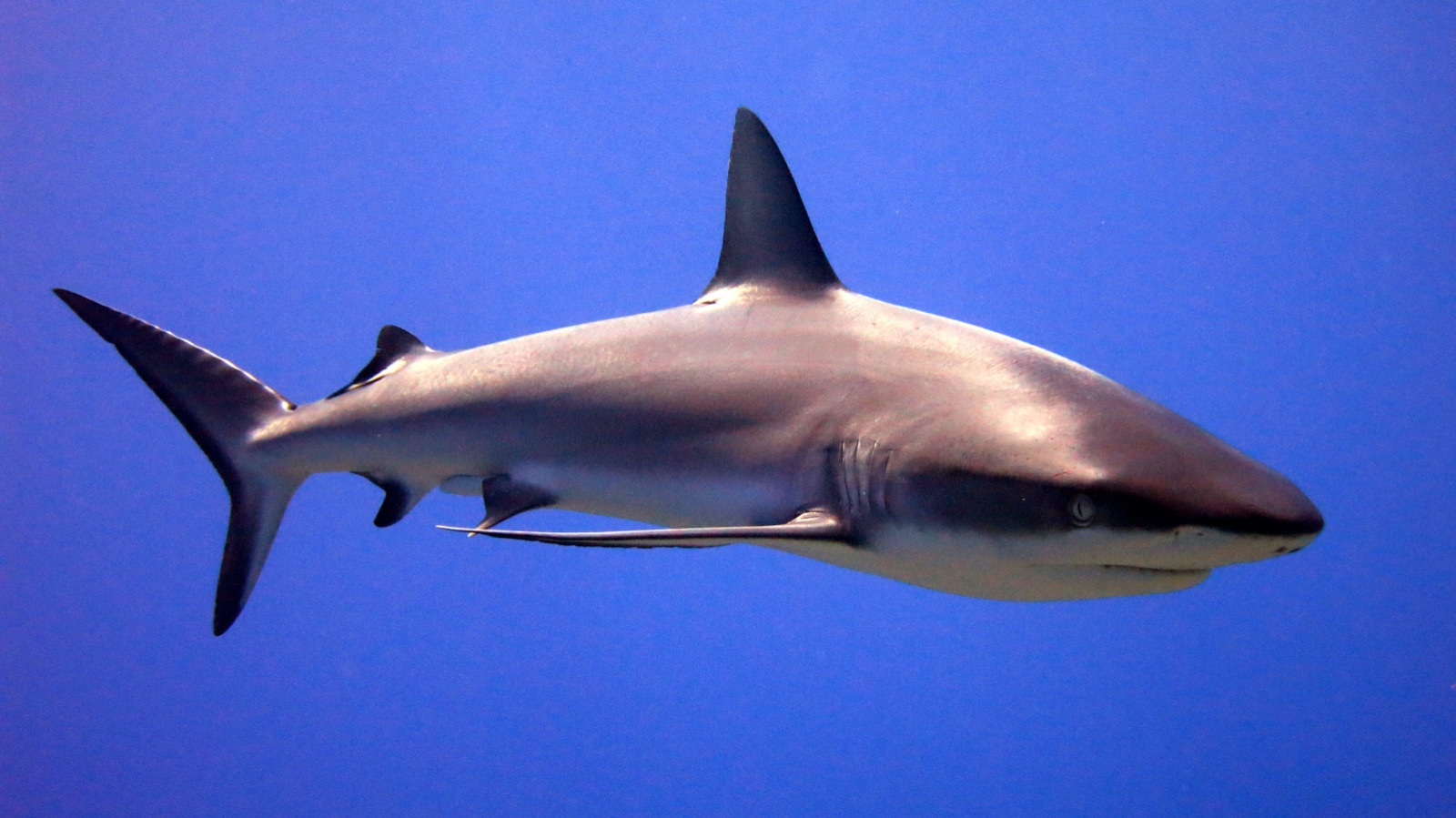
Grey Reef Shark
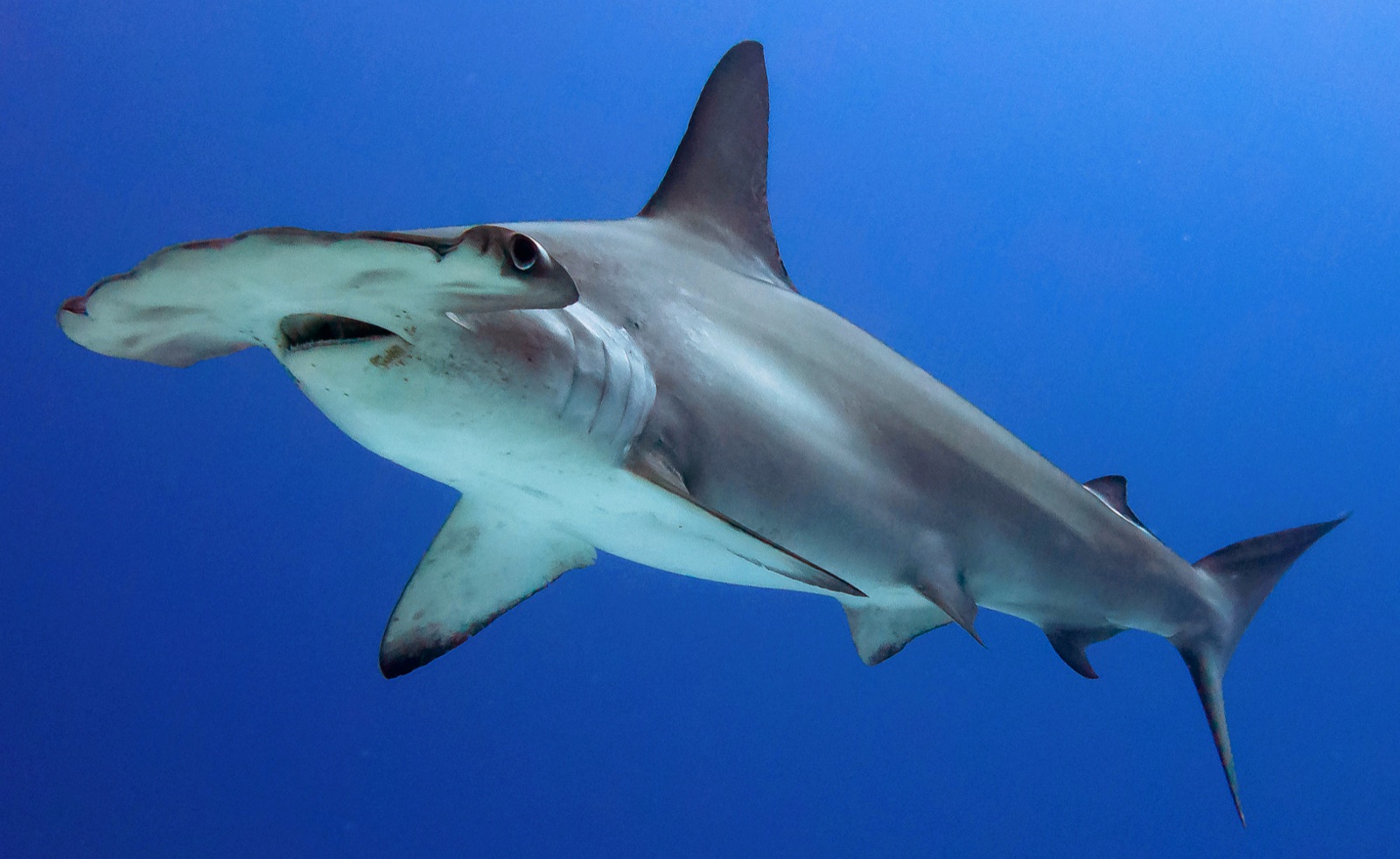
Scalloped Hammerhead
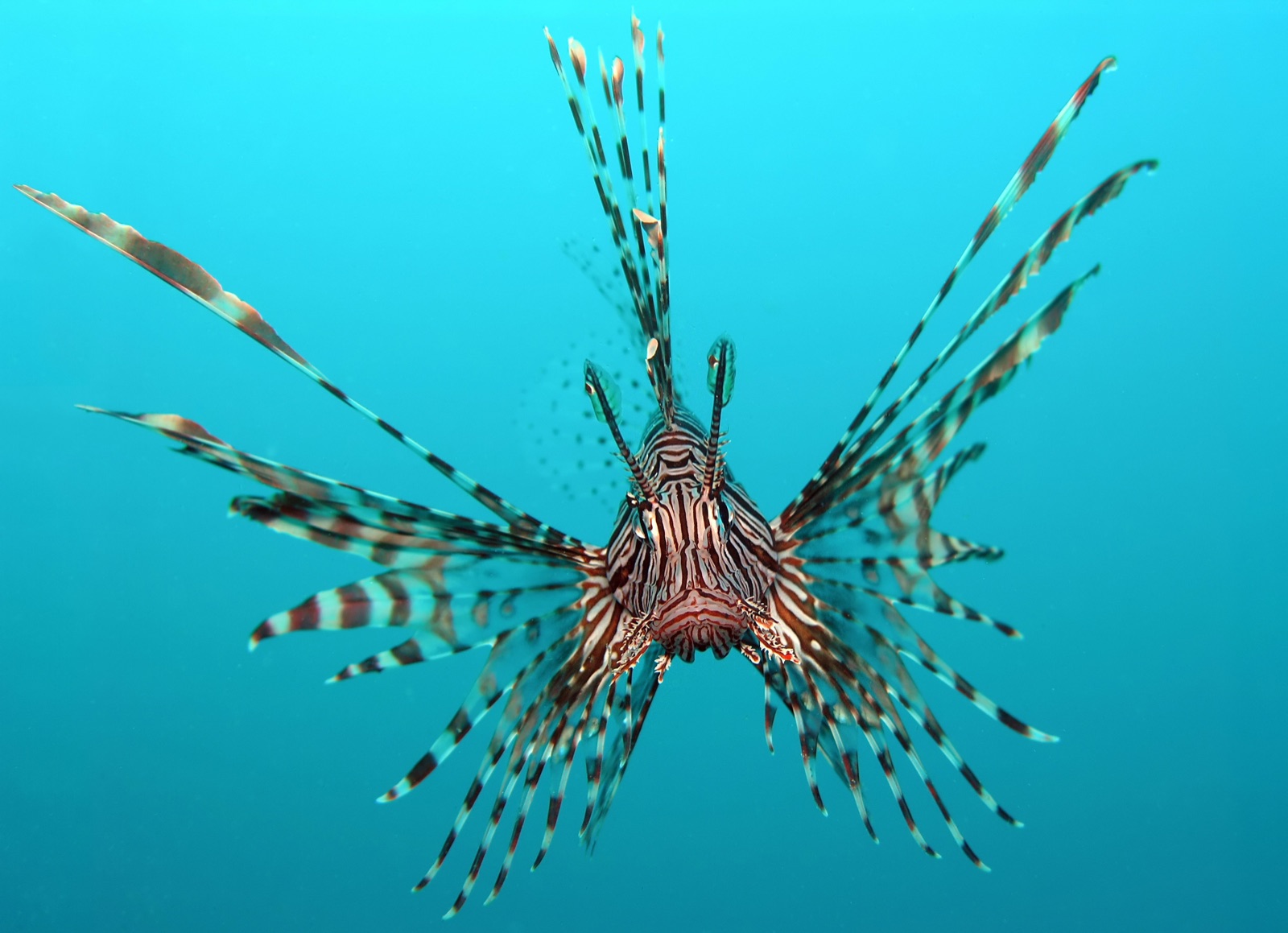
Lionfish
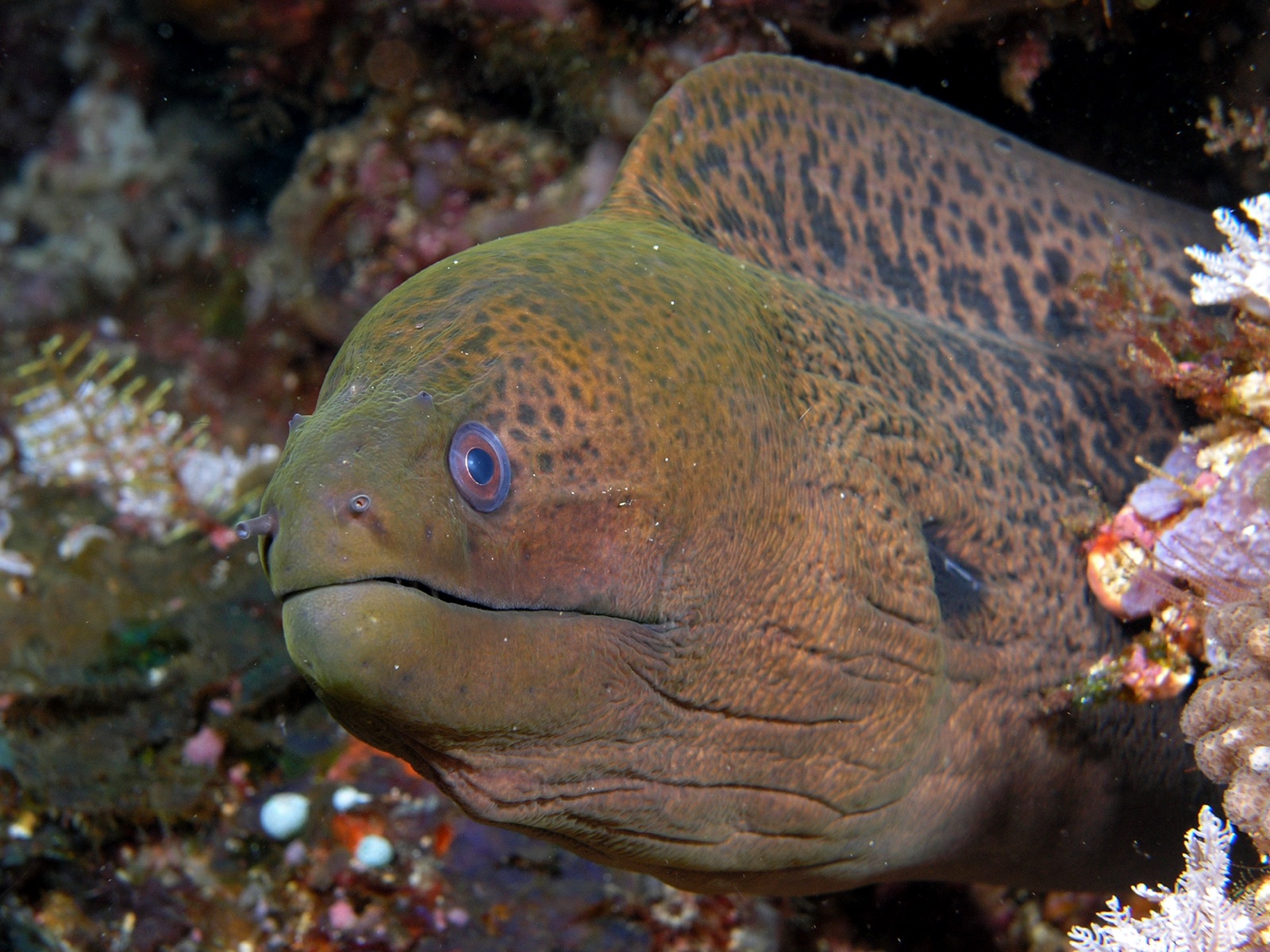
Giant Moray Eel
Also recorded nearby
"Charted here" species were listed by our editors from the sources on this page. Counts are GBIF occurrence records: observations logged within about 5 km of the charted position since 1990, matched only against the species in our catalogue. They show what has been seen there, not a promise of what you will see.
For photographers
Wide angle: ★★★★★ · Macro: ★☆☆☆☆ (editors' 1–5 rating of what this site gives each style of shooting)