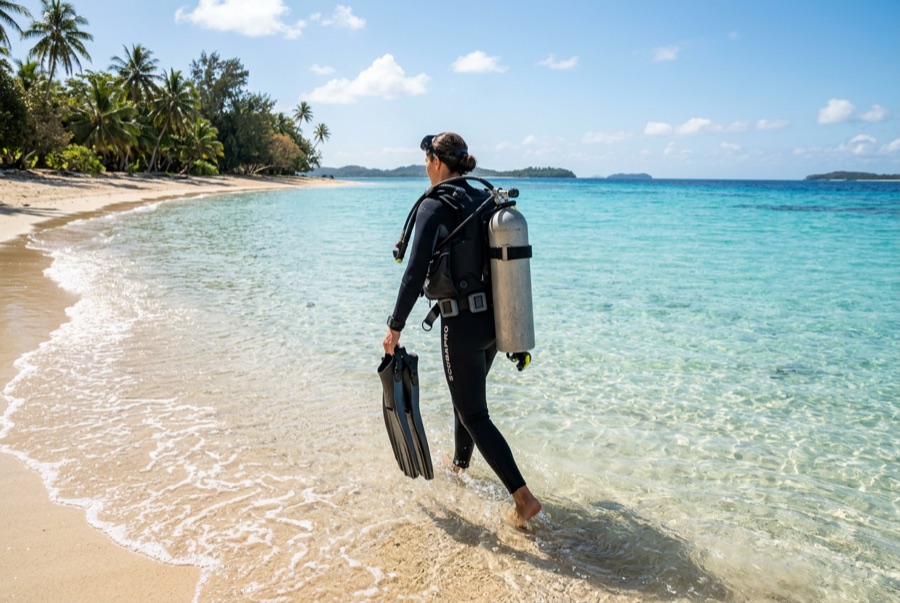
Marsa Shagra House Reef
Depth is the range from the top of the site to its usual maximum; "recommended cert" is the mainstream-agency level operators usually ask for, not a legal rule. Currents and visibility change daily, so treat everything here as planning ranges.
Marsa Shagra runs on an idea that sounds like fiction elsewhere in the Red Sea: take a pristine bay, put a low-impact tent-and-chalet village behind it, and let certified divers dive the reef whenever they like - dawn, midnight, sixth dive of the day, no boat required. The bay's north and south arms are proper reef walls with morays, octopus, and dense anthias; the outer gardens hold pinnacles that reward longer swims or a zodiac drop-off with a swim home. Night dives from the beach turn up Spanish dancers and hunting lionfish meters from the cafe lights. Nothing here is dramatic; everything is easy, healthy, and endlessly repeatable, which is why some guests log forty dives without leaving the bay.
The moment you come for: Unlimited shore diving on your own schedule; healthy walls minutes from bed; midnight dives ending at the cafe.
Topography: A sheltered bay flanked by two fringing reef walls, opening onto outer coral gardens
Entry: The bay fronts an ecolodge village that runs the reef on an unlimited-diving model; buddy teams sign out tanks around the clock.
Know before you splash
Hazards: Self-guided diving means self-guided judgment; watch conditions at the bay mouth on windy days.
Conservation: The operating model depends on divers who need no minder - the village enforces buoyancy and no-touch standards firmly.
Nitrox: Worth it here: profiles sit in the range where enriched air meaningfully extends no-stop time (with the training to use it).
Who you'll meet
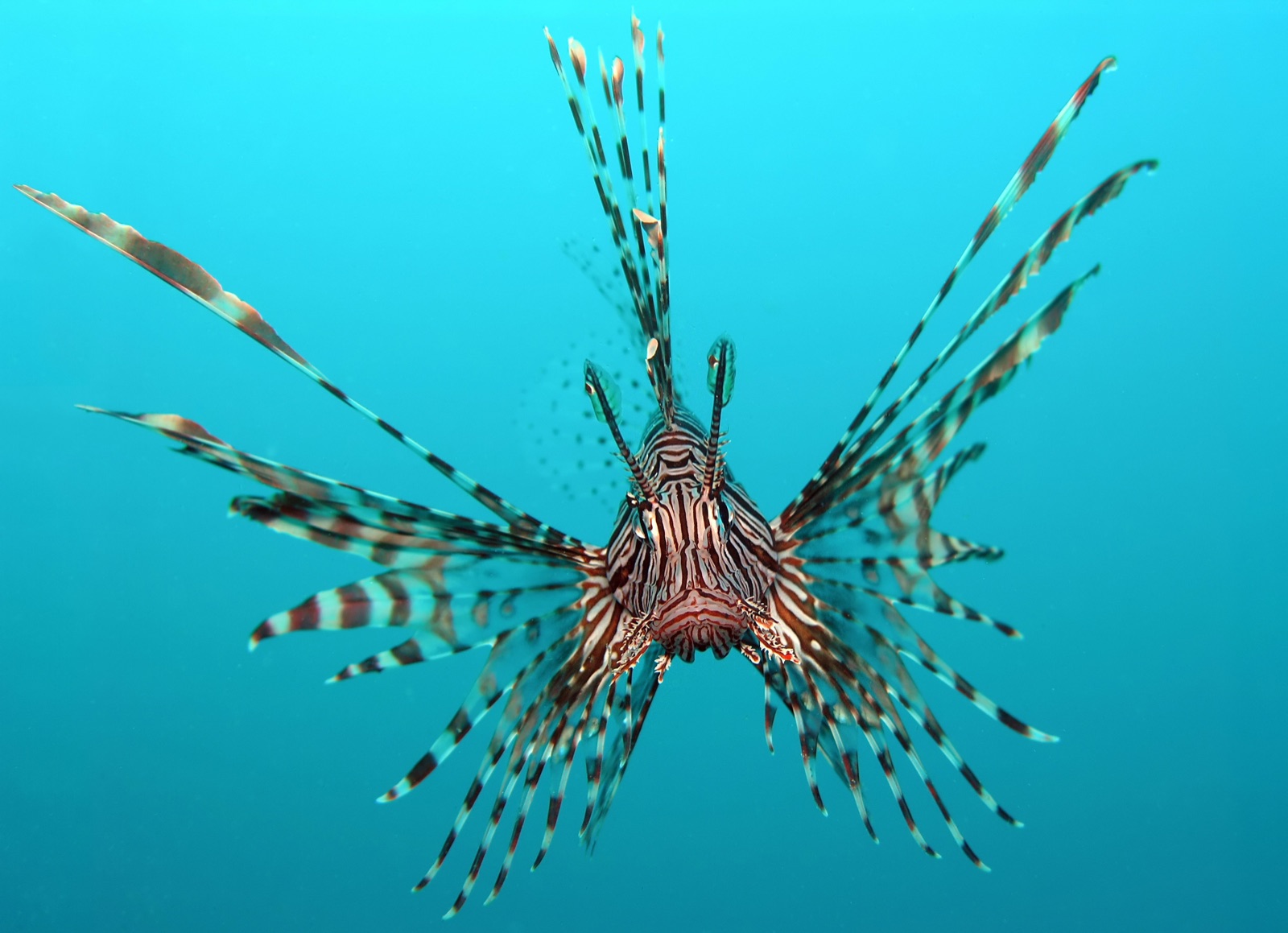
Lionfish
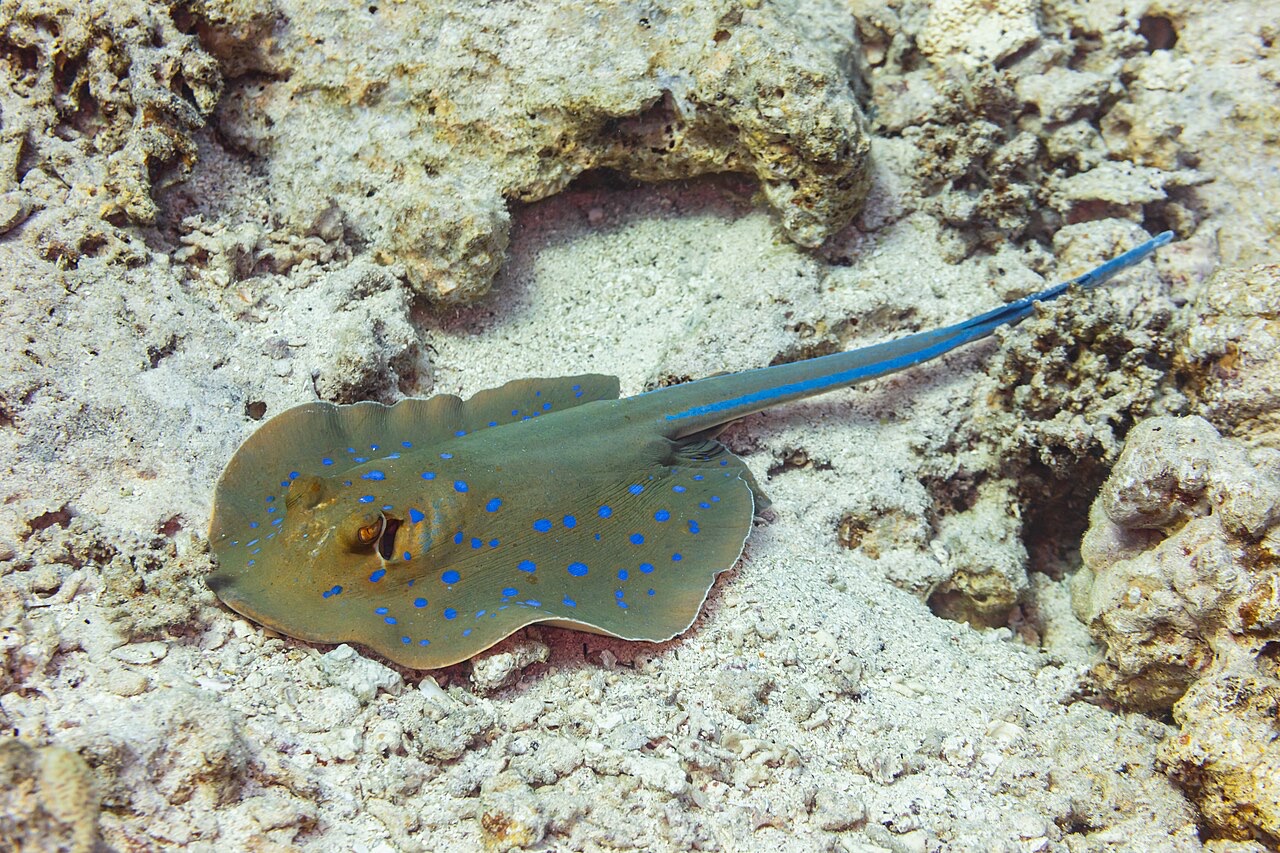
Blue-Spotted Ribbontail Ray
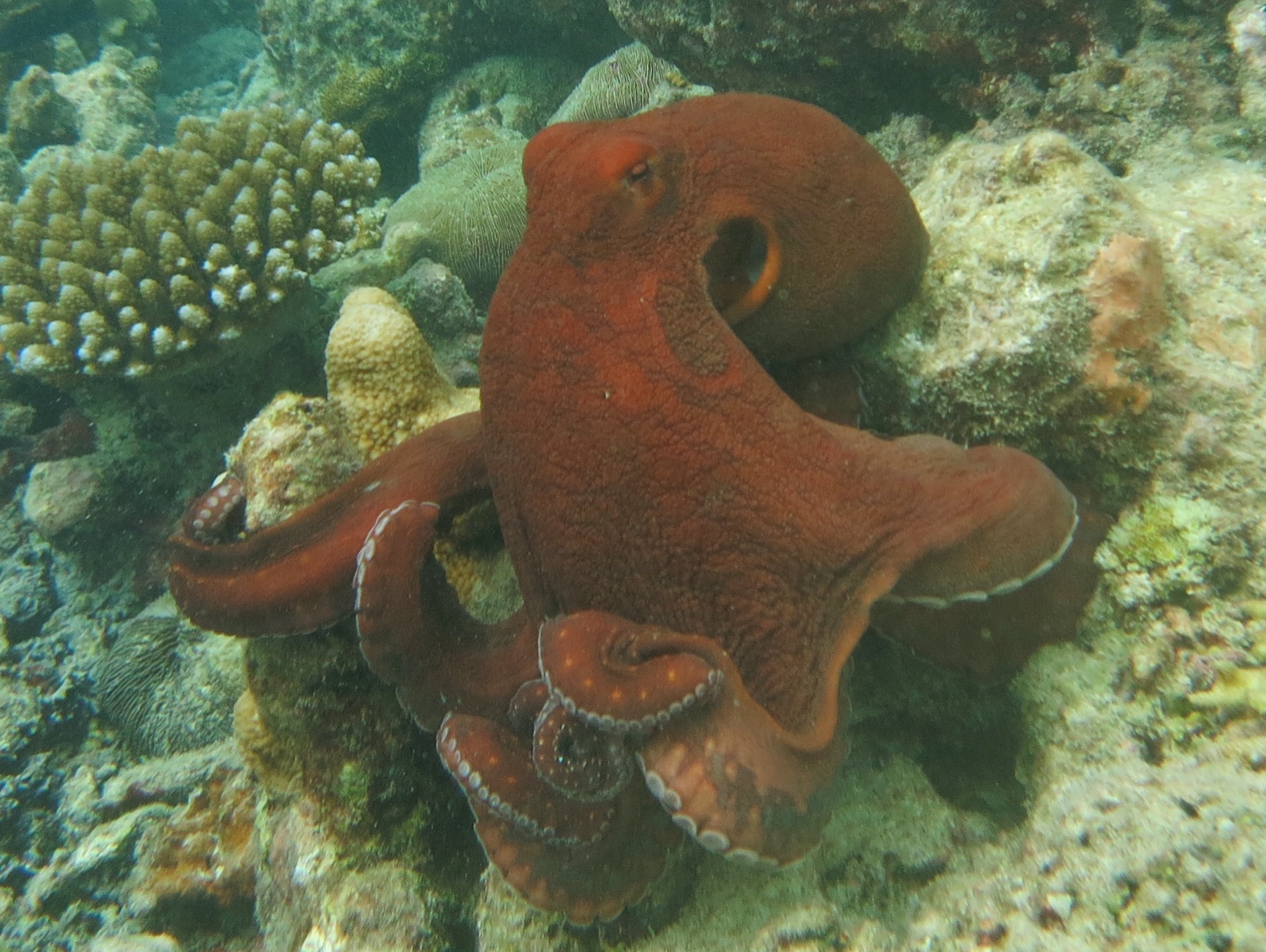
Common Reef (Day) Octopus
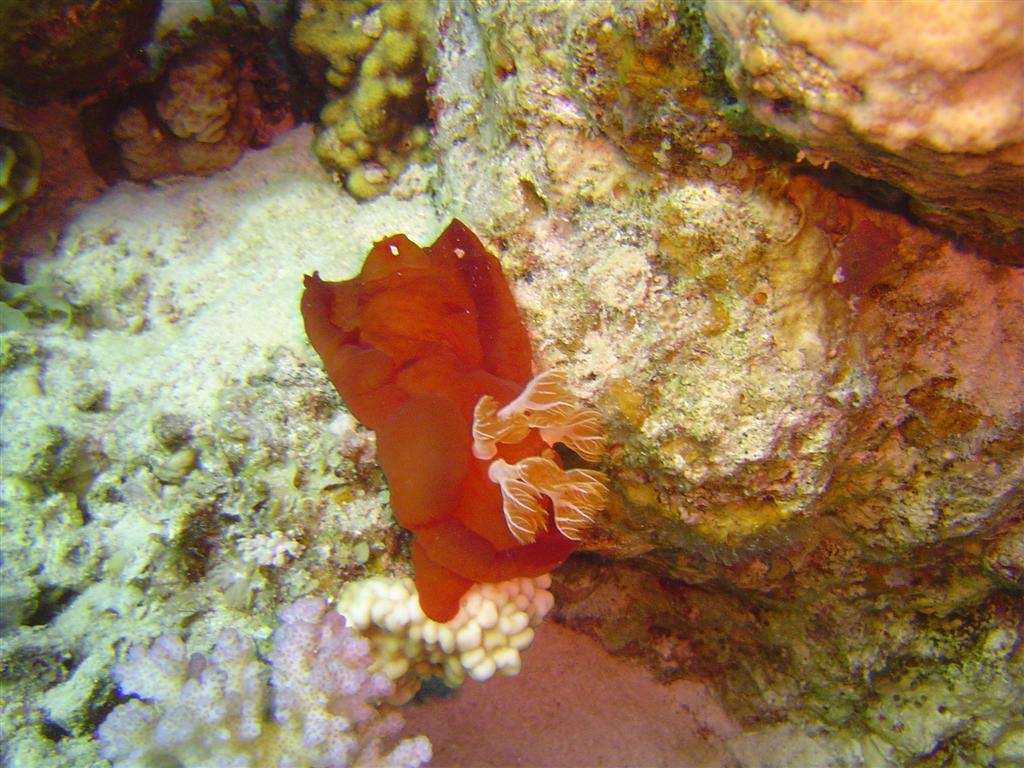
Spanish Dancer
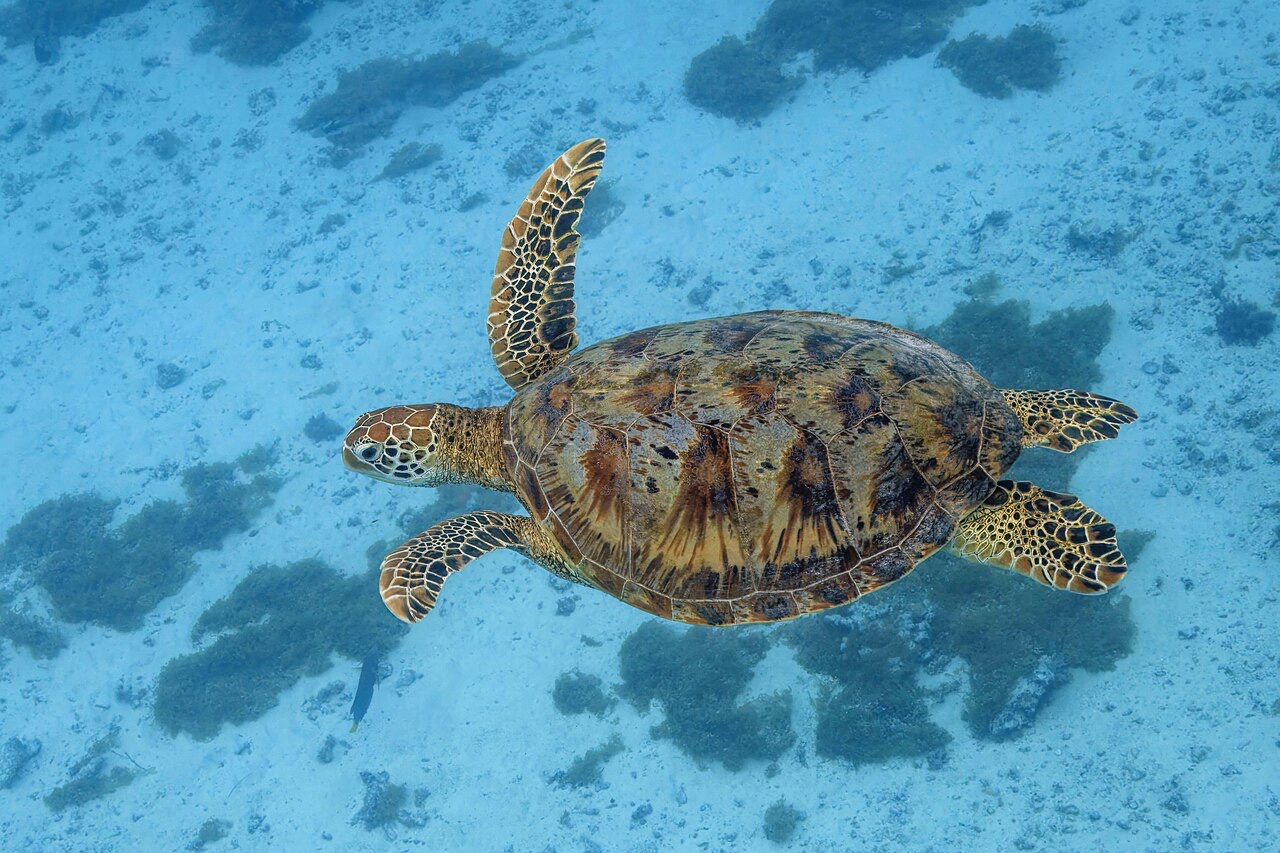
Green Sea Turtle
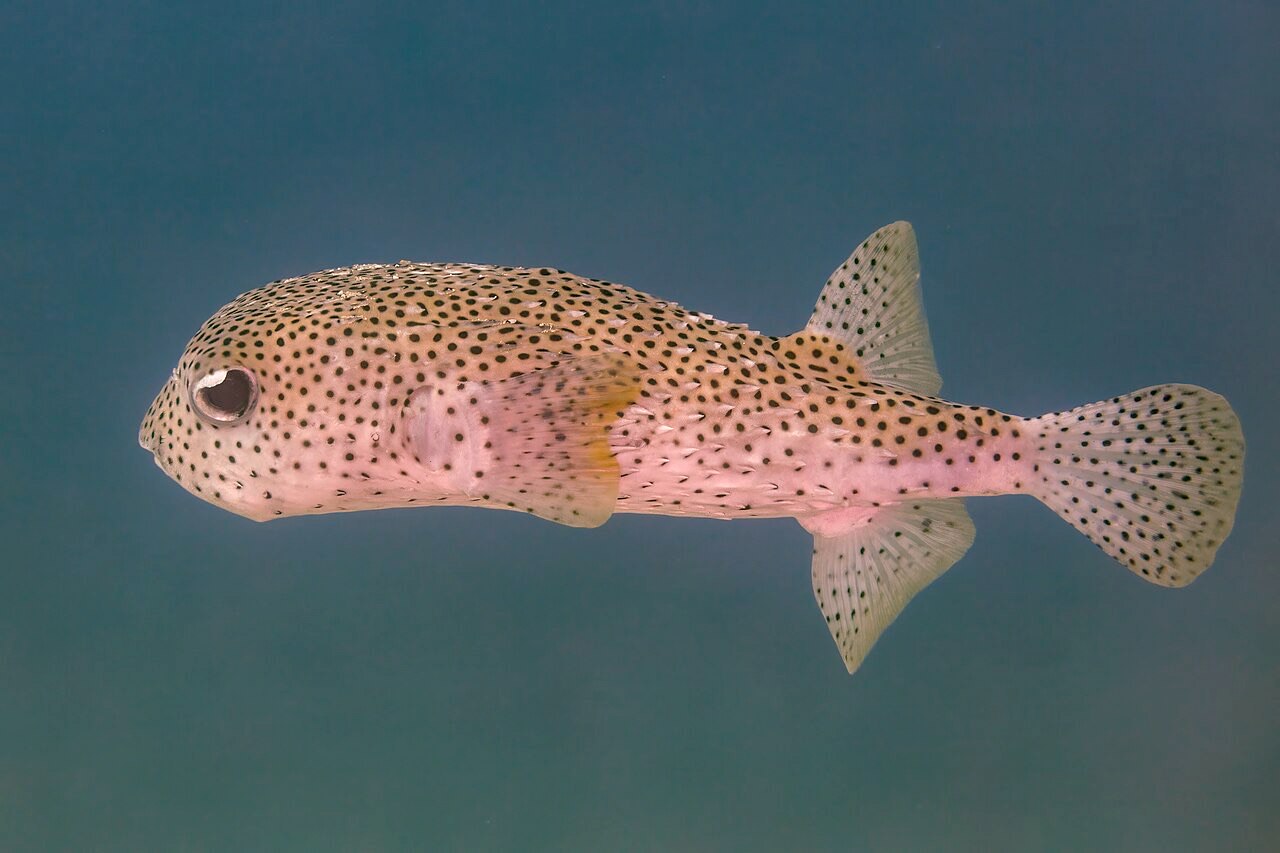
Porcupinefish
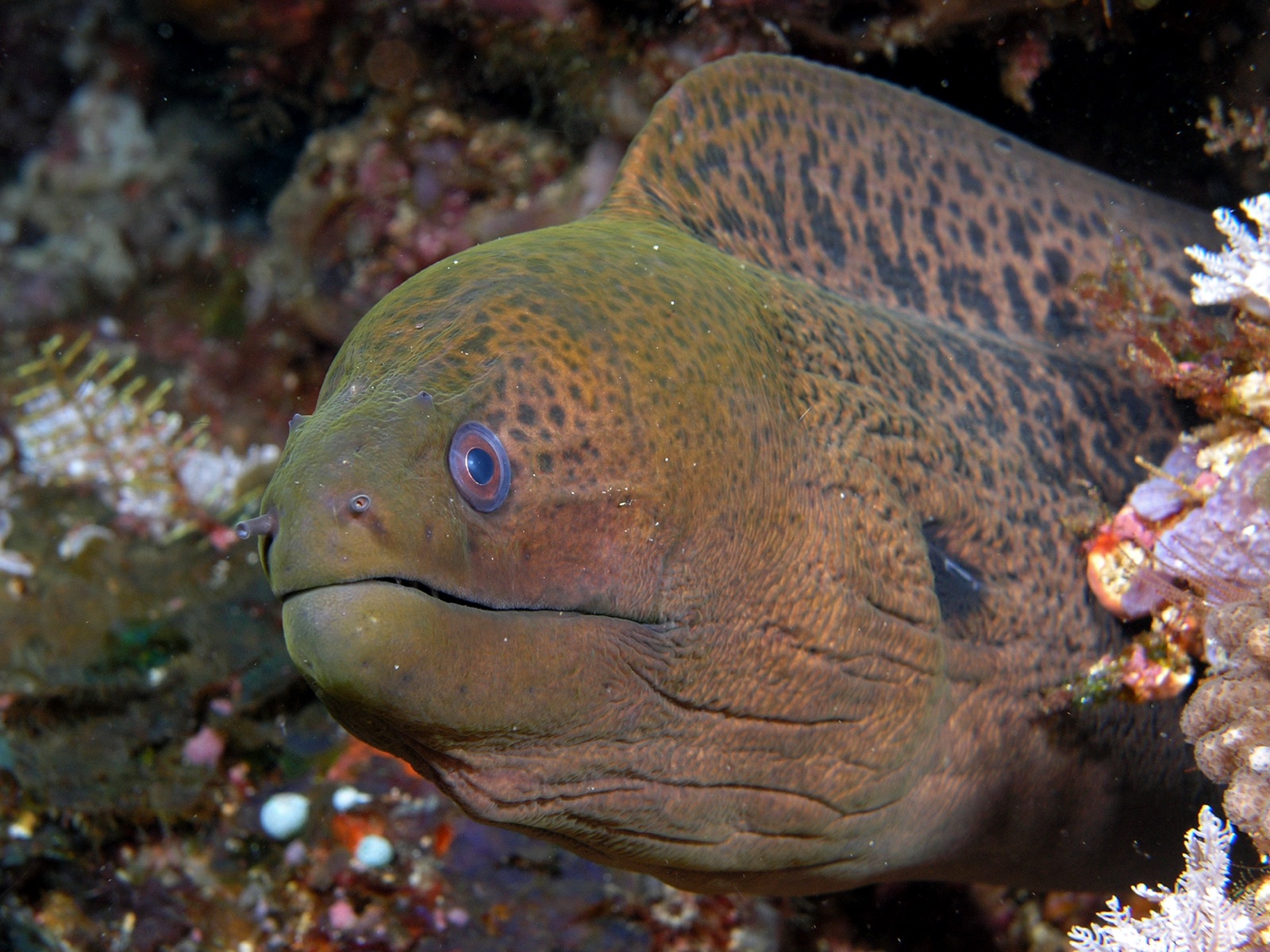
Giant Moray Eel
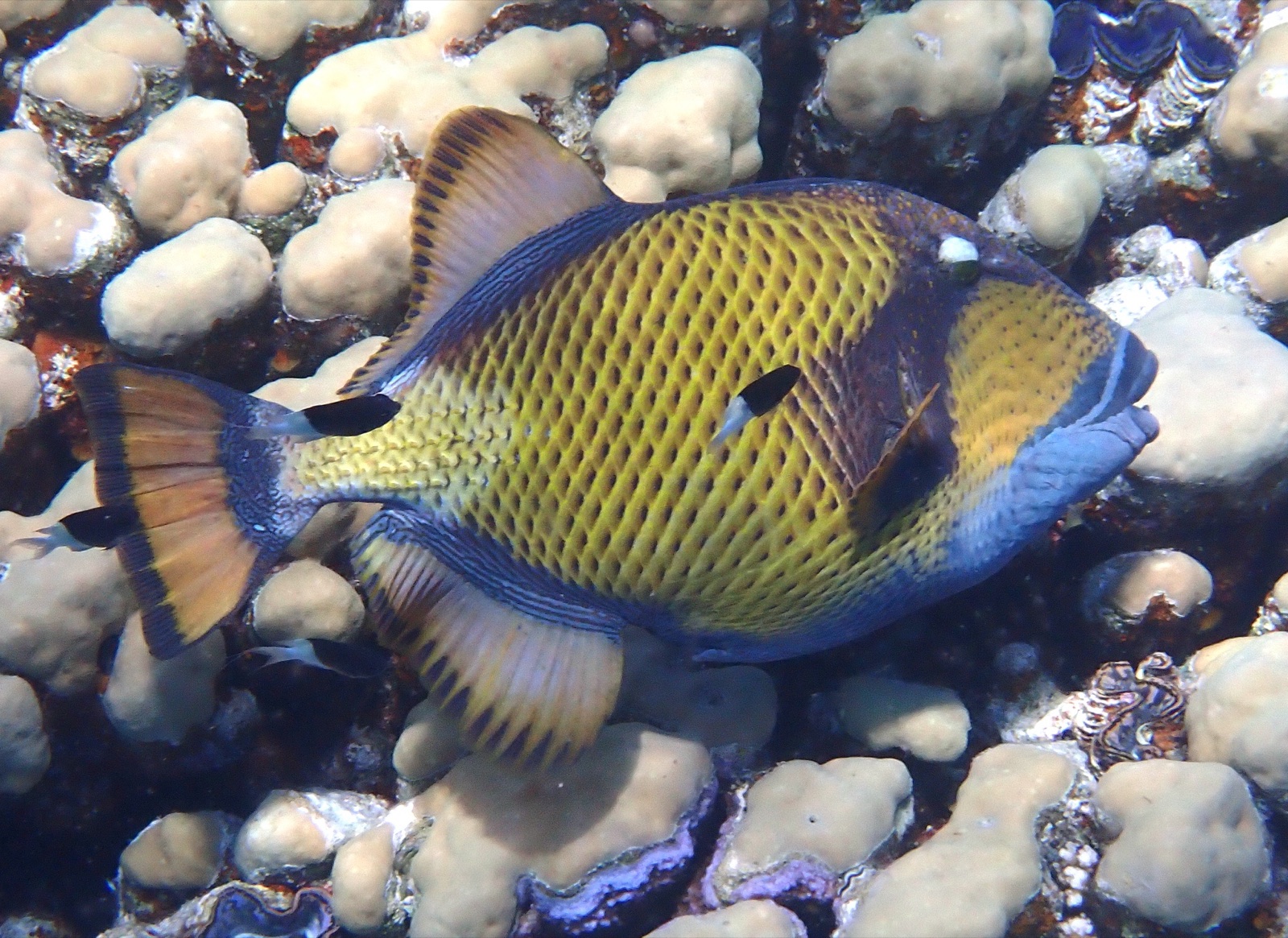
Titan Triggerfish
Also recorded nearby
"Charted here" species were listed by our editors from the sources on this page. Counts are GBIF occurrence records: observations logged within about 5 km of the charted position since 1990, matched only against the species in our catalogue. They show what has been seen there, not a promise of what you will see.
For photographers
Wide angle: ★★★☆☆ · Macro: ★★★★☆ (editors' 1–5 rating of what this site gives each style of shooting)