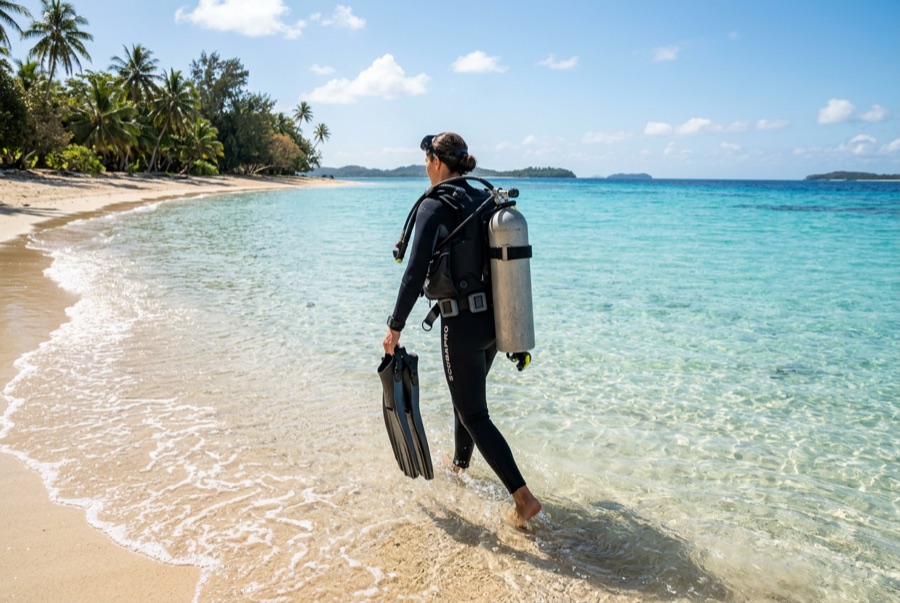
Marsa Shagra House Reef
La profondeur correspond à la plage allant du sommet du site jusqu'à son maximum habituel ; le « niveau recommandé » est le niveau demandé en général par les opérateurs auprès des grandes agences, pas une règle légale. Les courants et la visibilité varient chaque jour, traitez donc tout cela comme des plages indicatives de planification.
Marsa Shagra runs on an idea that sounds like fiction elsewhere in the Red Sea: take a pristine bay, put a low-impact tent-and-chalet village behind it, and let certified divers dive the reef whenever they like - dawn, midnight, sixth dive of the day, no boat required. The bay's north and south arms are proper reef walls with morays, octopus, and dense anthias; the outer gardens hold pinnacles that reward longer swims or a zodiac drop-off with a swim home. Night dives from the beach turn up Spanish dancers and hunting lionfish meters from the cafe lights. Nothing here is dramatic; everything is easy, healthy, and endlessly repeatable, which is why some guests log forty dives without leaving the bay.
Le moment pour lequel vous venez: Unlimited shore diving on your own schedule; healthy walls minutes from bed; midnight dives ending at the cafe.
Topographie: A sheltered bay flanked by two fringing reef walls, opening onto outer coral gardens
Entrée: The bay fronts an ecolodge village that runs the reef on an unlimited-diving model; buddy teams sign out tanks around the clock.
À savoir avant de plonger
Dangers: Self-guided diving means self-guided judgment; watch conditions at the bay mouth on windy days.
Conservation: The operating model depends on divers who need no minder - the village enforces buoyancy and no-touch standards firmly.
Nitrox: Pertinent ici : les profils se situent dans la plage où le nitrox prolonge significativement le temps sans palier (avec la formation pour l'utiliser).
Qui vous croiserez
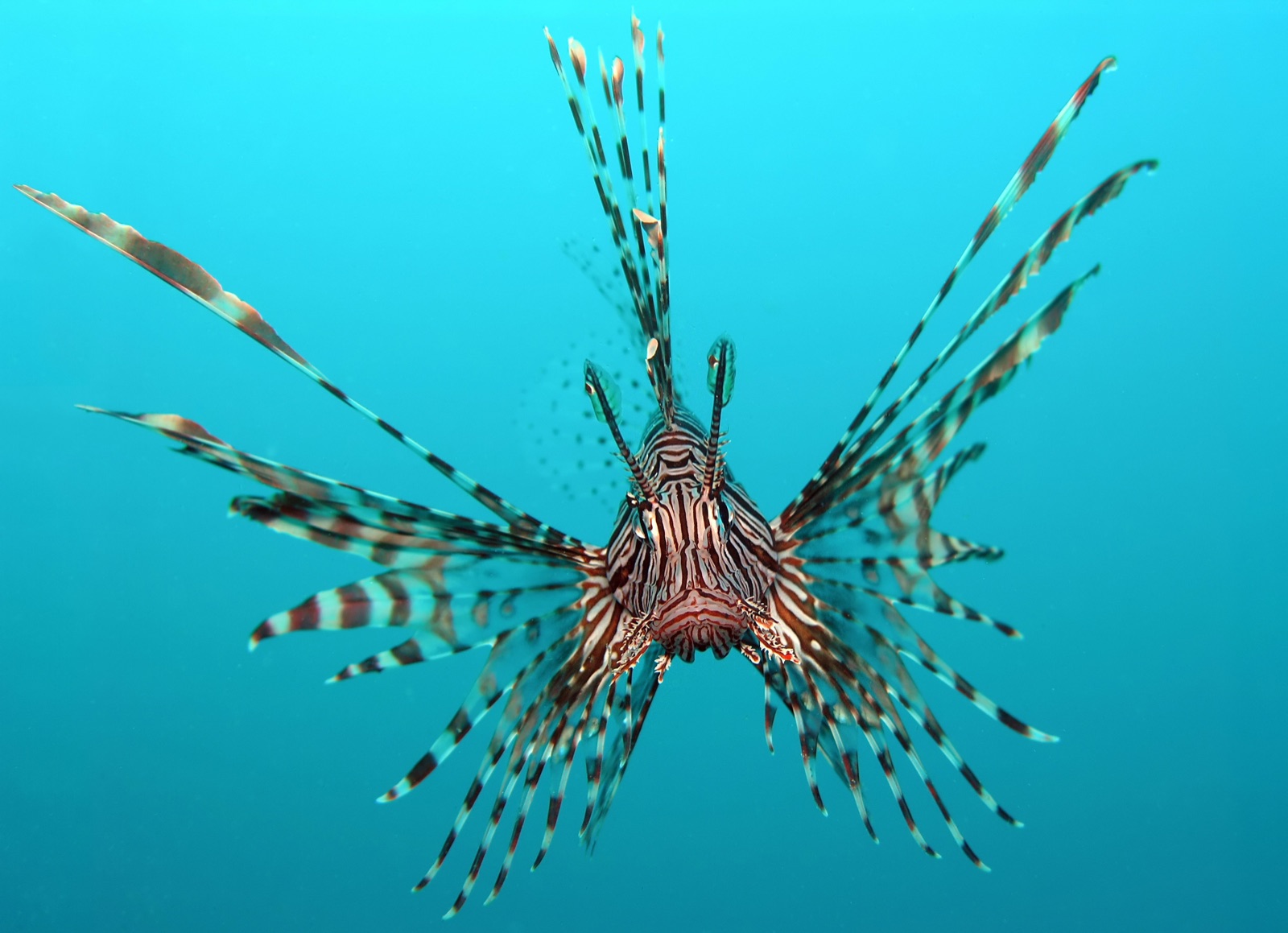
Lionfish
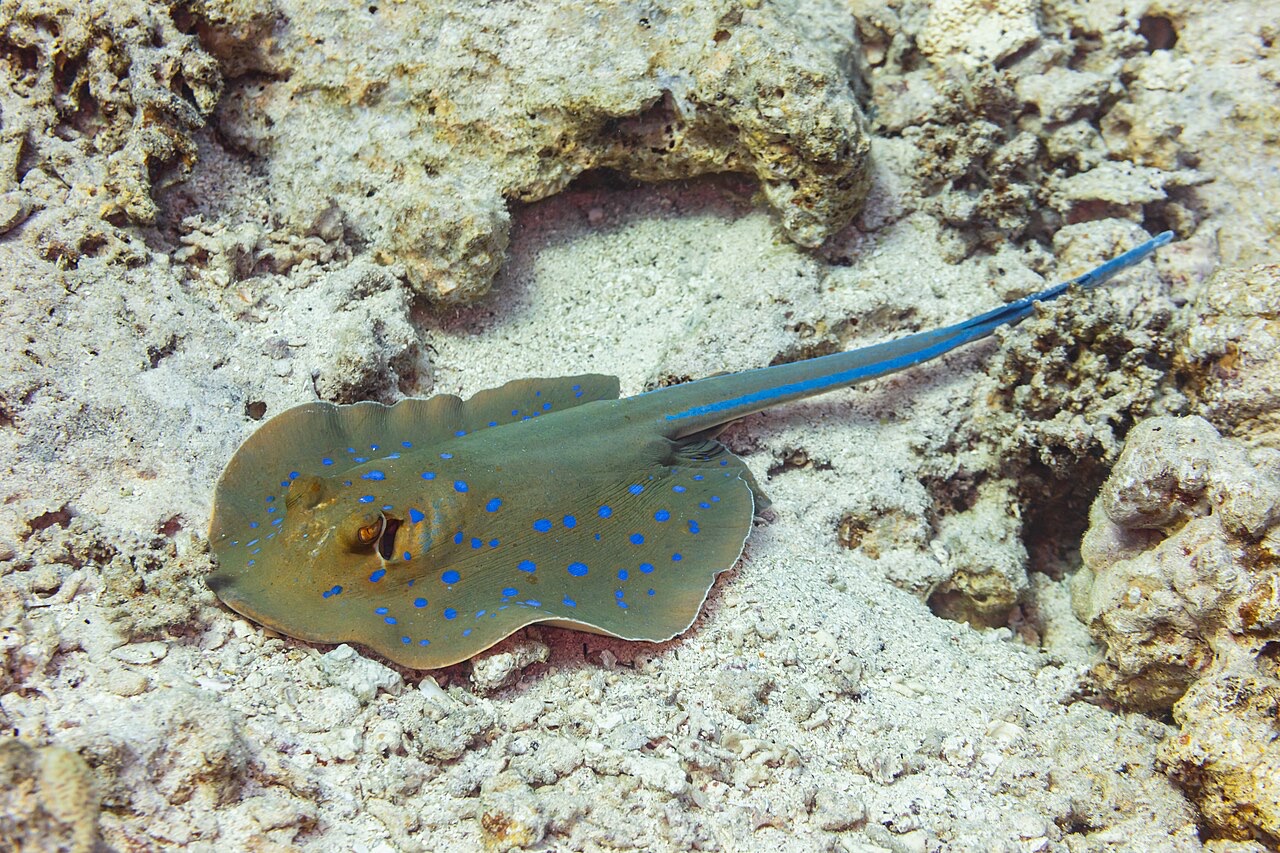
Blue-Spotted Ribbontail Ray
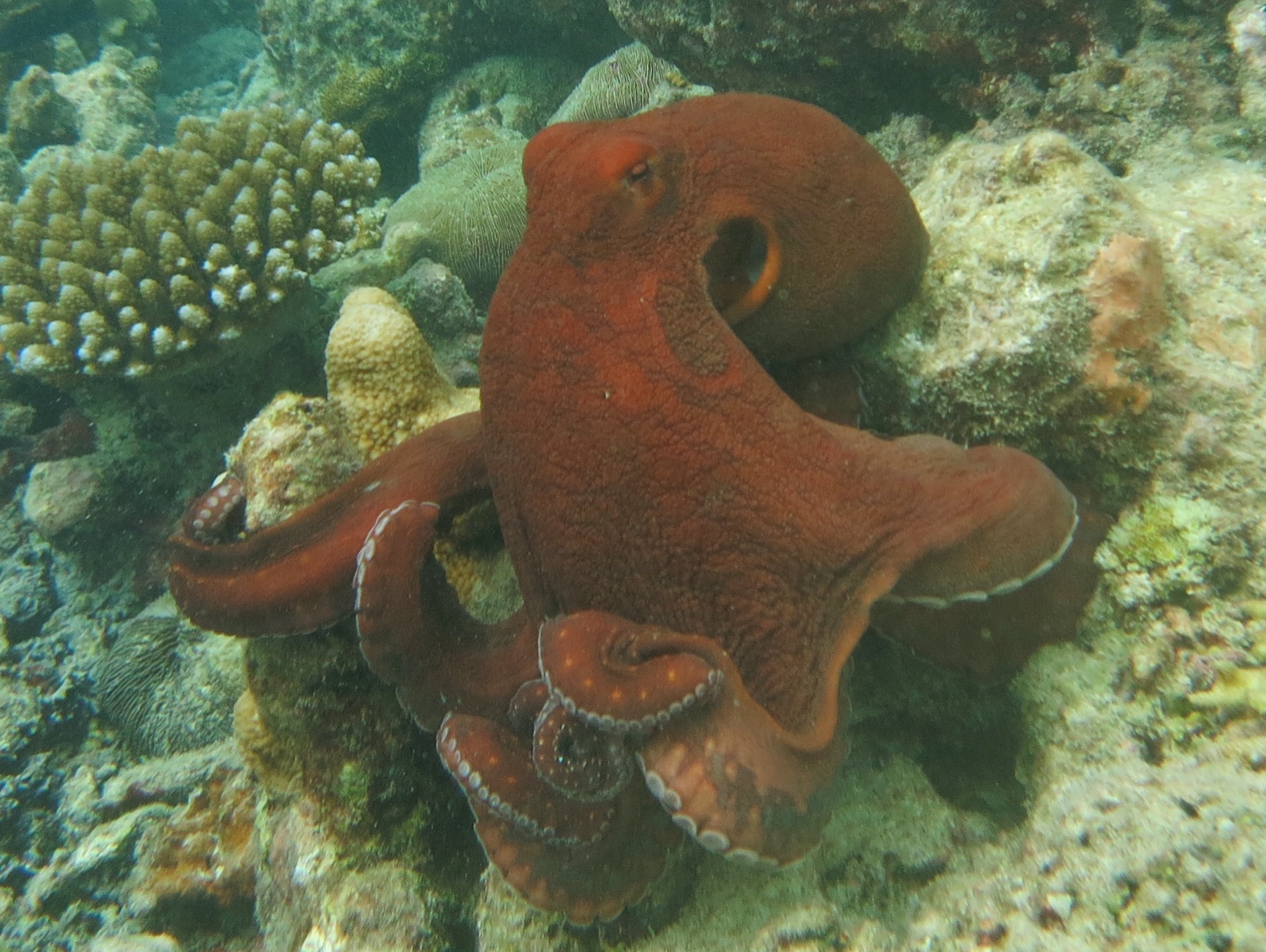
Common Reef (Day) Octopus
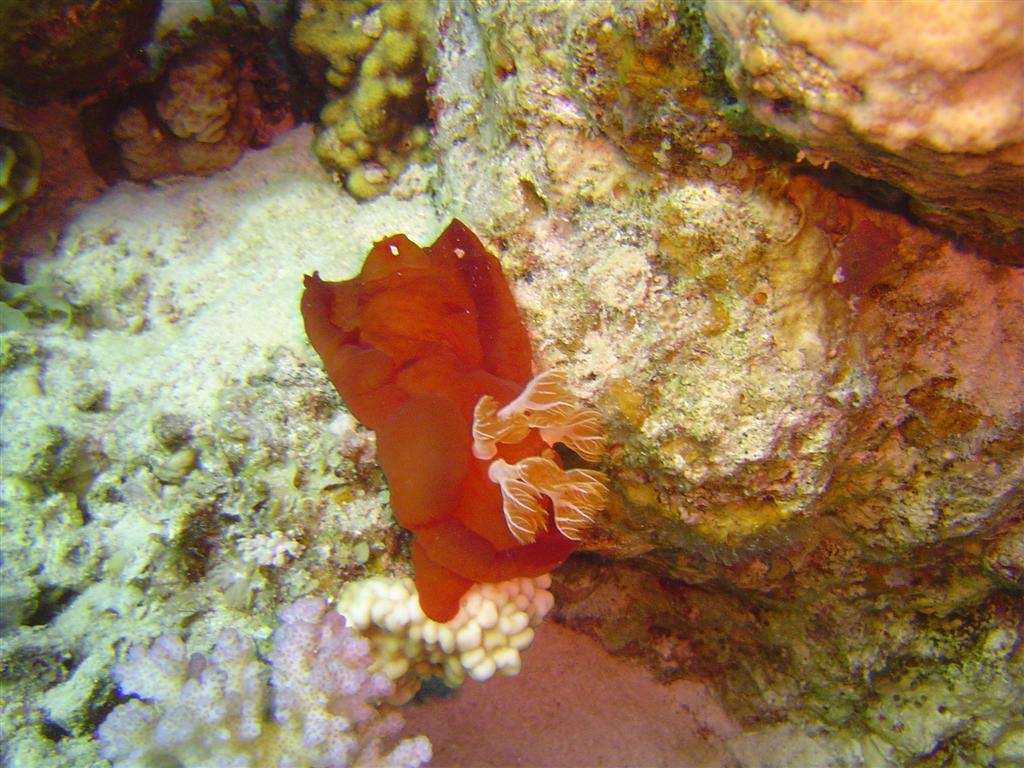
Spanish Dancer
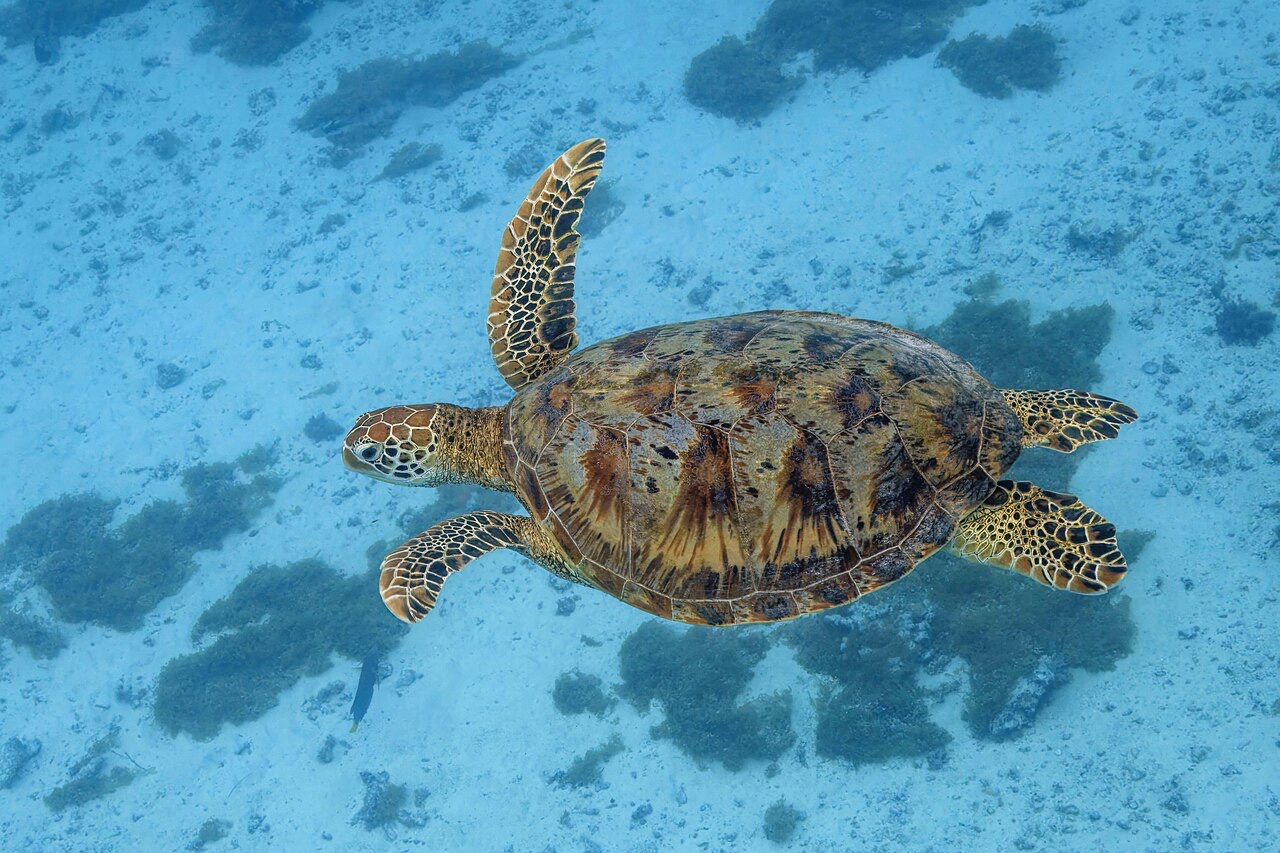
Green Sea Turtle
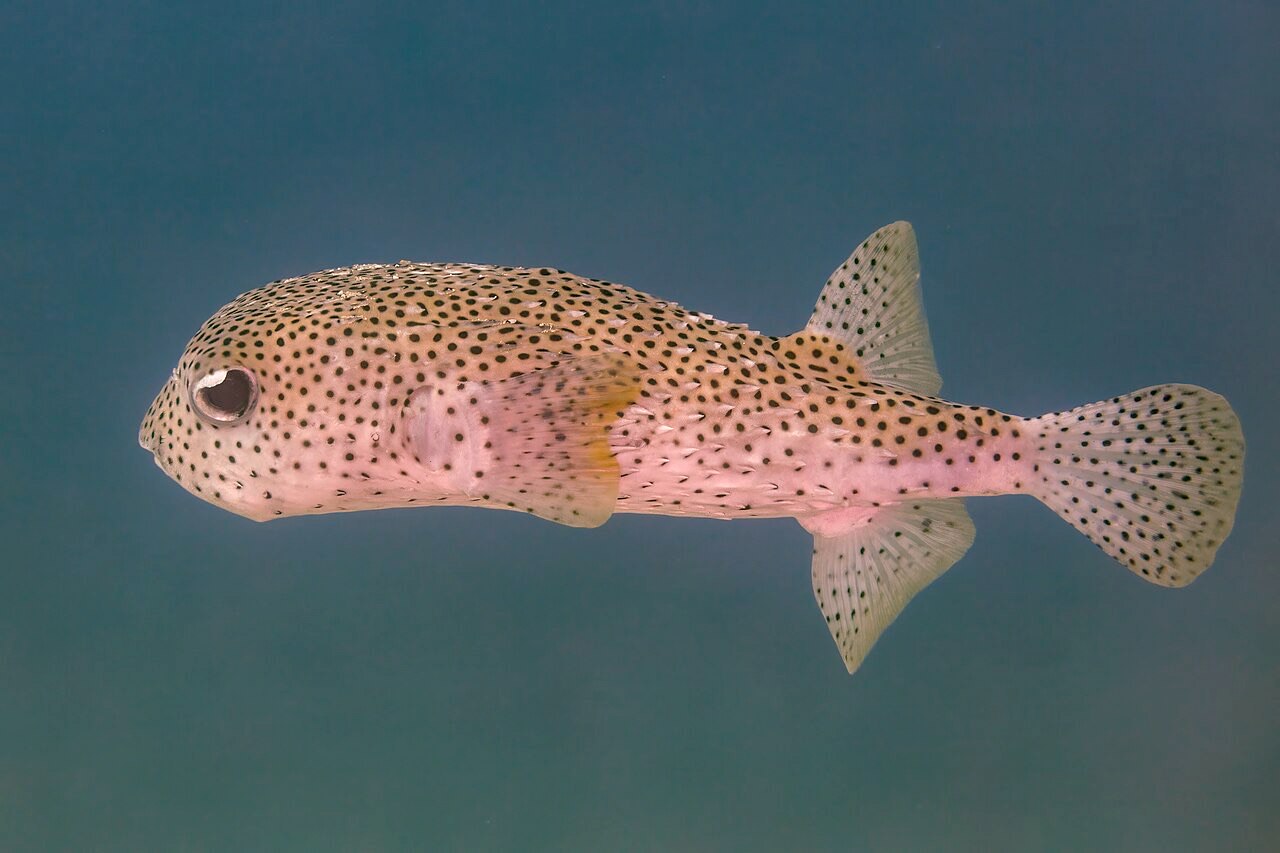
Porcupinefish
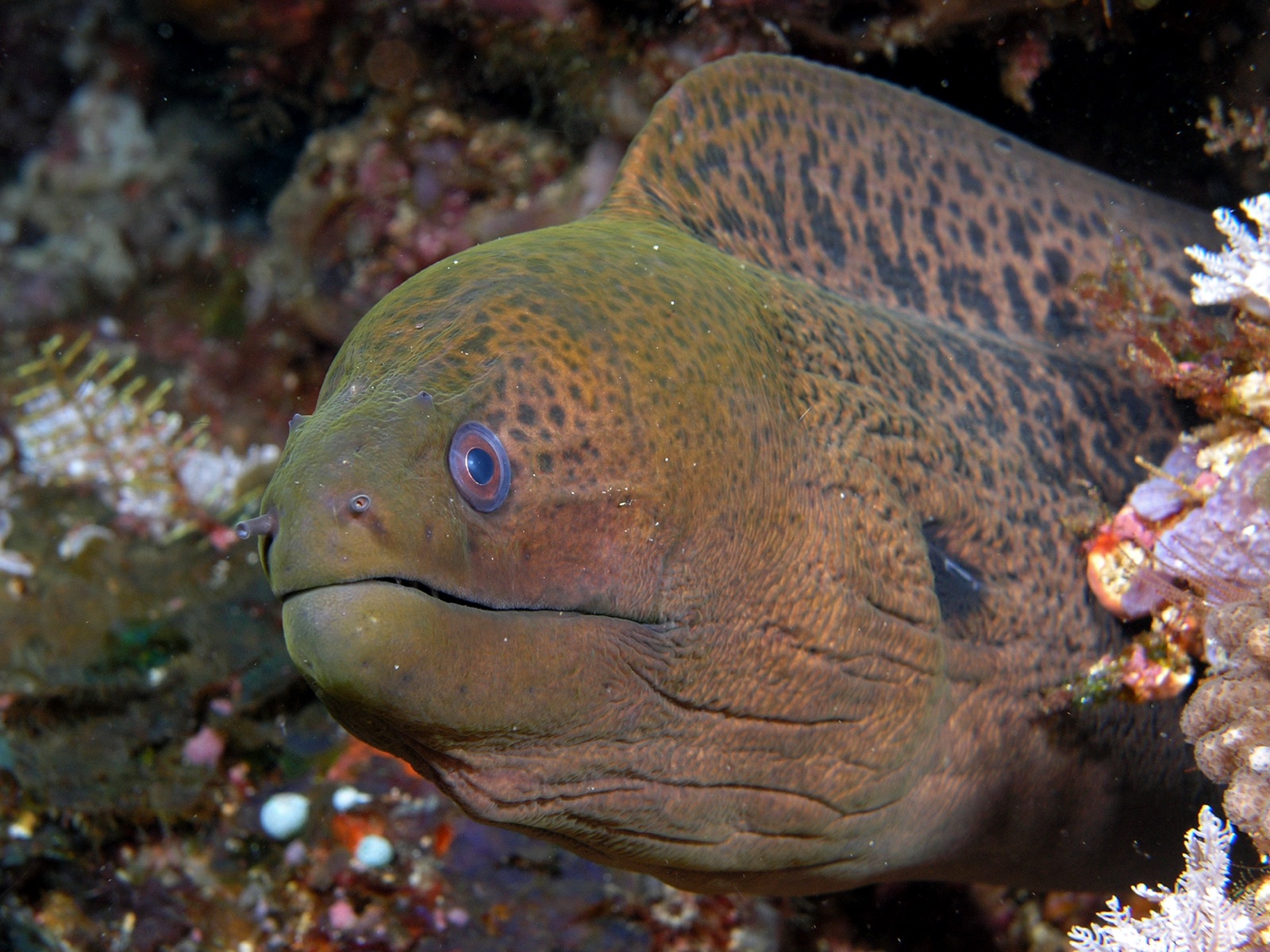
Giant Moray Eel
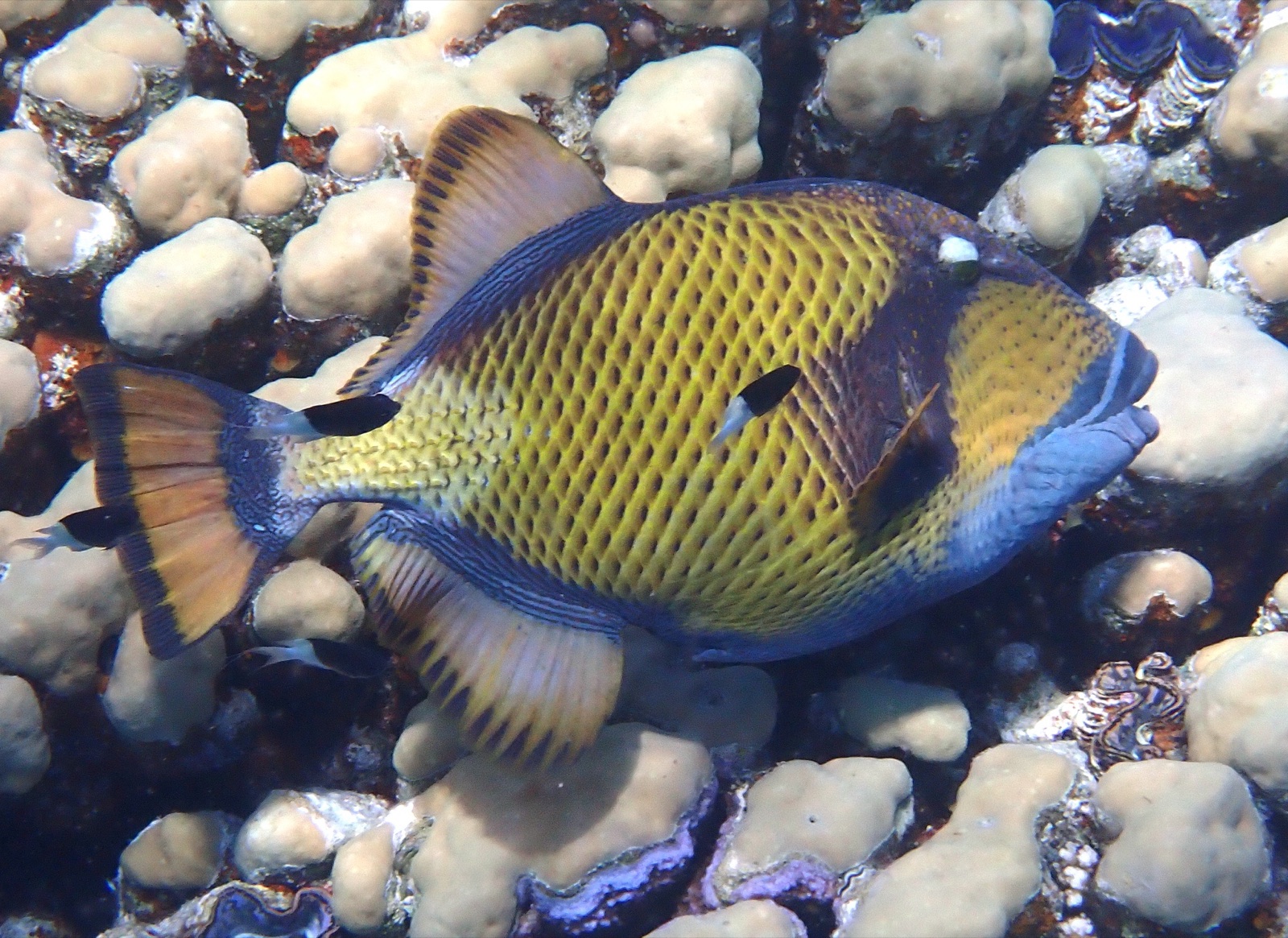
Titan Triggerfish
Également observé à proximité
Les espèces « cartographiées ici » ont été répertoriées par nos éditeurs à partir des sources indiquées sur cette page. Les comptages correspondent aux occurrences GBIF : observations enregistrées dans un rayon d'environ 5 km autour de la position cartographiée depuis 1990, comparées uniquement aux espèces de notre catalogue. Ils indiquent ce qui a été observé à cet endroit, sans garantir ce que vous y verrez.
Pour les photographes
Grand angle: ★★★☆☆ · Macro: ★★★★☆ (note 1–5 des éditeurs sur ce que ce site offre à chaque style de prise de vue)