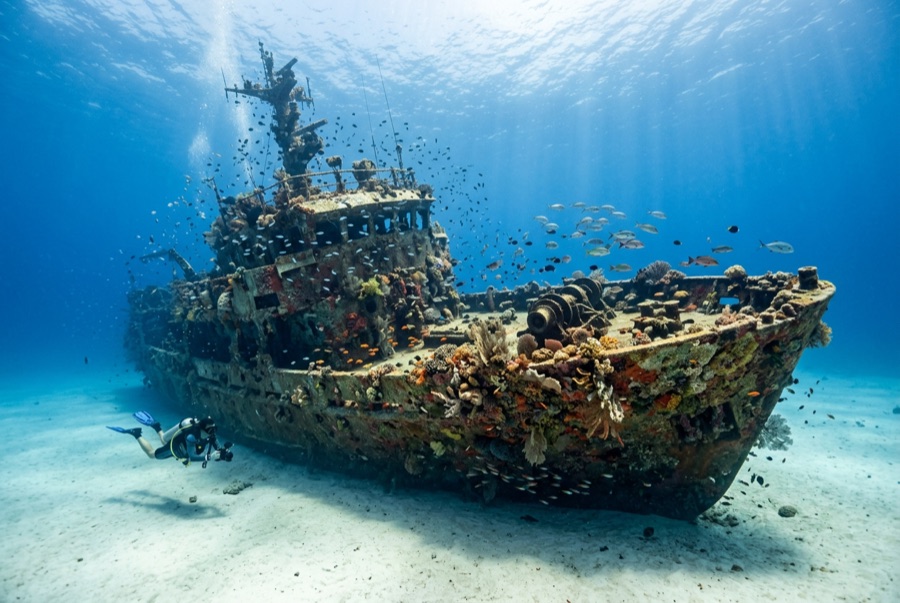
Mala Wharf
La profondeur correspond à la plage allant du sommet du site jusqu'à son maximum habituel ; le « niveau recommandé » est le niveau demandé en général par les opérateurs auprès des grandes agences, pas une règle légale. Les courants et la visibilité varient chaque jour, traitez donc tout cela comme des plages indicatives de planification.
Hurricane Iniki's swells dropped much of Mala Wharf into the sea in 1992, and Maui's reef fish immediately approved. The fallen deck sections lean against each other like giant toppled dominoes, roofed in cauliflower coral, and beneath them shelter more green turtles per square meter than anywhere else on the island, along with whitetip reef sharks, frogfish on the pilings, and eels in every second crevice. Depth barely reaches 12 m, light pours through the gaps, and night dives here are celebrated. The dive sits at the edge of fire-scarred Lahaina, so access details and neighborhood sensitivities deserve a check and some grace.
Le moment pour lequel vous venez: Turtle density under the fallen spans; frogfish and morays on the pilings; a shallow site that shines by day or night.
Topographie: Collapsed concrete pier sections lying angled on sand, densely overgrown with coral
Entrée: Entry beside the boat ramp at Lahaina's north end; surface swim to the fallen pier. Confirm current access: the area is still recovering from the 2023 fire.
À savoir avant de plonger
Dangers: Rebar and unstable concrete overhead; boat-ramp traffic crossing the entry; visibility drops with runoff.
Conservation: The structure is fragile habitat now: no climbing on spans, and give the recovering Lahaina shoreline community consideration ashore.
Qui vous croiserez
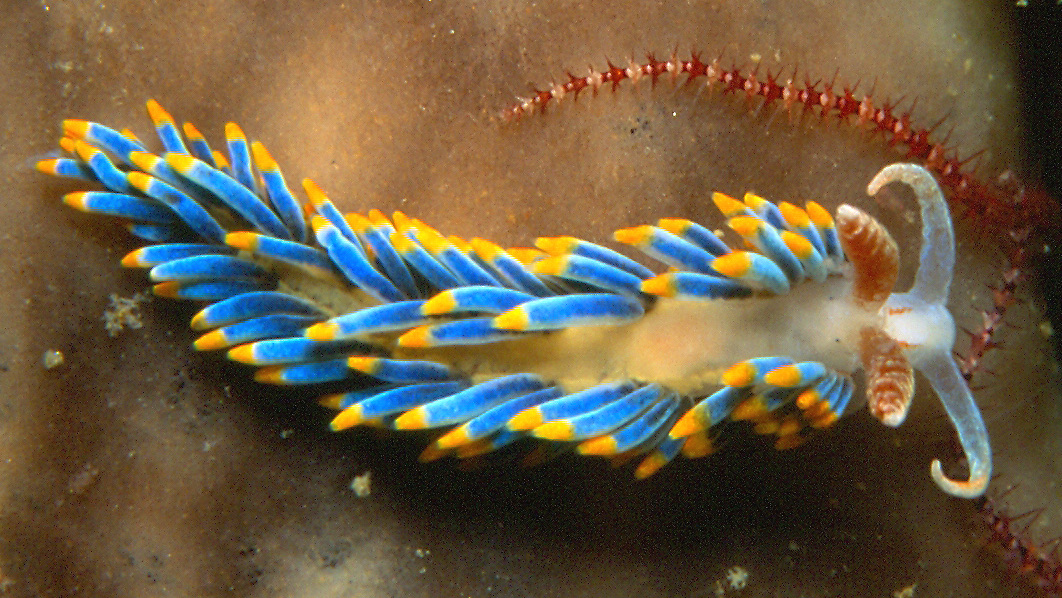
Nudibranchs
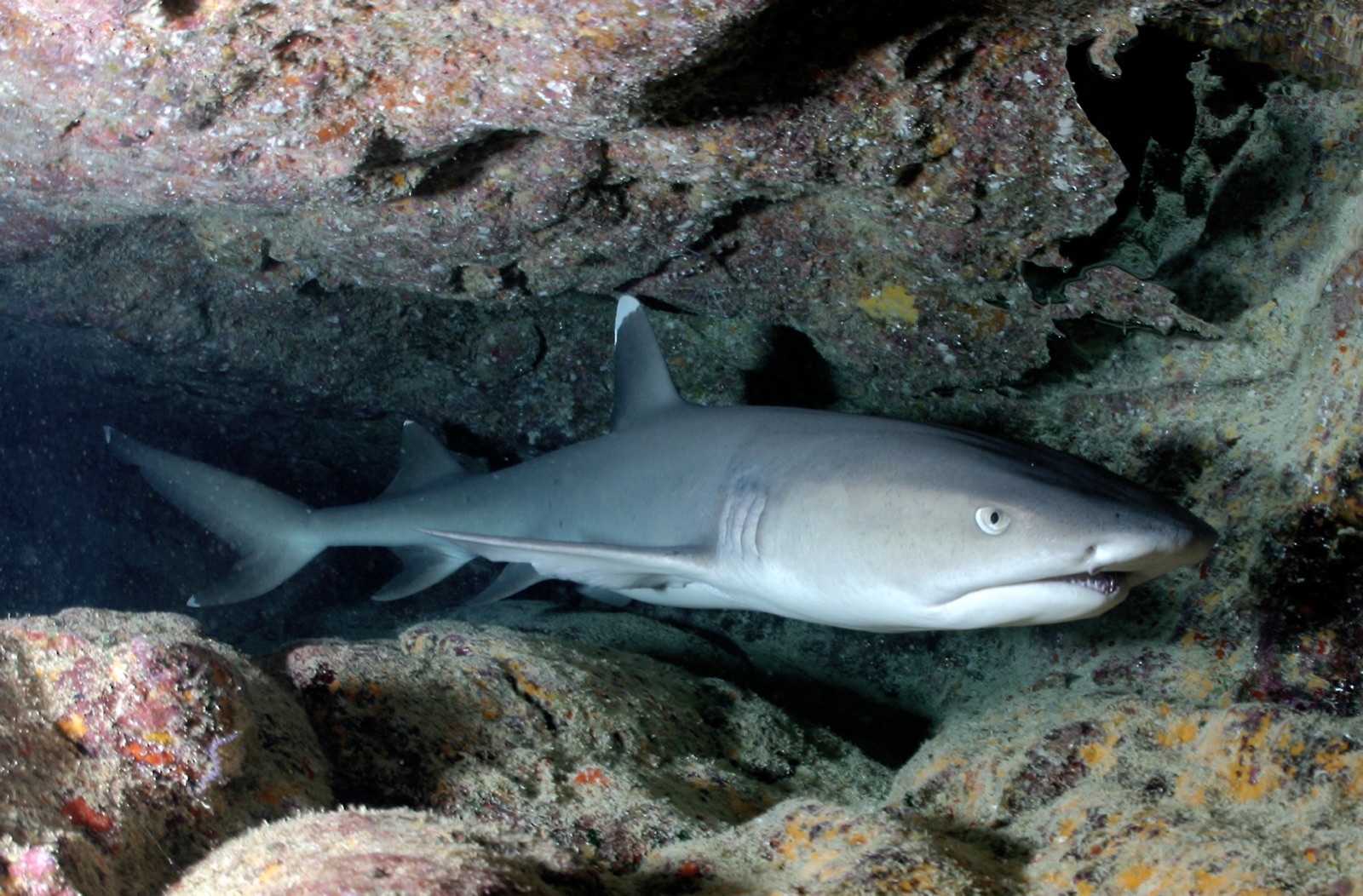
Whitetip Reef Shark
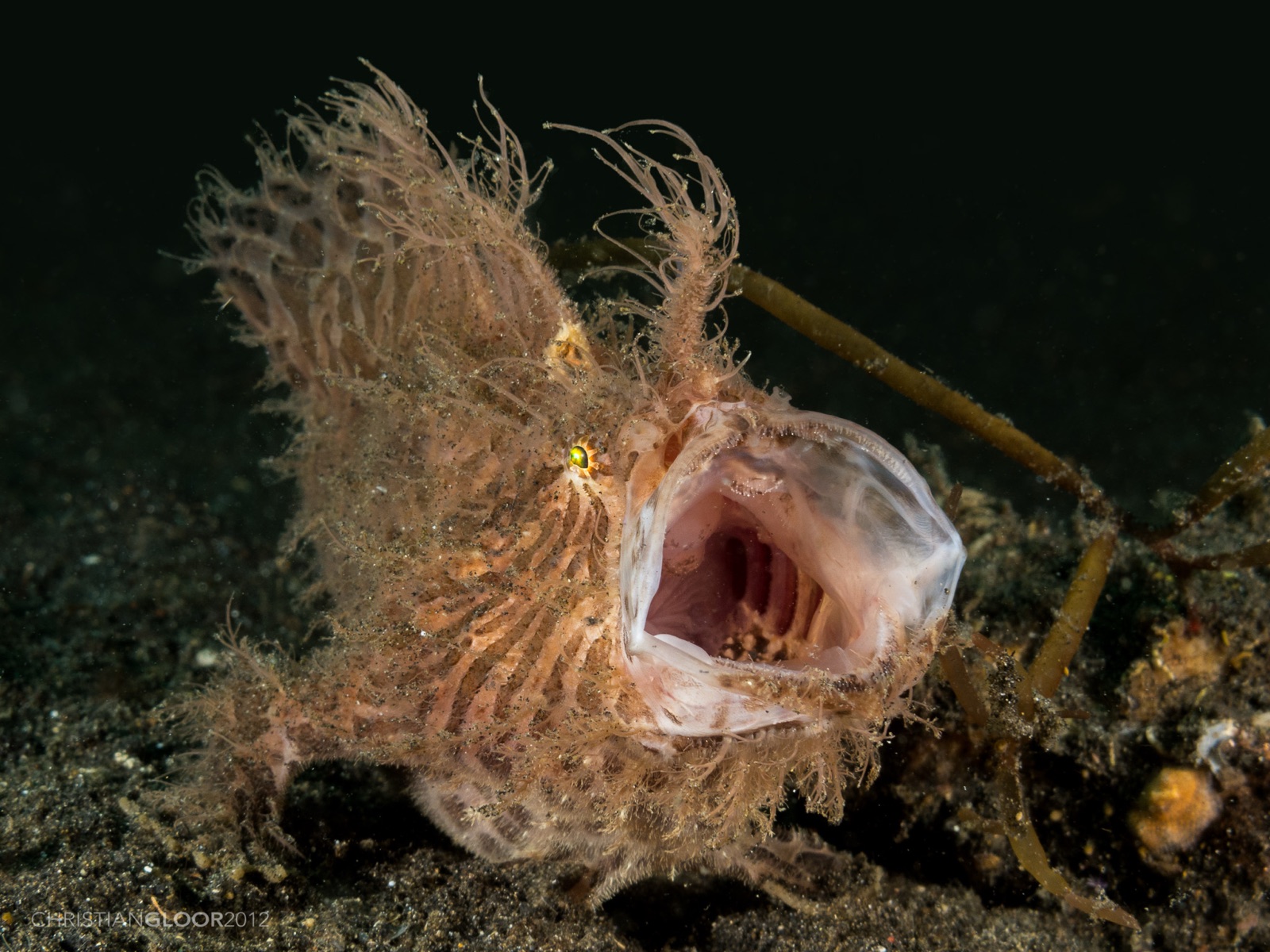
Frogfish
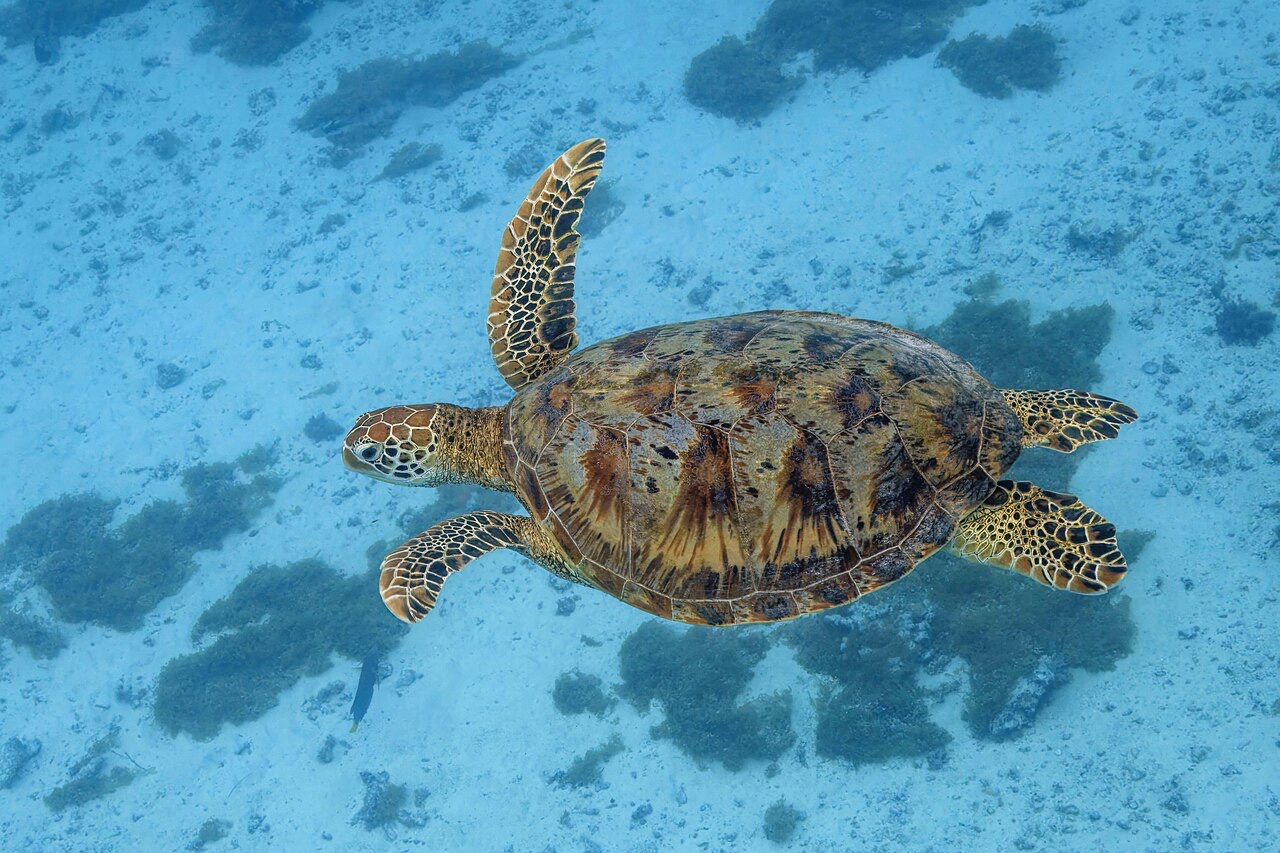
Green Sea Turtle
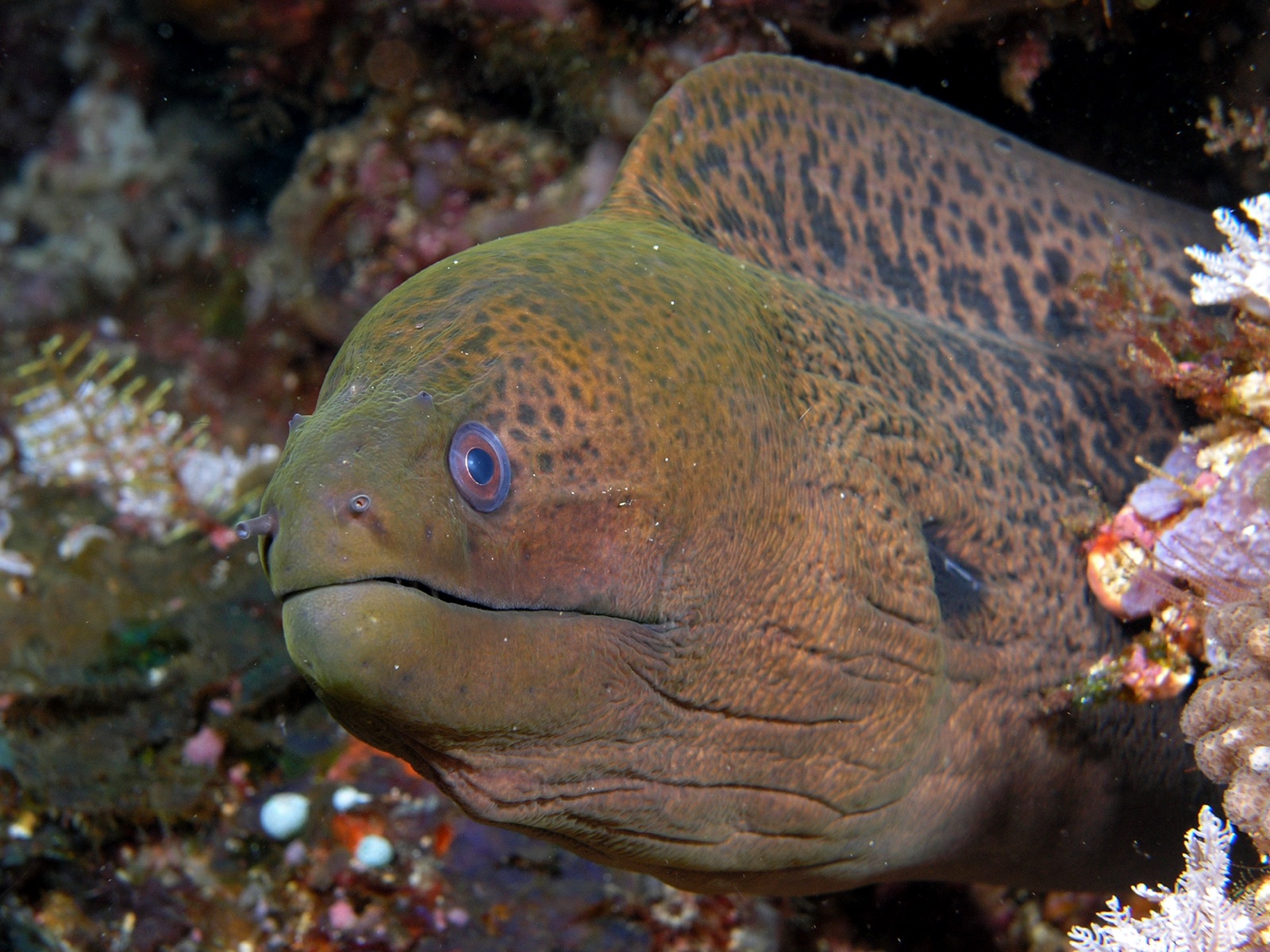
Giant Moray Eel
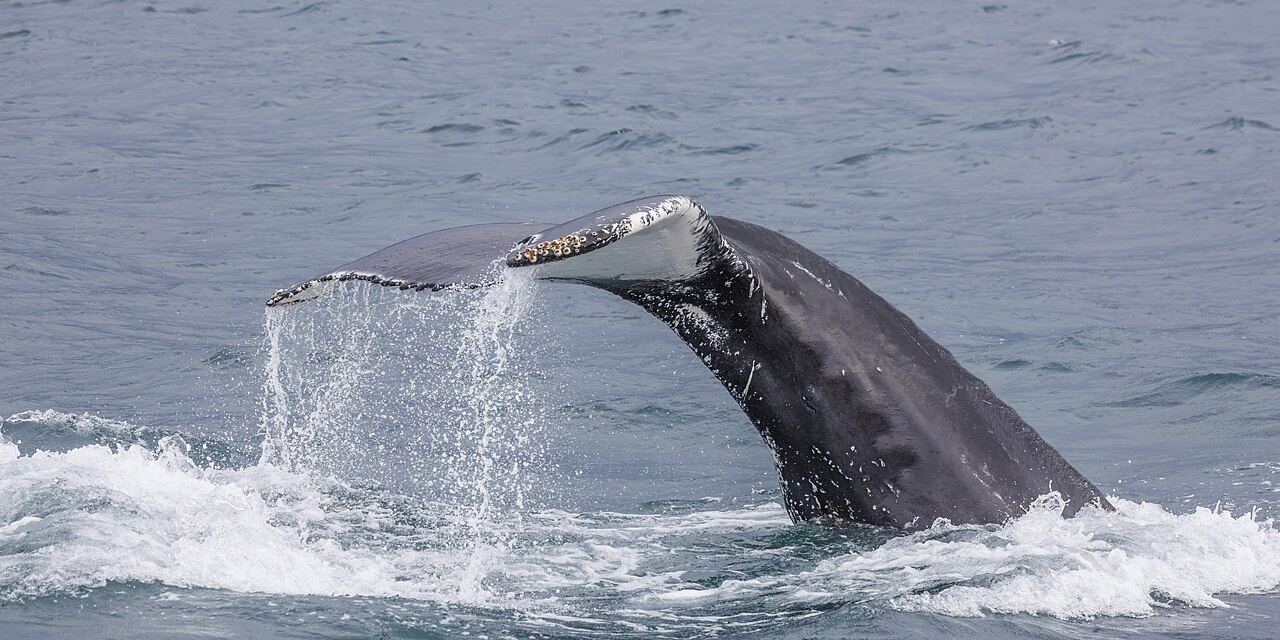
Humpback Whale
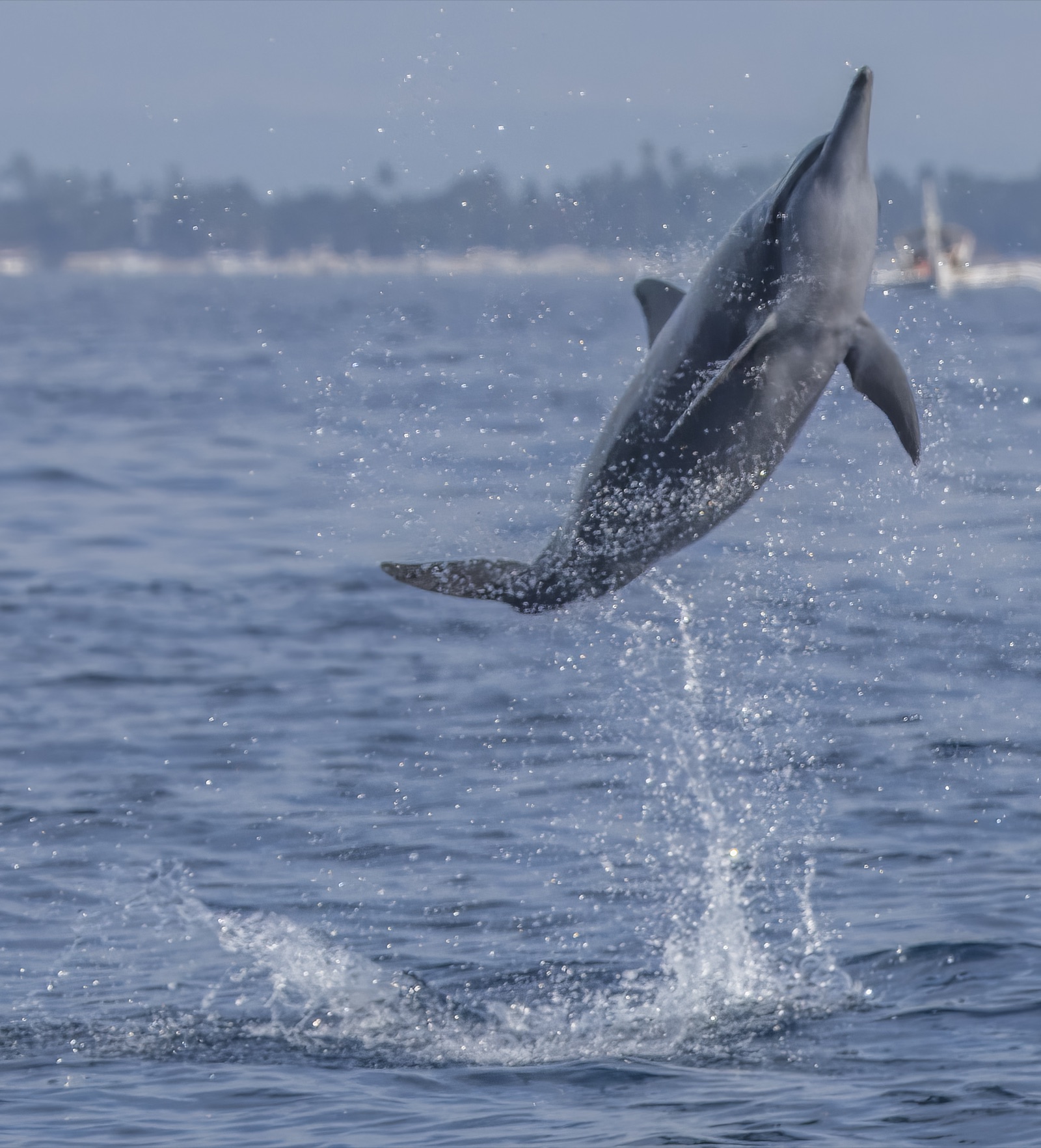
Spinner Dolphin
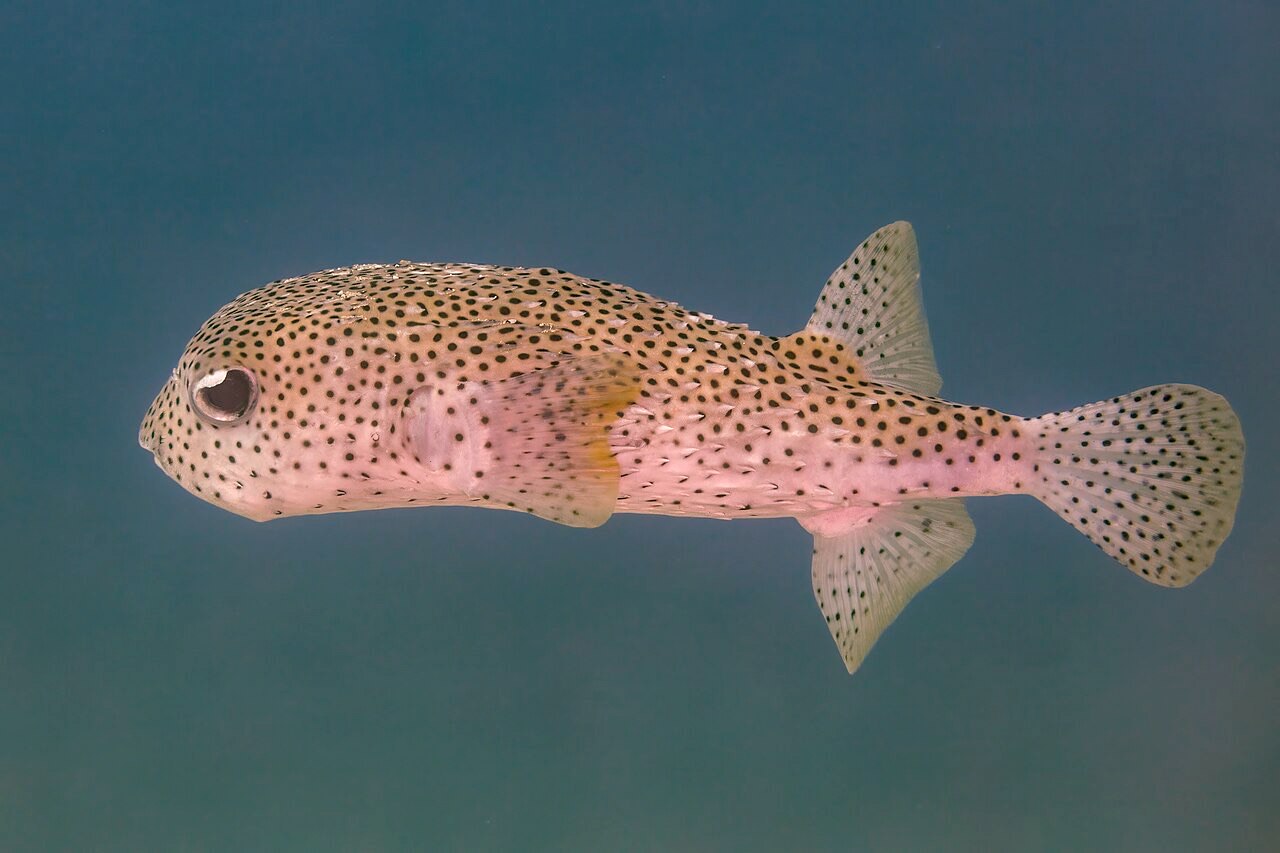
Porcupinefish
Également observé à proximité
Les espèces « cartographiées ici » ont été répertoriées par nos éditeurs à partir des sources indiquées sur cette page. Les comptages correspondent aux occurrences GBIF : observations enregistrées dans un rayon d'environ 5 km autour de la position cartographiée depuis 1990, comparées uniquement aux espèces de notre catalogue. Ils indiquent ce qui a été observé à cet endroit, sans garantir ce que vous y verrez.
Pour les photographes
Grand angle: ★★★★☆ · Macro: ★★★★☆ (note 1–5 des éditeurs sur ce que ce site offre à chaque style de prise de vue)