Djabeda
Die Tiefe gibt den Bereich von der Oberkante des Tauchplatzes bis zur üblichen Maximaltiefe an; „empfohlene Zertifizierung" ist das von Anbietern üblicherweise geforderte Mainstream-Agenturniveau – keine gesetzliche Vorschrift. Strömungen und Sichtweite ändern sich täglich – behandle alle Angaben hier als Planungsbereiche.
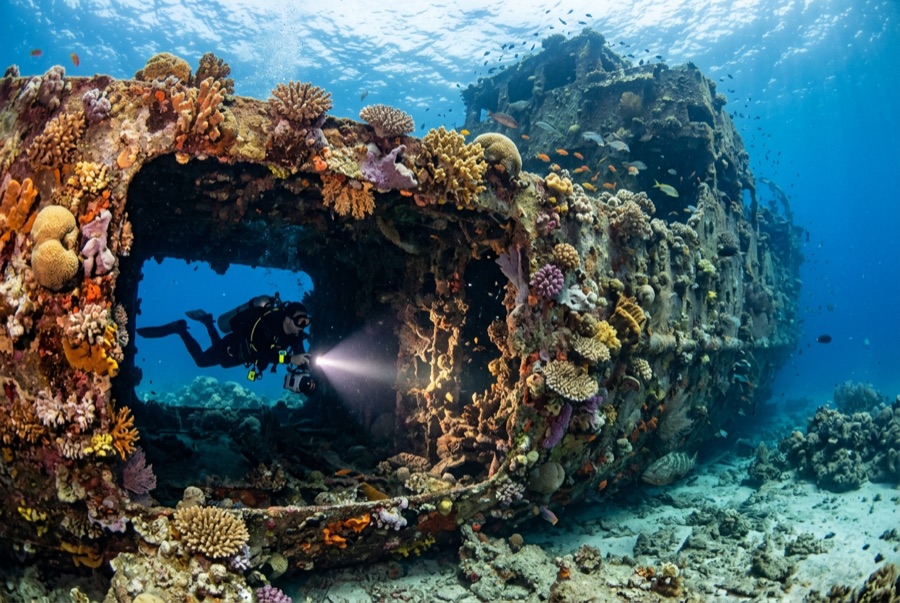
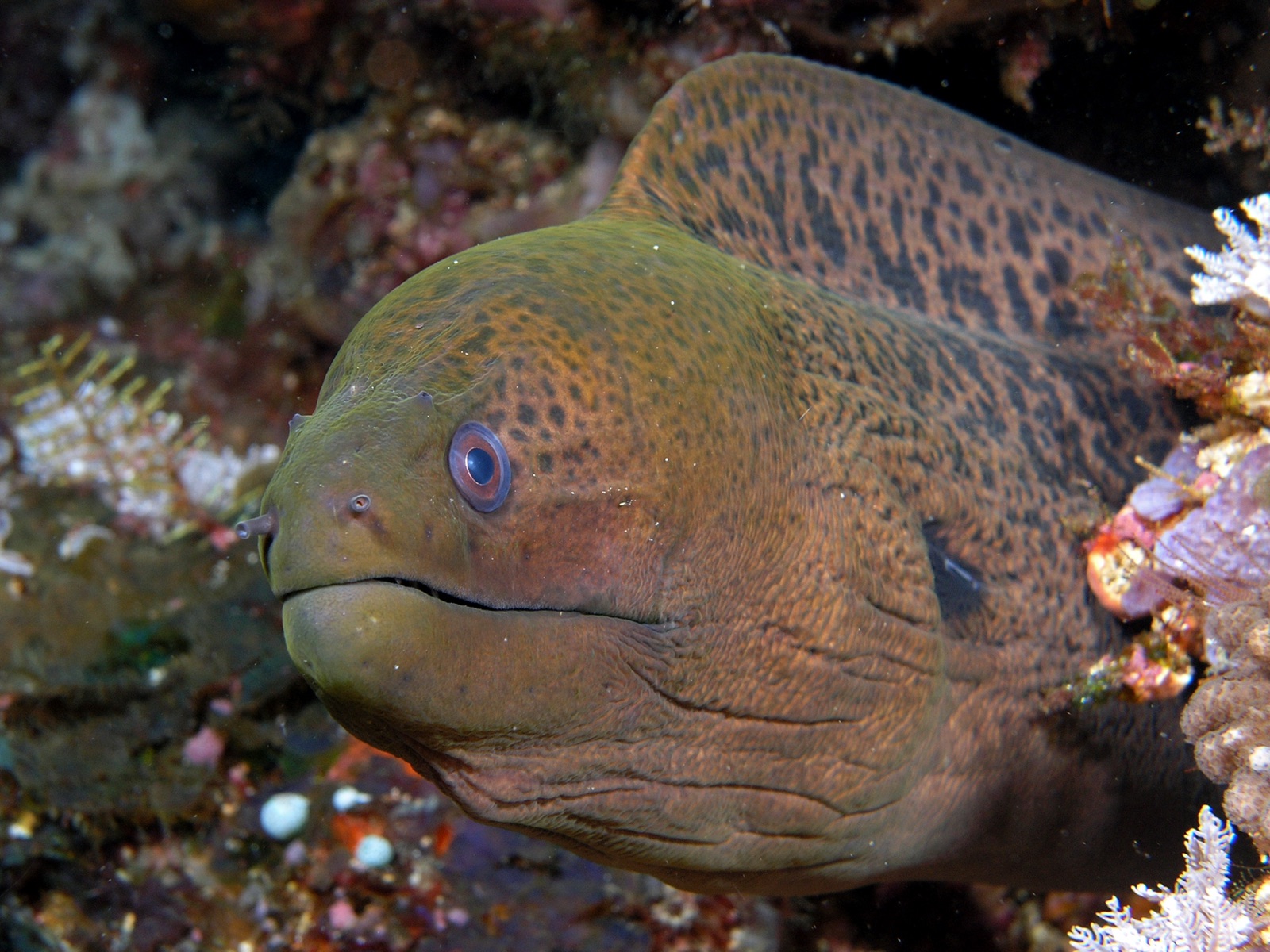
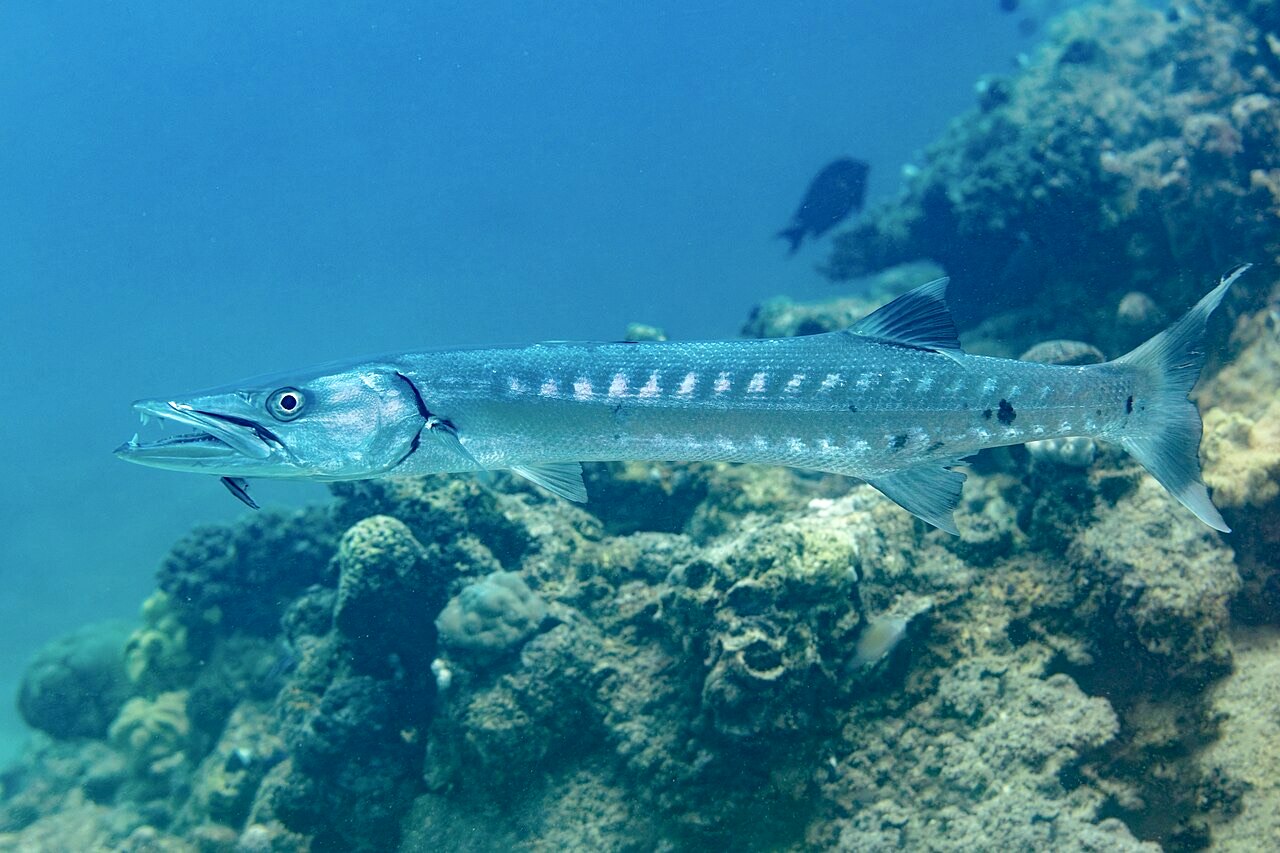
The Djabeda, a Japanese fishing vessel scuttled in the late 1990s near the wedge-shaped islet of Coin de Mire, is the north's deep wreck: upright, intact, and sitting in the clean oceanic water that funnels past the island. The 30-meter seabed keeps bottom time short and the profile honest, so dives run as a tour (bow, holds, wheelhouse), with eagle rays and barracuda often circling mid-water and morays installed below decks. Growth is modest but the setting compensates: on a clear day the whole ship is visible from the descent line, a proper deep-blue silhouette.
Der Moment, für den du kommst: Whole-ship silhouette in clear water; eagle rays and barracuda overhead
Topografie: Steel fishing vessel upright on sand near the islet of Coin de Mire
Strömung: Sits in open water near Coin de Mire; current and chop on the crossing are routine.
Was du wissen solltest, bevor du ins Wasser gehst
Gefahren: Depth (the sand is beyond 30 meters) plus current and boat chop at the surface.
Naturschutz: Scuttled as habitat; leave the structure and its residents undisturbed.
Nitrox: Hier lohnt es sich – die Profile liegen in einem Bereich, in dem Nitrox die Nullzeiten spürbar verlängert (mit der entsprechenden Ausbildung).
Wen du triffst
Lionfish
Giant Moray Eel
Great Barracuda
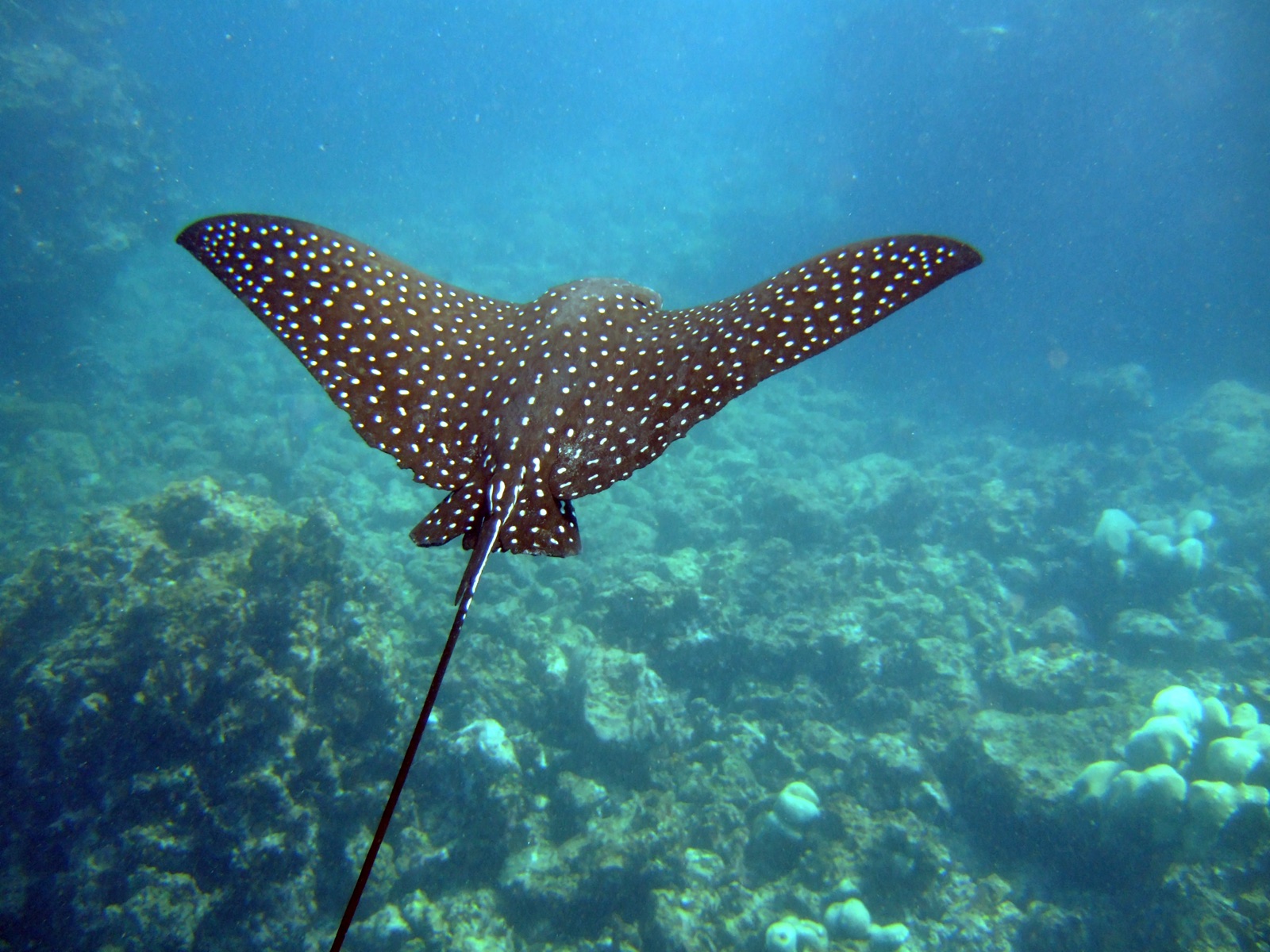
Spotted Eagle Ray
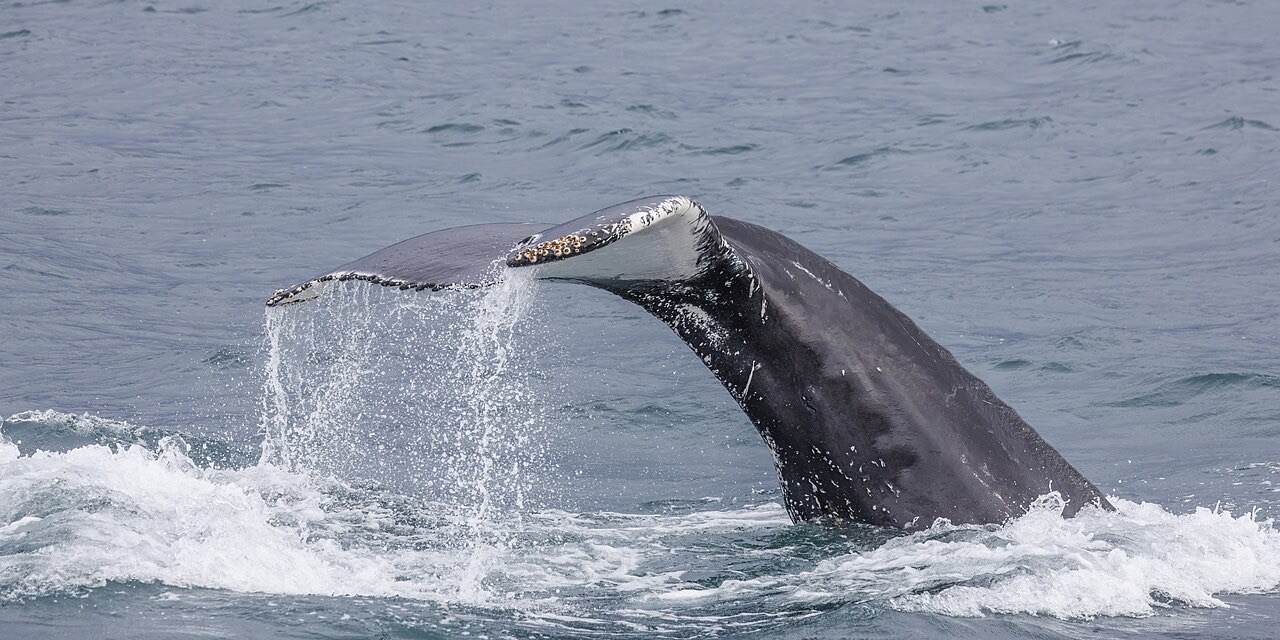
Humpback Whale
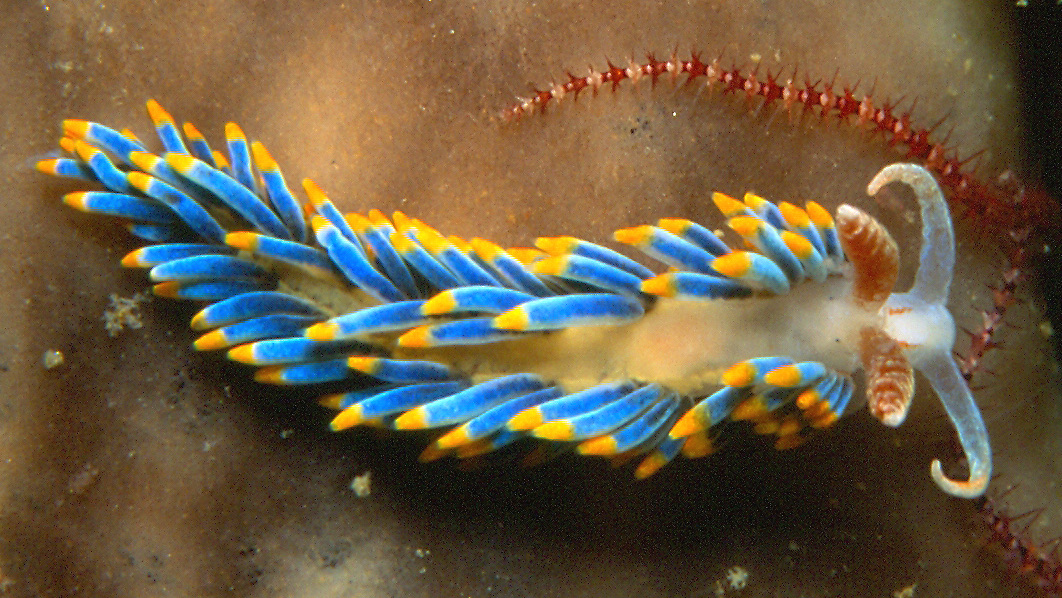
Nudibranchs
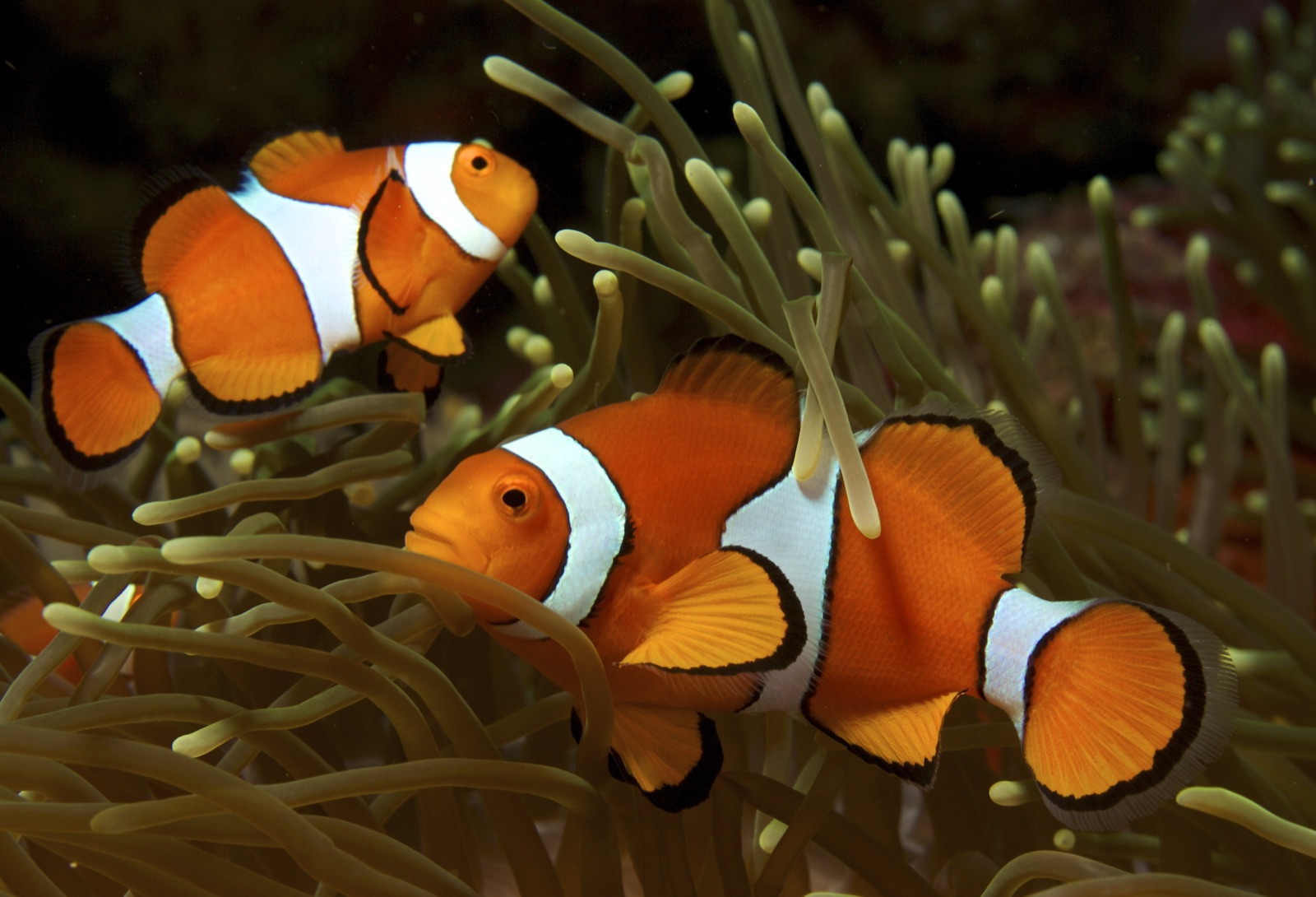
Clownfish & Anemonefish
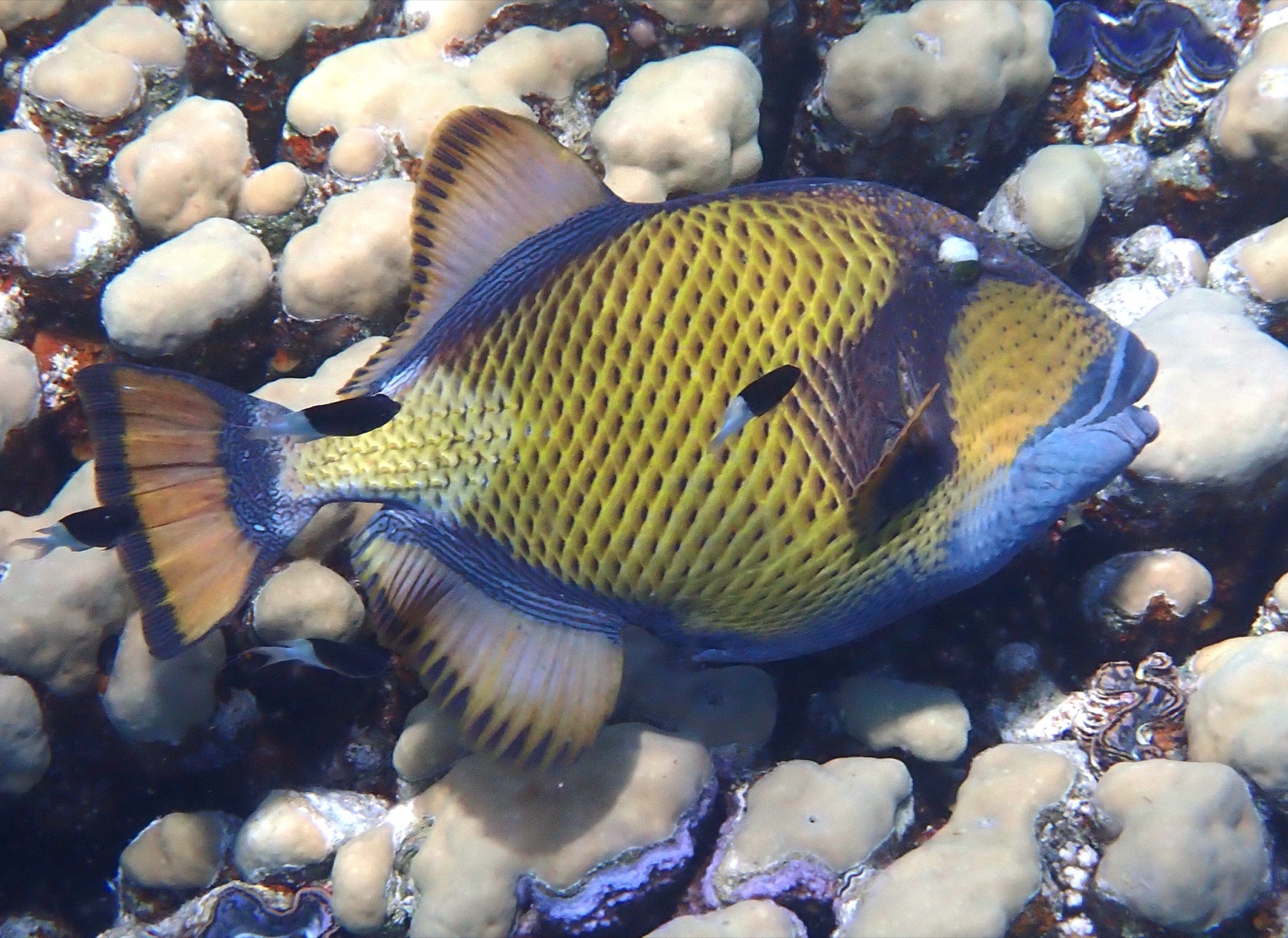
Titan Triggerfish
Auch in der Nähe nachgewiesen
„Hier kartiert" – Arten wurden von unseren Redakteuren anhand der Quellen auf dieser Seite erfasst. Die Zahlen sind GBIF-Vorkommensdatensätze: Beobachtungen, die seit 1990 im Umkreis von etwa 5 km um die kartierte Position protokolliert wurden, ausschließlich abgeglichen mit den Arten in unserem Katalog. Sie zeigen, was dort gesichtet wurde – keine Garantie, was du sehen wirst.
Für Fotografen
Weitwinkel: ★★★★☆ · Makro: ★★☆☆☆ (Redaktionelle 1–5-Bewertung, was dieser Platz für jeden Fotografie-Stil bietet)