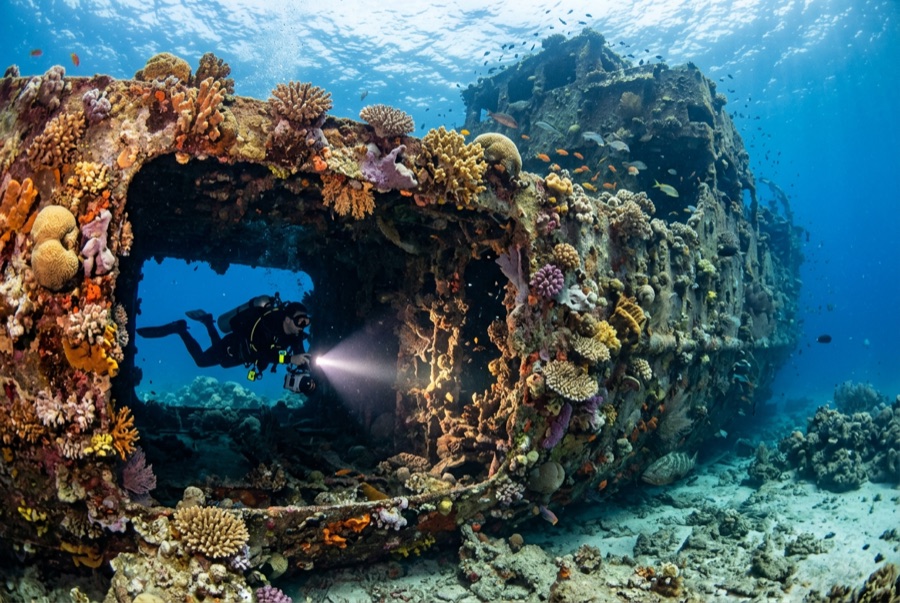
Djabeda
Depth is the range from the top of the site to its usual maximum; "recommended cert" is the mainstream-agency level operators usually ask for, not a legal rule. Currents and visibility change daily, so treat everything here as planning ranges.
The Djabeda, a Japanese fishing vessel scuttled in the late 1990s near the wedge-shaped islet of Coin de Mire, is the north's deep wreck: upright, intact, and sitting in the clean oceanic water that funnels past the island. The 30-meter seabed keeps bottom time short and the profile honest, so dives run as a tour (bow, holds, wheelhouse), with eagle rays and barracuda often circling mid-water and morays installed below decks. Growth is modest but the setting compensates: on a clear day the whole ship is visible from the descent line, a proper deep-blue silhouette.
The moment you come for: Whole-ship silhouette in clear water; eagle rays and barracuda overhead
Topography: Steel fishing vessel upright on sand near the islet of Coin de Mire
Current: Sits in open water near Coin de Mire; current and chop on the crossing are routine.
Know before you splash
Hazards: Depth (the sand is beyond 30 meters) plus current and boat chop at the surface.
Conservation: Scuttled as habitat; leave the structure and its residents undisturbed.
Nitrox: Worth it here: profiles sit in the range where enriched air meaningfully extends no-stop time (with the training to use it).
Who you'll meet
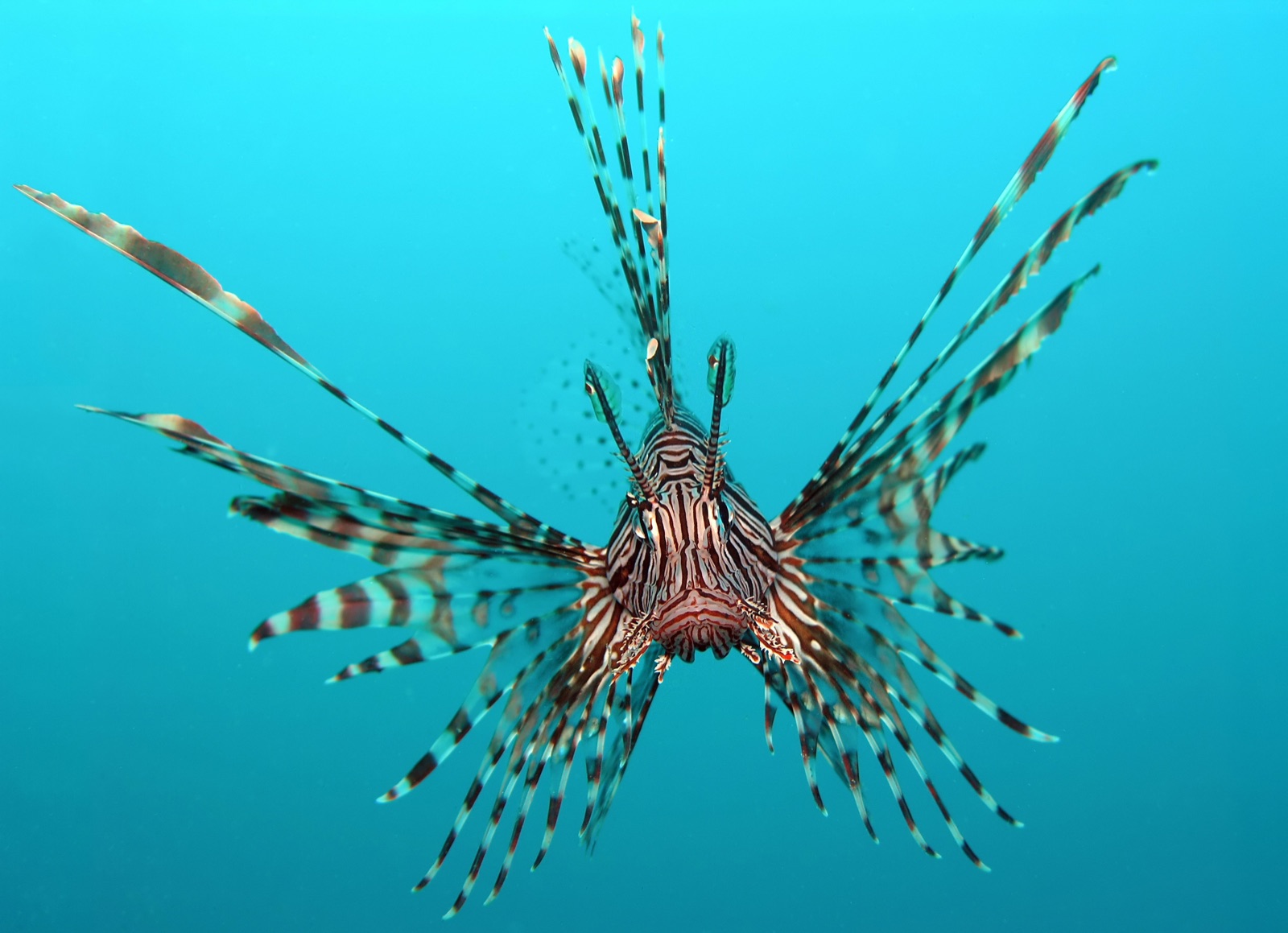
Lionfish
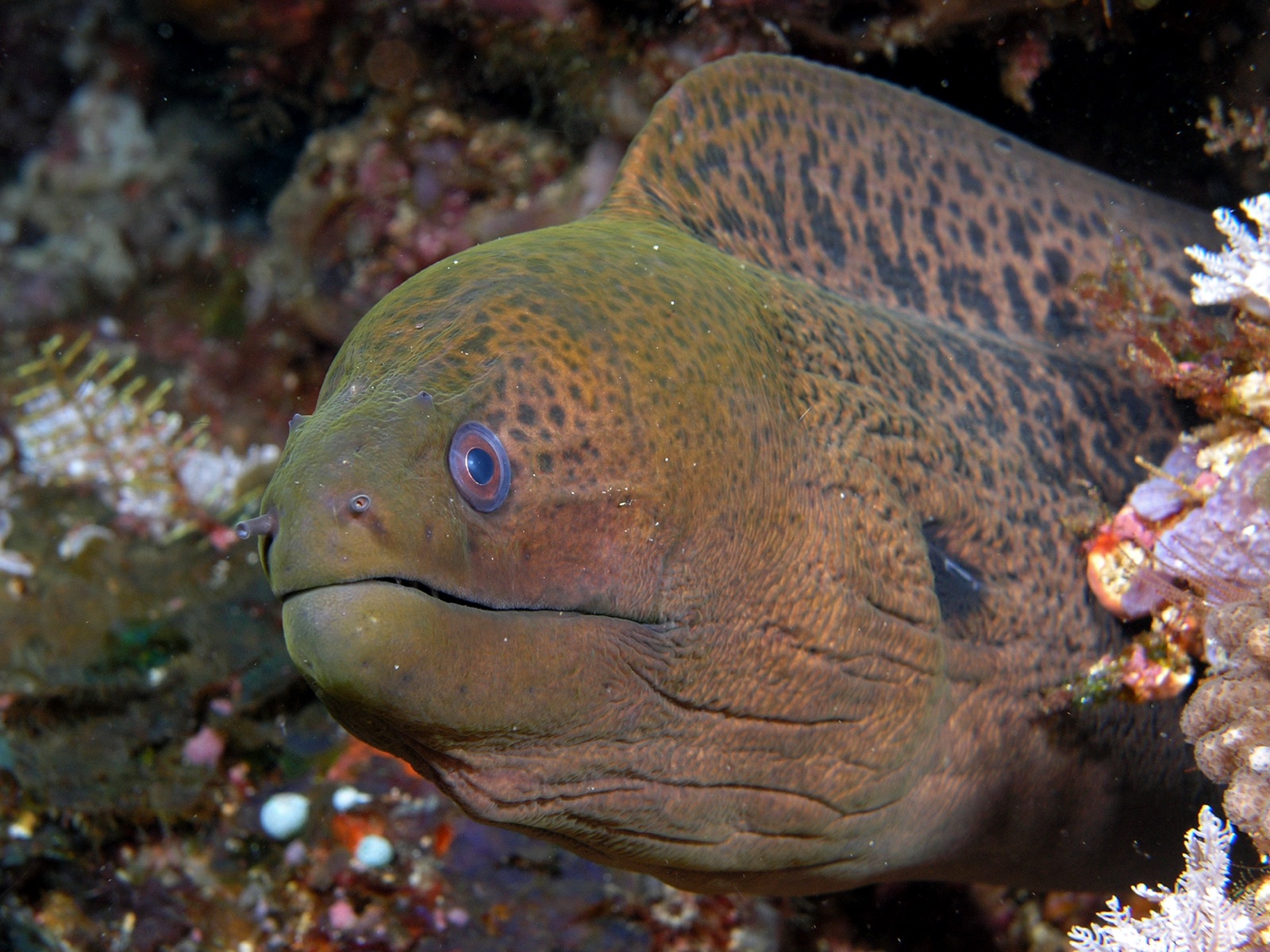
Giant Moray Eel
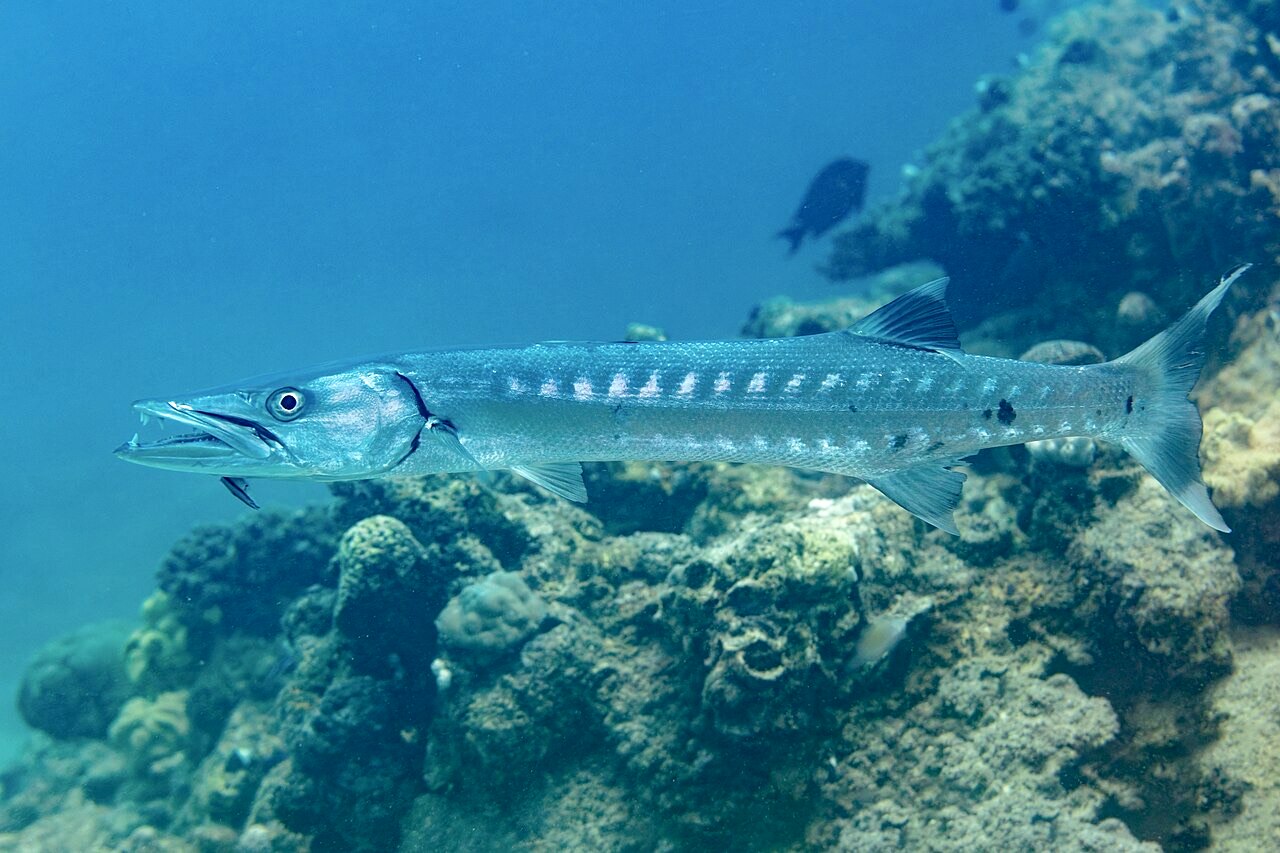
Great Barracuda
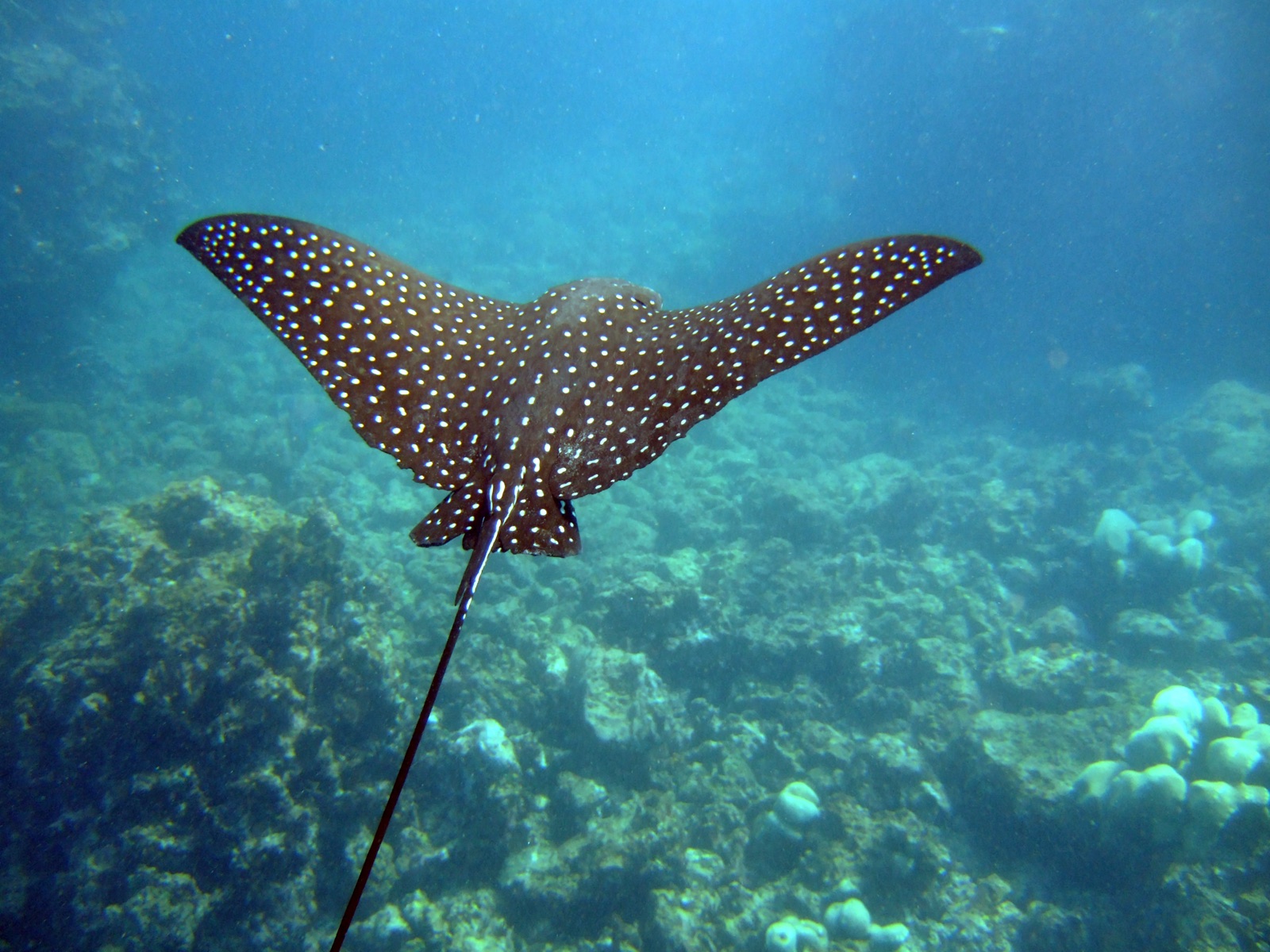
Spotted Eagle Ray
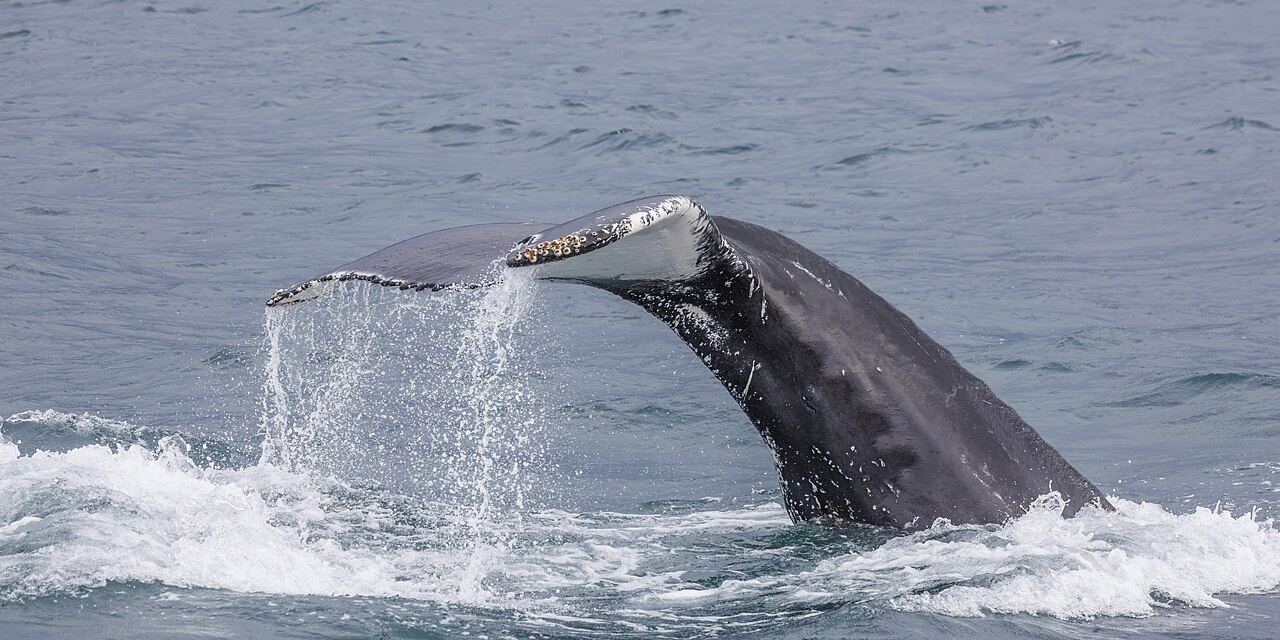
Humpback Whale
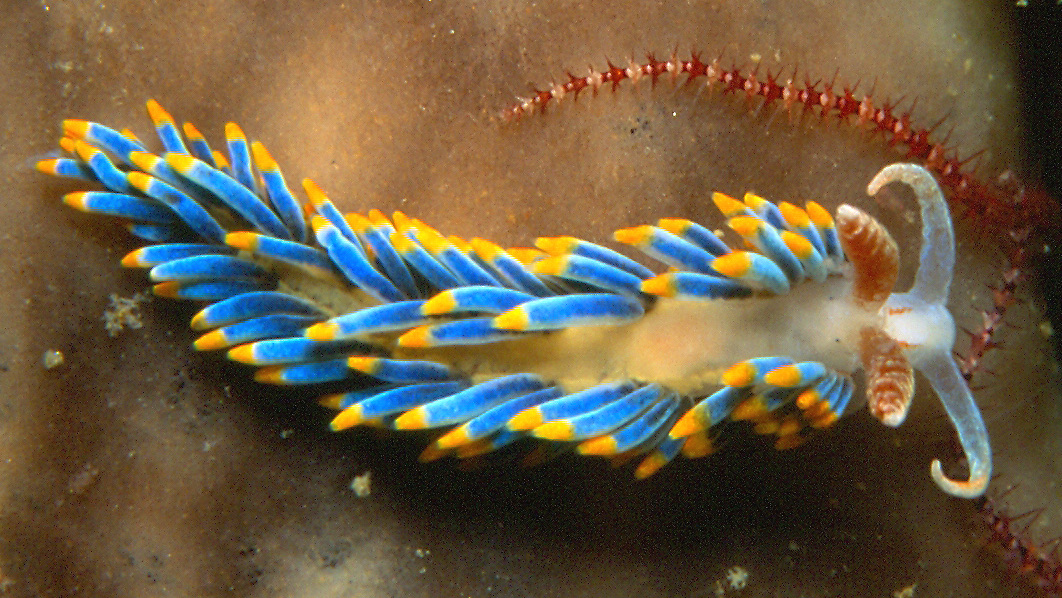
Nudibranchs
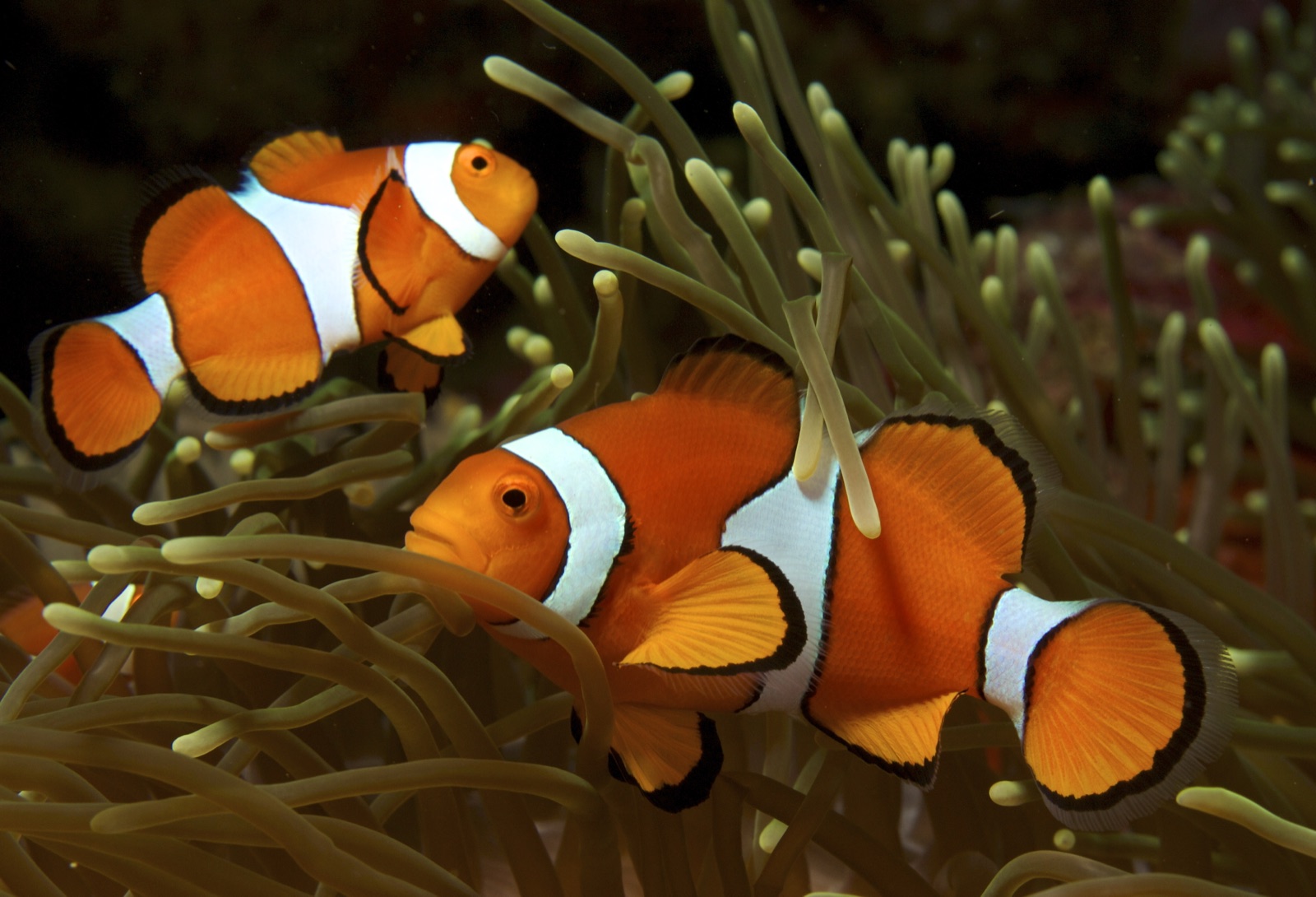
Clownfish & Anemonefish
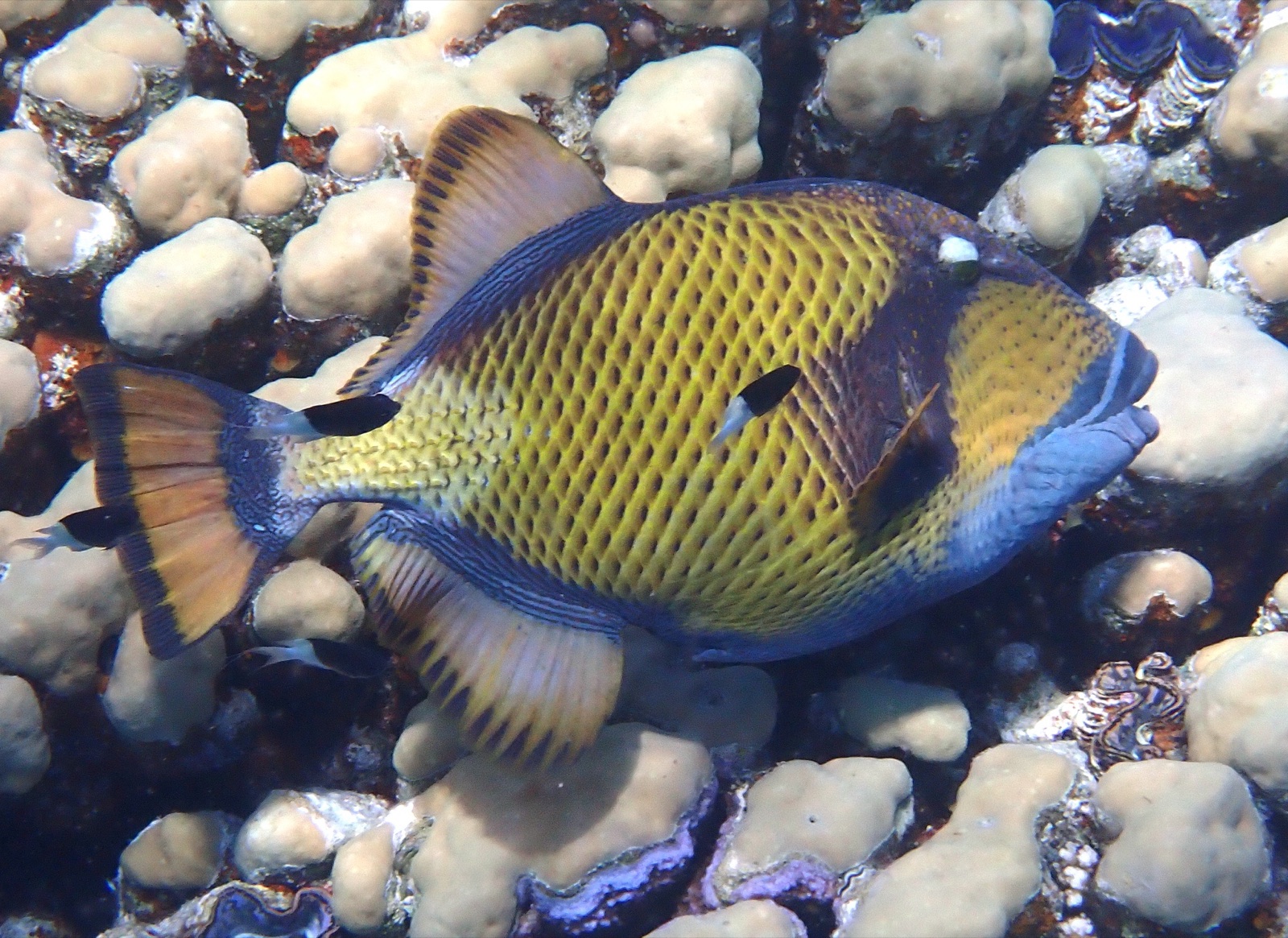
Titan Triggerfish
Also recorded nearby
"Charted here" species were listed by our editors from the sources on this page. Counts are GBIF occurrence records: observations logged within about 5 km of the charted position since 1990, matched only against the species in our catalogue. They show what has been seen there, not a promise of what you will see.
For photographers
Wide angle: ★★★★☆ · Macro: ★★☆☆☆ (editors' 1–5 rating of what this site gives each style of shooting)