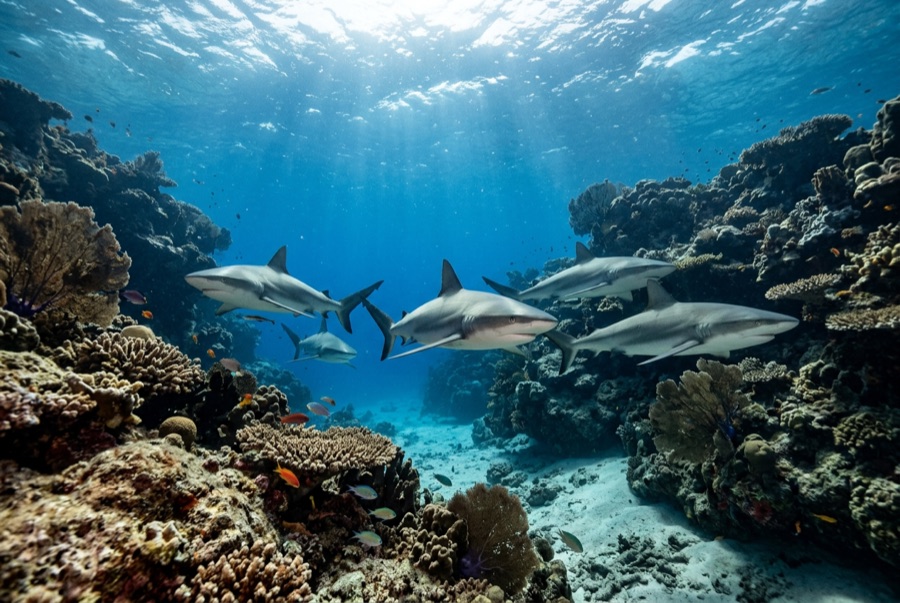
Passe St Jacques
Die Tiefe gibt den Bereich von der Oberkante des Tauchplatzes bis zur üblichen Maximaltiefe an; „empfohlene Zertifizierung" ist das von Anbietern üblicherweise geforderte Mainstream-Agenturniveau – keine gesetzliche Vorschrift. Strömungen und Sichtweite ändern sich täglich – behandle alle Angaben hier als Planungsbereiche.
Down in the island's quiet southwest, Passe St Jacques is Mauritius's version of a channel drift: when the tide pushes in, divers drop at the seaward mouth and fly over the pass floor with the lagoon pulling them home. The current line carries the traffic: eagle rays holding like kites, schools of trevally and barracuda stacked in the flow, big stingrays on the sand, and gray sharks making occasional appearances at the deeper outside edge. It is dived far less than the west-coast circuit, needs the right tide and a skipper who knows it, and rewards with the island's most exhilarating twenty minutes.
Der Moment, für den du kommst: Fast incoming-tide drift; eagle rays and jack schools riding the pass
Topografie: Lagoon pass in the southwest with rubble-and-coral floor sloping to the open sea
Strömung: A true tidal pass, dived on the incoming flow, and only when the operator judges the window right.
Was du wissen solltest, bevor du ins Wasser gehst
Gefahren: Strong tidal current, boat pickups in moving water, and quick depth changes along the pass.
Naturschutz: Drift with the flow rather than finning against it: contact damage happens when divers fight the pass.
Nitrox: Hier lohnt es sich – die Profile liegen in einem Bereich, in dem Nitrox die Nullzeiten spürbar verlängert (mit der entsprechenden Ausbildung).
Wen du triffst
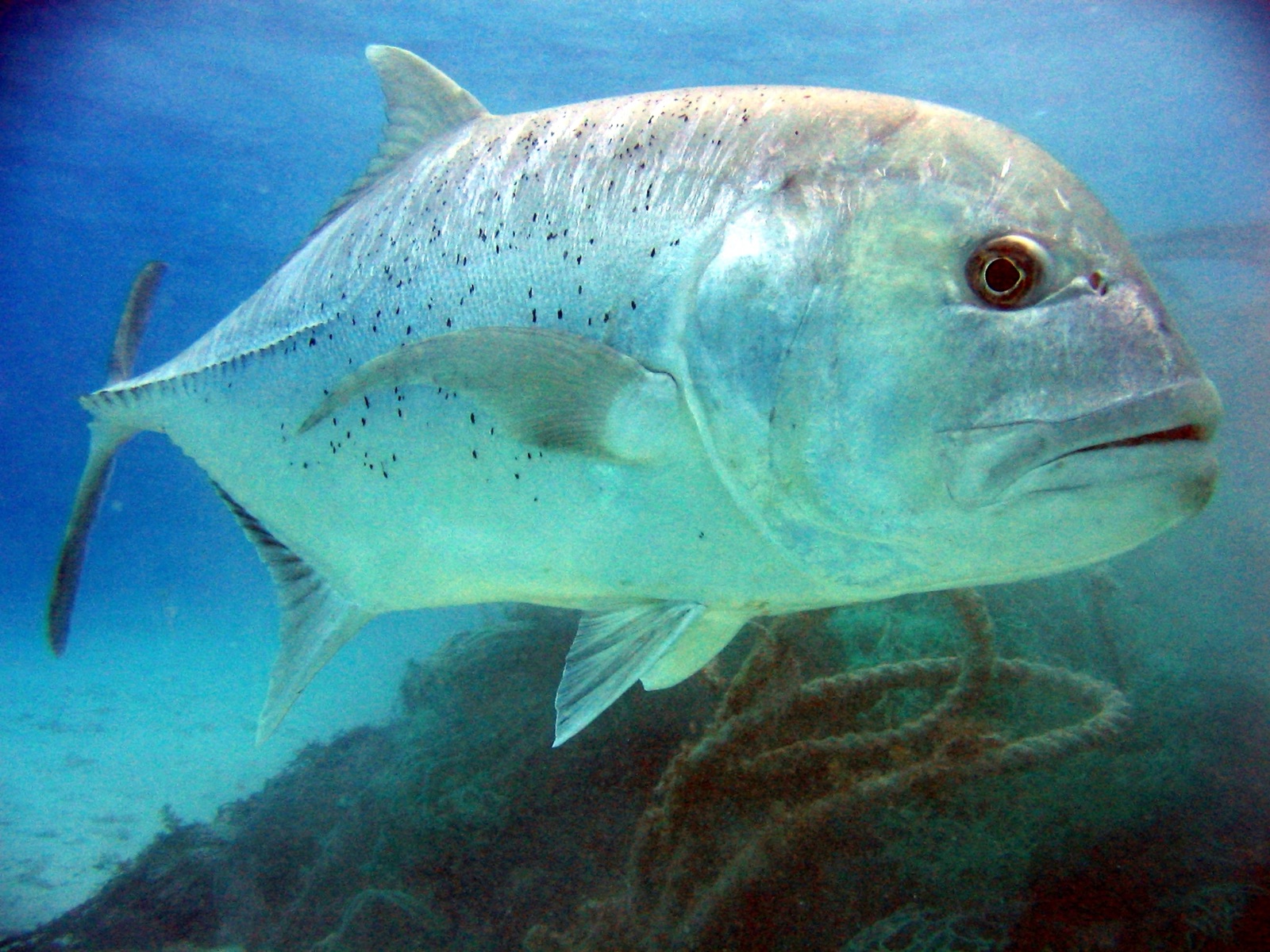
Giant Trevally
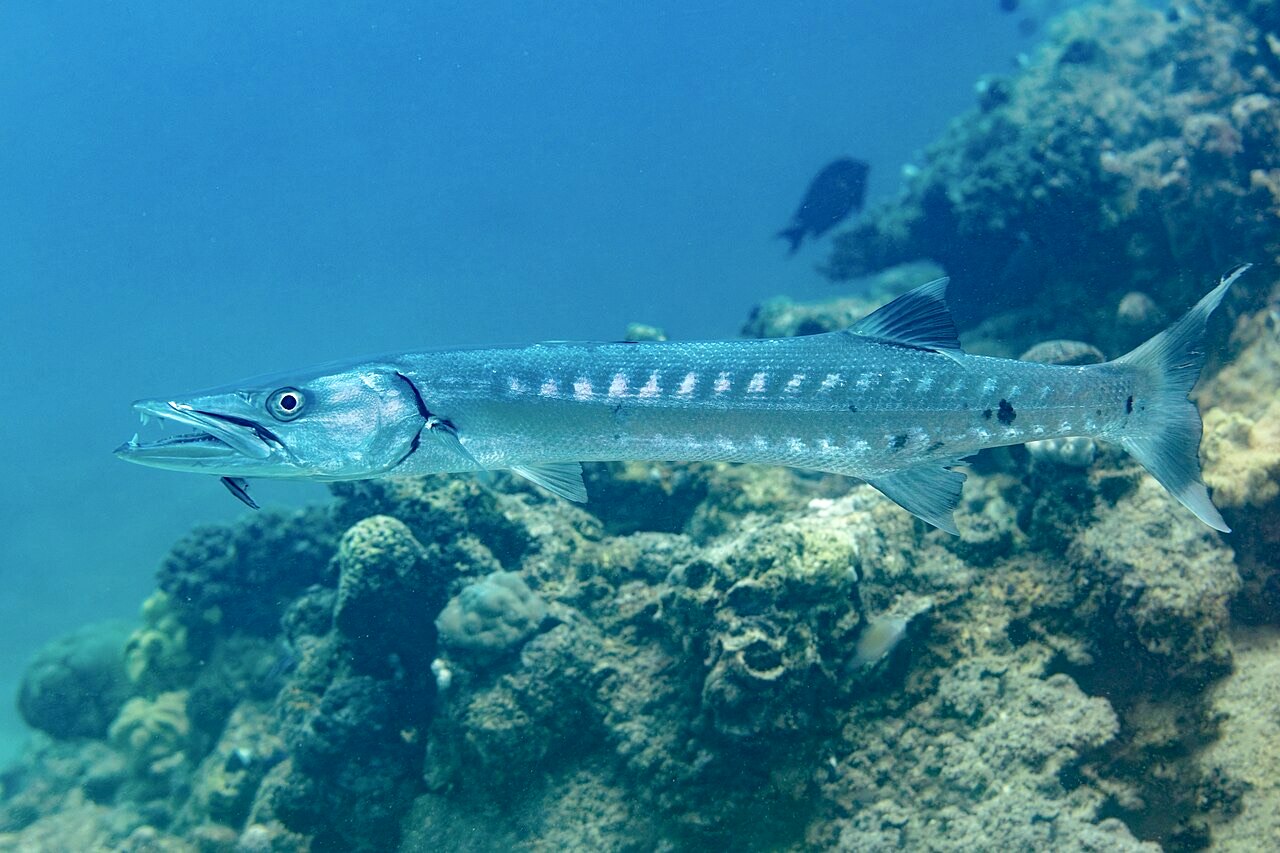
Great Barracuda
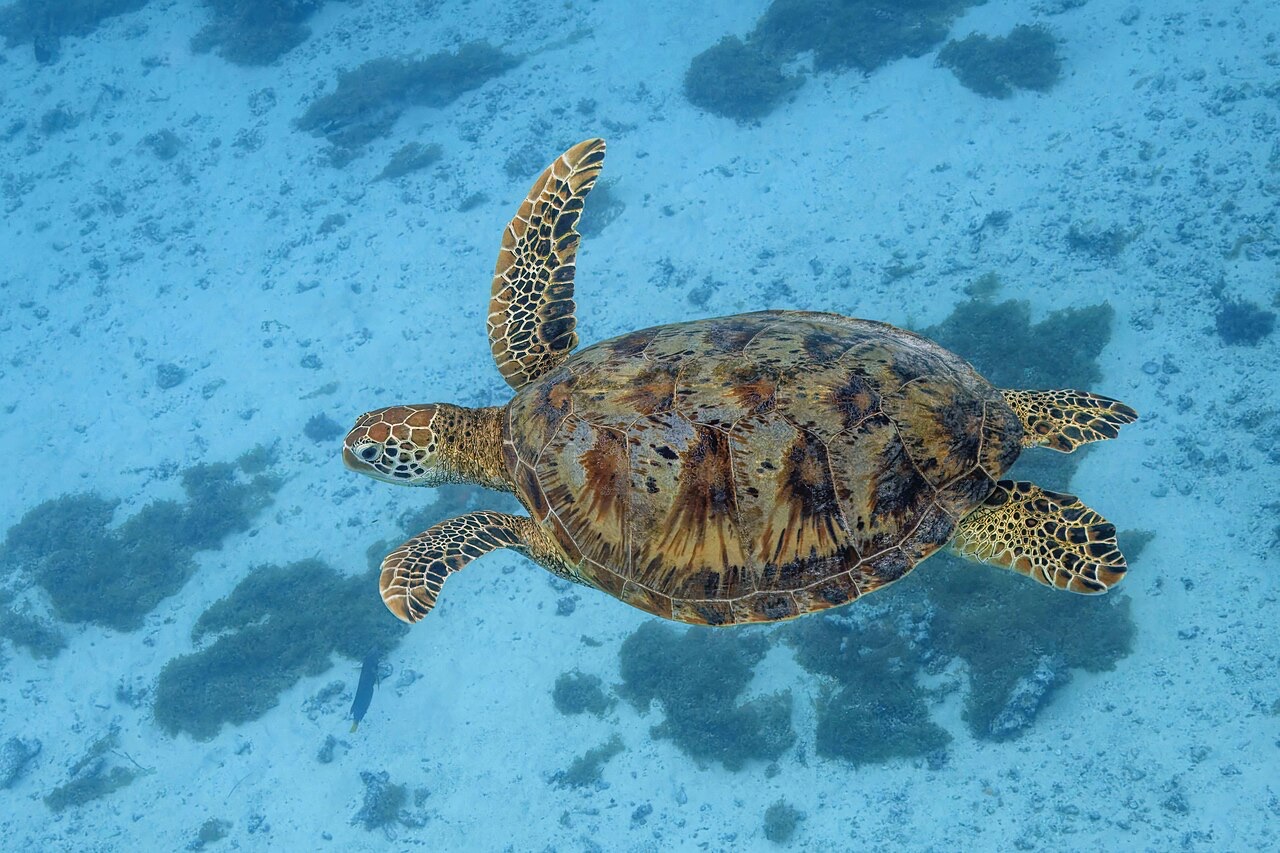
Green Sea Turtle
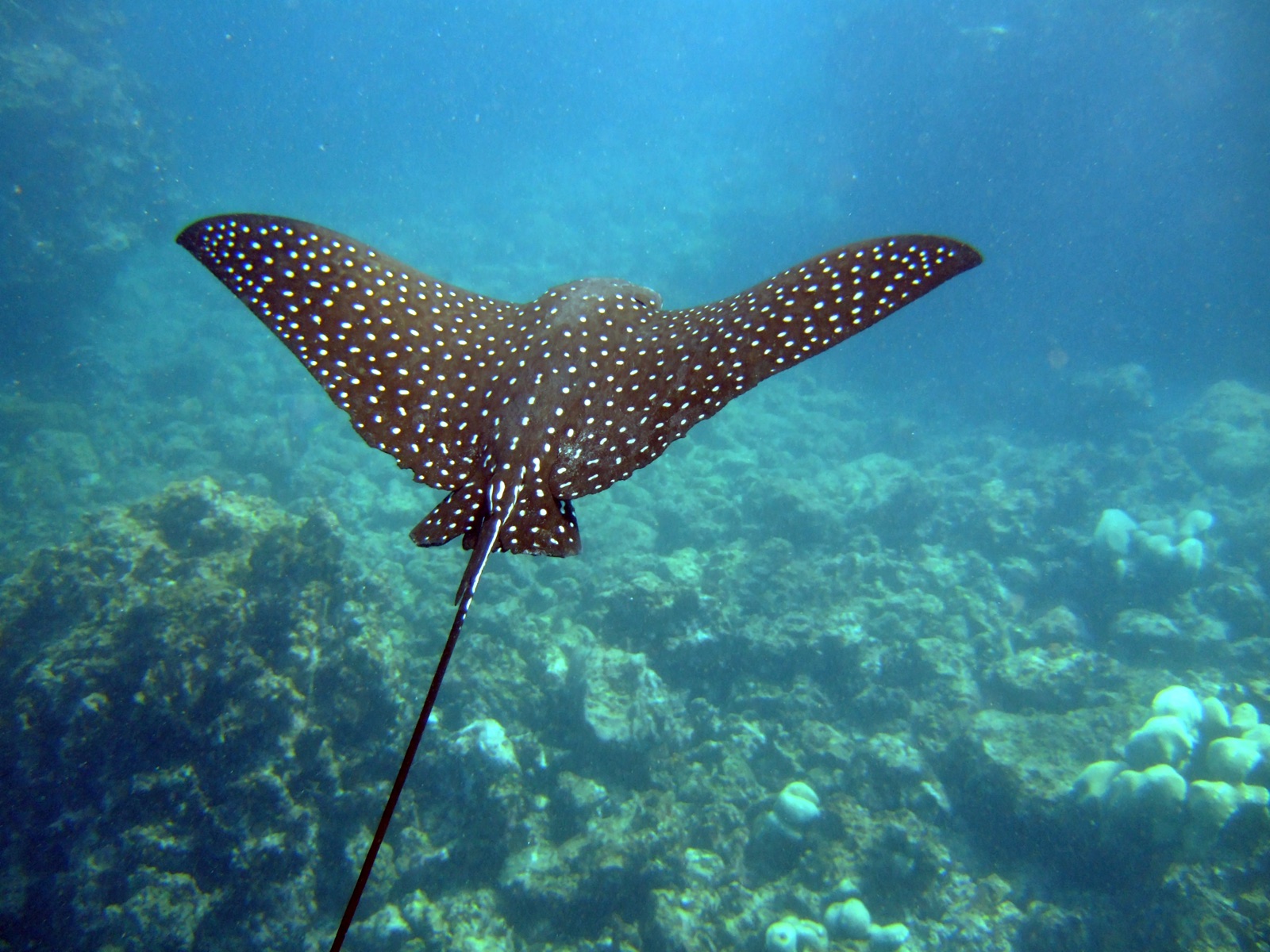
Spotted Eagle Ray
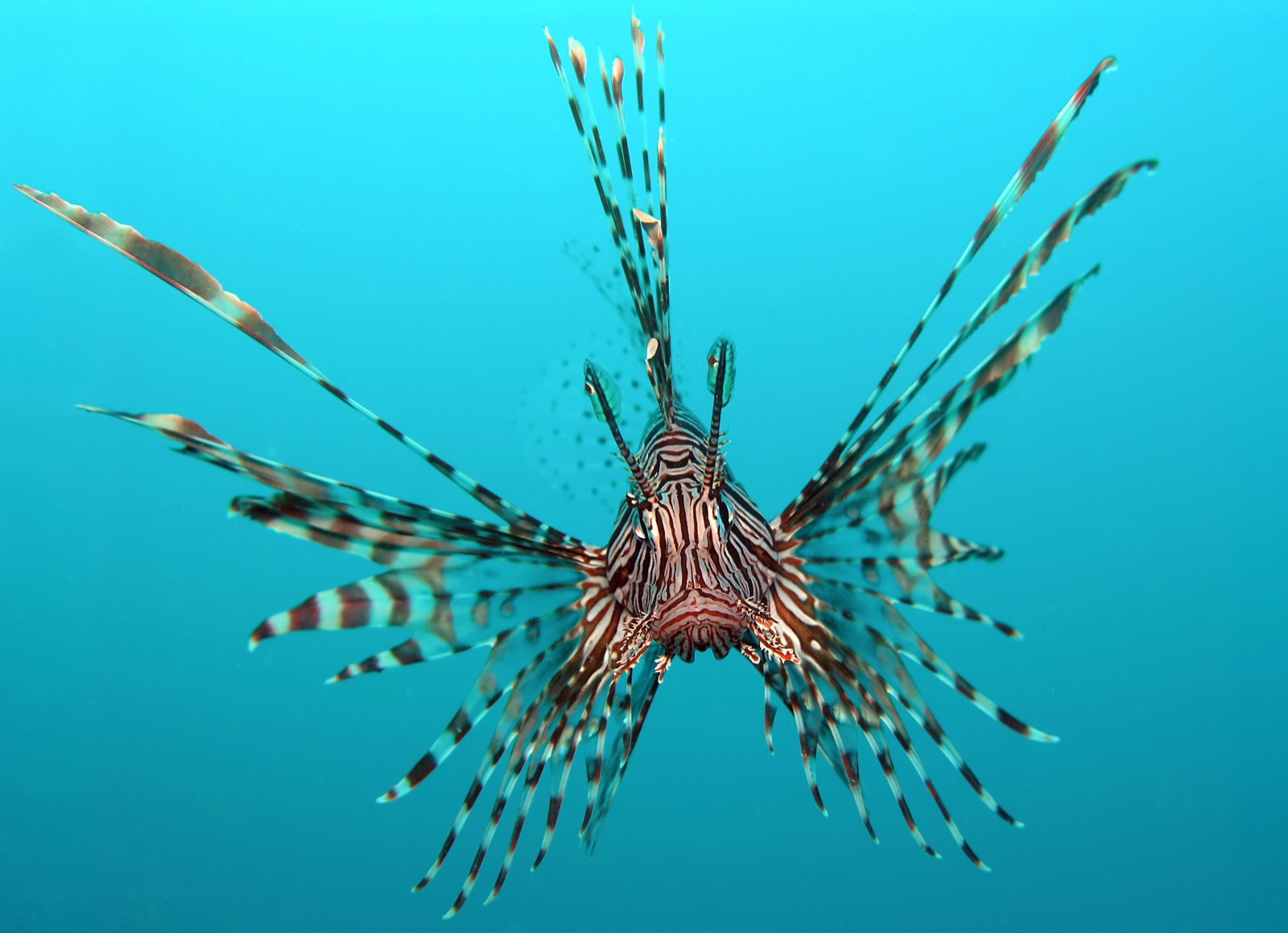
Lionfish
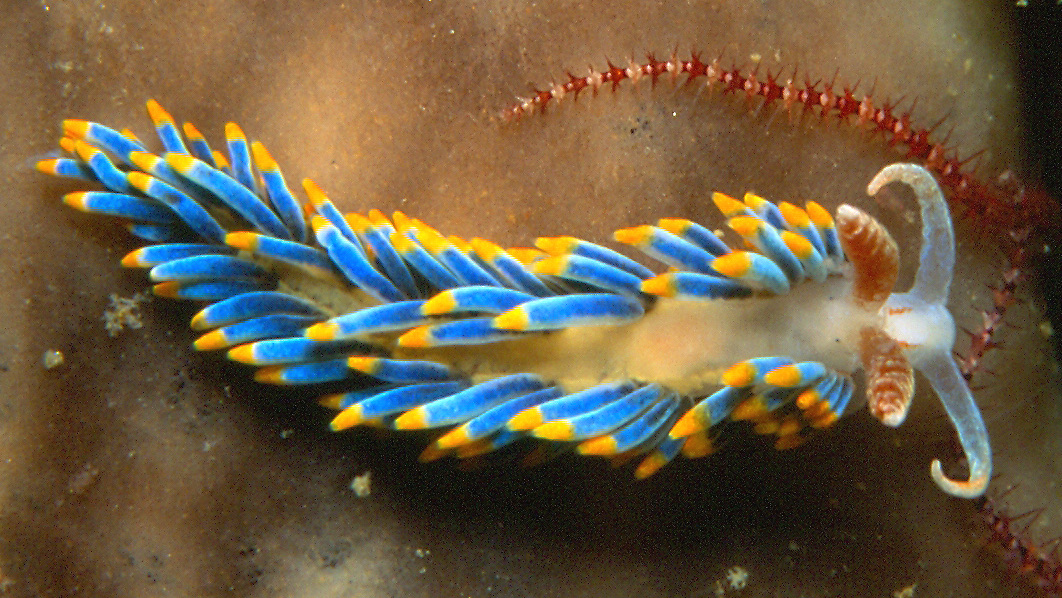
Nudibranchs
„Hier kartiert" – Arten wurden von unseren Redakteuren anhand der Quellen auf dieser Seite erfasst. Die Zahlen sind GBIF-Vorkommensdatensätze: Beobachtungen, die seit 1990 im Umkreis von etwa 5 km um die kartierte Position protokolliert wurden, ausschließlich abgeglichen mit den Arten in unserem Katalog. Sie zeigen, was dort gesichtet wurde – keine Garantie, was du sehen wirst.
Für Fotografen
Weitwinkel: ★★★★☆ · Makro: ★☆☆☆☆ (Redaktionelle 1–5-Bewertung, was dieser Platz für jeden Fotografie-Stil bietet)