
Passe St Jacques
La profundidad es el rango desde la cima del punto de buceo hasta su máximo habitual; la "certificación recomendada" es el nivel que los operadores suelen pedir según las agencias principales, no una norma legal. Las corrientes y la visibilidad cambian a diario, así que trata todo esto como rangos de planificación.
Down in the island's quiet southwest, Passe St Jacques is Mauritius's version of a channel drift: when the tide pushes in, divers drop at the seaward mouth and fly over the pass floor with the lagoon pulling them home. The current line carries the traffic: eagle rays holding like kites, schools of trevally and barracuda stacked in the flow, big stingrays on the sand, and gray sharks making occasional appearances at the deeper outside edge. It is dived far less than the west-coast circuit, needs the right tide and a skipper who knows it, and rewards with the island's most exhilarating twenty minutes.
El momento por el que vienes: Fast incoming-tide drift; eagle rays and jack schools riding the pass
Topografía: Lagoon pass in the southwest with rubble-and-coral floor sloping to the open sea
Corriente: A true tidal pass, dived on the incoming flow, and only when the operator judges the window right.
Lo que debes saber antes de tirarte al agua
Riesgos: Strong tidal current, boat pickups in moving water, and quick depth changes along the pass.
Conservación: Drift with the flow rather than finning against it: contact damage happens when divers fight the pass.
Nitrox: Vale la pena aquí: los perfiles están en el rango donde el nitrox amplía de forma significativa el tiempo sin parada (con la formación necesaria para usarlo).
A quién encontrarás
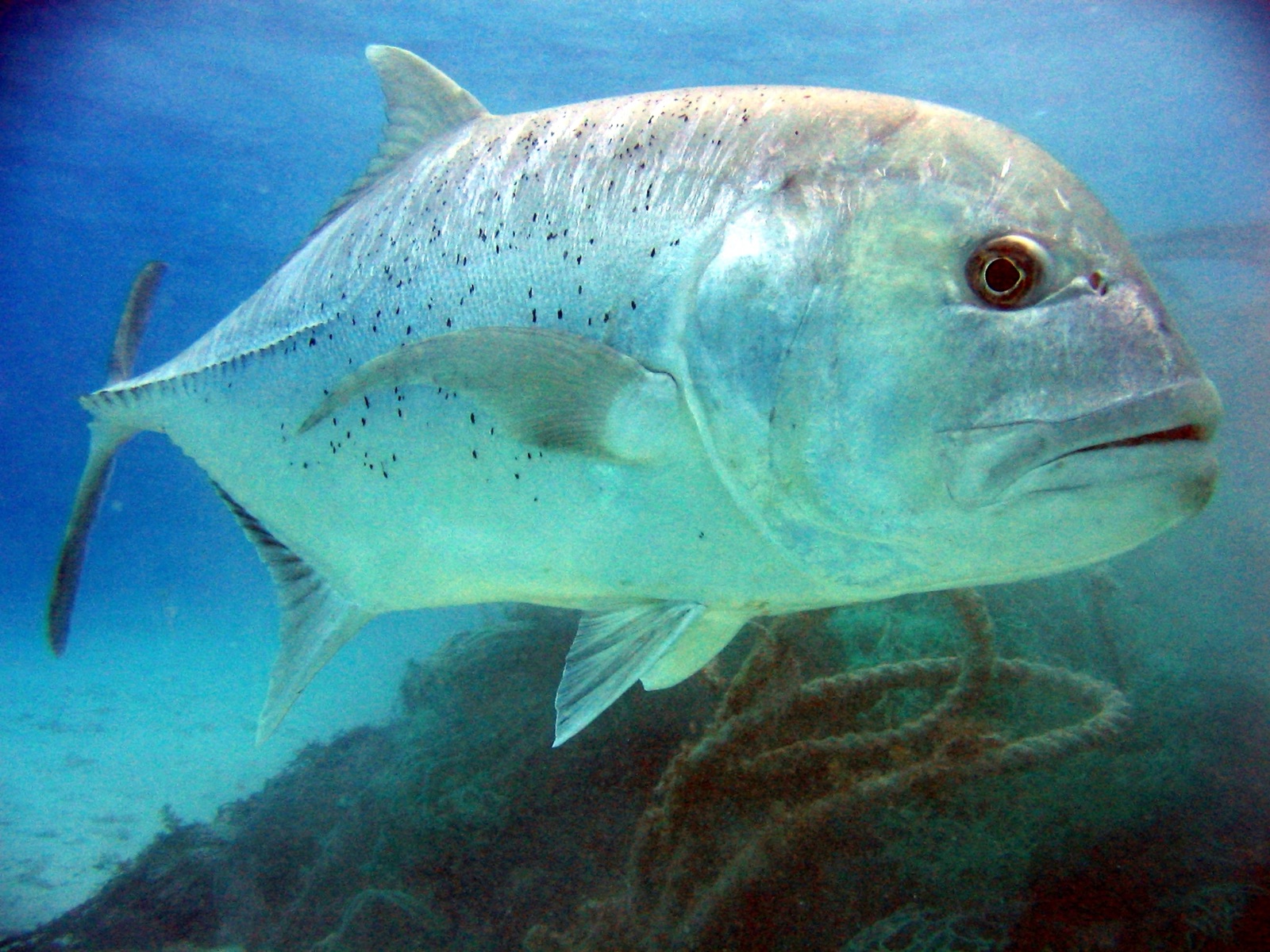
Giant Trevally
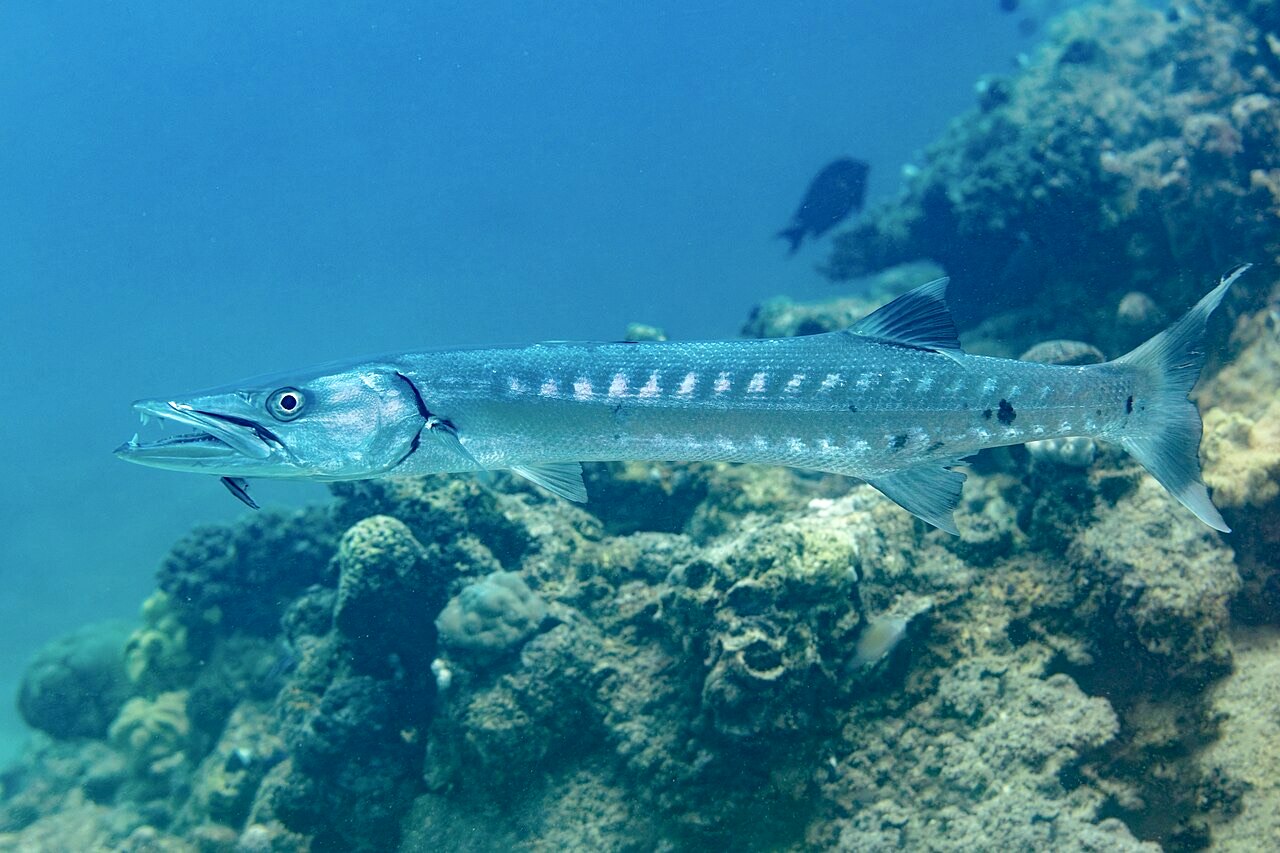
Great Barracuda
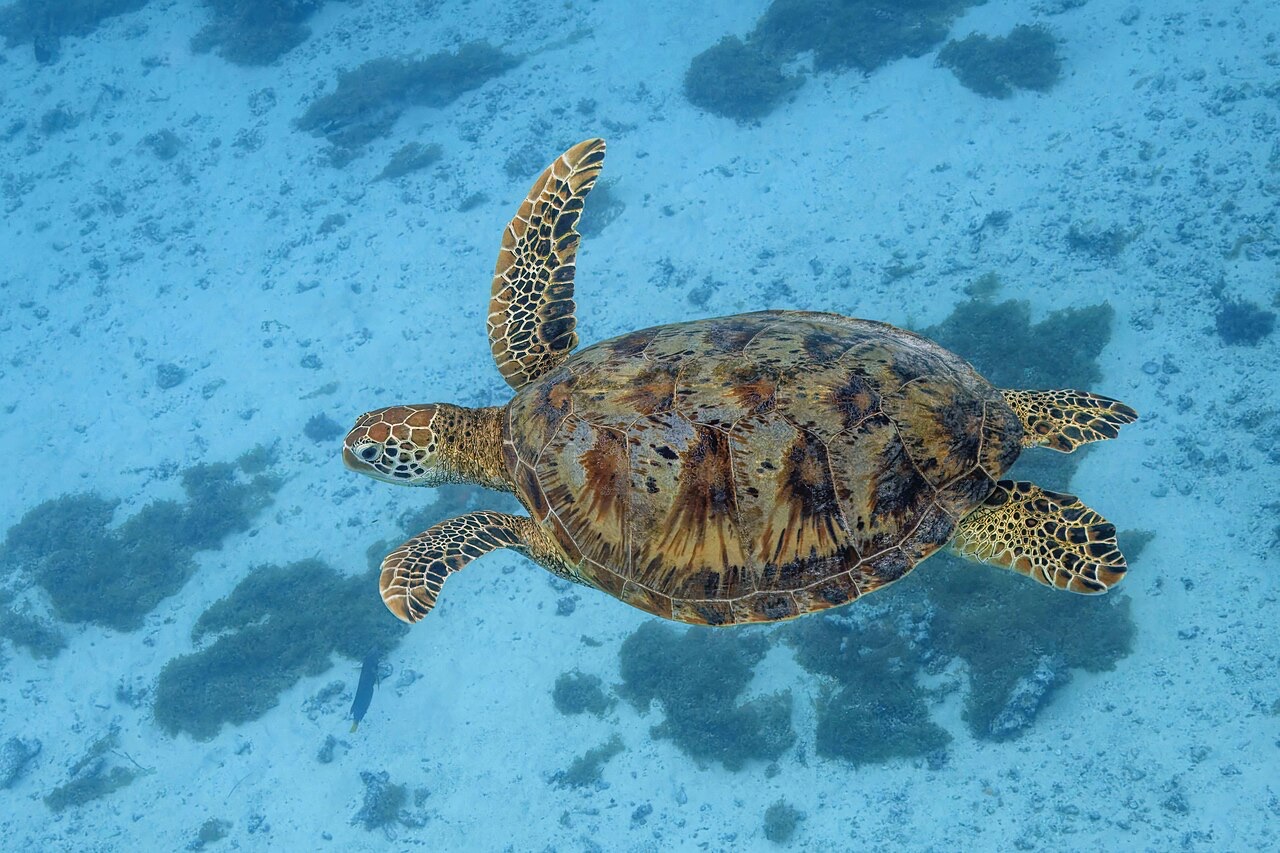
Green Sea Turtle
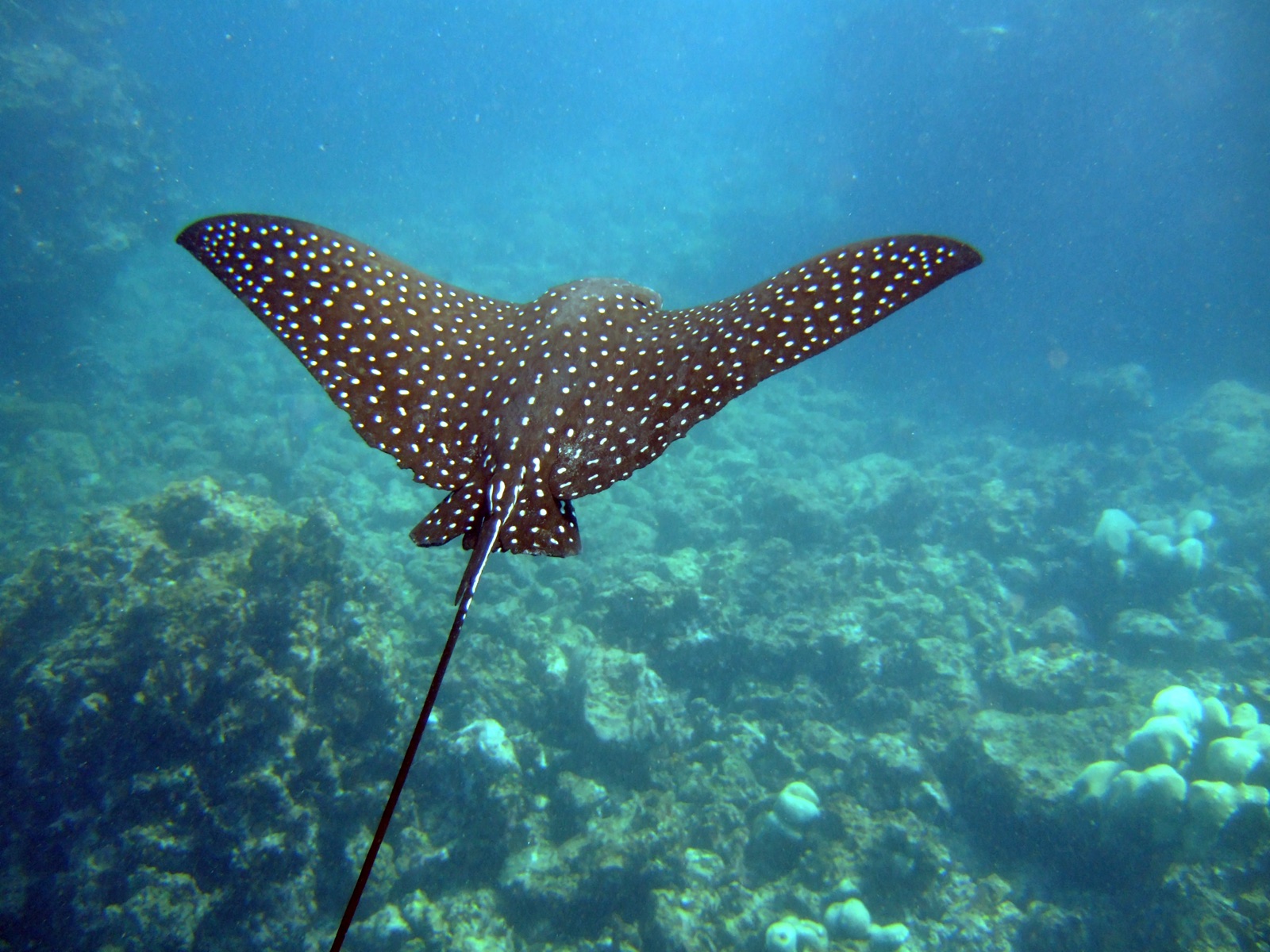
Spotted Eagle Ray
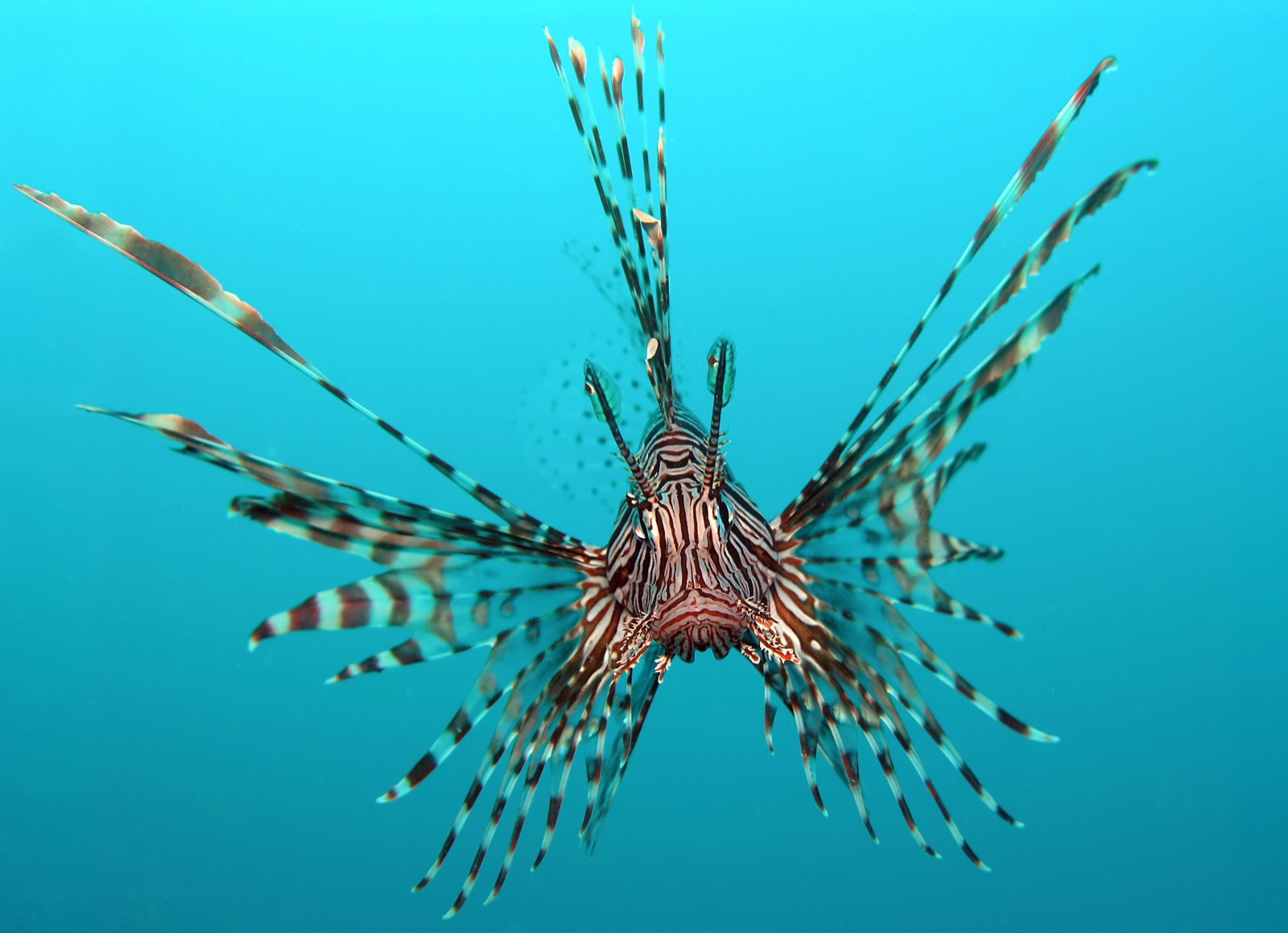
Lionfish
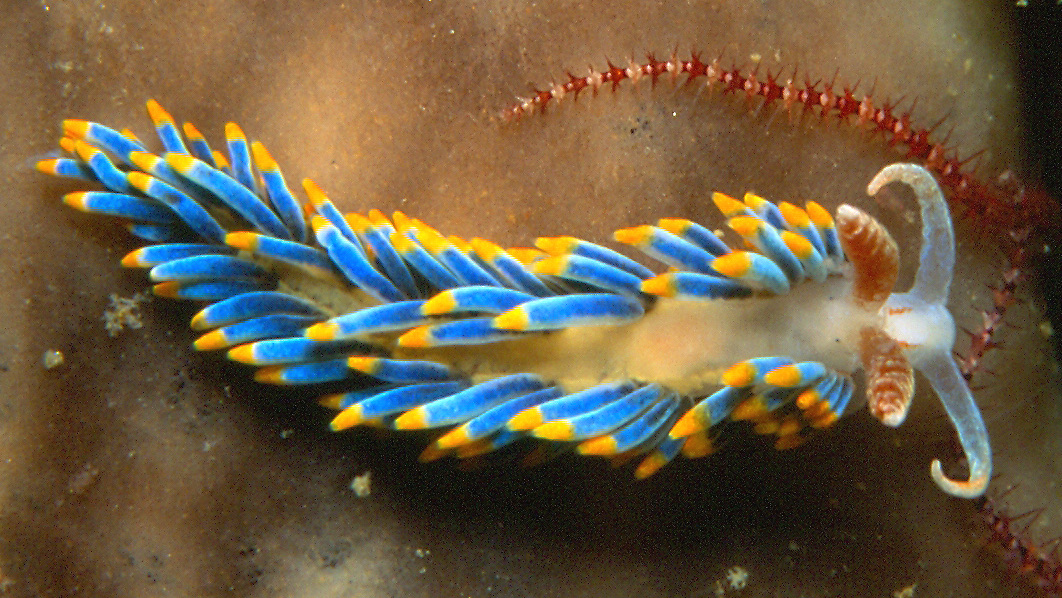
Nudibranchs
Las especies "aquí registradas" fueron añadidas por nuestros editores a partir de las fuentes de esta página. Los recuentos son registros de ocurrencia de GBIF: observaciones anotadas en un radio de unos 5 km de la posición registrada desde 1990, cotejadas únicamente con las especies de nuestro catálogo. Muestran lo que se ha avistado allí, no una garantía de lo que verás.
Para fotógrafos
Gran angular: ★★★★☆ · Macro: ★☆☆☆☆ (valoración de 1 a 5 de los editores sobre lo que ofrece este sitio para cada estilo de fotografía)