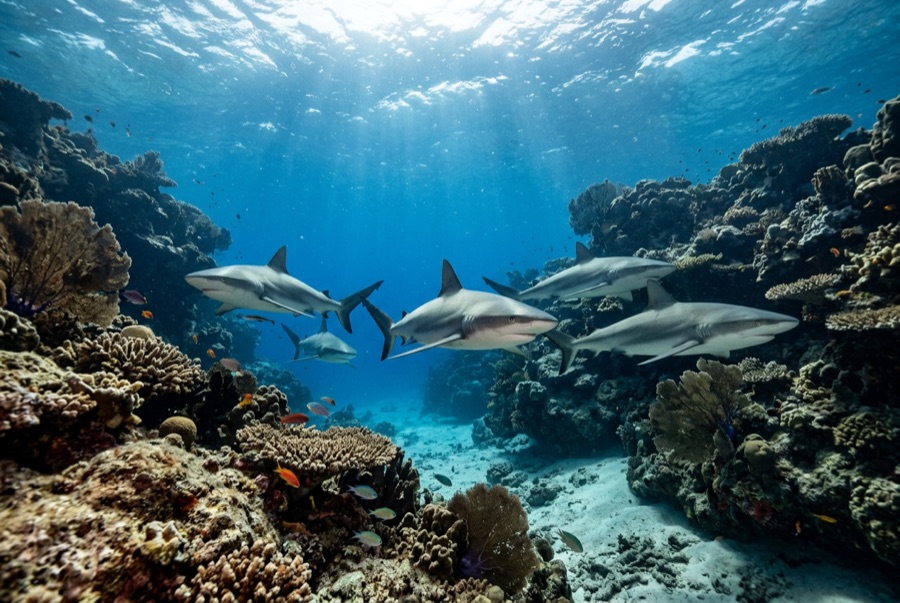
Passe St Jacques
La profondeur correspond à la plage allant du sommet du site jusqu'à son maximum habituel ; le « niveau recommandé » est le niveau demandé en général par les opérateurs auprès des grandes agences, pas une règle légale. Les courants et la visibilité varient chaque jour, traitez donc tout cela comme des plages indicatives de planification.
Down in the island's quiet southwest, Passe St Jacques is Mauritius's version of a channel drift: when the tide pushes in, divers drop at the seaward mouth and fly over the pass floor with the lagoon pulling them home. The current line carries the traffic: eagle rays holding like kites, schools of trevally and barracuda stacked in the flow, big stingrays on the sand, and gray sharks making occasional appearances at the deeper outside edge. It is dived far less than the west-coast circuit, needs the right tide and a skipper who knows it, and rewards with the island's most exhilarating twenty minutes.
Le moment pour lequel vous venez: Fast incoming-tide drift; eagle rays and jack schools riding the pass
Topographie: Lagoon pass in the southwest with rubble-and-coral floor sloping to the open sea
Courant: A true tidal pass, dived on the incoming flow, and only when the operator judges the window right.
À savoir avant de plonger
Dangers: Strong tidal current, boat pickups in moving water, and quick depth changes along the pass.
Conservation: Drift with the flow rather than finning against it: contact damage happens when divers fight the pass.
Nitrox: Pertinent ici : les profils se situent dans la plage où le nitrox prolonge significativement le temps sans palier (avec la formation pour l'utiliser).
Qui vous croiserez
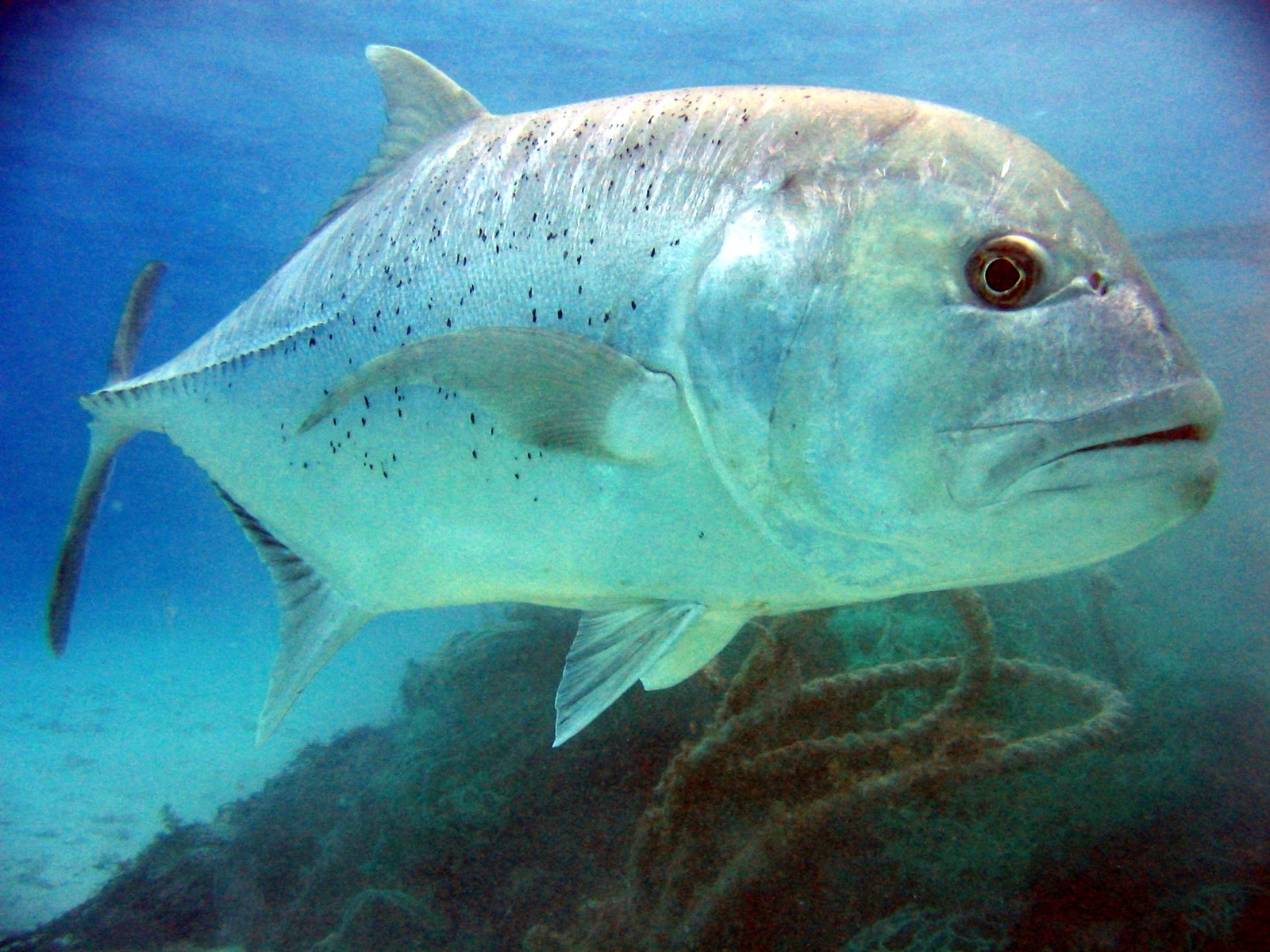
Giant Trevally
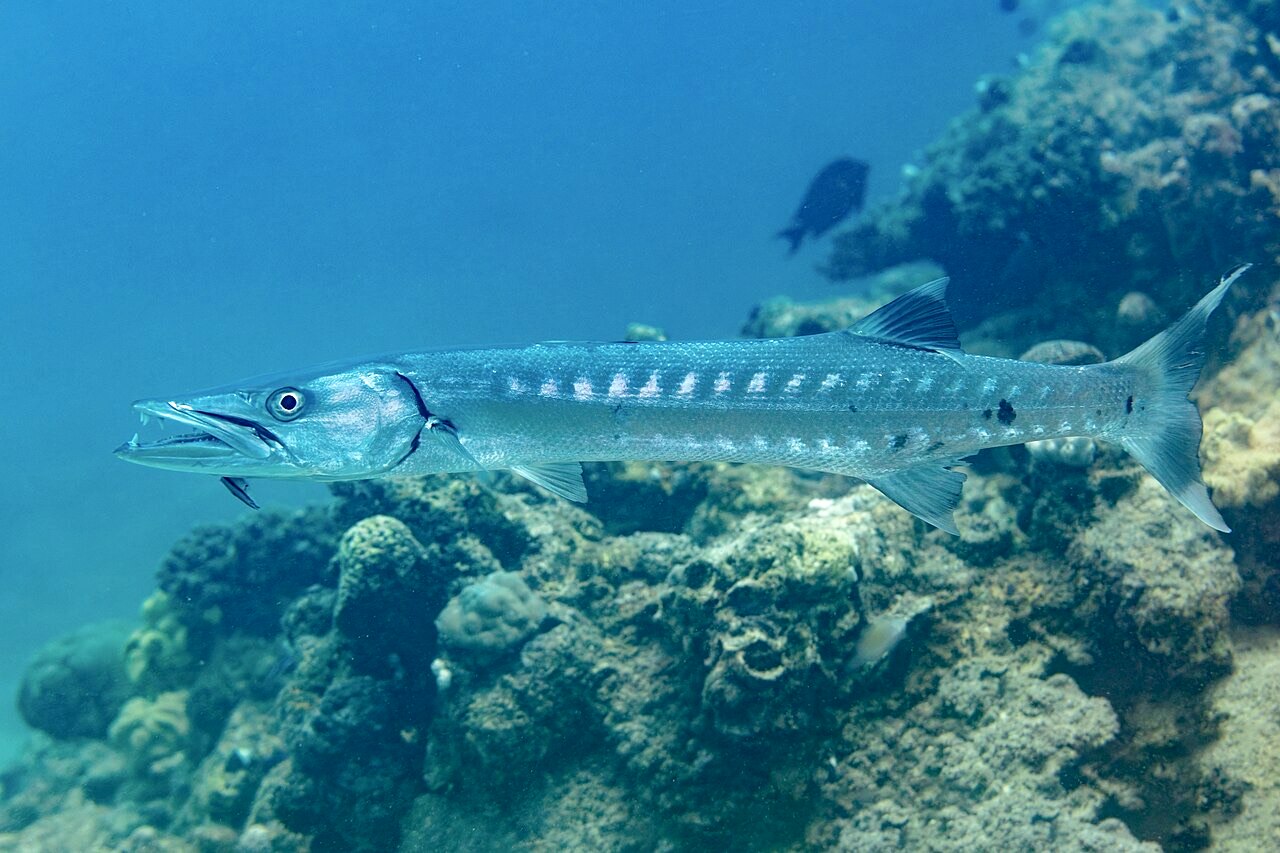
Great Barracuda
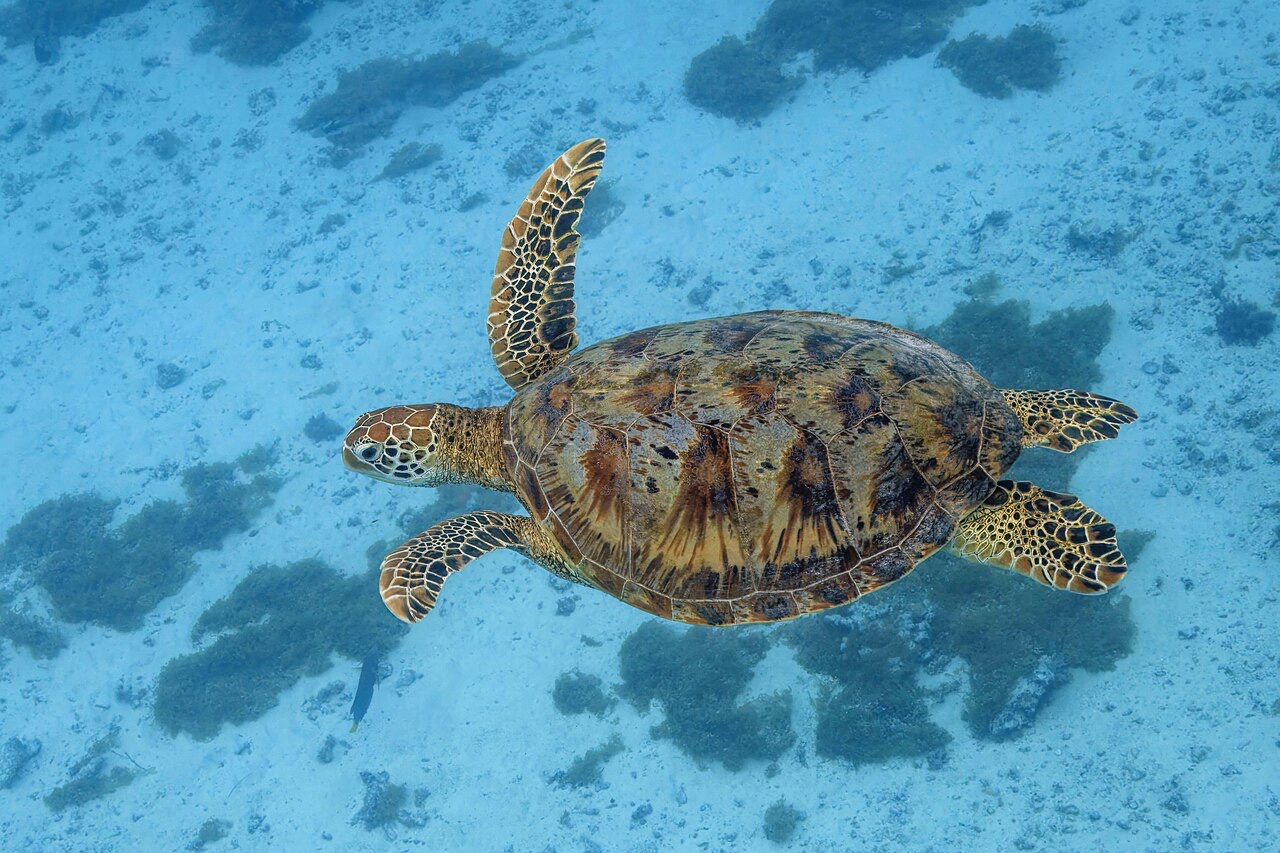
Green Sea Turtle
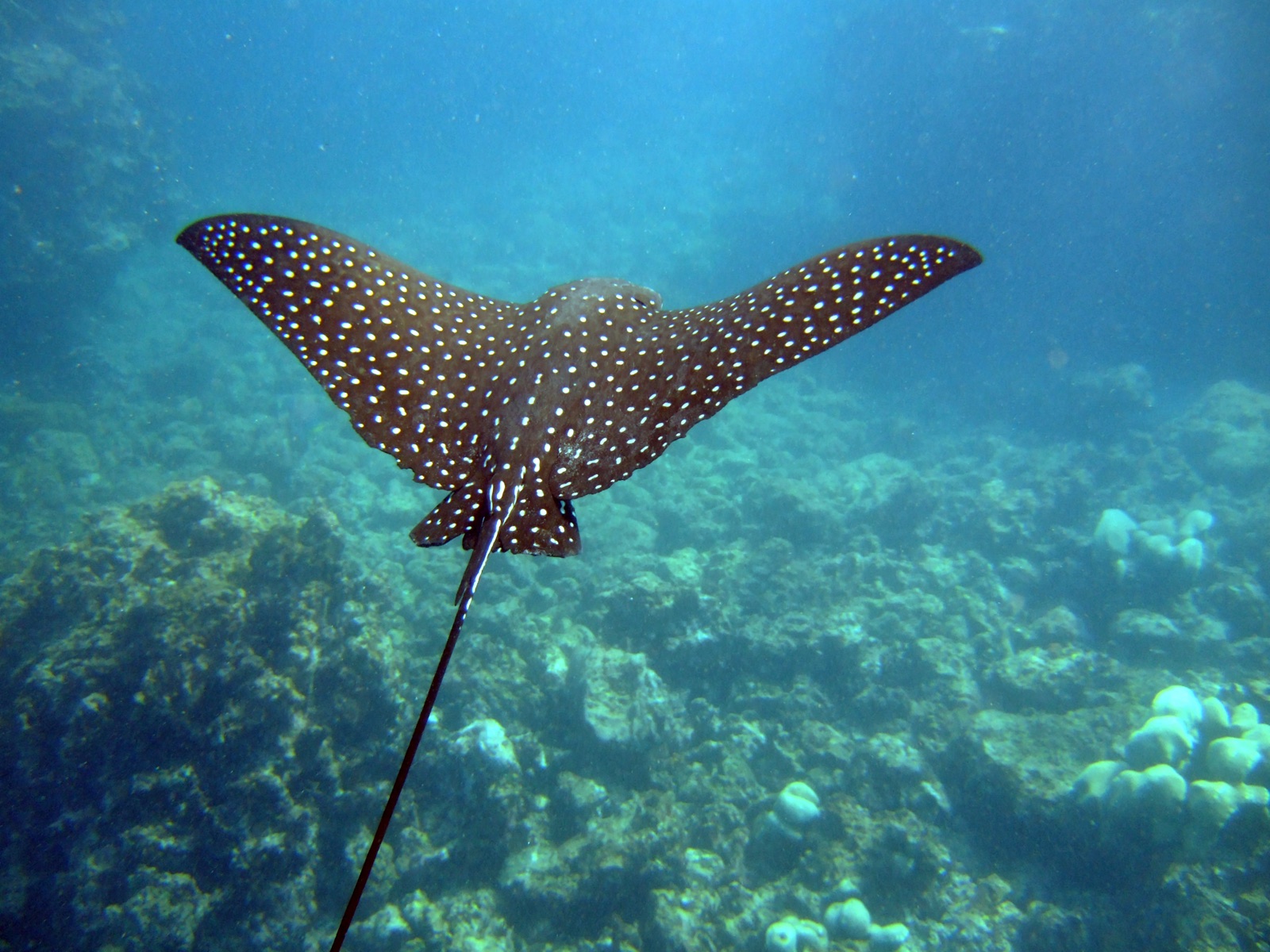
Spotted Eagle Ray
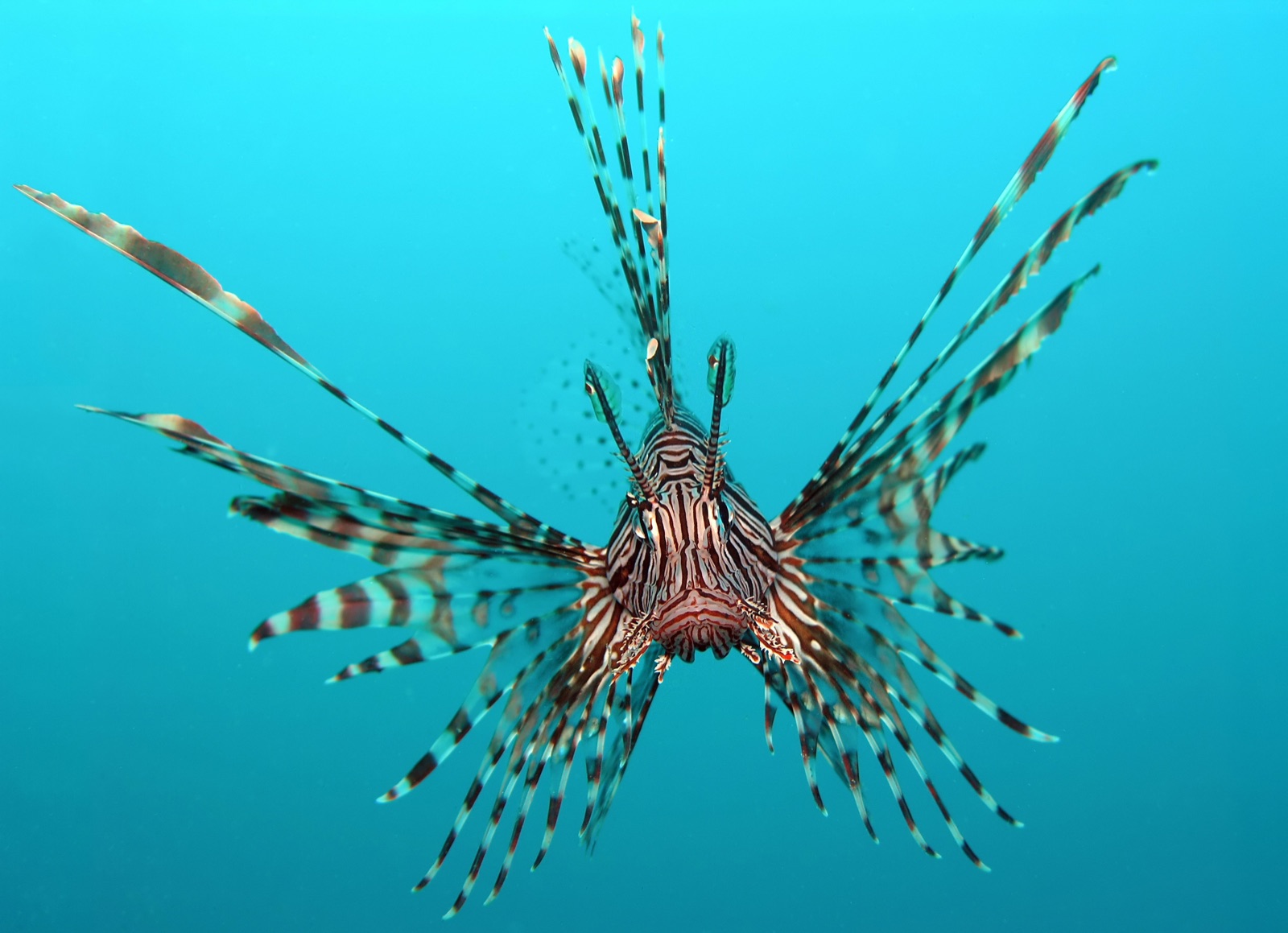
Lionfish
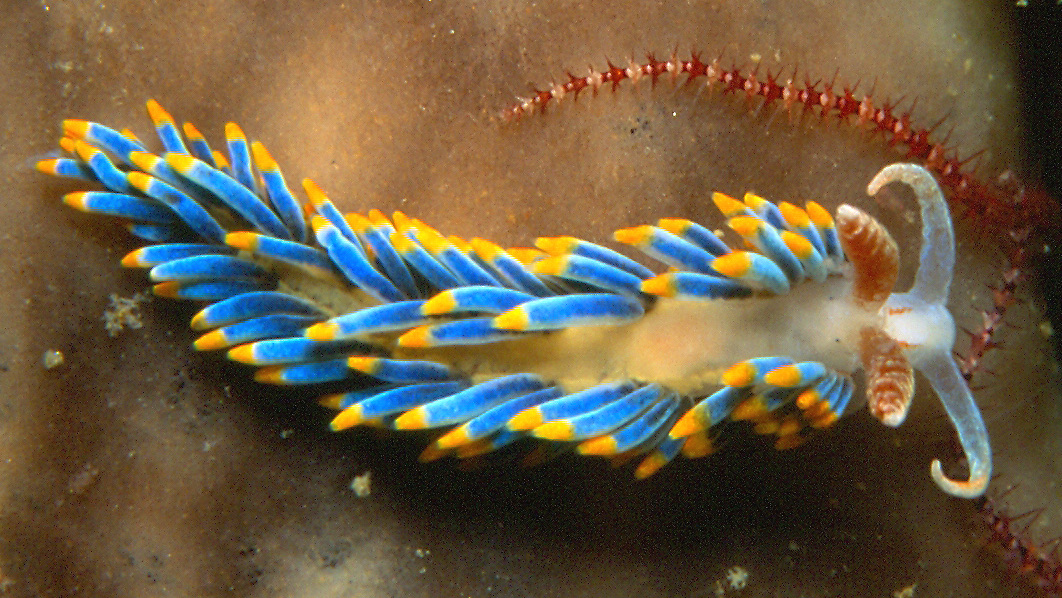
Nudibranchs
Les espèces « cartographiées ici » ont été répertoriées par nos éditeurs à partir des sources indiquées sur cette page. Les comptages correspondent aux occurrences GBIF : observations enregistrées dans un rayon d'environ 5 km autour de la position cartographiée depuis 1990, comparées uniquement aux espèces de notre catalogue. Ils indiquent ce qui a été observé à cet endroit, sans garantir ce que vous y verrez.
Pour les photographes
Grand angle: ★★★★☆ · Macro: ★☆☆☆☆ (note 1–5 des éditeurs sur ce que ce site offre à chaque style de prise de vue)