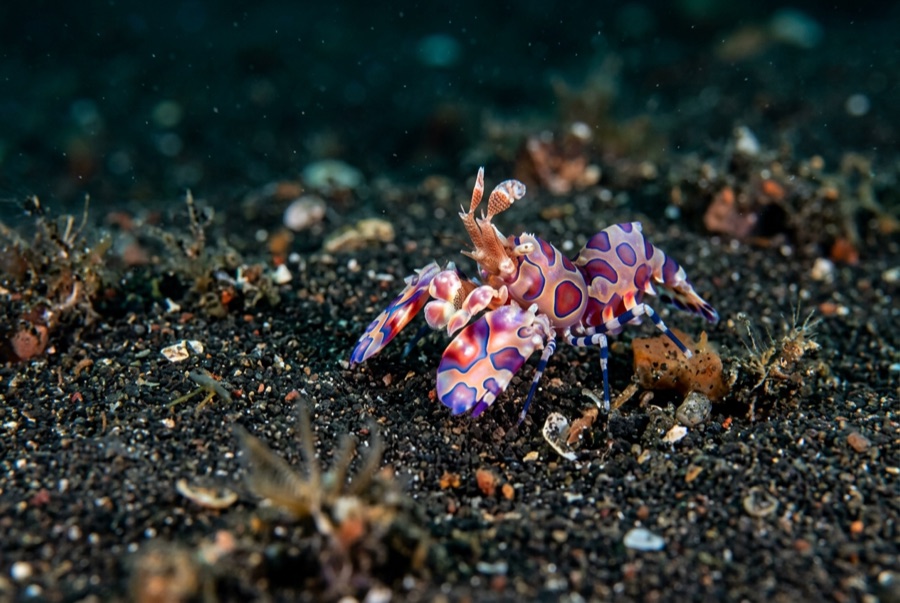
Rempart Serpent
Die Tiefe gibt den Bereich von der Oberkante des Tauchplatzes bis zur üblichen Maximaltiefe an; „empfohlene Zertifizierung" ist das von Anbietern üblicherweise geforderte Mainstream-Agenturniveau – keine gesetzliche Vorschrift. Strömungen und Sichtweite ändern sich täglich – behandle alle Angaben hier als Planungsbereiche.
Rempart Serpent looks like nothing from above (a low, snaking ridge of dark rock on plain sand) and holds one of the Indian Ocean's strangest fish censuses. Scorpionfish carpet the stone in layered dozens, stonefish sulk in the depressions, lionfish of several species drift over the top, and morays thread the honeycomb below. Octopus and shrimp fill the gaps. Nothing here is fast and nothing is far; the skill is spotting the animal before your hand or knee finds it, which is why guides insist on hover-only diving. Photographers with macro lenses treat the ridge as a full-tank studio.
Der Moment, für den du kommst: Extraordinary density of scorpionfish, stonefish, and morays on one small ridge
Topografie: Serpentine rock ridge winding across sand, little coral, endless holes
Strömung: A low ridge on open sand; conditions are usually calm, visibility modest.
Was du wissen solltest, bevor du ins Wasser gehst
Gefahren: Venomous species everywhere and a 22-meter working depth that eats no-deco time.
Naturschutz: Never settle on the ridge: nearly every surface is a venomous fish or its home.
Nitrox: Hier lohnt es sich – die Profile liegen in einem Bereich, in dem Nitrox die Nullzeiten spürbar verlängert (mit der entsprechenden Ausbildung).
Wen du triffst
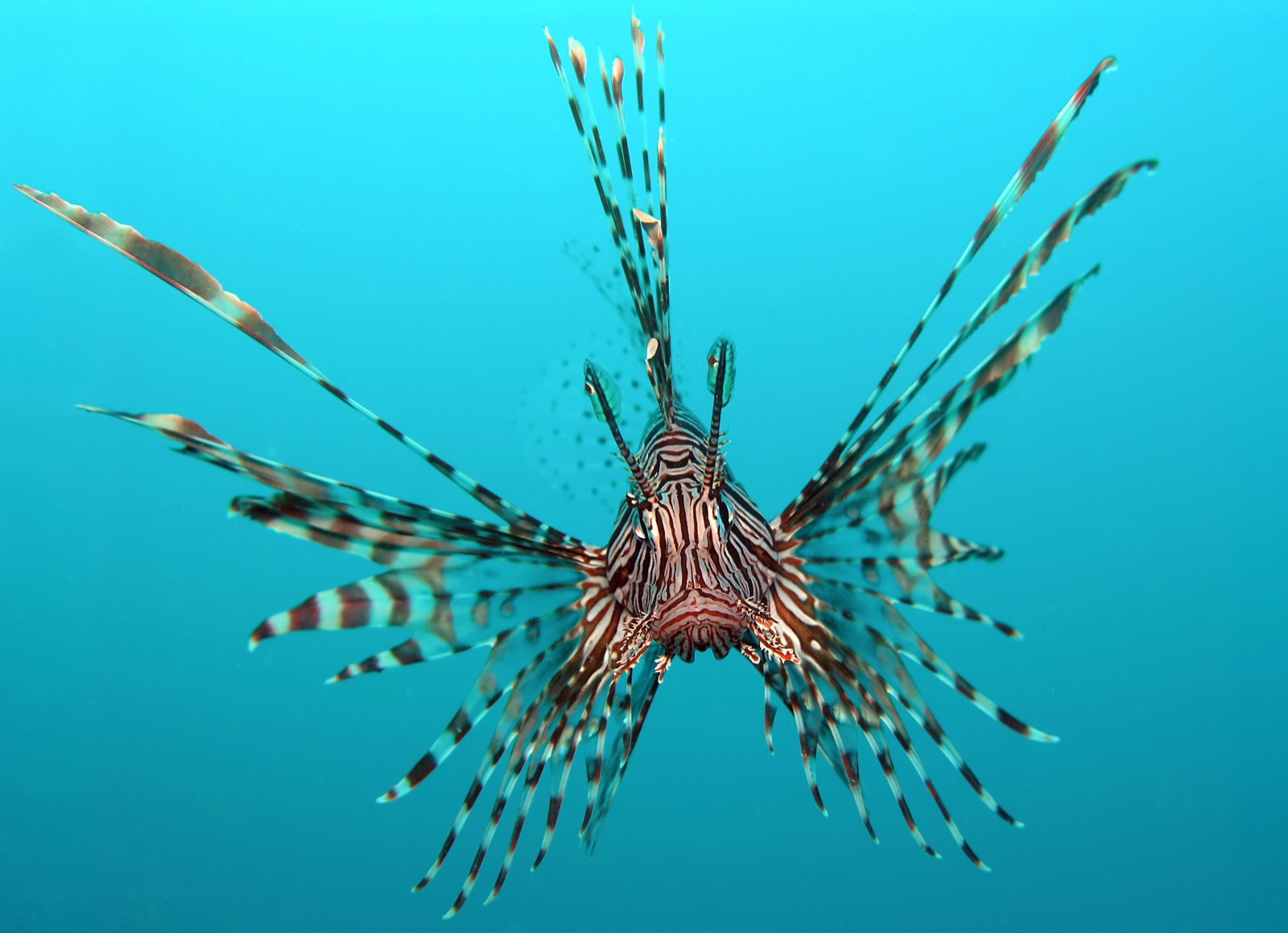
Lionfish
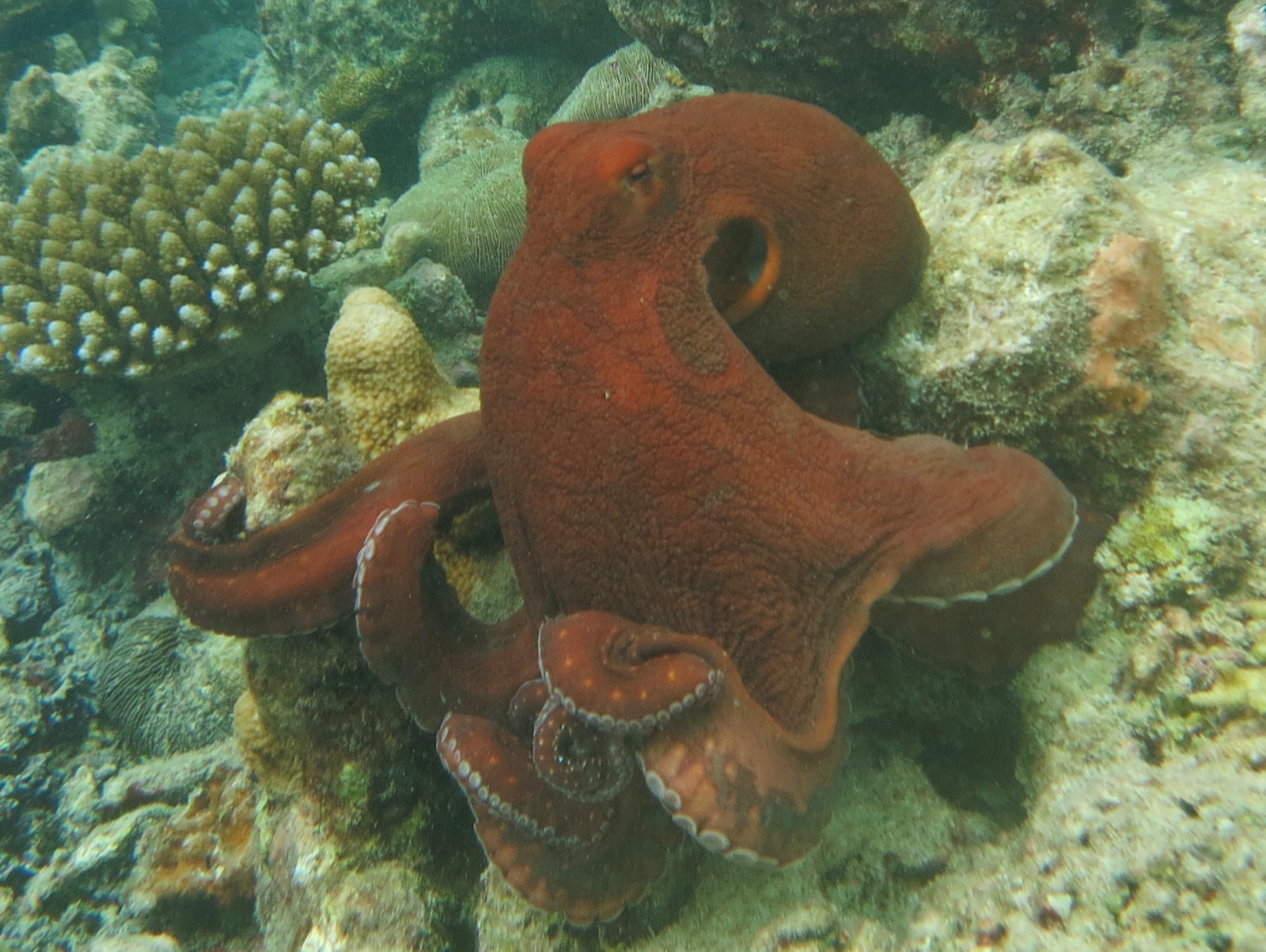
Common Reef (Day) Octopus
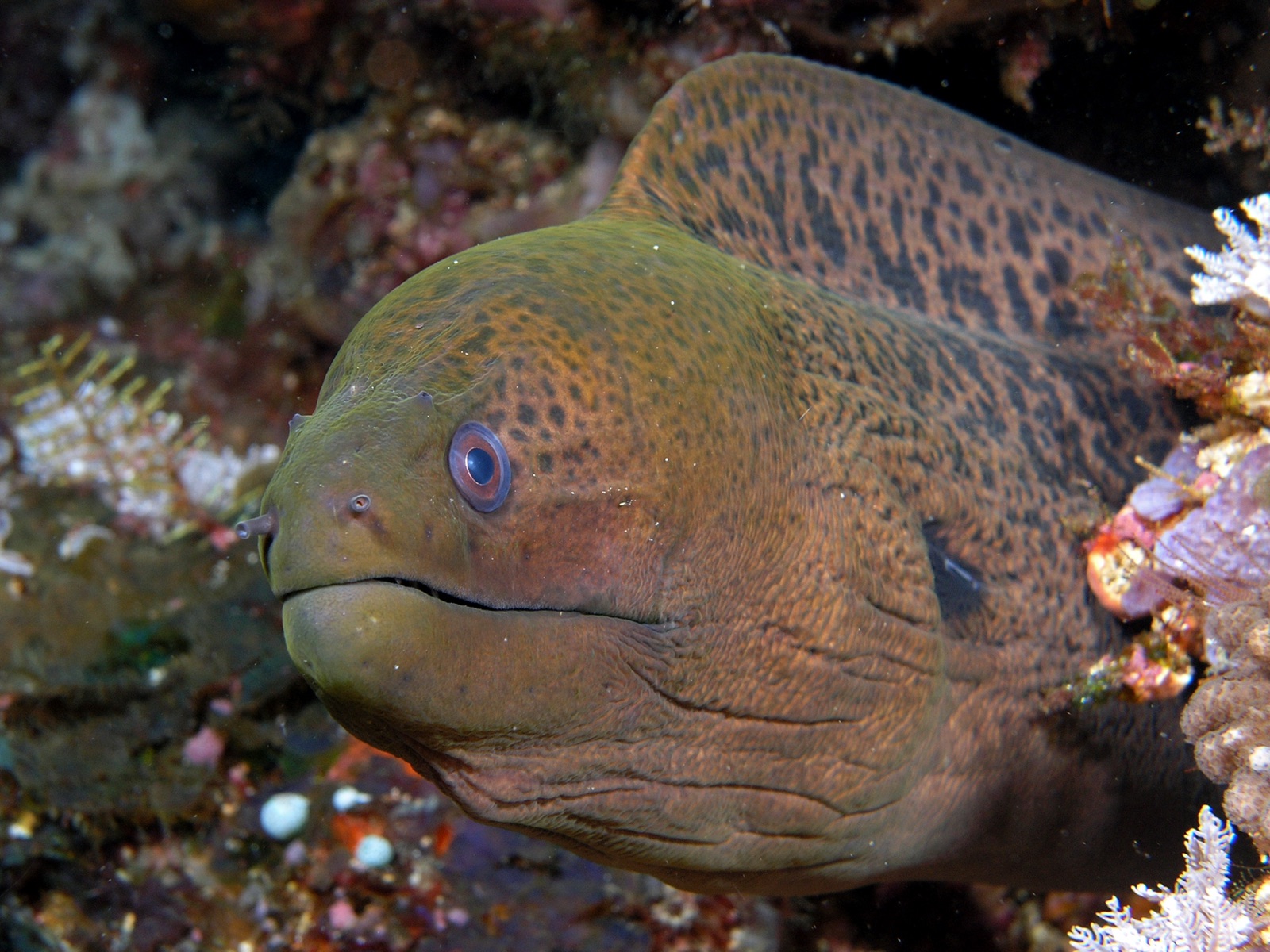
Giant Moray Eel
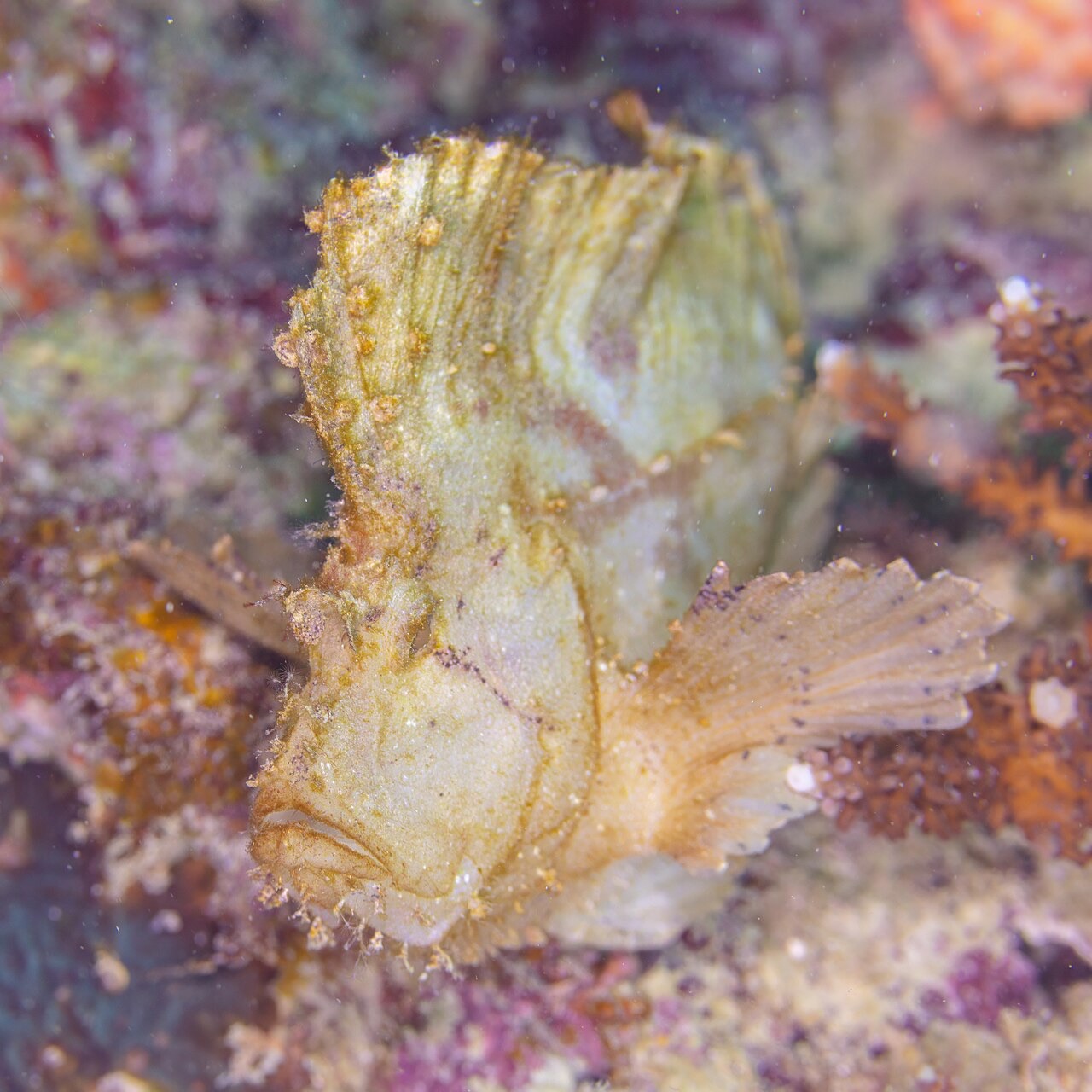
Leaf Scorpionfish
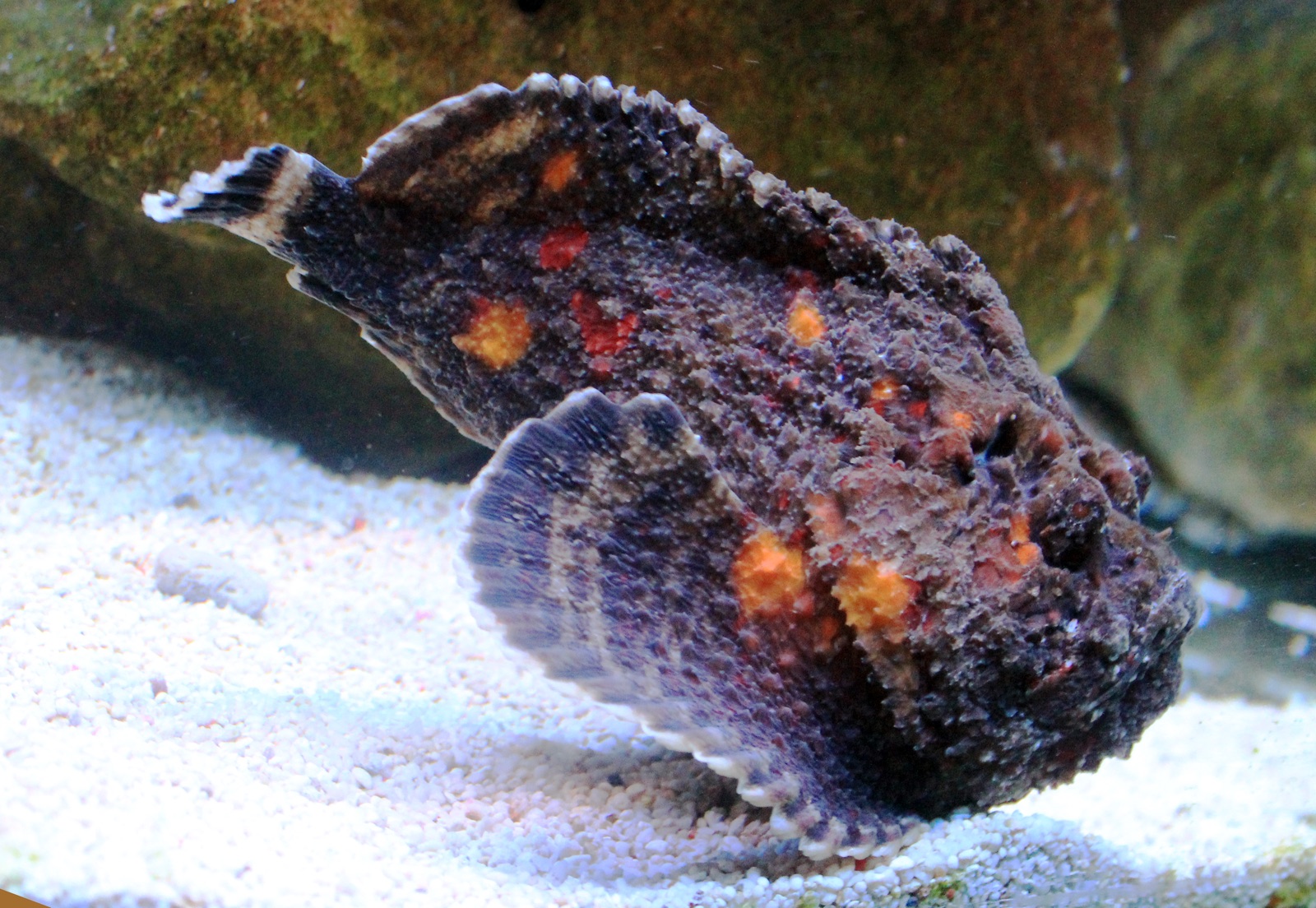
Reef Stonefish
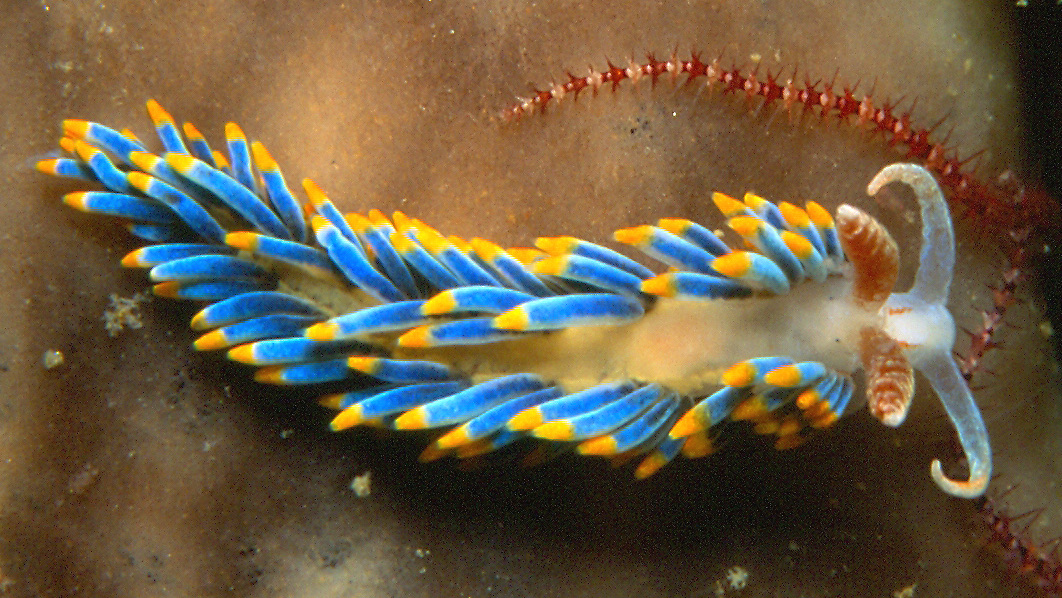
Nudibranchs
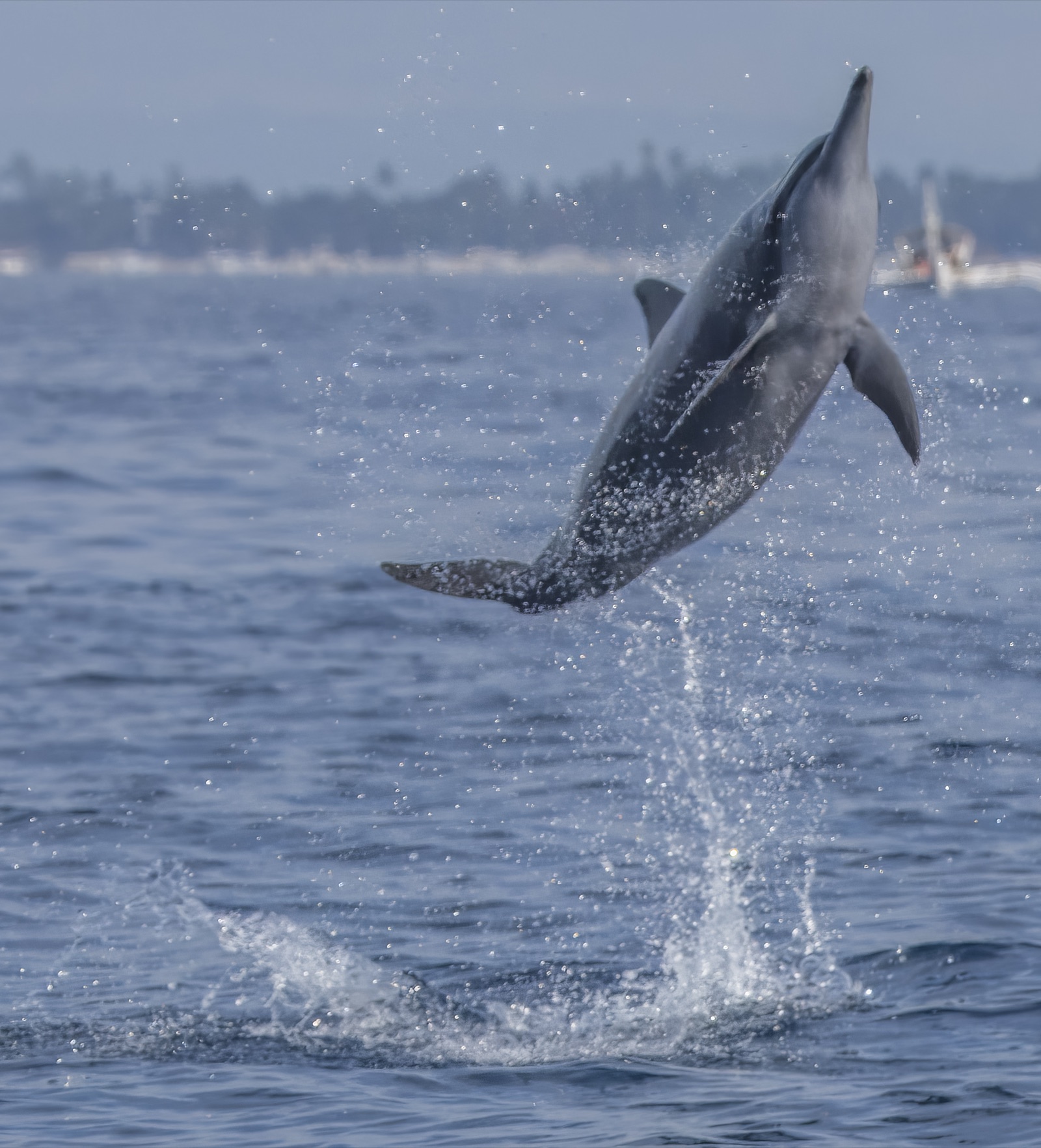
Spinner Dolphin
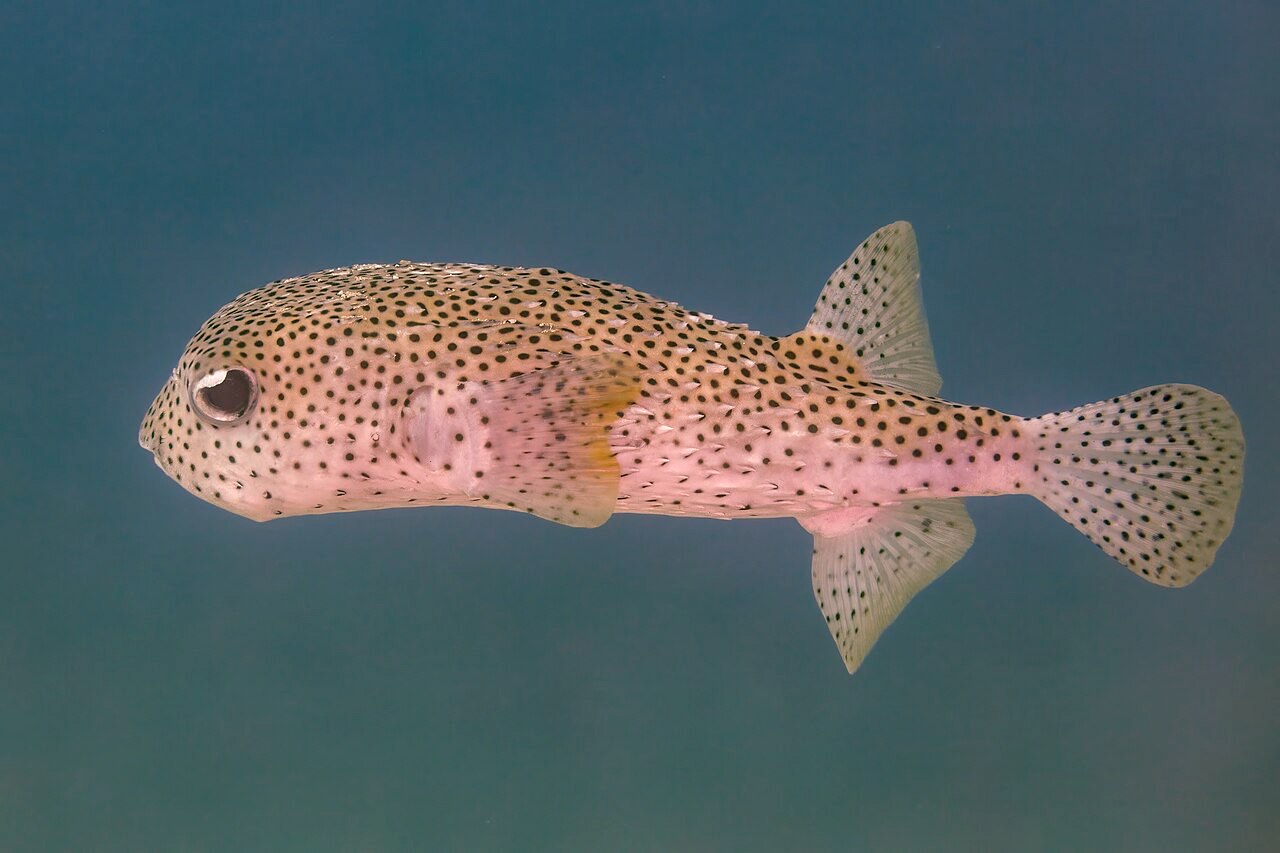
Porcupinefish
Auch in der Nähe nachgewiesen
„Hier kartiert" – Arten wurden von unseren Redakteuren anhand der Quellen auf dieser Seite erfasst. Die Zahlen sind GBIF-Vorkommensdatensätze: Beobachtungen, die seit 1990 im Umkreis von etwa 5 km um die kartierte Position protokolliert wurden, ausschließlich abgeglichen mit den Arten in unserem Katalog. Sie zeigen, was dort gesichtet wurde – keine Garantie, was du sehen wirst.
Für Fotografen
Weitwinkel: ★★☆☆☆ · Makro: ★★★★★ (Redaktionelle 1–5-Bewertung, was dieser Platz für jeden Fotografie-Stil bietet)