Rempart Serpent
La profundidad es el rango desde la cima del punto de buceo hasta su máximo habitual; la "certificación recomendada" es el nivel que los operadores suelen pedir según las agencias principales, no una norma legal. Las corrientes y la visibilidad cambian a diario, así que trata todo esto como rangos de planificación.
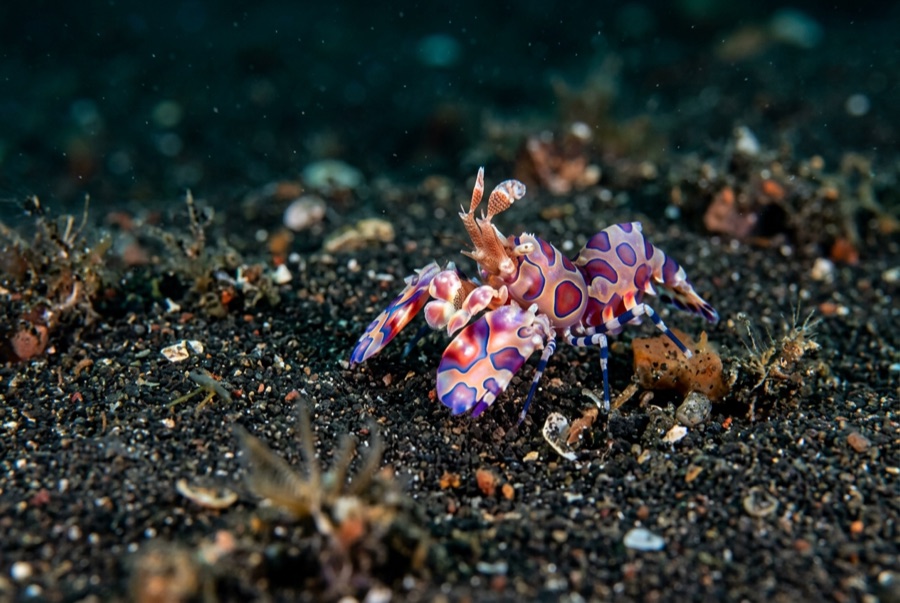
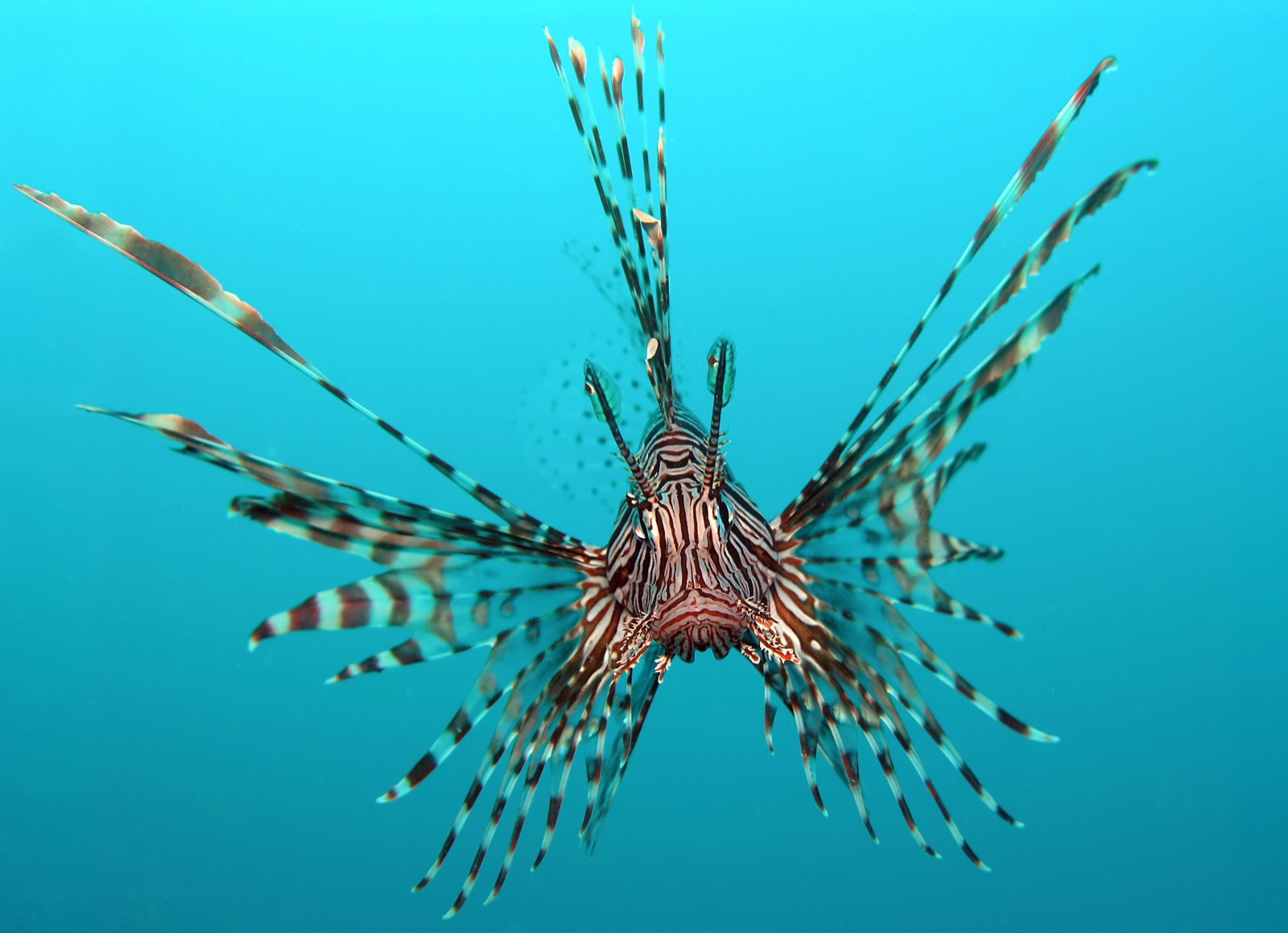
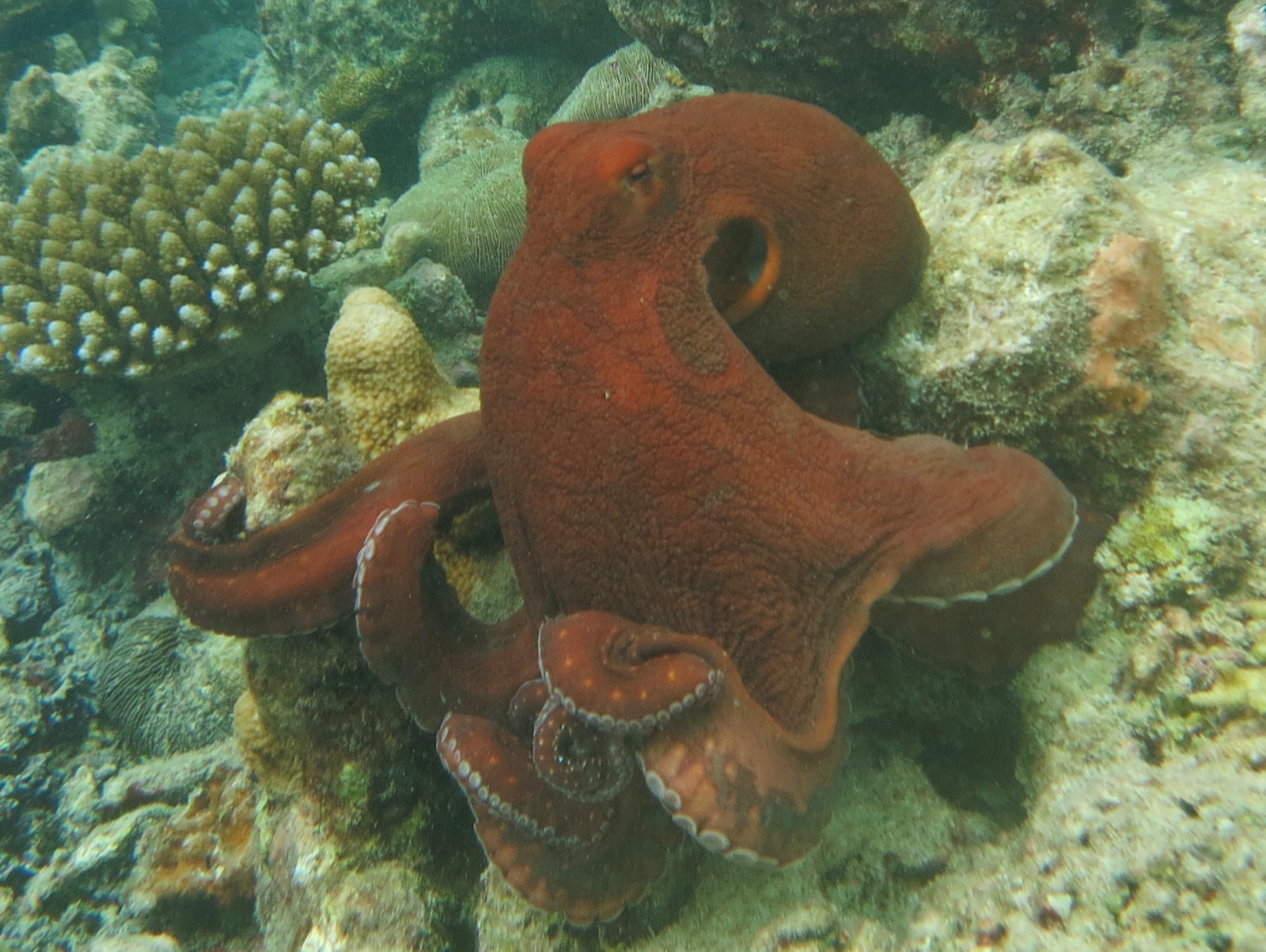
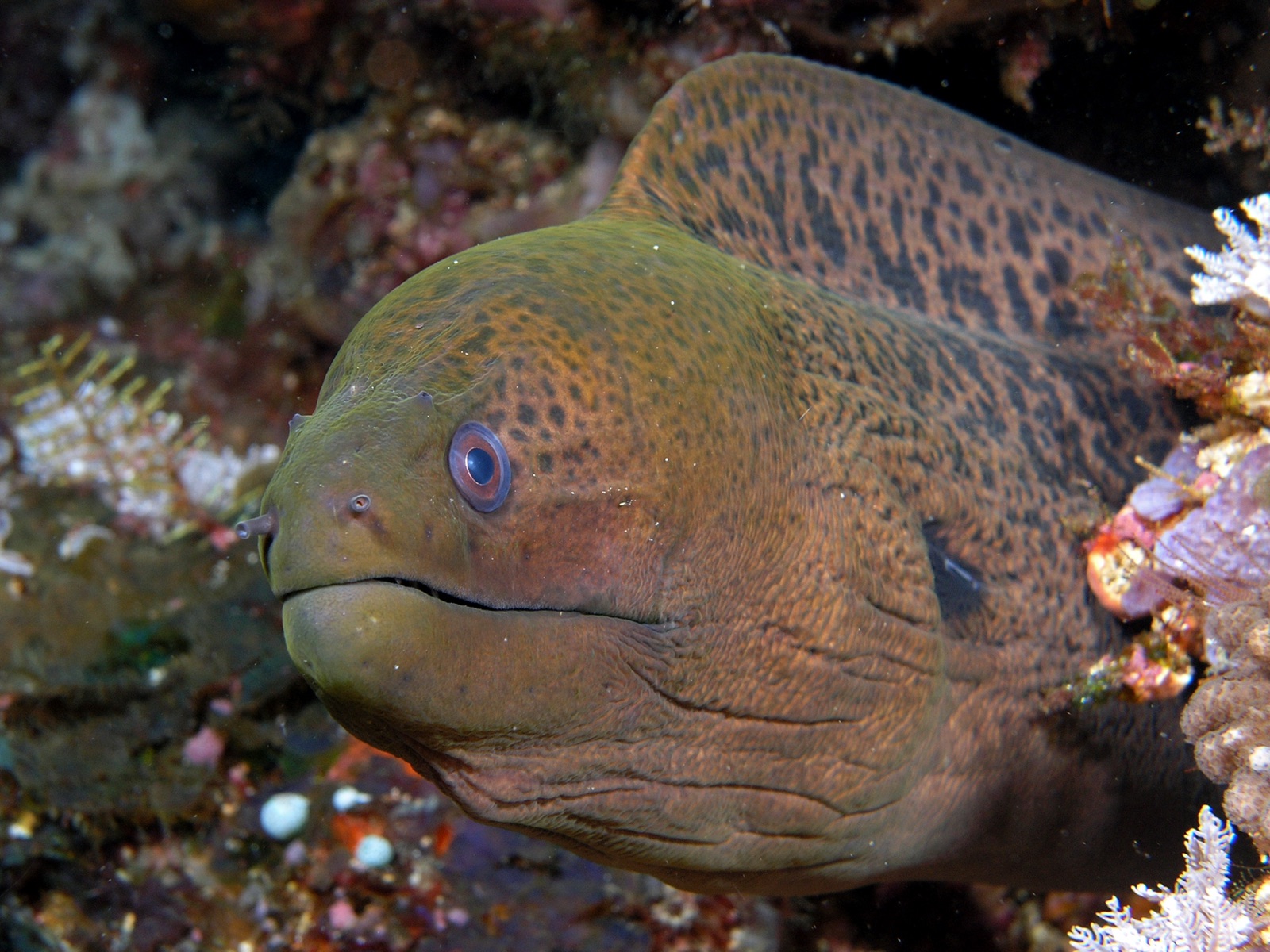
Rempart Serpent looks like nothing from above (a low, snaking ridge of dark rock on plain sand) and holds one of the Indian Ocean's strangest fish censuses. Scorpionfish carpet the stone in layered dozens, stonefish sulk in the depressions, lionfish of several species drift over the top, and morays thread the honeycomb below. Octopus and shrimp fill the gaps. Nothing here is fast and nothing is far; the skill is spotting the animal before your hand or knee finds it, which is why guides insist on hover-only diving. Photographers with macro lenses treat the ridge as a full-tank studio.
El momento por el que vienes: Extraordinary density of scorpionfish, stonefish, and morays on one small ridge
Topografía: Serpentine rock ridge winding across sand, little coral, endless holes
Corriente: A low ridge on open sand; conditions are usually calm, visibility modest.
Lo que debes saber antes de tirarte al agua
Riesgos: Venomous species everywhere and a 22-meter working depth that eats no-deco time.
Conservación: Never settle on the ridge: nearly every surface is a venomous fish or its home.
Nitrox: Vale la pena aquí: los perfiles están en el rango donde el nitrox amplía de forma significativa el tiempo sin parada (con la formación necesaria para usarlo).
A quién encontrarás
Lionfish
Common Reef (Day) Octopus
Giant Moray Eel
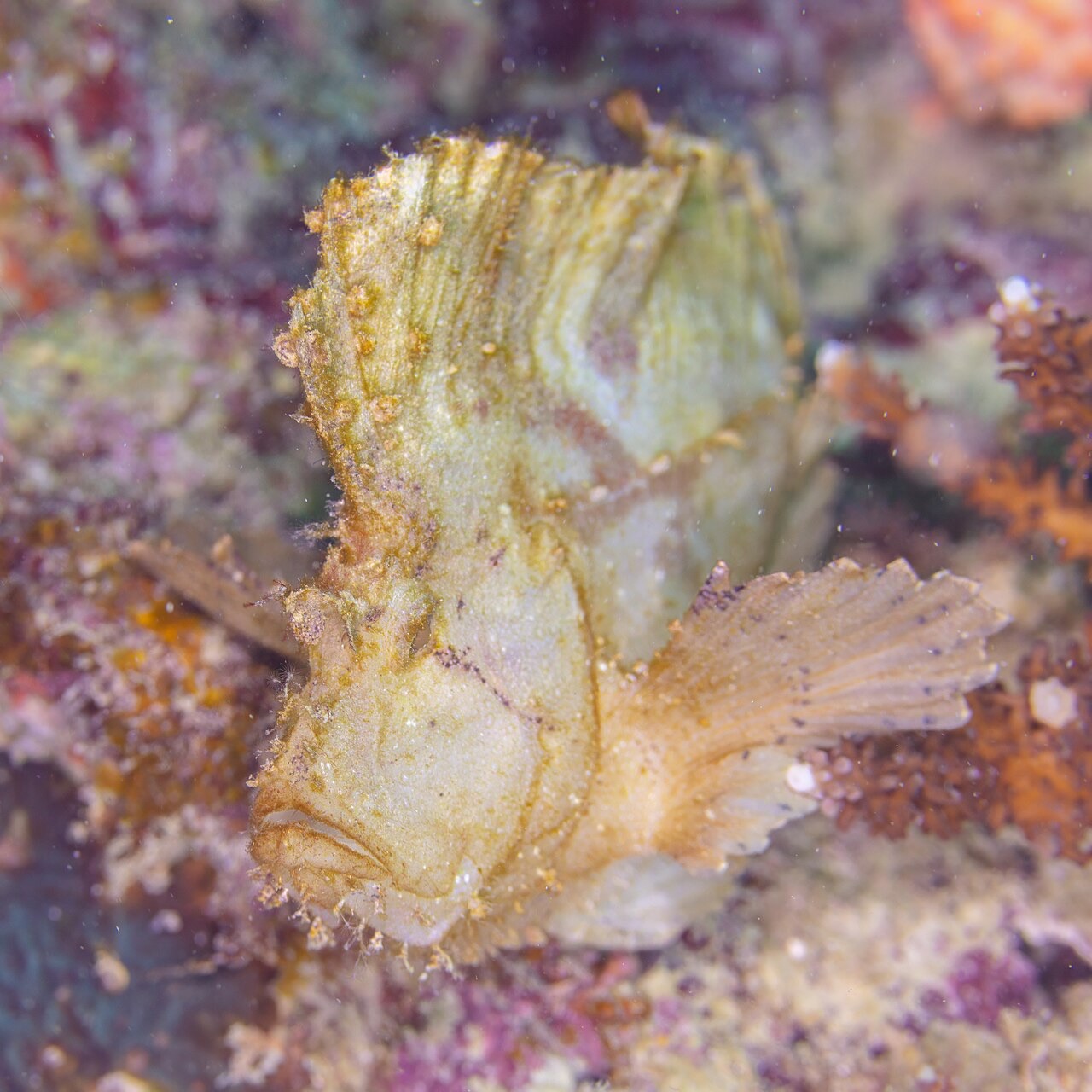
Leaf Scorpionfish
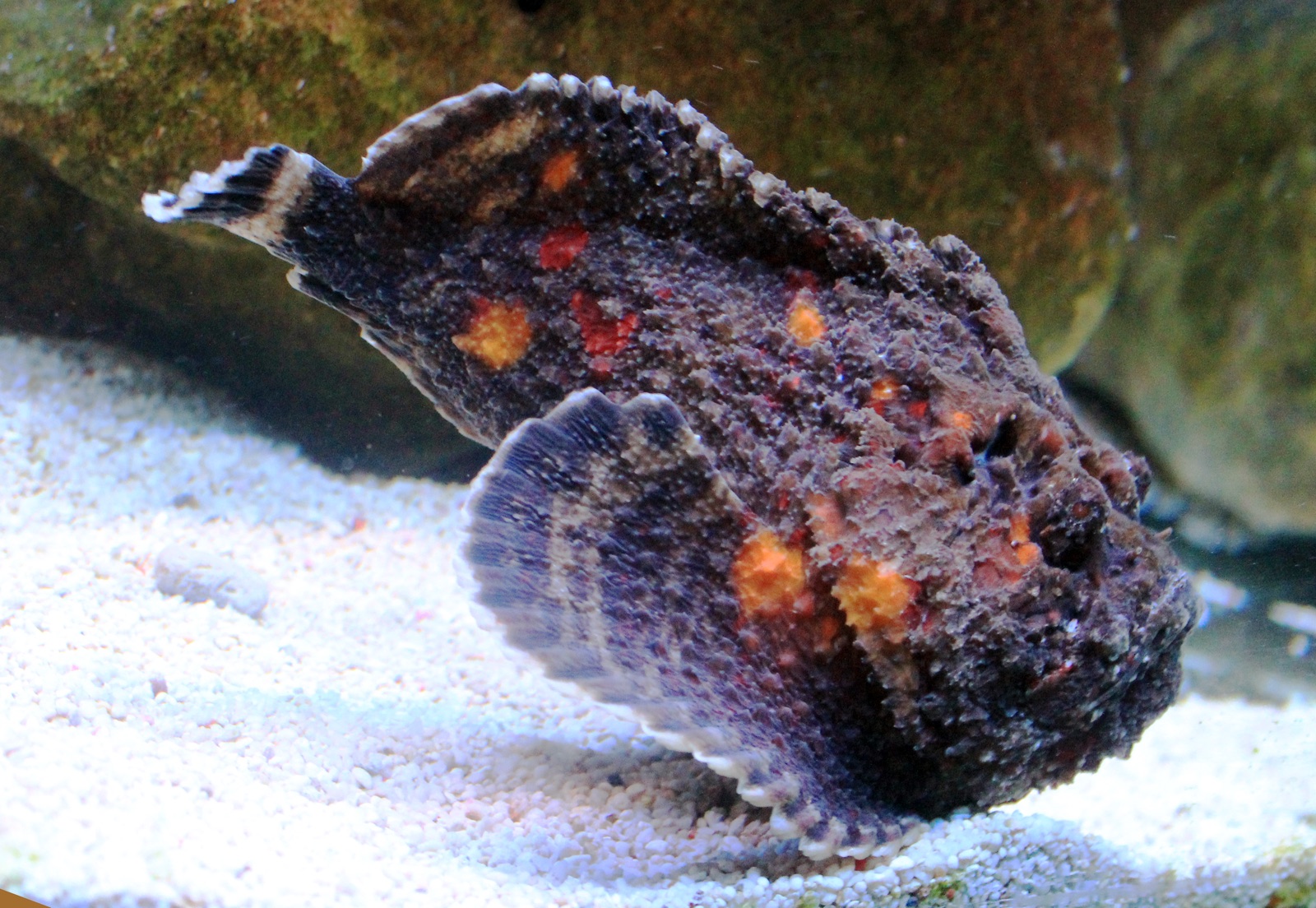
Reef Stonefish
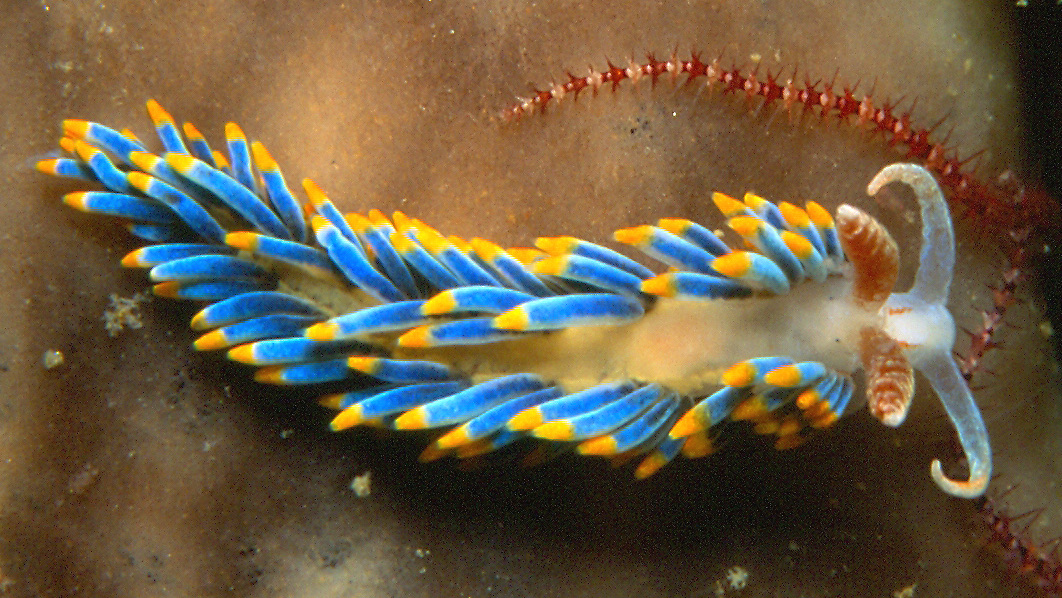
Nudibranchs
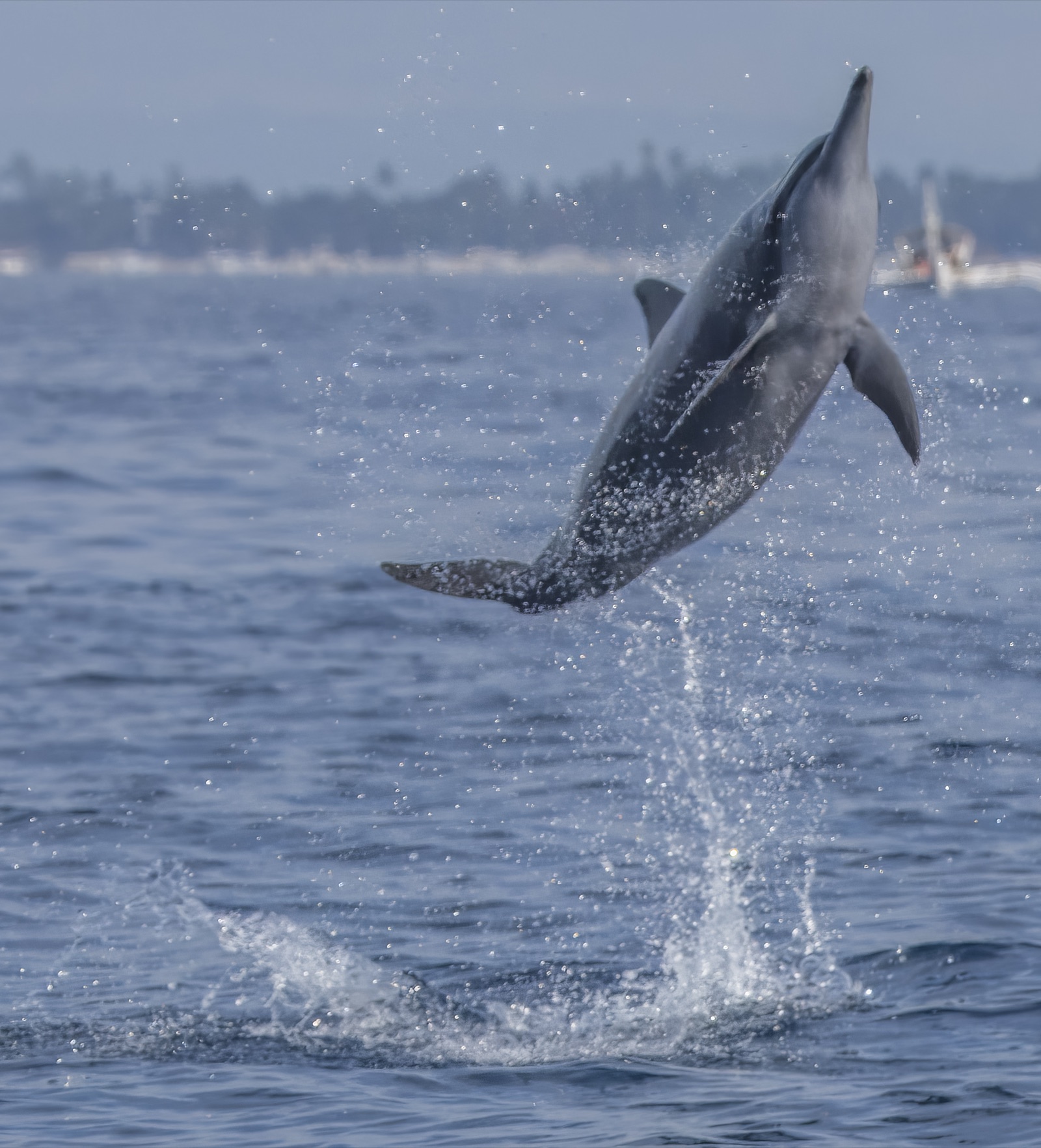
Spinner Dolphin
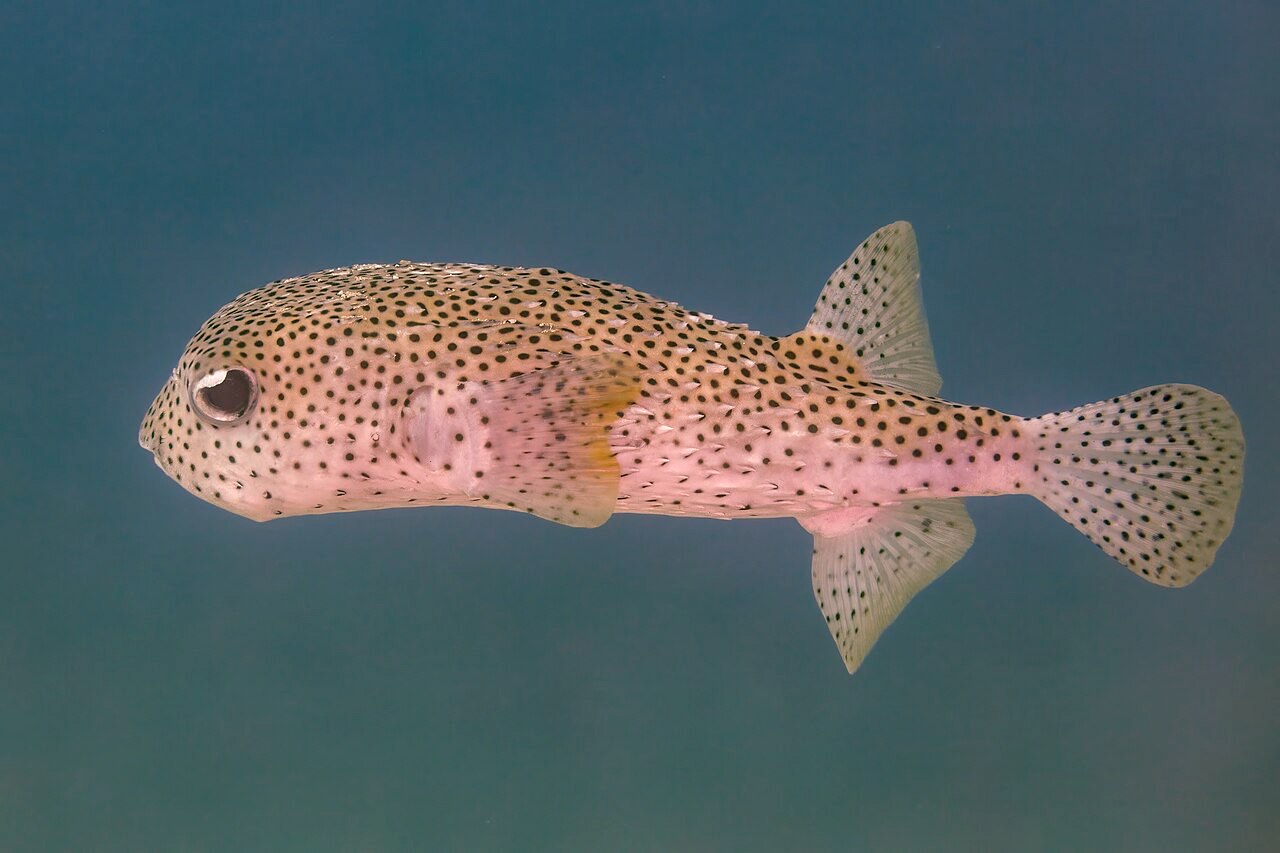
Porcupinefish
También registrado cerca
Las especies "aquí registradas" fueron añadidas por nuestros editores a partir de las fuentes de esta página. Los recuentos son registros de ocurrencia de GBIF: observaciones anotadas en un radio de unos 5 km de la posición registrada desde 1990, cotejadas únicamente con las especies de nuestro catálogo. Muestran lo que se ha avistado allí, no una garantía de lo que verás.
Para fotógrafos
Gran angular: ★★☆☆☆ · Macro: ★★★★★ (valoración de 1 a 5 de los editores sobre lo que ofrece este sitio para cada estilo de fotografía)