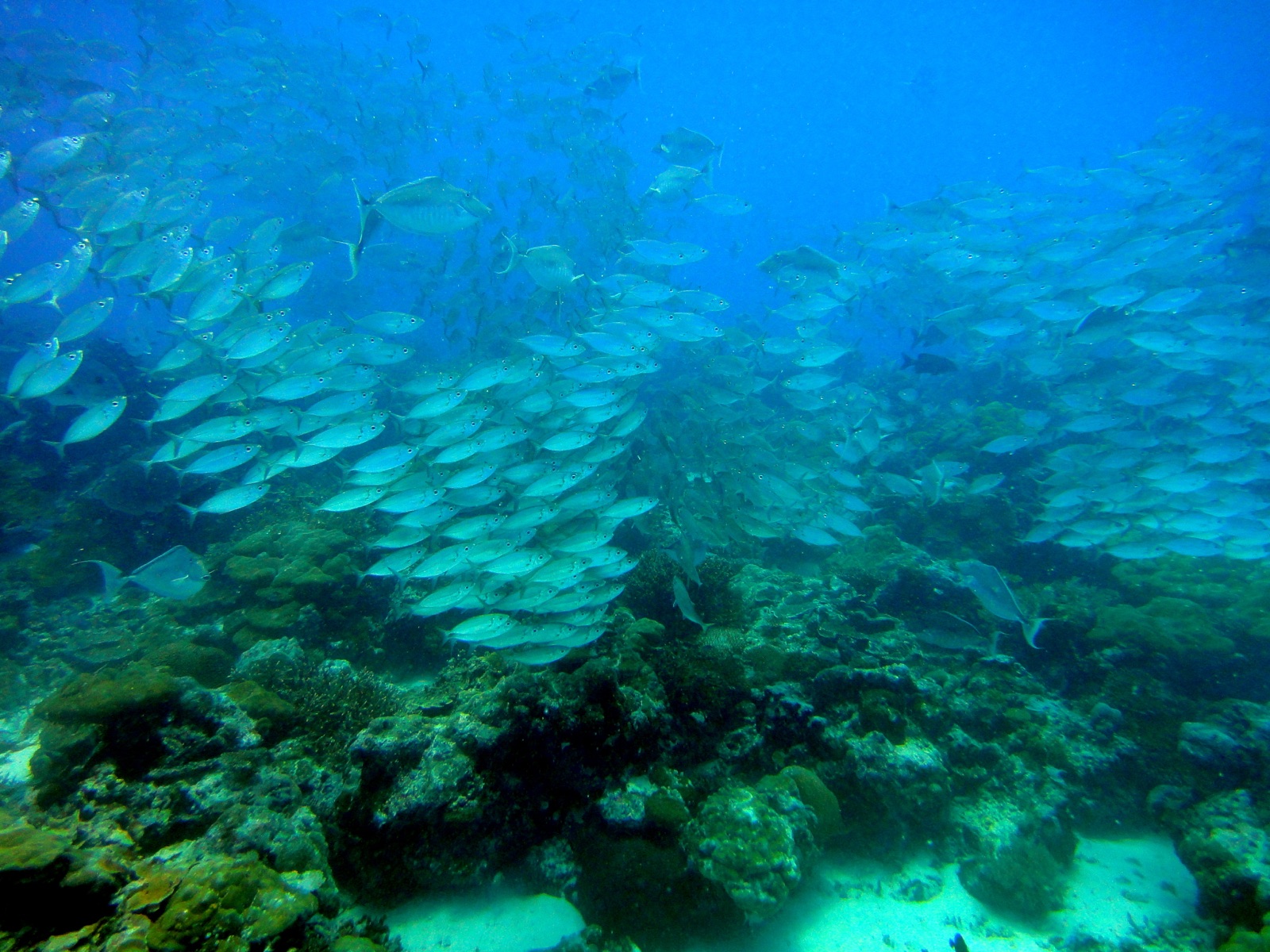
German Channel
Depth is the range from the top of the site to its usual maximum; "recommended cert" is the mainstream-agency level operators usually ask for, not a legal rule. Currents and visibility change daily, so treat everything here as planning ranges.
The German administration blasted this cut through Palau's barrier reef before WWI to shorten the phosphate route from Angaur, and the ocean has been improving it ever since. Tidal water moving through the channel concentrates plankton at the seaward mouth, and reef mantas commute in to feed and to hover over coral-head cleaning stations while wrasses work their gills. Divers settle low on the sand at a respectful distance and wait; on good days mantas circle for an entire dive, with gray reef sharks and garden eels as supporting cast.
The moment you come for: Reef mantas at cleaning stations, best from about December to March; shark traffic in the channel mouth; snapper and barracuda on the tide.
Topography: White-sand channel floor flanked by coral slopes and scattered bommies
Current: Tidal flow through the dredged cut; outgoing water carries lagoon murk, so trips are timed for the cleaner phases.
Entry: Dives set up on the seaward mouth of the channel, usually around cleaning stations on the sand.
Know before you splash
Hazards: Boat traffic transiting the channel; reduced visibility on the outgoing tide; long shallow swims if the mantas move.
Conservation: Kneel only on bare sand, never on the cleaning stations, and let mantas control the distance: chasing ends the encounter for every boat present.
Nitrox: Worth it here: profiles sit in the range where enriched air meaningfully extends no-stop time (with the training to use it).
Who you'll meet
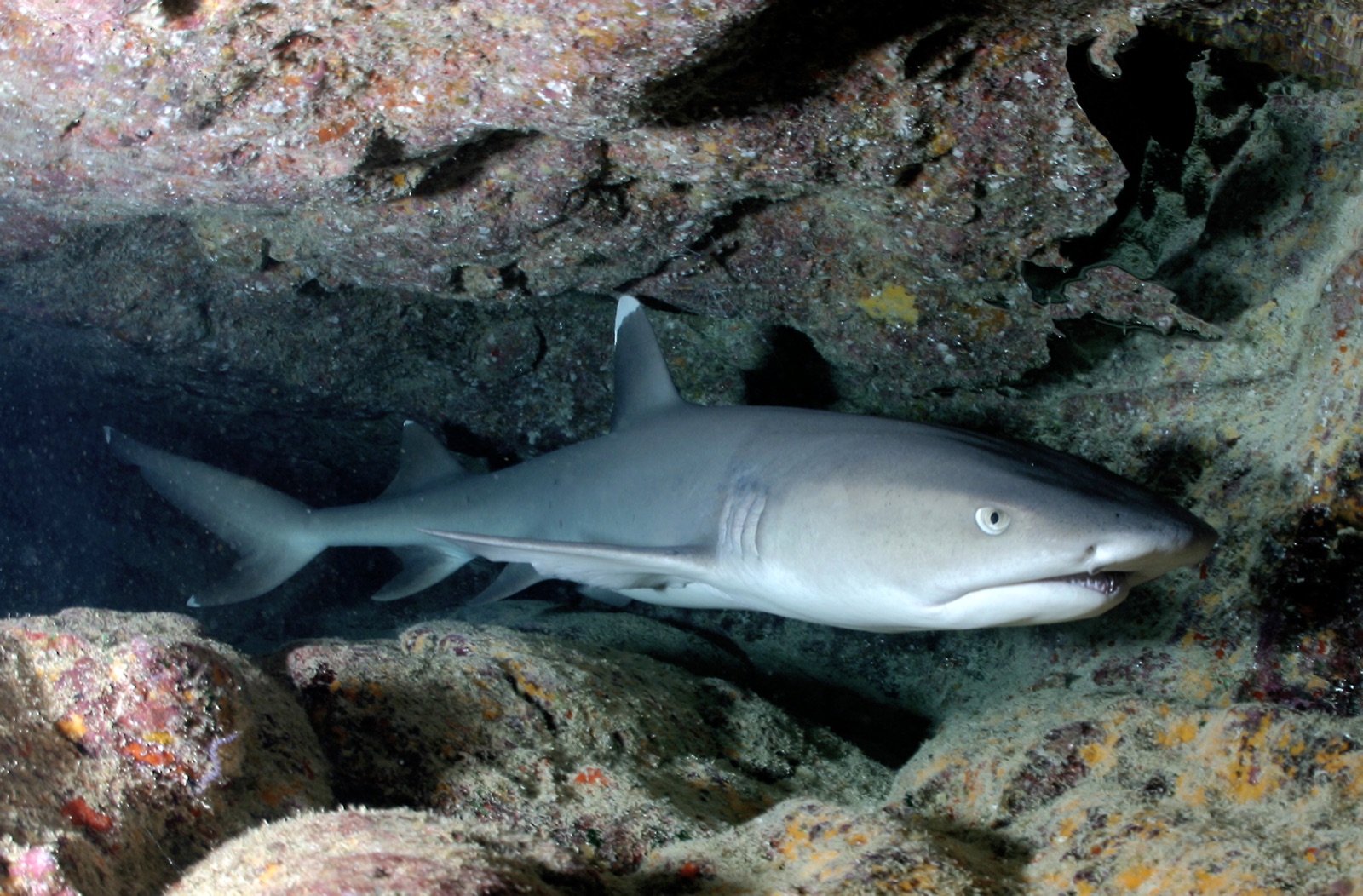
Whitetip Reef Shark
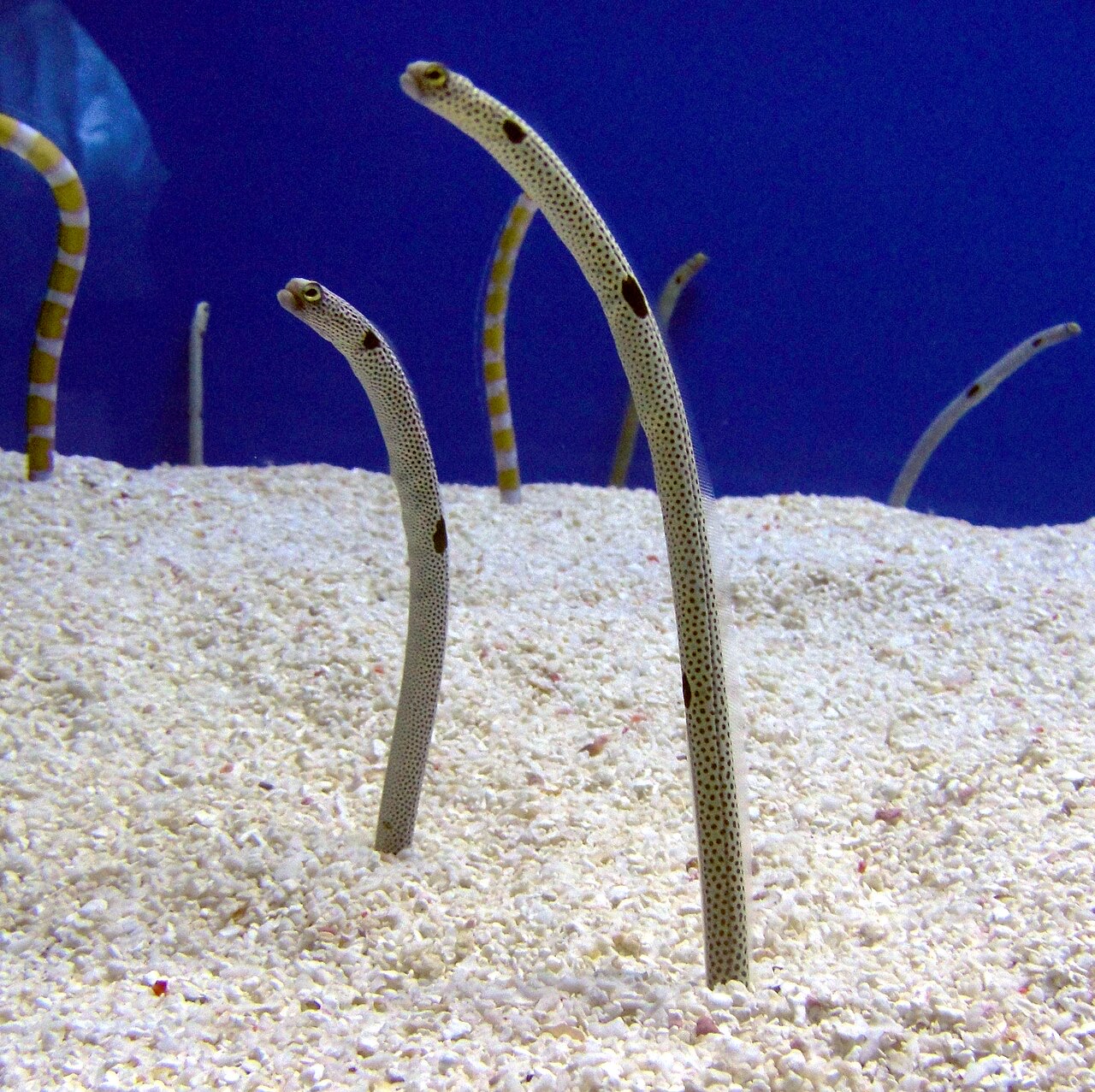
Garden Eel
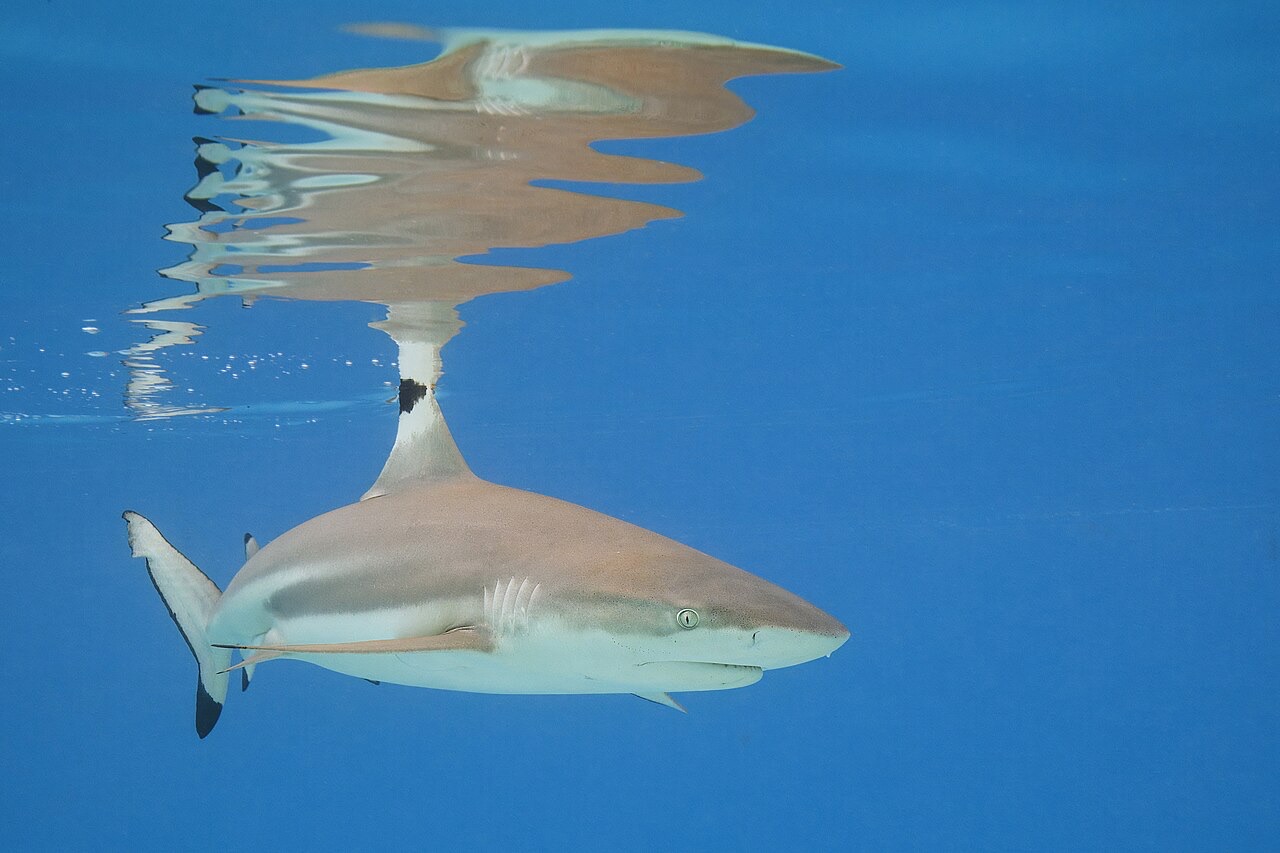
Blacktip Reef Shark
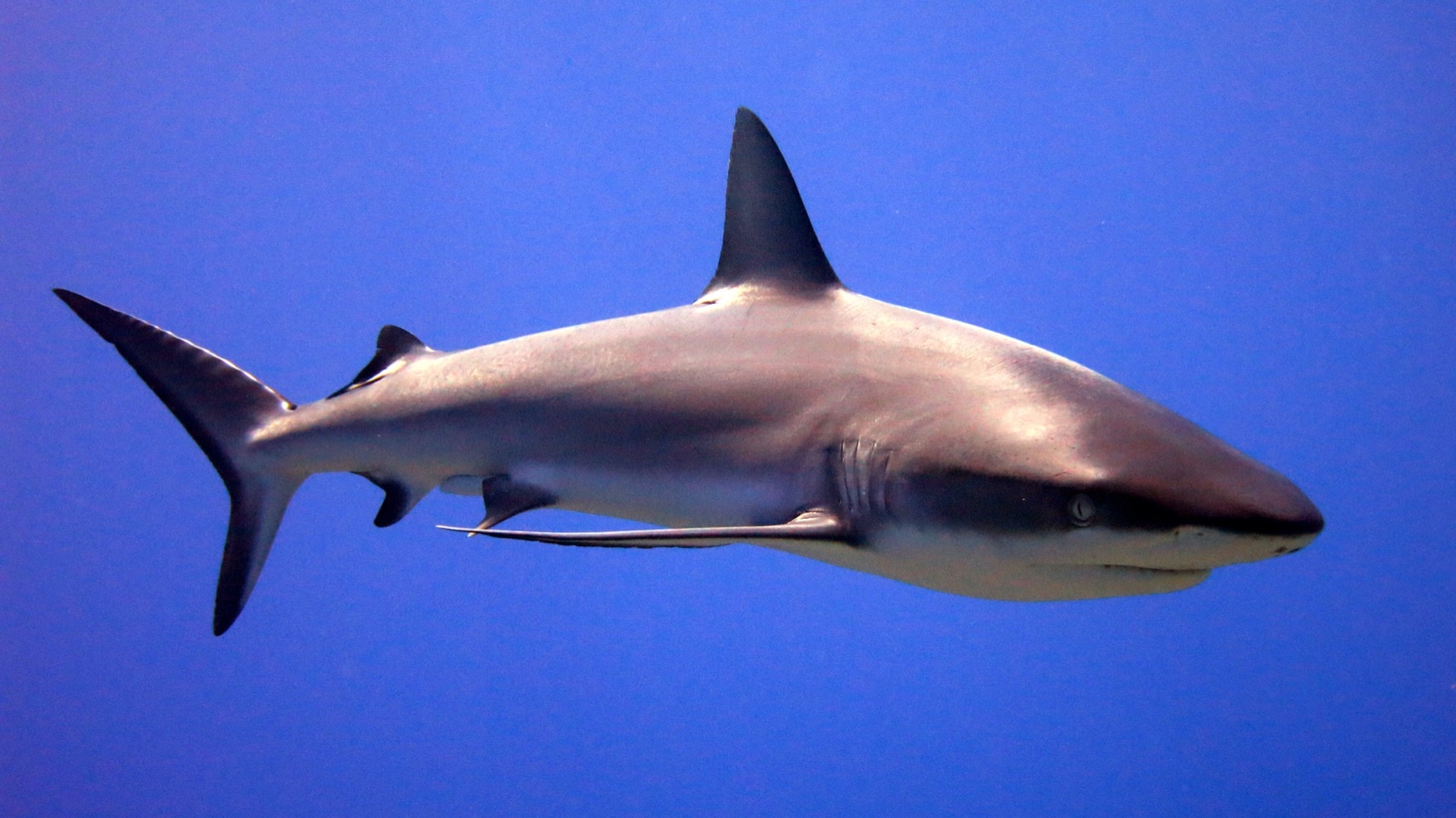
Grey Reef Shark
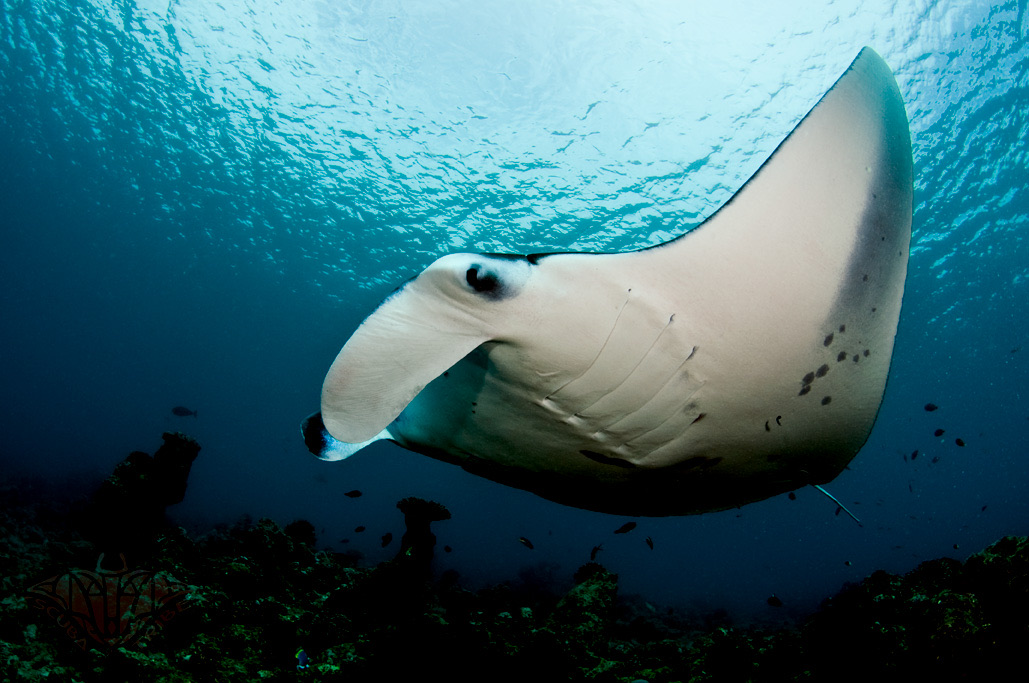
Reef Manta Ray
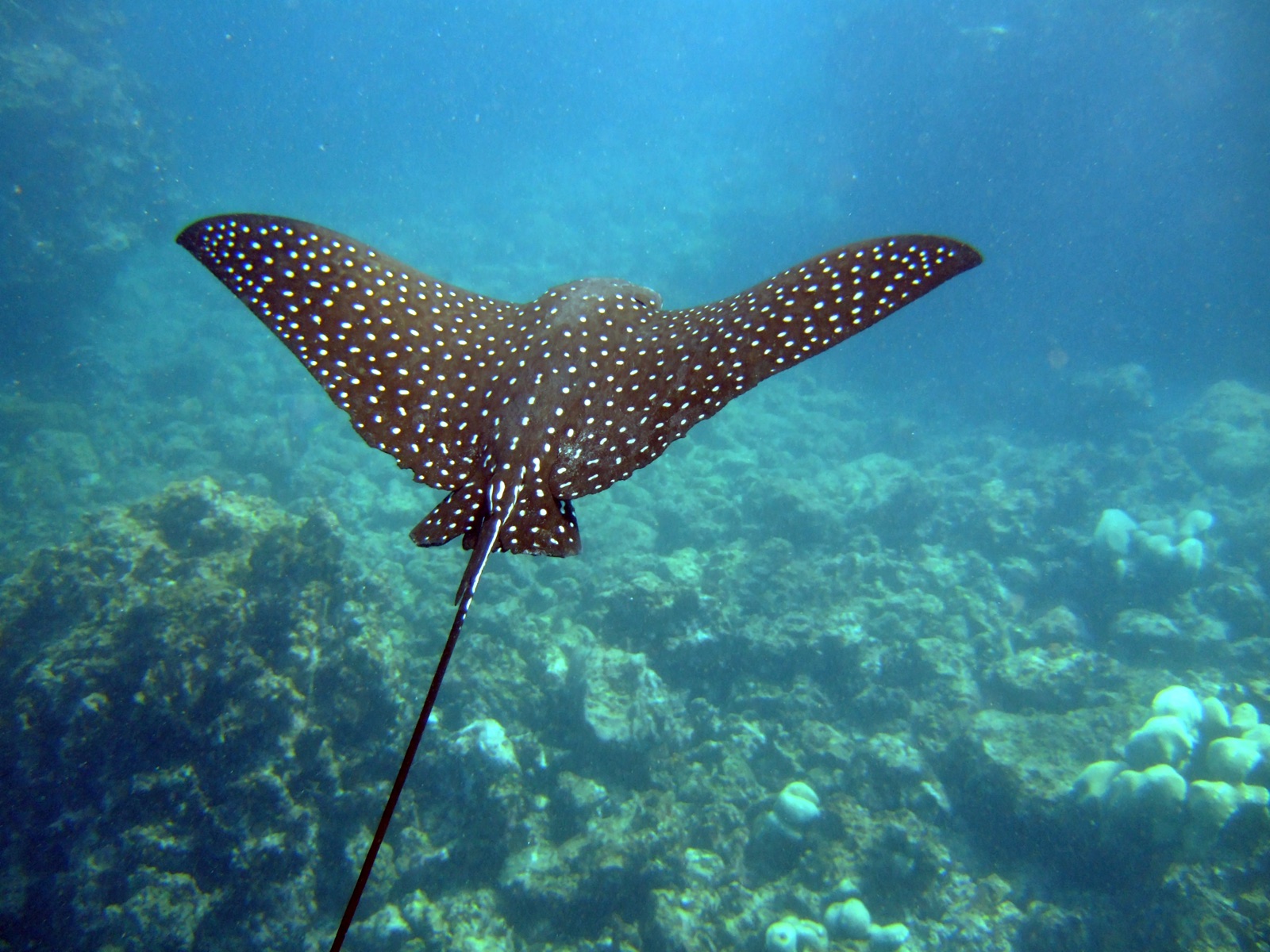
Spotted Eagle Ray
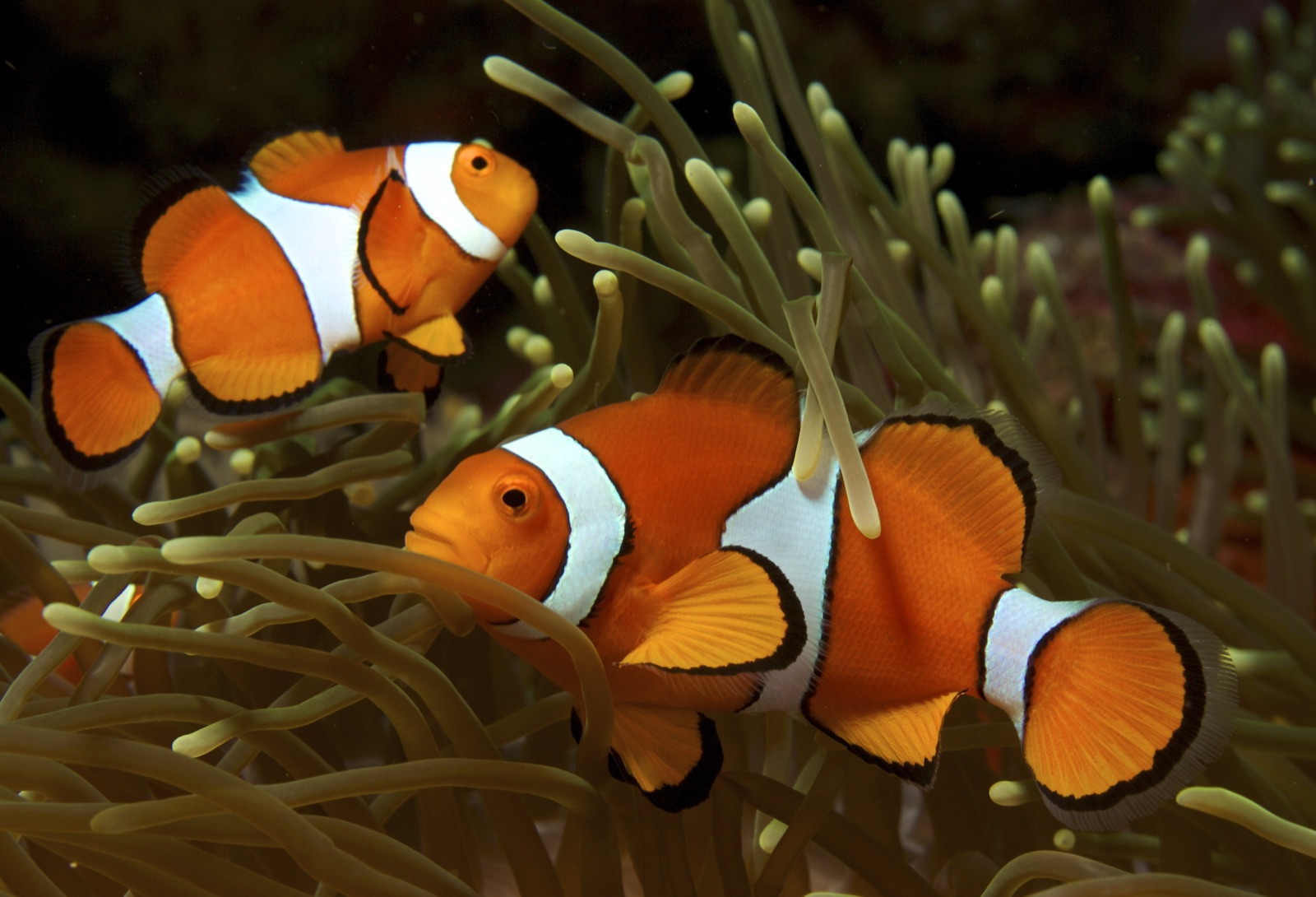
Clownfish & Anemonefish
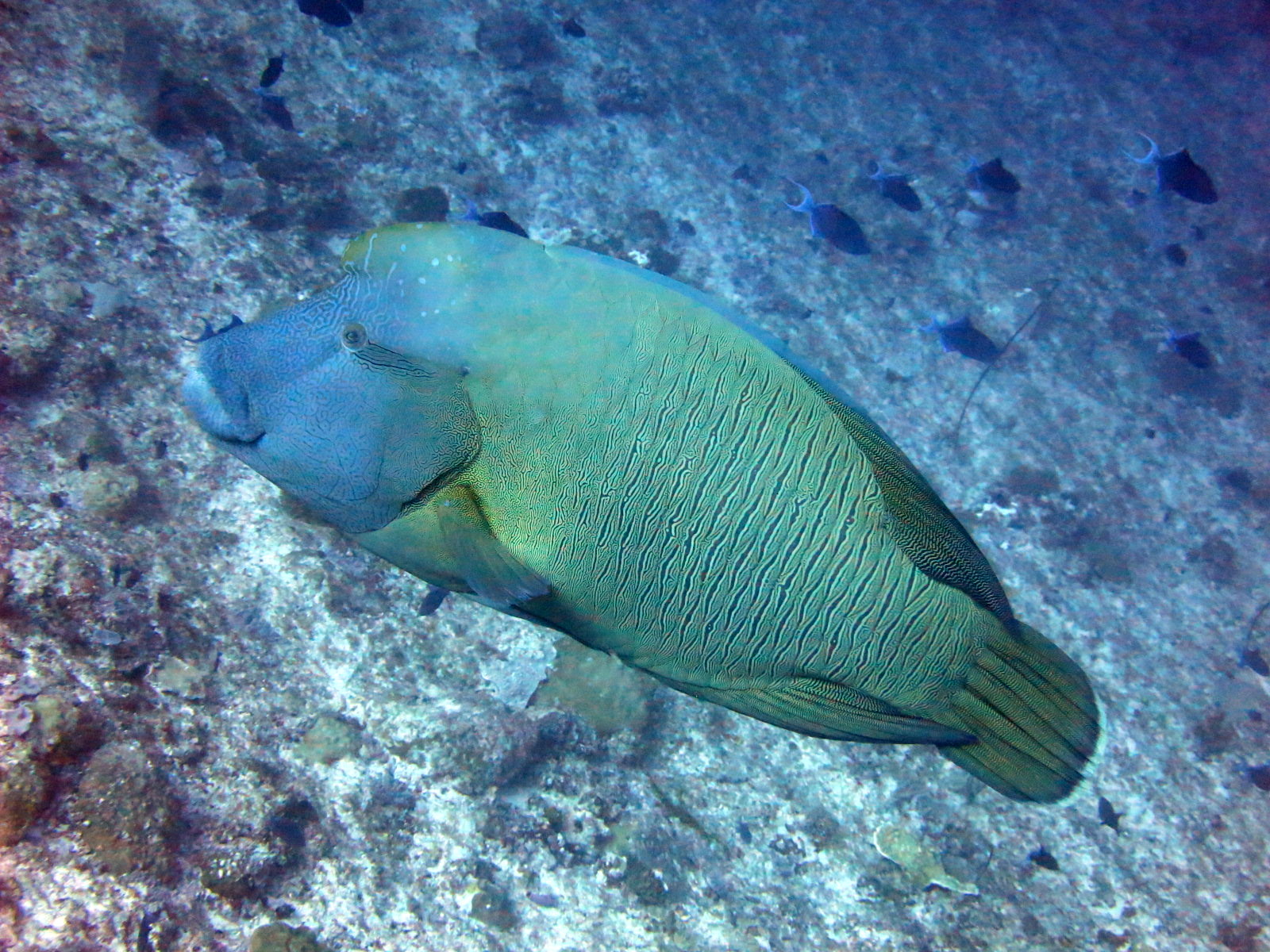
Napoleon (Humphead) Wrasse
Also recorded nearby
"Charted here" species were listed by our editors from the sources on this page. Counts are GBIF occurrence records: observations logged within about 5 km of the charted position since 1990, matched only against the species in our catalogue. They show what has been seen there, not a promise of what you will see.
For photographers
Wide angle: ★★★★★ · Macro: ★★☆☆☆ (editors' 1–5 rating of what this site gives each style of shooting)