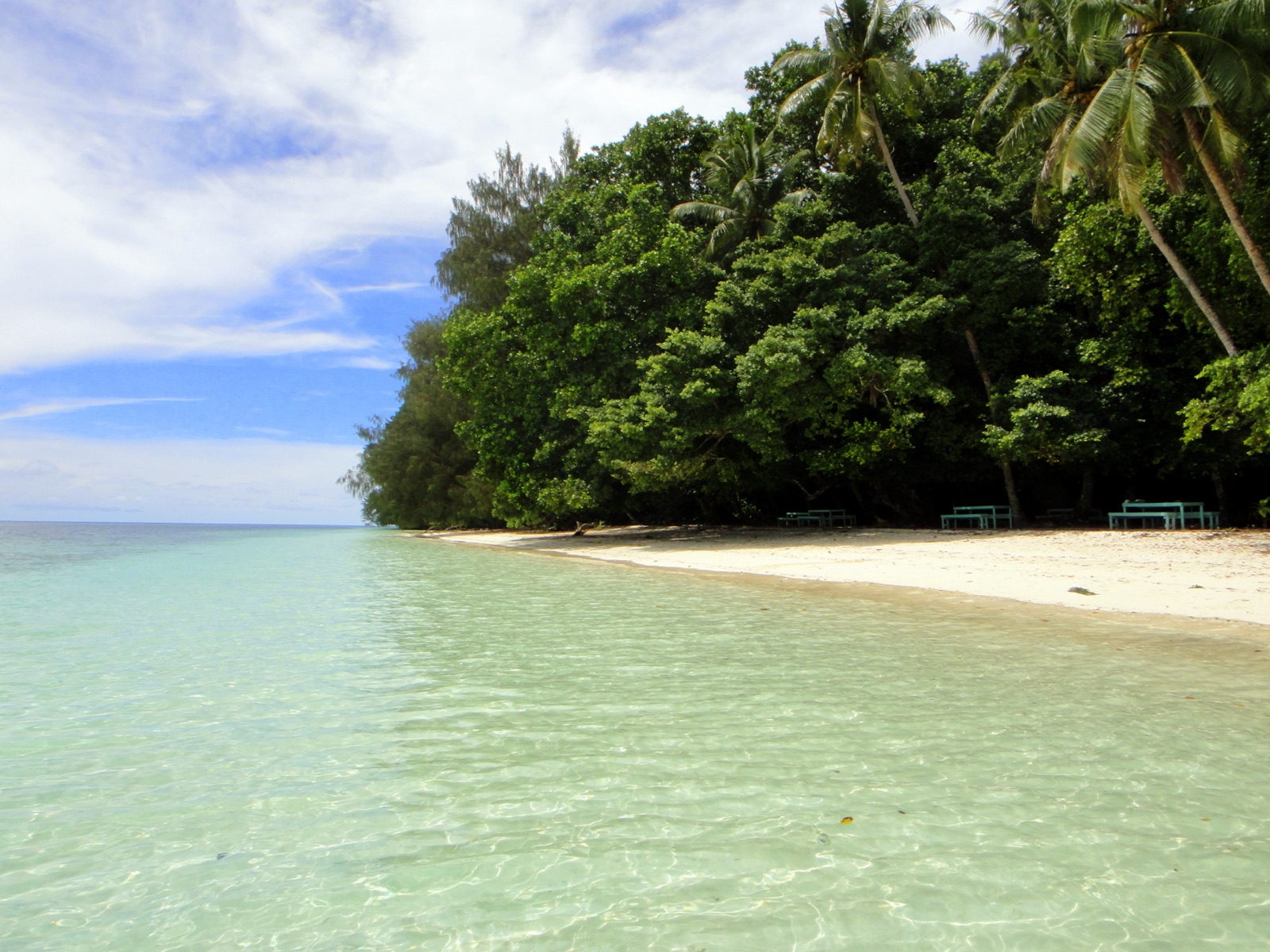
Ulong Channel
Depth is the range from the top of the site to its usual maximum; "recommended cert" is the mainstream-agency level operators usually ask for, not a legal rule. Currents and visibility change daily, so treat everything here as planning ranges.
Ulong is Palau's best ride: a natural channel through the western barrier reef that turns the incoming tide into a conveyor. The dive starts hooked in at the mouth, gray reef and whitetip sharks patrolling the gate, then becomes a low-level flight past giant clams, groupers, and one of the Pacific's largest unbroken cabbage-coral formations. Around the mid-year new moons, camouflage groupers mass here to spawn and the channel briefly fills with expectation and sharks. The exit shallows onto a bright sand flat where the current finally lets go.
The moment you come for: The lettuce-coral bank; shark line at the entrance; grouper spawning aggregations around June–July new moons.
Topography: Sand-floored natural channel between coral walls, with a famous stand of lettuce coral partway down
Current: Incoming tide gives a fast, clean ride; the entrance can run hard enough to make hooks mandatory.
Entry: Hook in at the seaward entrance to watch the parade, then release and fly the channel on the incoming tide.
Know before you splash
Hazards: Fast current with fixed obstacles; keep the group in line and watch for titan triggerfish nests in season.
Conservation: The coral formations sit within easy fin-strike range in fast water: trim tight and touch nothing.
Nitrox: Worth it here: profiles sit in the range where enriched air meaningfully extends no-stop time (with the training to use it).
Who you'll meet
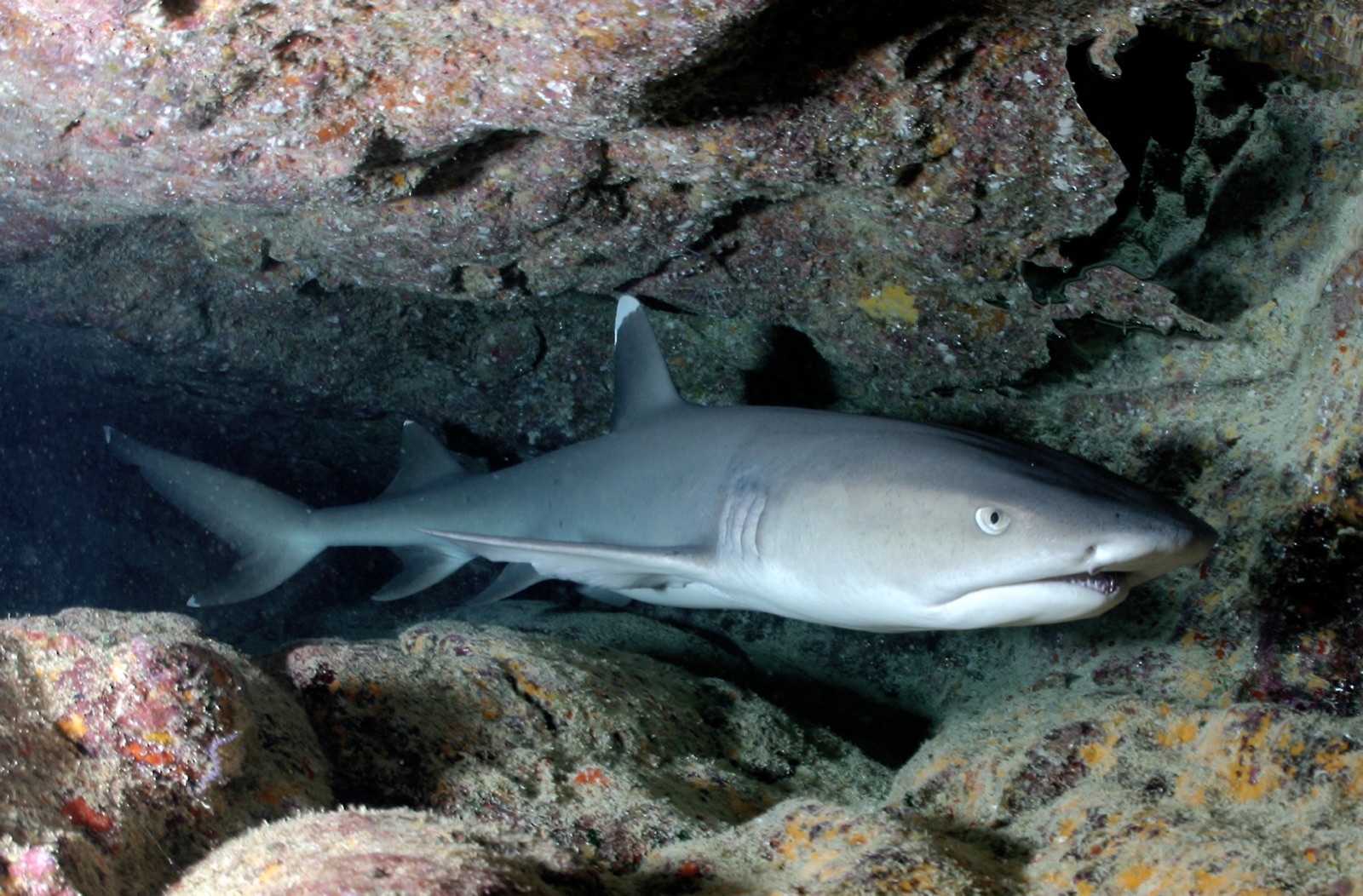
Whitetip Reef Shark
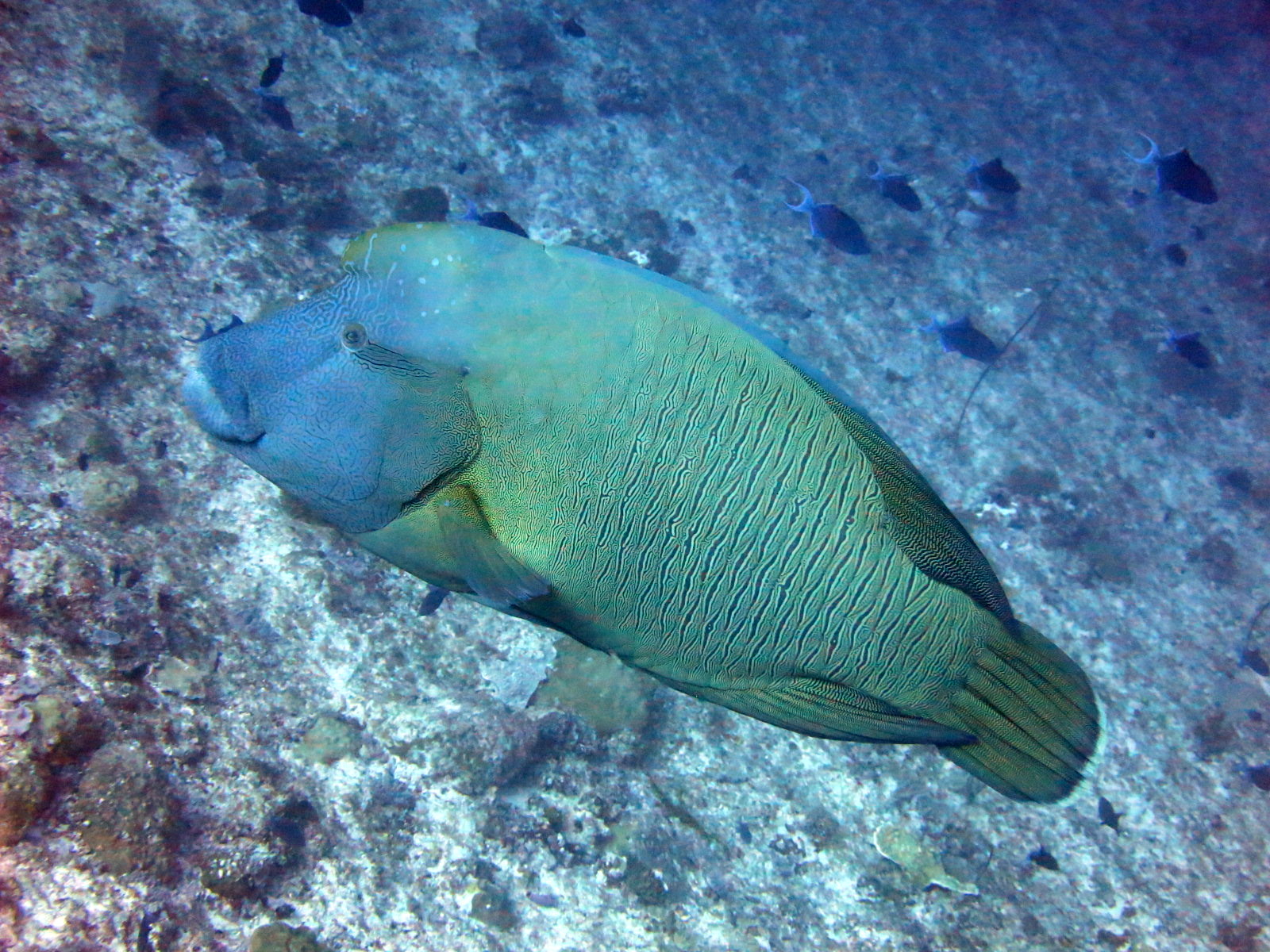
Napoleon (Humphead) Wrasse
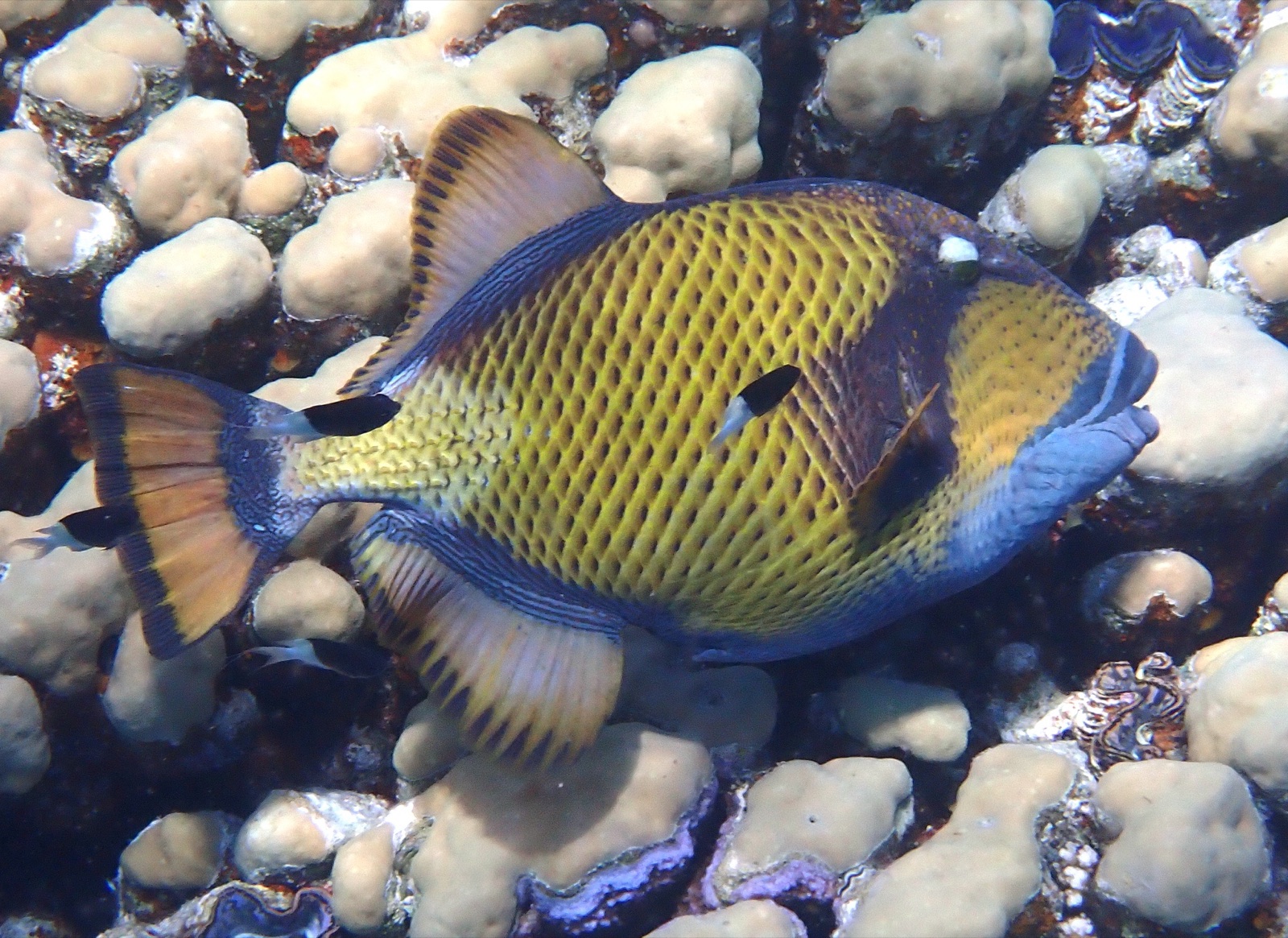
Titan Triggerfish
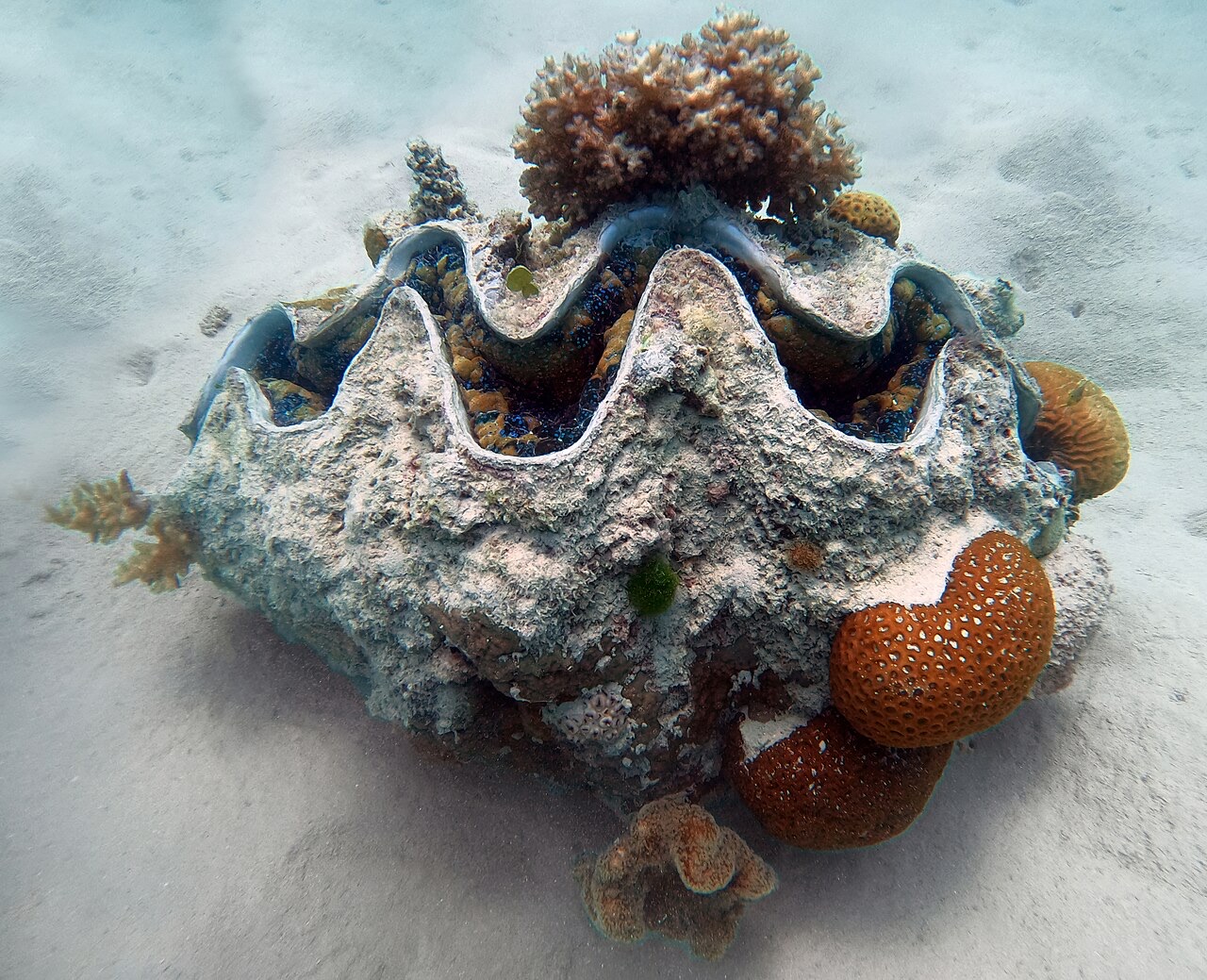
Giant Clam
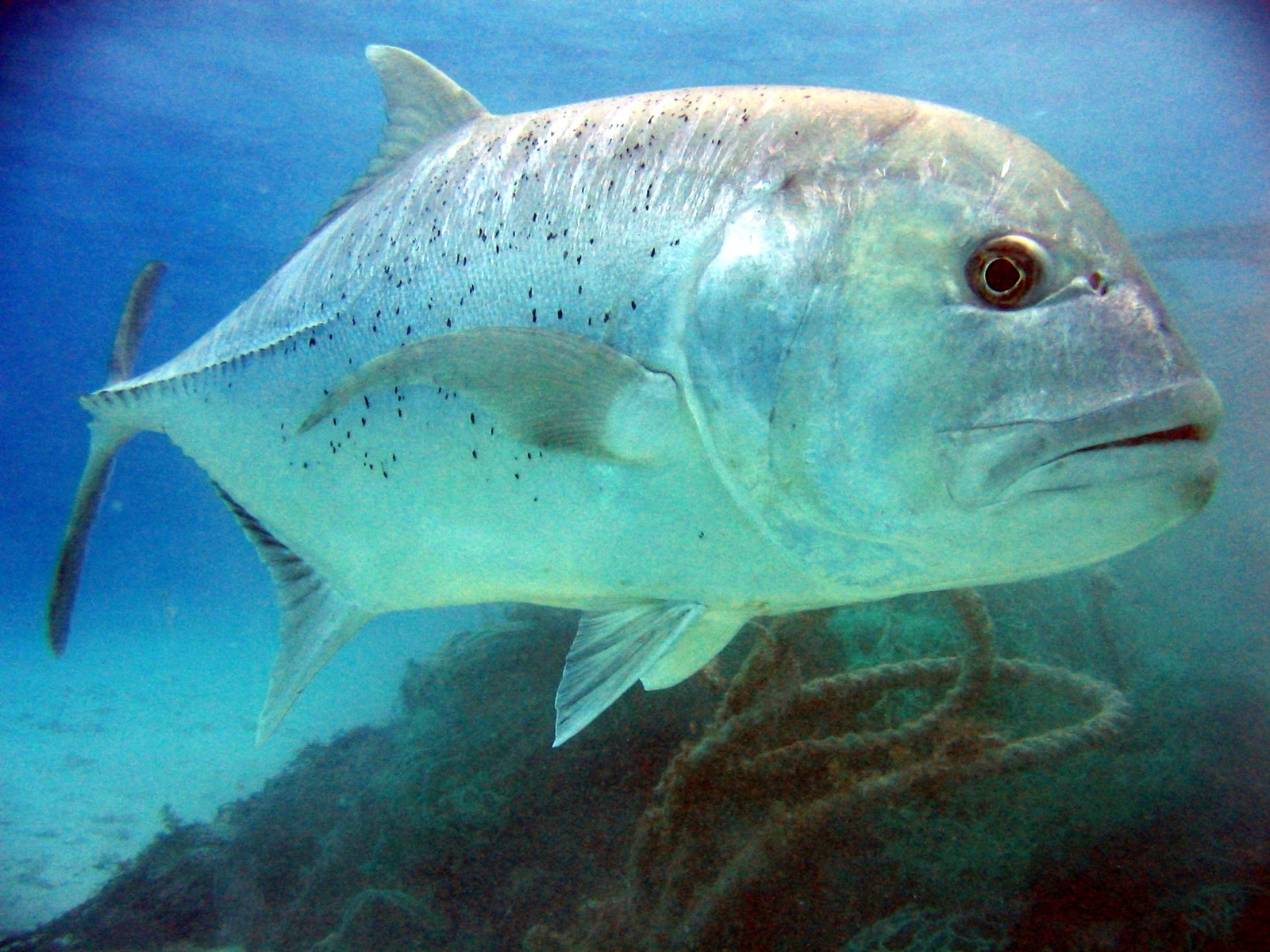
Giant Trevally
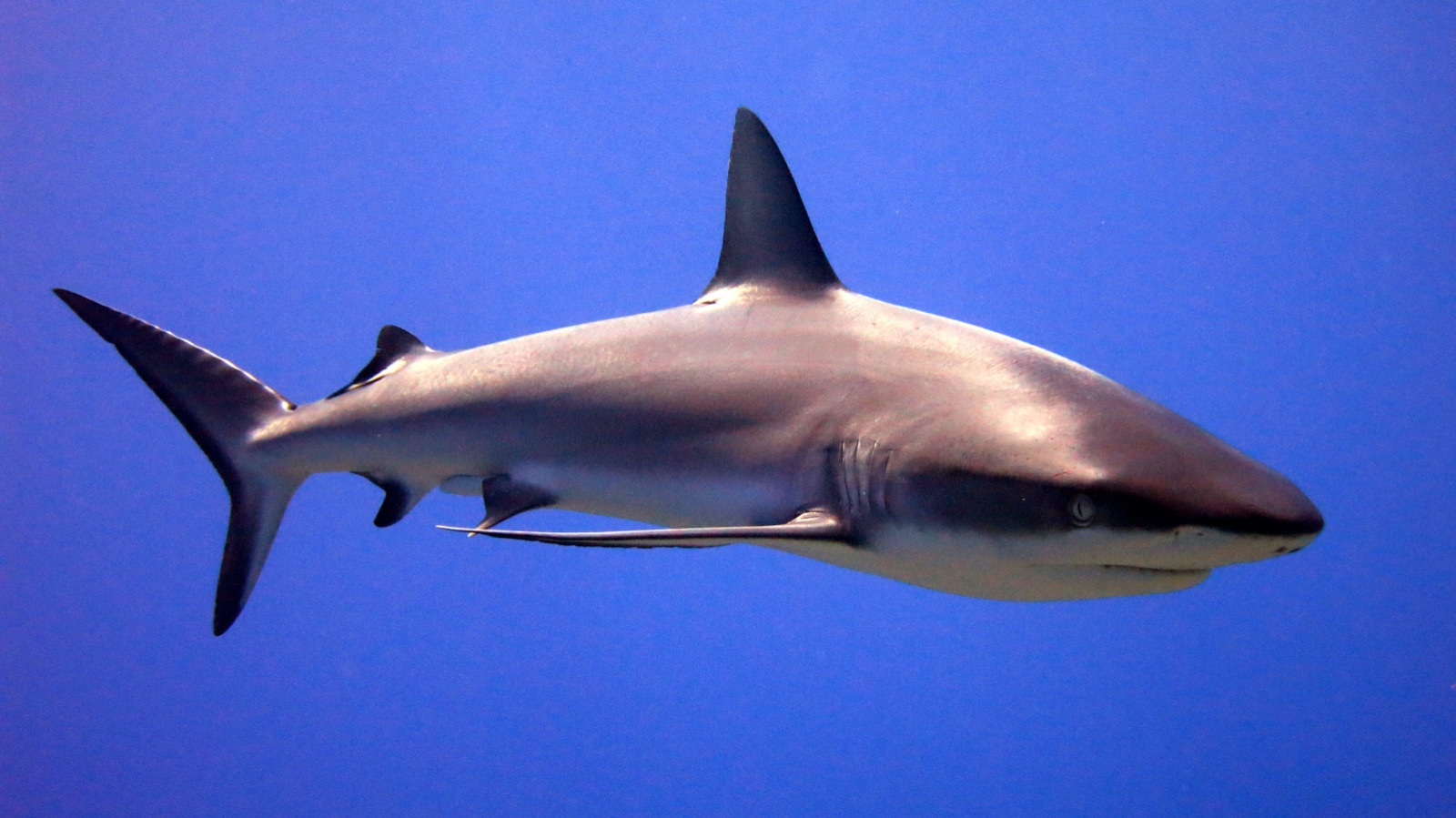
Grey Reef Shark
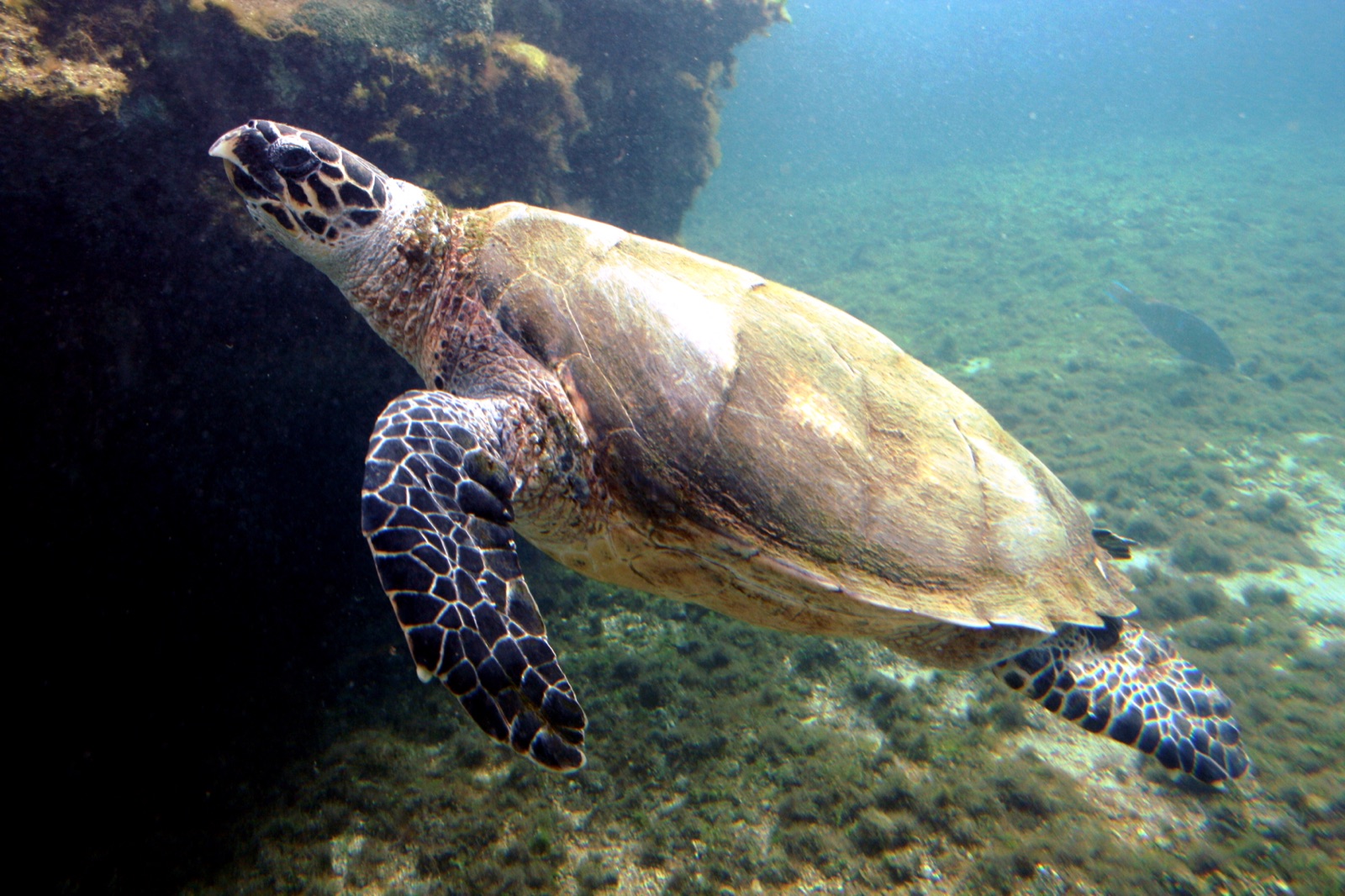
Hawksbill Turtle
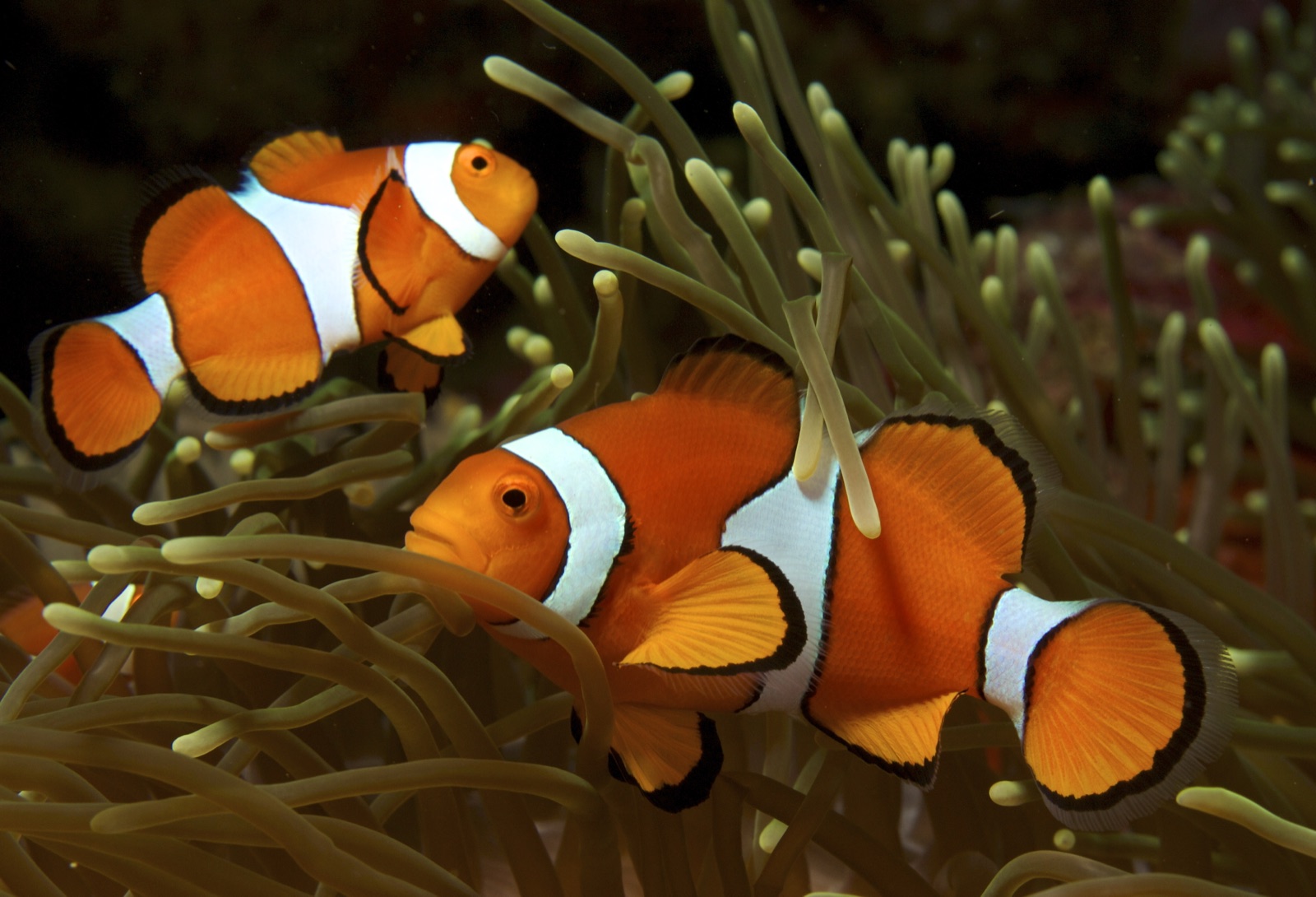
Clownfish & Anemonefish
Also recorded nearby
"Charted here" species were listed by our editors from the sources on this page. Counts are GBIF occurrence records: observations logged within about 5 km of the charted position since 1990, matched only against the species in our catalogue. They show what has been seen there, not a promise of what you will see.
For photographers
Wide angle: ★★★★★ · Macro: ★★☆☆☆ (editors' 1–5 rating of what this site gives each style of shooting)