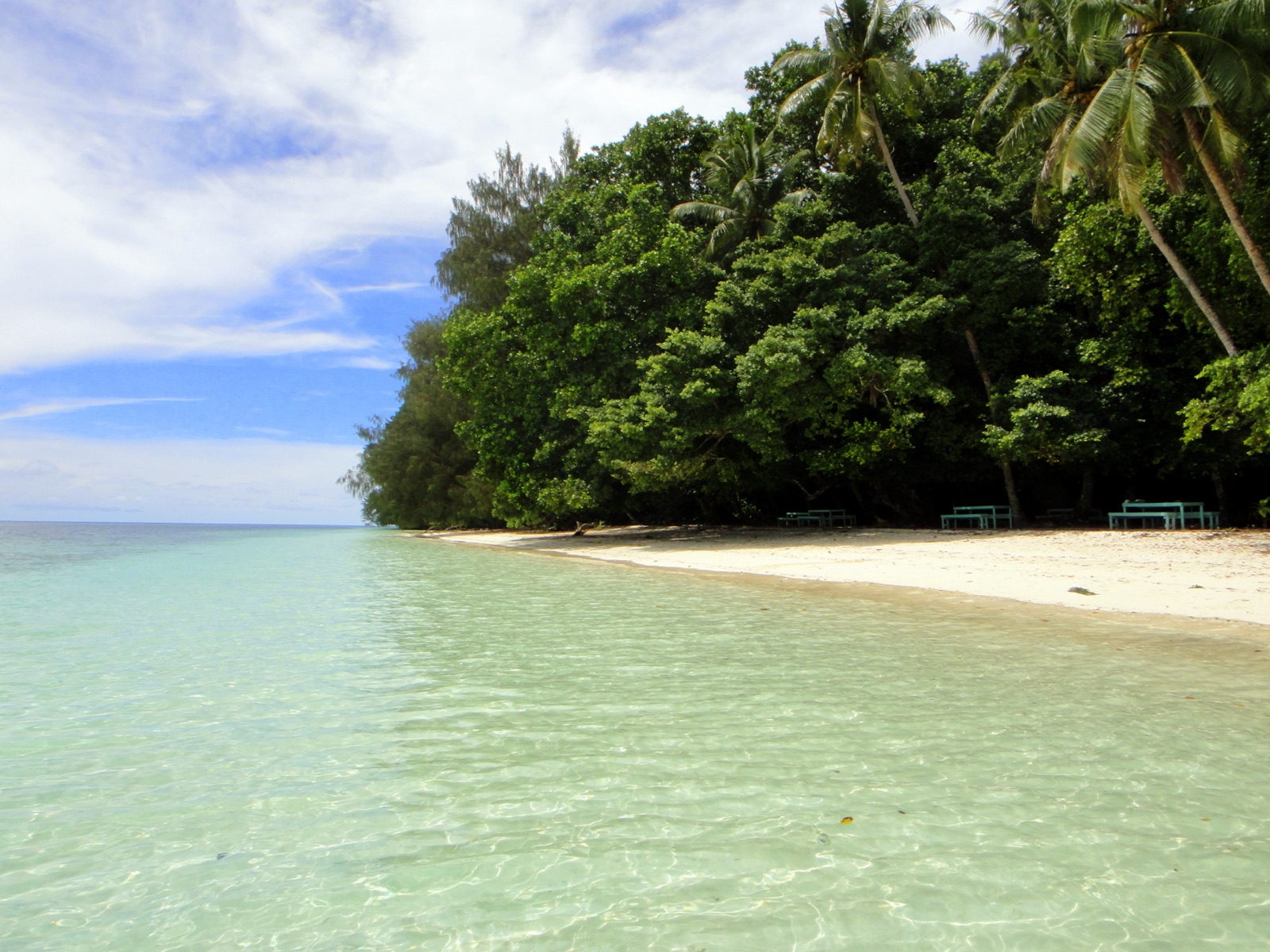
Ulong Channel
La profondeur correspond à la plage allant du sommet du site jusqu'à son maximum habituel ; le « niveau recommandé » est le niveau demandé en général par les opérateurs auprès des grandes agences, pas une règle légale. Les courants et la visibilité varient chaque jour, traitez donc tout cela comme des plages indicatives de planification.
Ulong is Palau's best ride: a natural channel through the western barrier reef that turns the incoming tide into a conveyor. The dive starts hooked in at the mouth, gray reef and whitetip sharks patrolling the gate, then becomes a low-level flight past giant clams, groupers, and one of the Pacific's largest unbroken cabbage-coral formations. Around the mid-year new moons, camouflage groupers mass here to spawn and the channel briefly fills with expectation and sharks. The exit shallows onto a bright sand flat where the current finally lets go.
Le moment pour lequel vous venez: The lettuce-coral bank; shark line at the entrance; grouper spawning aggregations around June–July new moons.
Topographie: Sand-floored natural channel between coral walls, with a famous stand of lettuce coral partway down
Courant: Incoming tide gives a fast, clean ride; the entrance can run hard enough to make hooks mandatory.
Entrée: Hook in at the seaward entrance to watch the parade, then release and fly the channel on the incoming tide.
À savoir avant de plonger
Dangers: Fast current with fixed obstacles; keep the group in line and watch for titan triggerfish nests in season.
Conservation: The coral formations sit within easy fin-strike range in fast water: trim tight and touch nothing.
Nitrox: Pertinent ici : les profils se situent dans la plage où le nitrox prolonge significativement le temps sans palier (avec la formation pour l'utiliser).
Qui vous croiserez
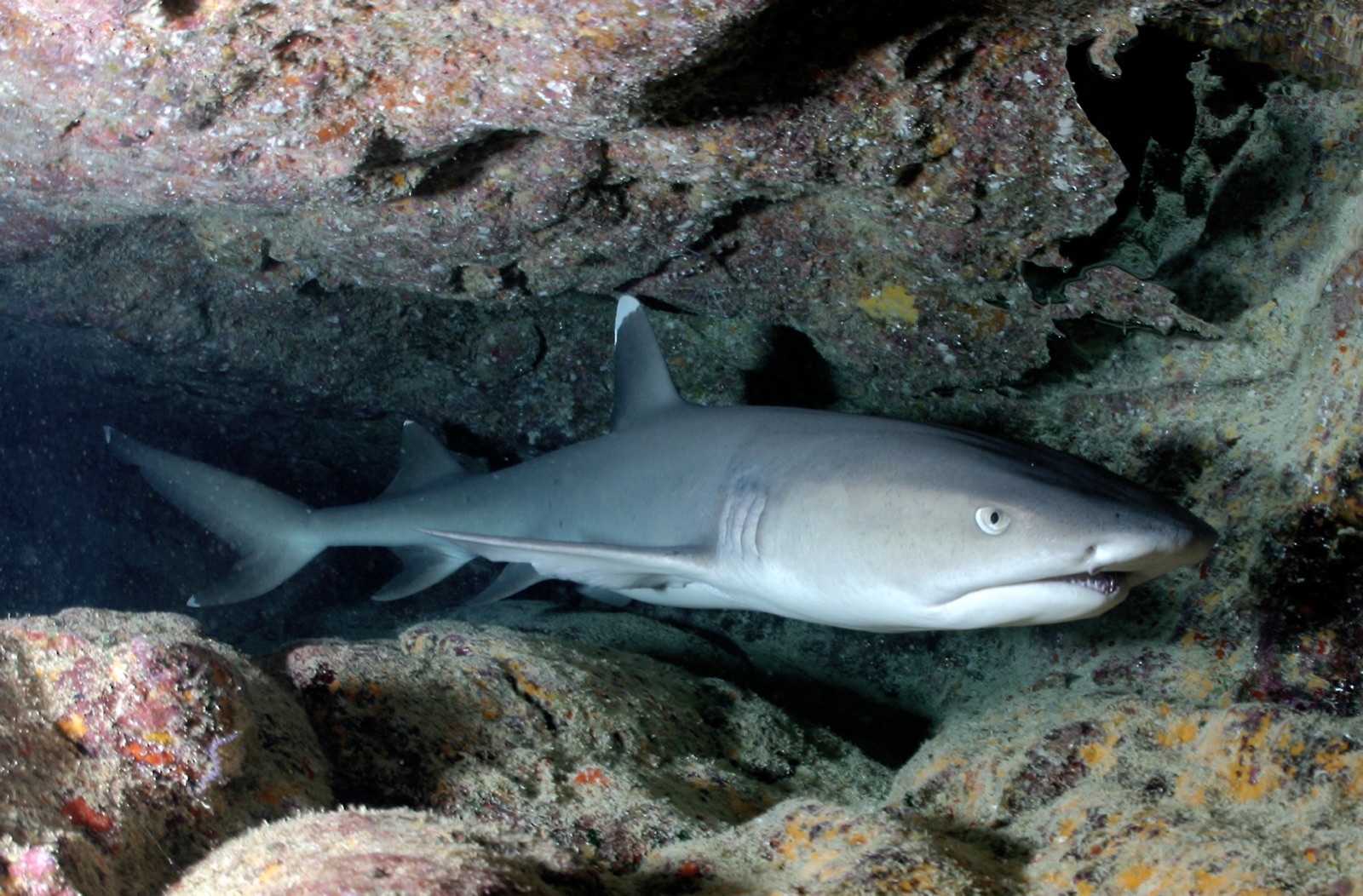
Whitetip Reef Shark
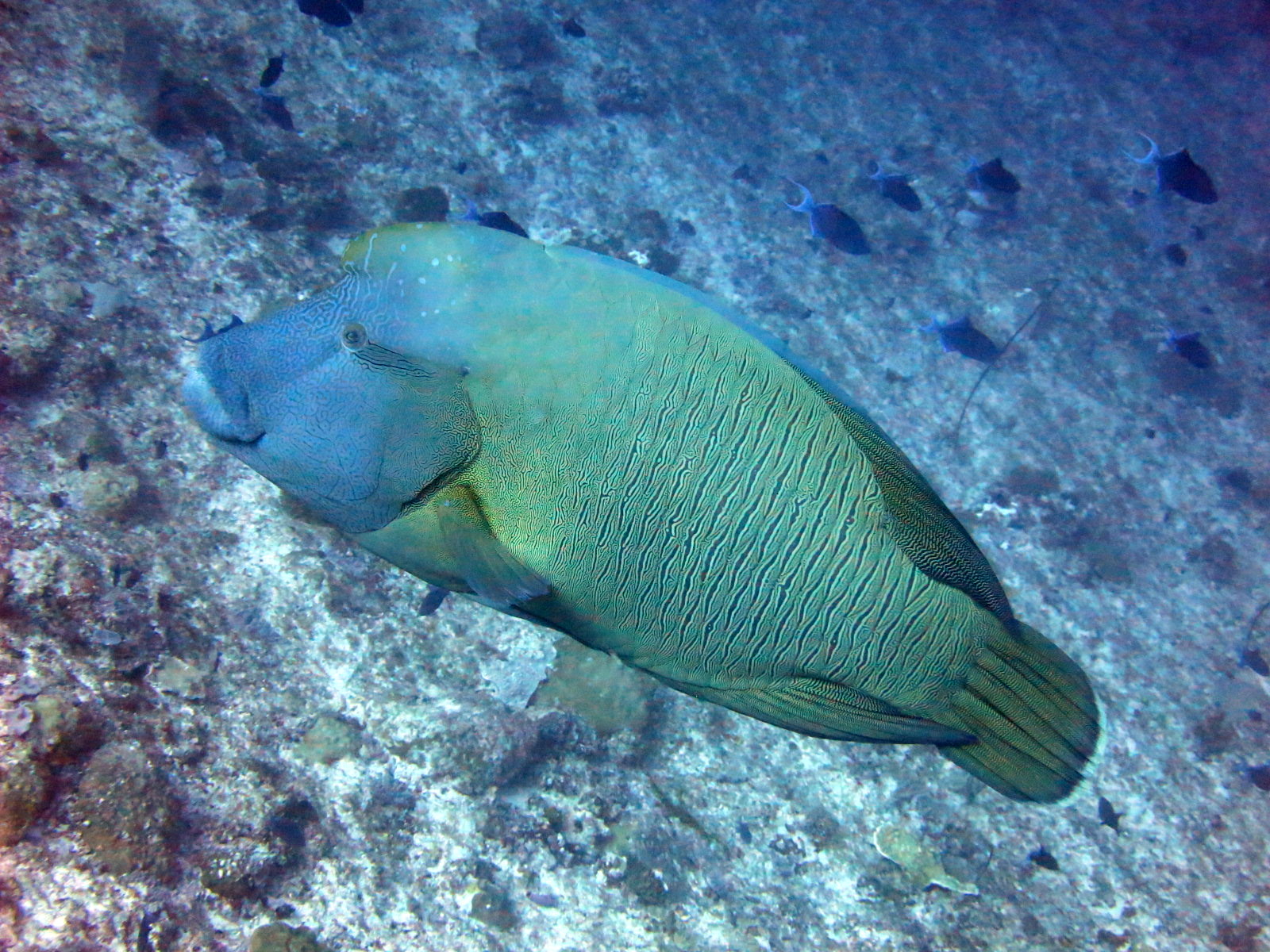
Napoleon (Humphead) Wrasse
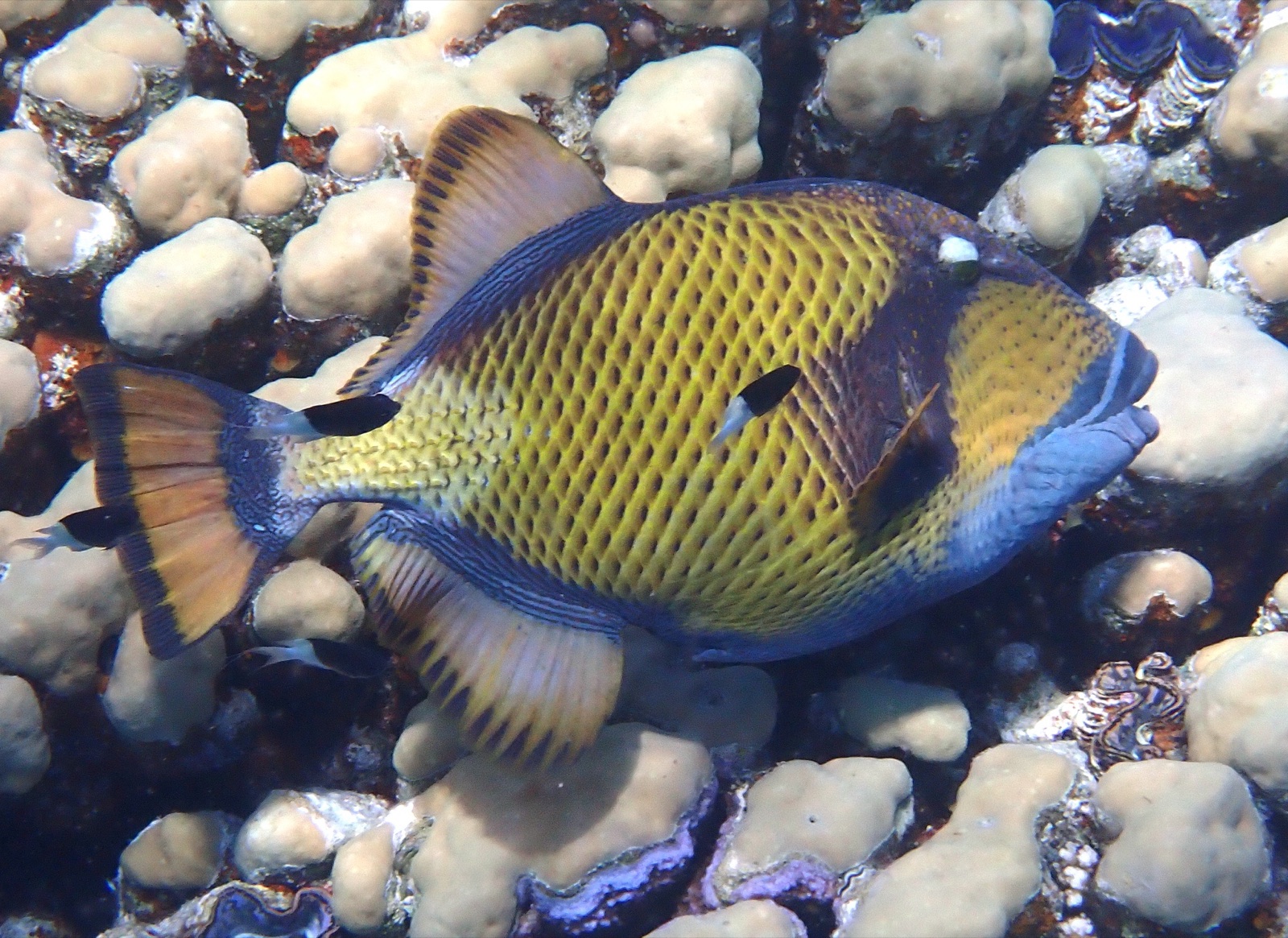
Titan Triggerfish
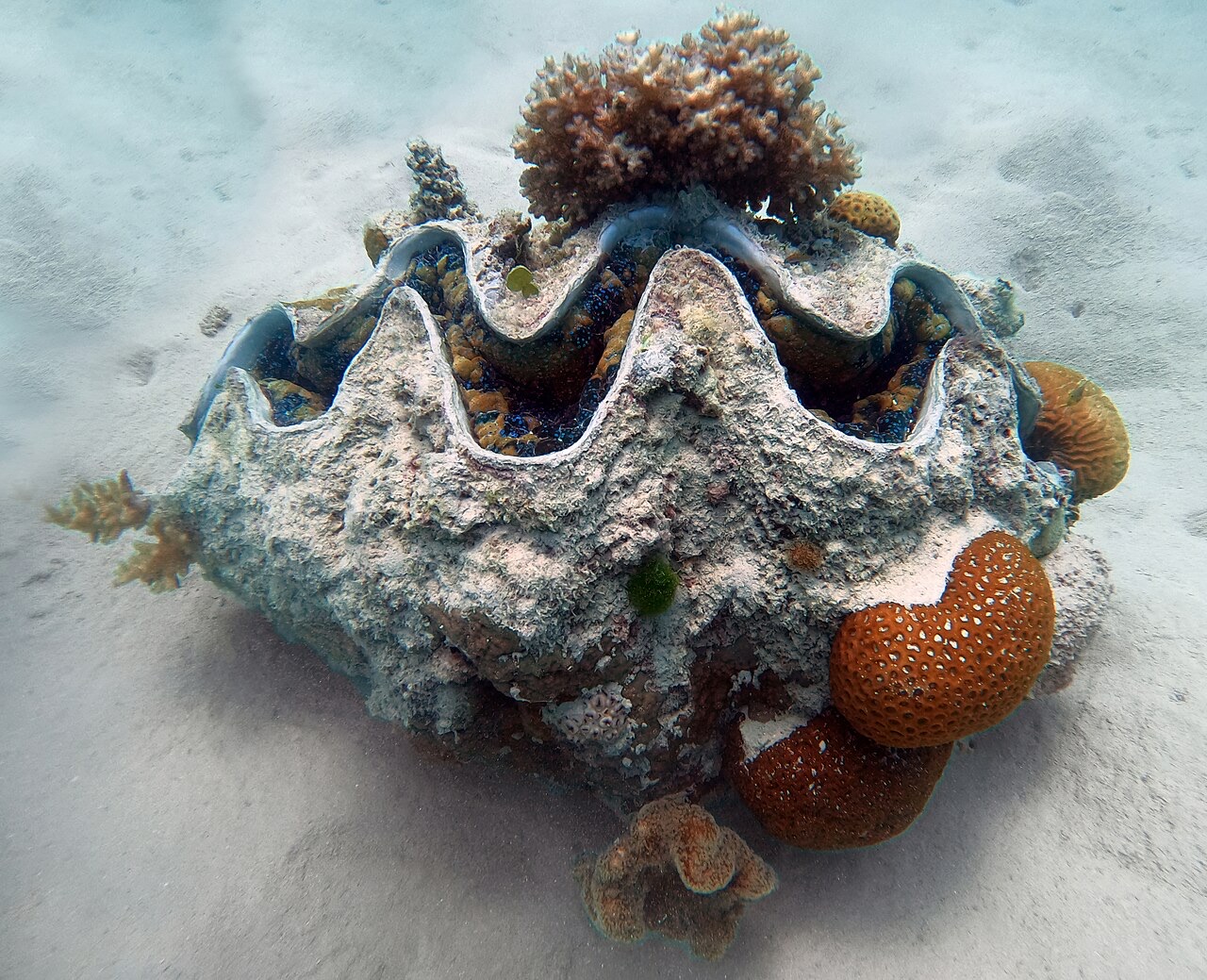
Giant Clam
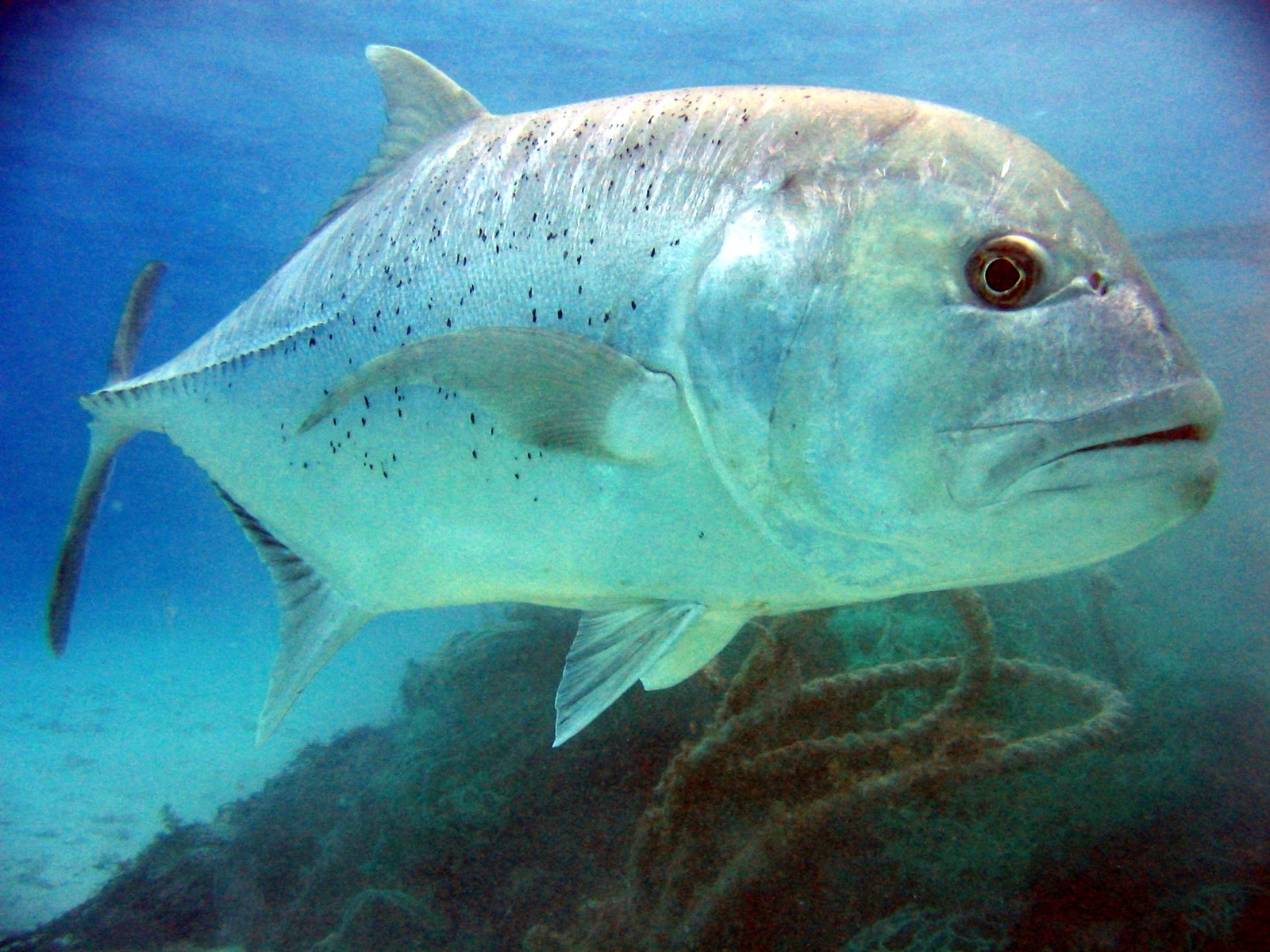
Giant Trevally
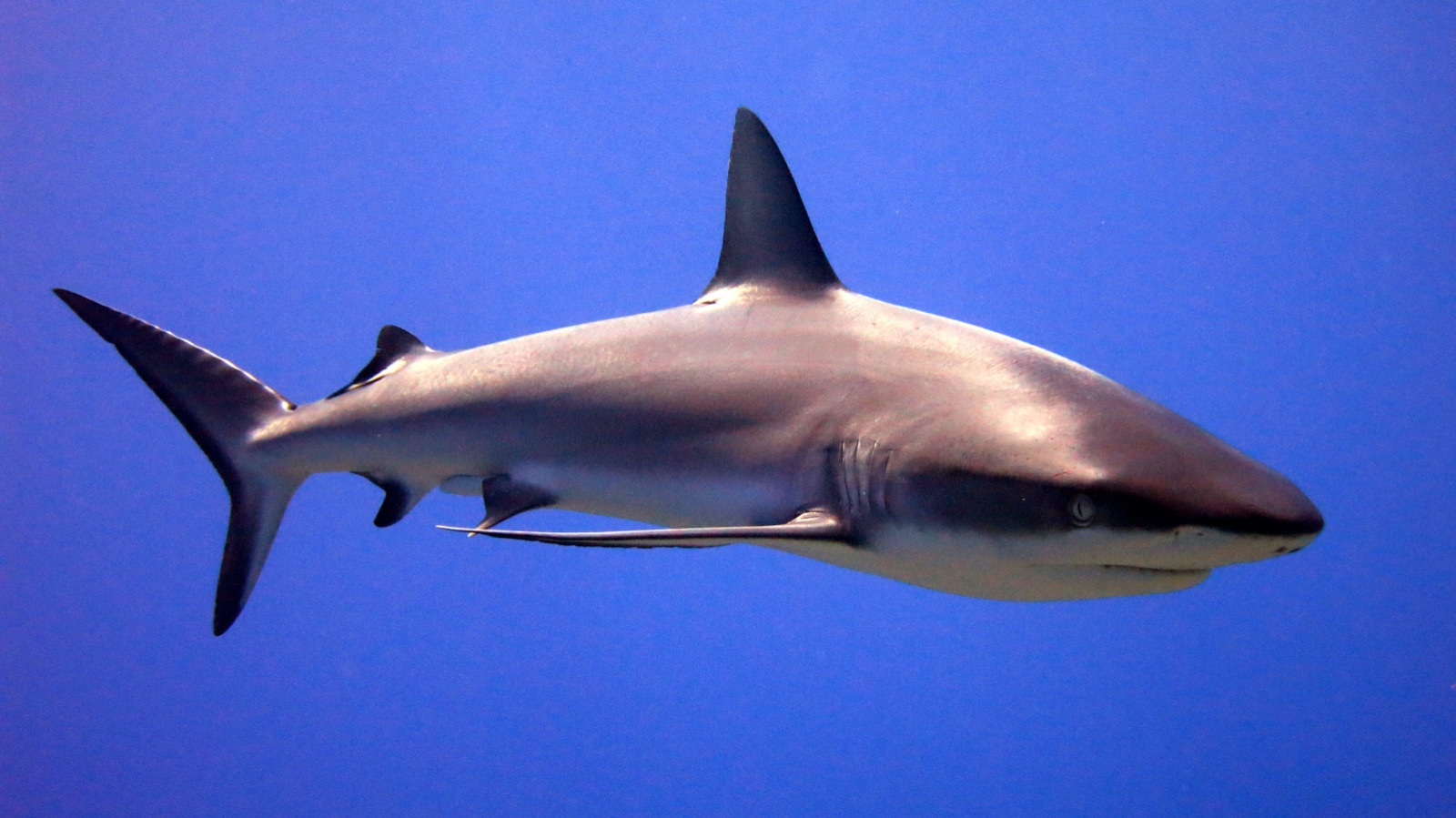
Grey Reef Shark
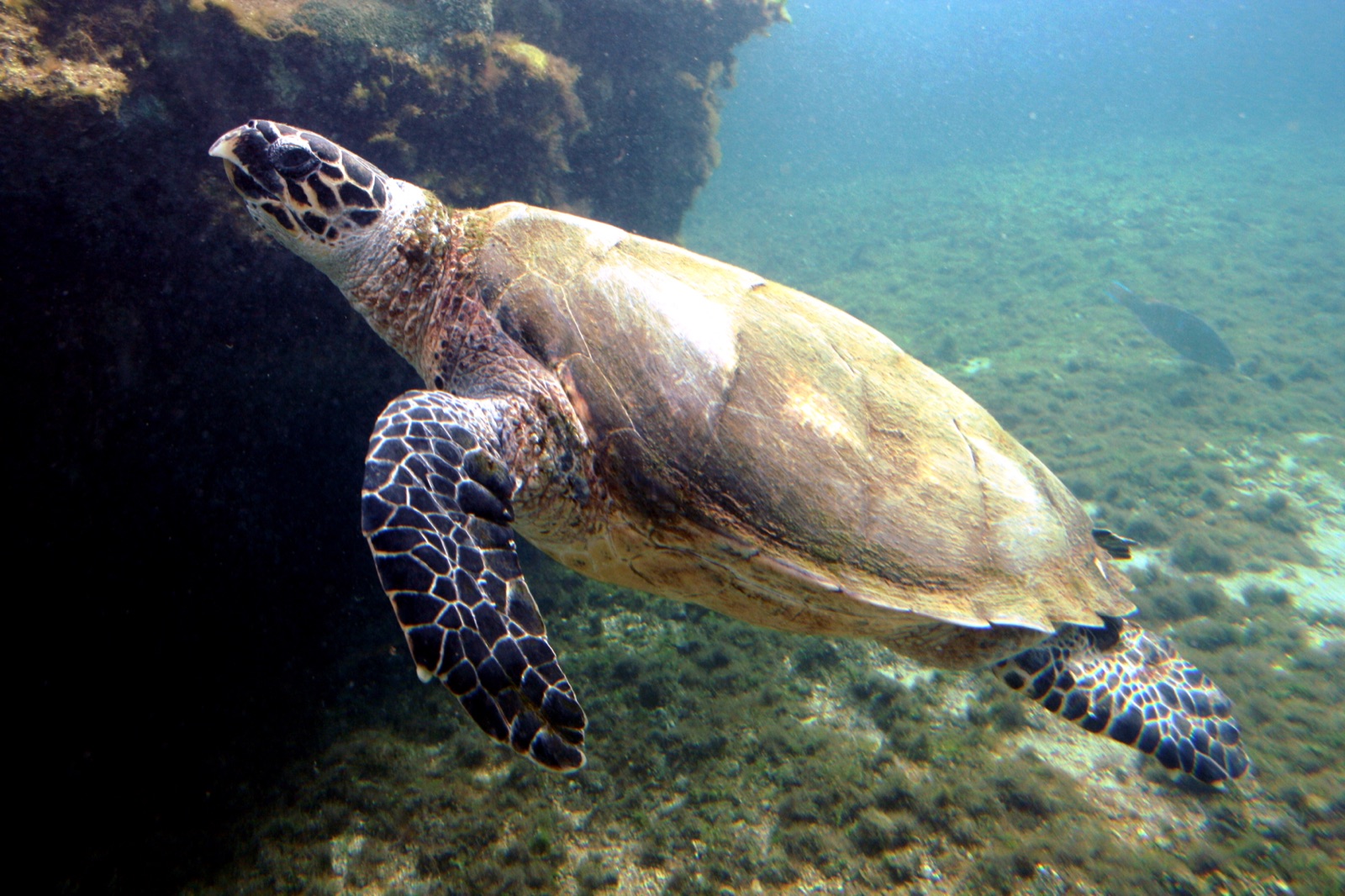
Hawksbill Turtle
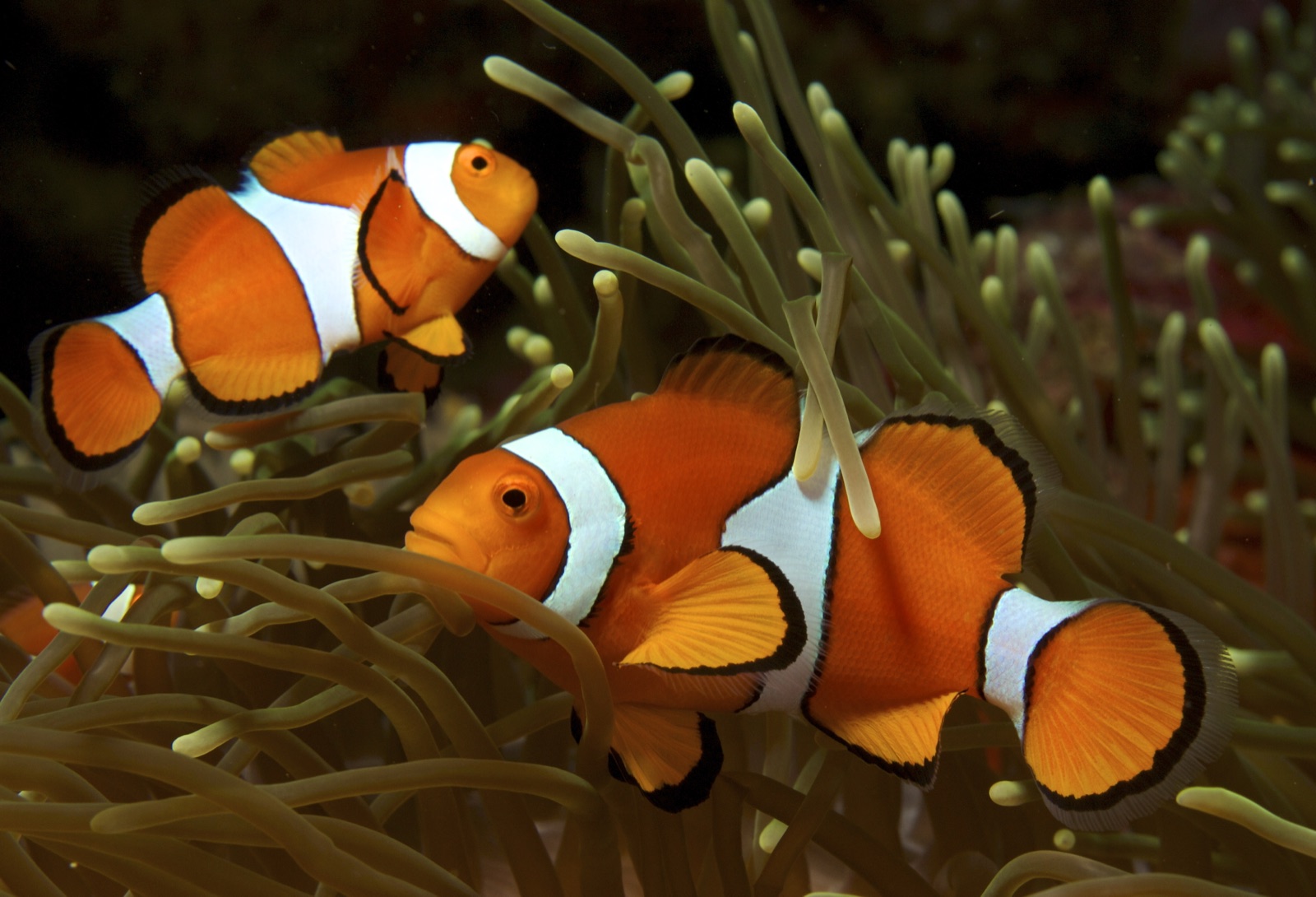
Clownfish & Anemonefish
Également observé à proximité
Les espèces « cartographiées ici » ont été répertoriées par nos éditeurs à partir des sources indiquées sur cette page. Les comptages correspondent aux occurrences GBIF : observations enregistrées dans un rayon d'environ 5 km autour de la position cartographiée depuis 1990, comparées uniquement aux espèces de notre catalogue. Ils indiquent ce qui a été observé à cet endroit, sans garantir ce que vous y verrez.
Pour les photographes
Grand angle: ★★★★★ · Macro: ★★☆☆☆ (note 1–5 des éditeurs sur ce que ce site offre à chaque style de prise de vue)