Umbria
Depth is the range from the top of the site to its usual maximum; "recommended cert" is the mainstream-agency level operators usually ask for, not a legal rule. Currents and visibility change daily, so treat everything here as planning ranges.
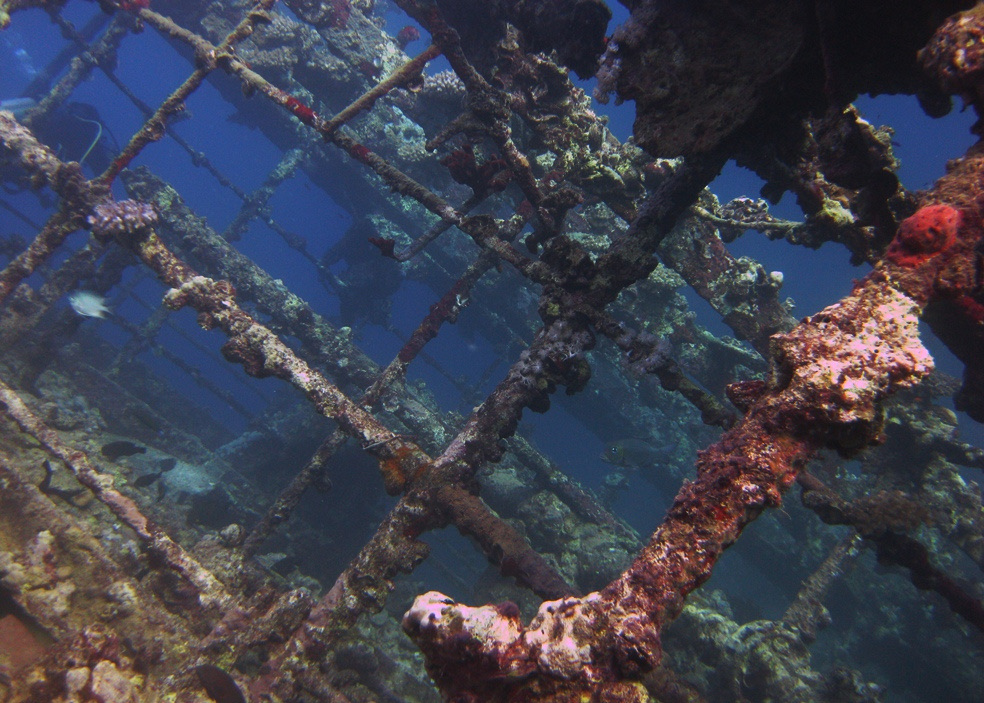
When Italy entered the war on 10 June 1940, the Umbria's captain was at anchor off Port Sudan under British watch with around 360,000 aerial bombs in his holds - so he quietly scuttled her, and handed the Red Sea its most complete great wreck. She lies on her port side against Wingate Reef, starboard davits almost brushing the surface, everything from bakery ovens to Fiat cars to the endless stacked bombs still aboard and visible on a torch beam. No one died in the sinking, which frees the dive of the weight other cargo wrecks carry; what remains is scale, order, and eighty years of coral. Penetration through workshops and holds is famously rewarding for trained divers, and the sheltered position means conditions almost never interfere.
The moment you come for: Holds stacked with wartime munitions; the Fiat cars and ship's bakery; a full-sized liner at swimming-pool calmness.
Topography: A large cargo liner lying on her port side along the reef, davits near the surface
Entry: On Wingate Reef just outside Port Sudan harbor, in sheltered water - historically the first or last dive of every Sudan itinerary.
Know before you splash
Hazards: Live ordnance throughout - absolutely no contact; silt and disorientation in the deeper interior spaces.
Conservation: The munitions have sat stable for decades because nobody touches them - keep it that way, and take nothing from the wreck.
Nitrox: Worth it here: profiles sit in the range where enriched air meaningfully extends no-stop time (with the training to use it).
Who you'll meet
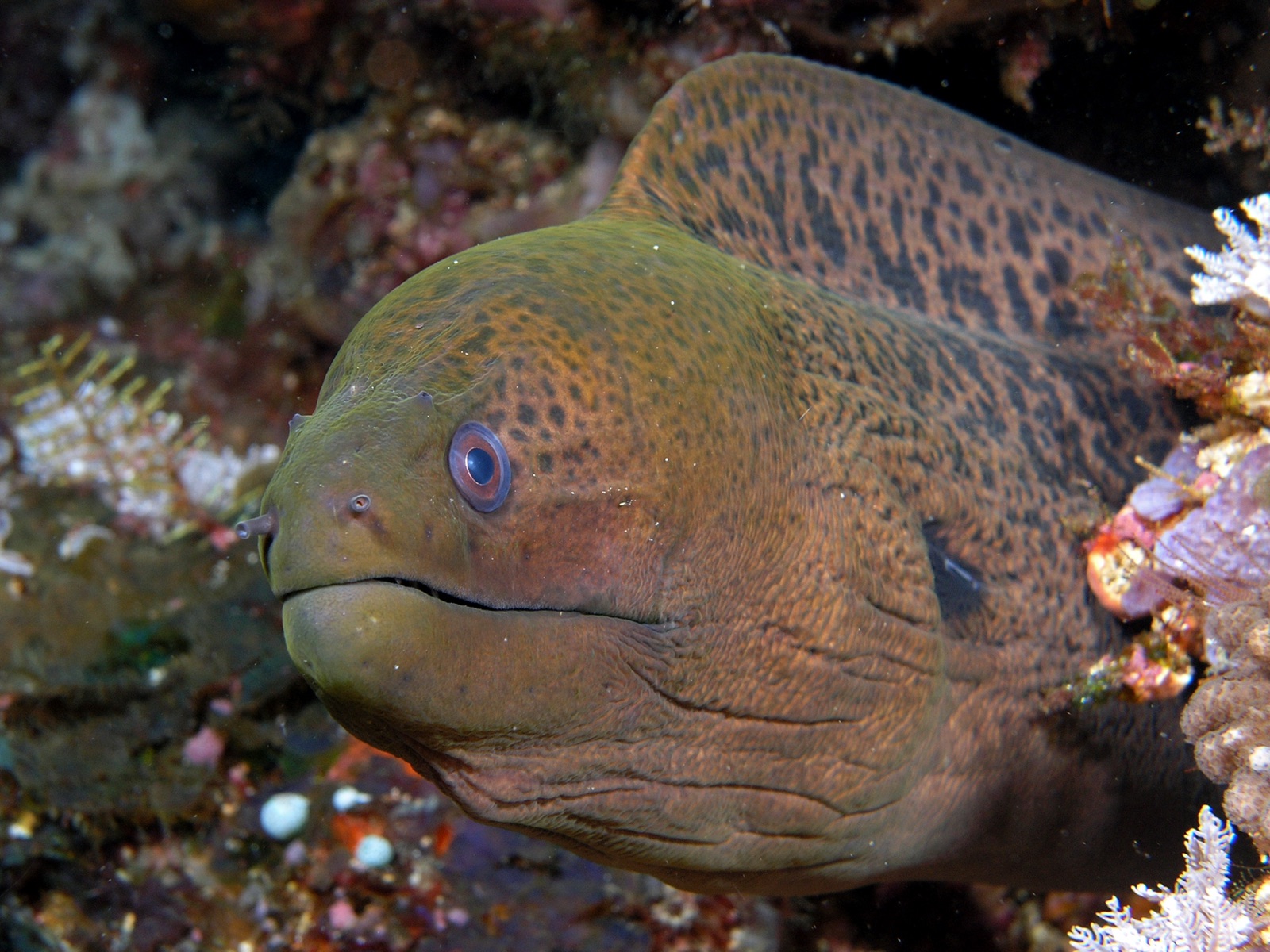
Giant Moray Eel
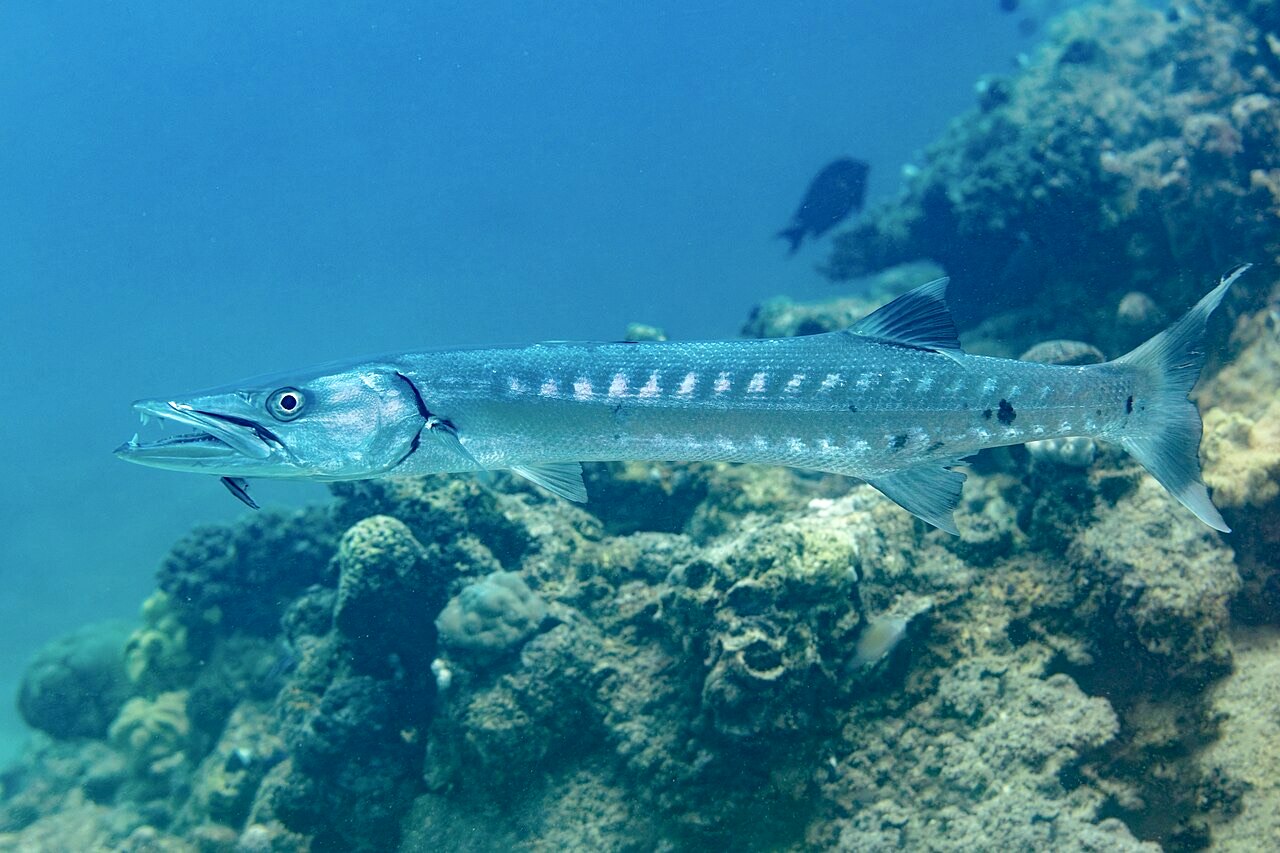
Great Barracuda
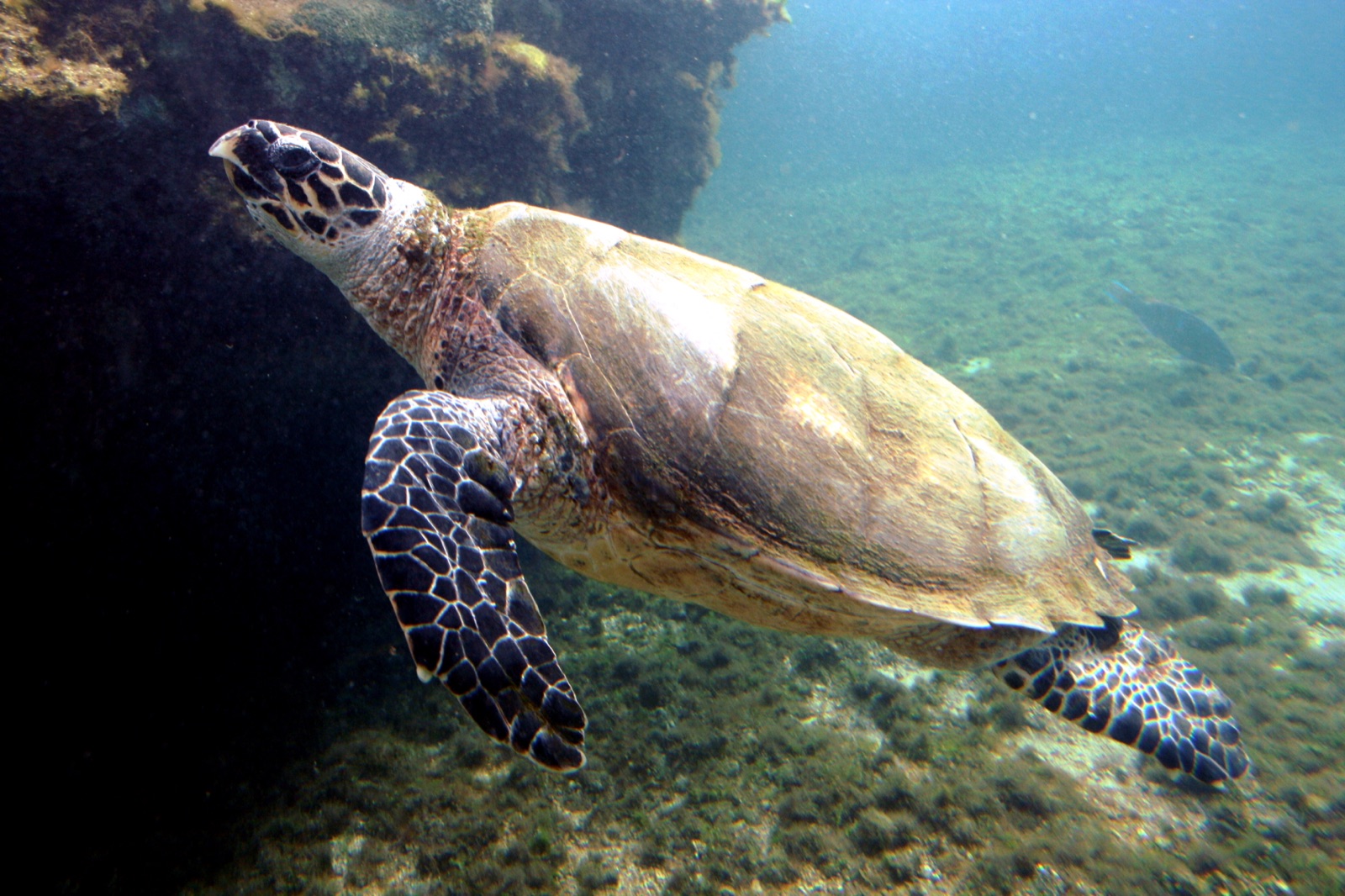
Hawksbill Turtle

Lionfish
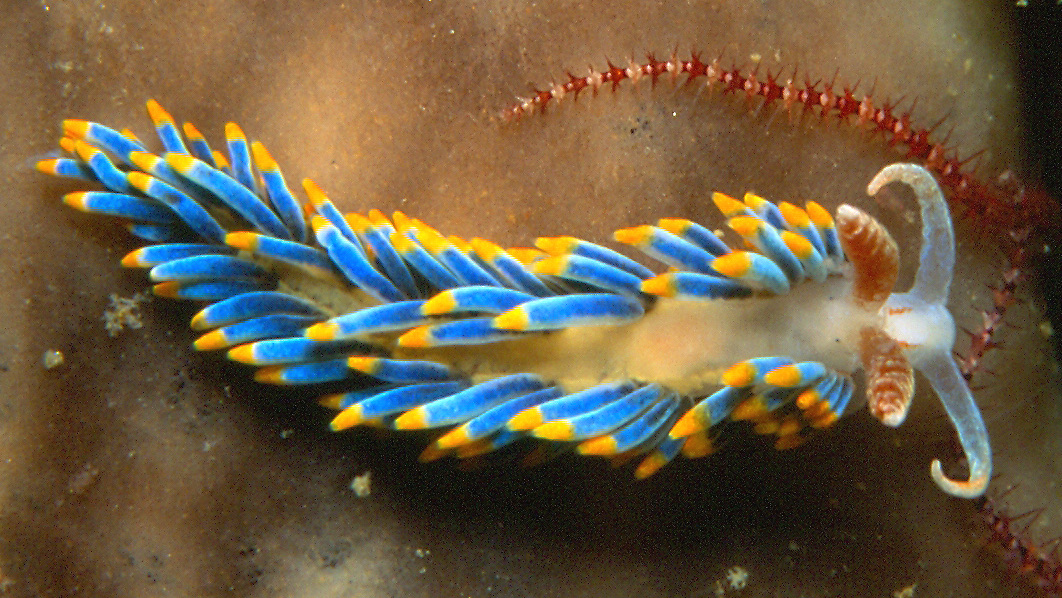
Nudibranchs

Clownfish & Anemonefish
"Charted here" species were listed by our editors from the sources on this page. Counts are GBIF occurrence records: observations logged within about 5 km of the charted position since 1990, matched only against the species in our catalogue. They show what has been seen there, not a promise of what you will see.
For photographers
Wide angle: ★★★★★ · Macro: ★★★☆☆ (editors' 1–5 rating of what this site gives each style of shooting)