Little Brother
Depth is the range from the top of the site to its usual maximum; "recommended cert" is the mainstream-agency level operators usually ask for, not a legal rule. Currents and visibility change daily, so treat everything here as planning ranges.
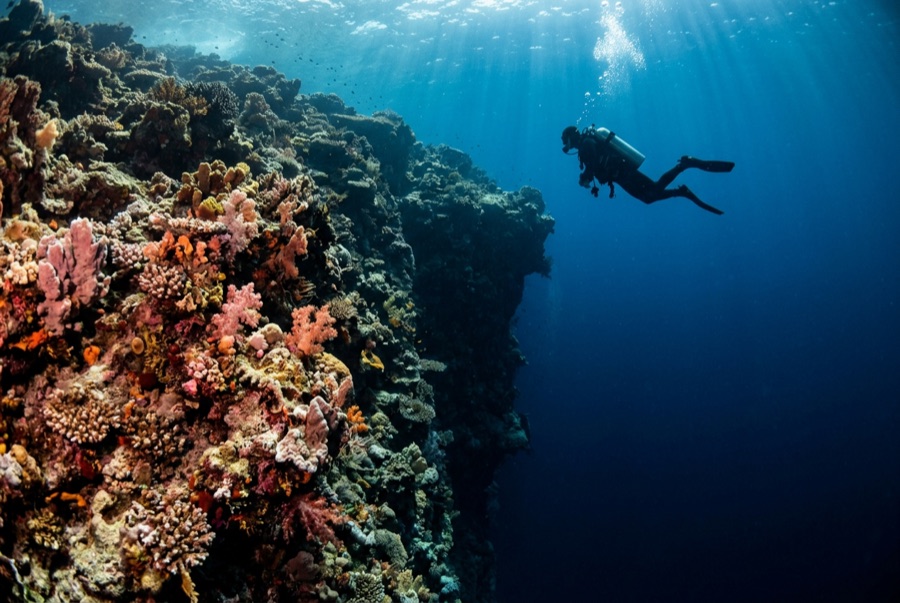
A kilometer from its larger sibling, Little Brother compresses the same open-ocean formula into a reef you can circle in a single dive when conditions align. Its north point carries one of the Red Sea's great gorgonian stands - fans stacked shoulder to shoulder from 25 meters down into the gloom - and the walls on either side stream with anthias and fusiliers that pull predators in from the blue. Thresher sharks patrol here too, oceanic whitetips shadow the boats in season, and grey reef sharks hold the small southern plateau like sentries. Because the island is so small, every dive is exposed; there is no long sheltered flank to retreat along, and the reward for that commitment is fish density that feels pre-industrial.
The moment you come for: The gorgonian forest on the north point; threshers and whitetips in season; a wall circuit with no dull stretch.
Topography: A compact reef island ringed by sheer walls, with a fan-covered north point and small southern plateau
Entry: Dived by zodiac around a tiny circumference; the north point works only in cooperative current.
Know before you splash
Hazards: Full exposure to swell and current; live-boat pickups in chop; depth discipline on featureless walls.
Permits & rules: Marine-park fees; same operator prerequisites as Big Brother.
Nitrox: Worth it here: profiles sit in the range where enriched air meaningfully extends no-stop time (with the training to use it).
Who you'll meet
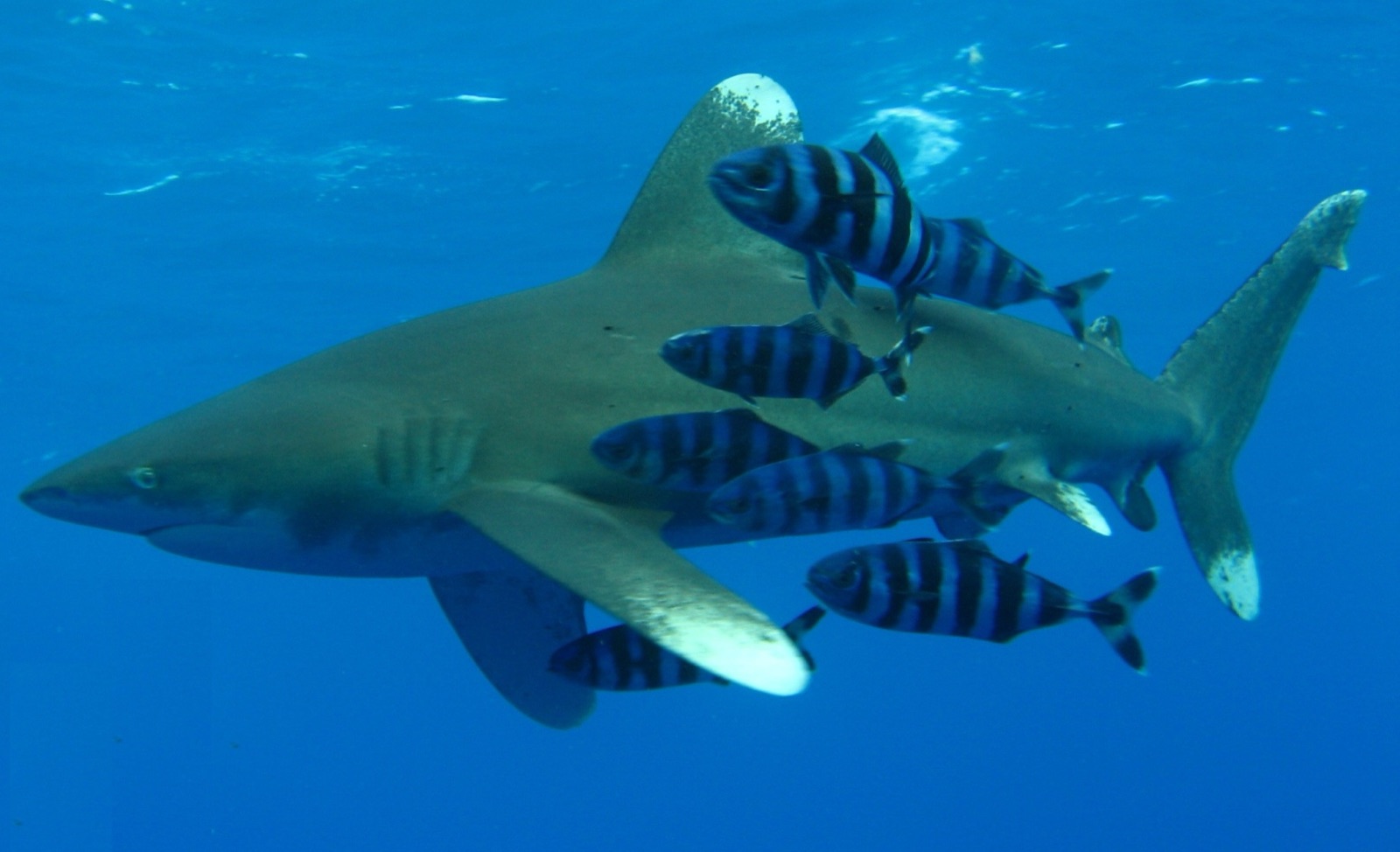
Oceanic Whitetip Shark
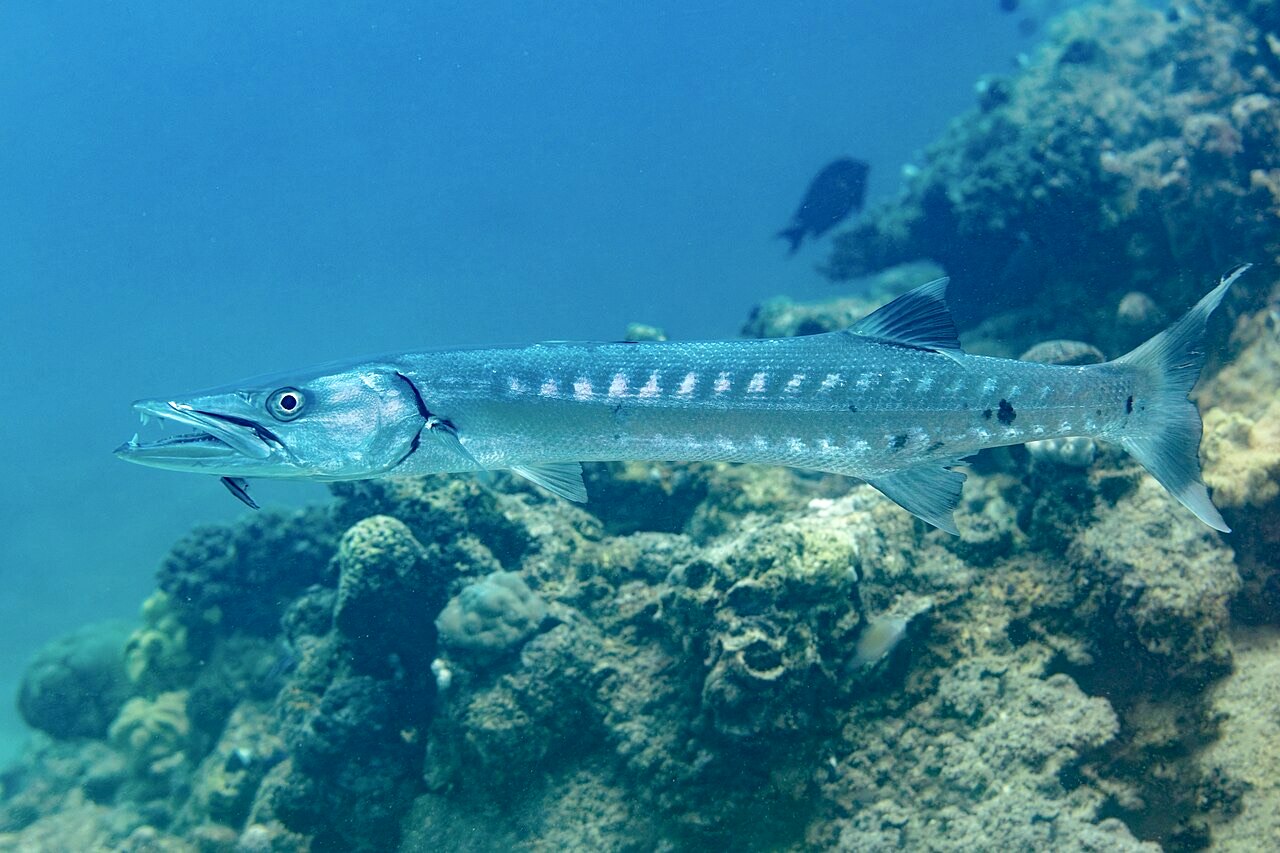
Great Barracuda
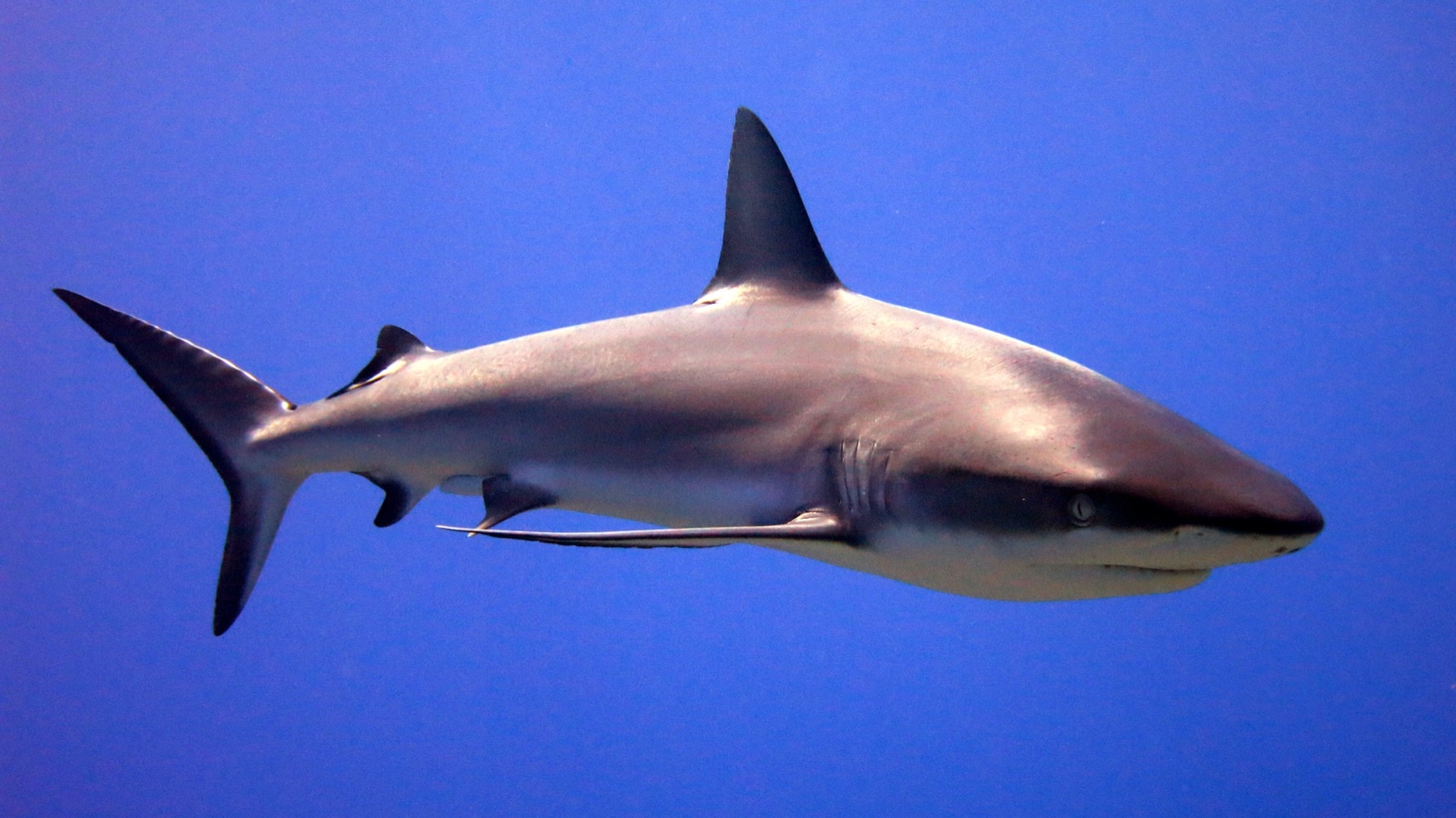
Grey Reef Shark
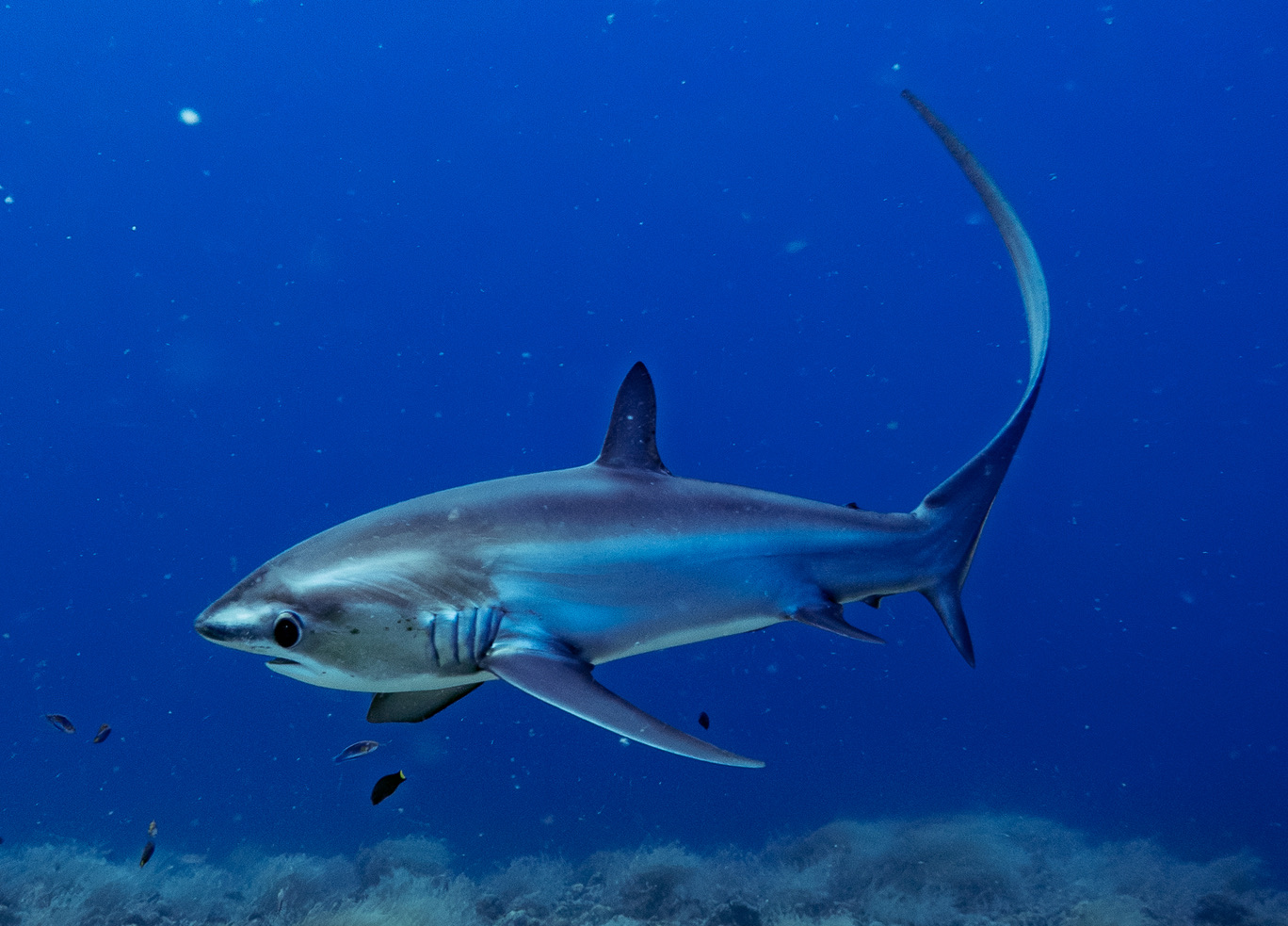
Pelagic Thresher Shark
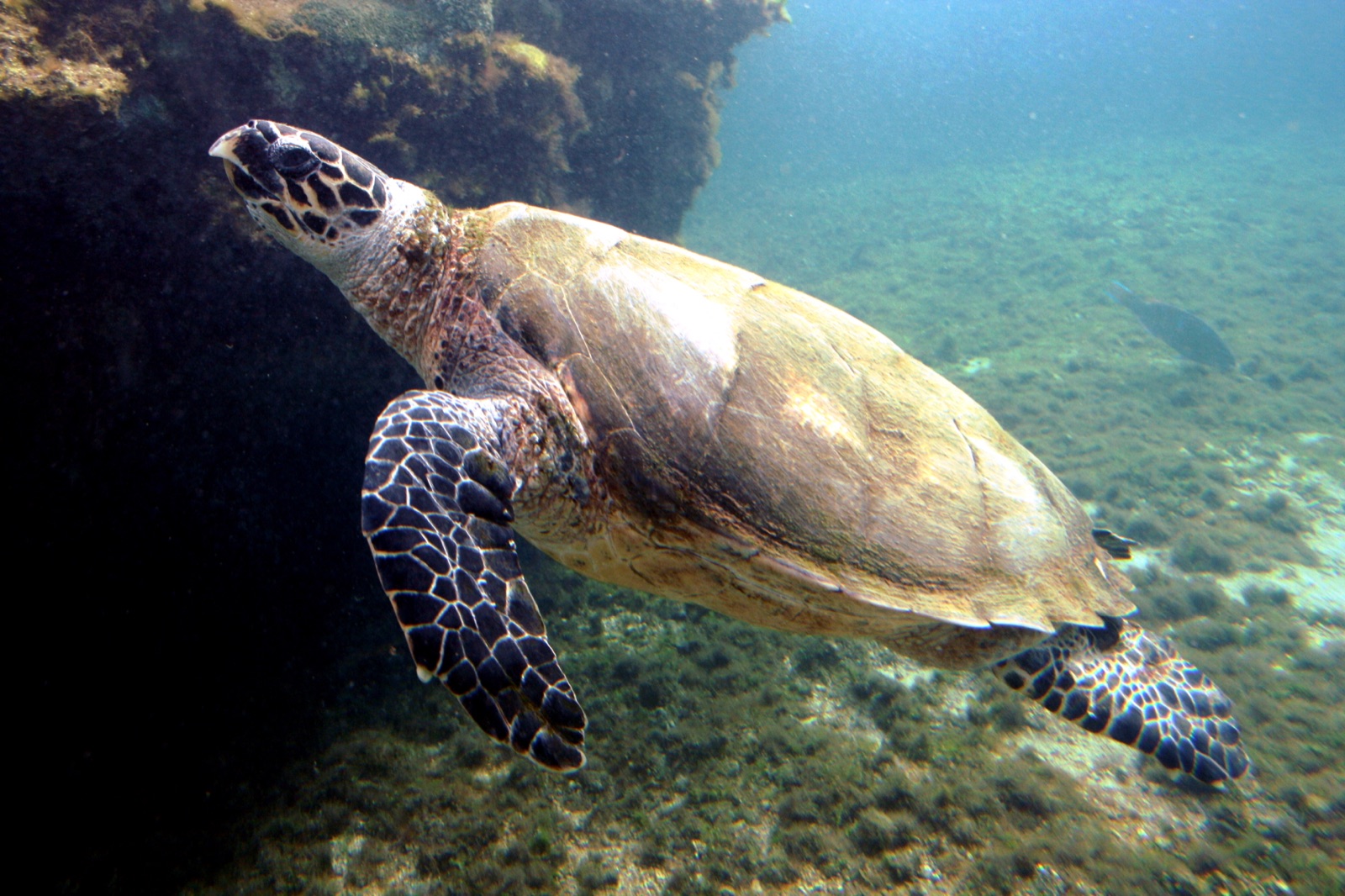
Hawksbill Turtle
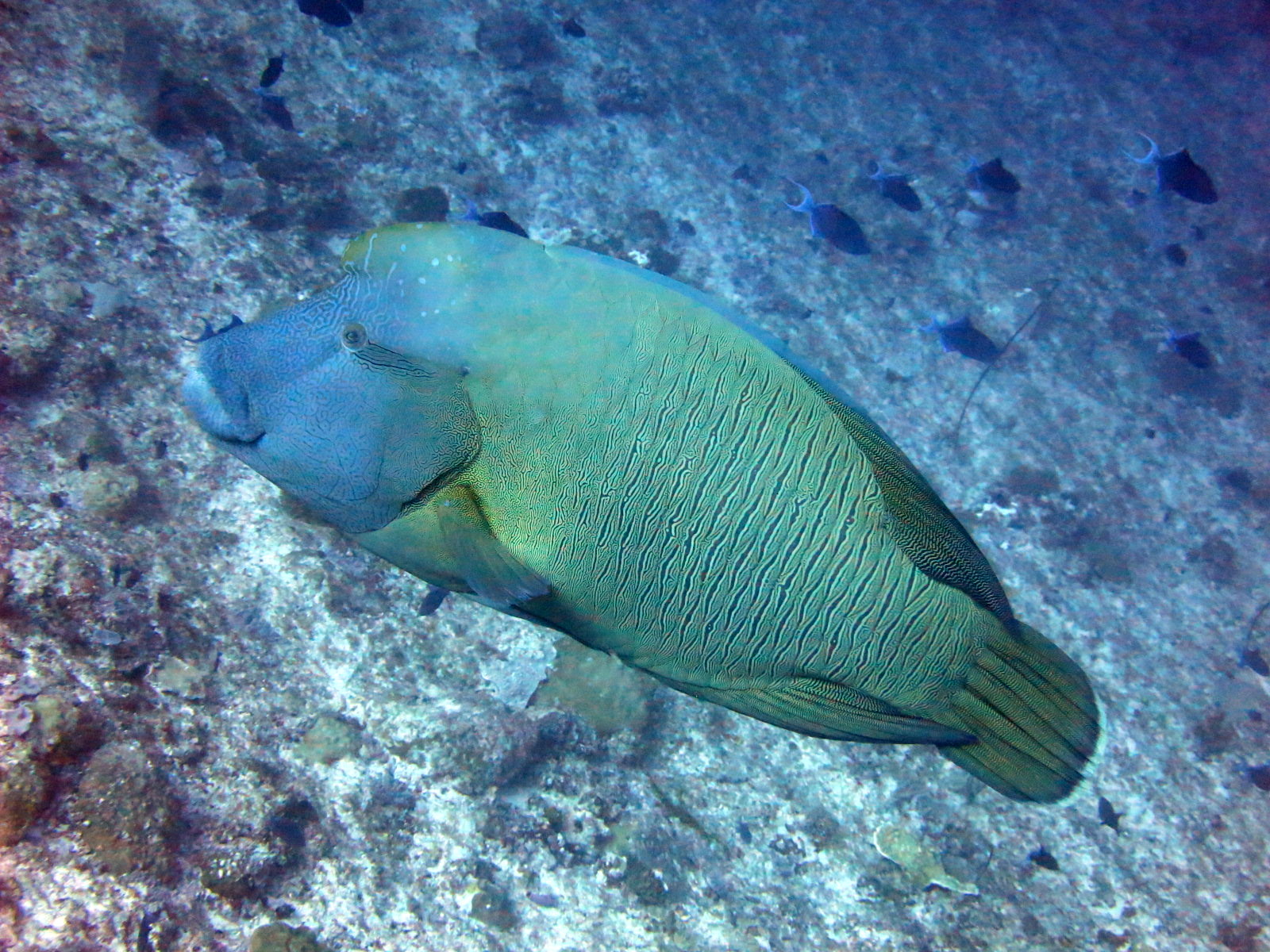
Napoleon (Humphead) Wrasse
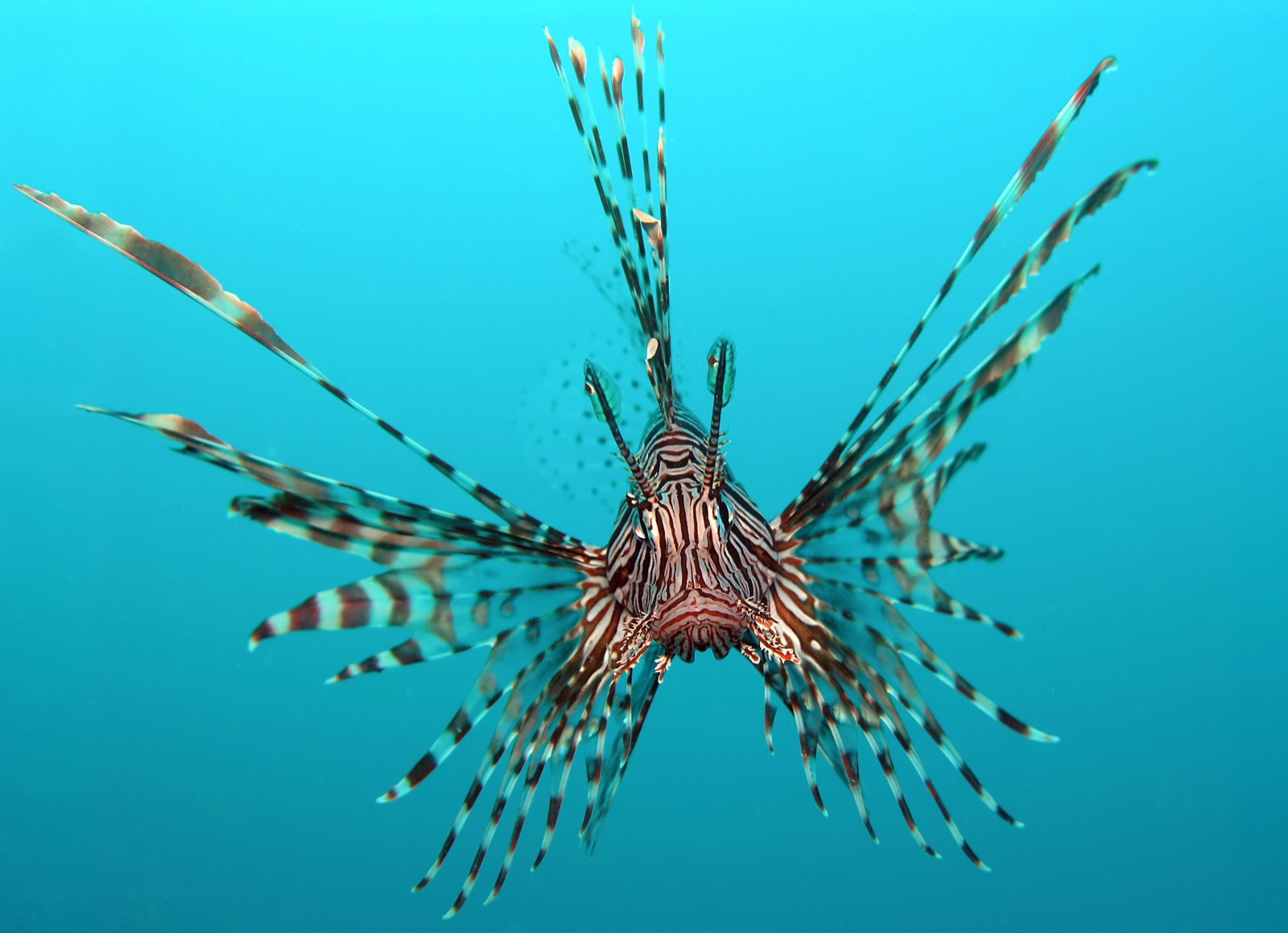
Lionfish
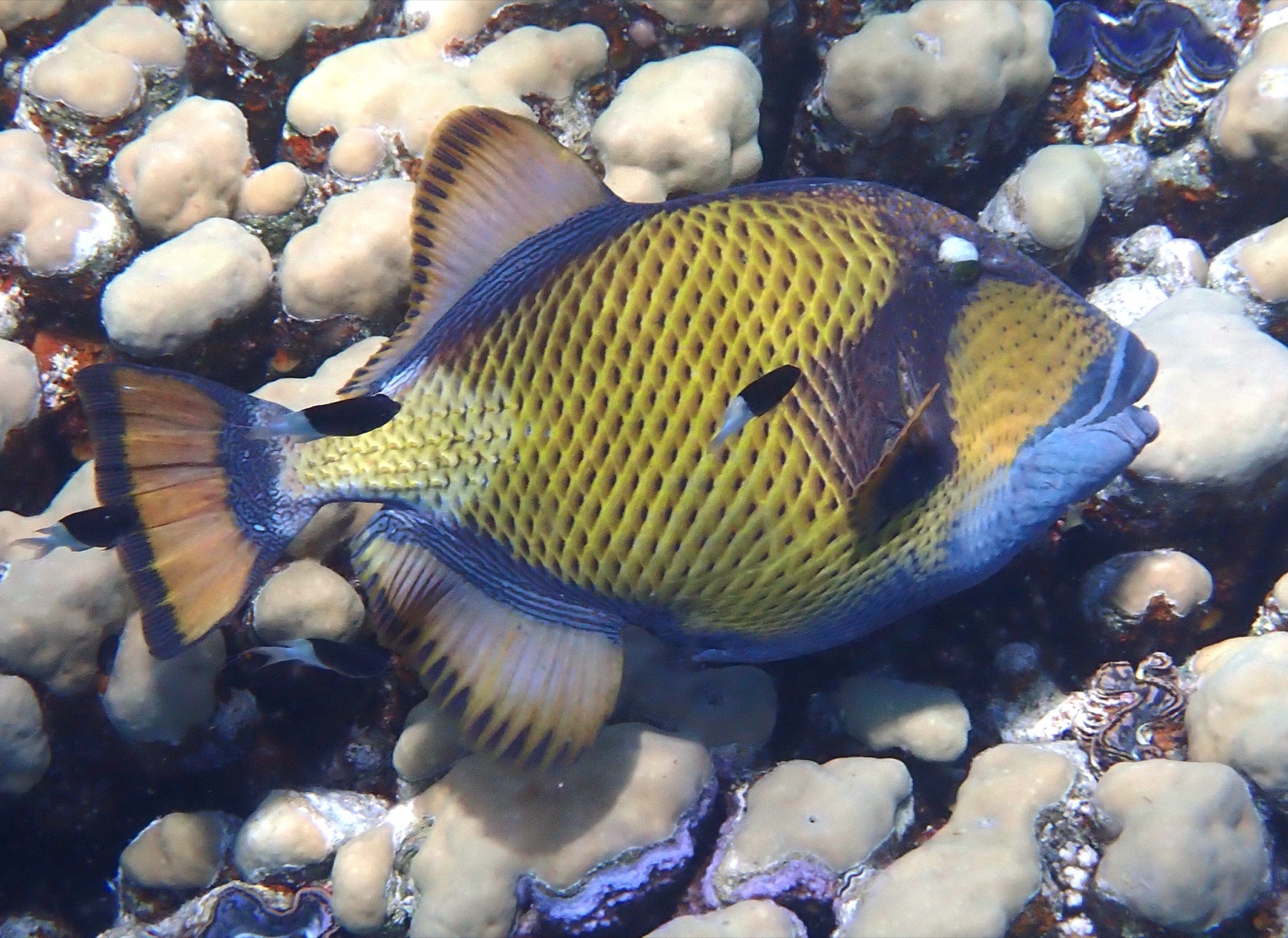
Titan Triggerfish
Also recorded nearby
"Charted here" species were listed by our editors from the sources on this page. Counts are GBIF occurrence records: observations logged within about 5 km of the charted position since 1990, matched only against the species in our catalogue. They show what has been seen there, not a promise of what you will see.
For photographers
Wide angle: ★★★★★ · Macro: ★☆☆☆☆ (editors' 1–5 rating of what this site gives each style of shooting)