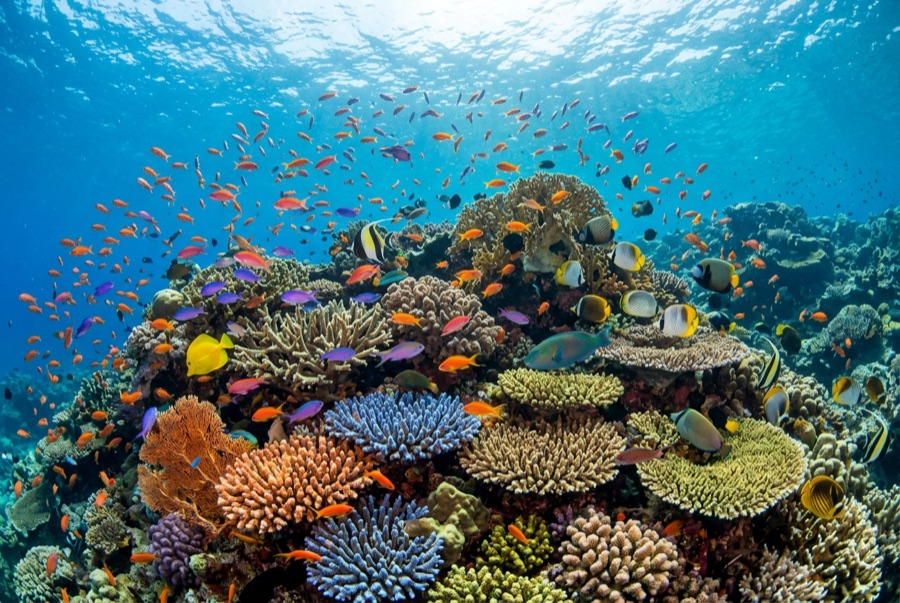
Manta Reef
Die Tiefe gibt den Bereich von der Oberkante des Tauchplatzes bis zur üblichen Maximaltiefe an; „empfohlene Zertifizierung" ist das von Anbietern üblicherweise geforderte Mainstream-Agenturniveau – keine gesetzliche Vorschrift. Strömungen und Sichtweite ändern sich täglich – behandle alle Angaben hier als Planungsbereiche.
Manta Reef is the site that put Tofo on the scientific map: the cleaning stations here supplied much of the fieldwork behind the recognition of reef and oceanic mantas as separate species. Divers settle along the rock while mantas bank over the pinnacles, gills flared for the cleaner wrasse; both manta species visit, and the oceanics can span well over four meters. Smalleye stingrays, morays, potato bass, and thick winter baitfish fill the gaps between passes. Sightings have thinned since the mid-2000s and no dive is guaranteed, but when a big animal arrives at 24 meters in green Mozambican water, it feels earned.
Der Moment, für den du kommst: Historic manta cleaning stations visited by both manta species
Topografie: Rocky reef plateau with cleaning-station pinnacles, gullies, and sand breaks
Strömung: Open-coast site reached by a long surf launch; current and surge track the swell.
Was du wissen solltest, bevor du ins Wasser gehst
Gefahren: Depth, surge, surf launches, and a long boat ride down an exposed coast.
Naturschutz: Stay low and behind the station line; a blocked cleaning station is an abandoned one. Sighting data feeds long-running local research.
Nitrox: Hier lohnt es sich – die Profile liegen in einem Bereich, in dem Nitrox die Nullzeiten spürbar verlängert (mit der entsprechenden Ausbildung).
Wen du triffst
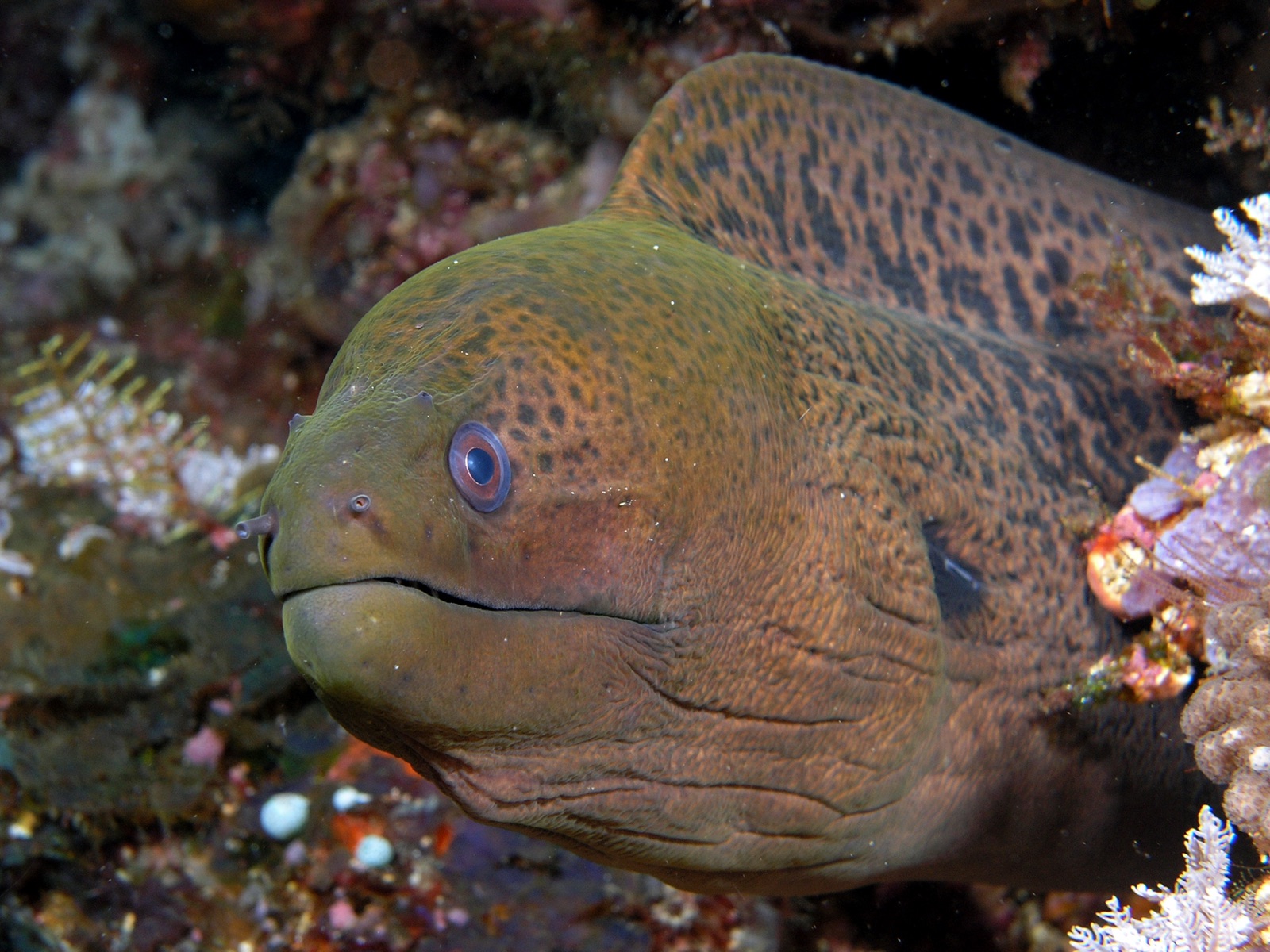
Giant Moray Eel
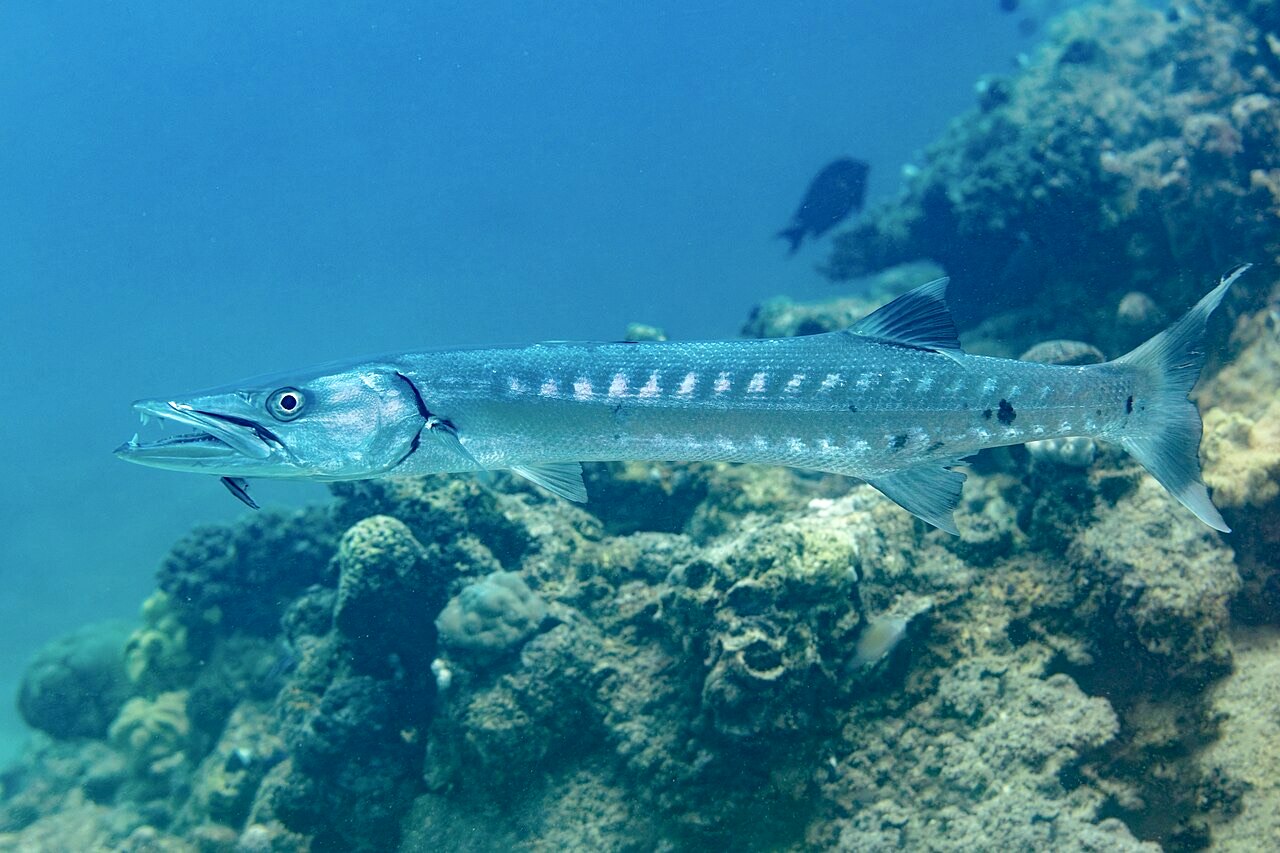
Great Barracuda
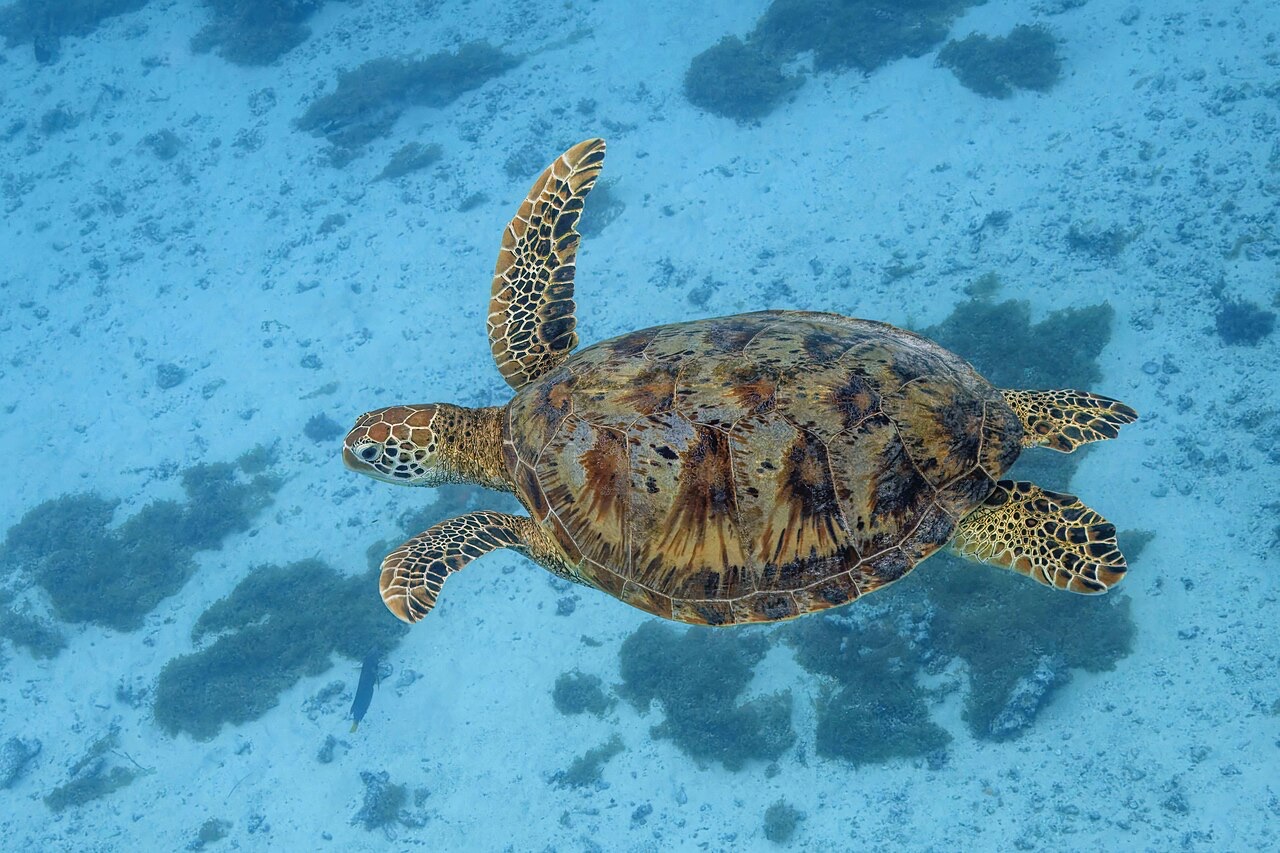
Green Sea Turtle
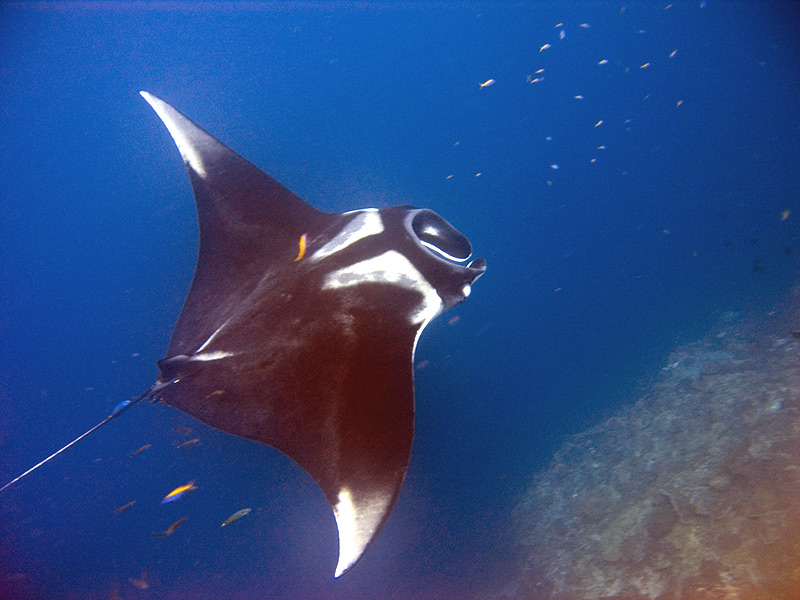
Oceanic Manta Ray
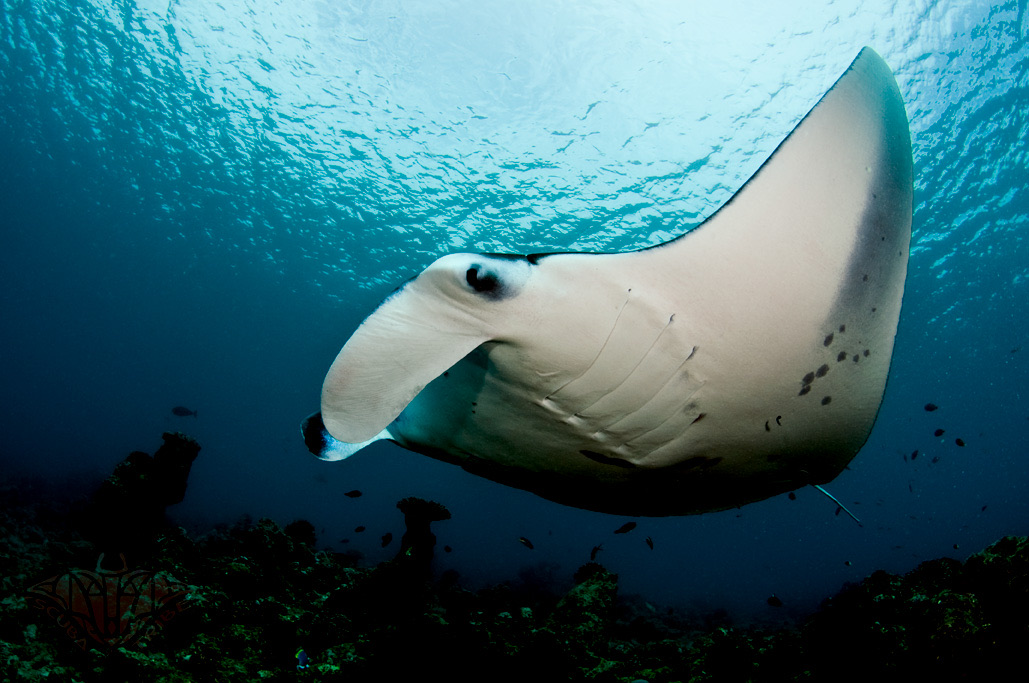
Reef Manta Ray
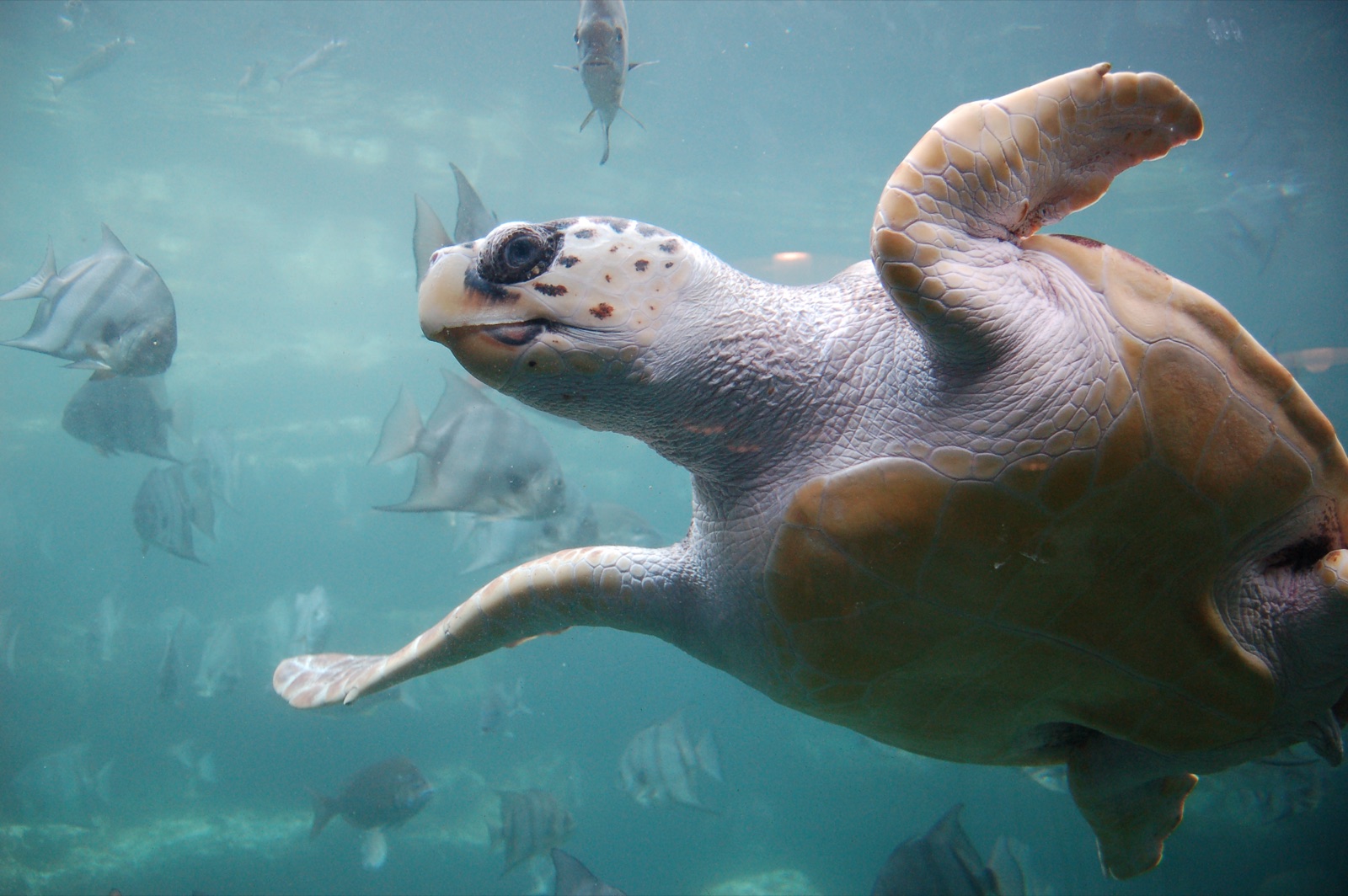
Loggerhead Turtle
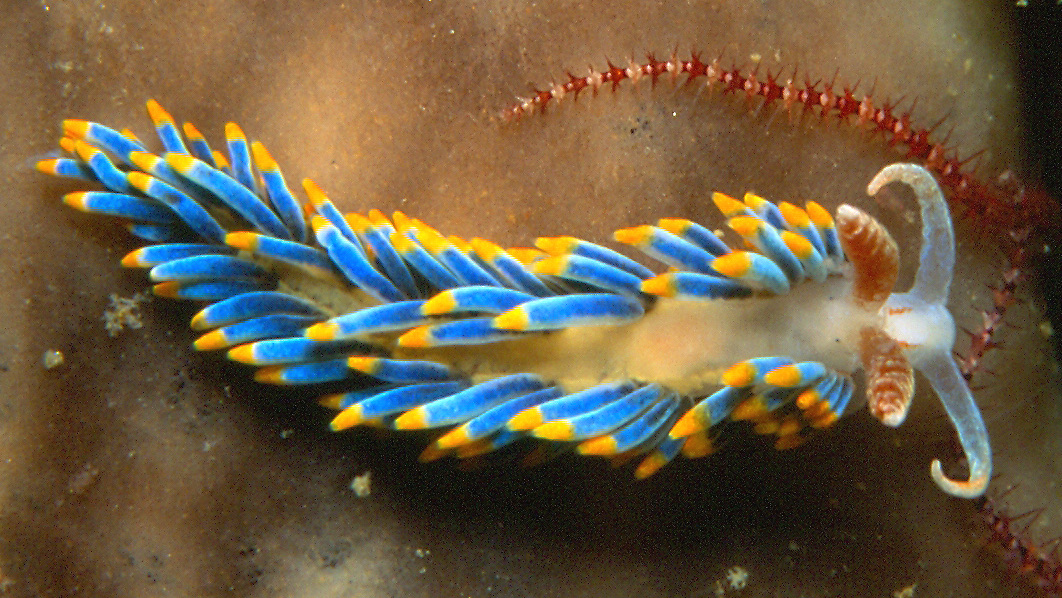
Nudibranchs
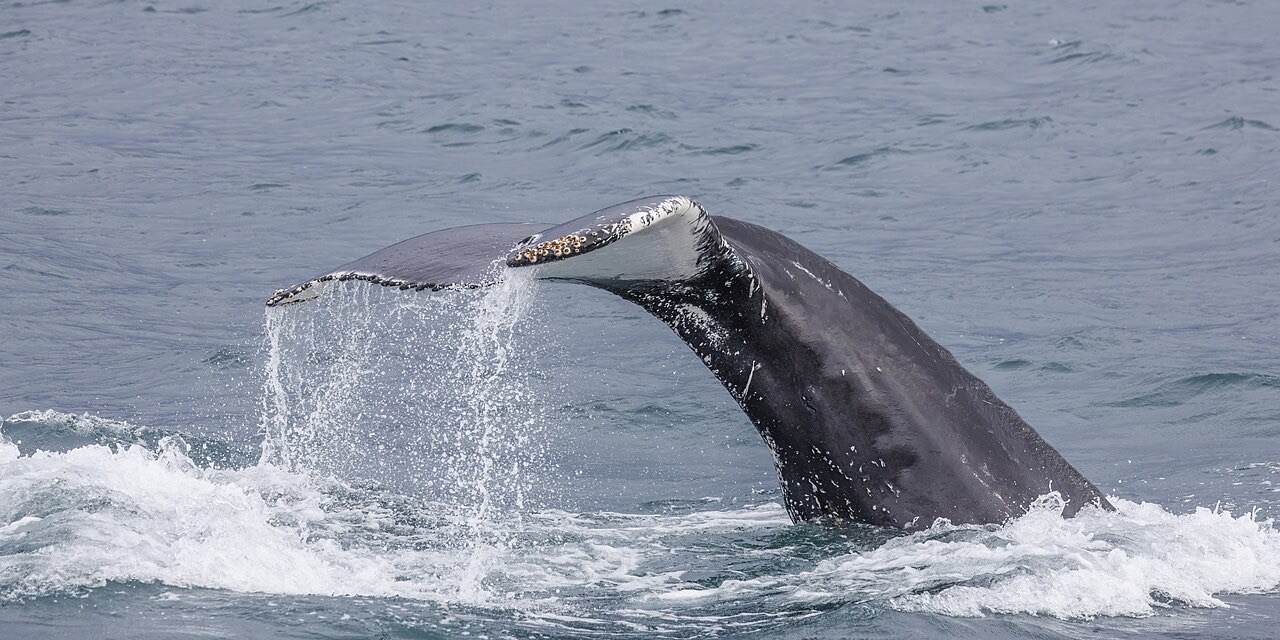
Humpback Whale
Auch in der Nähe nachgewiesen
„Hier kartiert" – Arten wurden von unseren Redakteuren anhand der Quellen auf dieser Seite erfasst. Die Zahlen sind GBIF-Vorkommensdatensätze: Beobachtungen, die seit 1990 im Umkreis von etwa 5 km um die kartierte Position protokolliert wurden, ausschließlich abgeglichen mit den Arten in unserem Katalog. Sie zeigen, was dort gesichtet wurde – keine Garantie, was du sehen wirst.
Für Fotografen
Weitwinkel: ★★★★☆ · Makro: ★★☆☆☆ (Redaktionelle 1–5-Bewertung, was dieser Platz für jeden Fotografie-Stil bietet)