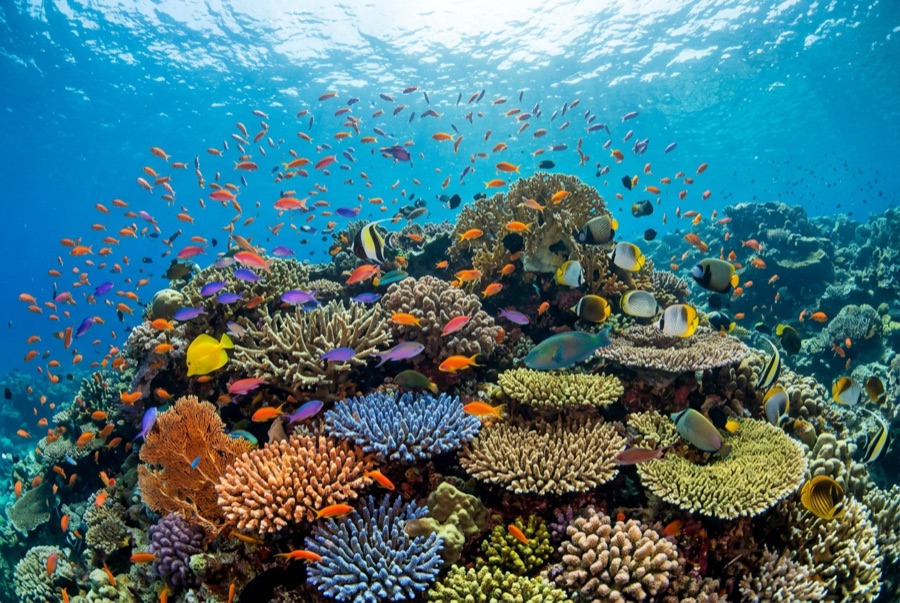
Yap Caverns
La profondeur correspond à la plage allant du sommet du site jusqu'à son maximum habituel ; le « niveau recommandé » est le niveau demandé en général par les opérateurs auprès des grandes agences, pas une règle légale. Les courants et la visibilité varient chaque jour, traitez donc tout cela comme des plages indicatives de planification.
At Yap's southern extremity the reef breaks into a sculpture garden: canyons, chimneys, and daylight swim-throughs where shafts of sun strobe across white sand floors. Whitetip reef sharks doze in the alcoves, lionfish hang inverted under ledges, and schools of fusiliers pour through the gaps between pinnacles. None of it is a true cave (exits stay visible), but the architecture rewards divers who move slowly and look up as often as down. When current runs along the point, big fish traffic picks up off the outer pinnacles. It is the island's best change of pace from channel diving.
Le moment pour lequel vous venez: Light-filled swim-throughs and canyons; resting whitetip reef sharks; pinnacle fish life at the point.
Topographie: Limestone cuts, canyons, and pinnacles riddled with swim-throughs at the island's southern point
Courant: Exposed position where currents split around the island; conditions vary with swell.
Entrée: Southern-tip site; longer boat ride from Colonia, usually paired with the southern walls.
À savoir avant de plonger
Dangers: Surge funnels through the cuts in swell; watch overhead clearance and keep hands off the walls.
Conservation: Southern reefs belong to adjacent villages; dive them under local arrangement and leave the resting sharks unbothered.
Qui vous croiserez
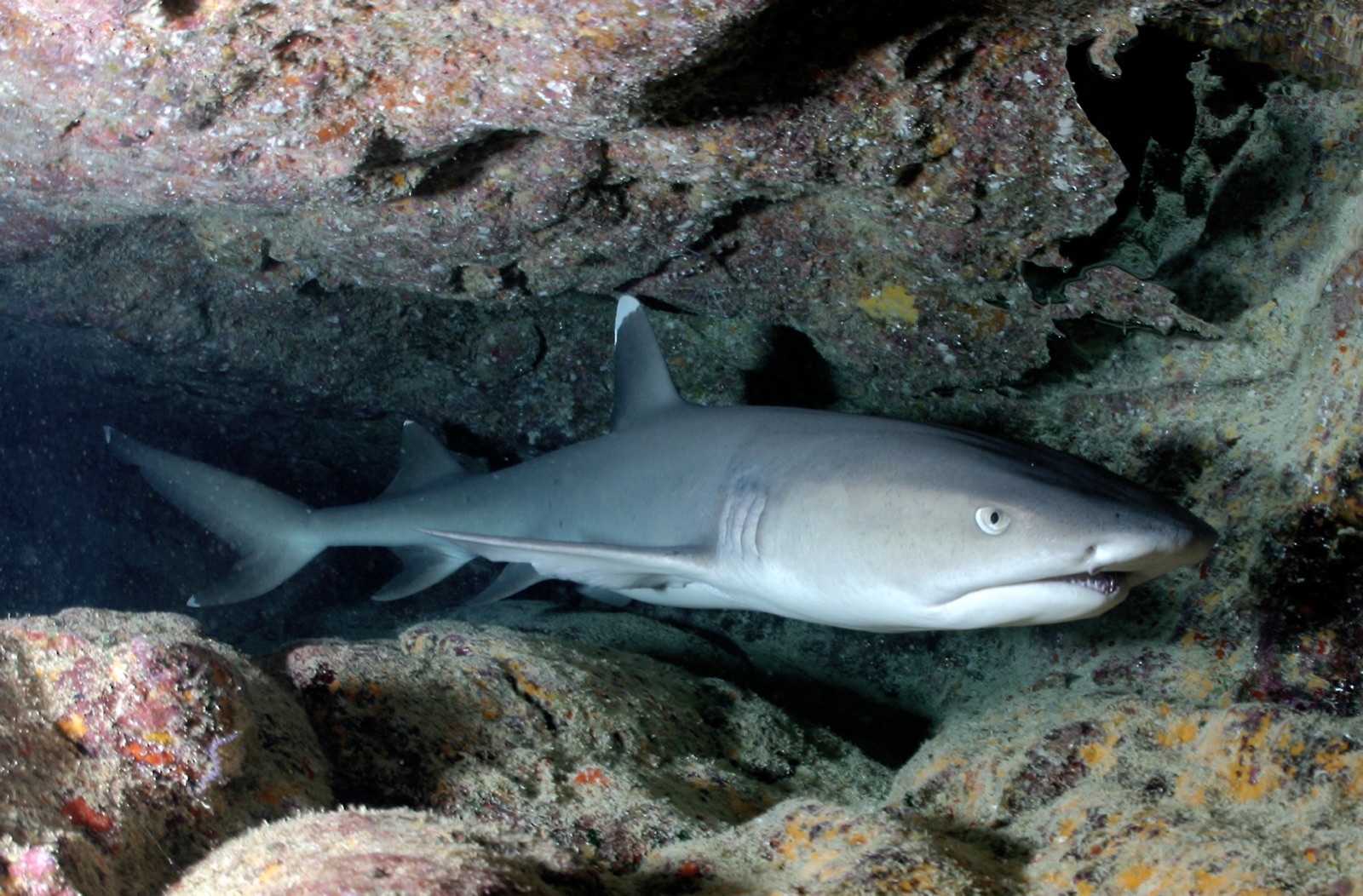
Whitetip Reef Shark
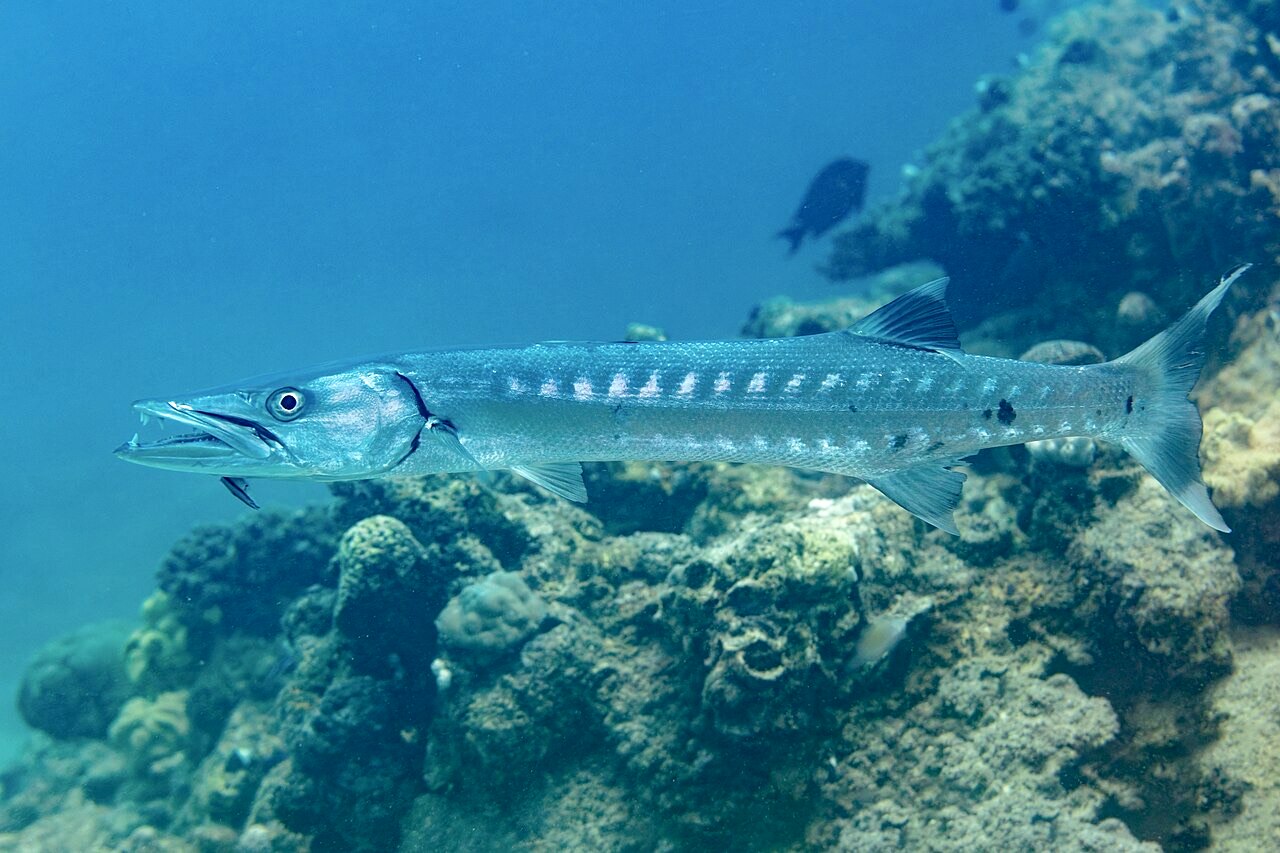
Great Barracuda
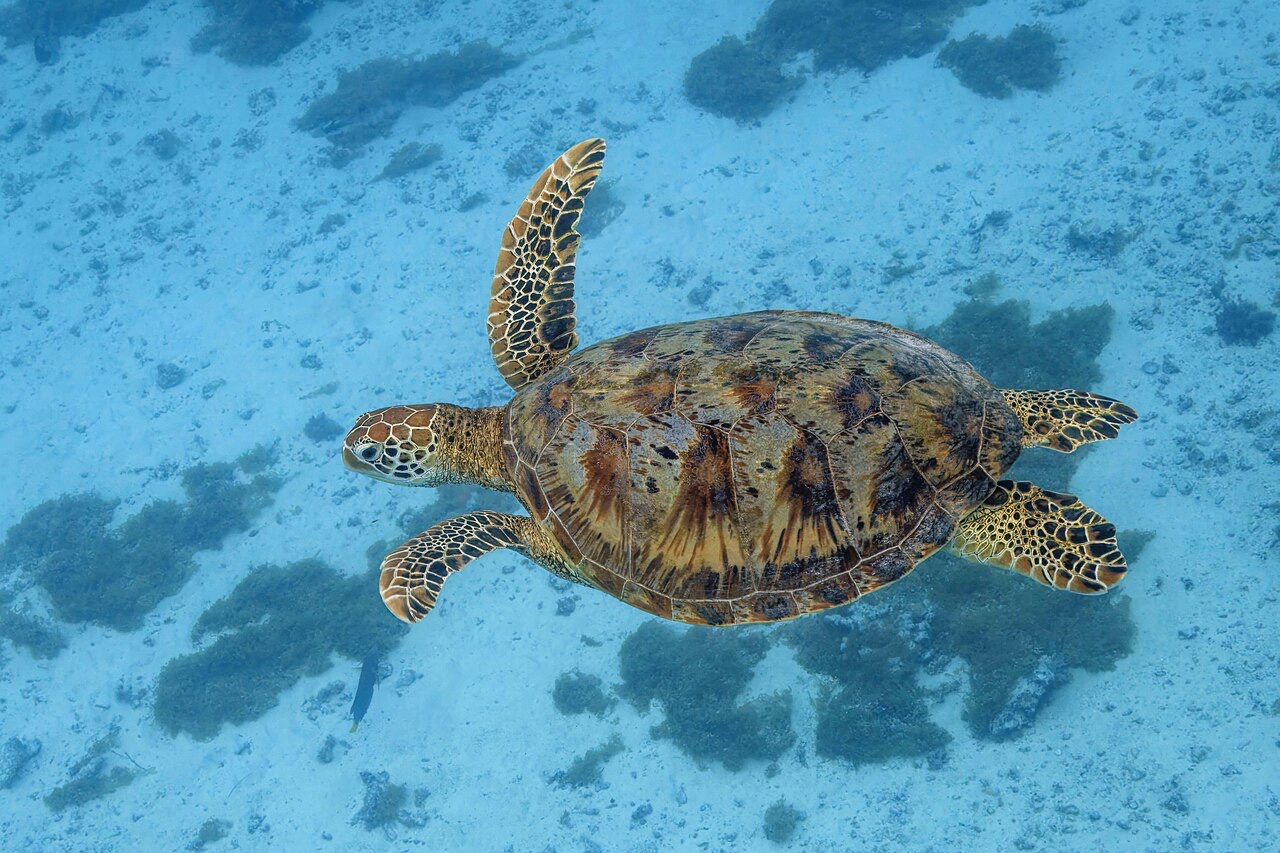
Green Sea Turtle
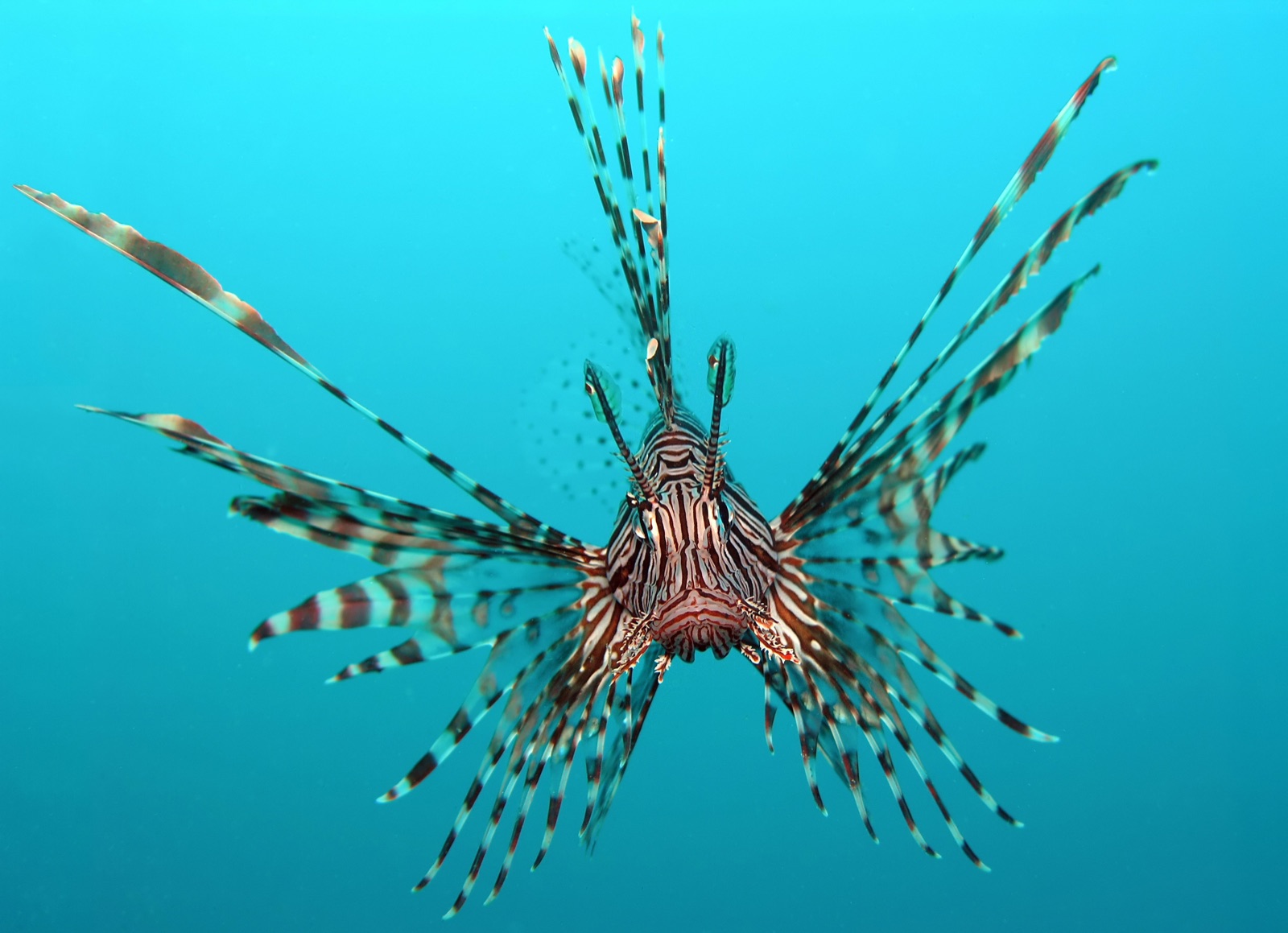
Lionfish
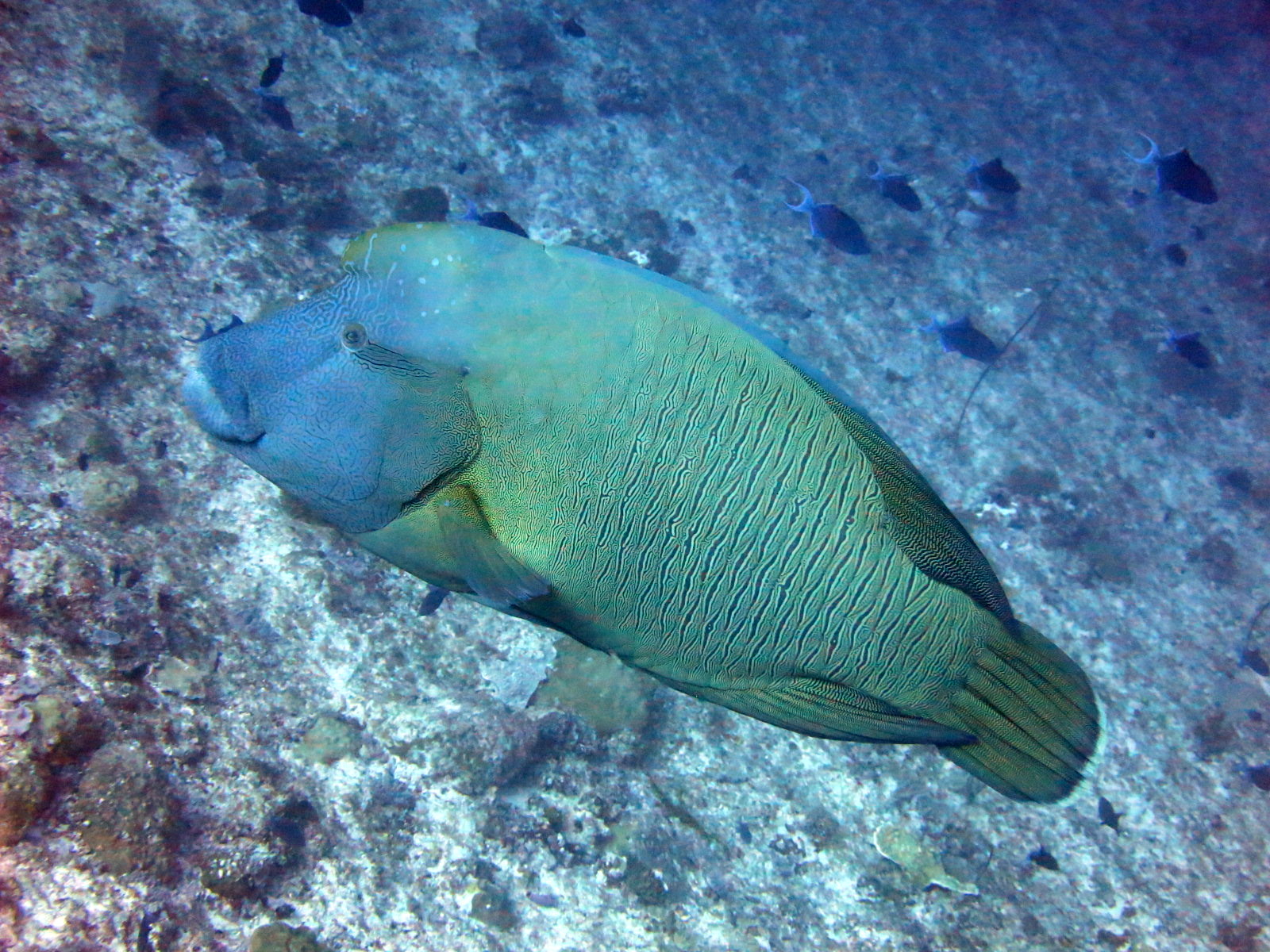
Napoleon (Humphead) Wrasse
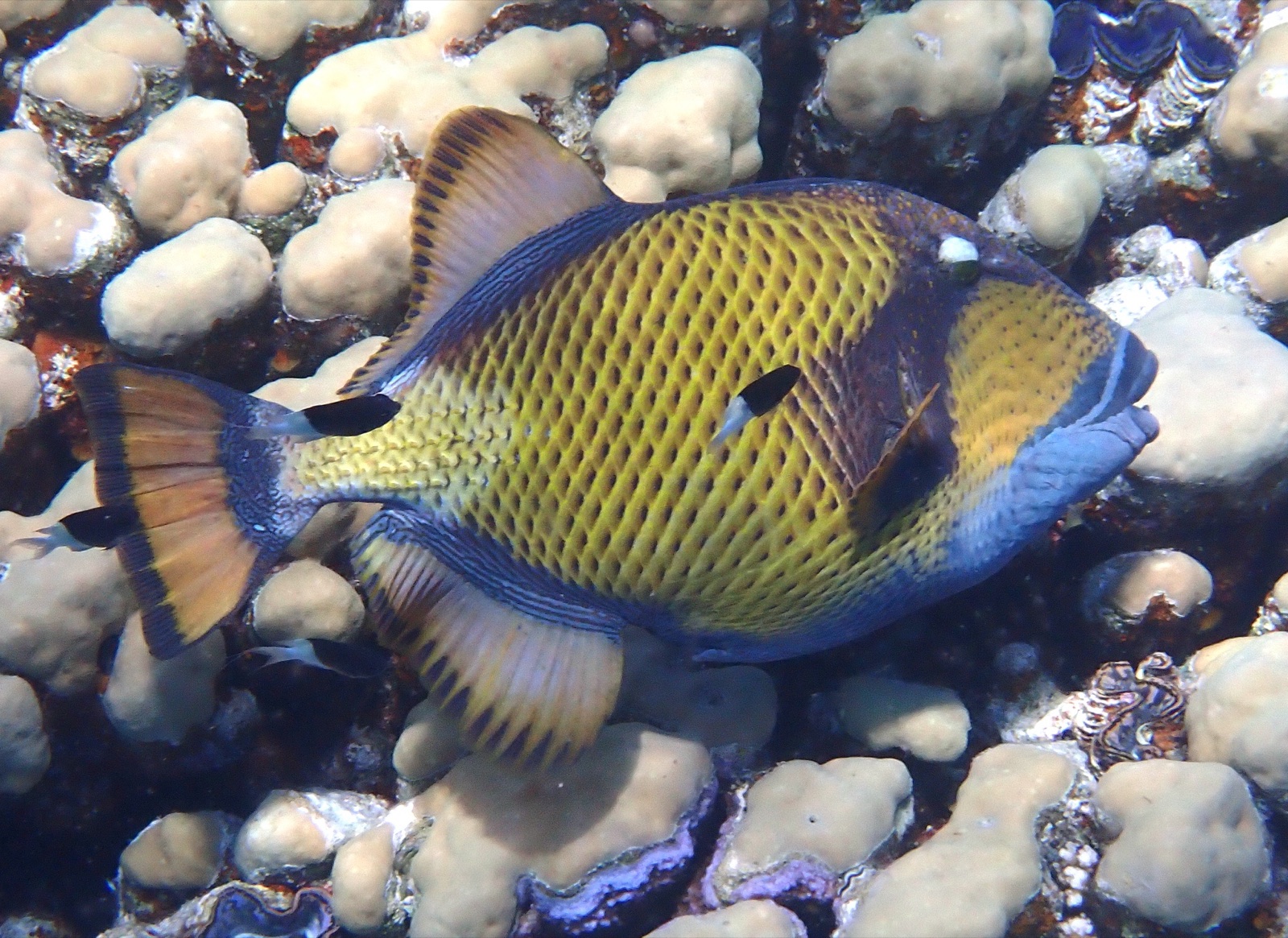
Titan Triggerfish
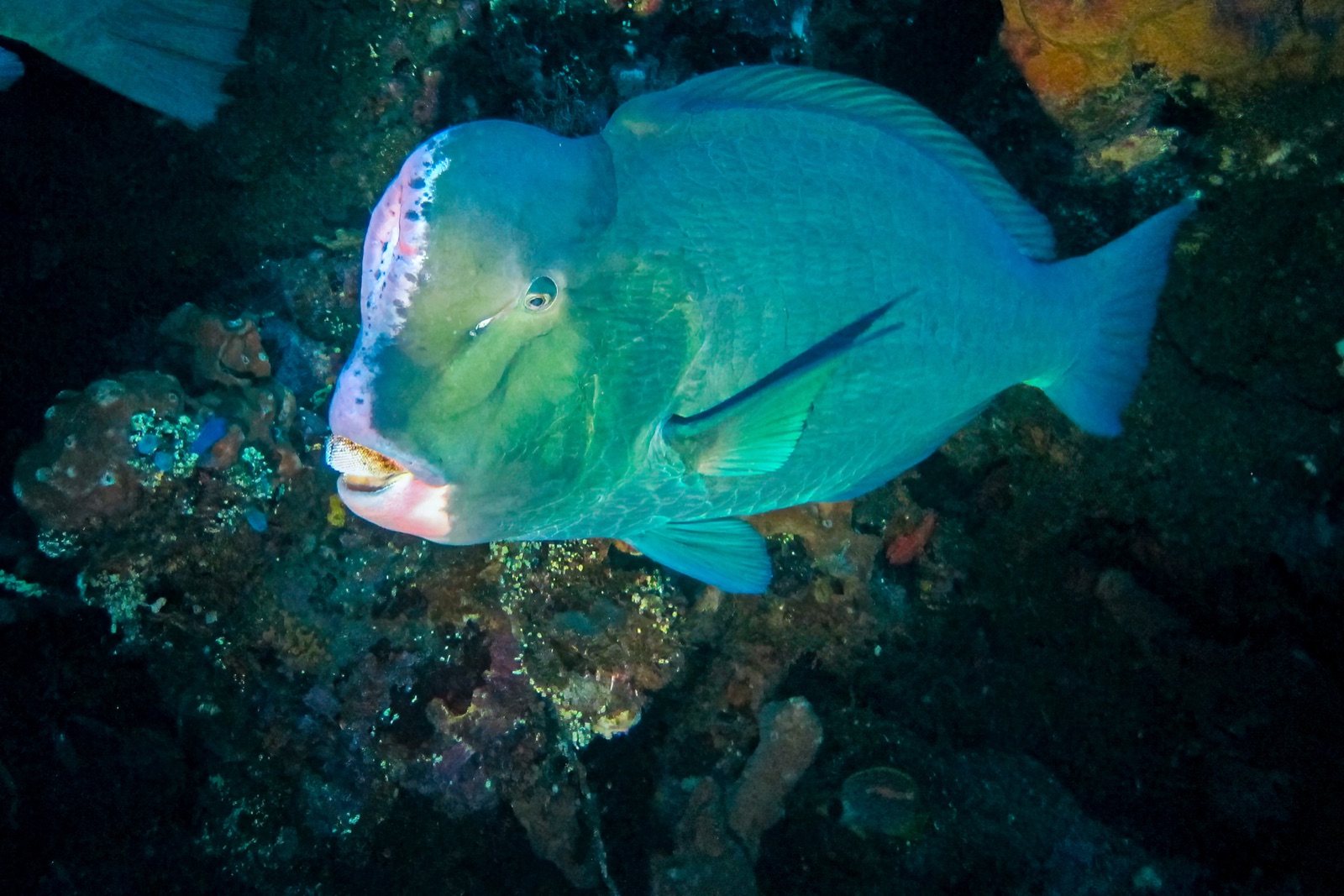
Bumphead Parrotfish
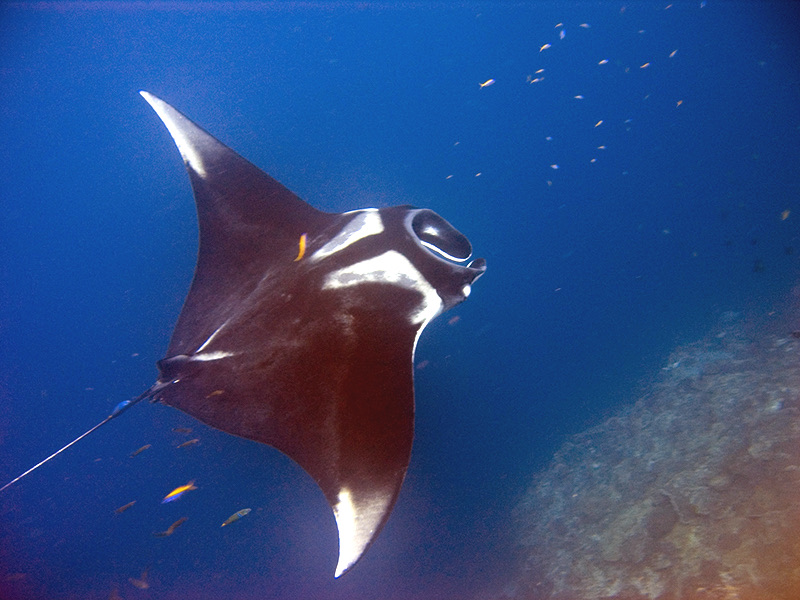
Oceanic Manta Ray
Les espèces « cartographiées ici » ont été répertoriées par nos éditeurs à partir des sources indiquées sur cette page. Les comptages correspondent aux occurrences GBIF : observations enregistrées dans un rayon d'environ 5 km autour de la position cartographiée depuis 1990, comparées uniquement aux espèces de notre catalogue. Ils indiquent ce qui a été observé à cet endroit, sans garantir ce que vous y verrez.
Pour les photographes
Grand angle: ★★★★☆ · Macro: ★★☆☆☆ (note 1–5 des éditeurs sur ce que ce site offre à chaque style de prise de vue)