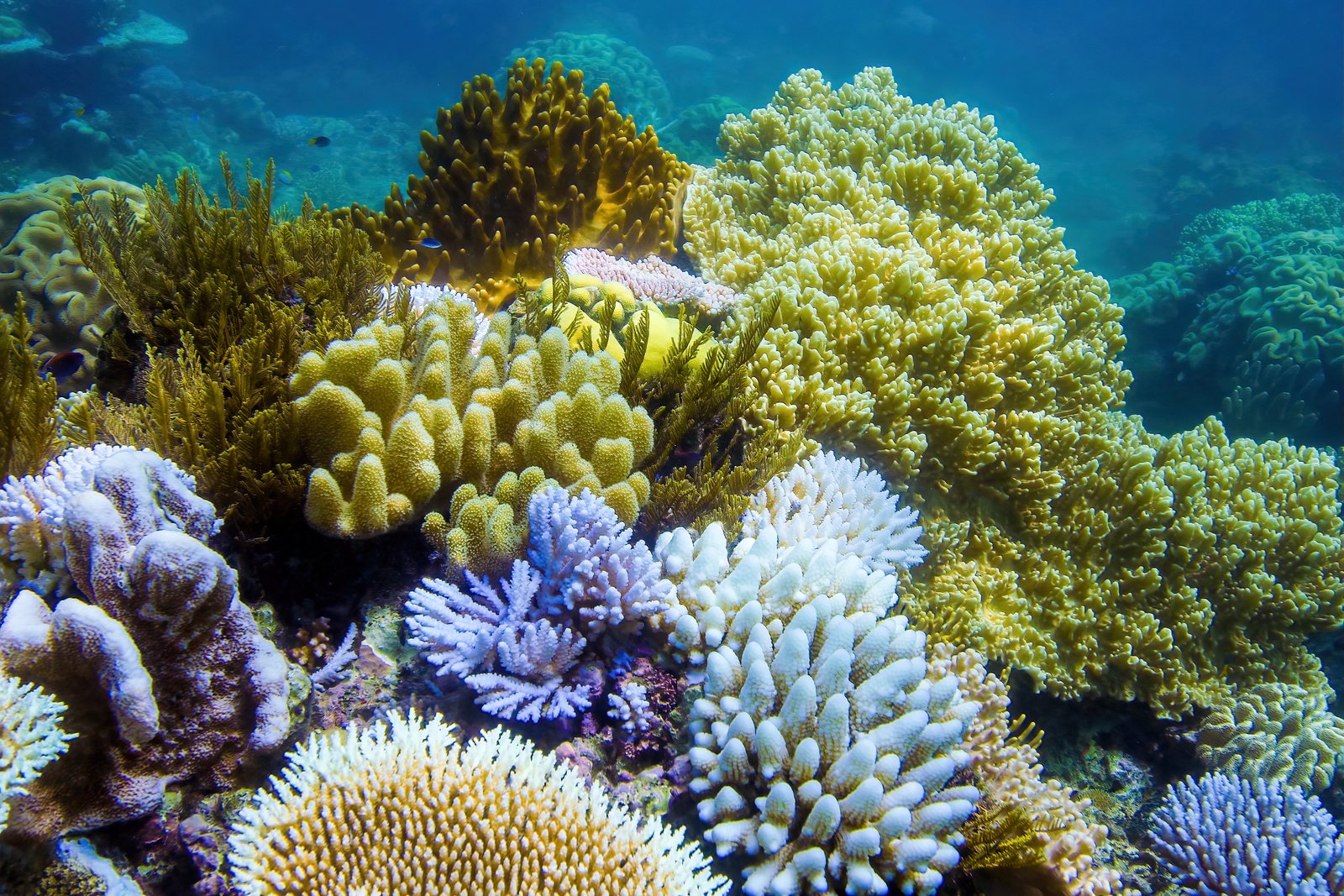
Diving in Australia
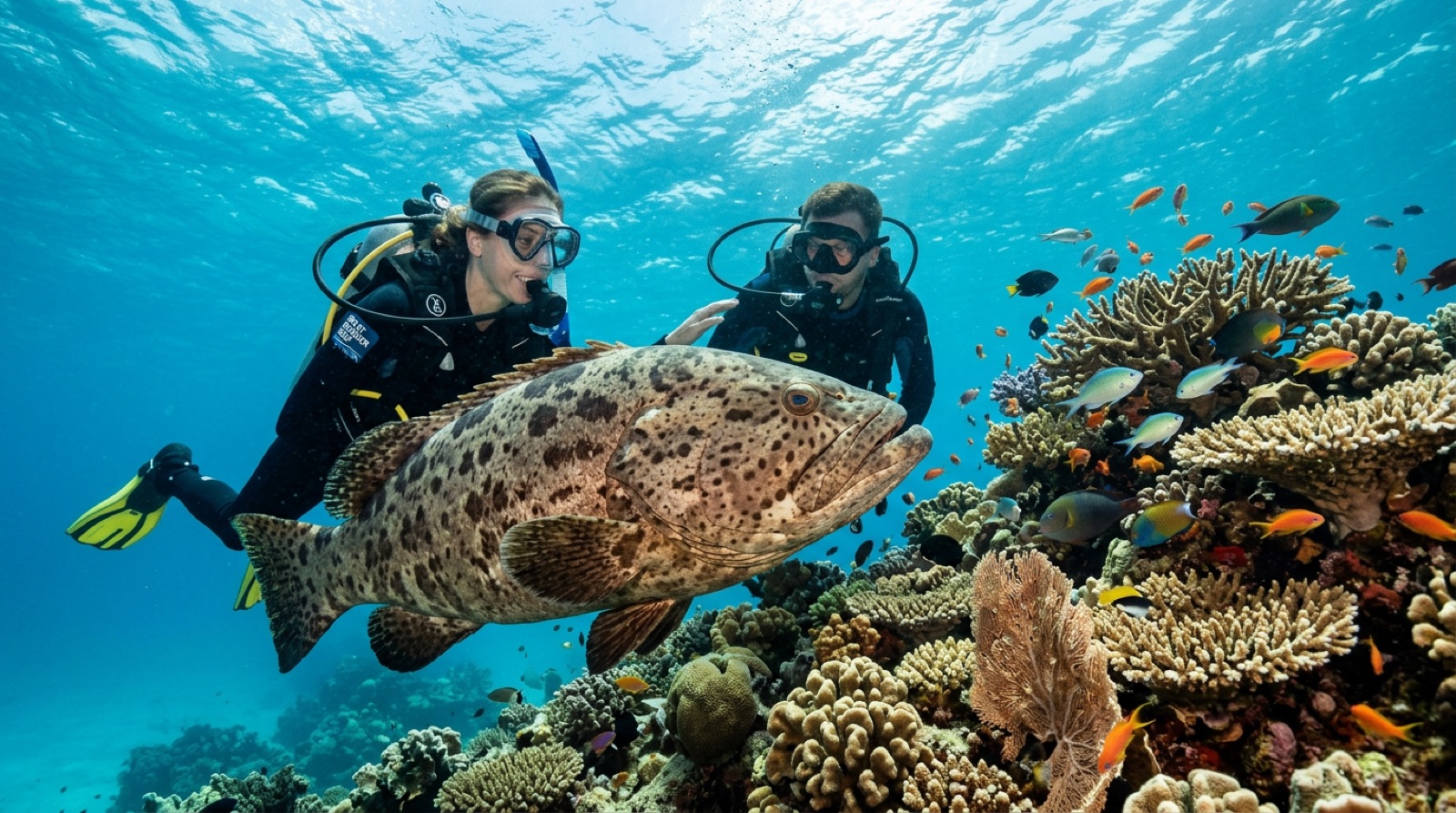
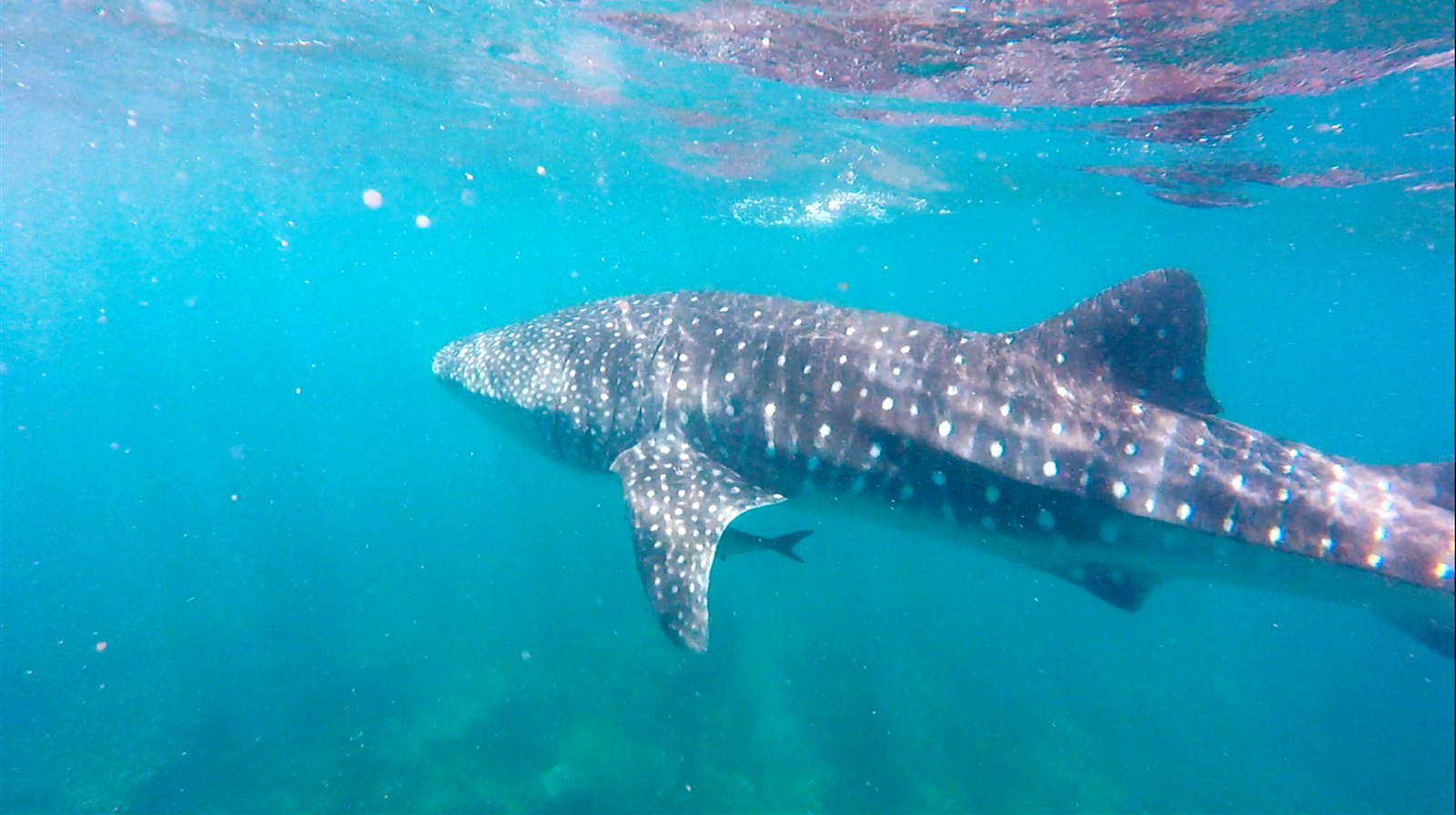
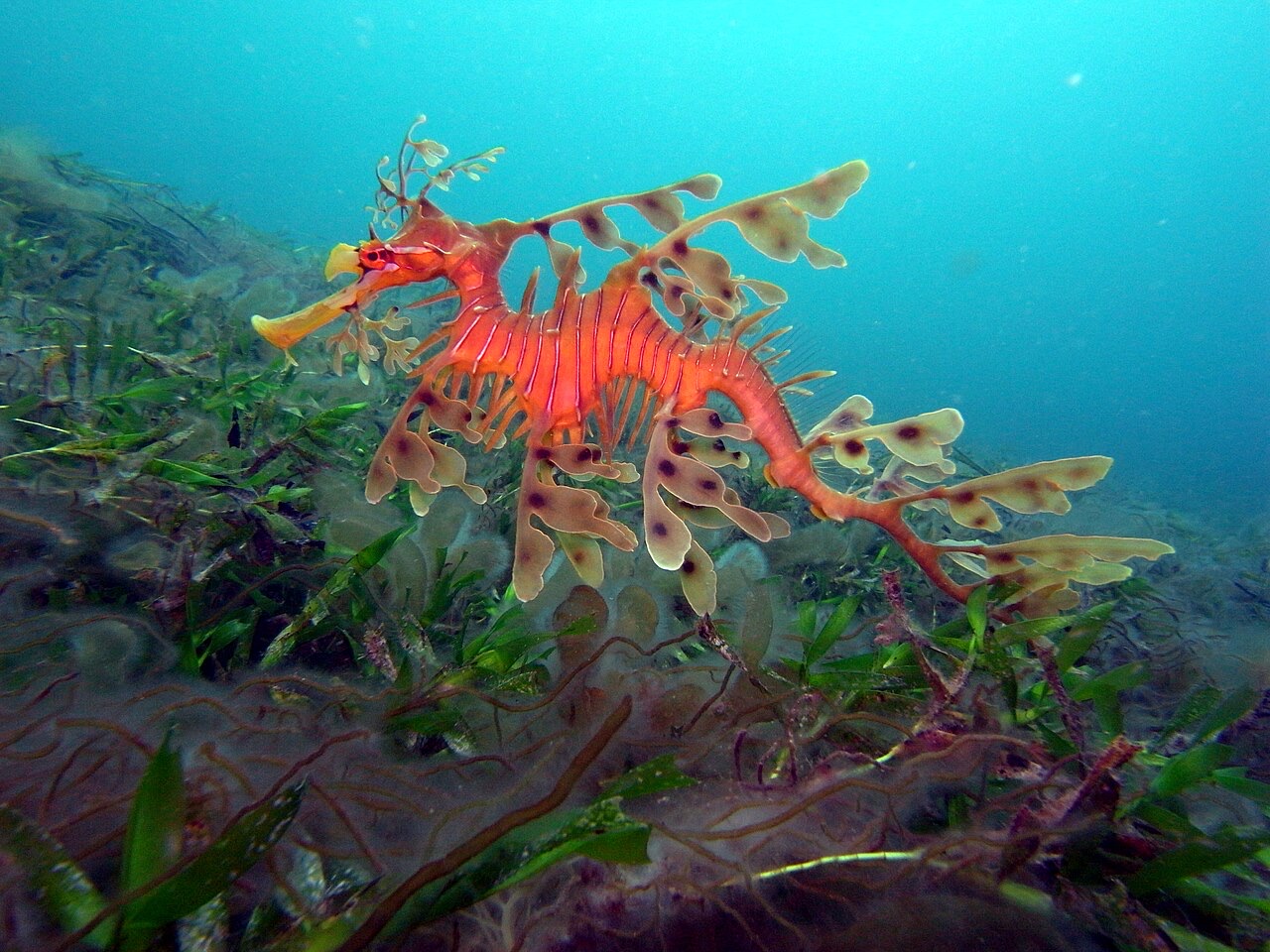
Australia is less a dive destination than a continent of them, and the distances are real: the reef you dive from Cairns sits closer to Papua New Guinea than to Sydney. The Great Barrier Reef delivers what its reputation promises once you get past the day-boat pontoons and out to the Ribbon Reefs, where potato cod meet divers at Cod Hole and dwarf minke whales approach snorkelers in June and July. On the opposite coast, Ningaloo's fringing reef starts meters from the beach and pulls in whale sharks every autumn. Temperate southern waters swap coral for kelp, leafy seadragons, and giant cuttlefish aggregations. Standards are high, operations are professional, and marine-park rules are enforced. Costs run high too, but few countries pair this much biodiversity with this much infrastructure.
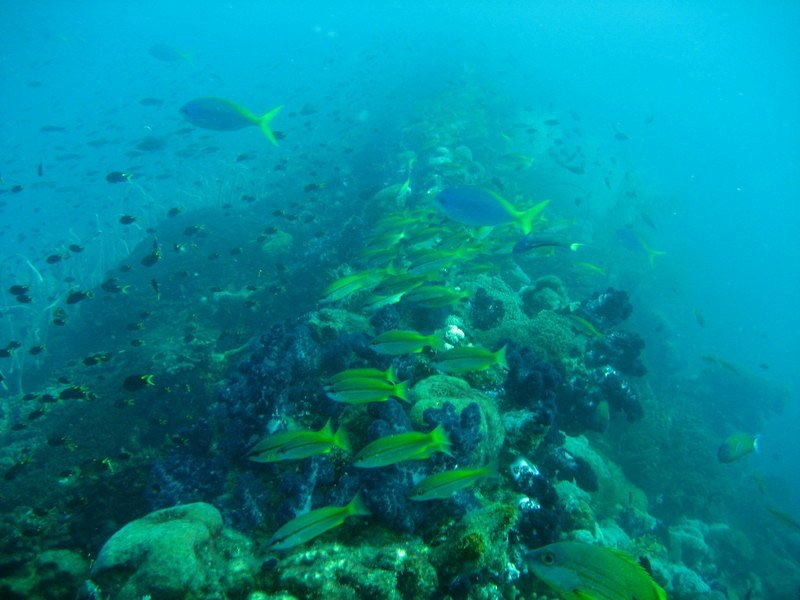
Cairns and the Ribbon Reefs anchor the tropical north, with liveaboards running to Cod Hole and the outer reef; the Coral Sea and Osprey Reef lie further offshore, where walls drop into blue water and gray reef sharks patrol Osprey's amphitheater. Townsville and the Yongala offer what many rate Australia's single best dive, a 109-meter wreck carpeted in life on open sand. Across the country, Ningaloo Reef in Western Australia is the whale-shark coast, a fringing reef with shore access at Coral Bay and Exmouth. South Australia is the temperate wildcard: cage diving with white sharks at the Neptune Islands and the giant cuttlefish gathering at Whyalla each austral winter.
Signature experiences: Drifting the Yongala among marble rays and bull sharks; swimming with whale sharks over Ningaloo's reef flat between March and July; dwarf minke whale encounters on Ribbon Reef liveaboards in June and July; the shark-filled walls of Osprey Reef; giant Queensland grouper and potato cod at Cod Hole; cage viewing of white sharks off Port Lincoln.
Seasons: The tropical north dives best in the drier austral winter and spring, June through November, with calmer seas and better visibility; November through May brings the wet season, cyclone risk, and stinger protocols. Ningaloo runs on its own clock: whale sharks March to July, humpbacks July to October. Southern temperate sites peak in different windows, including the Whyalla cuttlefish in May to August.
The destinations
Cairns & the Ribbon Reefs
Ningaloo Reef
Coral Sea & Osprey Reef
Townsville & the Yongala
South Australia
Standout dive sites
| Site | Destination | Type | Depth | Level |
|---|---|---|---|---|
| Agincourt Reefs | Cairns & the Ribbon Reefs | Reef | 5–25 m | Beginner |
| Challenger Bay | Cairns & the Ribbon Reefs | Reef | 5–18 m | Beginner |
| Cod Hole | Cairns & the Ribbon Reefs | Reef | 10–28 m | Beginner |
| Flynn Reef | Cairns & the Ribbon Reefs | Reef | 5–25 m | Beginner |
| Lighthouse Bommie | Cairns & the Ribbon Reefs | Pinnacle | 6–30 m | Intermediate |
| Pixie Pinnacle | Cairns & the Ribbon Reefs | Pinnacle | 5–30 m | Intermediate |
| Steve's Bommie | Cairns & the Ribbon Reefs | Pinnacle | 5–30 m | Intermediate |
| Asho's Gap | Ningaloo Reef | Reef | 6–15 m | Beginner |
| Lighthouse Bay | Ningaloo Reef | Reef | 8–20 m | Beginner |
| Muiron Islands | Ningaloo Reef | Reef | 6–20 m | Beginner |
Every charted site in Australia →
Marine life
Wrecks
The practical file
Getting there: Long-haul flights reach Sydney, Melbourne, and Brisbane from most continents; Cairns (CNS) has direct links to Asia and domestic connections for the reef fleet. Townsville is a short domestic hop. For Ningaloo, fly Perth then Learmonth (LEA) near Exmouth. South Australia's shark and cuttlefish sites stage out of Adelaide and Port Lincoln.
Entry & visas: Nearly every visitor needs a visa or electronic travel authority arranged before departure; eVisitor and ETA options cover many nationalities and are usually quick to obtain online. Verify current requirements for your passport before booking.
What diving costs: Expect roughly USD 150-220 for a two-tank outer-reef day trip from Cairns, USD 400-600 per night on Coral Sea and Ribbon Reef liveaboards, and USD 250-350 for Ningaloo whale-shark day trips with spotter planes.
Language: English is the national language; dive briefings, courses, and emergency services all operate in it.
Tipping: Tipping is not expected in Australia; wages are high and no one will chase you for it. A tip for exceptional liveaboard crew service is appreciated but entirely optional.
Travel safety: Australia is a very safe country to travel; the hazards are natural. Box jellyfish and Irukandji stinger season in the tropics (roughly November to May) means stinger suits on many boats, cyclones can shut down reef trips in the wet season, and remote coastlines demand respect for sun, currents, and distances. Follow operator briefings on marine life and drink-driving-style dive rules; enforcement is genuine.
Recompression cover: Australia has an established network of hospital hyperbaric units, including Townsville for the Great Barrier Reef coast and major facilities in Sydney, Melbourne, Adelaide, Perth, and Darwin. Availability and readiness change; in an emergency call 000 and contact DAN, and let EMS route you to the right chamber.