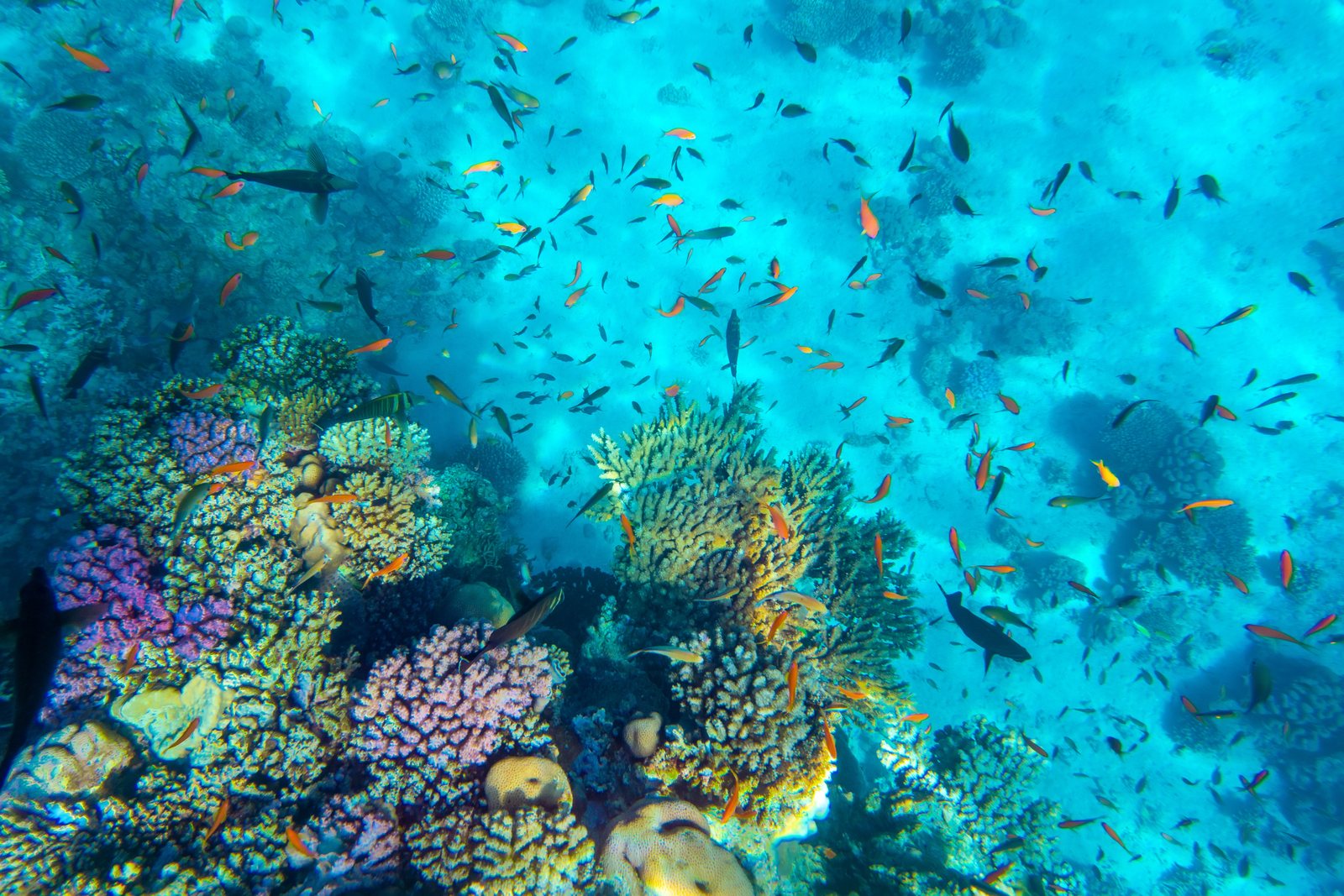
Diving in Egypt
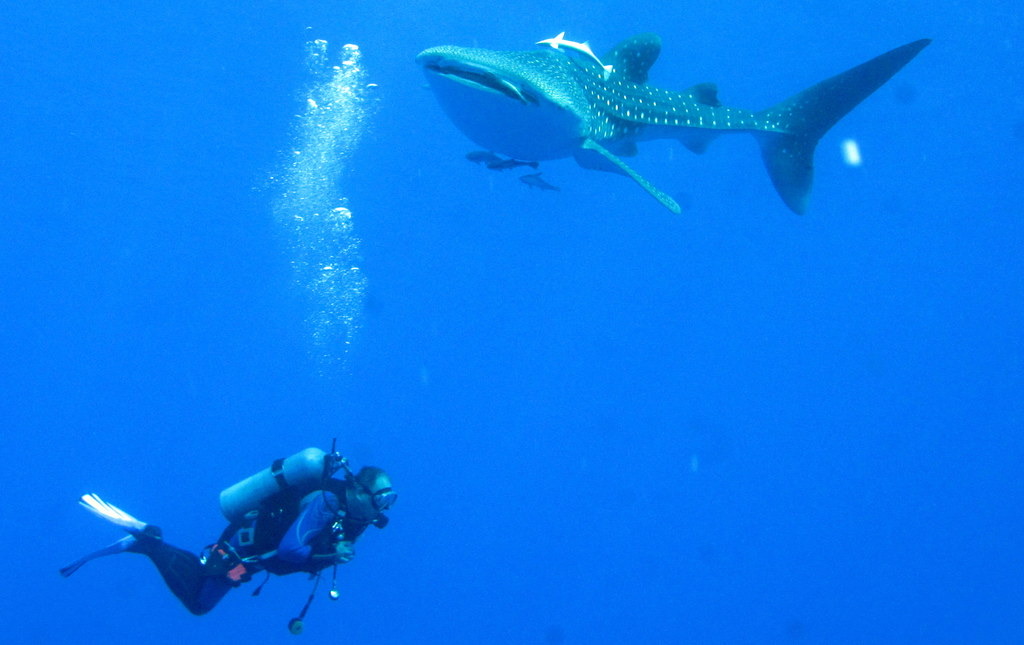
Egypt owns the Red Sea's greatest hits, and it remains the best value in world-class diving anywhere. The northern triangle of Sharm El Sheikh, Dahab, and Hurghada delivers anemone-covered pinnacles, the reef walls of Ras Mohammed, and the SS Thistlegorm, a torpedoed 1941 freighter still loaded with trucks, motorcycles, and locomotives. South along the coast, Marsa Alam opens onto seagrass bays with dugongs, the dolphin lagoons of the Fury Shoals, and Elphinstone's oceanic whitetips. Offshore, liveaboards run the Brothers, Daedalus, and St John's circuit, where hammerheads and pelagics patrol current-swept walls. Visibility runs long, the reefs remain vividly healthy, flights from Europe are short and cheap, and the professional infrastructure ranges from backpacker camps in Dahab to floating five-star boats. No other country packs this much diving into one coastline at this price.
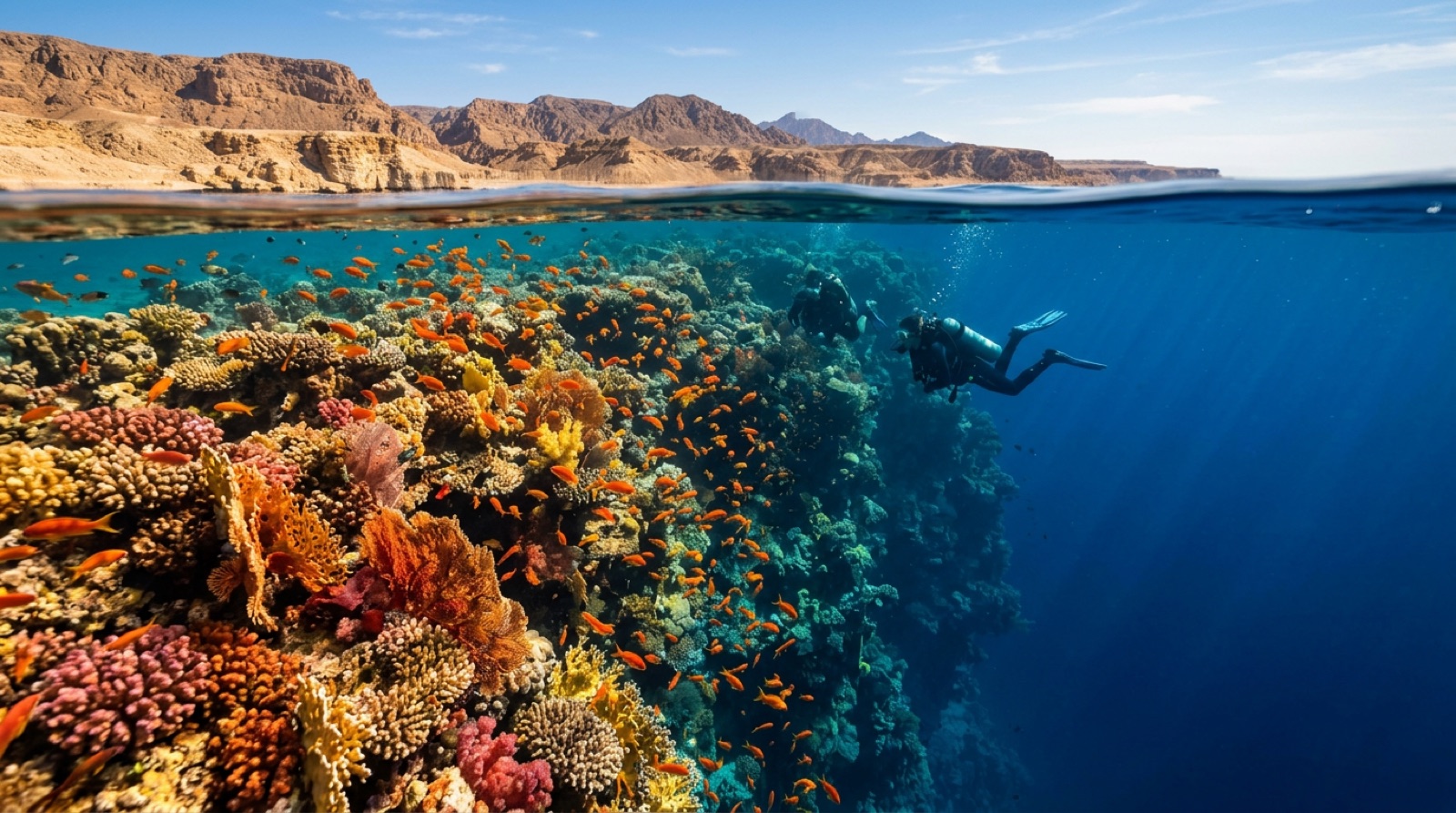
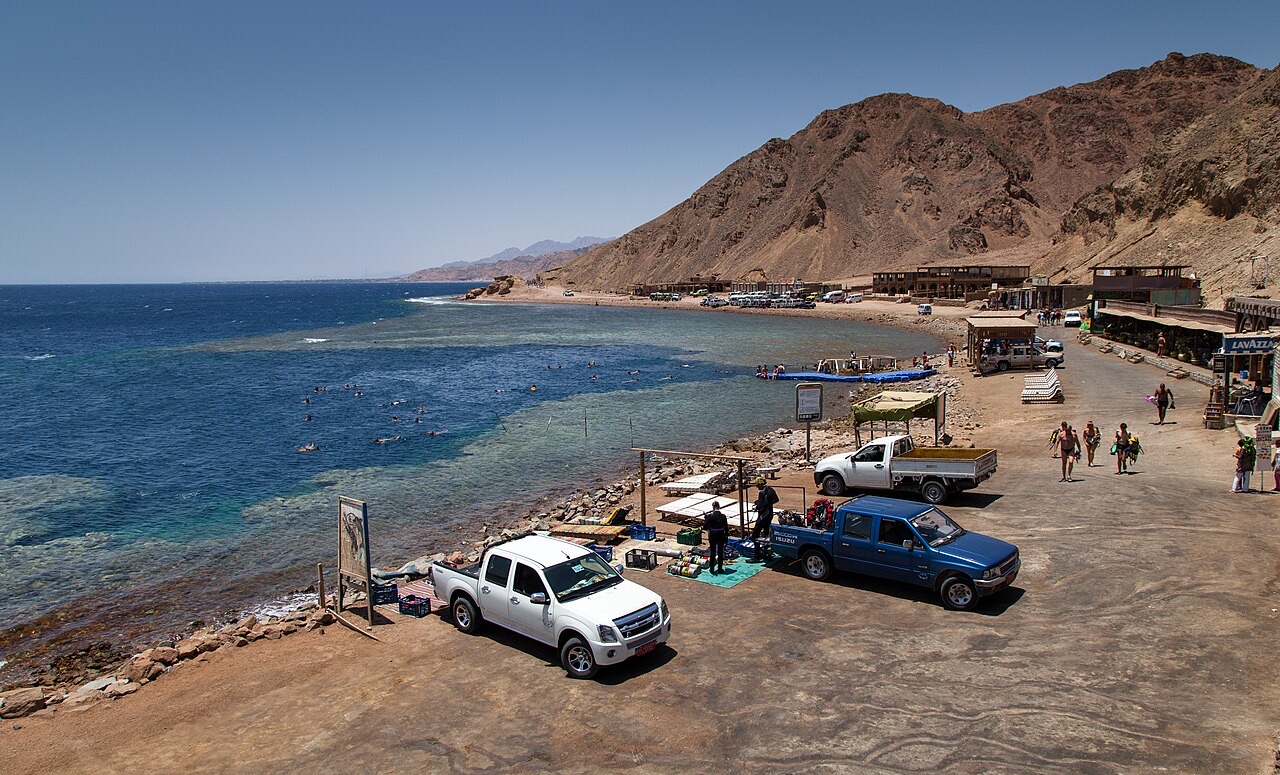
Sharm El Sheikh and Ras Mohammed anchor the north with the Strait of Tiran and the Thistlegorm in range; Dahab offers shore diving, the Canyon, and the storied Blue Hole an hour up the Gulf of Aqaba; Hurghada and El Gouna pair island reefs with northern wrecks like Abu Nuhas; Marsa Alam and the Deep South run from Elphinstone to the Fury Shoals; and the Brothers, Daedalus and St John's form the marquee liveaboard triangle offshore.
Signature experiences: The Thistlegorm's cargo holds at dawn; hanging in blue water off Elphinstone or Daedalus watching for oceanic whitetips and hammerheads; the coral towers of Ras Mohammed's Shark and Yolanda reefs; dugong and turtle seagrass dives near Marsa Alam; Dahab's Canyon by lamplight.
Seasons: Diving is year-round. Spring and autumn hit the sweet spot of warm water and settled seas; high summer is hot topside but excellent underwater; winter cools the water into the low 20s with wind that can bounce offshore liveaboard crossings. Big-animal odds offshore generally peak from late spring through autumn.
The destinations
Sharm El Sheikh & Ras Mohammed
Brothers, Daedalus & St John's
Dahab
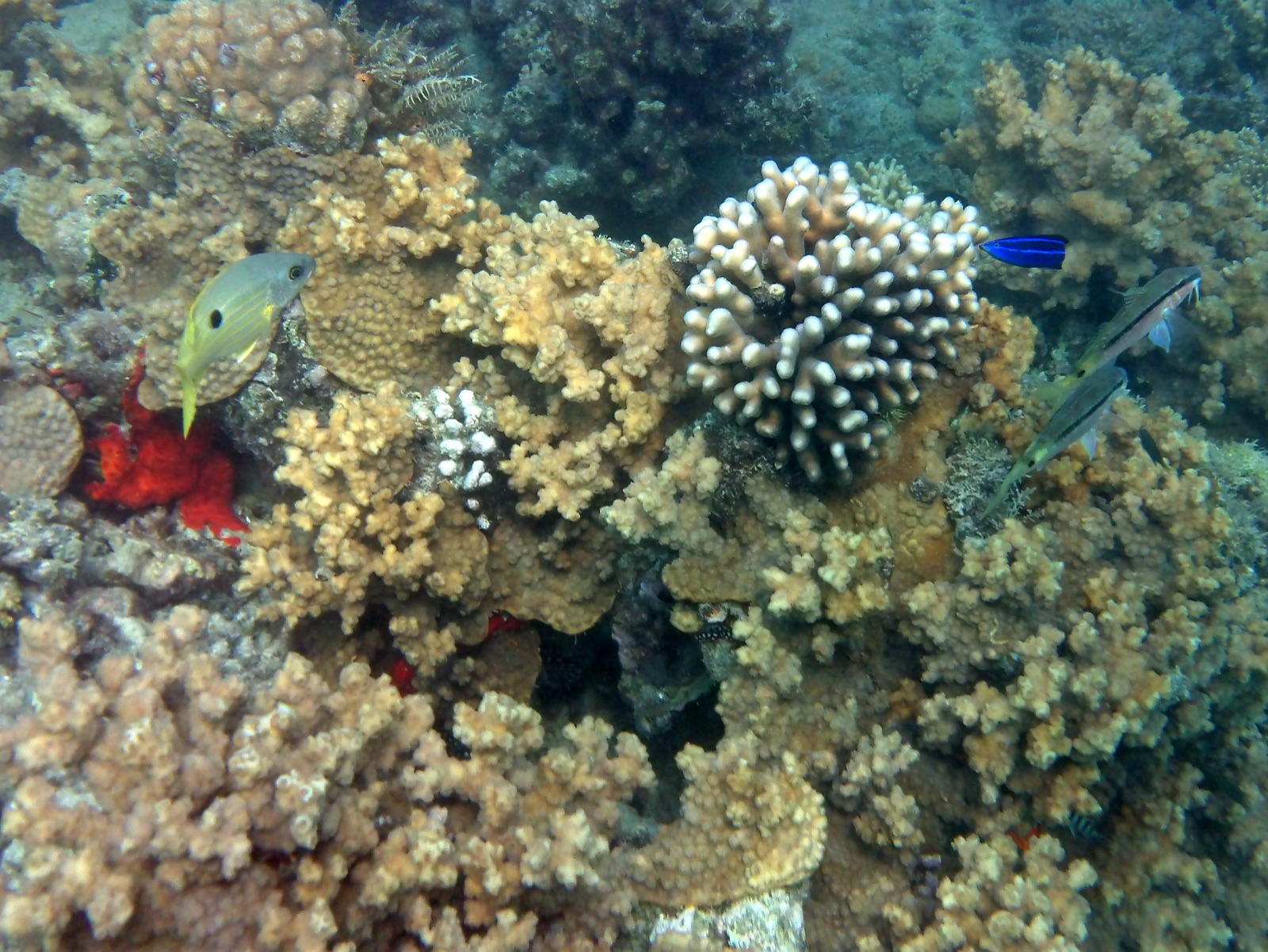
Hurghada & El Gouna
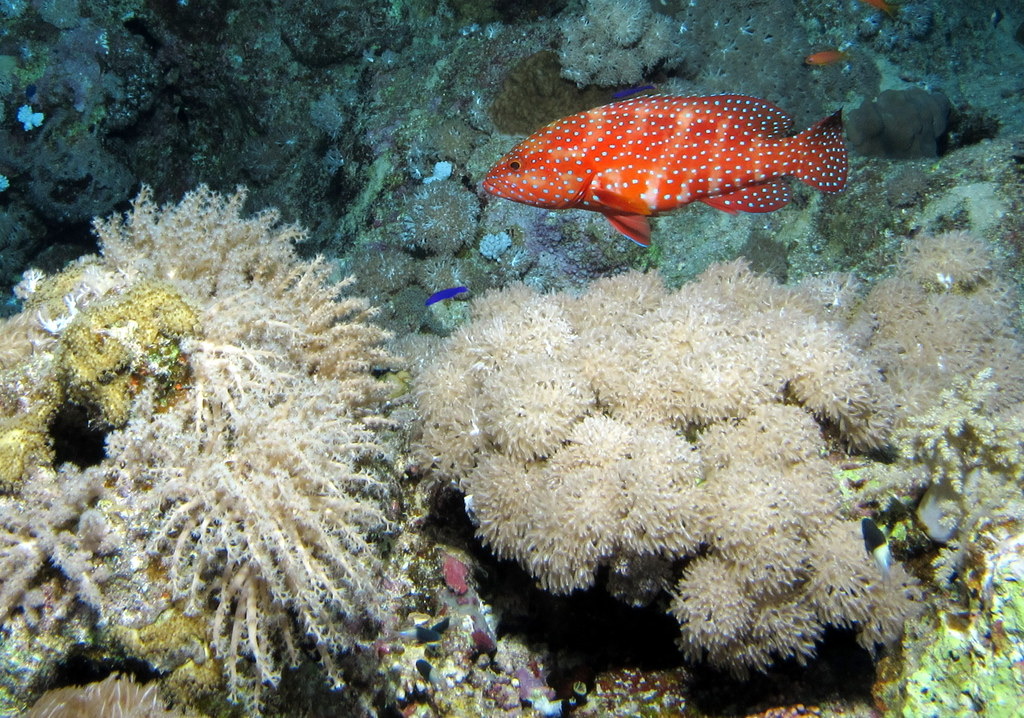
Marsa Alam & the Deep South
Standout dive sites
| Site | Destination | Type | Depth | Level |
|---|---|---|---|---|
| Gordon Reef | Sharm El Sheikh & Ras Mohammed | Reef | 3–24 m | Beginner |
| Jackson Reef | Sharm El Sheikh & Ras Mohammed | Reef | 3–40 m | Intermediate |
| Ras Um Sid | Sharm El Sheikh & Ras Mohammed | Reef | 5–30 m | Beginner |
| SS Dunraven | Sharm El Sheikh & Ras Mohammed | Wreck | 15–29 m | Intermediate |
| SS Thistlegorm | Sharm El Sheikh & Ras Mohammed | Wreck | 16–32 m | Intermediate |
| Shark & Yolanda Reefs | Sharm El Sheikh & Ras Mohammed | Reef | 5–30 m | Intermediate |
| Thomas Reef | Sharm El Sheikh & Ras Mohammed | Reef | 5–40 m | Advanced |
| Abu Dabbab | Marsa Alam & the Deep South | Shore | 2–18 m | Beginner |
| Aida | Brothers, Daedalus & St John's | Wreck | 30–60 m | Advanced |
| Big Brother | Brothers, Daedalus & St John's | Wall | 5–40 m | Advanced |
Marine life
Wrecks
The practical file
Getting there: Direct European charters and scheduled flights serve Sharm El Sheikh (SSH), Hurghada (HRG), and Marsa Alam (RMF); Cairo (CAI) connects everything intercontinentally. Transfers to resorts and marinas are short, and Dahab is about an hour from Sharm by road.
Entry & visas: Most nationalities obtain an Egyptian visa on arrival or an e-visa in advance, and a free Sinai-only entry stamp covers some south-Sinai resort stays; rules differ by passport and entry point, so verify current requirements before travel.
What diving costs: Day boats commonly run about EUR 50-90 for two tanks, unlimited-shore packages in Dahab are cheaper still, and full-board liveaboards range roughly EUR 750-1,400 per week; equivalent quality costs multiples more elsewhere.
Language: Arabic is the national language; English is standard throughout the dive industry, with German, Italian, and Russian common in resorts.
Tipping: Tipping is woven into daily life; small notes for services add up, and dive crews customarily receive a shared tip at week's end, with roughly 5-10 percent of the trip price a common guideline on boats.
Travel safety: The Red Sea resorts are heavily secured and long insulated from unrest elsewhere in the country; standard advice is to fly into the coast directly and avoid North Sinai entirely. Petty hustle is more common than crime. Underwater, currents at the offshore reefs are serious, and operators enforce guide, buddy, and surface-marker rules after past incidents; respect closures and briefings.
Recompression cover: Egypt's Red Sea coast is comparatively well provisioned, with hyperbaric facilities long established in Sharm El Sheikh and the Hurghada and Marsa Alam regions. Availability changes; emergencies route through your operator's oxygen and evacuation plan, local EMS, and DAN.