Redactioneel · 4 min leestijd
The Best Diving Near the United States
The strongest diving on a US passport's doorstep: domestic sites from the Keys to California kelp, plus the short-flight upgrades that beat a long-haul.
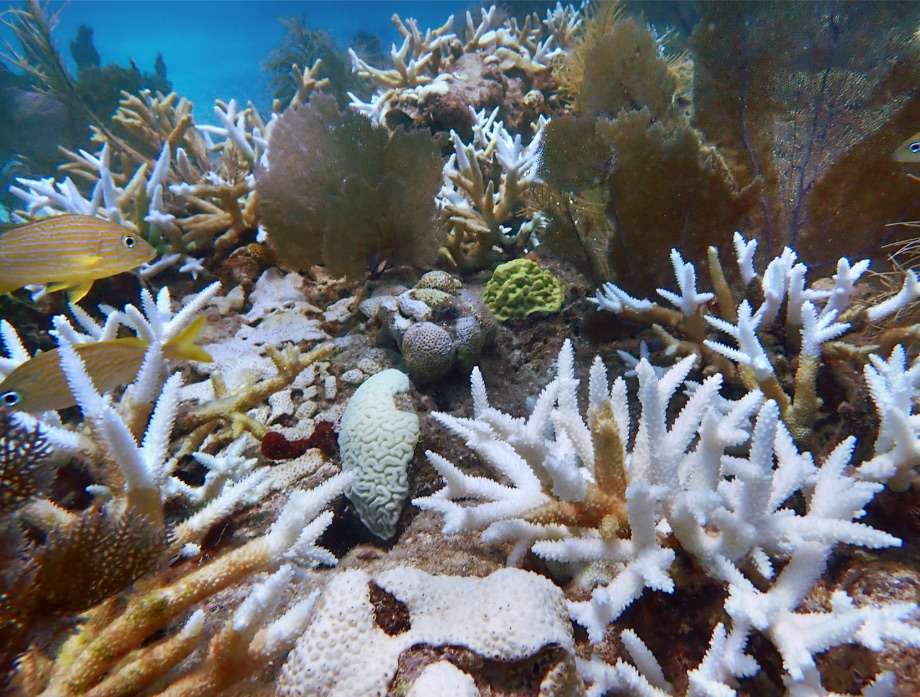
American divers underrate their own doorstep. The strongest domestic diving splits by taste (warm wrecks in the Southeast, cold kelp in the West, volcanic blue water in Hawaiʻi), and a two-to-three-hour flight adds the Caribbean's best. Ranked by what you get per day off work: everything below fits inside a week's leave, and half of it inside a long weekend, with the passport entries sitting closer to Miami than California does.
Florida Keys
The Keys pair America's only living coral barrier reef with a deliberately sunk fleet, from the Spiegel Grove to the radar-dished Vandenberg. Massive goliath groupers haunt the wrecks. Currents on the big ships are real, June-to-November storms shuffle schedules, and Key Largo's reef tract alone fills a week before the wreck fleet even enters the conversation.
North Carolina's Outer Banks
The Graveyard of the Atlantic earns the name: U-boats sunk in 1942, most famously U-352, lie in warm Gulf Stream water patrolled by toothy, docile sand tiger sharks. Runs from Morehead City are long, seas cancel boats often, and the payoff ranks with any wreck diving anywhere.
California's Channel Islands
Kelp forest is America's signature underwater landscape, and the Channel Islands keep the best of it: golden canopies, sea lions treating divers as toys, lobsters in the ledges. Water runs 10–20 °C (a 7 mm suit or drysuit territory), and the best islands need a liveaboard weekend.
Hawaiʻi: Kona, Oʻahu, Maui
Three flavors on one archipelago: Kona's manta night dive and lava tubes, Oʻahu's accessible wrecks like the YO-257 off Waikiki, and the back wall of Molokini crater dropping into open blue. Winter surf closes shore sites while boats keep working the lee, and interisland hops are short enough to pair two islands in one week.
The Gulf wildcard
Off Pensacola, the aircraft carrier USS Oriskany is the largest vessel ever purpose-sunk as a reef. Its island starts around 25 m and the rest goes far deeper, rewarding advanced and technical divers who time the Gulf's flat spells.
Two hours from Miami: Bahamas and beyond
The shortest international upgrade in diving: Bahamas shark banks like Tiger Beach, Nassau's wreck sets, and out-island walls, all within commuter range of Florida. Cozumel's drift diving and Roatán's value walls sit one easy flight further.
Bermuda
Due east off the Carolinas, Bermuda stacks four centuries of navigational failure onto its reef ring: wreck diving in warm Atlantic water from roughly April to November, with the Cristóbal Colón spread across the shallows. Winter shuts the season down properly.
Turks and Caicos
For pure wall diving on a direct flight, Turks and Caicos is the American diver's low-effort jackpot: sheer drop-offs, reliable reef sharks, and January-to-March humpback song bleeding into every dive.
Reading the weather windows
Every American region runs on its own clock. The Southeast dives year-round with a June-to-November storm asterisk; North Carolina and the Gulf hinge on sea state more than season, so flexible dates beat perfect ones; California's calmest, clearest stretches often land in fall, between spring plankton and winter swell. Hawaiʻi flips by coastline: when surf shuts the north and east shores, the lee sides keep working. Book refundable wherever the ocean holds a veto.
The cold-water counterargument
North of the border, British Columbia's emerald channels hold giant Pacific octopus, wolf eels, and invertebrate walls that out-color coral, at their clearest in winter, in drysuit temperatures. It converts more warm-water divers than any brochure manages, once the drysuit question is settled. US divers reach it through Seattle plus a ferry or floatplane leg, nearer than the map makes it feel.

