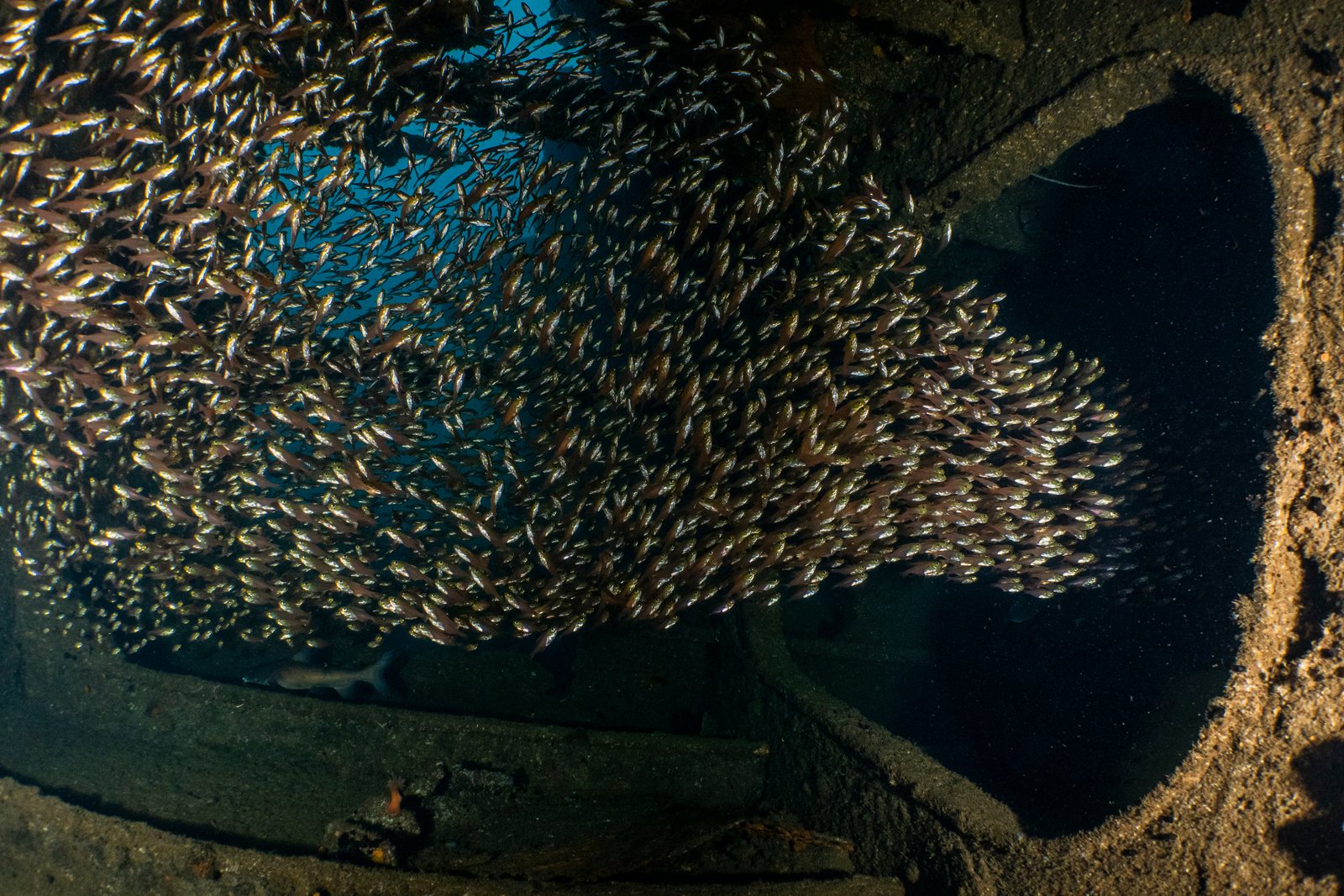
SS Nebo
La profundidad es el rango desde la cima del punto de buceo hasta su máximo habitual; la "certificación recomendada" es el nivel que los operadores suelen pedir según las agencias principales, no una norma legal. Las corrientes y la visibilidad cambian a diario, así que trata todo esto como rangos de planificación.
The Nebo sank in 1884 on her maiden voyage from Britain, laden with railway bridge materials for Natal, and settled hull-up on the sand north of the shoal; her crew reached safety. As Aliwal's Victorian wreck she reads differently from the Produce: a single long steel mound, plates furred in growth, with her cargo-era ironwork still traceable beneath. The overturned hull forms sheltered caverns where soldierfish and big morays gather, rays rest along the scour, and the steel surfaces have become one of the coast's best nudibranch hunting grounds. History, atmosphere, and macro rather than adrenaline.
El momento por el que vienes: An 1884 steamer resting upside down; superb nudibranch searching over the plates
Topografía: Steamer lying upturned on sand, hull largely whole, machinery exposed at the edges
Corriente: Same launch-and-line routine as the Produce; the two wrecks are often paired on one charter.
Lo que debes saber antes de tirarte al agua
Riesgos: Depth, swell-driven surge over the hull, and entanglement points along the wreckage.
Permisos y normas: Aliwal Shoal MPA permit required, arranged via operators.
Conservación: A 19th-century heritage wreck inside the MPA: nothing gets lifted, moved, or entered.
Nitrox: Vale la pena aquí: los perfiles están en el rango donde el nitrox amplía de forma significativa el tiempo sin parada (con la formación necesaria para usarlo).
A quién encontrarás
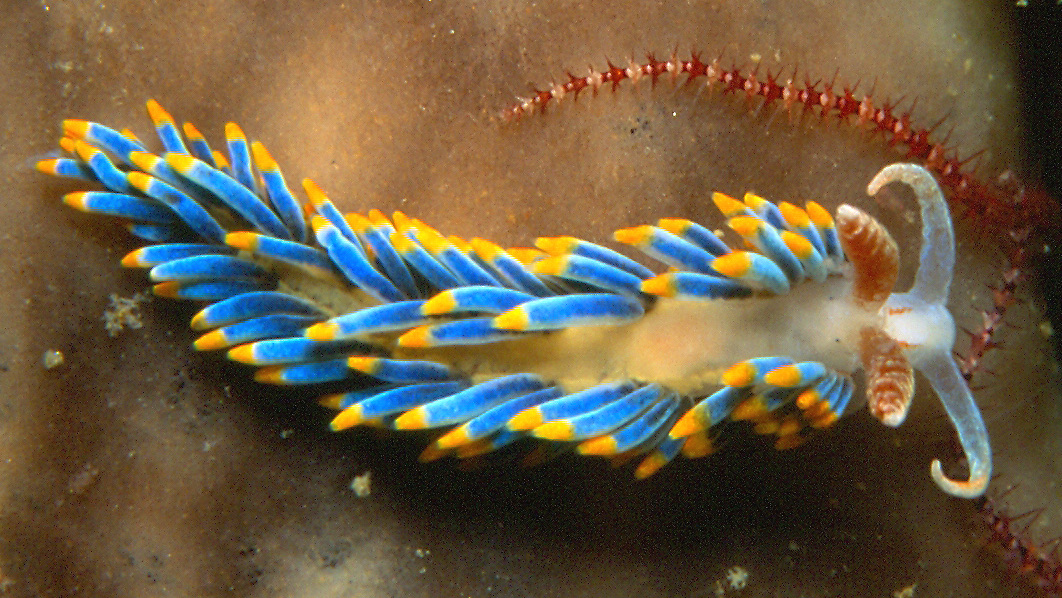
Nudibranchs
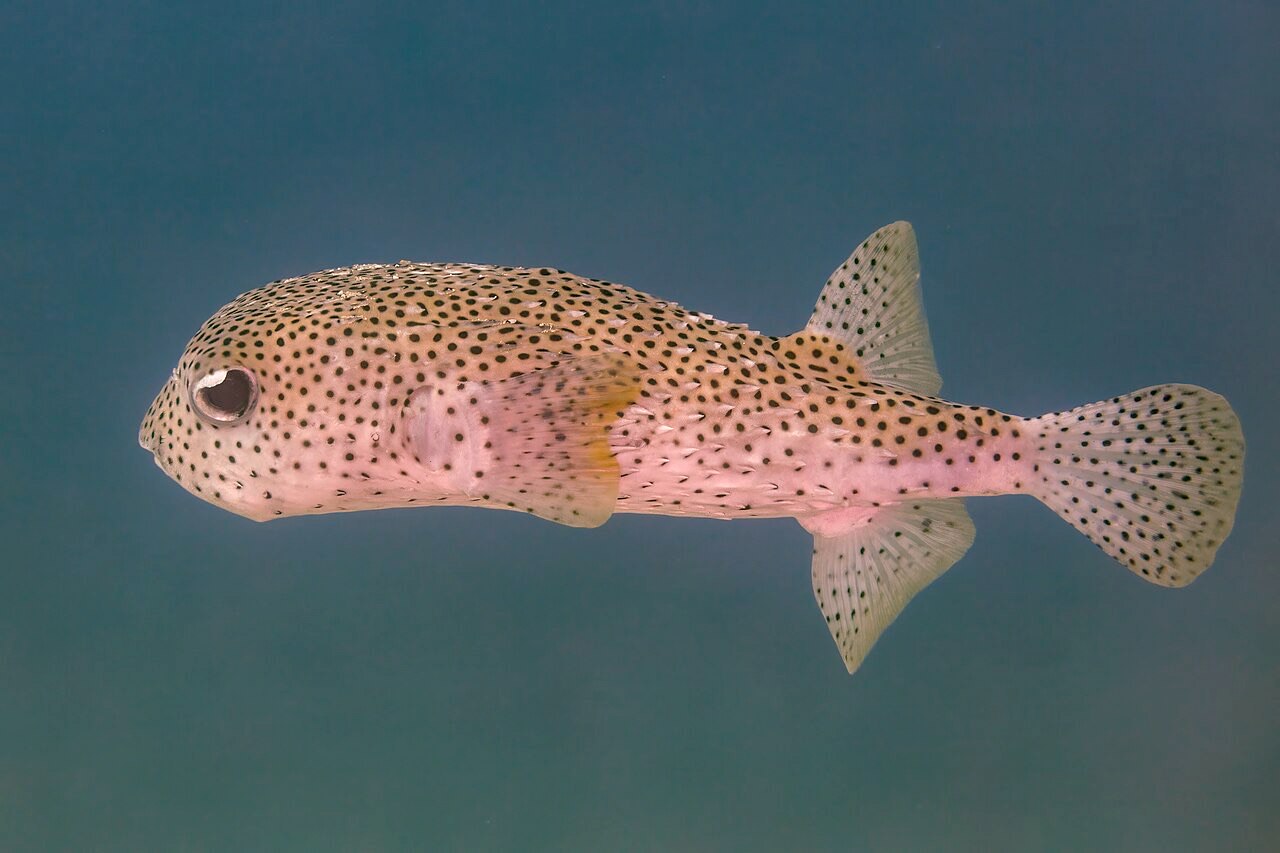
Porcupinefish
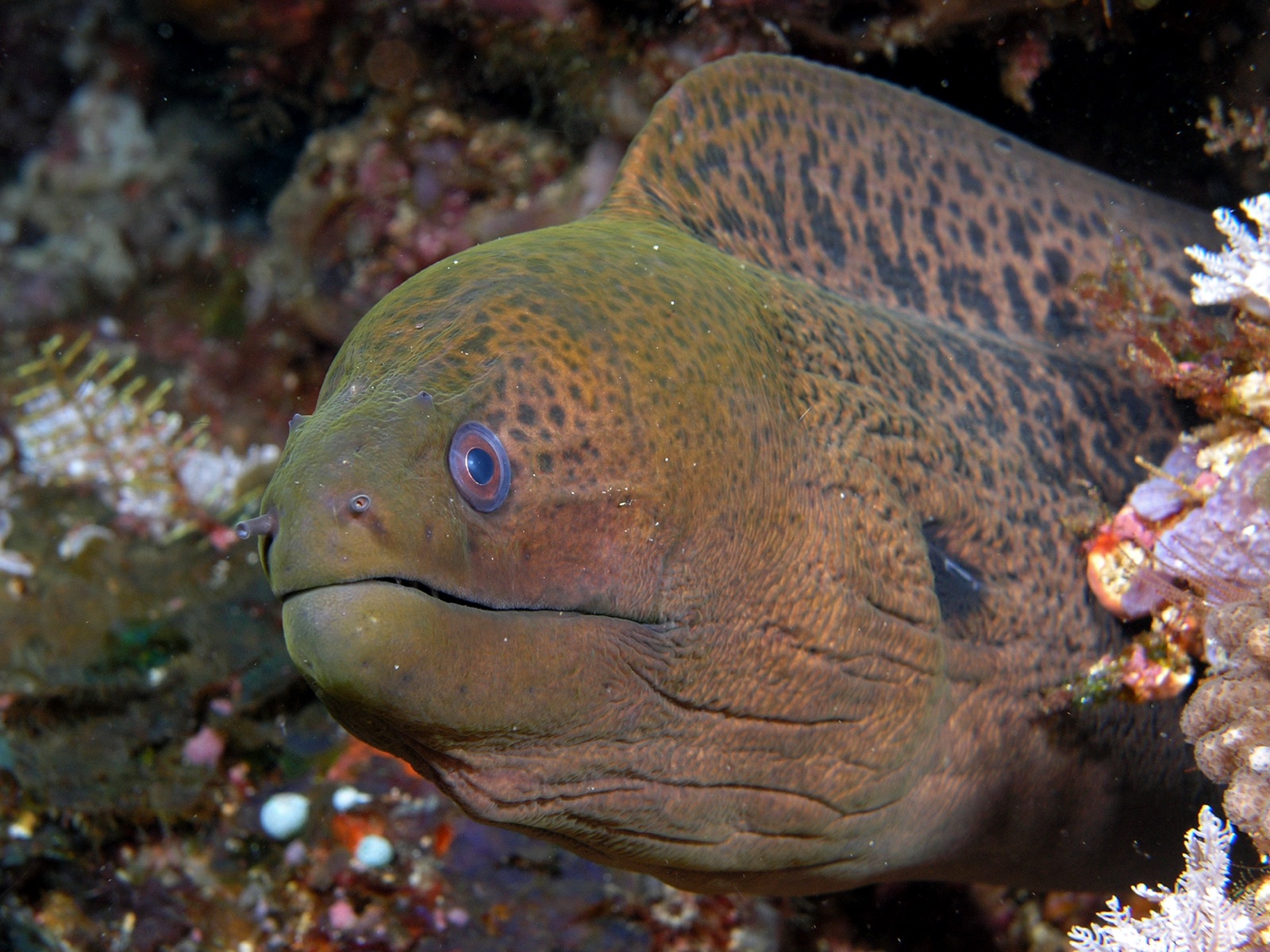
Giant Moray Eel
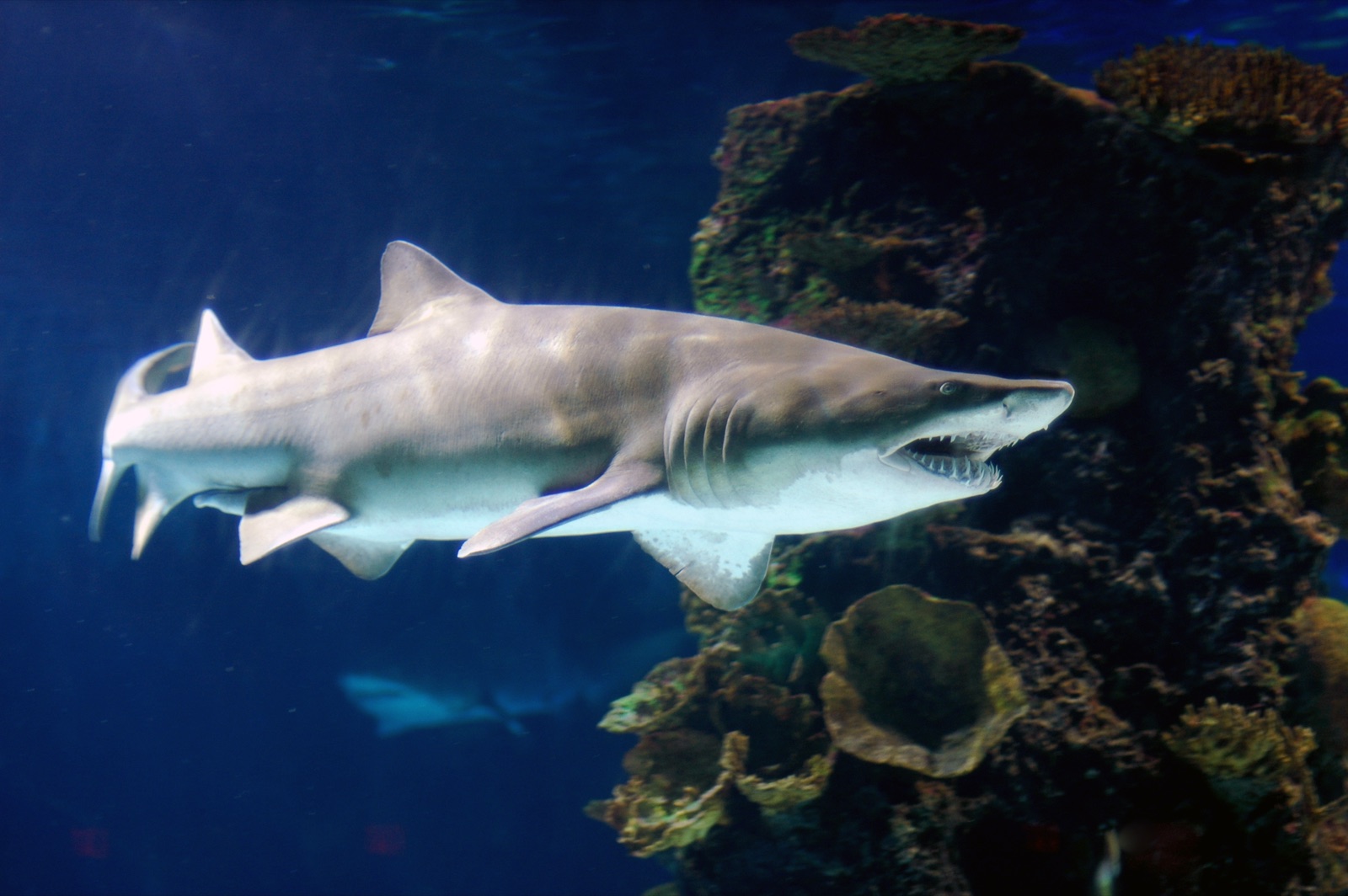
Sand Tiger (Ragged-Tooth) Shark
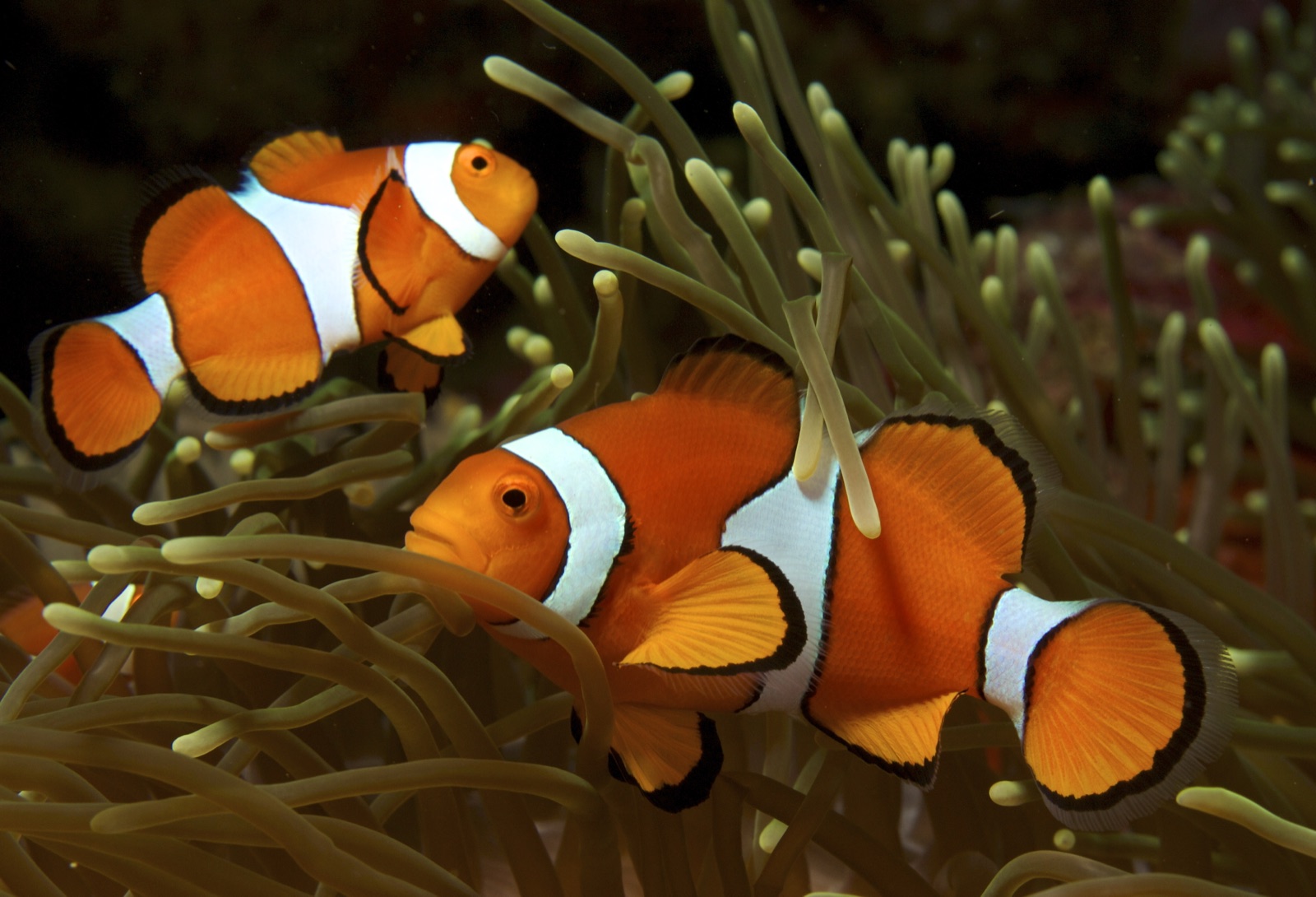
Clownfish & Anemonefish
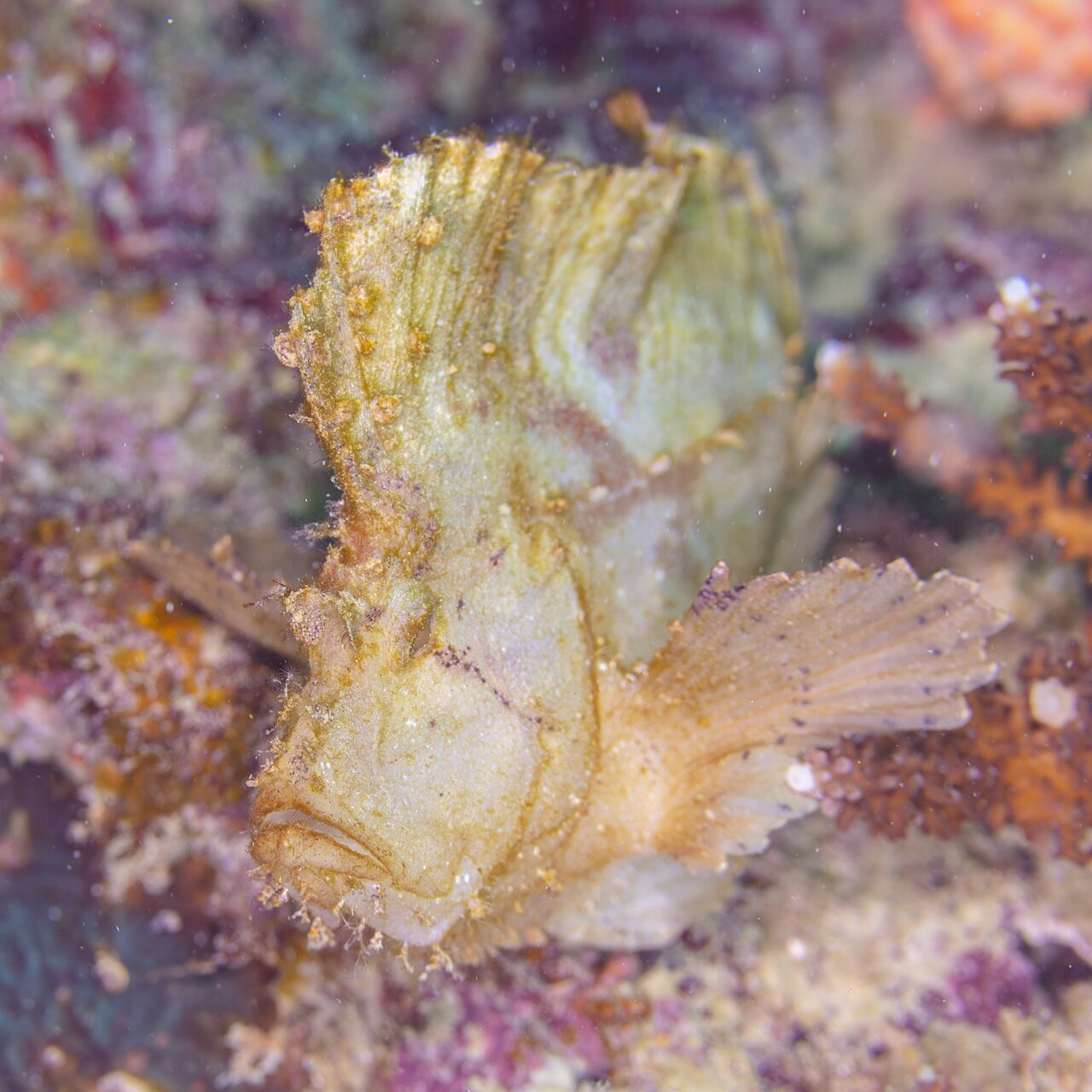
Leaf Scorpionfish
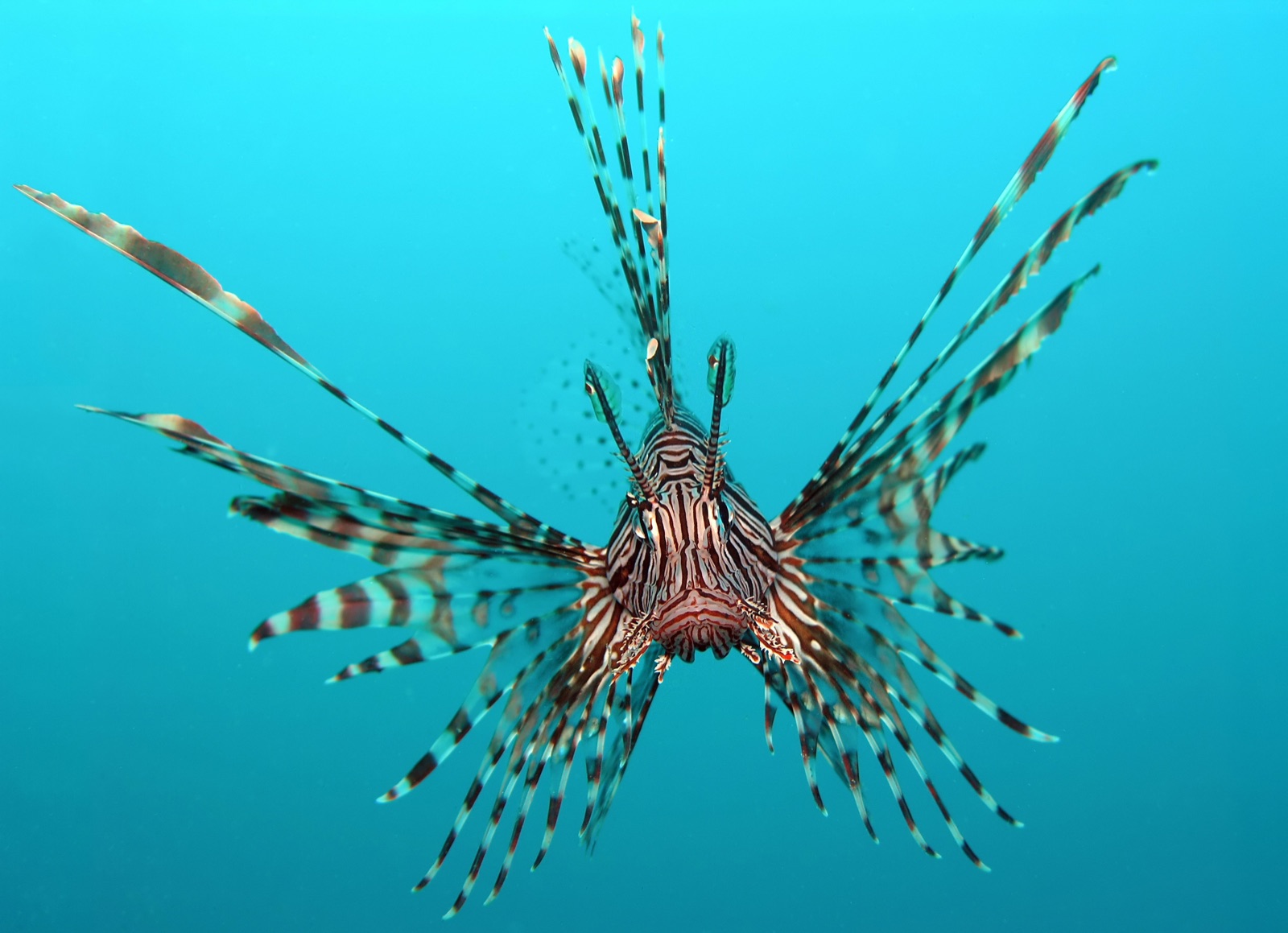
Lionfish
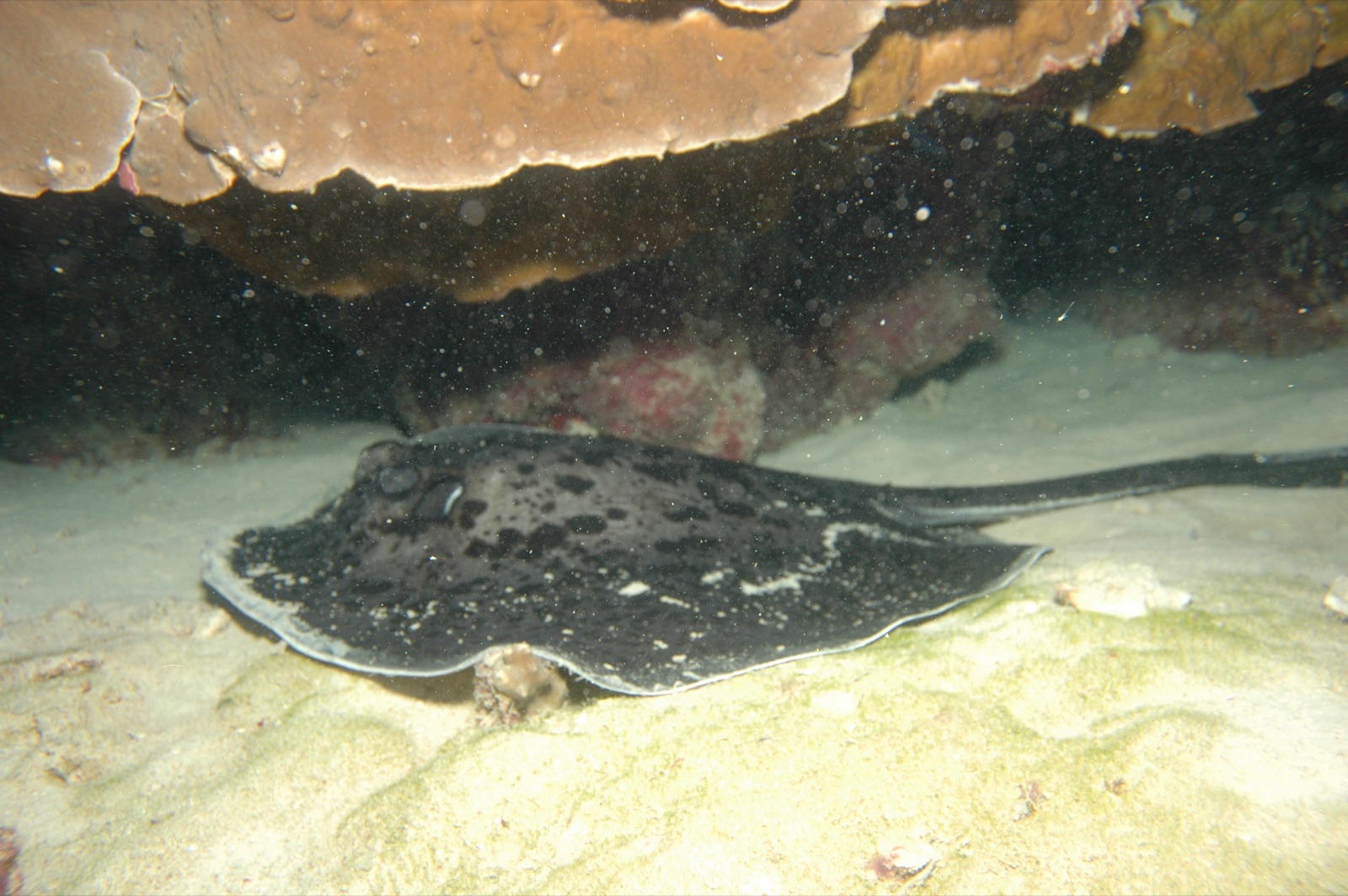
Marbled Ray
También registrado cerca
Las especies "aquí registradas" fueron añadidas por nuestros editores a partir de las fuentes de esta página. Los recuentos son registros de ocurrencia de GBIF: observaciones anotadas en un radio de unos 5 km de la posición registrada desde 1990, cotejadas únicamente con las especies de nuestro catálogo. Muestran lo que se ha avistado allí, no una garantía de lo que verás.
Para fotógrafos
Gran angular: ★★★☆☆ · Macro: ★★★★☆ (valoración de 1 a 5 de los editores sobre lo que ofrece este sitio para cada estilo de fotografía)