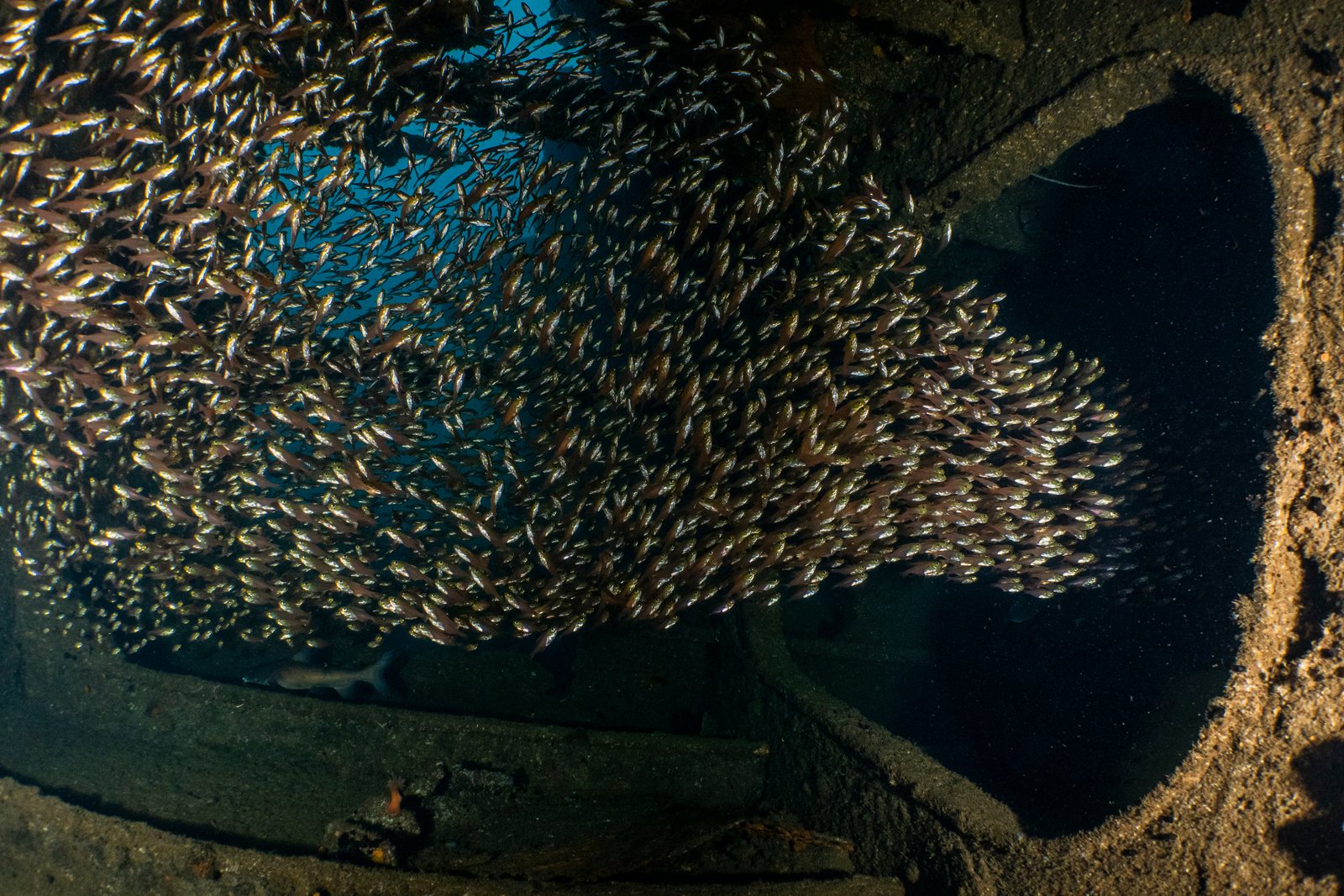
SS Nebo
La profondità indica l'intervallo dalla sommità del sito al suo massimo abituale; il "brevetto consigliato" è il livello richiesto dalla maggior parte degli operatori delle principali agenzie, non una norma di legge. Correnti e visibilità cambiano ogni giorno, quindi considera tutto come intervalli di pianificazione.
The Nebo sank in 1884 on her maiden voyage from Britain, laden with railway bridge materials for Natal, and settled hull-up on the sand north of the shoal; her crew reached safety. As Aliwal's Victorian wreck she reads differently from the Produce: a single long steel mound, plates furred in growth, with her cargo-era ironwork still traceable beneath. The overturned hull forms sheltered caverns where soldierfish and big morays gather, rays rest along the scour, and the steel surfaces have become one of the coast's best nudibranch hunting grounds. History, atmosphere, and macro rather than adrenaline.
Il momento che aspettavi: An 1884 steamer resting upside down; superb nudibranch searching over the plates
Topografia: Steamer lying upturned on sand, hull largely whole, machinery exposed at the edges
Corrente: Same launch-and-line routine as the Produce; the two wrecks are often paired on one charter.
Sapere prima di tuffarsi
Pericoli: Depth, swell-driven surge over the hull, and entanglement points along the wreckage.
Permessi & regole: Aliwal Shoal MPA permit required, arranged via operators.
Conservazione: A 19th-century heritage wreck inside the MPA: nothing gets lifted, moved, or entered.
Nitrox: Vale la pena qui: i profili rientrano nell'intervallo in cui l'aria arricchita (nitrox) prolunga in modo significativo il tempo di non-decompressione (con la formazione necessaria per utilizzarla).
Chi incontrerai
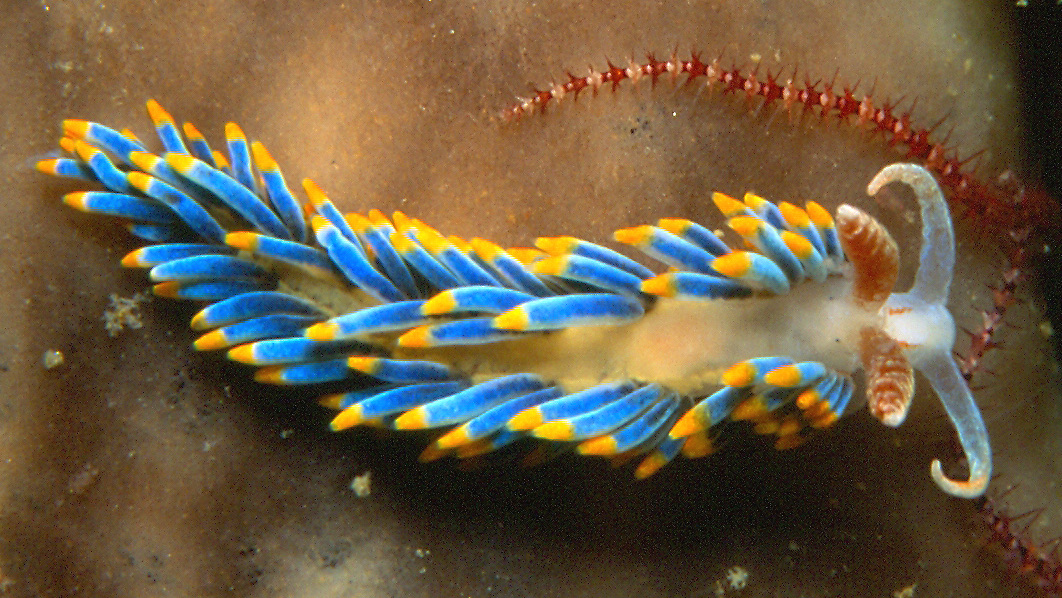
Nudibranchs
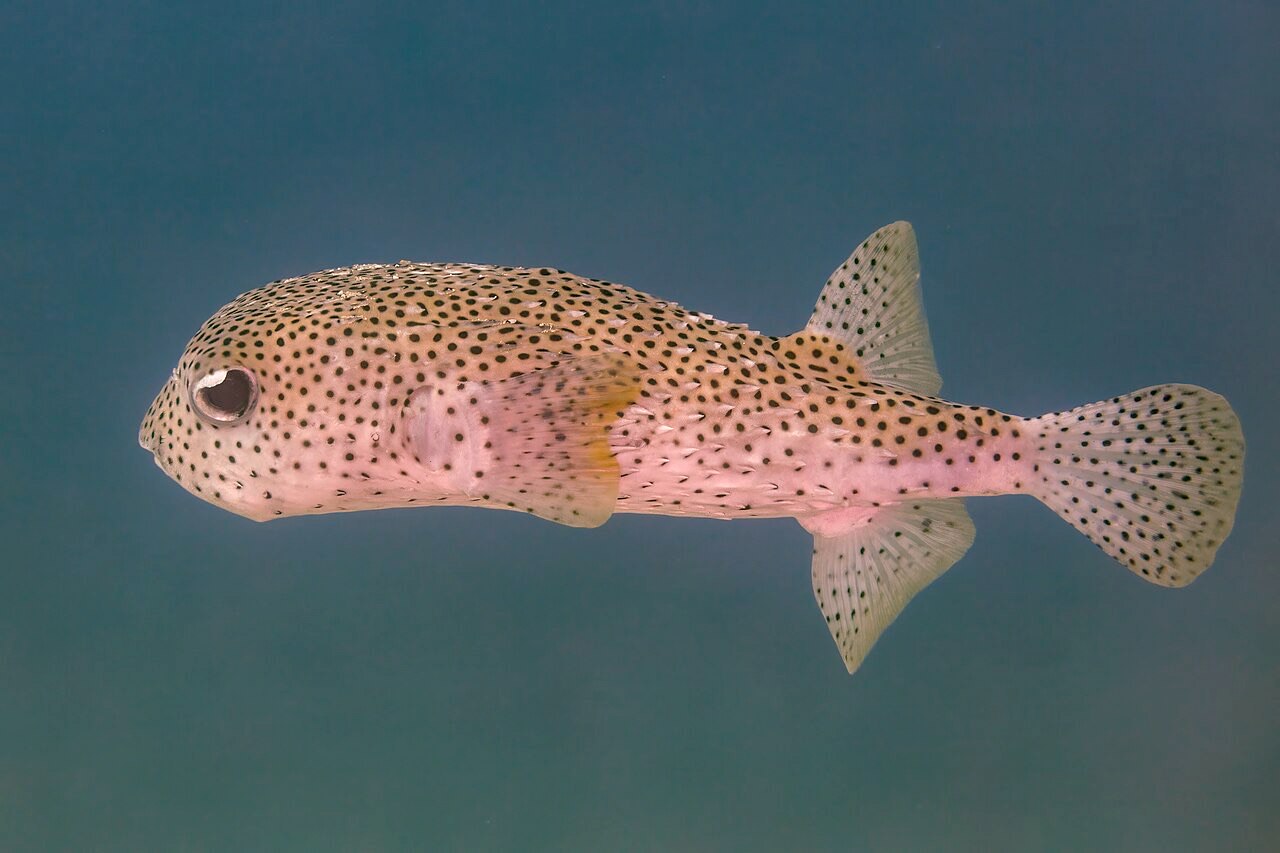
Porcupinefish
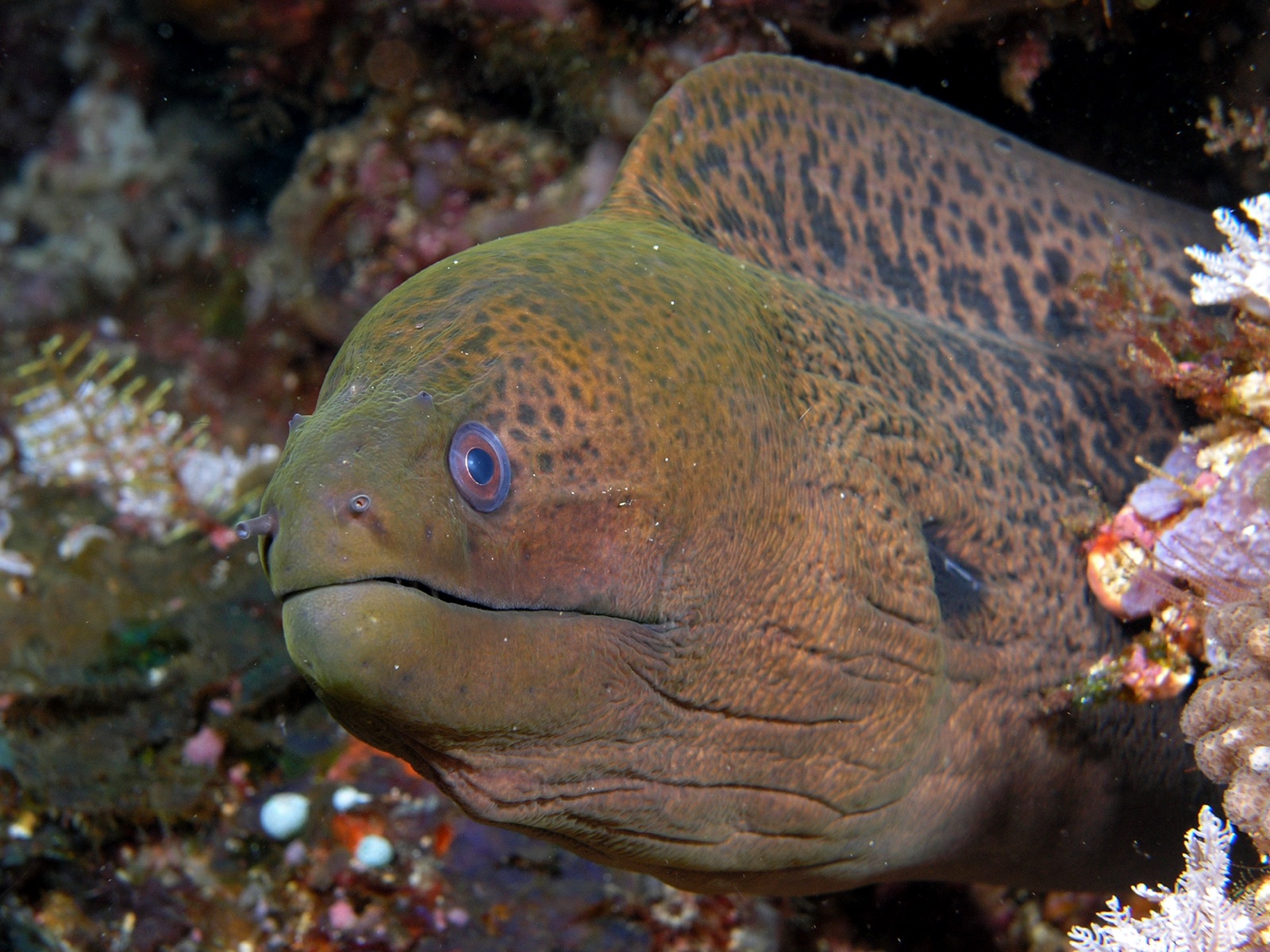
Giant Moray Eel
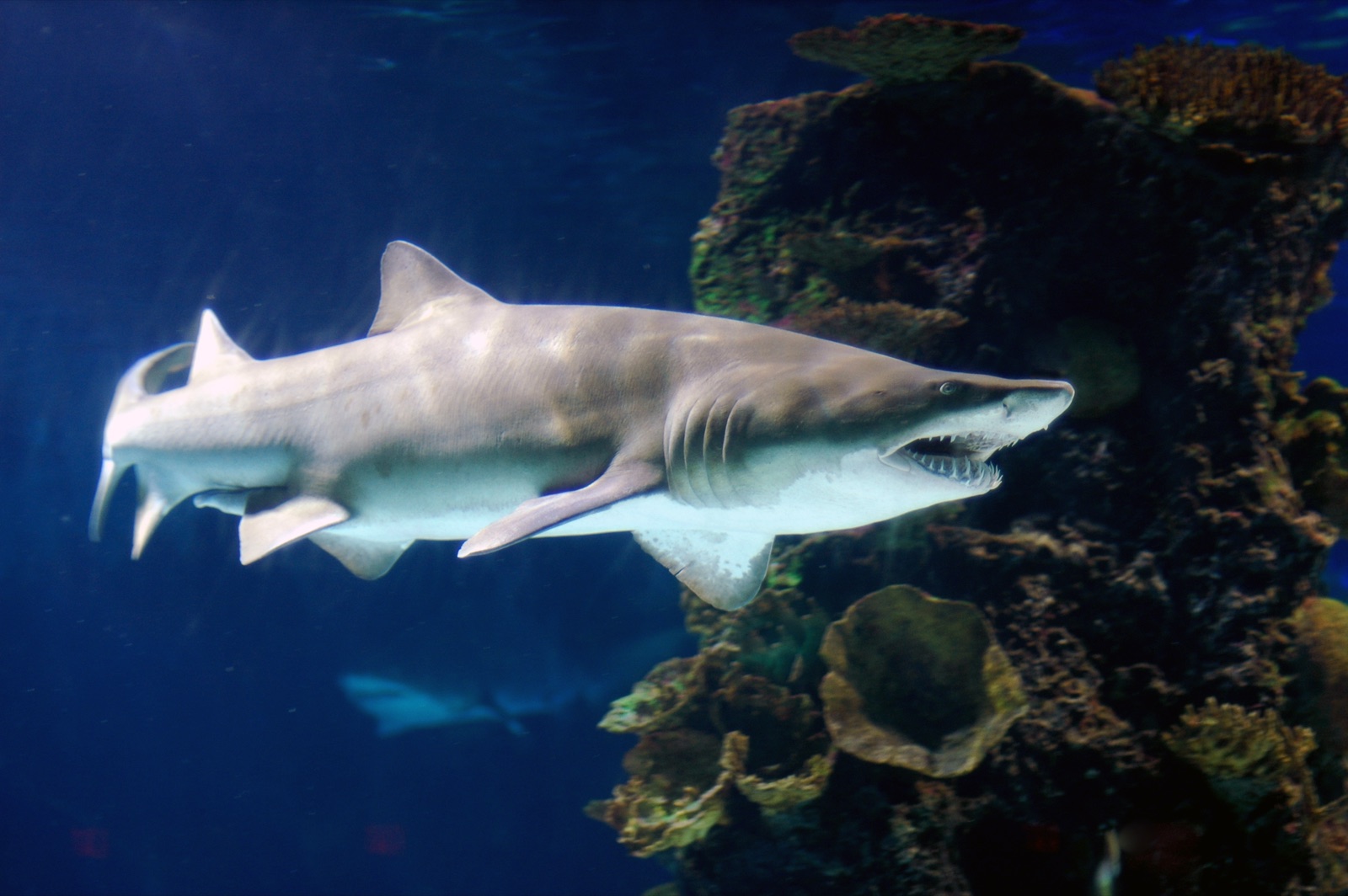
Sand Tiger (Ragged-Tooth) Shark
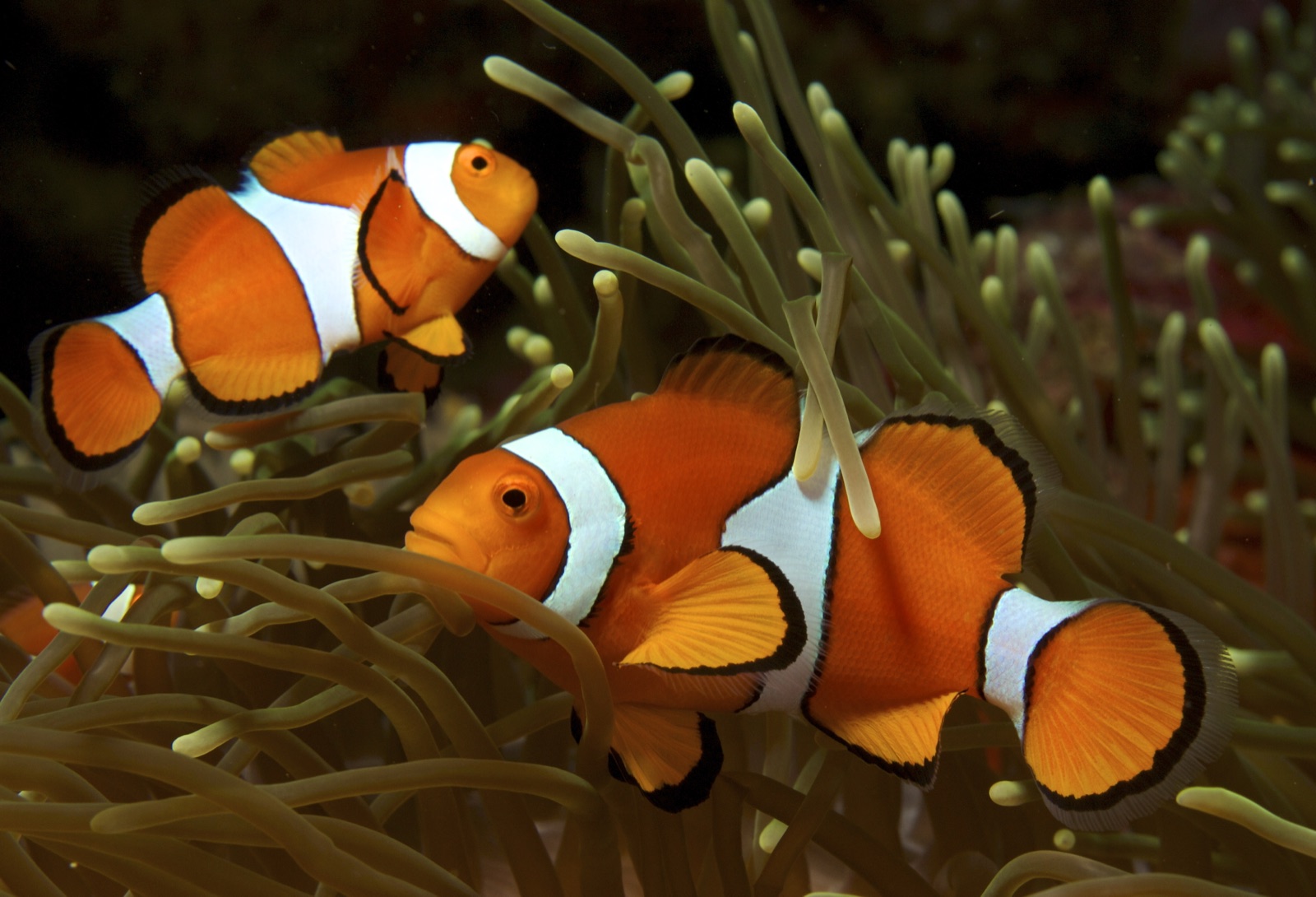
Clownfish & Anemonefish
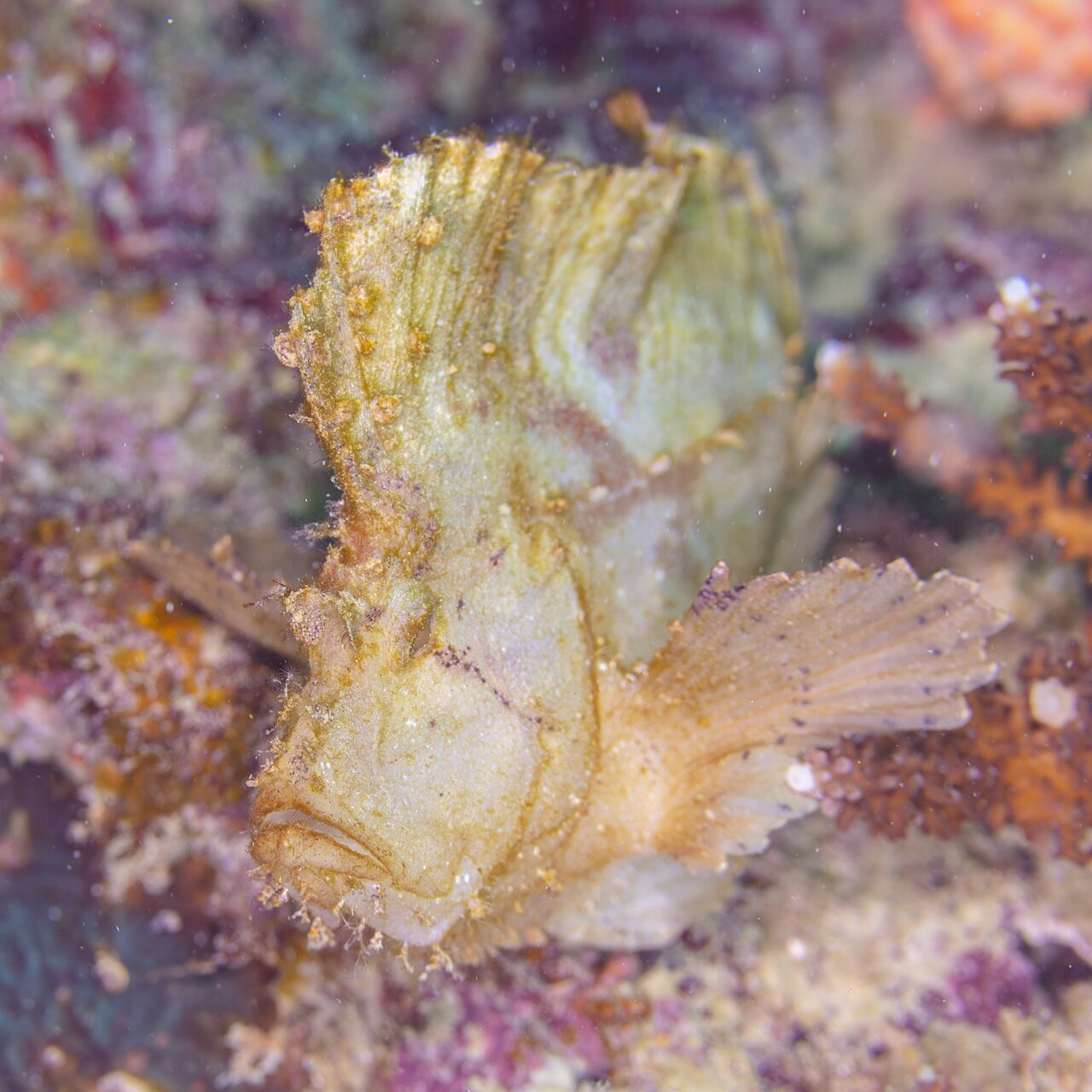
Leaf Scorpionfish
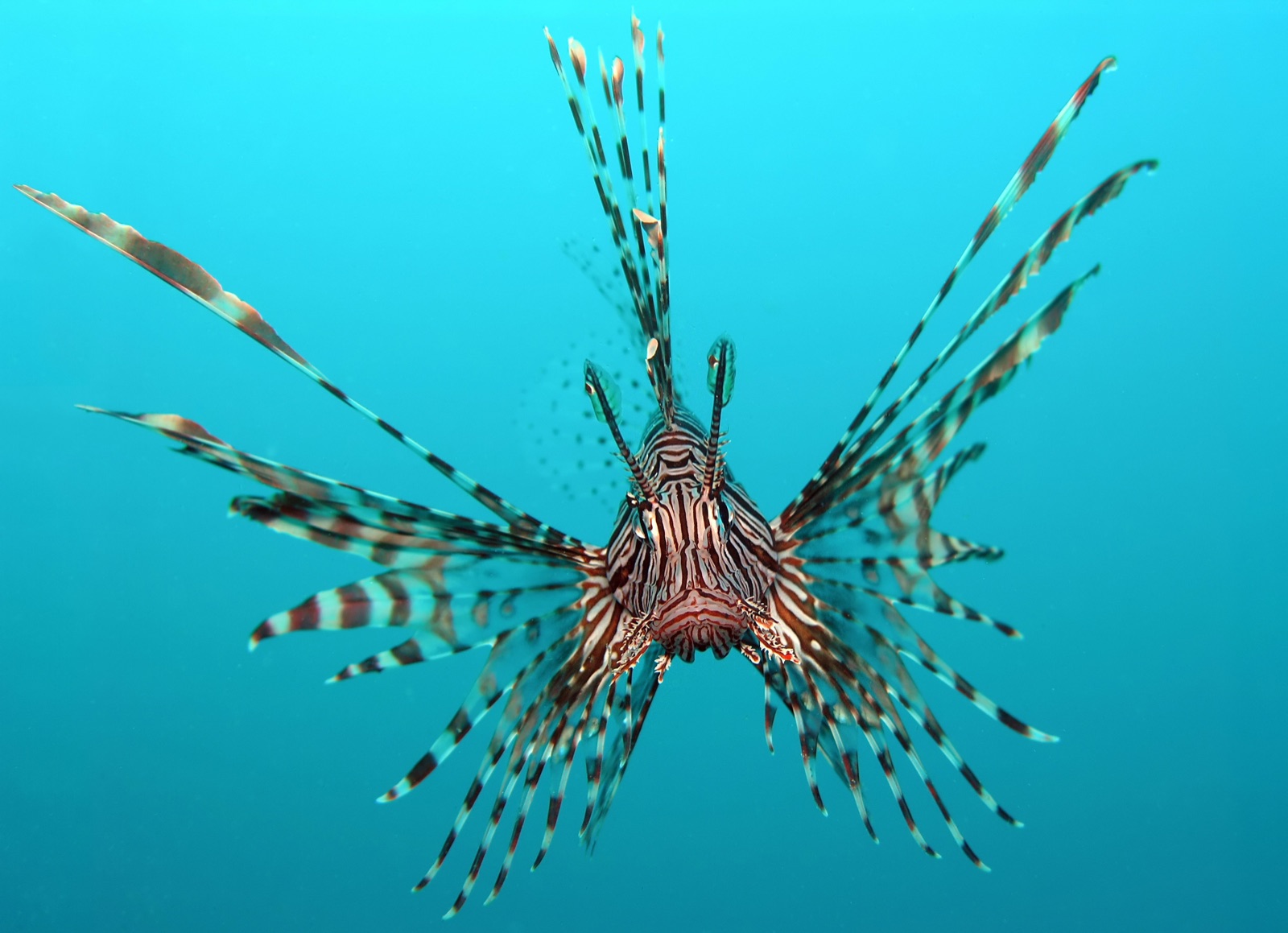
Lionfish
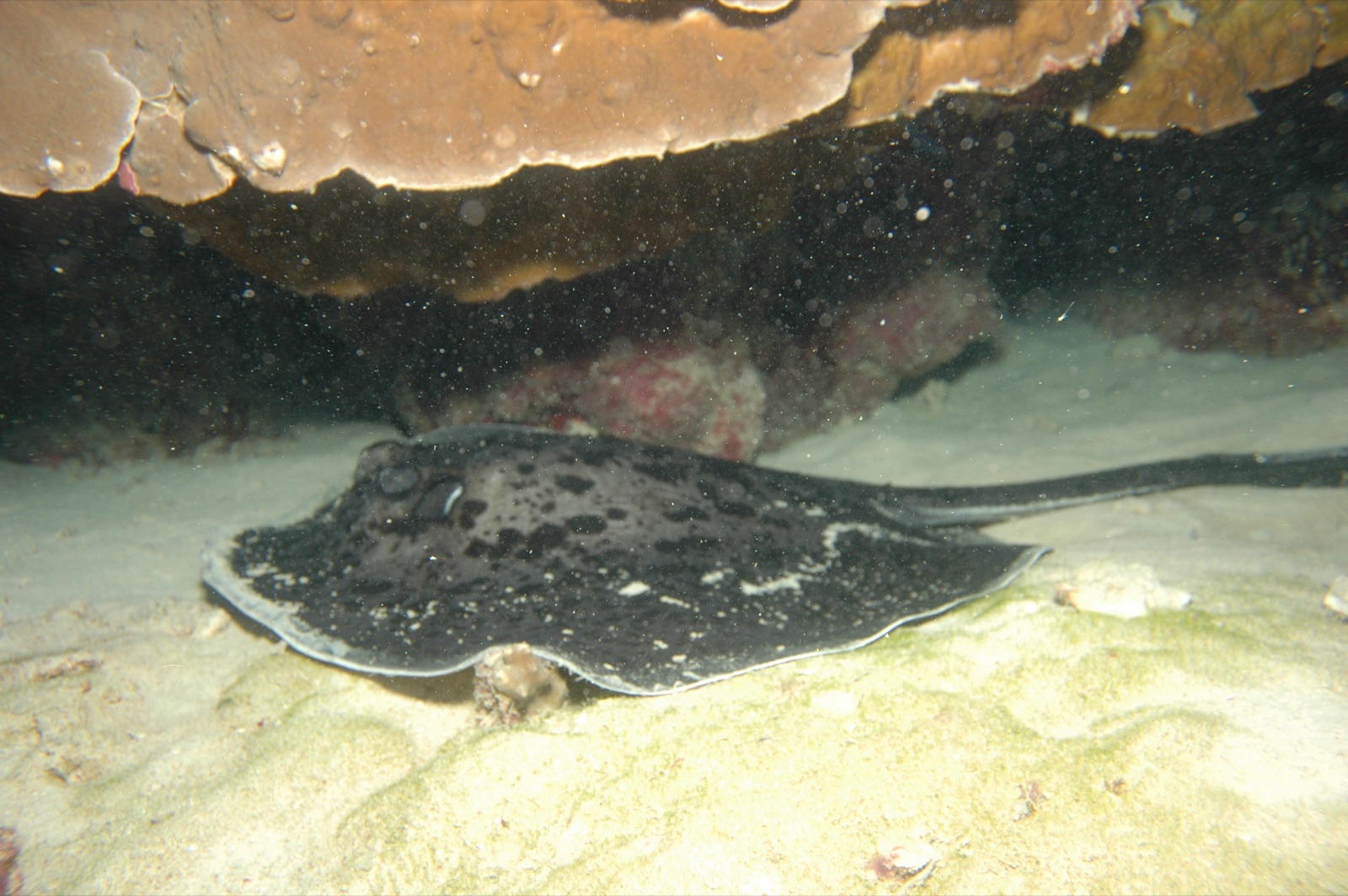
Marbled Ray
Registrate anche nelle vicinanze
Le specie "schedate qui" sono state inserite dai nostri redattori a partire dalle fonti indicate in questa pagina. I conteggi sono record di occorrenza GBIF: osservazioni registrate entro circa 5 km dalla posizione indicata in carta a partire dal 1990, confrontate esclusivamente con le specie presenti nel nostro catalogo. Mostrano ciò che è stato avvistato in quel luogo, non una garanzia di ciò che vedrete.
Per i fotografi
Grandangolo: ★★★☆☆ · Macro: ★★★★☆ (valutazione da 1 a 5 dei redattori su ciò che questo sito offre per ogni stile di ripresa)