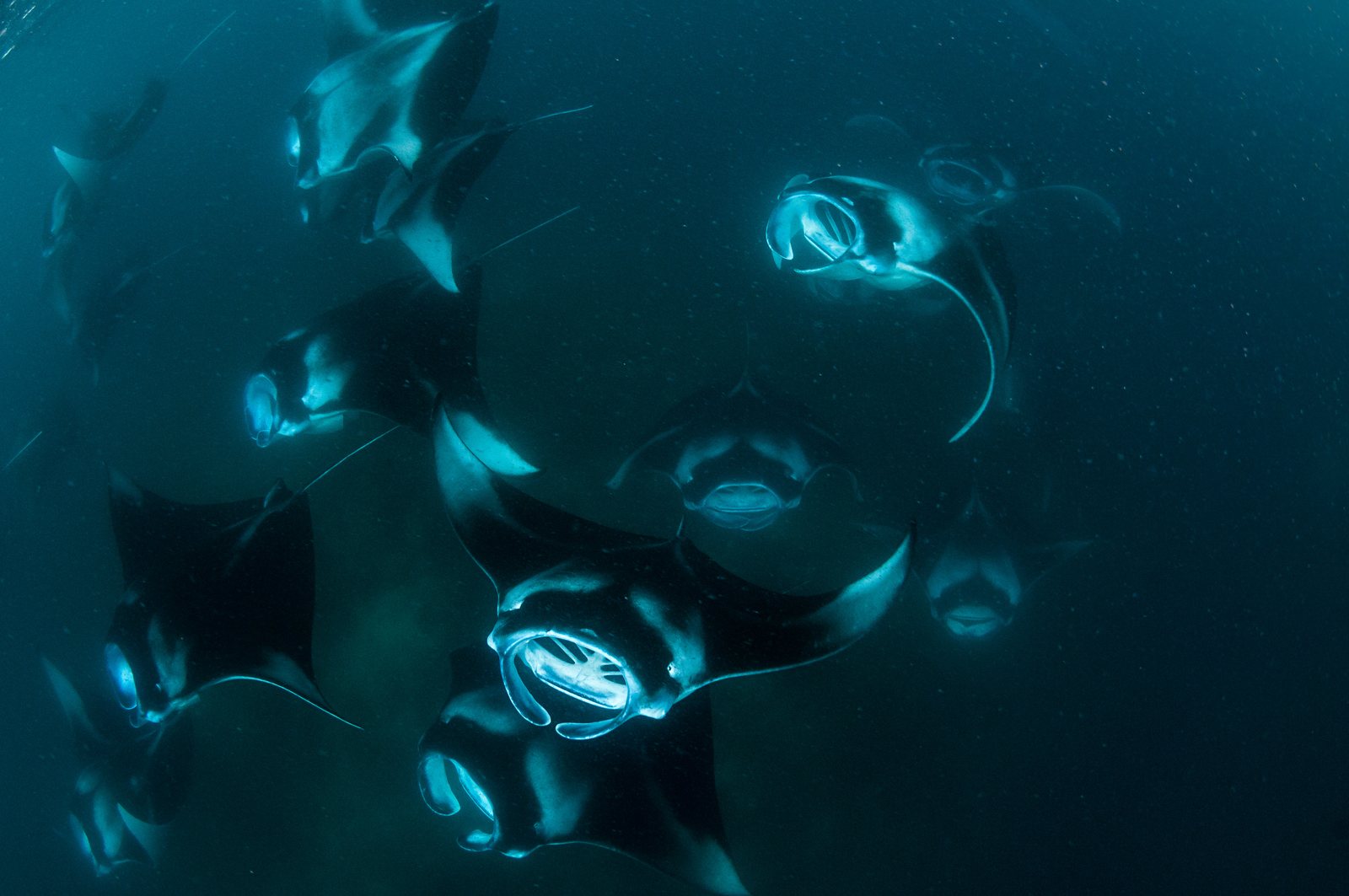
Hanifaru Bay
Die Tiefe gibt den Bereich von der Oberkante des Tauchplatzes bis zur üblichen Maximaltiefe an; „empfohlene Zertifizierung" ist das von Anbietern üblicherweise geforderte Mainstream-Agenturniveau – keine gesetzliche Vorschrift. Strömungen und Sichtweite ändern sich täglich – behandle alle Angaben hier als Planungsbereiche.
Hanifaru is the world's most famous manta feeding station, and it is experienced from the surface: scuba has been banned under the Baa Atoll biosphere rules since the early 2010s, so everyone snorkels. When the tides trap enough plankton, reef mantas pour into the little bay (dozens on a good event, and on the greatest days more than a hundred), chain-feeding nose to tail, barrel-rolling, and cyclone-feeding in a column beneath the swimmers. Whale sharks sometimes plow through the same soup. Rangers cap boats, swimmer numbers, and time in the water, and encounters are lottery-like: tide, moon, and plankton decide, not the booking calendar.
Der Moment, für den du kommst: Mass manta feeding events: chain and cyclone feeding; occasional whale sharks
Topografie: Funnel-shaped sandy bay narrowing into a shallow cul-de-sac on the atoll's eastern rim
Strömung: Lunar tides sweep plankton into the dead-end bay; surface drift inside is usually gentle.
Was du wissen solltest, bevor du ins Wasser gehst
Gefahren: Crowded surface water during feeding events and boat movement at the bay mouth.
Genehmigungen & Regeln: Entry requires a ranger-collected fee and a licensed guide; numbers and in-water time are limited.
Naturschutz: Snorkel-only under biosphere regulations, with ranger-enforced caps and a strict no-touch, no-chase, no-dive-down code; access only with licensed operators.
Wen du triffst
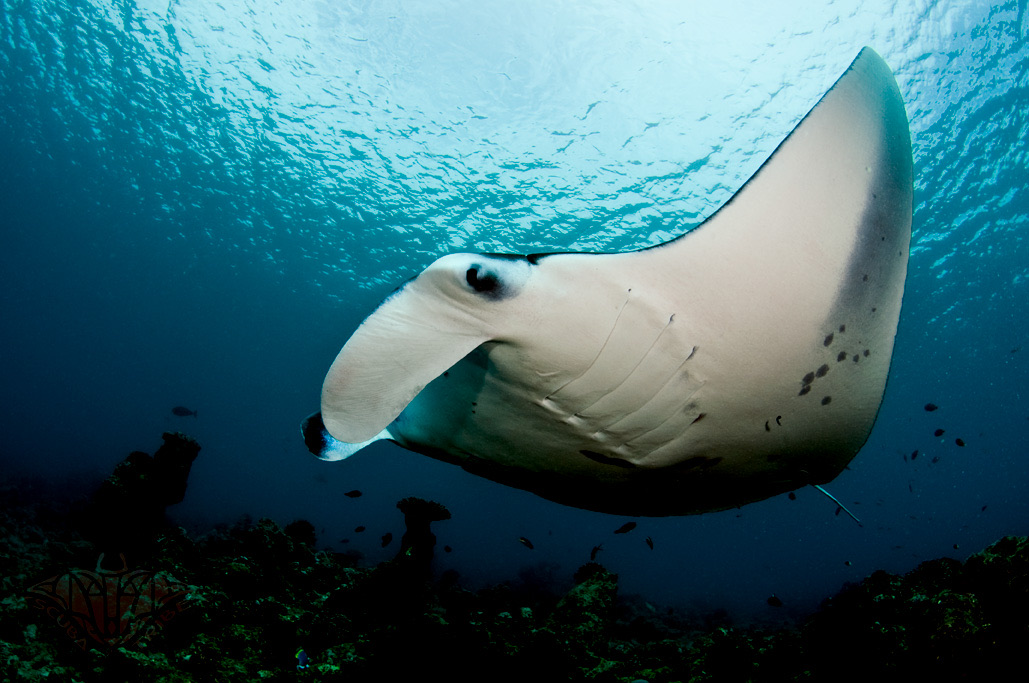
Reef Manta Ray
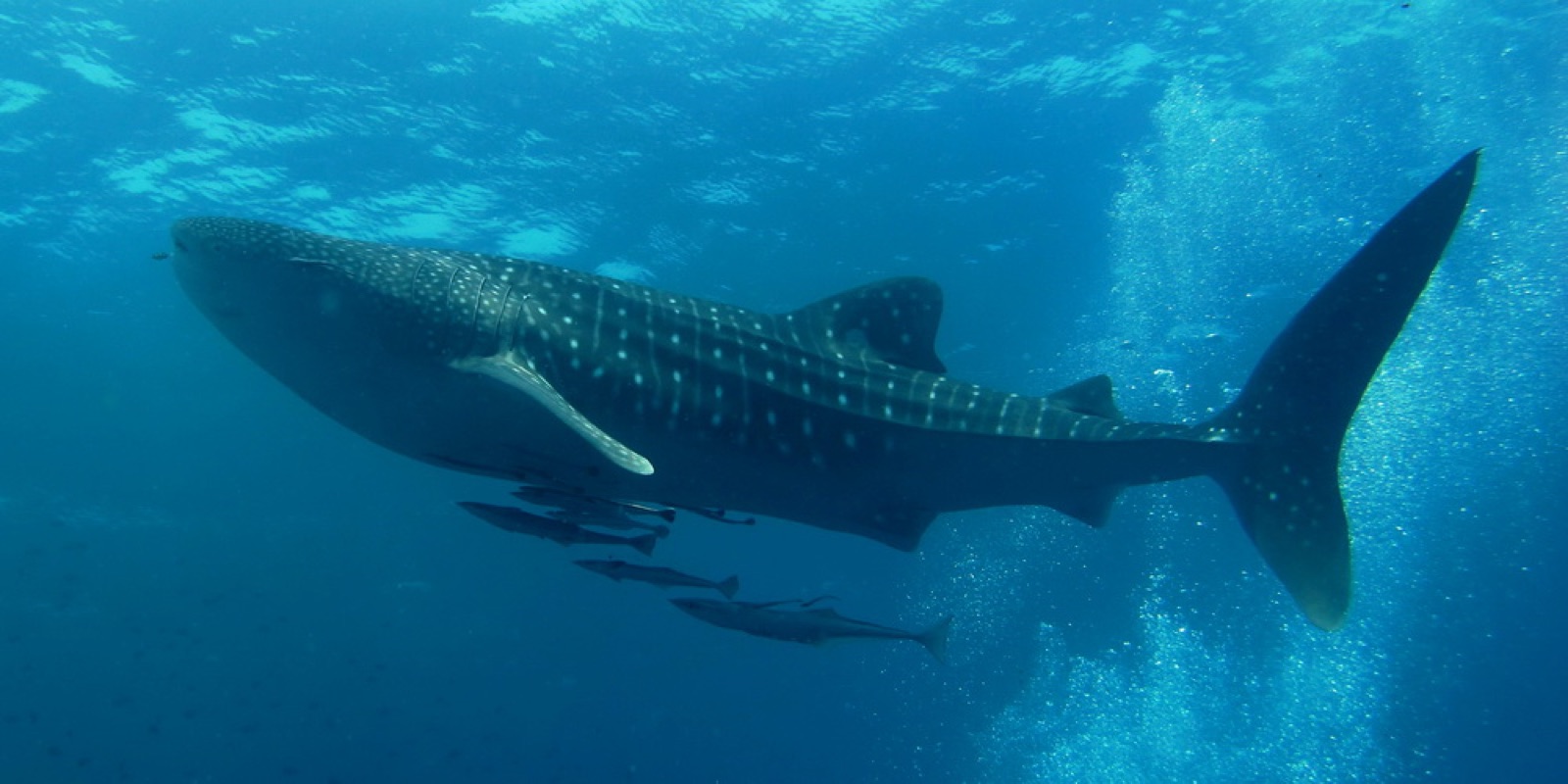
Whale Shark
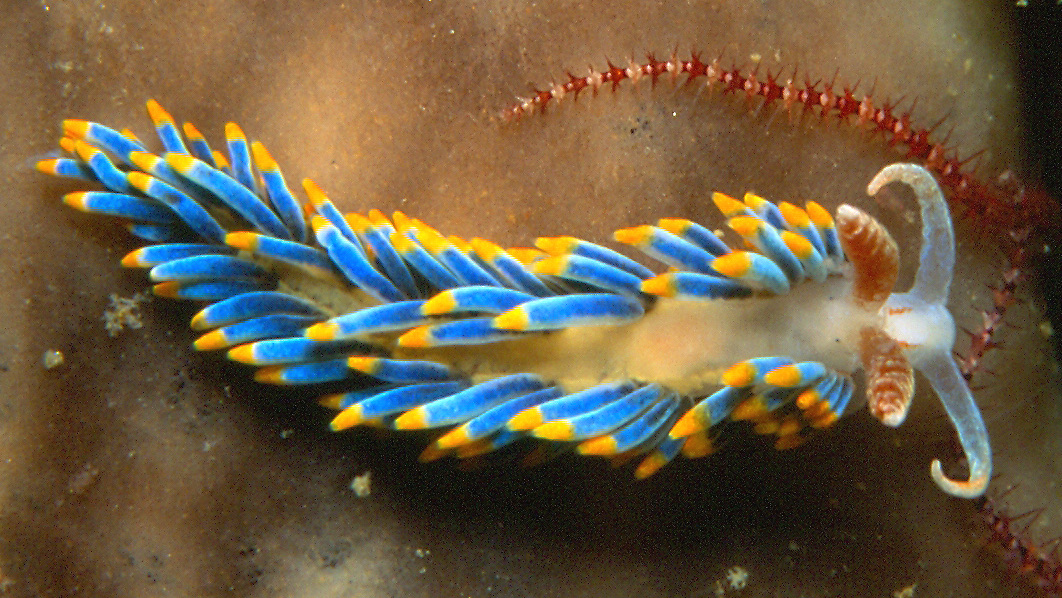
Nudibranchs
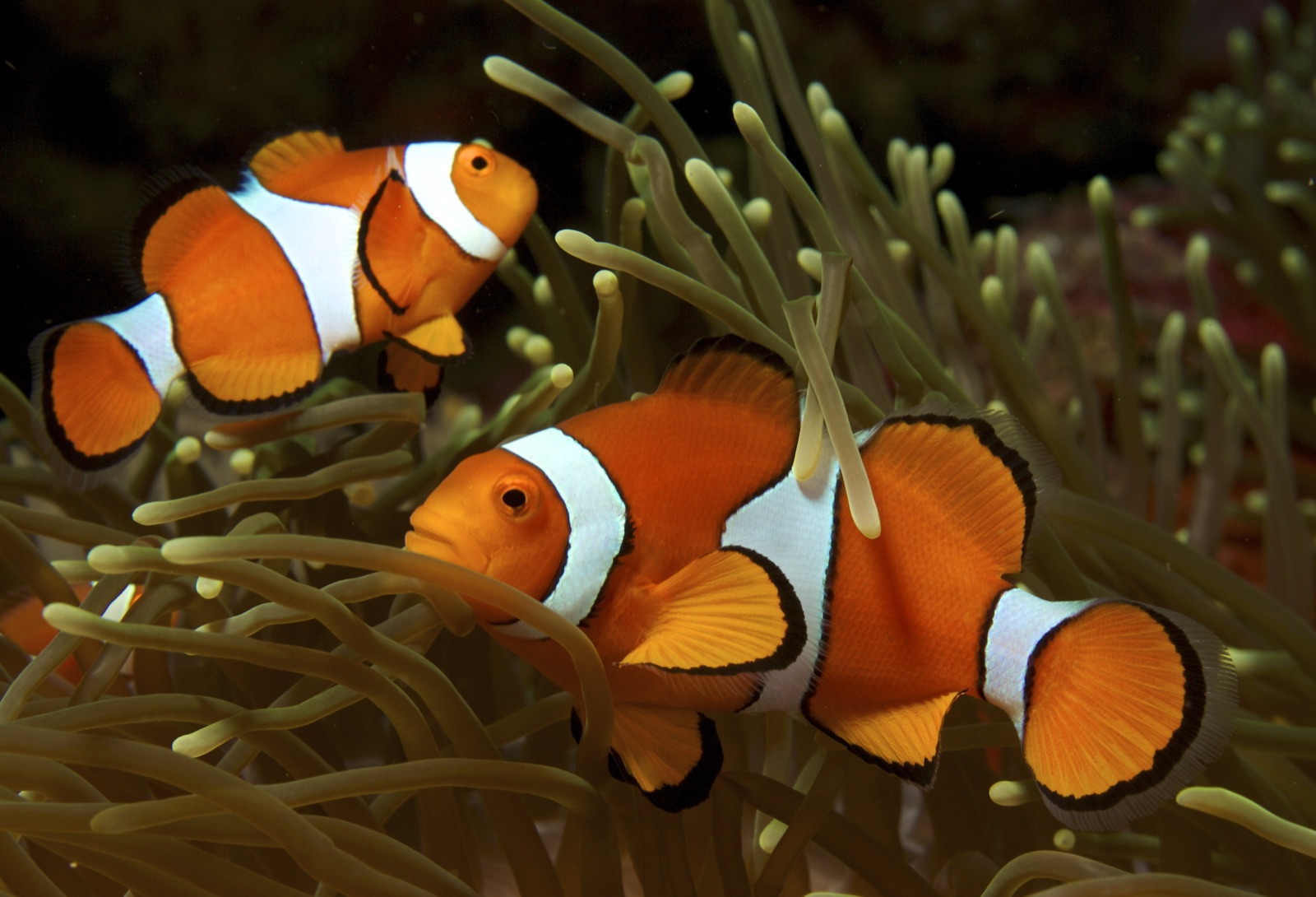
Clownfish & Anemonefish
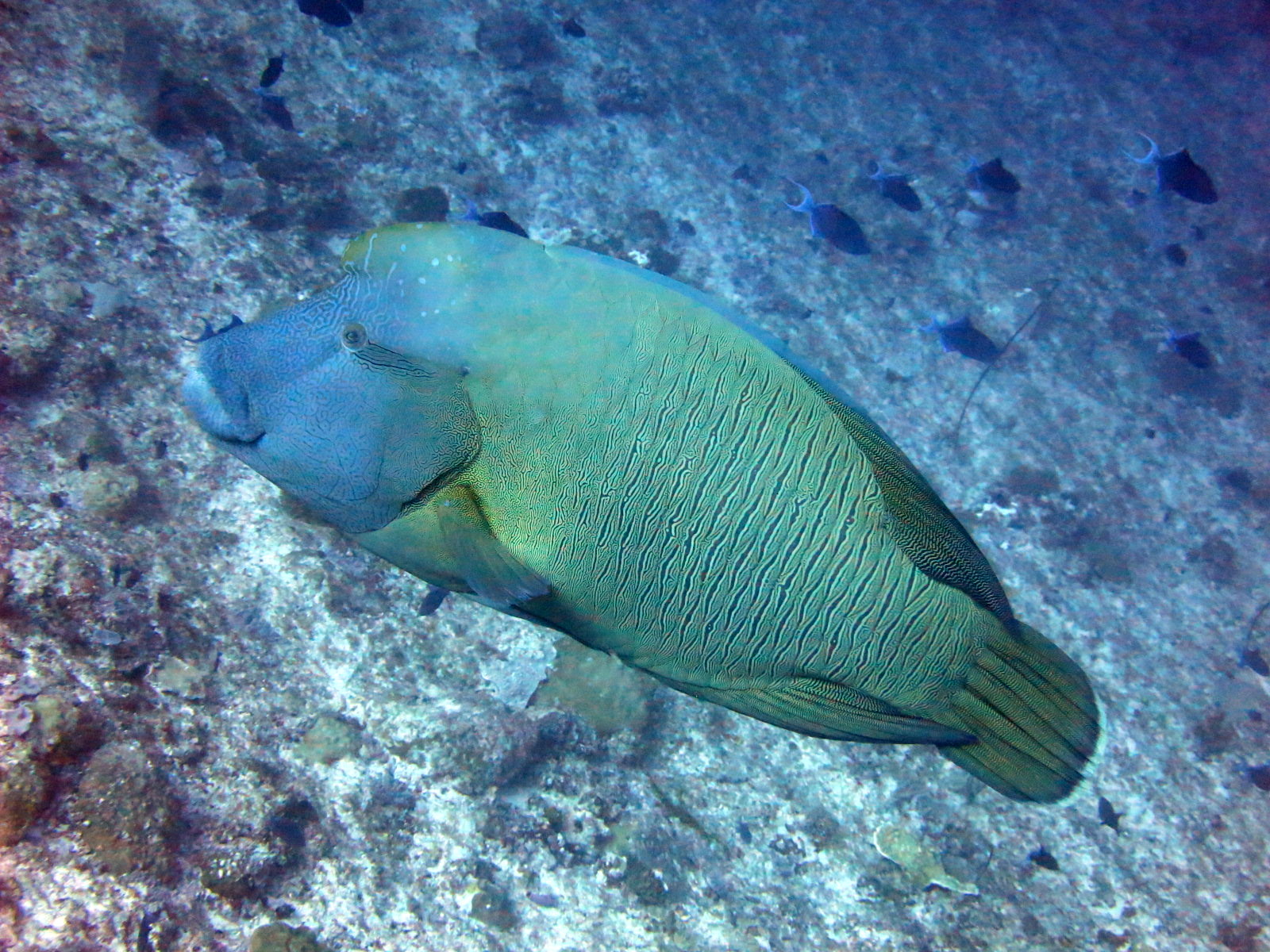
Napoleon (Humphead) Wrasse
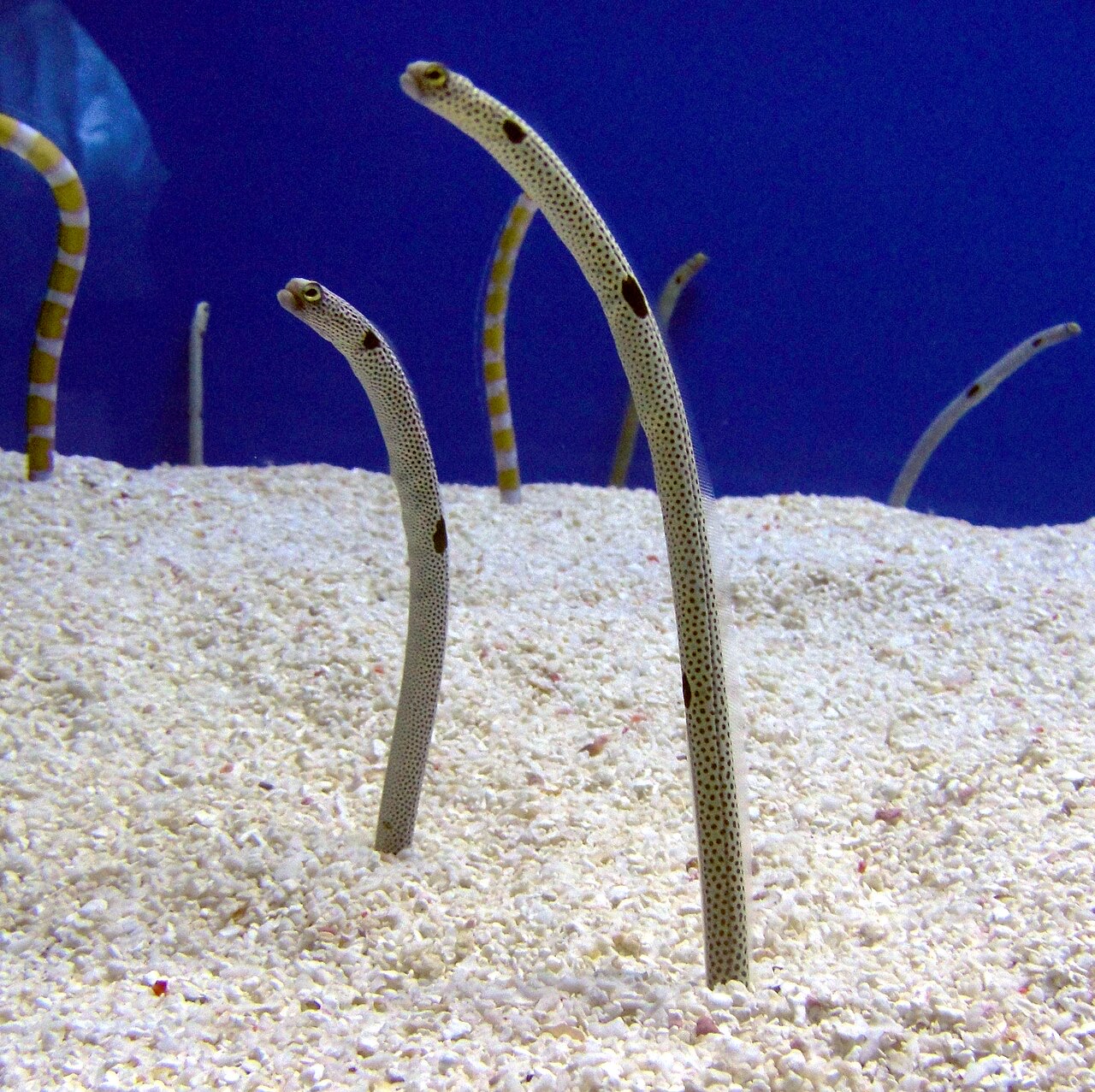
Garden Eel
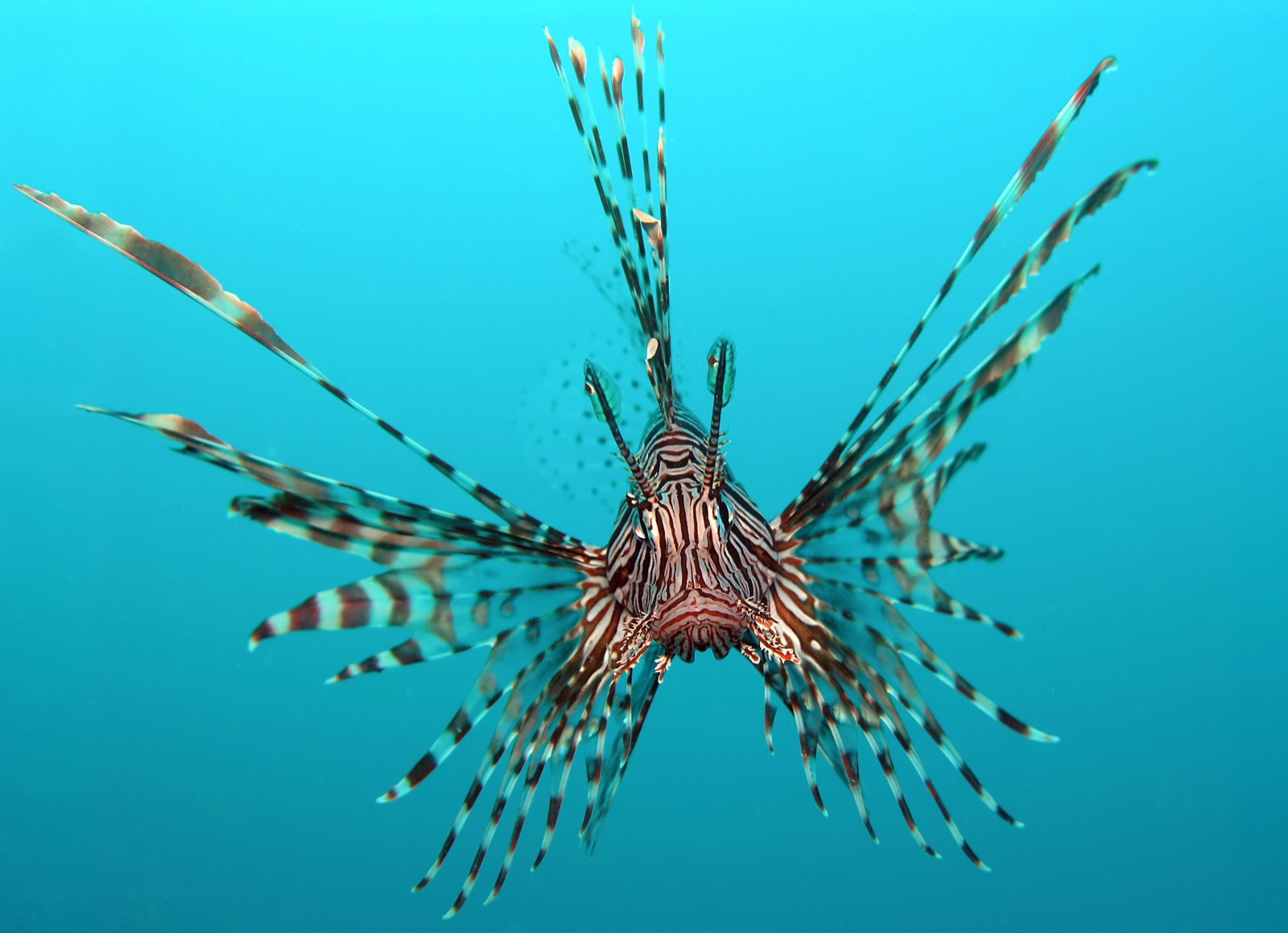
Lionfish
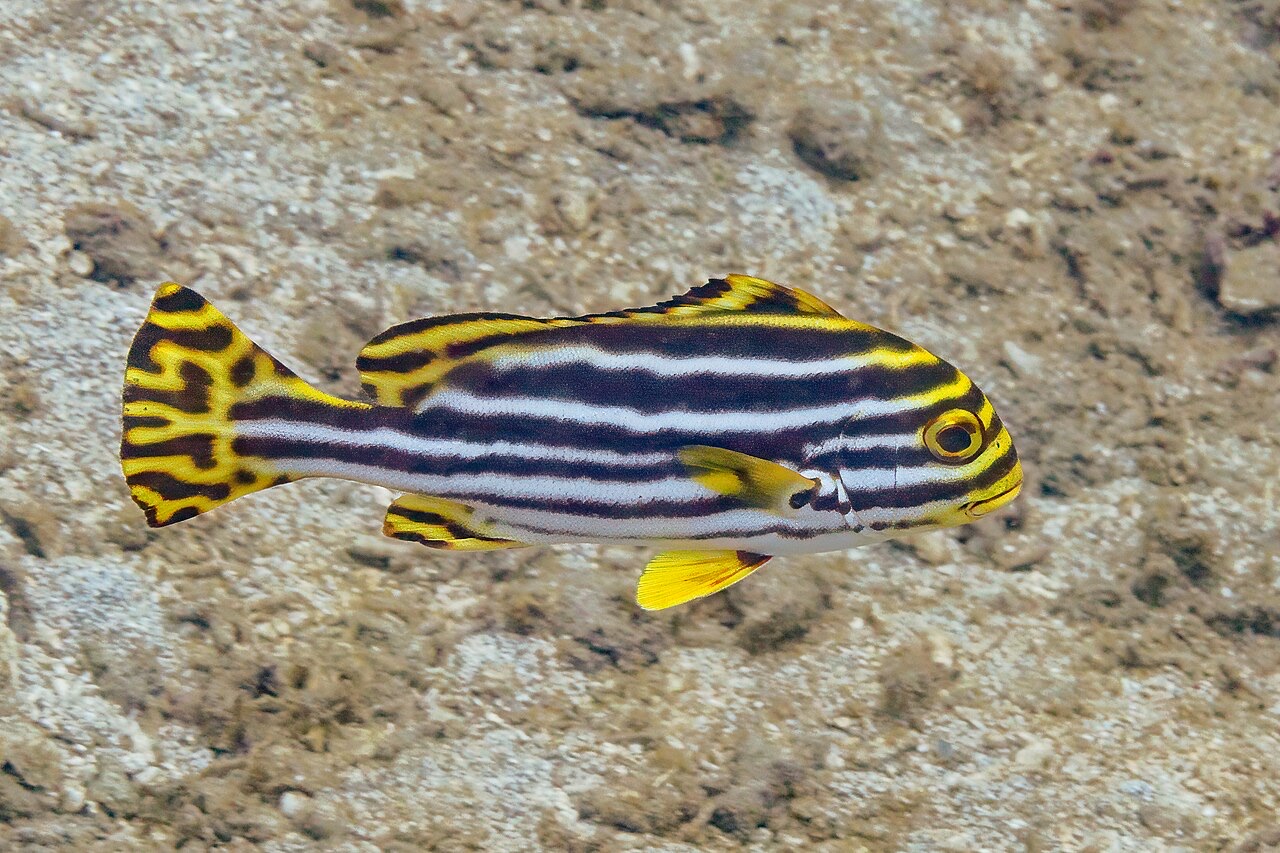
Oriental Sweetlips
Auch in der Nähe nachgewiesen
„Hier kartiert" – Arten wurden von unseren Redakteuren anhand der Quellen auf dieser Seite erfasst. Die Zahlen sind GBIF-Vorkommensdatensätze: Beobachtungen, die seit 1990 im Umkreis von etwa 5 km um die kartierte Position protokolliert wurden, ausschließlich abgeglichen mit den Arten in unserem Katalog. Sie zeigen, was dort gesichtet wurde – keine Garantie, was du sehen wirst.
Für Fotografen
Weitwinkel: ★★★★★ · Makro: ★☆☆☆☆ (Redaktionelle 1–5-Bewertung, was dieser Platz für jeden Fotografie-Stil bietet)