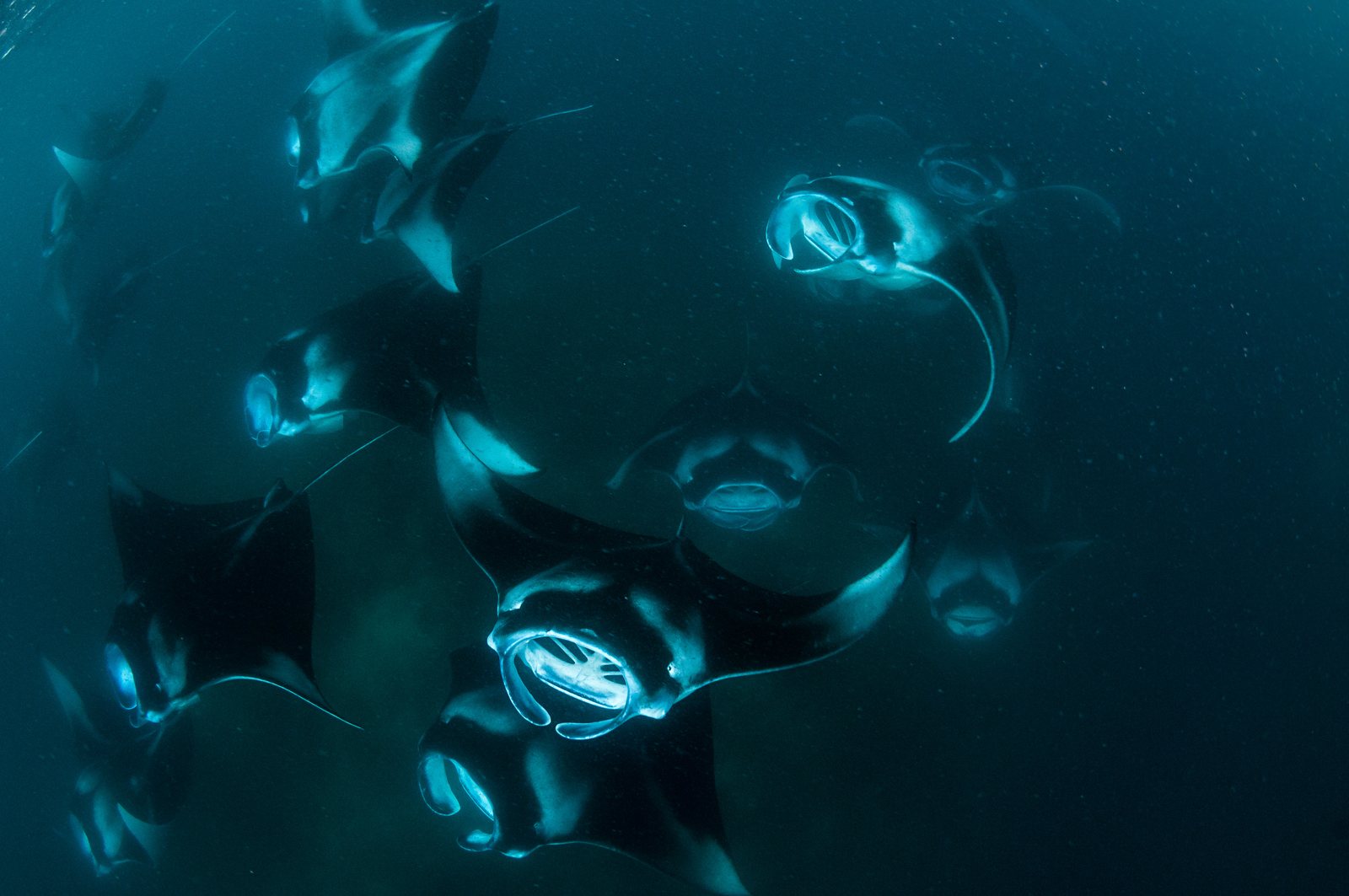
Hanifaru Bay
La profundidad es el rango desde la cima del punto de buceo hasta su máximo habitual; la "certificación recomendada" es el nivel que los operadores suelen pedir según las agencias principales, no una norma legal. Las corrientes y la visibilidad cambian a diario, así que trata todo esto como rangos de planificación.
Hanifaru is the world's most famous manta feeding station, and it is experienced from the surface: scuba has been banned under the Baa Atoll biosphere rules since the early 2010s, so everyone snorkels. When the tides trap enough plankton, reef mantas pour into the little bay (dozens on a good event, and on the greatest days more than a hundred), chain-feeding nose to tail, barrel-rolling, and cyclone-feeding in a column beneath the swimmers. Whale sharks sometimes plow through the same soup. Rangers cap boats, swimmer numbers, and time in the water, and encounters are lottery-like: tide, moon, and plankton decide, not the booking calendar.
El momento por el que vienes: Mass manta feeding events: chain and cyclone feeding; occasional whale sharks
Topografía: Funnel-shaped sandy bay narrowing into a shallow cul-de-sac on the atoll's eastern rim
Corriente: Lunar tides sweep plankton into the dead-end bay; surface drift inside is usually gentle.
Lo que debes saber antes de tirarte al agua
Riesgos: Crowded surface water during feeding events and boat movement at the bay mouth.
Permisos y normas: Entry requires a ranger-collected fee and a licensed guide; numbers and in-water time are limited.
Conservación: Snorkel-only under biosphere regulations, with ranger-enforced caps and a strict no-touch, no-chase, no-dive-down code; access only with licensed operators.
A quién encontrarás
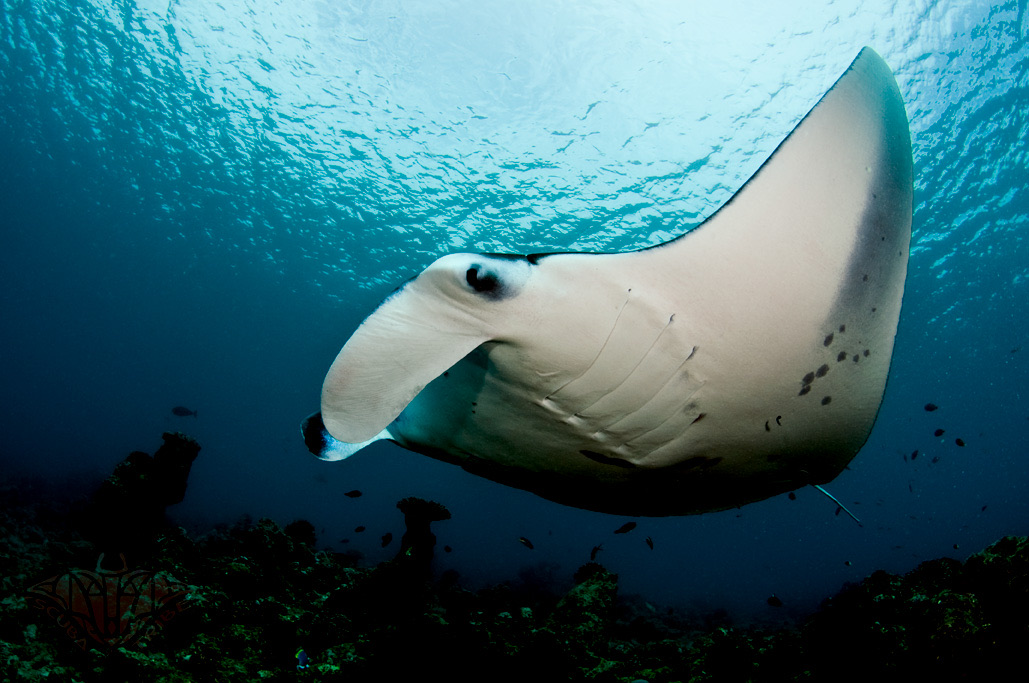
Reef Manta Ray
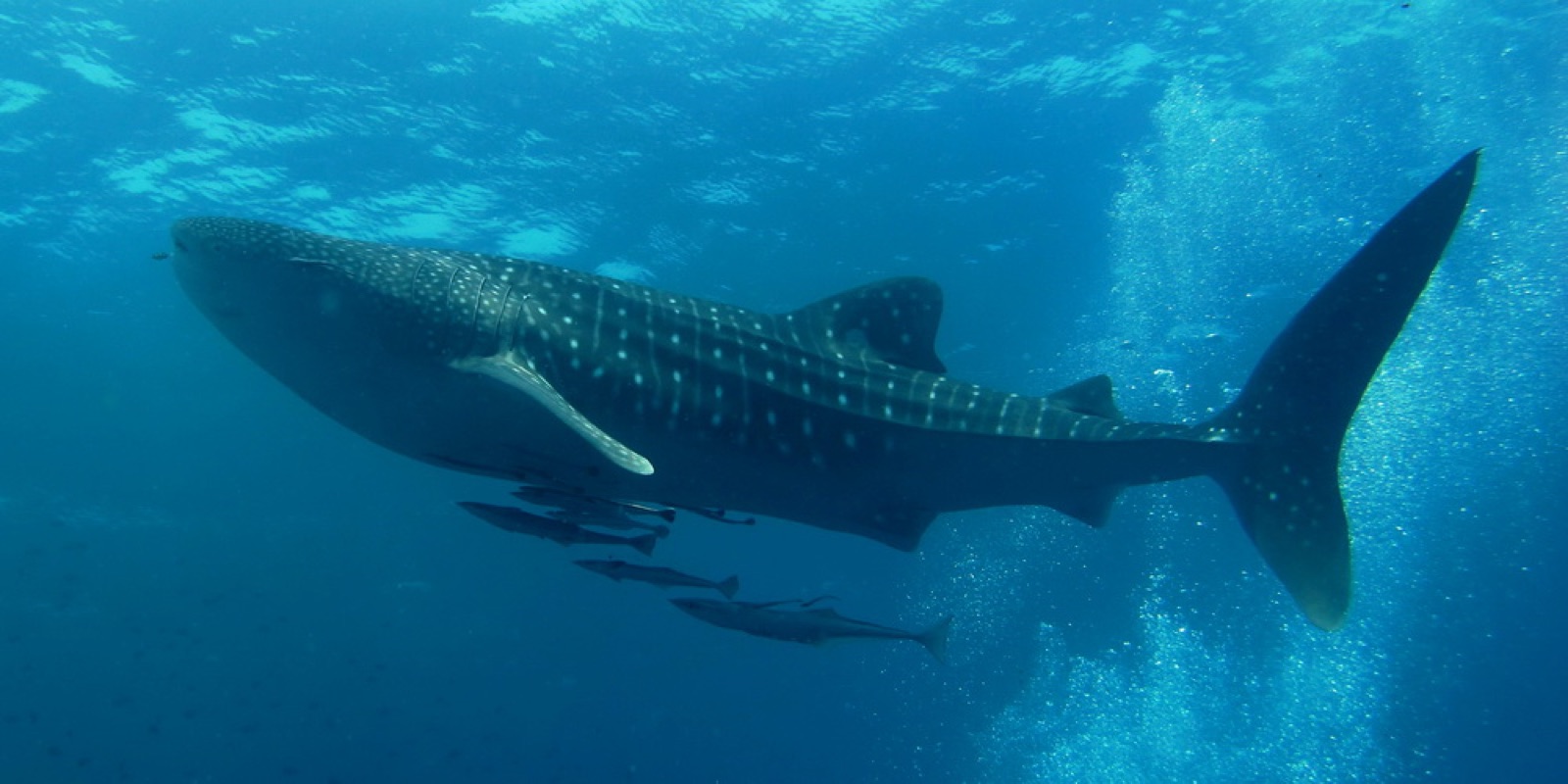
Whale Shark
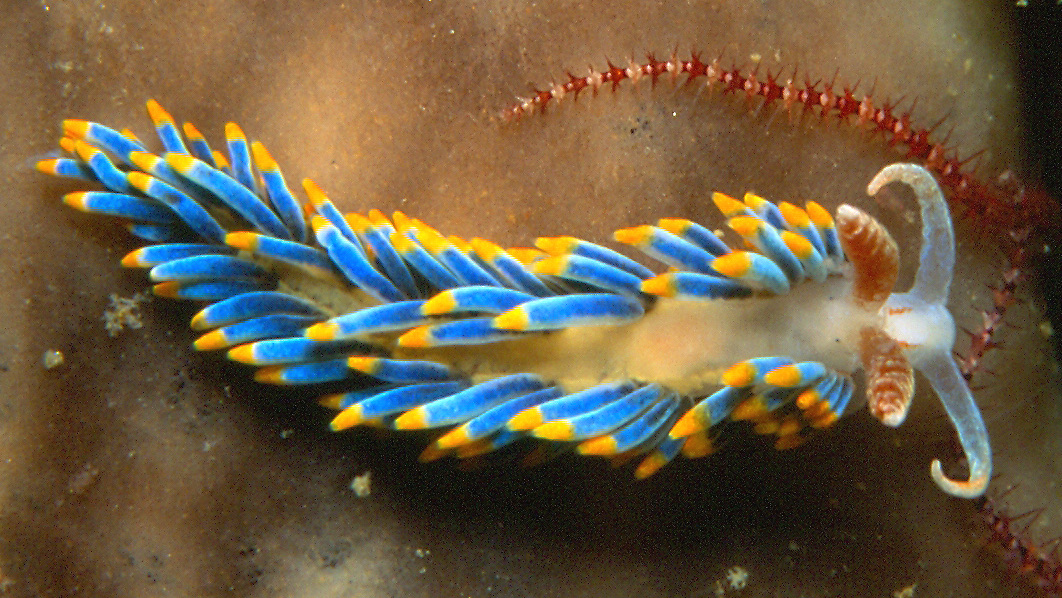
Nudibranchs
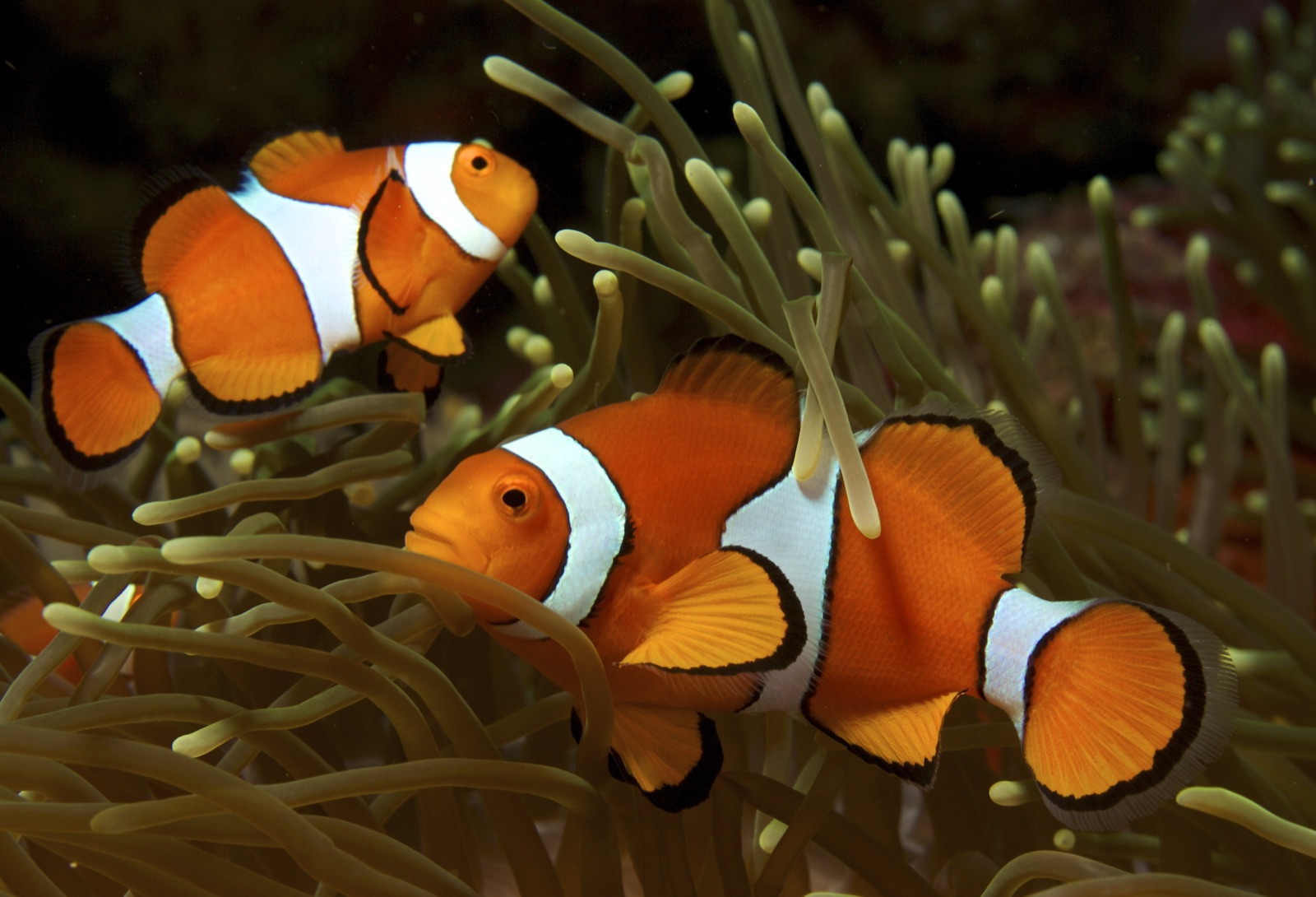
Clownfish & Anemonefish
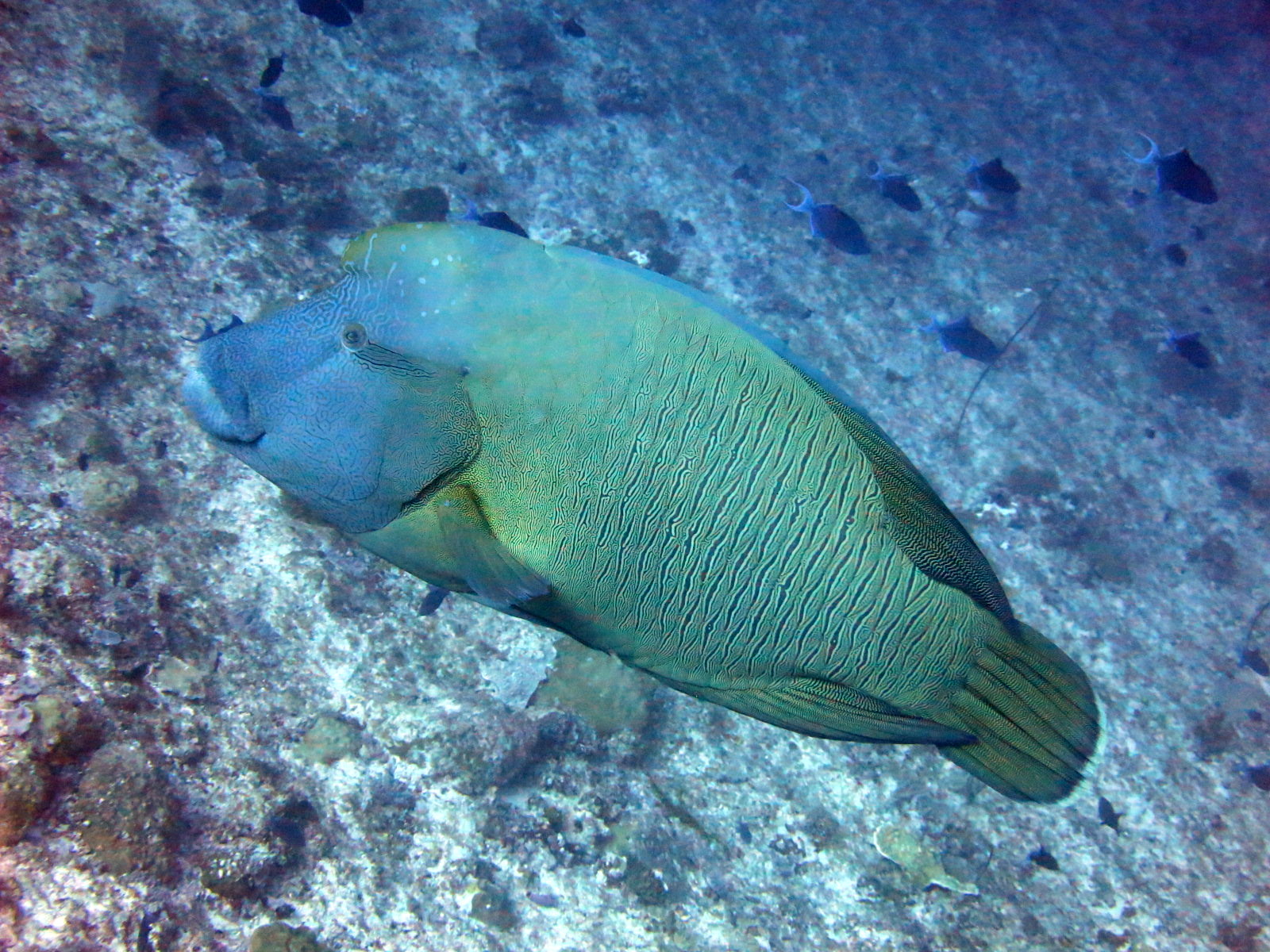
Napoleon (Humphead) Wrasse
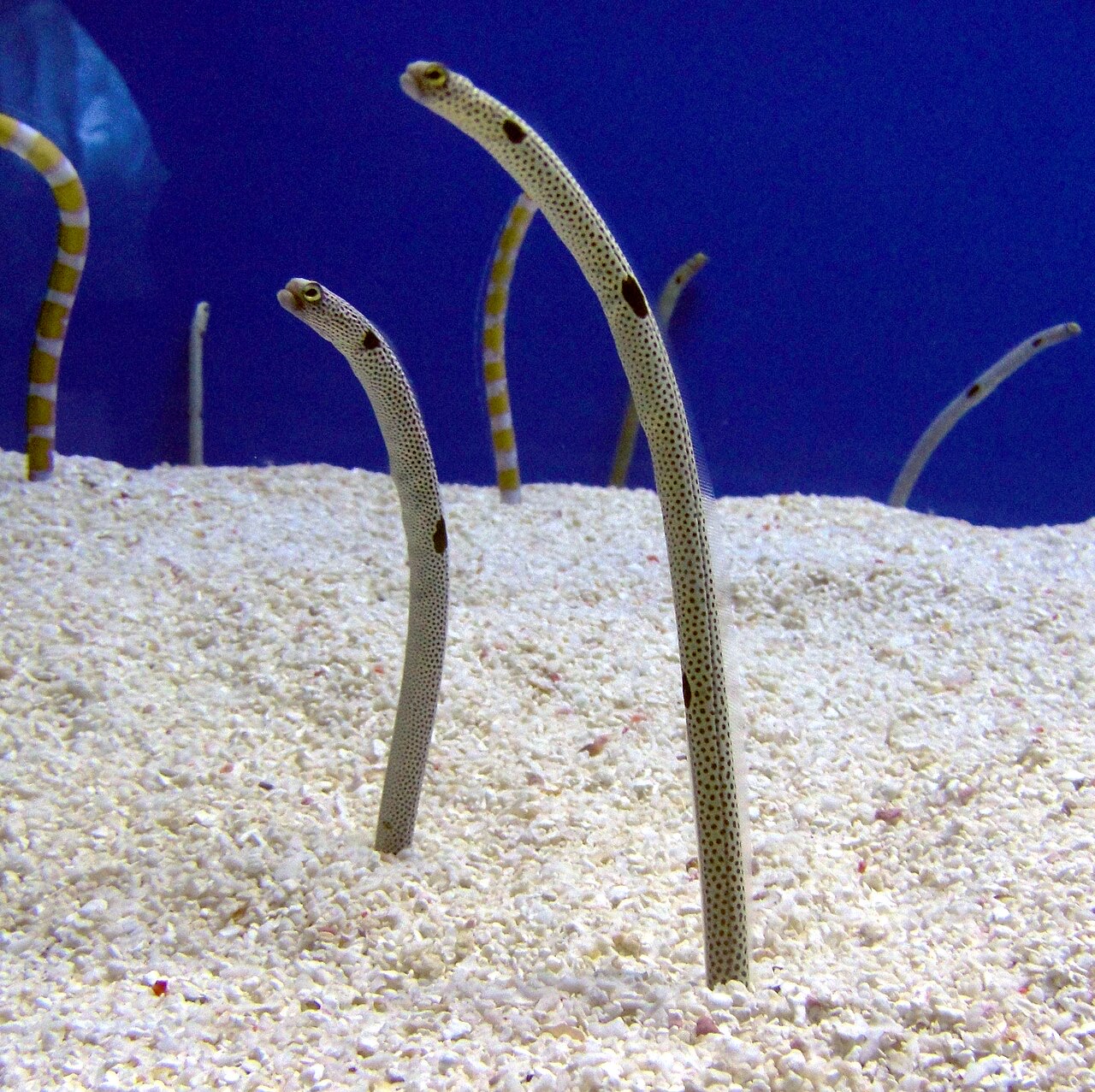
Garden Eel
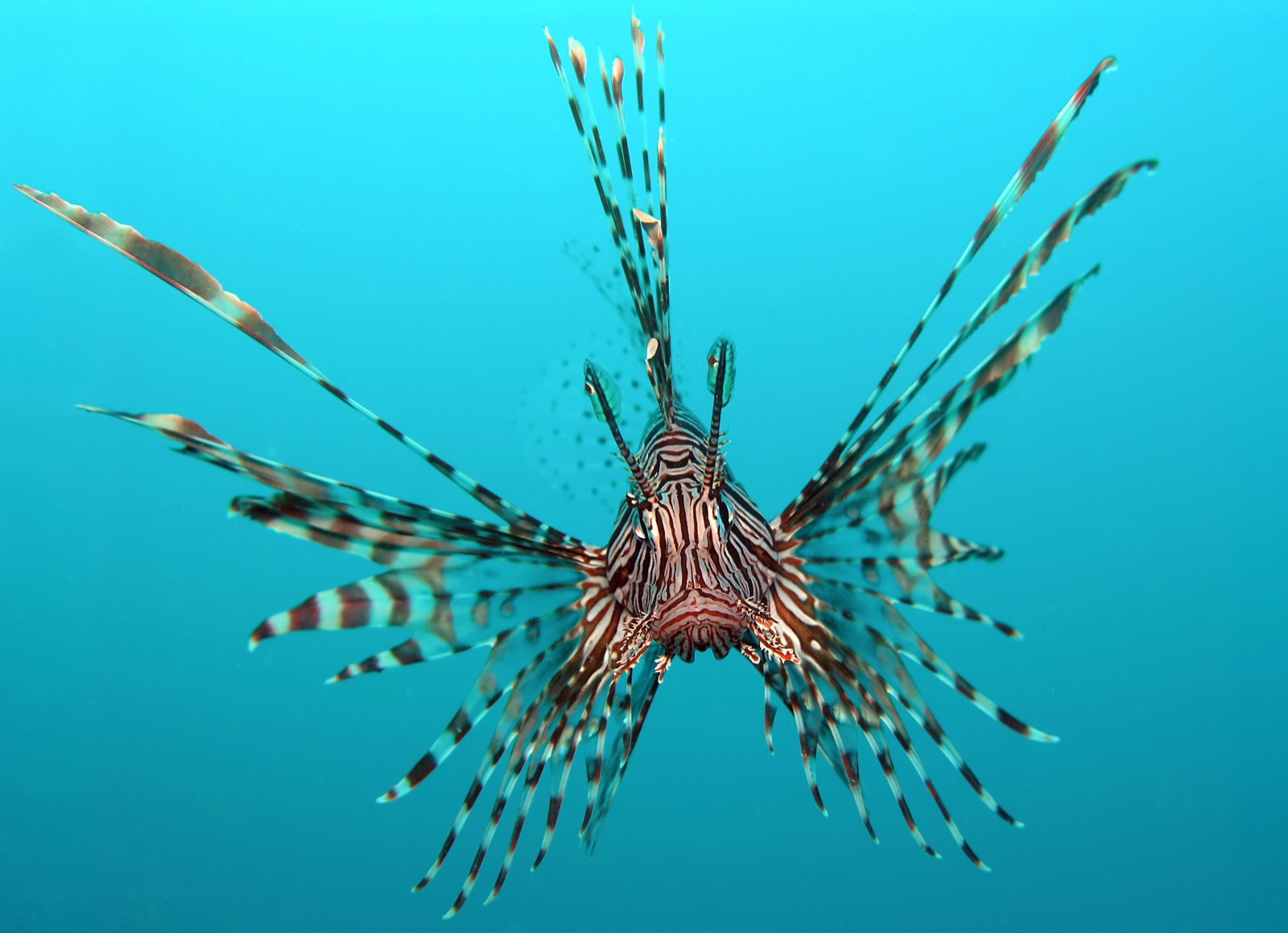
Lionfish
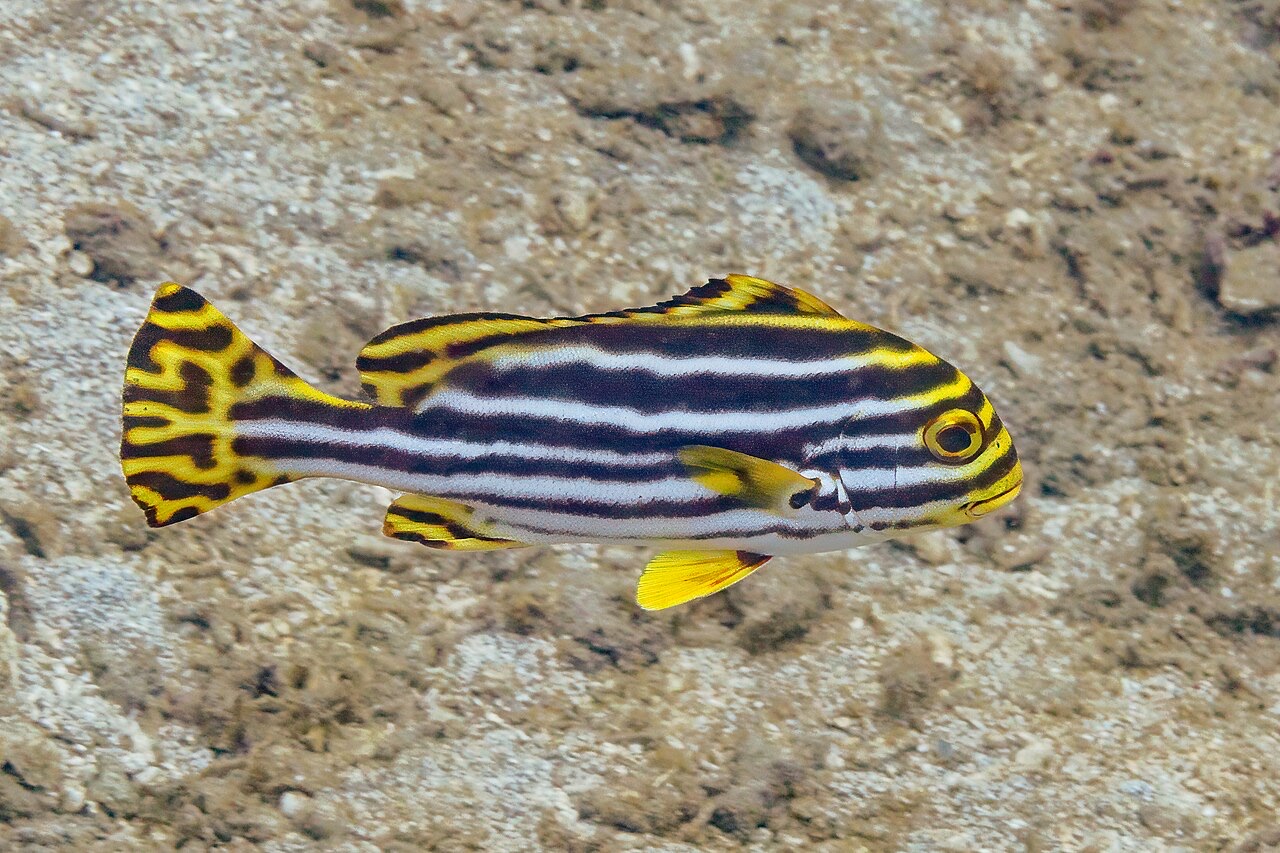
Oriental Sweetlips
También registrado cerca
Las especies "aquí registradas" fueron añadidas por nuestros editores a partir de las fuentes de esta página. Los recuentos son registros de ocurrencia de GBIF: observaciones anotadas en un radio de unos 5 km de la posición registrada desde 1990, cotejadas únicamente con las especies de nuestro catálogo. Muestran lo que se ha avistado allí, no una garantía de lo que verás.
Para fotógrafos
Gran angular: ★★★★★ · Macro: ★☆☆☆☆ (valoración de 1 a 5 de los editores sobre lo que ofrece este sitio para cada estilo de fotografía)