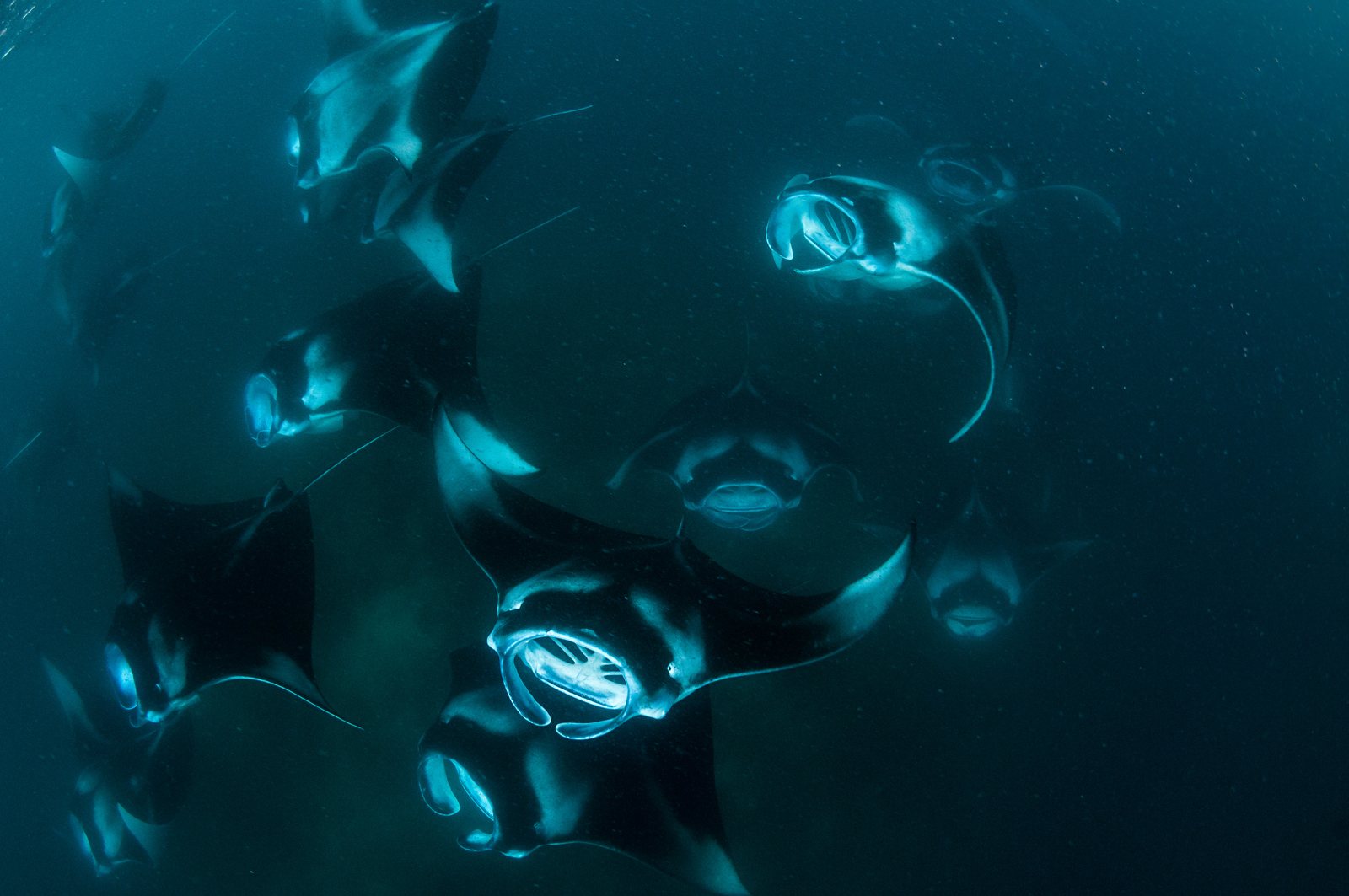
Hanifaru Bay
La profondeur correspond à la plage allant du sommet du site jusqu'à son maximum habituel ; le « niveau recommandé » est le niveau demandé en général par les opérateurs auprès des grandes agences, pas une règle légale. Les courants et la visibilité varient chaque jour, traitez donc tout cela comme des plages indicatives de planification.
Hanifaru is the world's most famous manta feeding station, and it is experienced from the surface: scuba has been banned under the Baa Atoll biosphere rules since the early 2010s, so everyone snorkels. When the tides trap enough plankton, reef mantas pour into the little bay (dozens on a good event, and on the greatest days more than a hundred), chain-feeding nose to tail, barrel-rolling, and cyclone-feeding in a column beneath the swimmers. Whale sharks sometimes plow through the same soup. Rangers cap boats, swimmer numbers, and time in the water, and encounters are lottery-like: tide, moon, and plankton decide, not the booking calendar.
Le moment pour lequel vous venez: Mass manta feeding events: chain and cyclone feeding; occasional whale sharks
Topographie: Funnel-shaped sandy bay narrowing into a shallow cul-de-sac on the atoll's eastern rim
Courant: Lunar tides sweep plankton into the dead-end bay; surface drift inside is usually gentle.
À savoir avant de plonger
Dangers: Crowded surface water during feeding events and boat movement at the bay mouth.
Permis & règlements: Entry requires a ranger-collected fee and a licensed guide; numbers and in-water time are limited.
Conservation: Snorkel-only under biosphere regulations, with ranger-enforced caps and a strict no-touch, no-chase, no-dive-down code; access only with licensed operators.
Qui vous croiserez
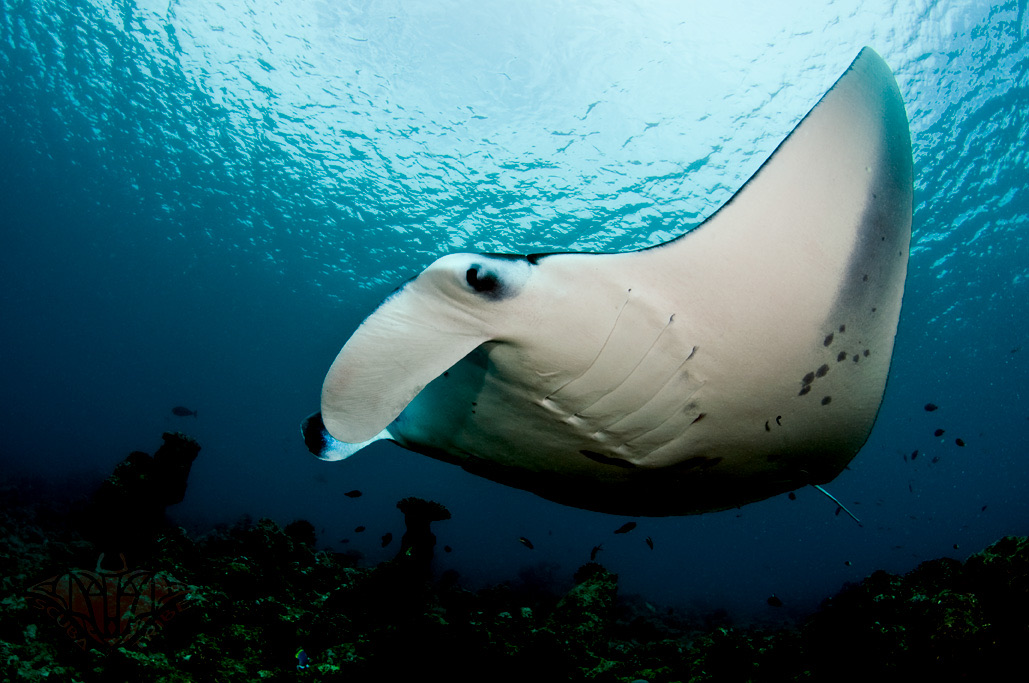
Reef Manta Ray
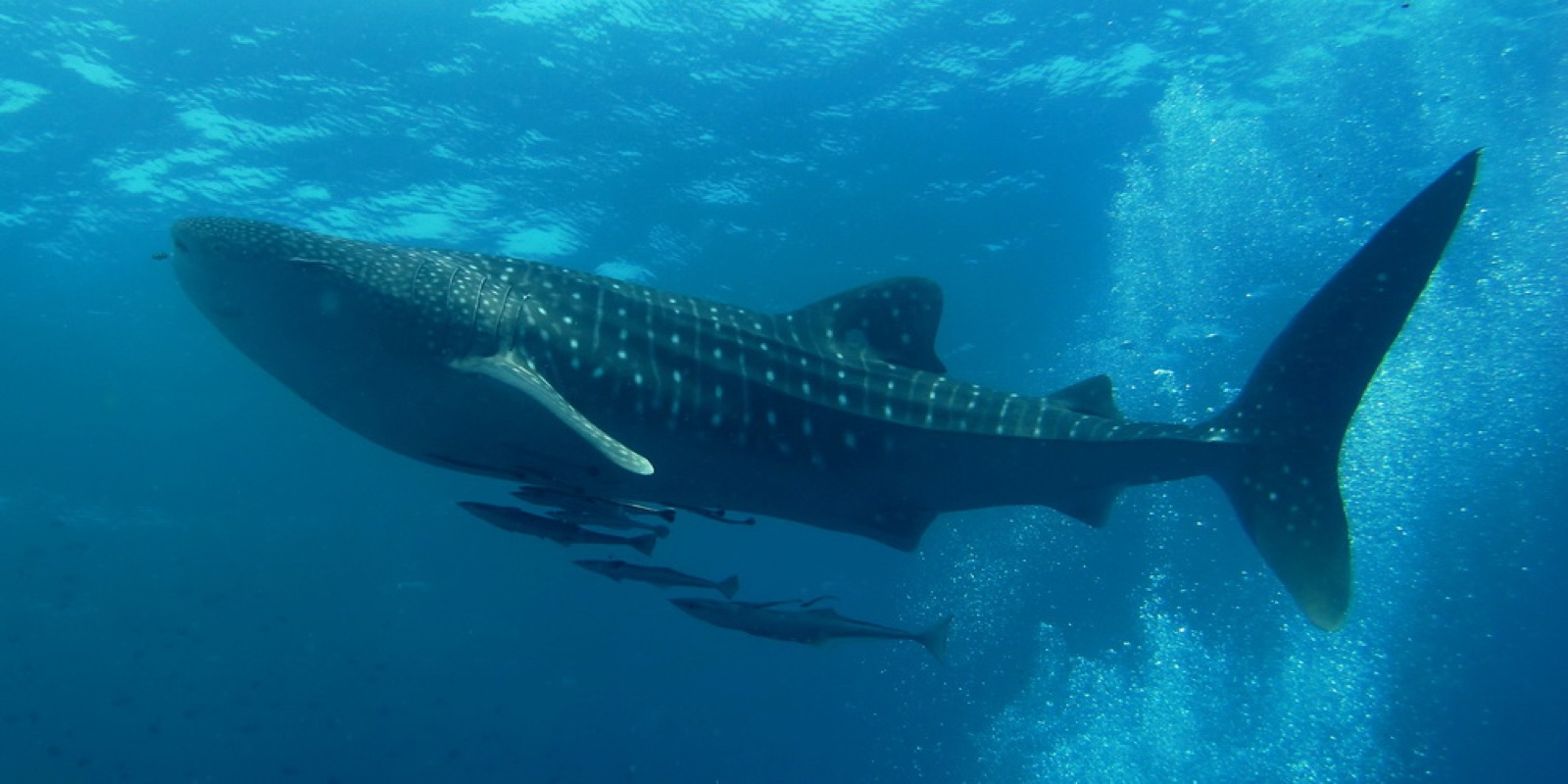
Whale Shark
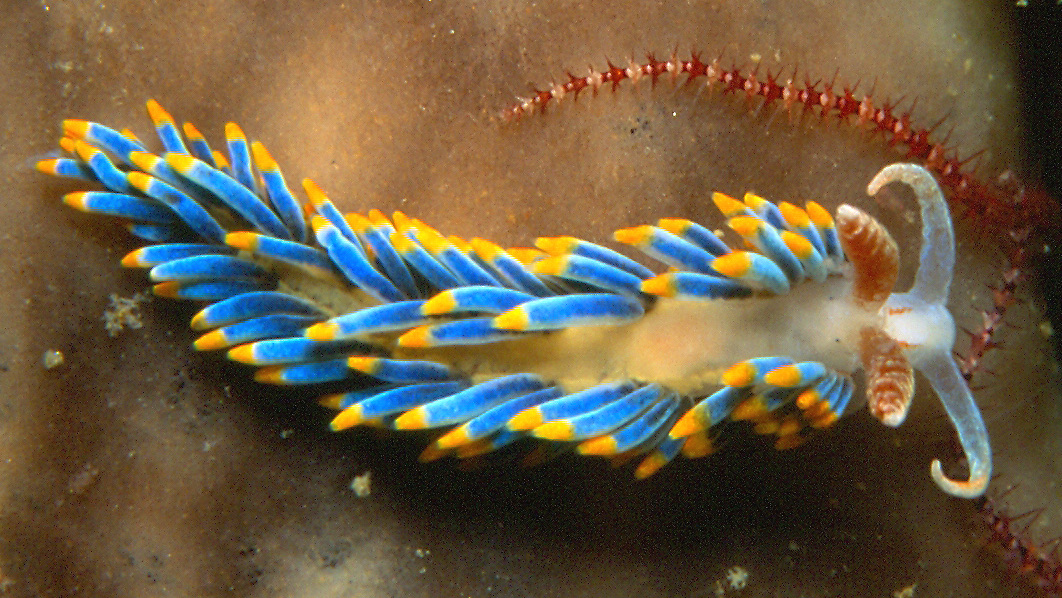
Nudibranchs
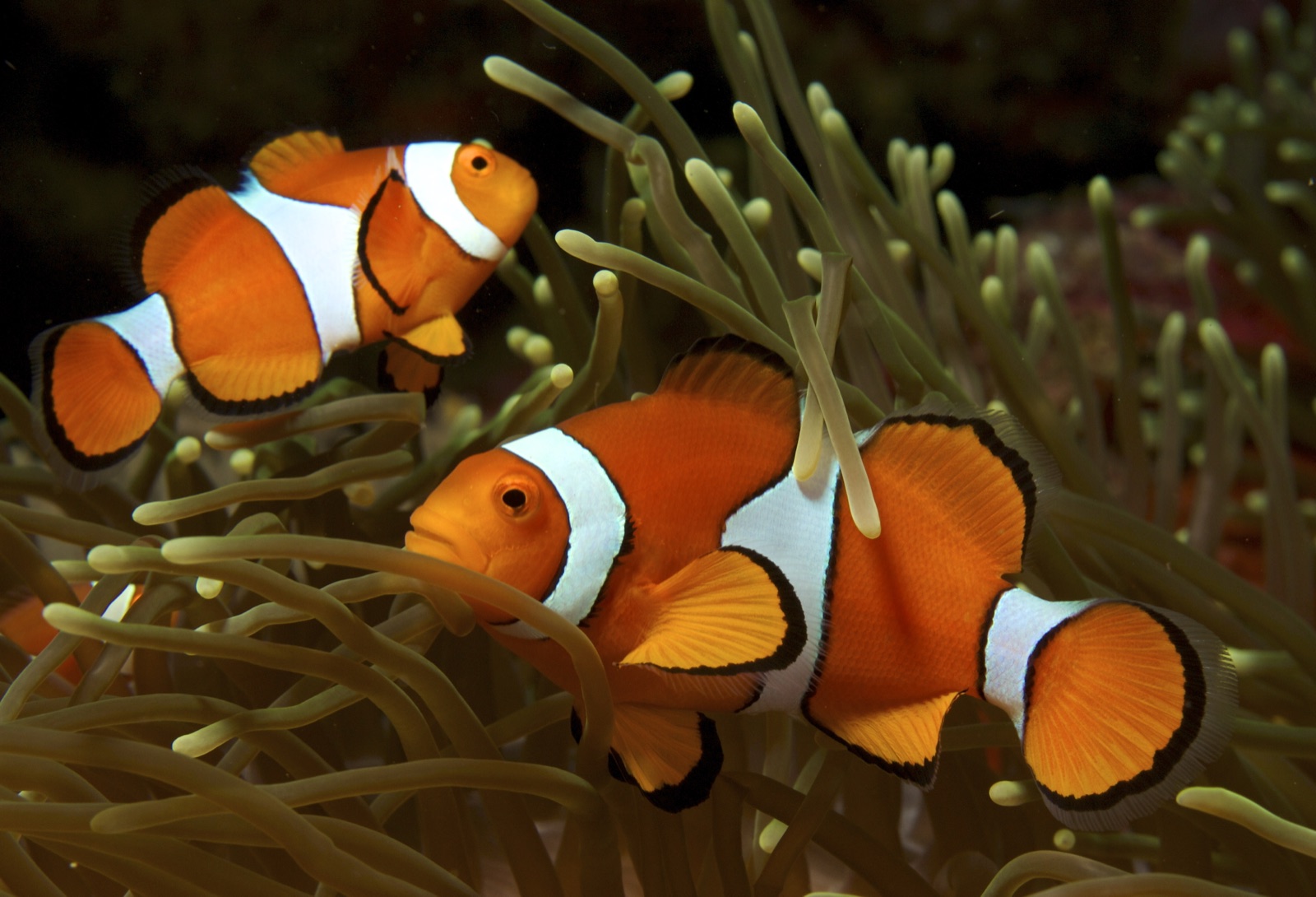
Clownfish & Anemonefish
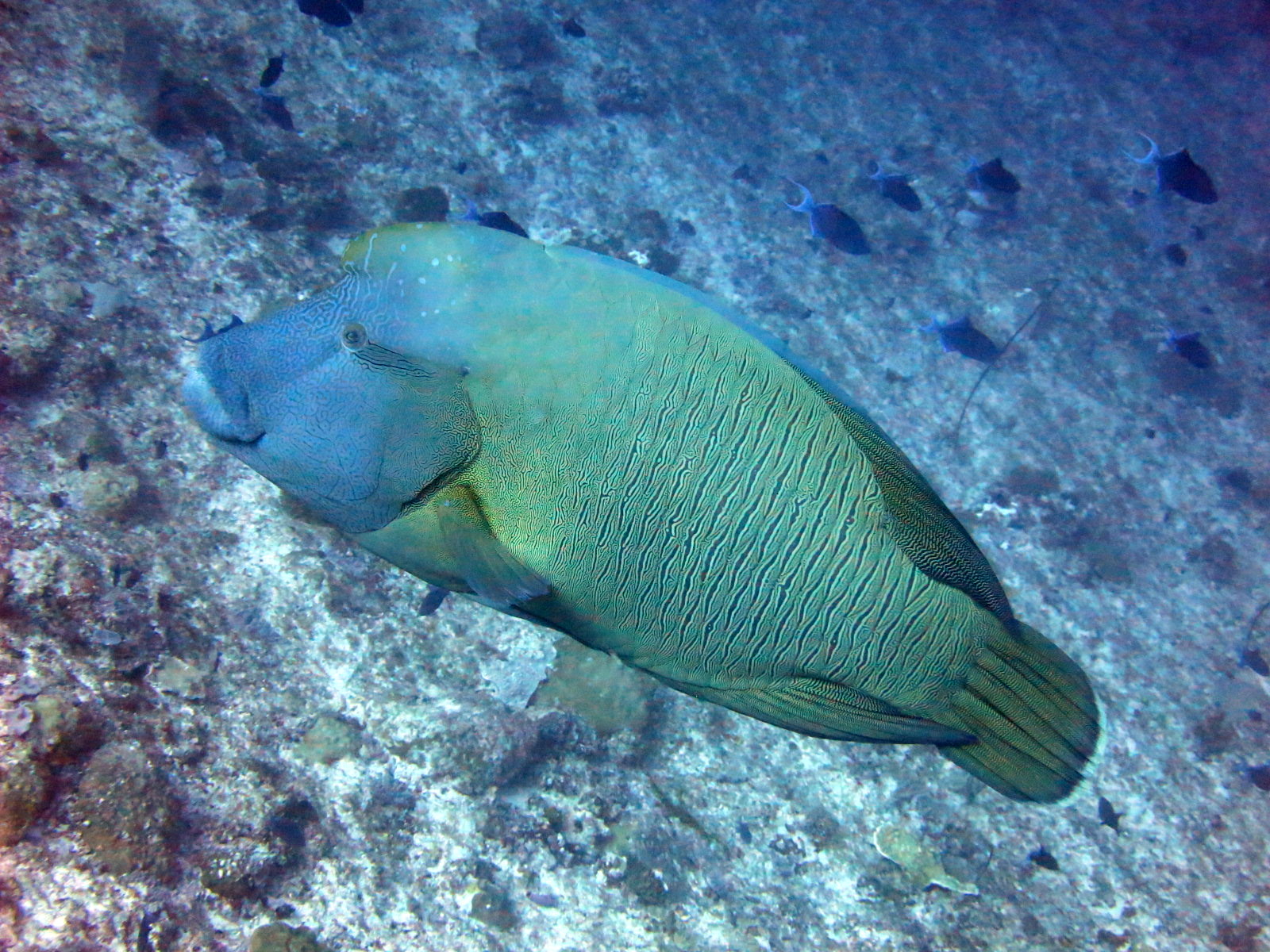
Napoleon (Humphead) Wrasse
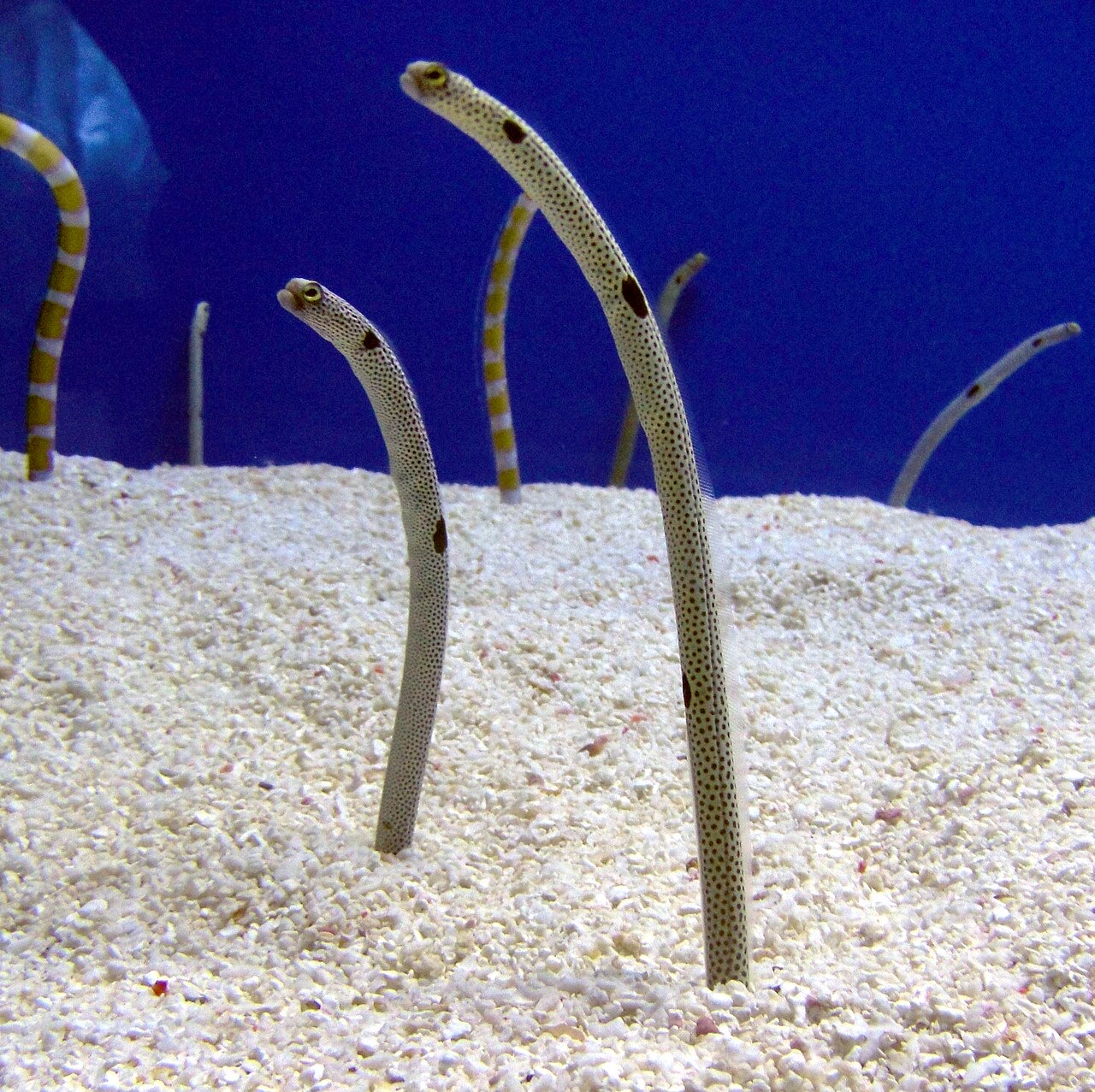
Garden Eel
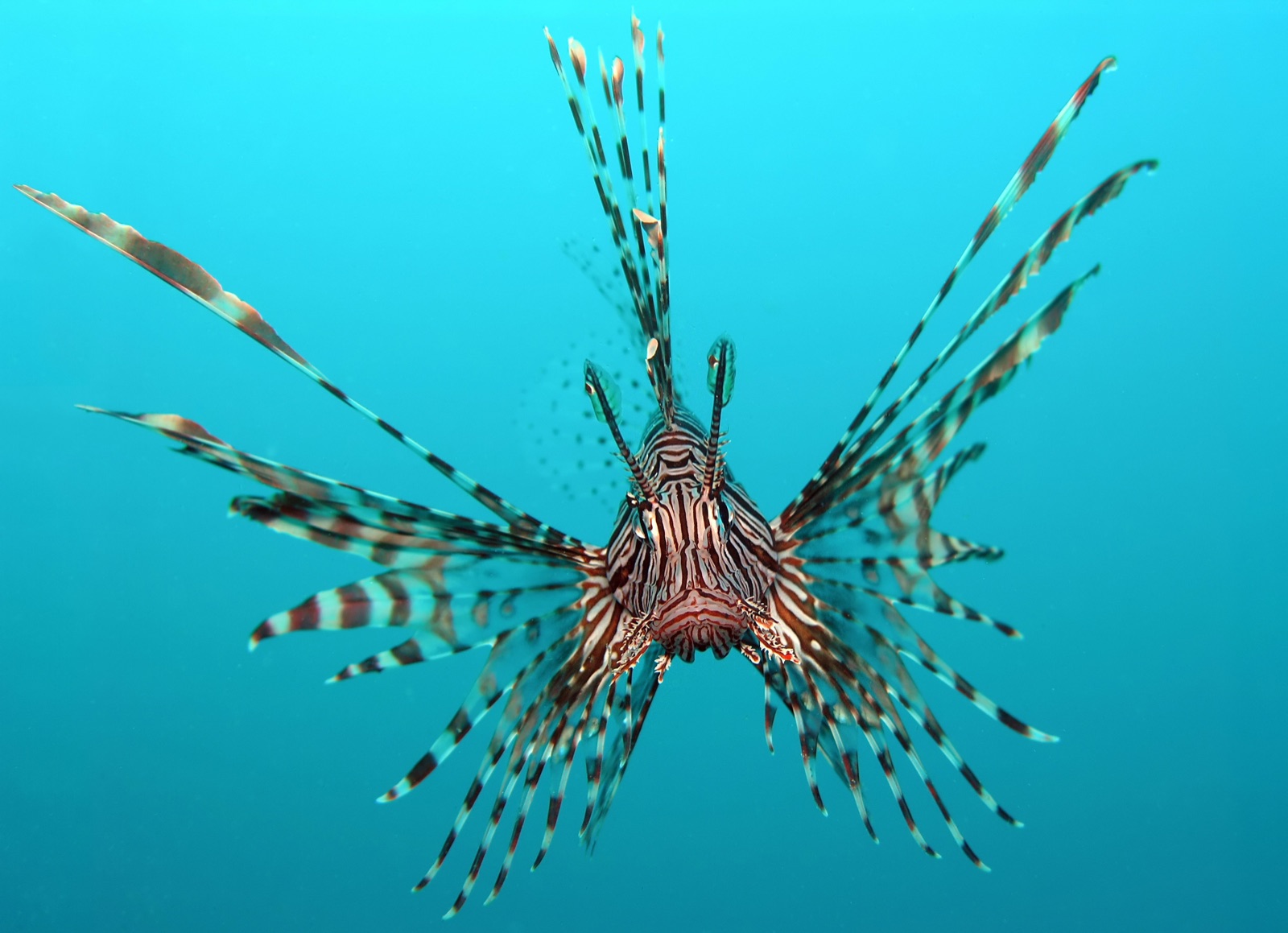
Lionfish
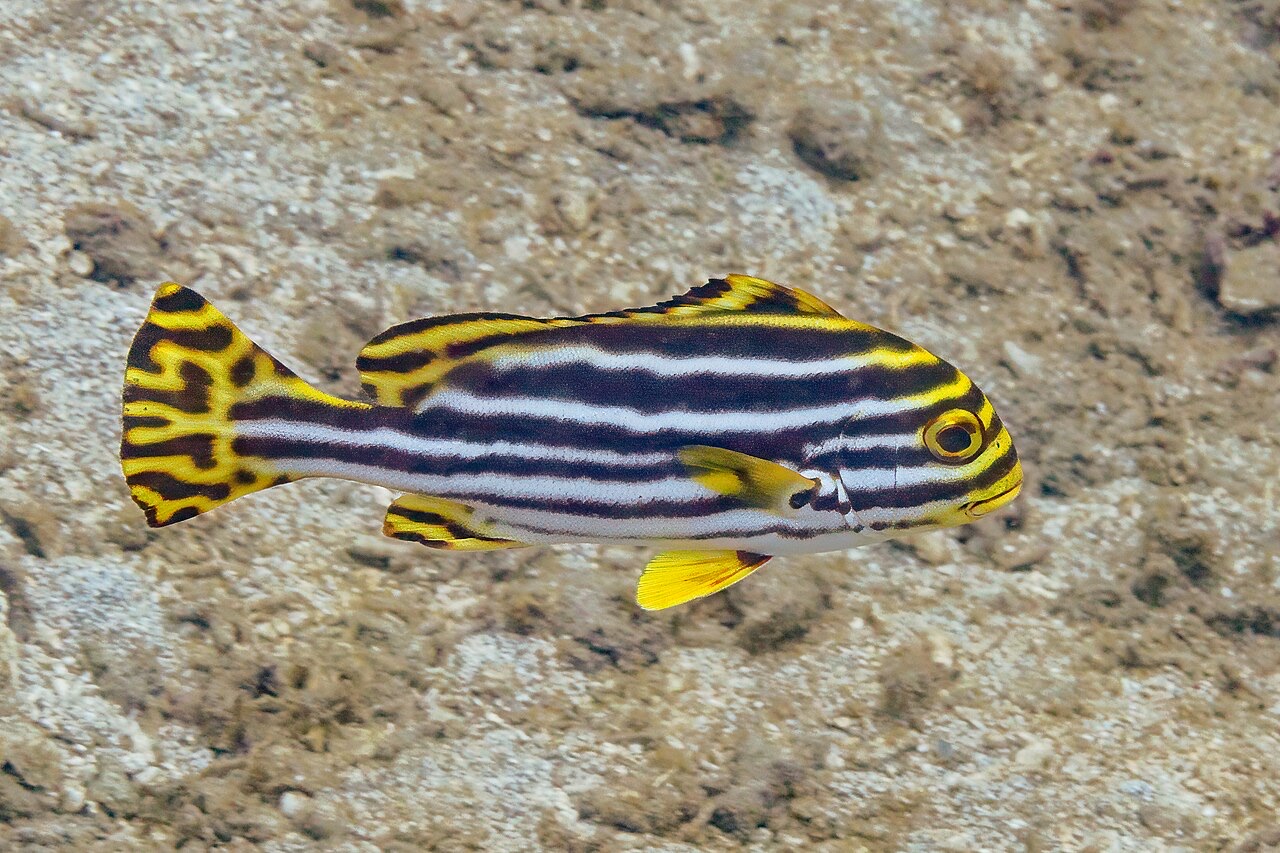
Oriental Sweetlips
Également observé à proximité
Les espèces « cartographiées ici » ont été répertoriées par nos éditeurs à partir des sources indiquées sur cette page. Les comptages correspondent aux occurrences GBIF : observations enregistrées dans un rayon d'environ 5 km autour de la position cartographiée depuis 1990, comparées uniquement aux espèces de notre catalogue. Ils indiquent ce qui a été observé à cet endroit, sans garantir ce que vous y verrez.
Pour les photographes
Grand angle: ★★★★★ · Macro: ★☆☆☆☆ (note 1–5 des éditeurs sur ce que ce site offre à chaque style de prise de vue)