Lava Flow
La profondità indica l'intervallo dalla sommità del sito al suo massimo abituale; il "brevetto consigliato" è il livello richiesto dalla maggior parte degli operatori delle principali agenzie, non una norma di legge. Correnti e visibilità cambiano ogni giorno, quindi considera tutto come intervalli di pianificazione.
In 1988 Gunung Api erupted and poured lava into the sea, sterilizing this slope entirely. What happened next made the site famous: corals recolonized the fresh rock at a pace researchers have described as among the fastest reef recovery ever recorded, and today the flow is buried under acres of table corals stacked like crockery, in places from the surface down past twenty meters. Diving it is a double exposure, black basalt fingers still visible beneath a canopy barely three decades old, with anthias, turtles, and reef sharks already treating it as ancient. The volcano steams quietly overhead. As a demonstration of what reefs can do when left alone, nothing else in Indonesia states the case this plainly.
Il momento che aspettavi: Record-pace coral regrowth on young lava; unbroken table-coral fields; the smoking cone directly above the anchorage.
Topografia: A tongue of 1988 lava from Gunung Api, now overgrown with dense fields of table and staghorn coral.
Corrente: Usually gentle along the slope; the site sits in relatively protected water near Banda Neira.
Sapere prima di tuffarsi
Pericoli: Few in normal conditions; shallow coral on the ascent line.
Conservazione: The young coral plates are brittle and irreplaceable as a scientific record; fin well clear of the shallows.
Chi incontrerai
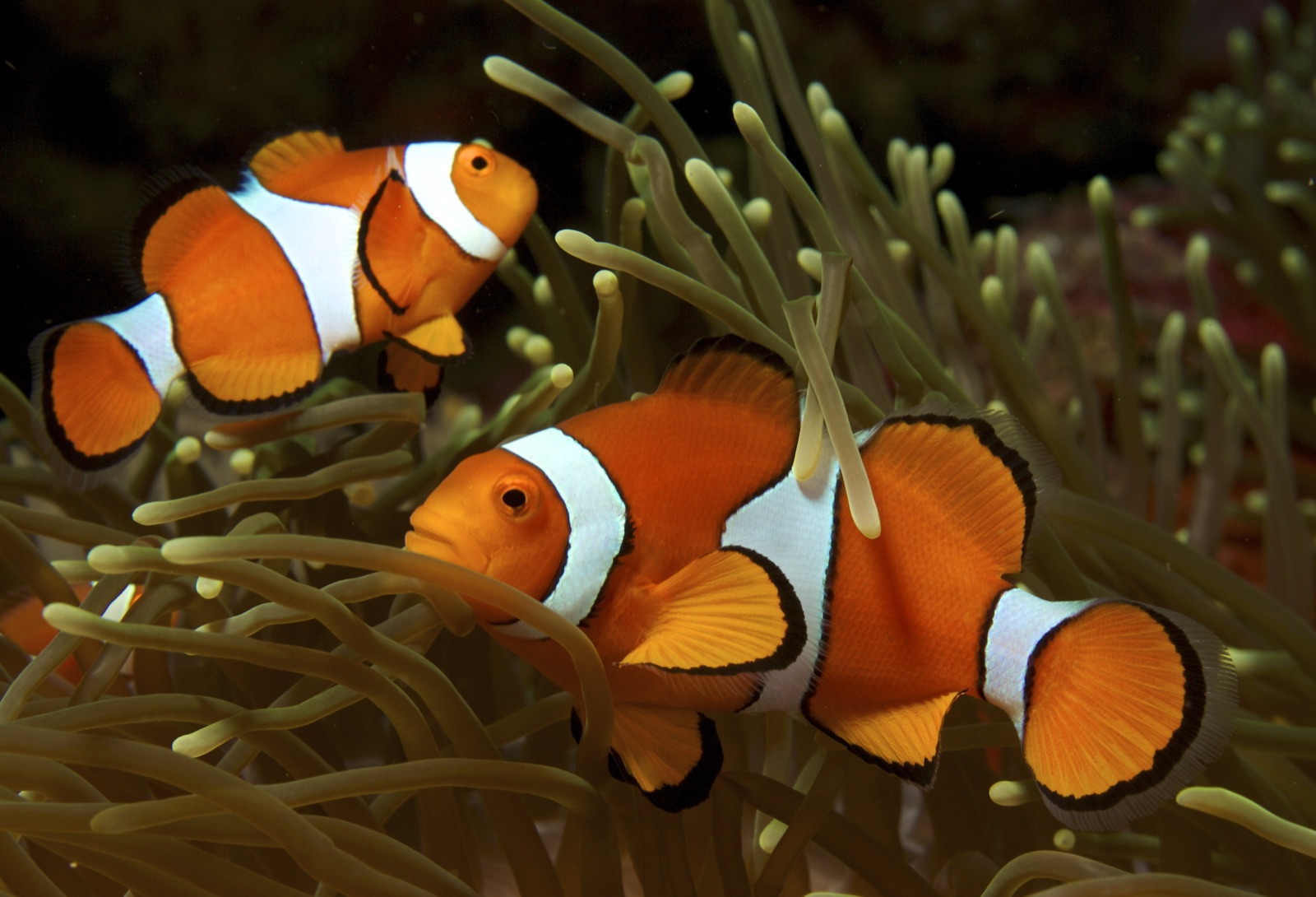
Clownfish & Anemonefish
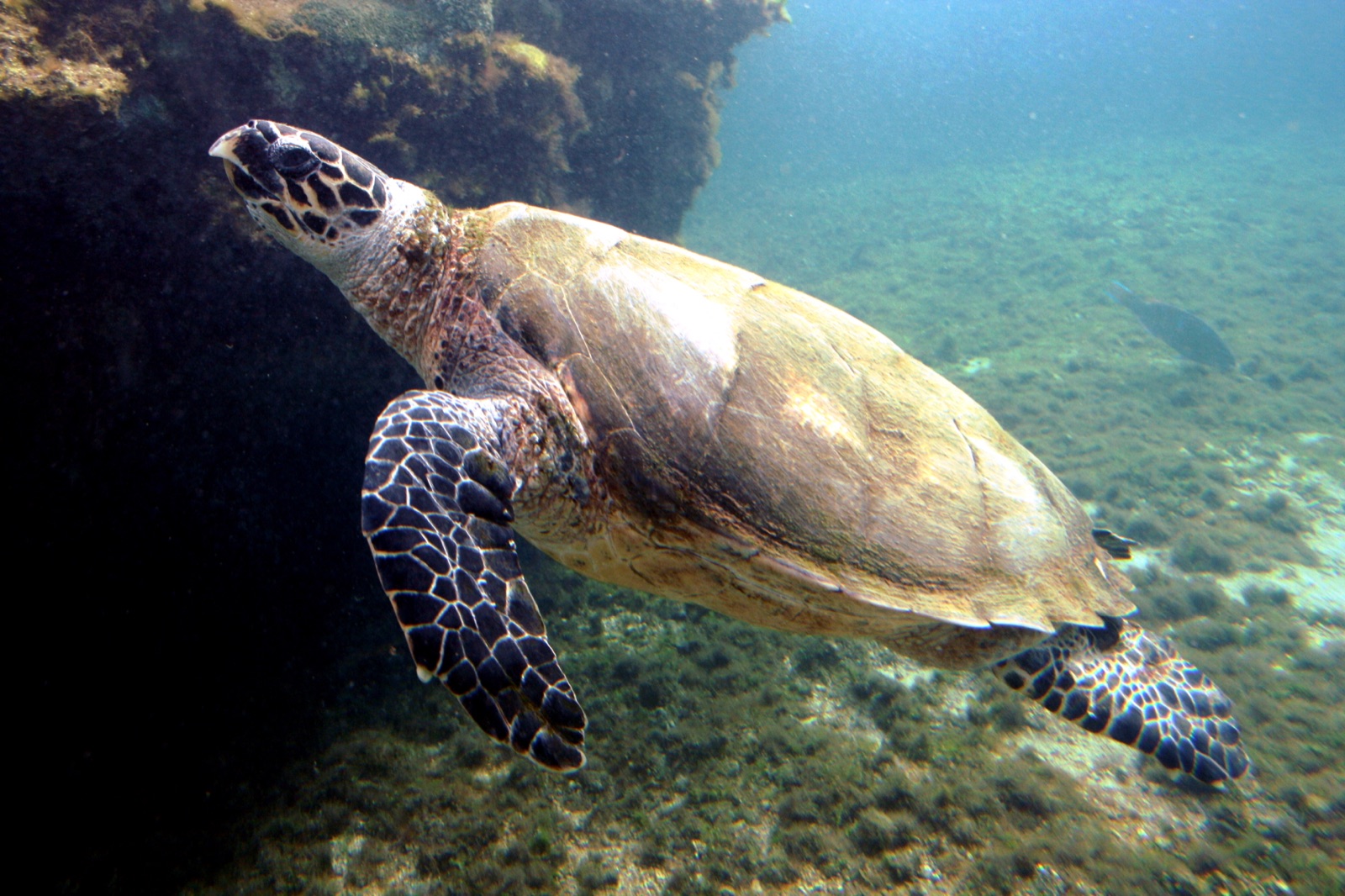
Hawksbill Turtle
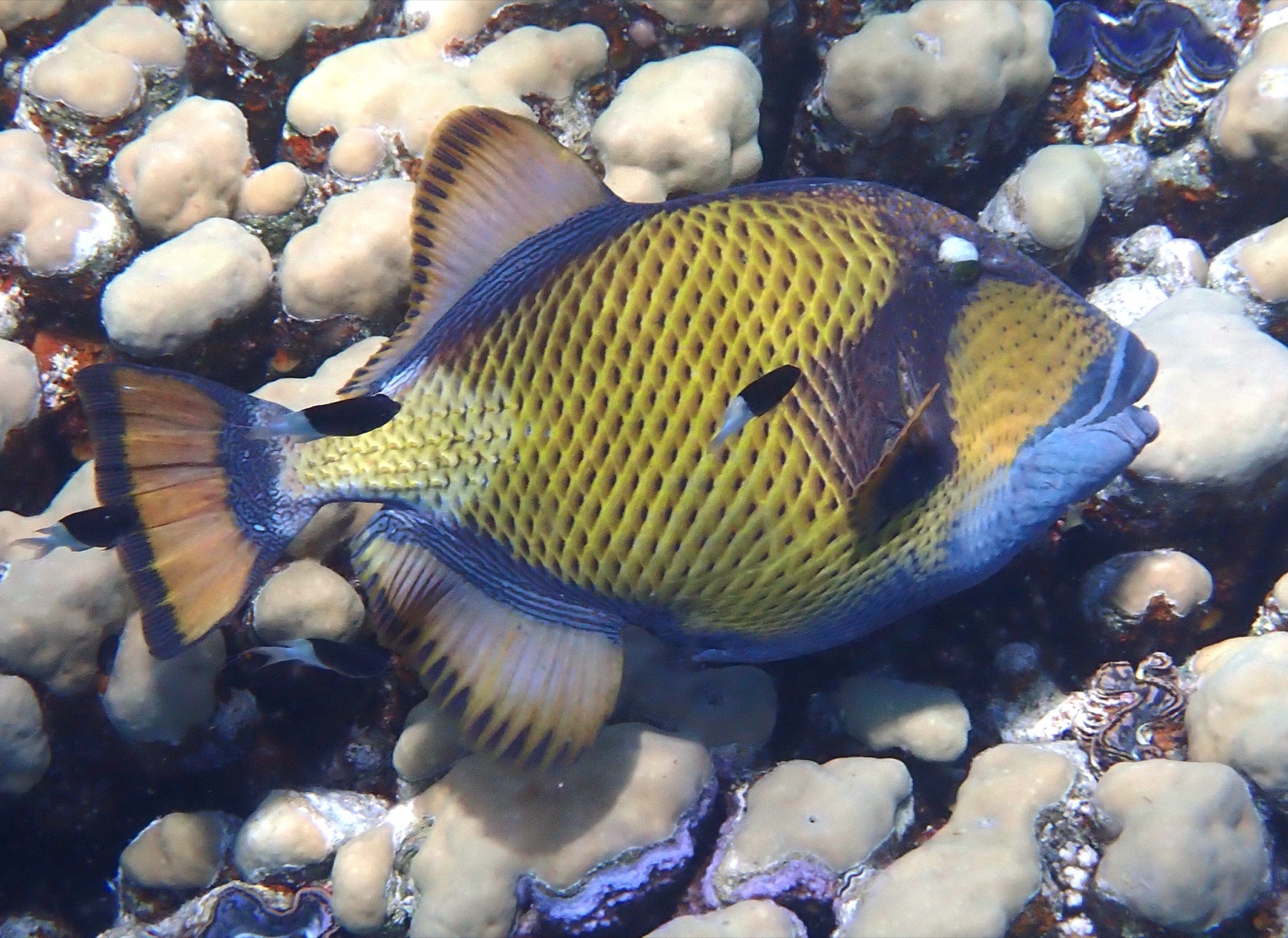
Titan Triggerfish
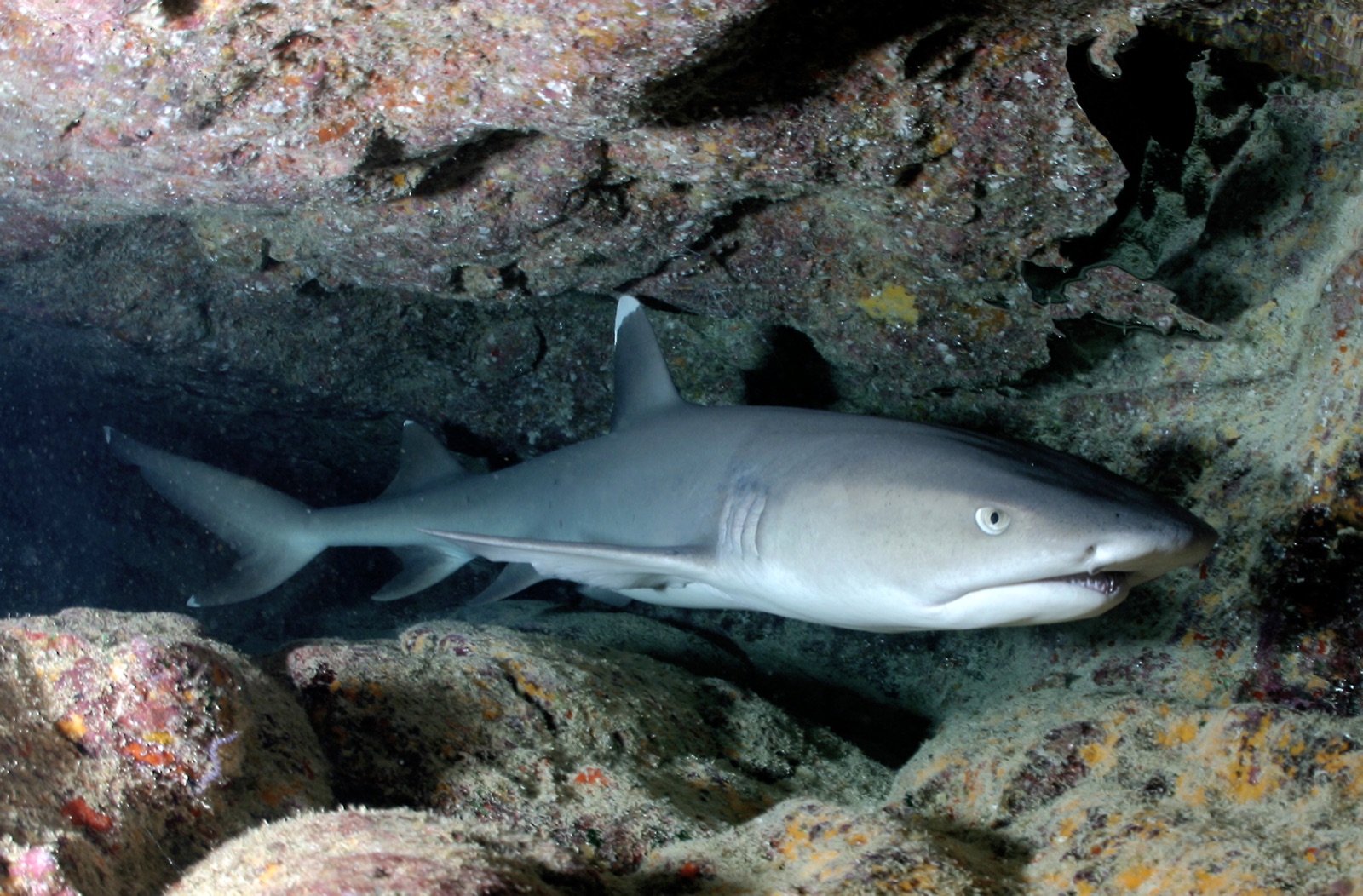
Whitetip Reef Shark
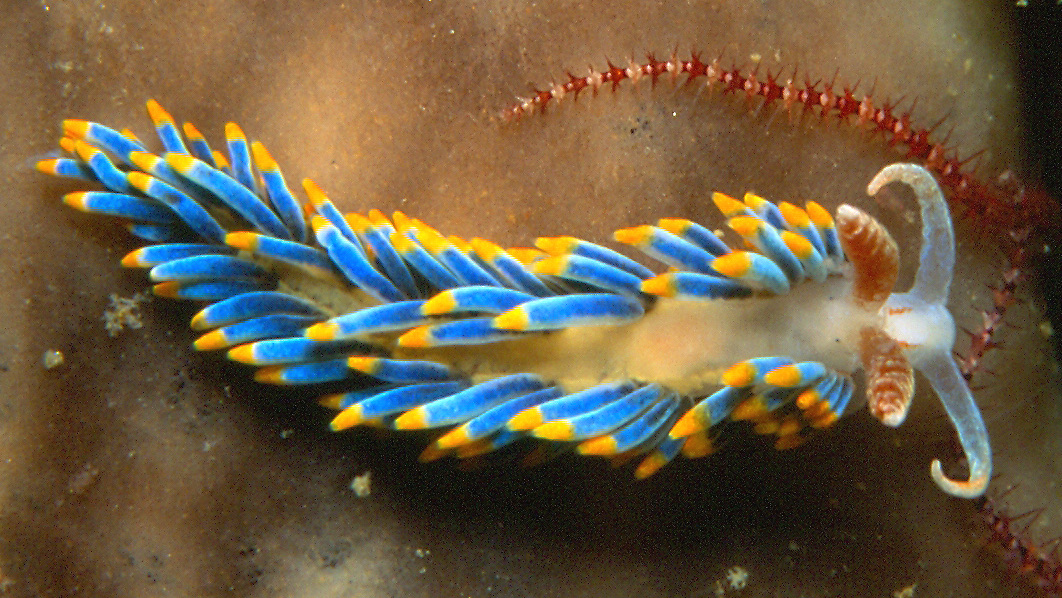
Nudibranchs
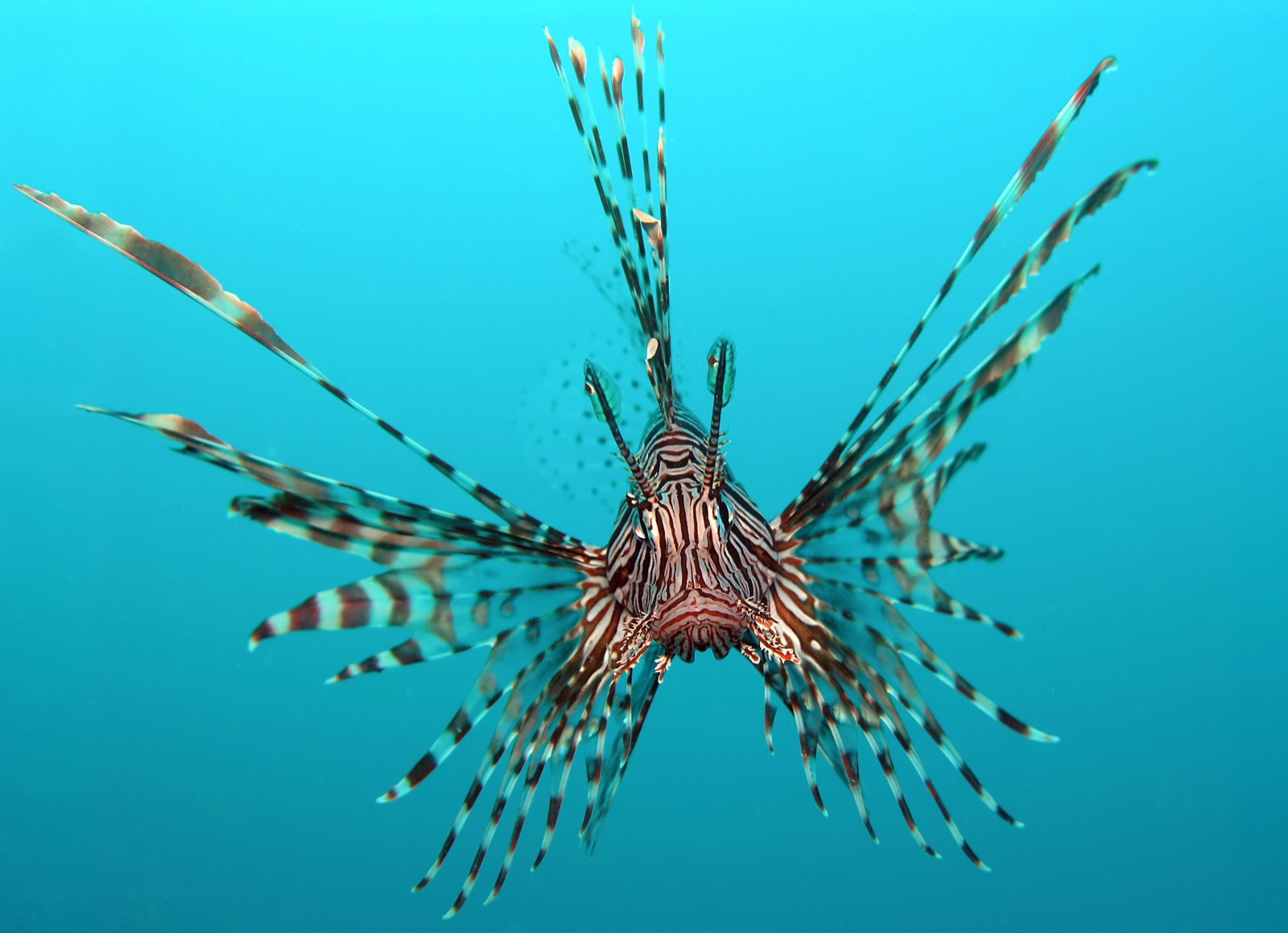
Lionfish
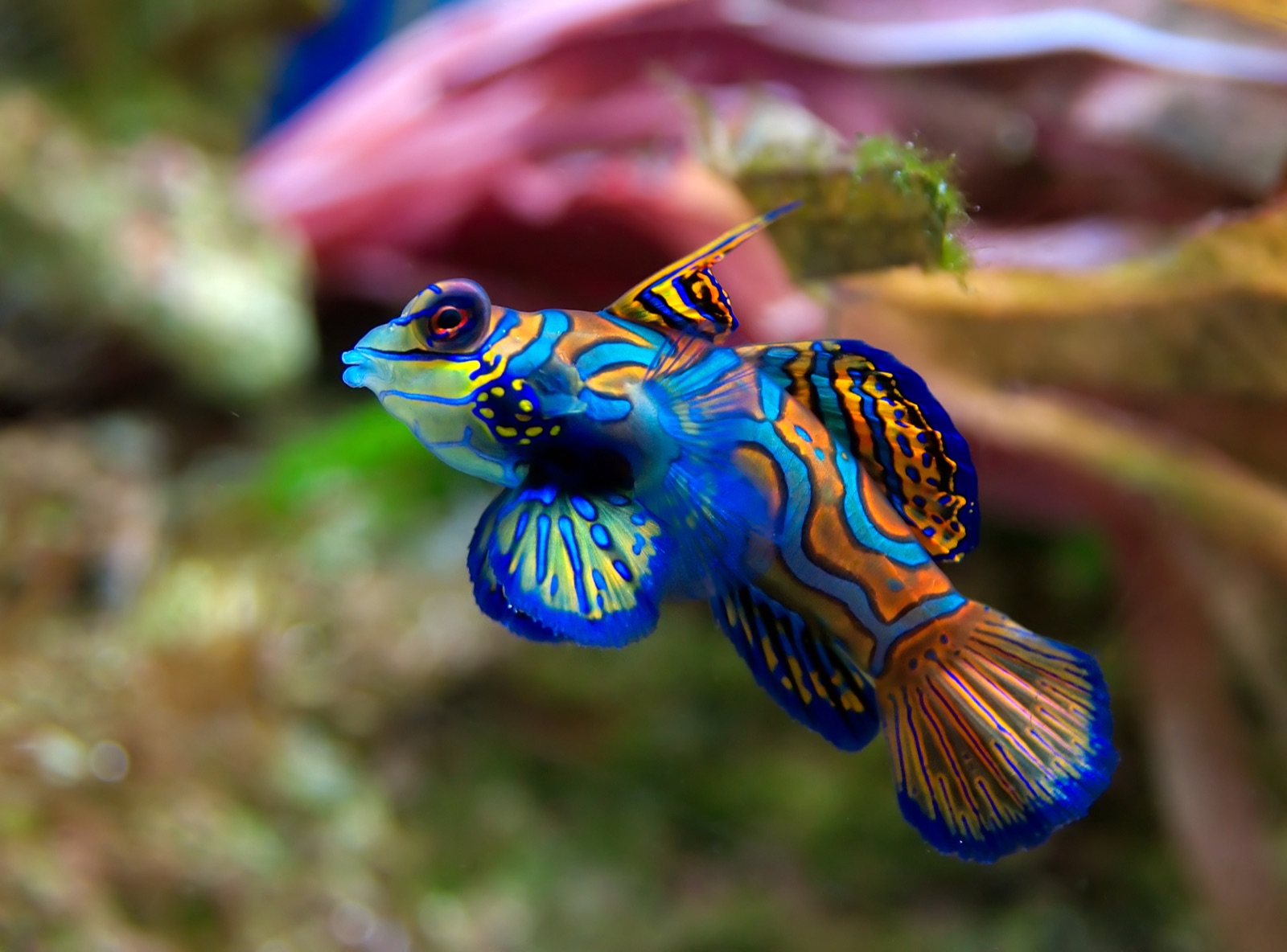
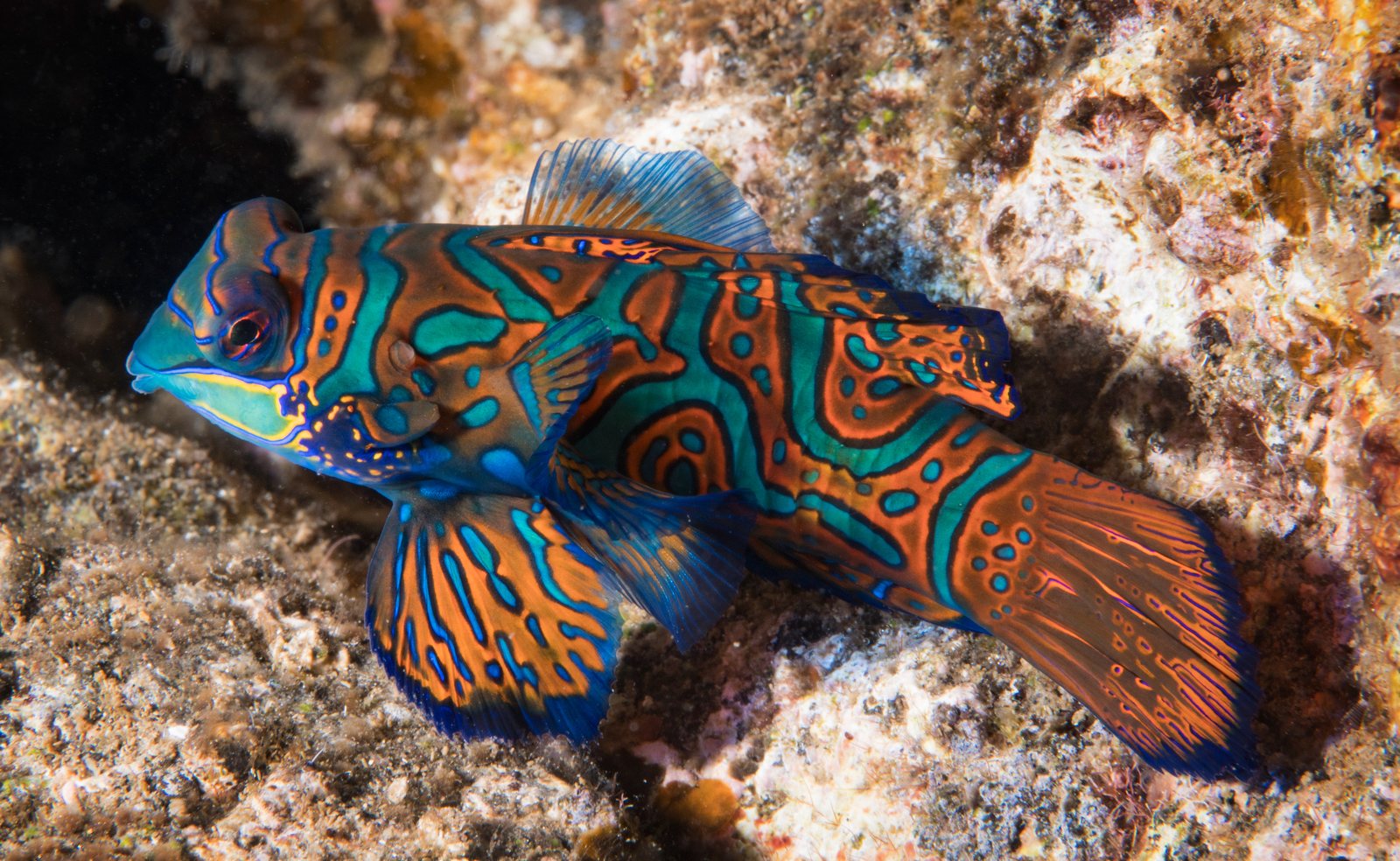
Mandarinfish
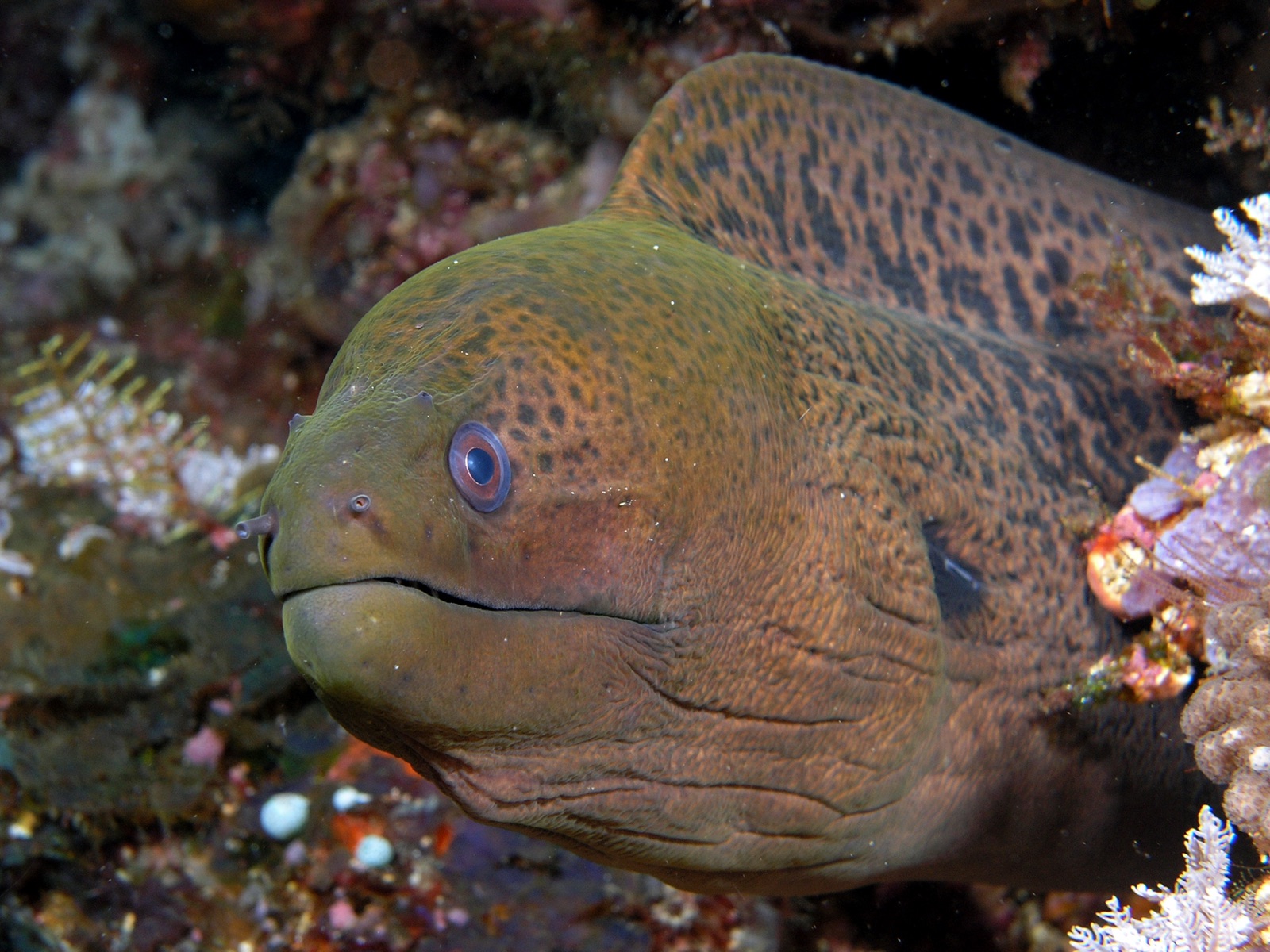
Giant Moray Eel
Registrate anche nelle vicinanze
Le specie "schedate qui" sono state inserite dai nostri redattori a partire dalle fonti indicate in questa pagina. I conteggi sono record di occorrenza GBIF: osservazioni registrate entro circa 5 km dalla posizione indicata in carta a partire dal 1990, confrontate esclusivamente con le specie presenti nel nostro catalogo. Mostrano ciò che è stato avvistato in quel luogo, non una garanzia di ciò che vedrete.
Per i fotografi
Grandangolo: ★★★★★ · Macro: ★★☆☆☆ (valutazione da 1 a 5 dei redattori su ciò che questo sito offre per ogni stile di ripresa)