Lava Flow
Die Tiefe gibt den Bereich von der Oberkante des Tauchplatzes bis zur üblichen Maximaltiefe an; „empfohlene Zertifizierung" ist das von Anbietern üblicherweise geforderte Mainstream-Agenturniveau – keine gesetzliche Vorschrift. Strömungen und Sichtweite ändern sich täglich – behandle alle Angaben hier als Planungsbereiche.
In 1988 Gunung Api erupted and poured lava into the sea, sterilizing this slope entirely. What happened next made the site famous: corals recolonized the fresh rock at a pace researchers have described as among the fastest reef recovery ever recorded, and today the flow is buried under acres of table corals stacked like crockery, in places from the surface down past twenty meters. Diving it is a double exposure, black basalt fingers still visible beneath a canopy barely three decades old, with anthias, turtles, and reef sharks already treating it as ancient. The volcano steams quietly overhead. As a demonstration of what reefs can do when left alone, nothing else in Indonesia states the case this plainly.
Der Moment, für den du kommst: Record-pace coral regrowth on young lava; unbroken table-coral fields; the smoking cone directly above the anchorage.
Topografie: A tongue of 1988 lava from Gunung Api, now overgrown with dense fields of table and staghorn coral.
Strömung: Usually gentle along the slope; the site sits in relatively protected water near Banda Neira.
Was du wissen solltest, bevor du ins Wasser gehst
Gefahren: Few in normal conditions; shallow coral on the ascent line.
Naturschutz: The young coral plates are brittle and irreplaceable as a scientific record; fin well clear of the shallows.
Wen du triffst
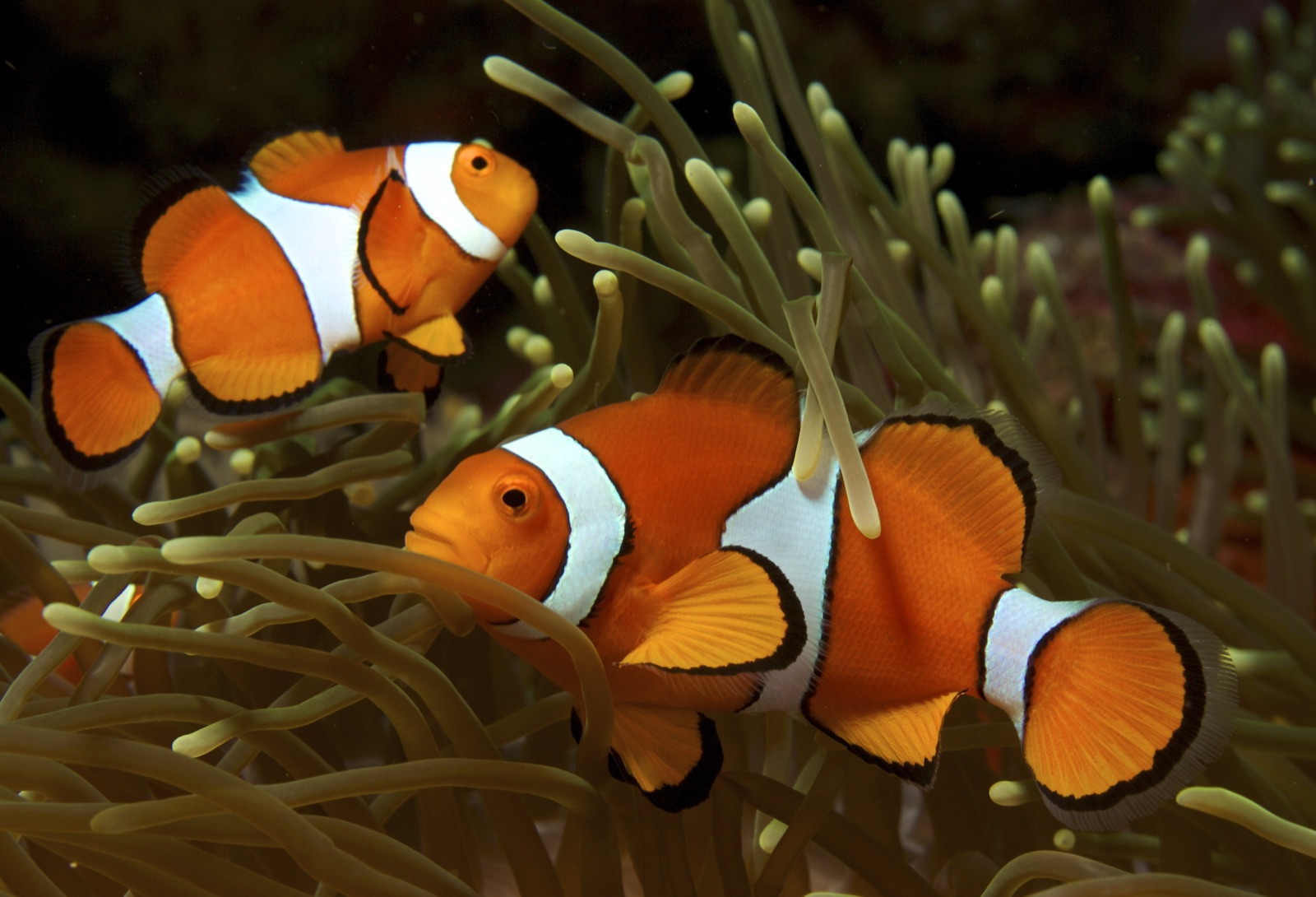
Clownfish & Anemonefish
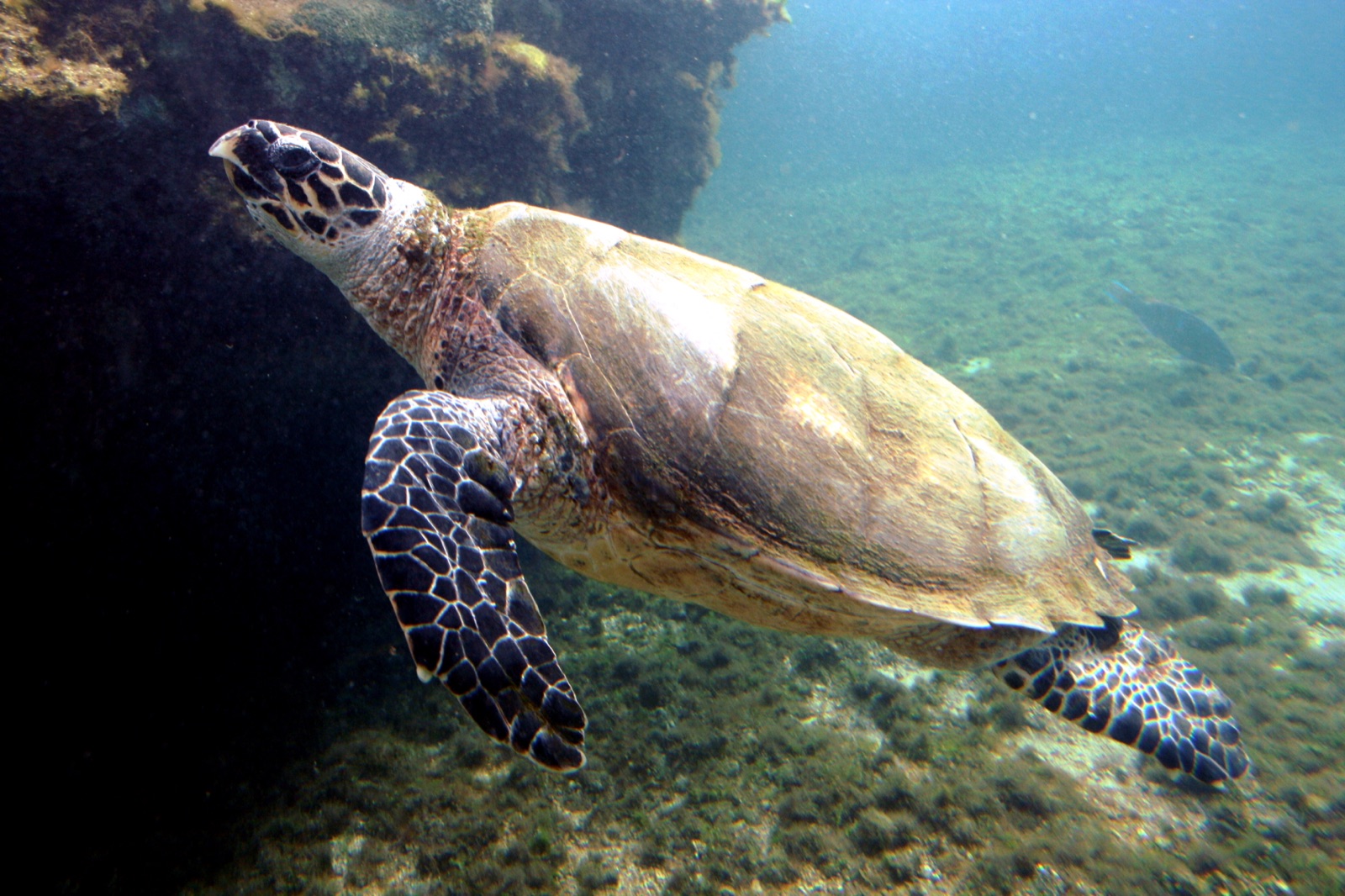
Hawksbill Turtle
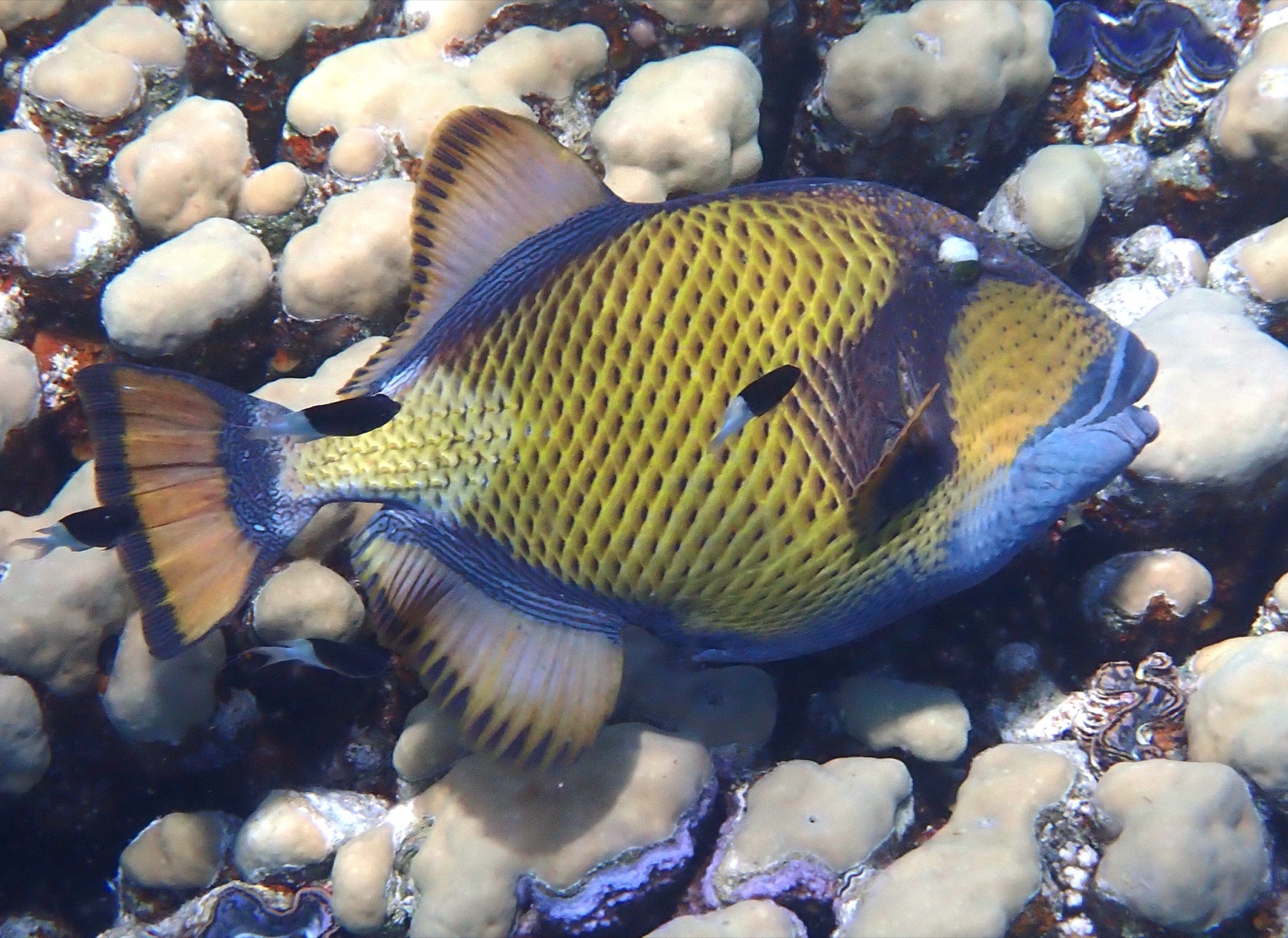
Titan Triggerfish
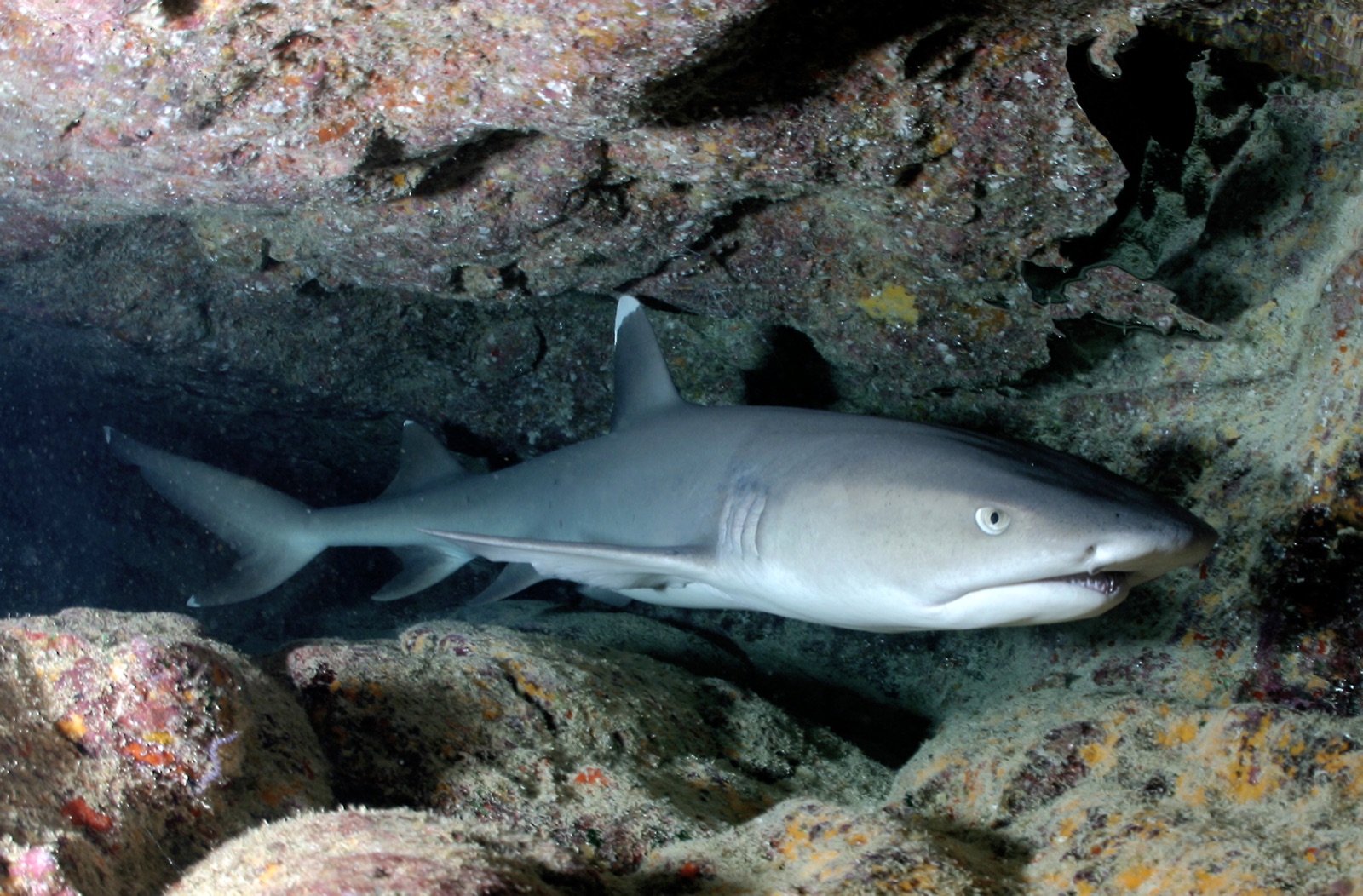
Whitetip Reef Shark
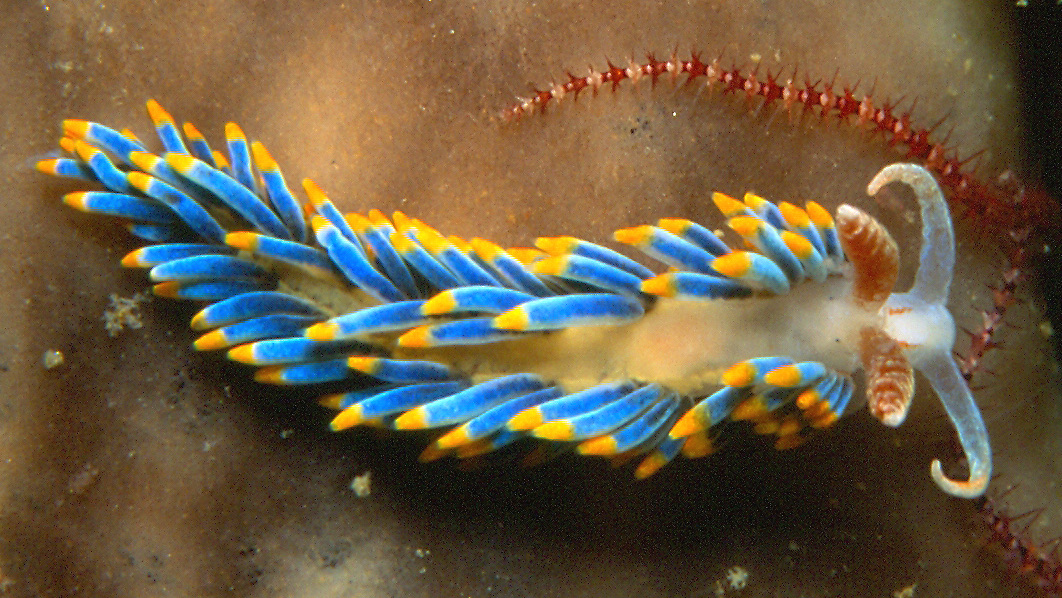
Nudibranchs
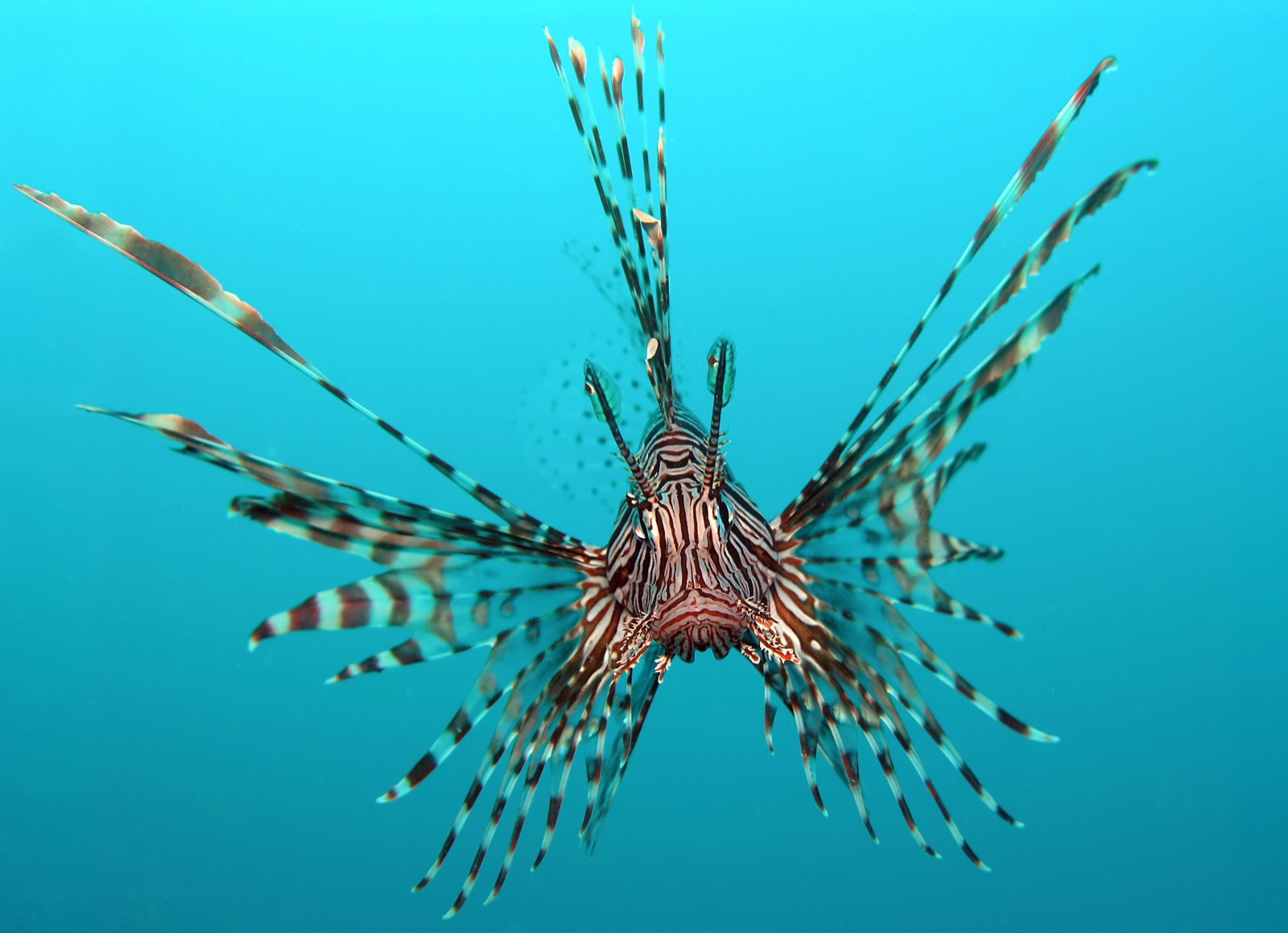
Lionfish
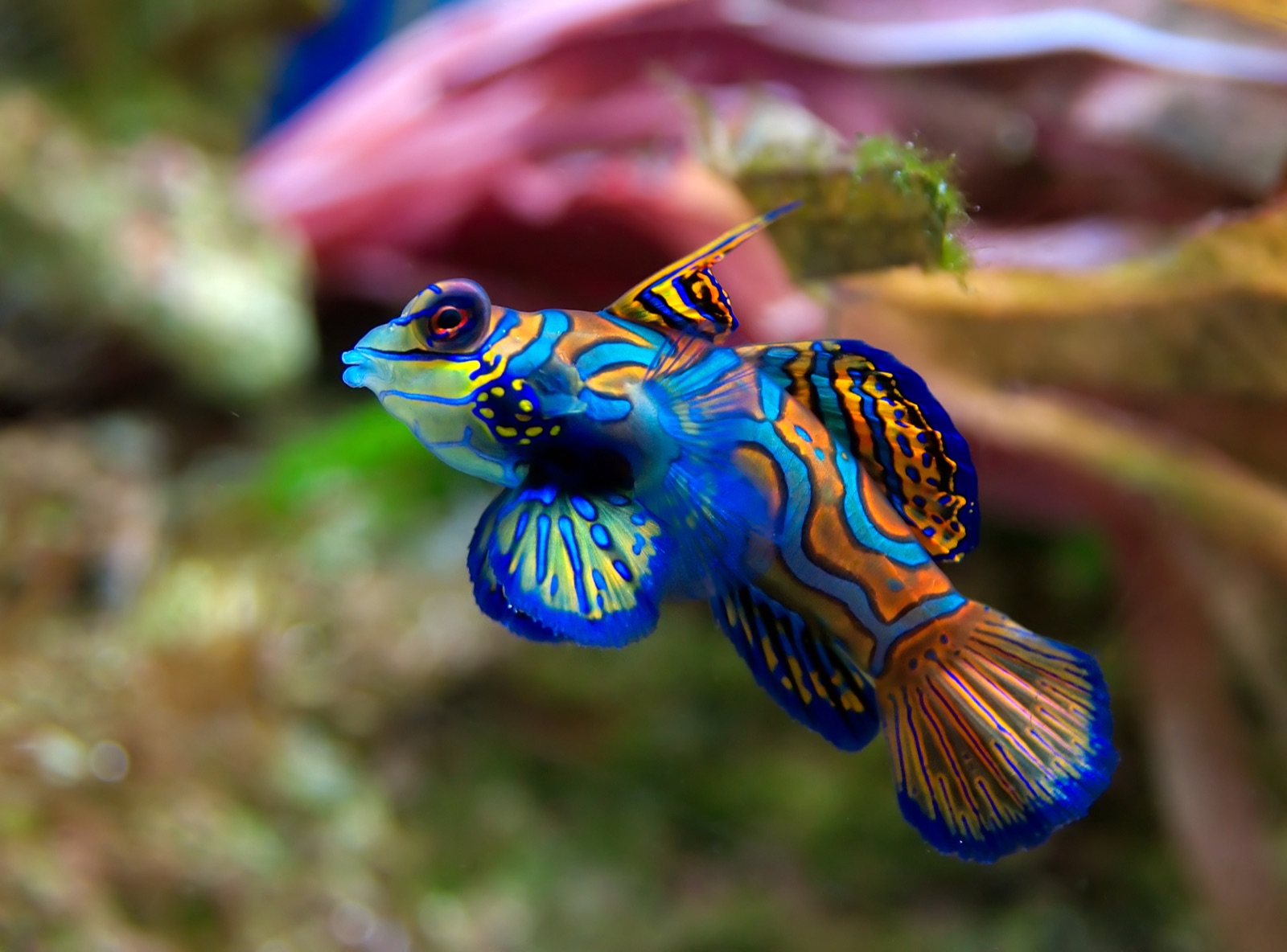
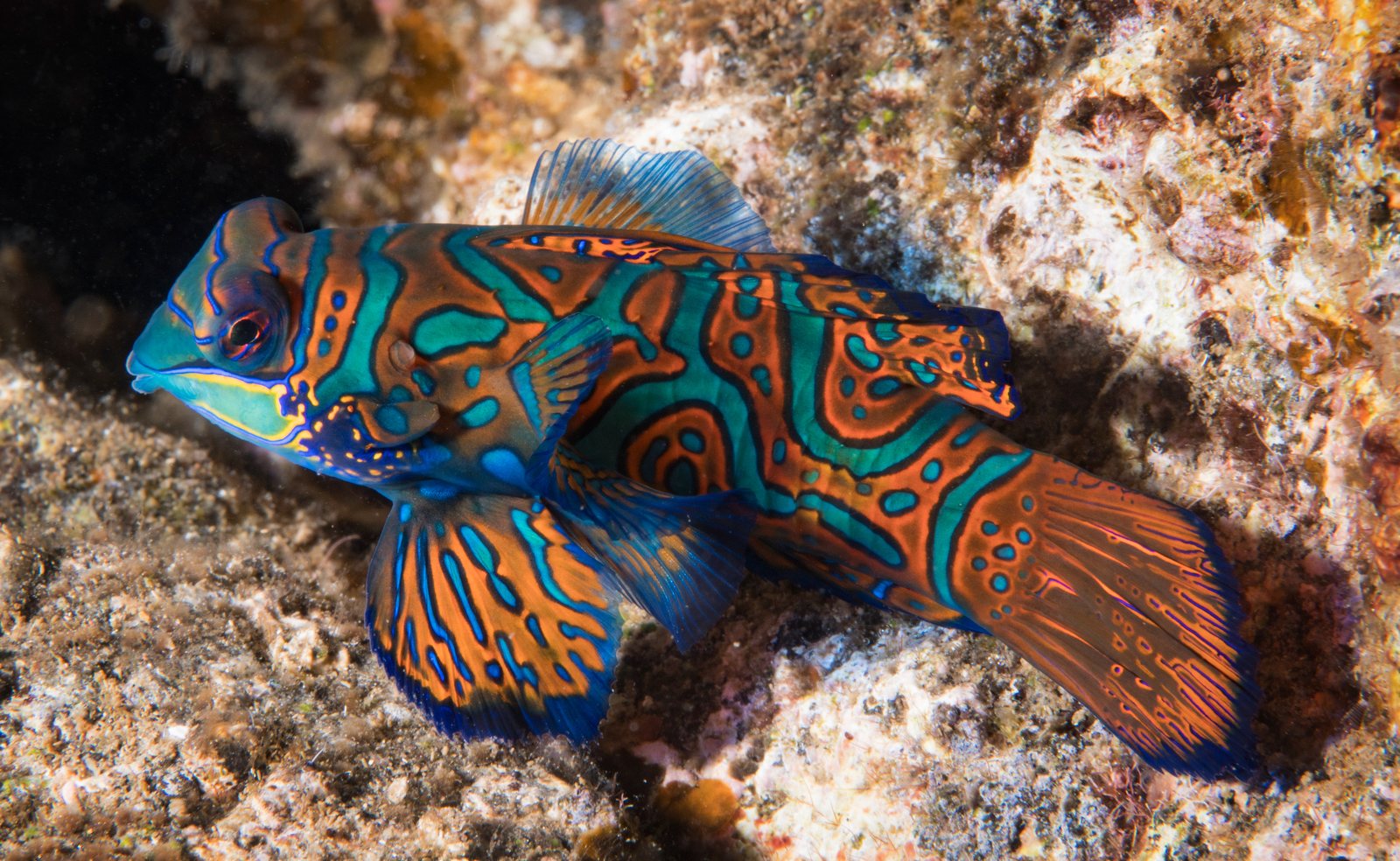
Mandarinfish
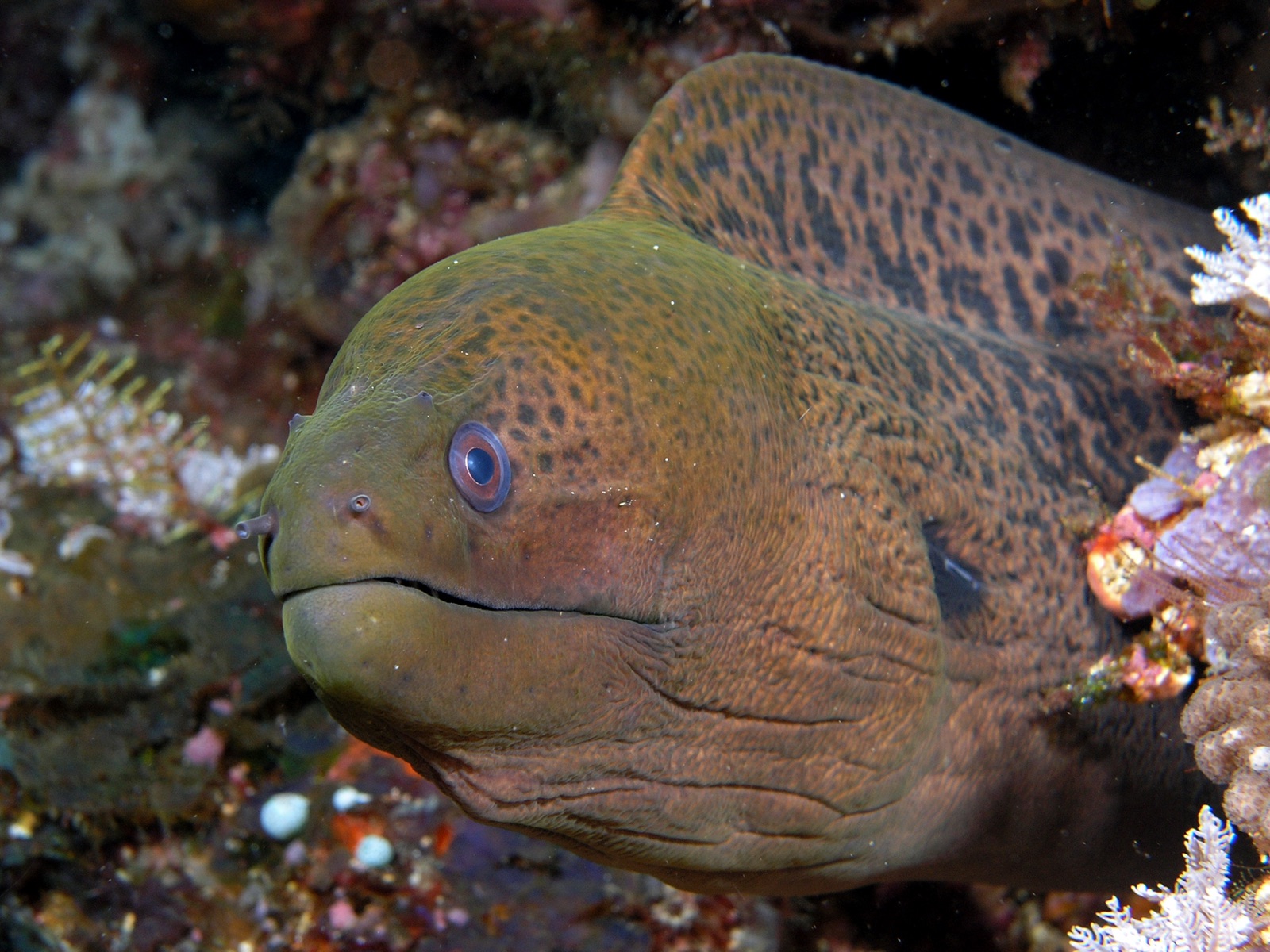
Giant Moray Eel
Auch in der Nähe nachgewiesen
„Hier kartiert" – Arten wurden von unseren Redakteuren anhand der Quellen auf dieser Seite erfasst. Die Zahlen sind GBIF-Vorkommensdatensätze: Beobachtungen, die seit 1990 im Umkreis von etwa 5 km um die kartierte Position protokolliert wurden, ausschließlich abgeglichen mit den Arten in unserem Katalog. Sie zeigen, was dort gesichtet wurde – keine Garantie, was du sehen wirst.
Für Fotografen
Weitwinkel: ★★★★★ · Makro: ★★☆☆☆ (Redaktionelle 1–5-Bewertung, was dieser Platz für jeden Fotografie-Stil bietet)