Lava Flow
La profondeur correspond à la plage allant du sommet du site jusqu'à son maximum habituel ; le « niveau recommandé » est le niveau demandé en général par les opérateurs auprès des grandes agences, pas une règle légale. Les courants et la visibilité varient chaque jour, traitez donc tout cela comme des plages indicatives de planification.
In 1988 Gunung Api erupted and poured lava into the sea, sterilizing this slope entirely. What happened next made the site famous: corals recolonized the fresh rock at a pace researchers have described as among the fastest reef recovery ever recorded, and today the flow is buried under acres of table corals stacked like crockery, in places from the surface down past twenty meters. Diving it is a double exposure, black basalt fingers still visible beneath a canopy barely three decades old, with anthias, turtles, and reef sharks already treating it as ancient. The volcano steams quietly overhead. As a demonstration of what reefs can do when left alone, nothing else in Indonesia states the case this plainly.
Le moment pour lequel vous venez: Record-pace coral regrowth on young lava; unbroken table-coral fields; the smoking cone directly above the anchorage.
Topographie: A tongue of 1988 lava from Gunung Api, now overgrown with dense fields of table and staghorn coral.
Courant: Usually gentle along the slope; the site sits in relatively protected water near Banda Neira.
À savoir avant de plonger
Dangers: Few in normal conditions; shallow coral on the ascent line.
Conservation: The young coral plates are brittle and irreplaceable as a scientific record; fin well clear of the shallows.
Qui vous croiserez
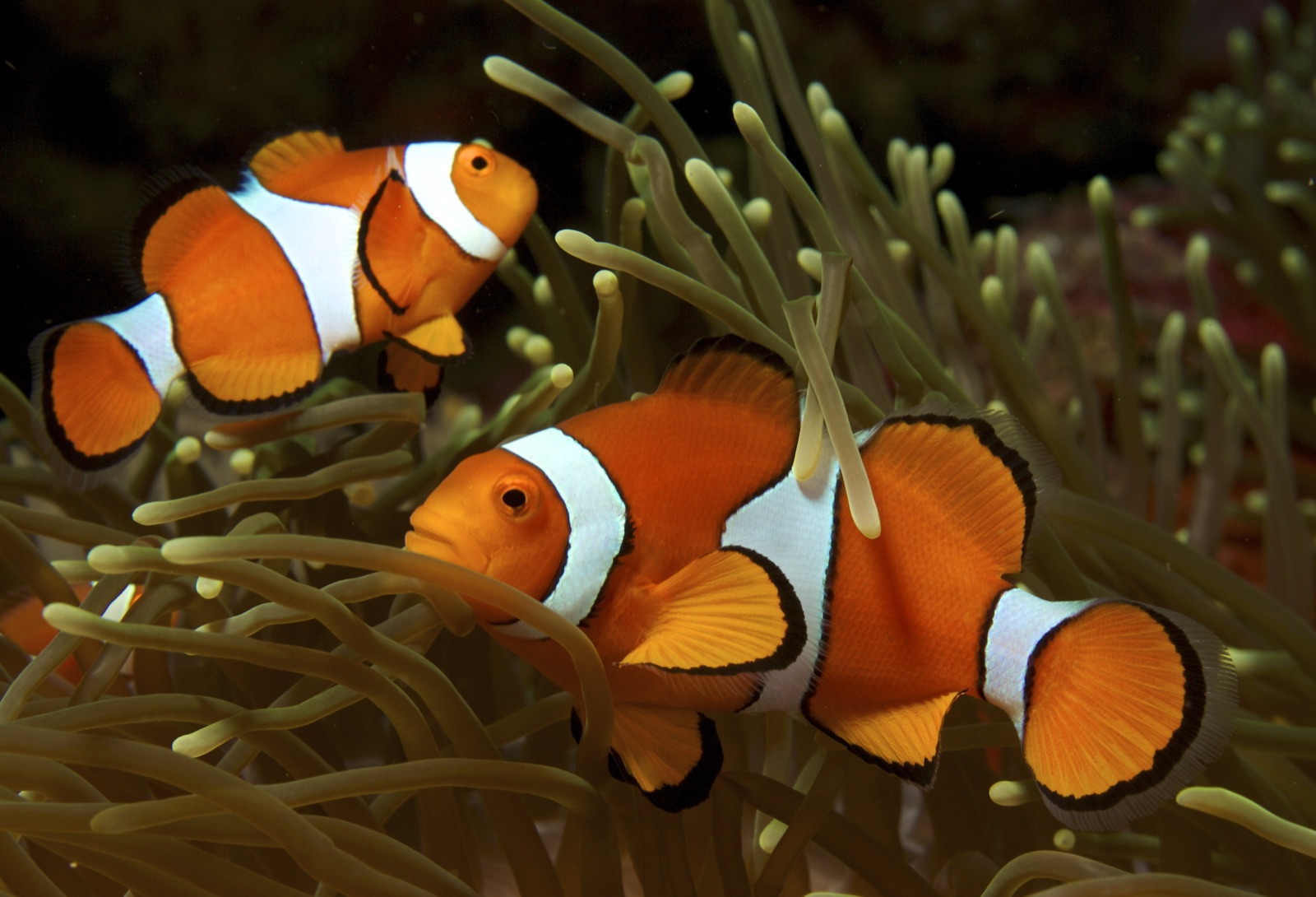
Clownfish & Anemonefish
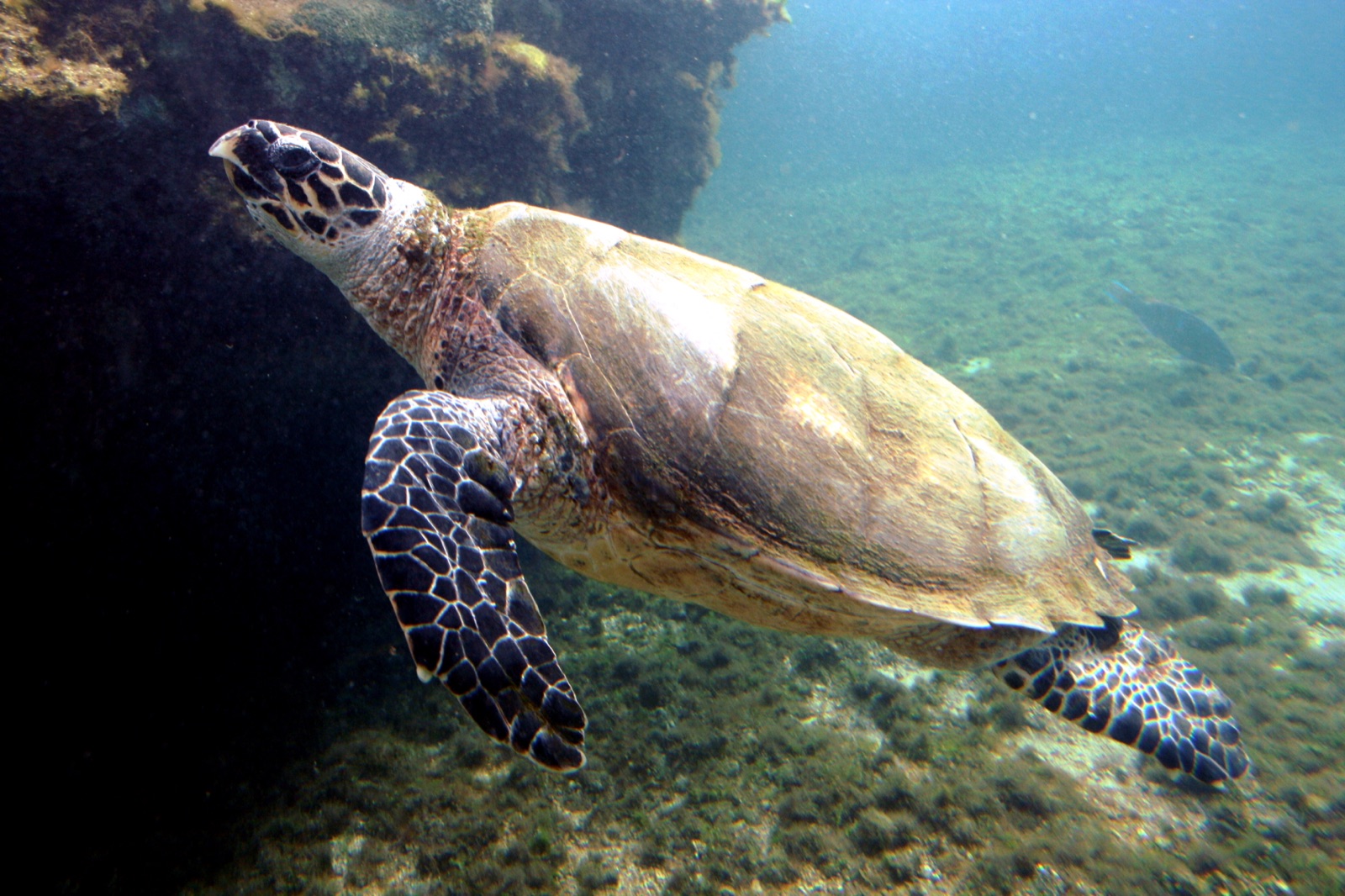
Hawksbill Turtle
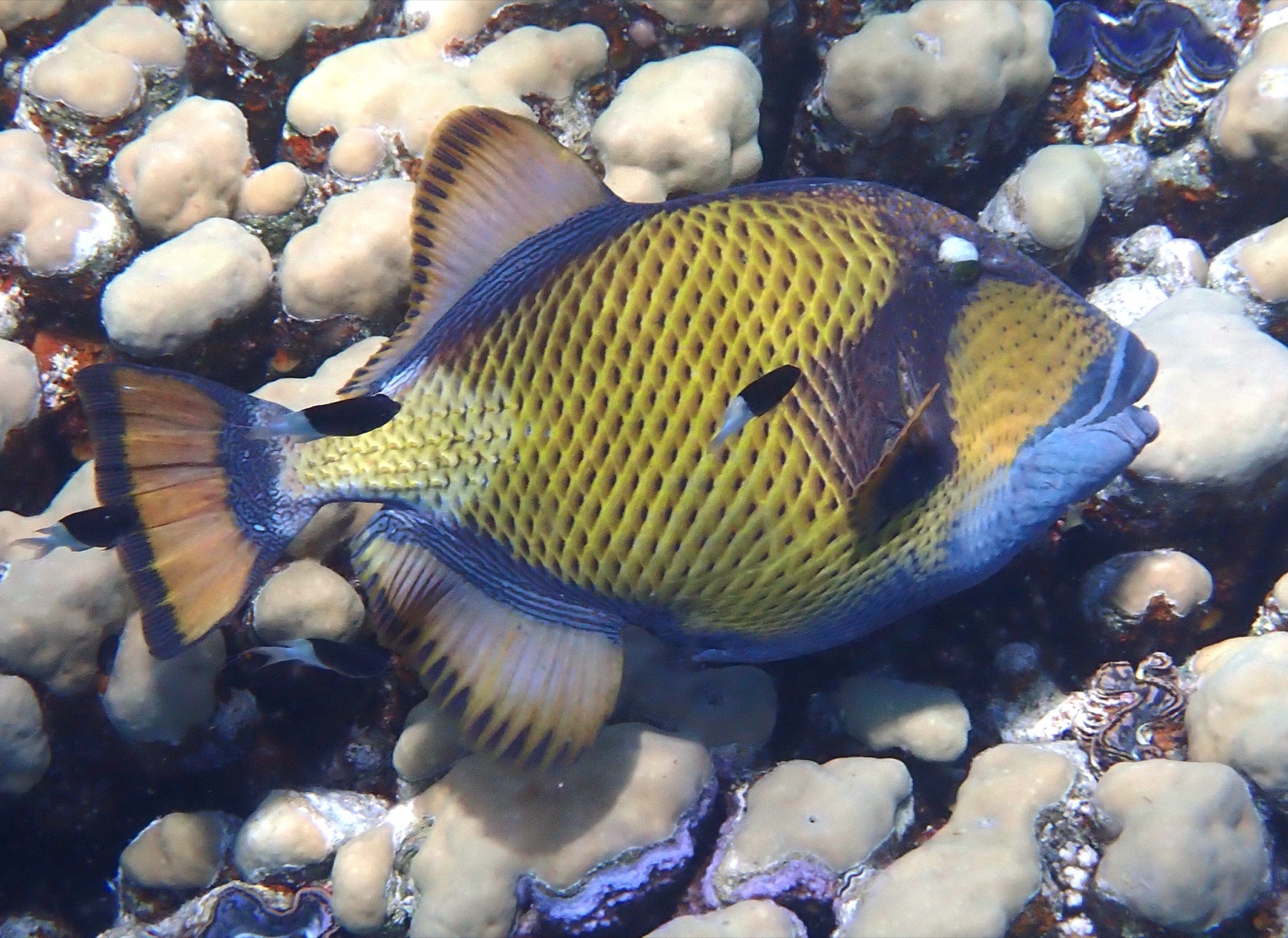
Titan Triggerfish
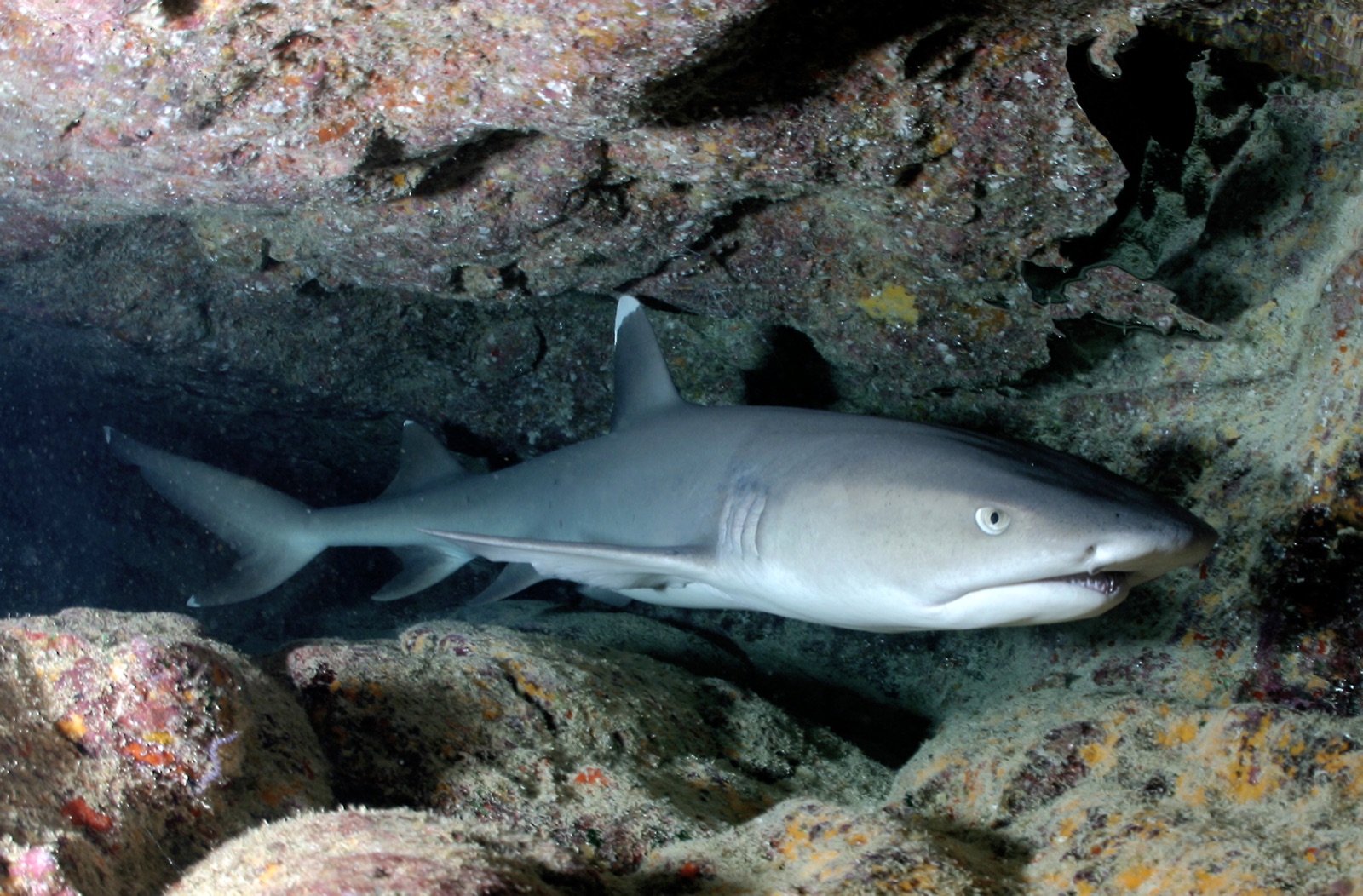
Whitetip Reef Shark
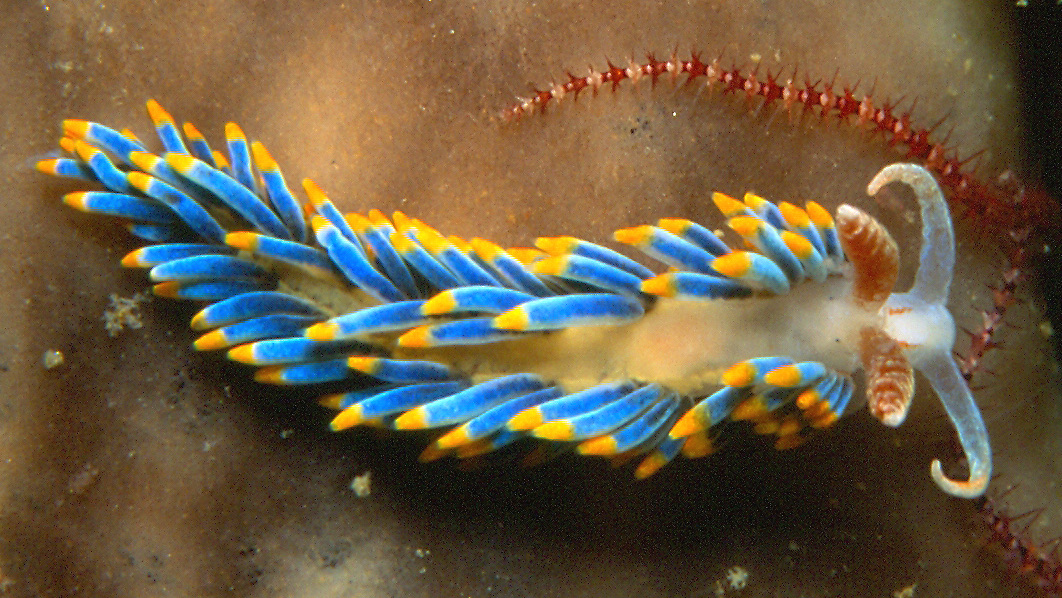
Nudibranchs
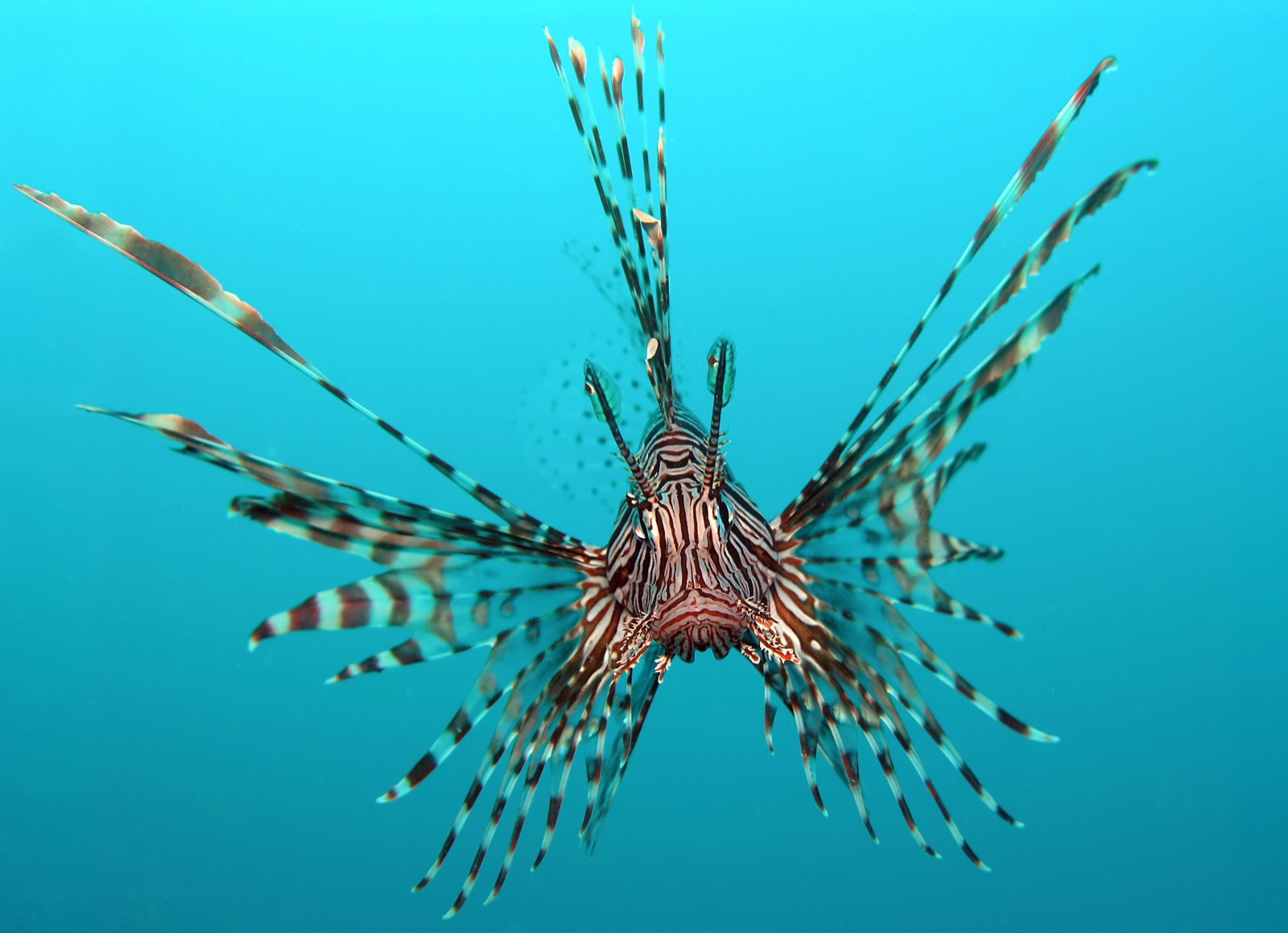
Lionfish
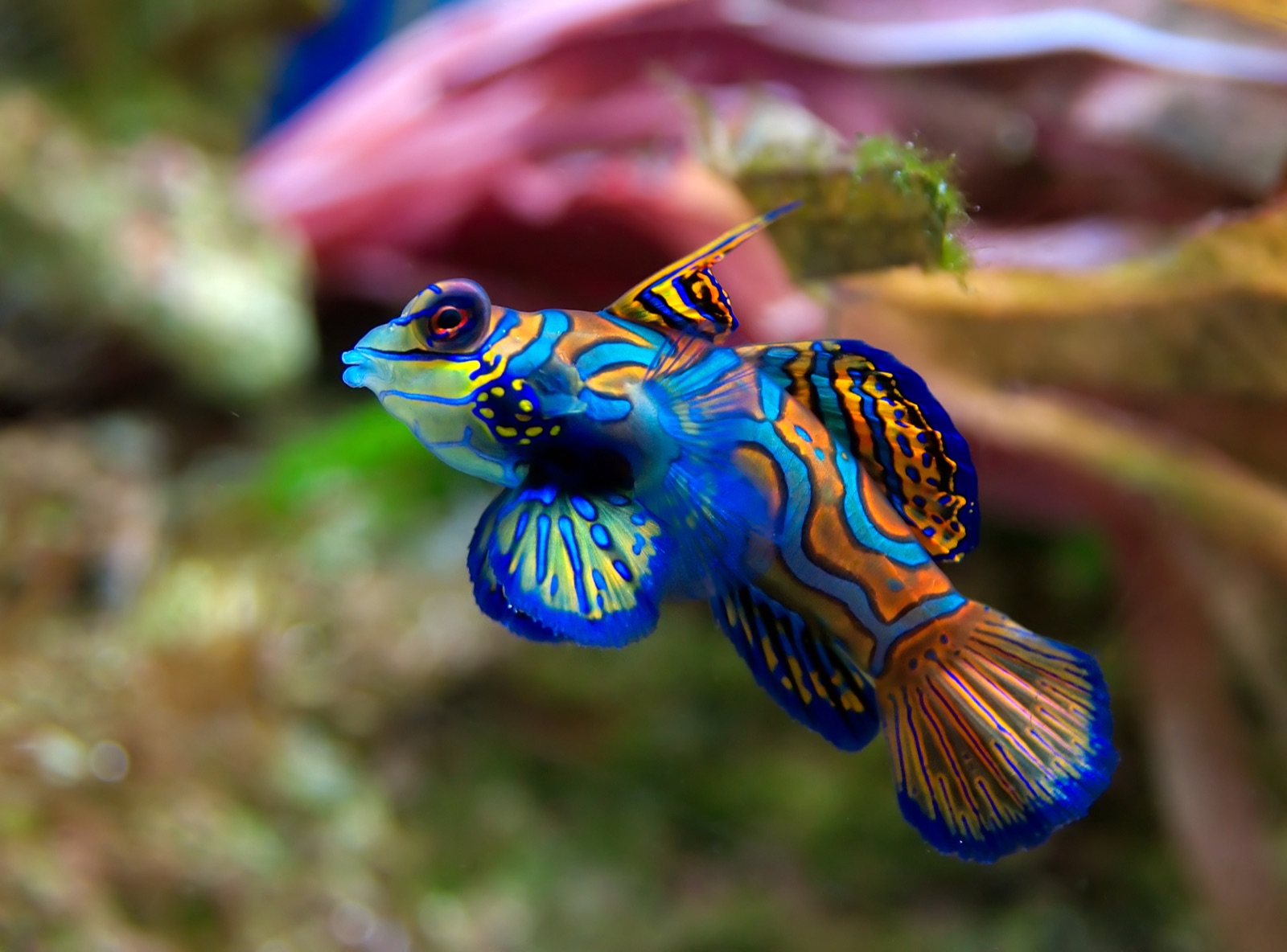
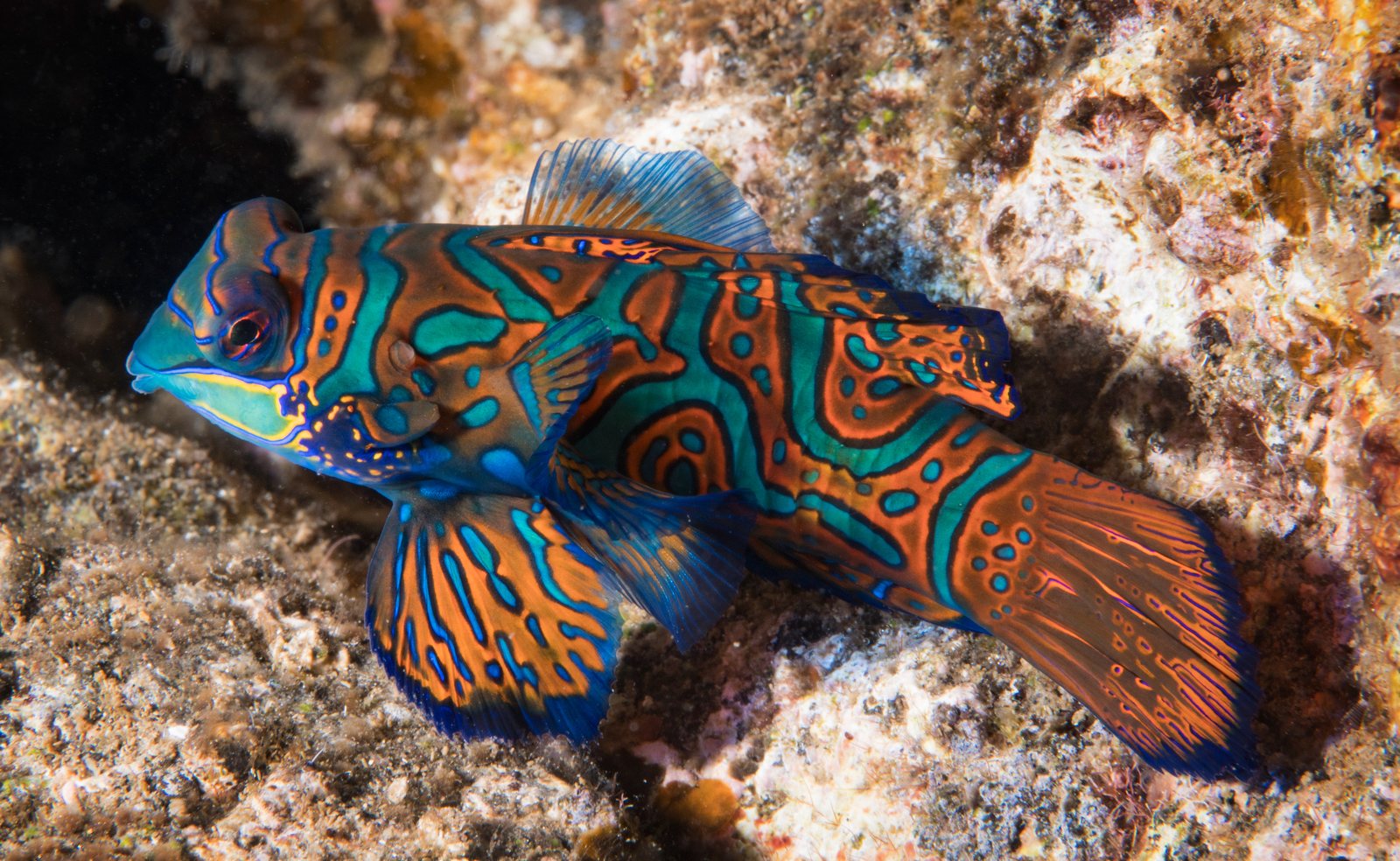
Mandarinfish
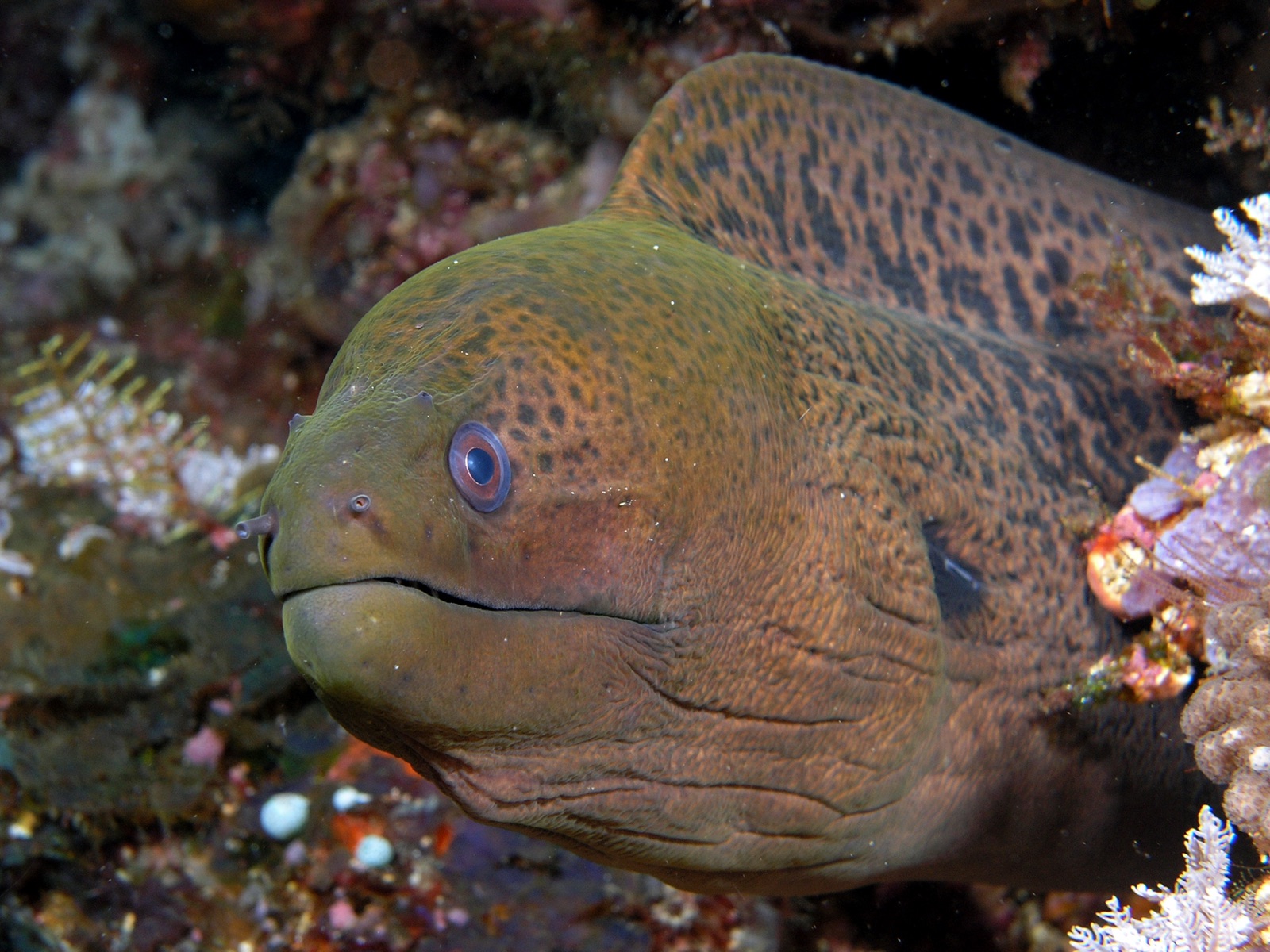
Giant Moray Eel
Également observé à proximité
Les espèces « cartographiées ici » ont été répertoriées par nos éditeurs à partir des sources indiquées sur cette page. Les comptages correspondent aux occurrences GBIF : observations enregistrées dans un rayon d'environ 5 km autour de la position cartographiée depuis 1990, comparées uniquement aux espèces de notre catalogue. Ils indiquent ce qui a été observé à cet endroit, sans garantir ce que vous y verrez.
Pour les photographes
Grand angle: ★★★★★ · Macro: ★★☆☆☆ (note 1–5 des éditeurs sur ce que ce site offre à chaque style de prise de vue)