Lava Flow
水深はサイト上部から通常の最大深度までの範囲です。「推奨資格」は多くのオペレーターが求めるメインストリームエージェンシーのレベルであり、法的な義務ではありません。潮流と透明度は日々変わるため、ここに記載の数値はあくまで計画のための目安としてお使いください。
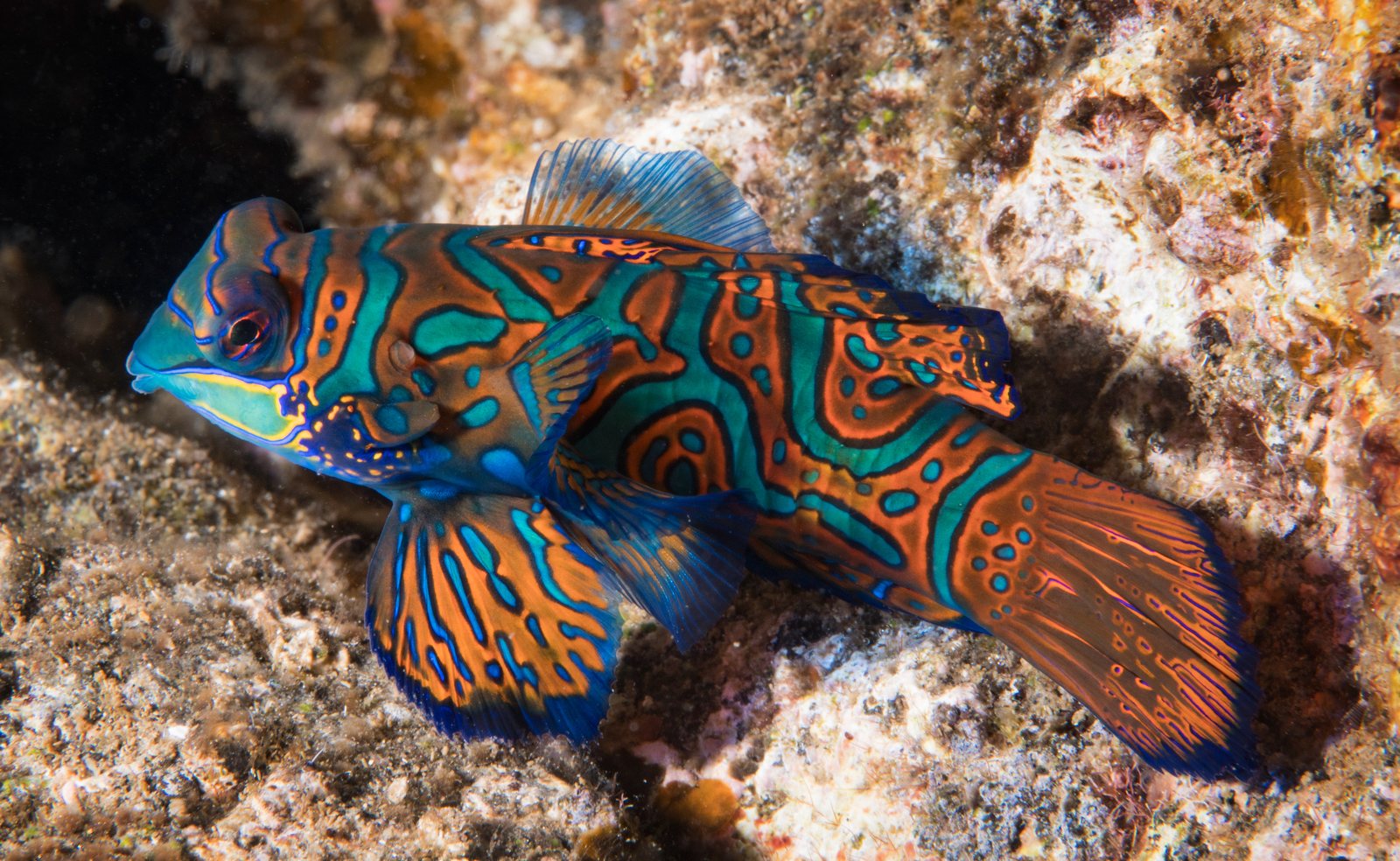
In 1988 Gunung Api erupted and poured lava into the sea, sterilizing this slope entirely. What happened next made the site famous: corals recolonized the fresh rock at a pace researchers have described as among the fastest reef recovery ever recorded, and today the flow is buried under acres of table corals stacked like crockery, in places from the surface down past twenty meters. Diving it is a double exposure, black basalt fingers still visible beneath a canopy barely three decades old, with anthias, turtles, and reef sharks already treating it as ancient. The volcano steams quietly overhead. As a demonstration of what reefs can do when left alone, nothing else in Indonesia states the case this plainly.
その瞬間のために: Record-pace coral regrowth on young lava; unbroken table-coral fields; the smoking cone directly above the anchorage.
地形: A tongue of 1988 lava from Gunung Api, now overgrown with dense fields of table and staghorn coral.
流れ(カレント): Usually gentle along the slope; the site sits in relatively protected water near Banda Neira.
エントリー前に知っておこう
危険生物・リスク: Few in normal conditions; shallow coral on the ascent line.
保全: The young coral plates are brittle and irreplaceable as a scientific record; fin well clear of the shallows.
出会える生物
Clownfish & Anemonefish
Hawksbill Turtle
Titan Triggerfish
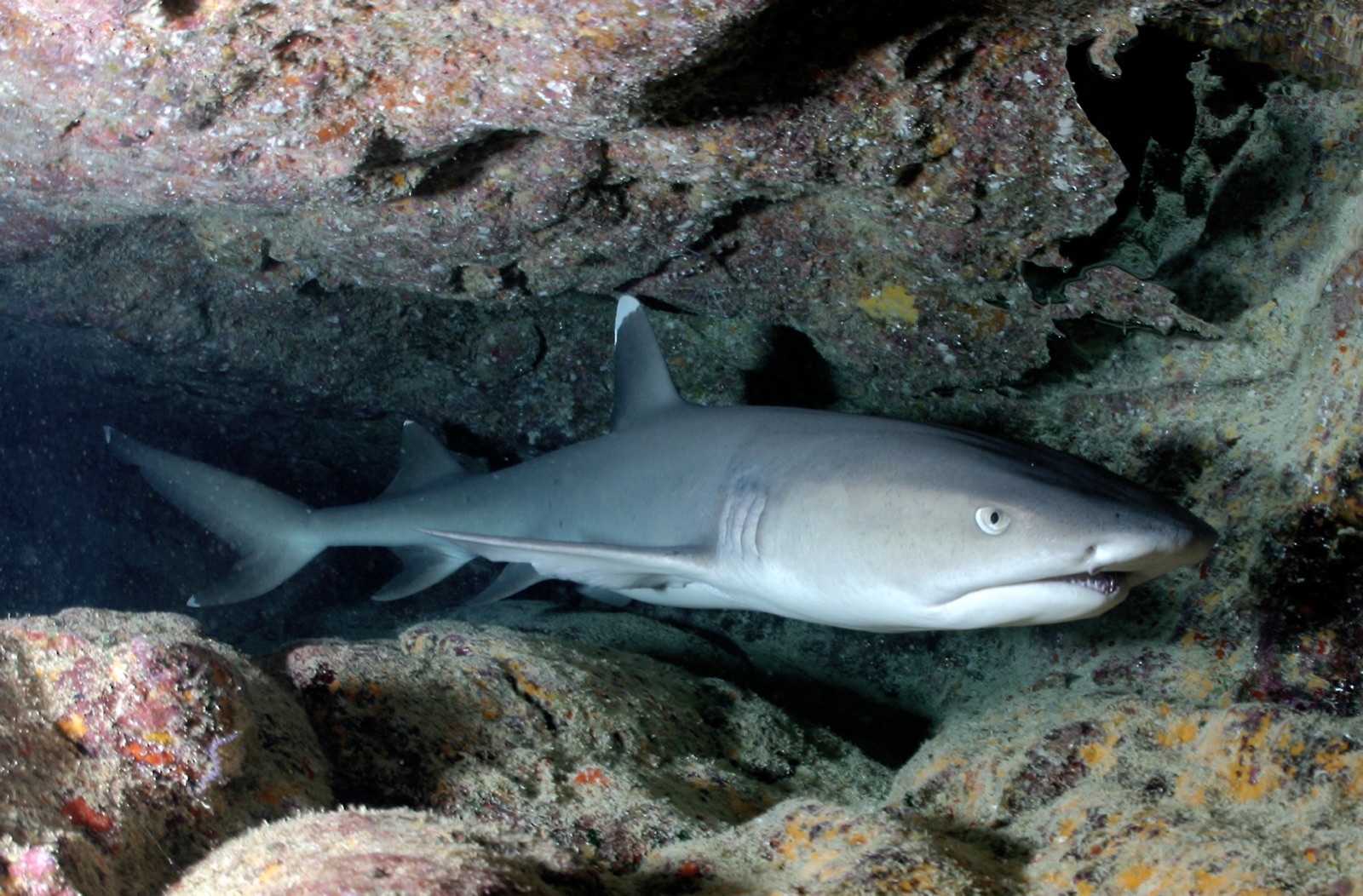
Whitetip Reef Shark
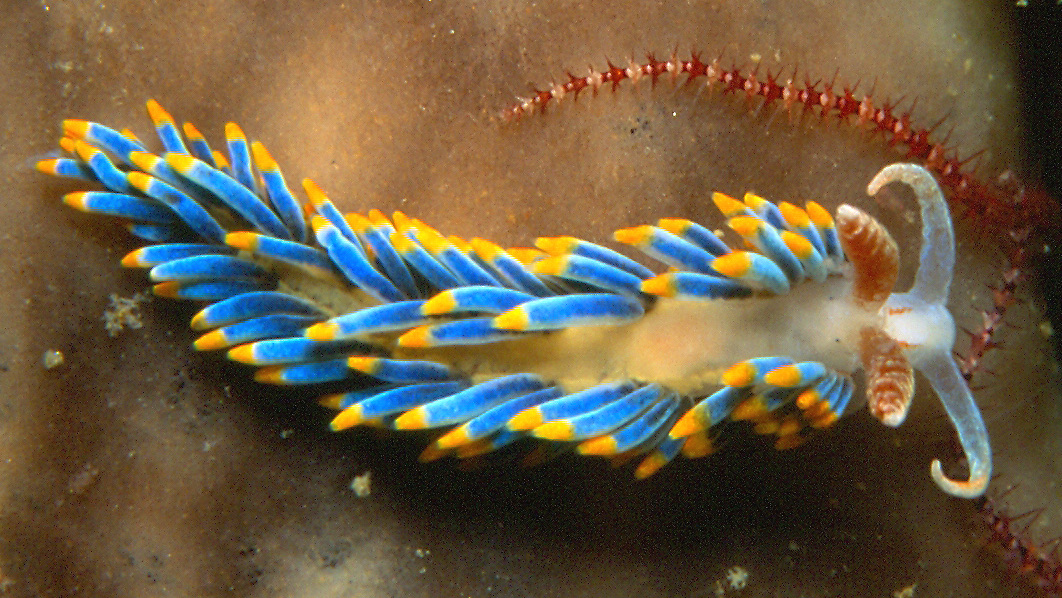
Nudibranchs
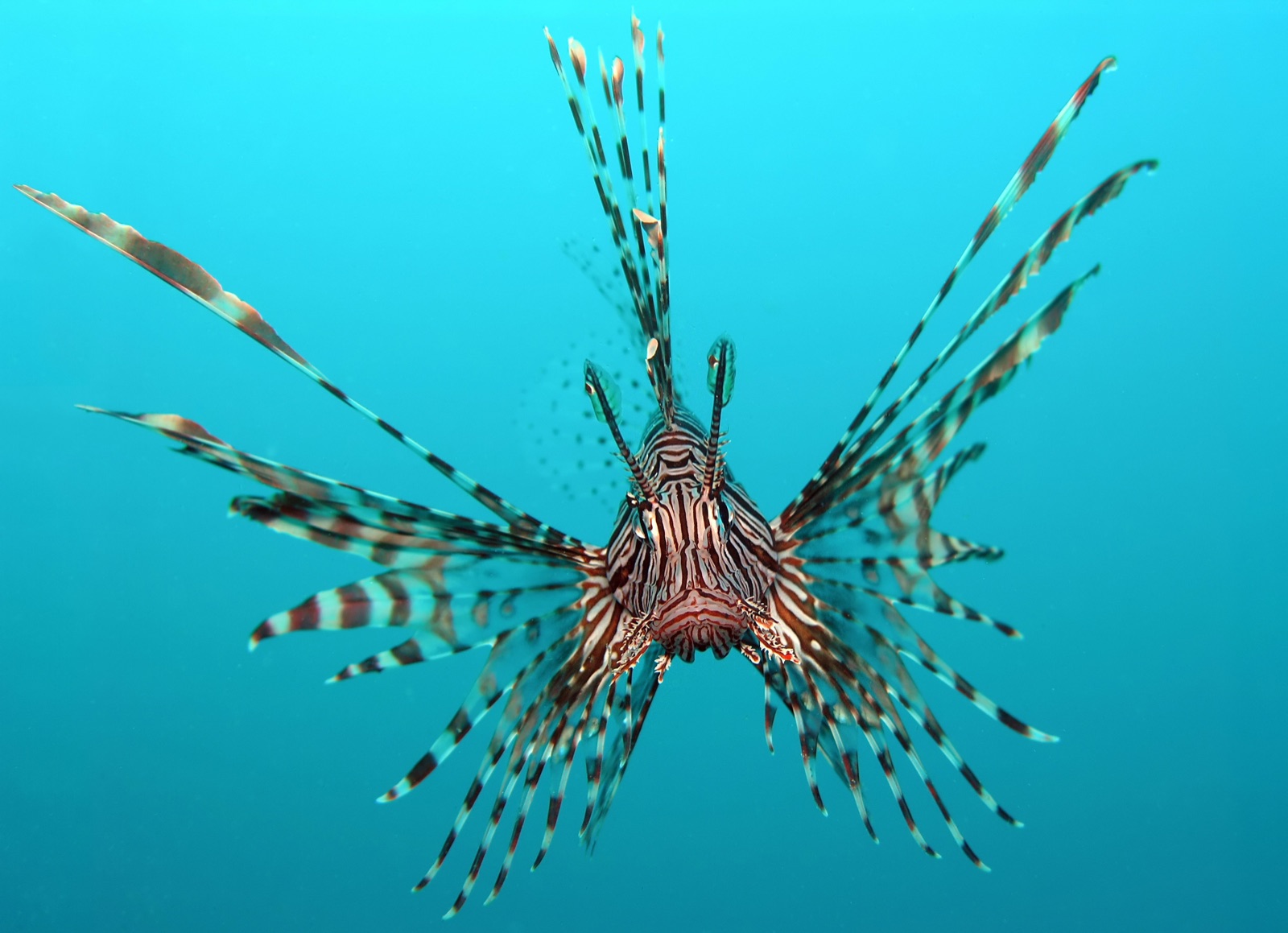
Lionfish
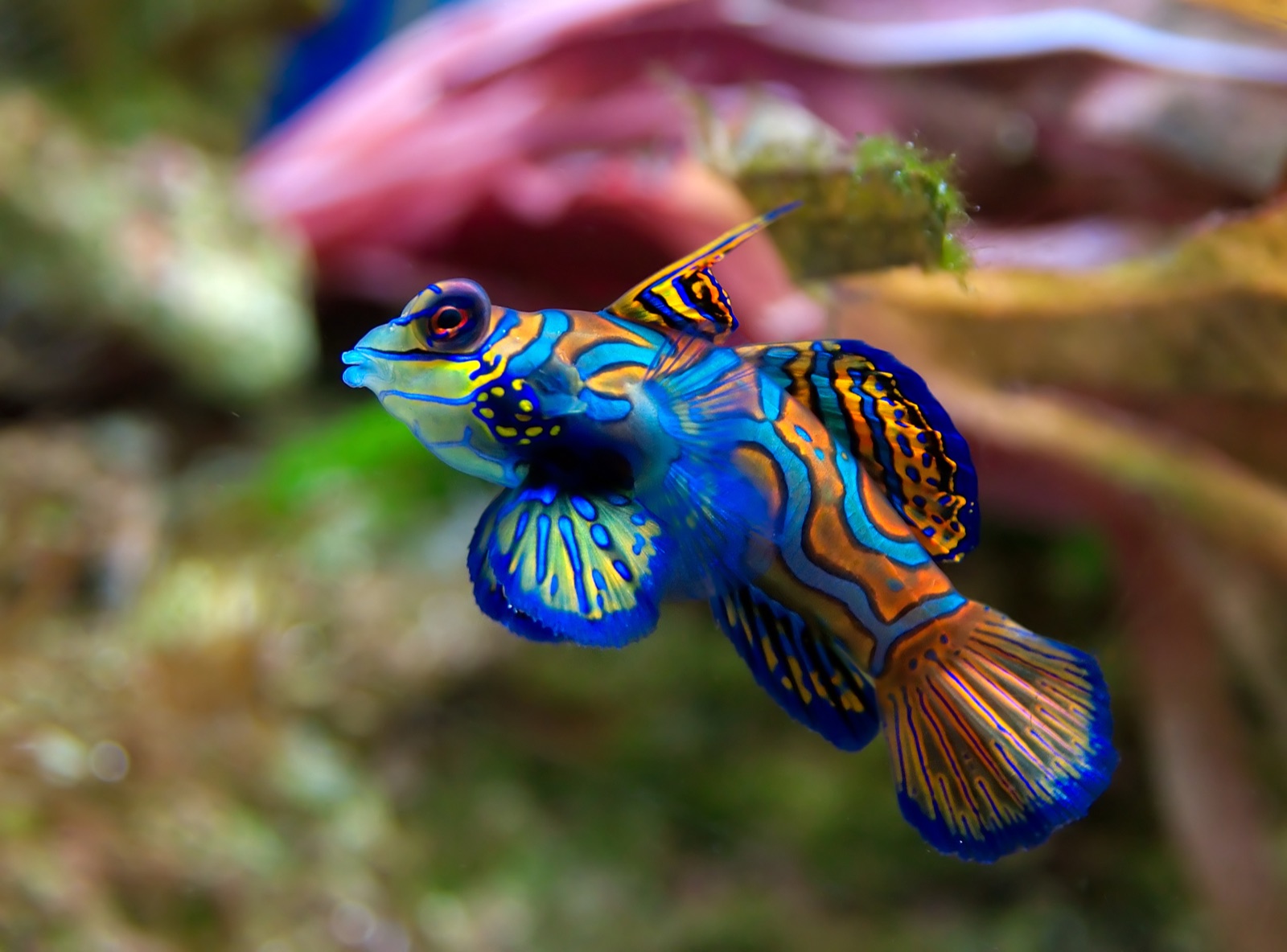
Mandarinfish
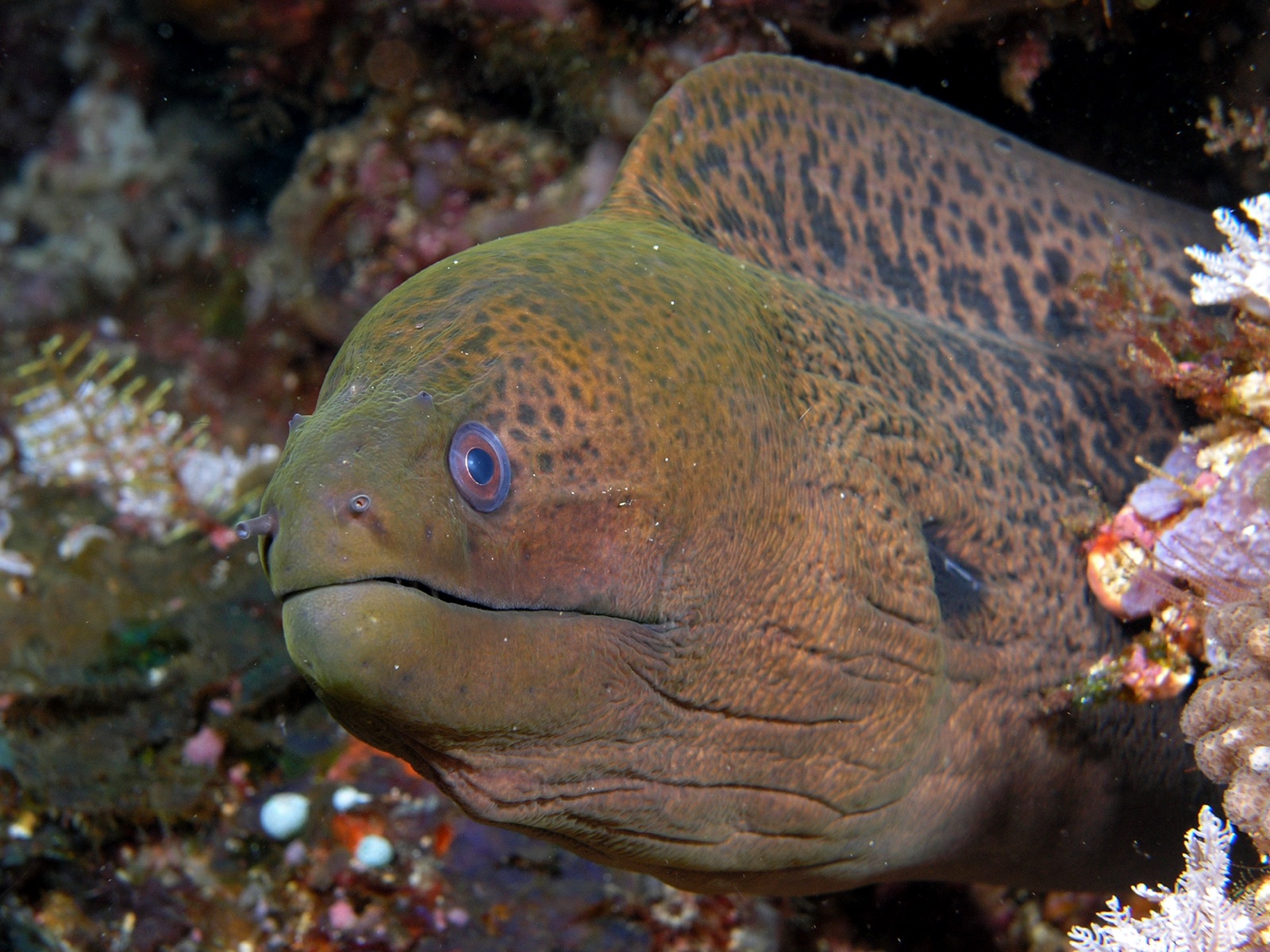
Giant Moray Eel
周辺でも記録あり
「ここに記載」の生物種は、このページの情報源をもとに編集部が登録したものです。件数はGBIFの出現記録数で、1990年以降に登録地点から約5km以内で記録された観察データのうち、当サイトのカタログ掲載種に一致したものです。そこで実際に目撃された記録であり、潜水時の遭遇を保証するものではありません。
水中フォトグラファー向け
ワイドアングル: ★★★★★ · マクロ: ★★☆☆☆ (各撮影スタイルに対するこのサイトの評価(編集部による1〜5点))