Lava Flow
수심은 사이트 상단부터 통상적인 최대 수심까지의 범위이며, '권장 자격증'은 업체에서 통상적으로 요구하는 주요 인증 기관 기준이지 법적 규정이 아닙니다. 조류와 시야는 매일 달라지므로, 모든 정보는 계획 수립용 참고 범위로 활용하세요.
In 1988 Gunung Api erupted and poured lava into the sea, sterilizing this slope entirely. What happened next made the site famous: corals recolonized the fresh rock at a pace researchers have described as among the fastest reef recovery ever recorded, and today the flow is buried under acres of table corals stacked like crockery, in places from the surface down past twenty meters. Diving it is a double exposure, black basalt fingers still visible beneath a canopy barely three decades old, with anthias, turtles, and reef sharks already treating it as ancient. The volcano steams quietly overhead. As a demonstration of what reefs can do when left alone, nothing else in Indonesia states the case this plainly.
바로 그 순간: Record-pace coral regrowth on young lava; unbroken table-coral fields; the smoking cone directly above the anchorage.
지형: A tongue of 1988 lava from Gunung Api, now overgrown with dense fields of table and staghorn coral.
조류: Usually gentle along the slope; the site sits in relatively protected water near Banda Neira.
입수 전에 알아두세요
위험 요소: Few in normal conditions; shallow coral on the ascent line.
보존: The young coral plates are brittle and irreplaceable as a scientific record; fin well clear of the shallows.
만날 수 있는 생물
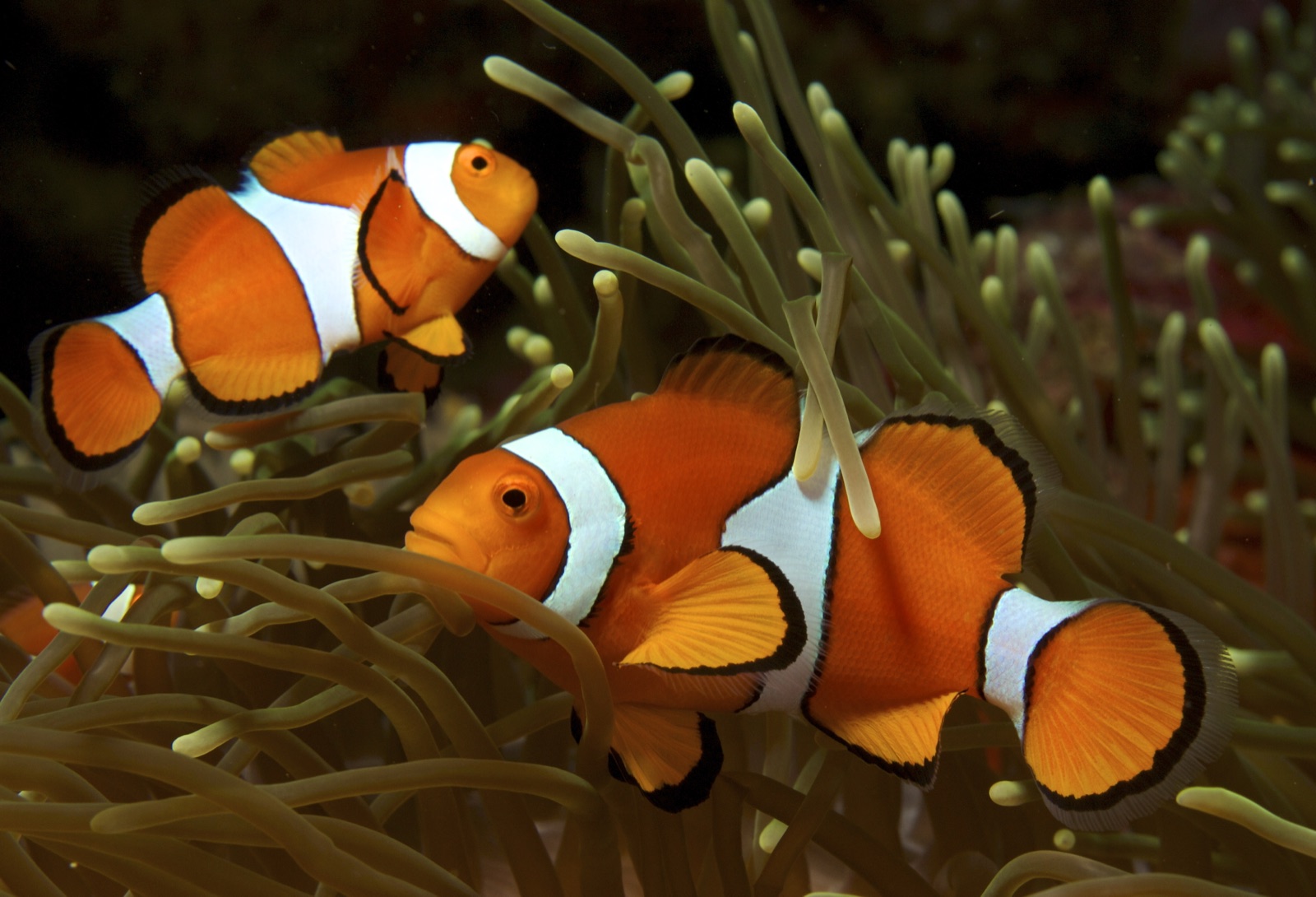
Clownfish & Anemonefish
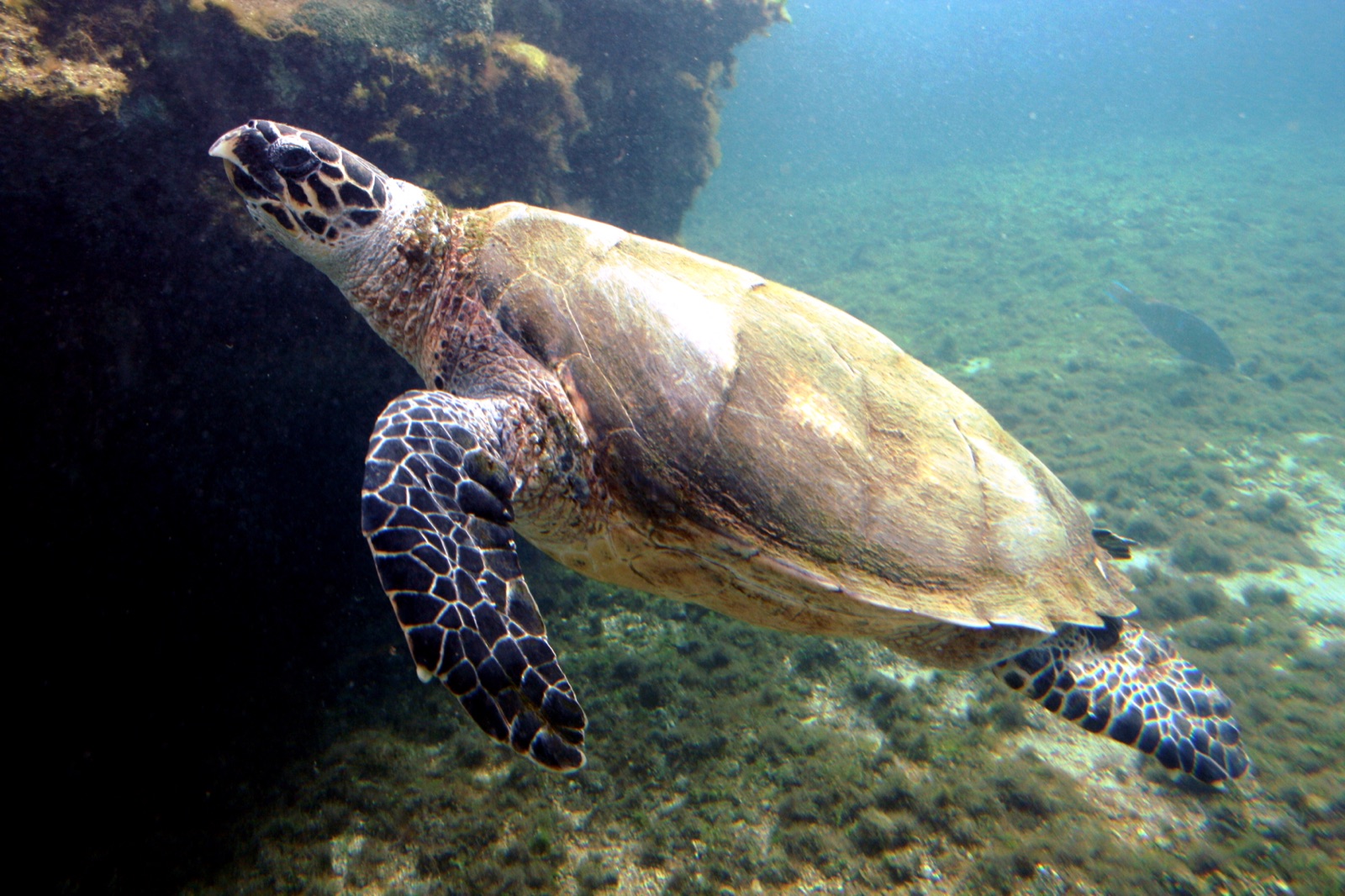
Hawksbill Turtle
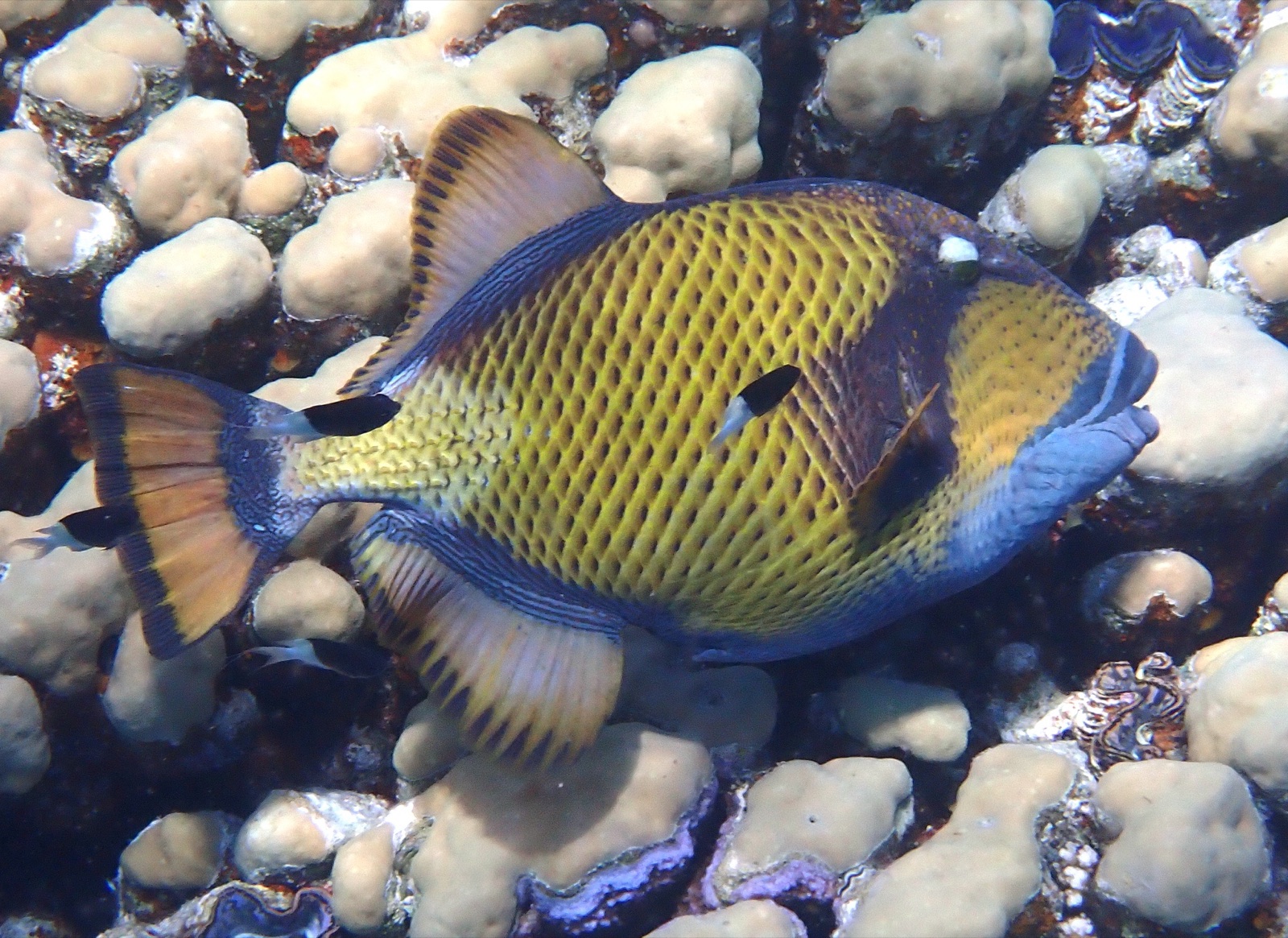
Titan Triggerfish
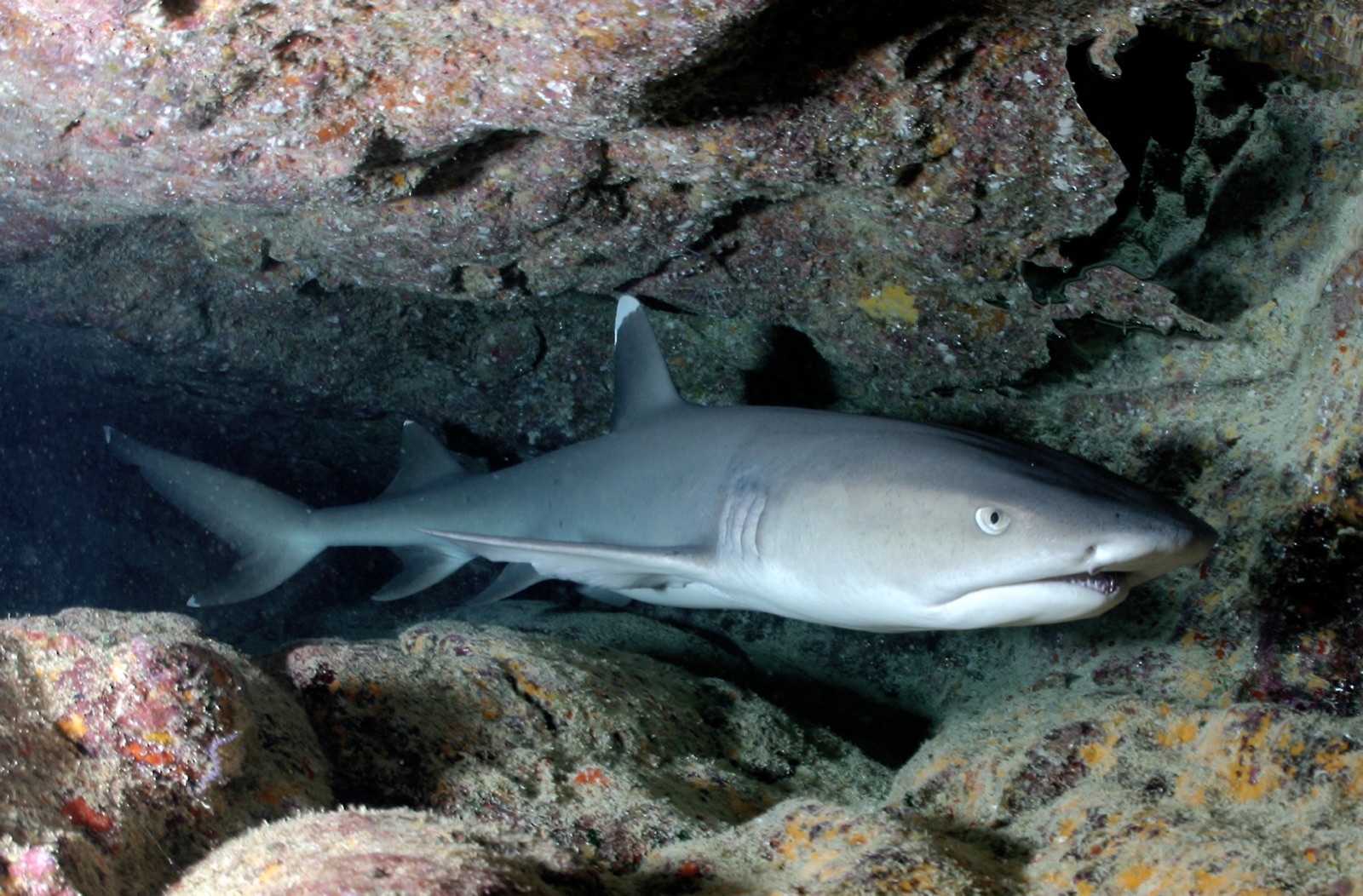
Whitetip Reef Shark
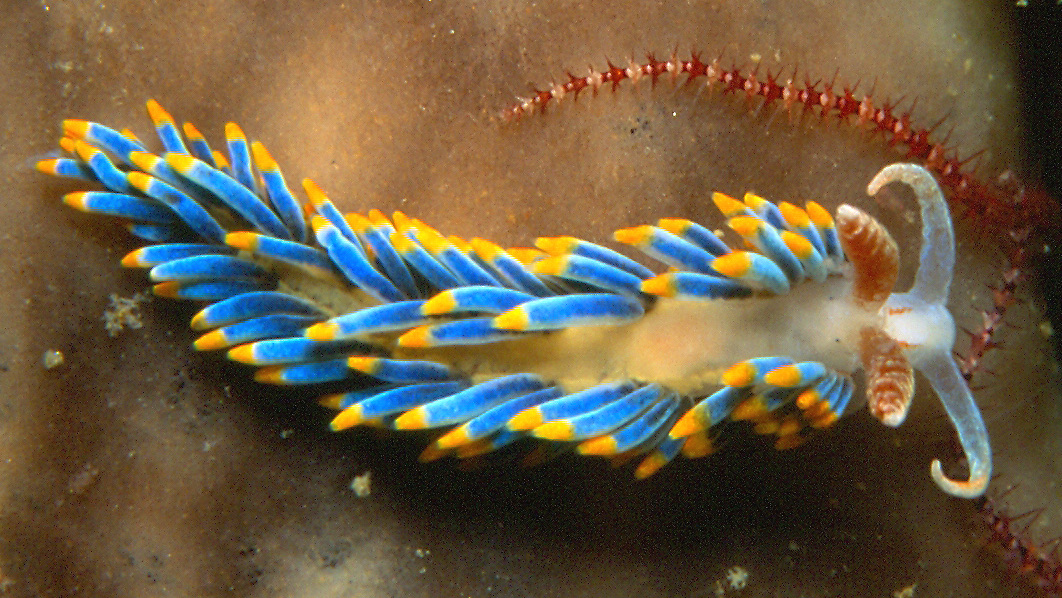
Nudibranchs
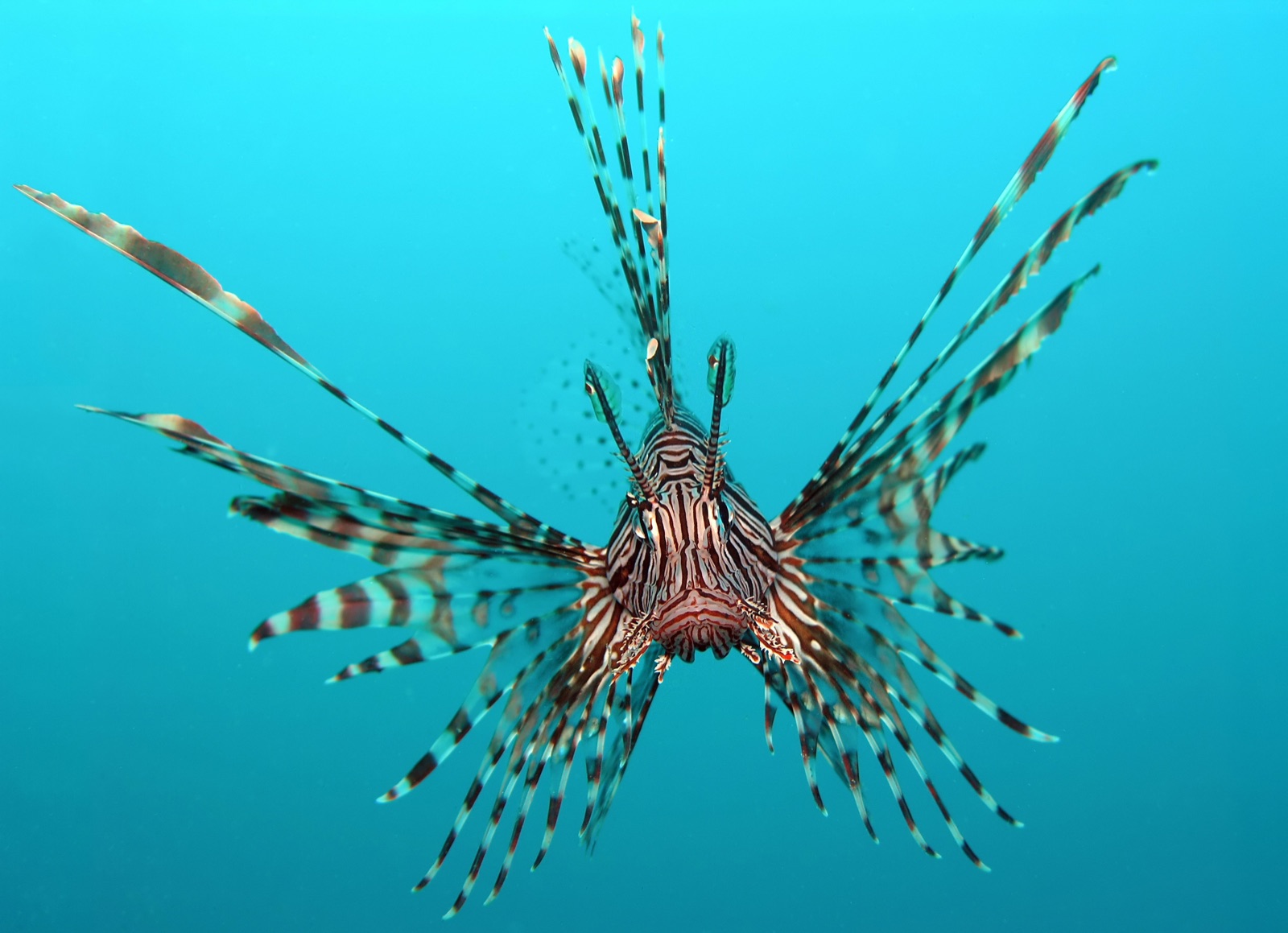
Lionfish
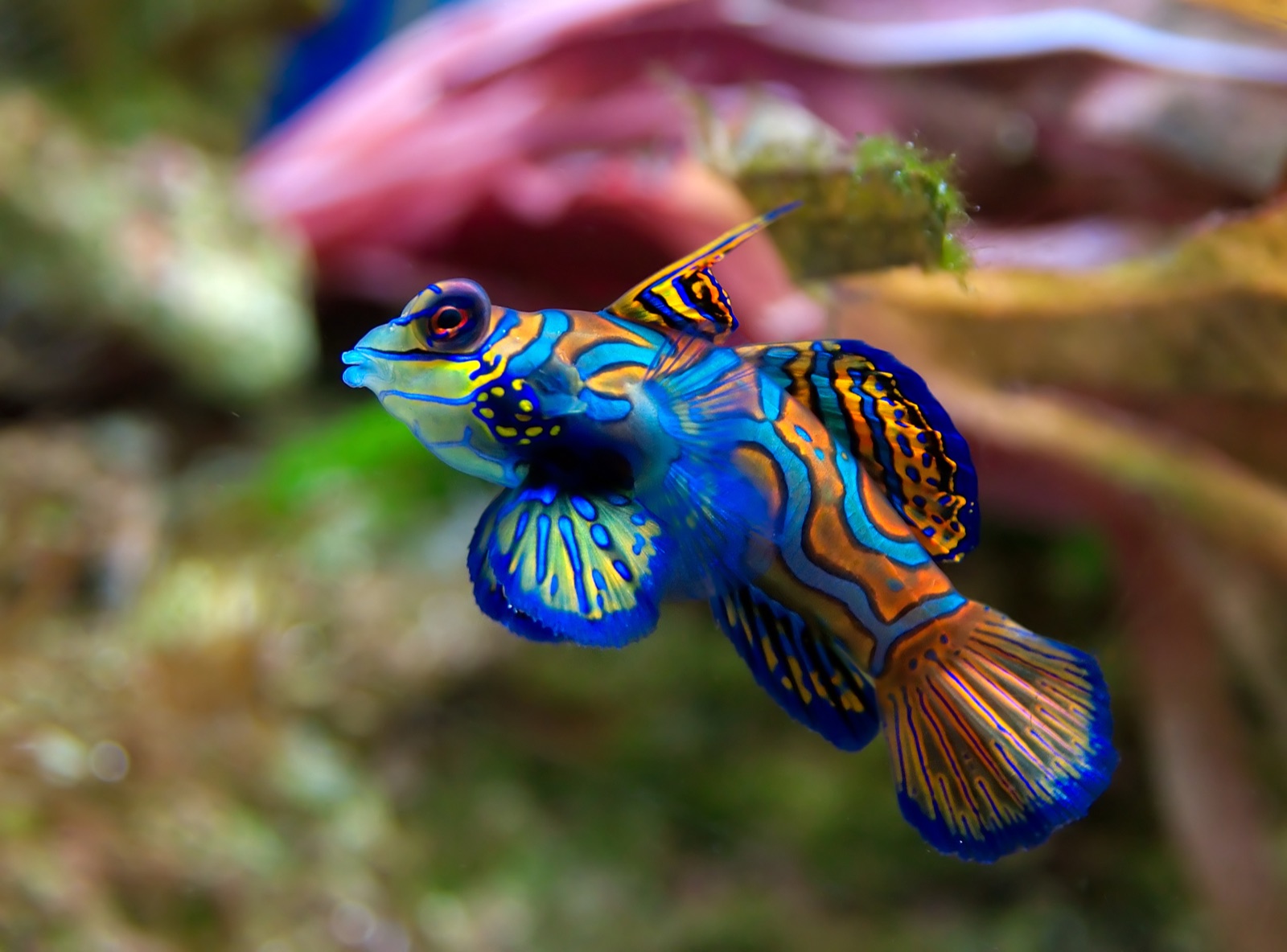
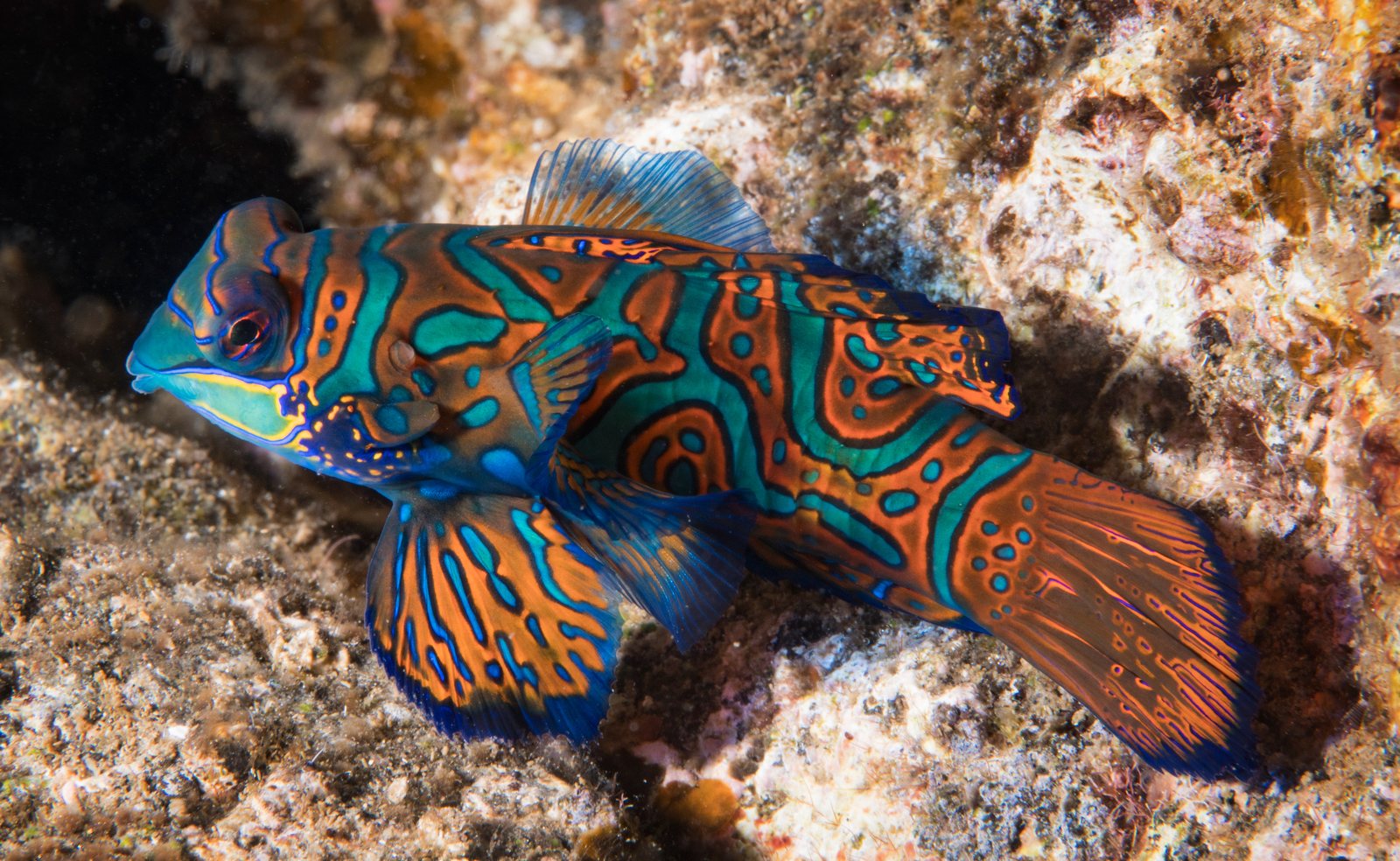
Mandarinfish
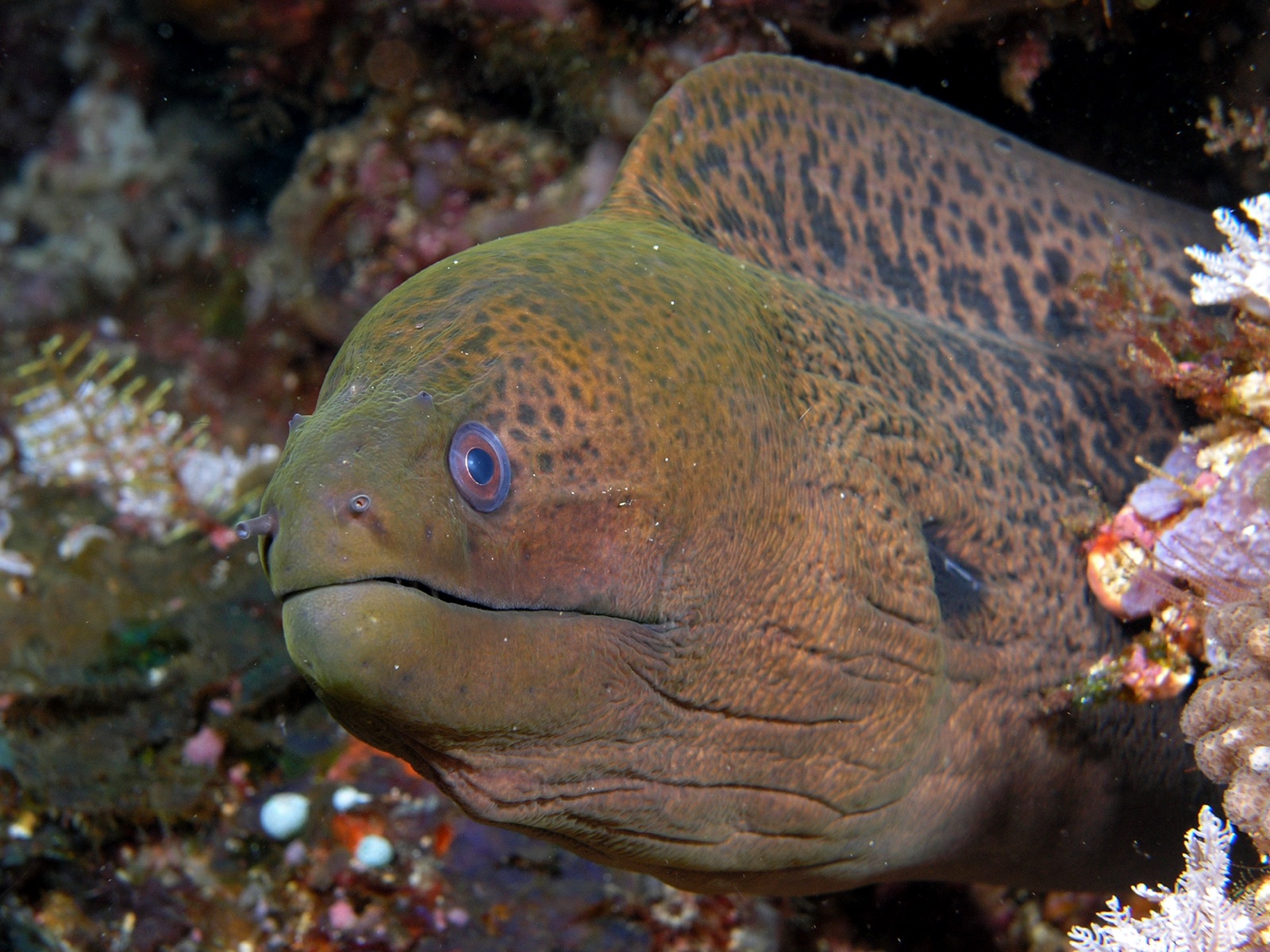
Giant Moray Eel
인근에서도 기록된 종
"여기에 등록된" 생물종은 편집팀이 이 페이지의 출처를 바탕으로 목록화한 종입니다. 표시된 수치는 GBIF 출현 기록으로, 1990년 이후 등록 위치 기준 약 5km 이내에서 관찰·기록된 건수이며, 저희 카탈로그에 수록된 종에 한해 대조한 결과입니다. 실제로 목격된 사례를 보여주는 것이며, 현장에서 반드시 볼 수 있다는 보장은 아닙니다.
수중 촬영자를 위한 정보
광각: ★★★★★ · 마크로: ★★☆☆☆ (각 촬영 스타일에 대한 에디터의 1–5점 평가)