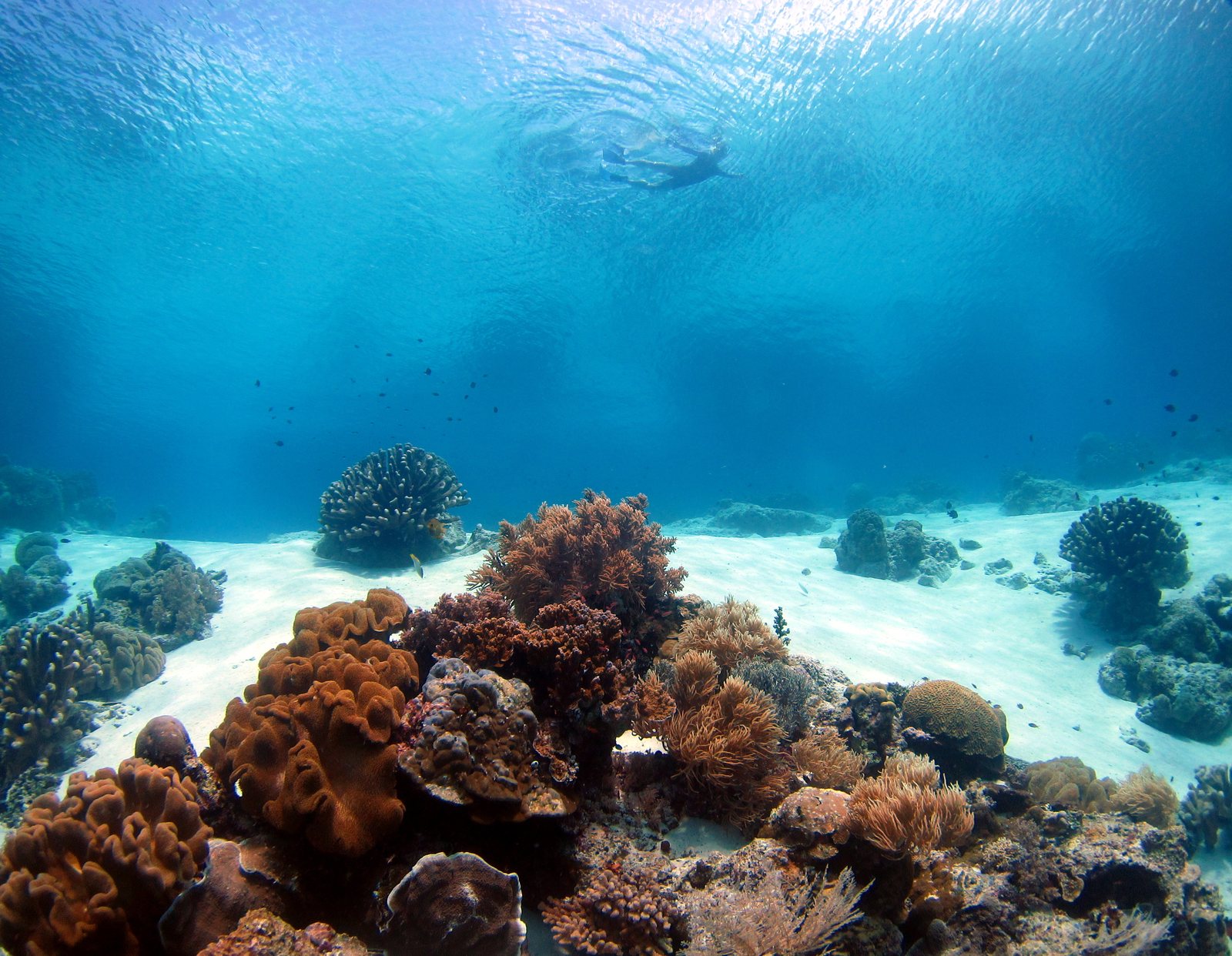
Manuk
La profondeur correspond à la plage allant du sommet du site jusqu'à son maximum habituel ; le « niveau recommandé » est le niveau demandé en général par les opérateurs auprès des grandes agences, pas une règle légale. Les courants et la visibilité varient chaque jour, traitez donc tout cela comme des plages indicatives de planification.
Manuk is a day's sail from anywhere, an active volcanic cone whited over by seabird colonies, and it hosts one of the strangest wildlife encounters in diving: sea snakes in extraordinary numbers, surfacing to breathe, hunting through the boulders, and investigating divers with frank, harmless curiosity. Several may attend a single diver at once, tongue-flicking masks and fins before losing interest. The snakes headline, but the volcano's slopes also carry schooling fish in bulk, dogtooth tuna, and seasonal traffic of scalloped hammerheads off the deeper terraces. Warm venting sand in the shallows reminds visitors what the mountain is. The etiquette is simple and absolute: let the snakes conduct the meeting, and never handle or corner one.
Le moment pour lequel vous venez: Dense, curious sea snakes; an active volcano in open sea; hammerhead odds off the terraces.
Topographie: Volcanic slopes and boulder reef around an uninhabited, bird-covered volcano far out in the Banda Sea.
Courant: An isolated volcano in open sea; conditions range from benign to sporty with no shelter alternatives nearby.
À savoir avant de plonger
Dangers: Venomous snakes that must not be touched, open-ocean exposure, and extreme distance from medical help.
Conservation: The island is an important seabird rookery and the snakes are protected by remoteness; no landings, no handling, nothing left behind.
Nitrox: Pertinent ici : les profils se situent dans la plage où le nitrox prolonge significativement le temps sans palier (avec la formation pour l'utiliser).
Qui vous croiserez
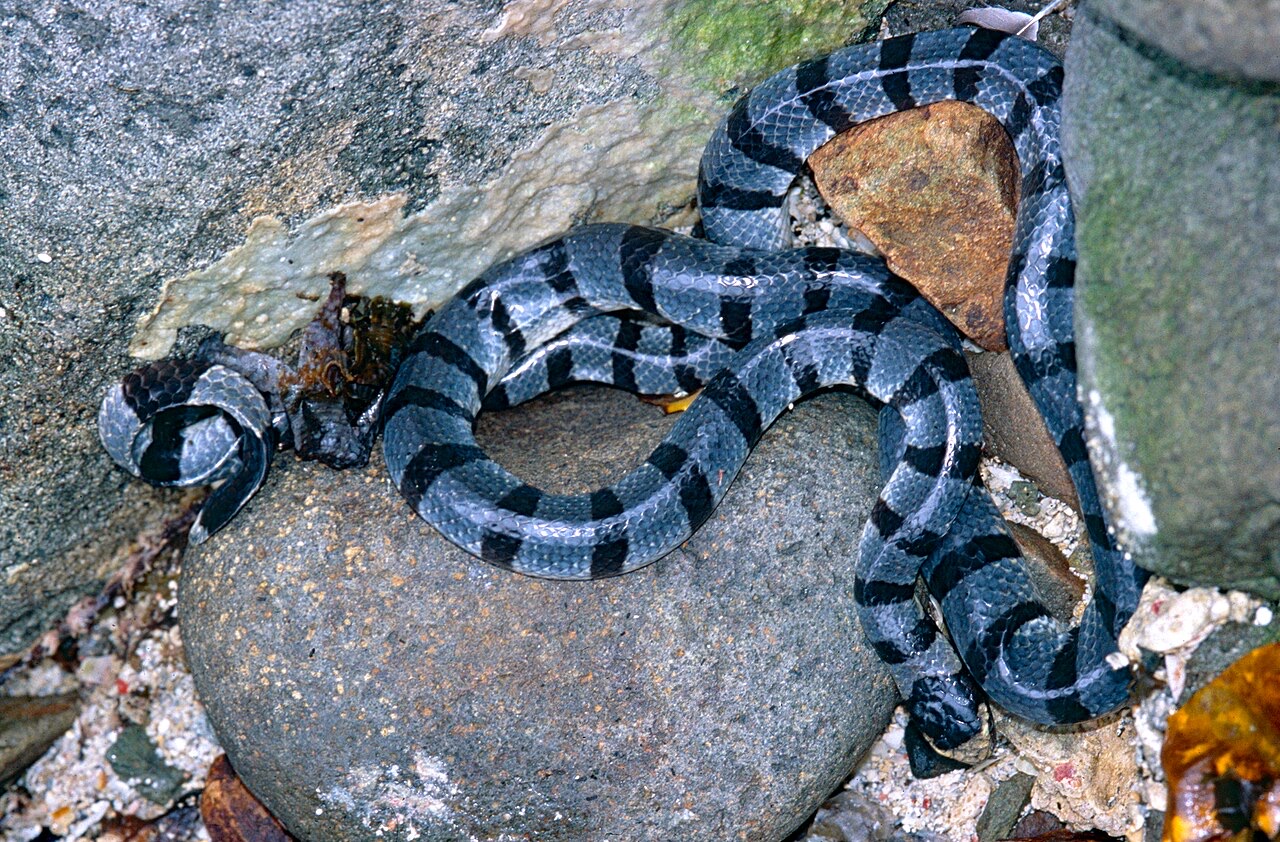
Banded Sea Krait
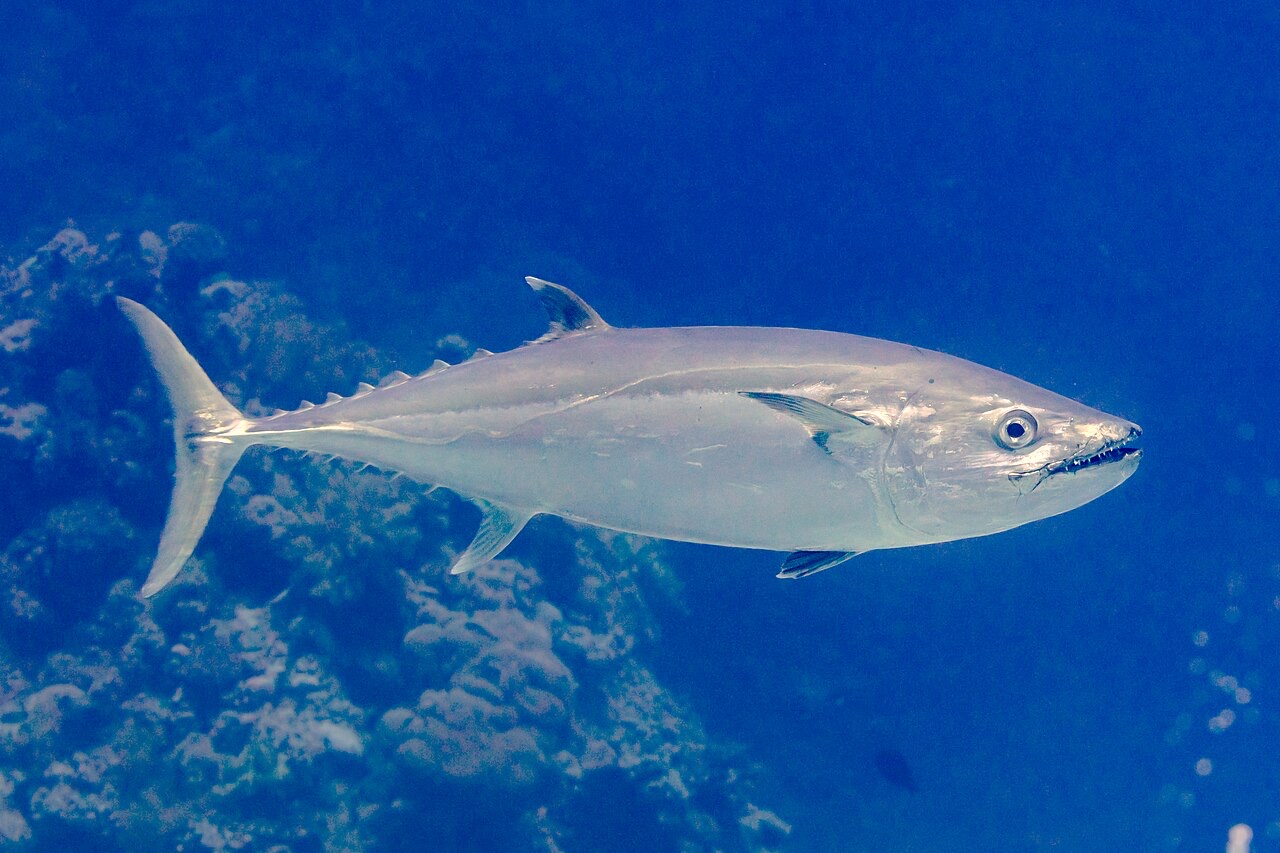
Dogtooth Tuna
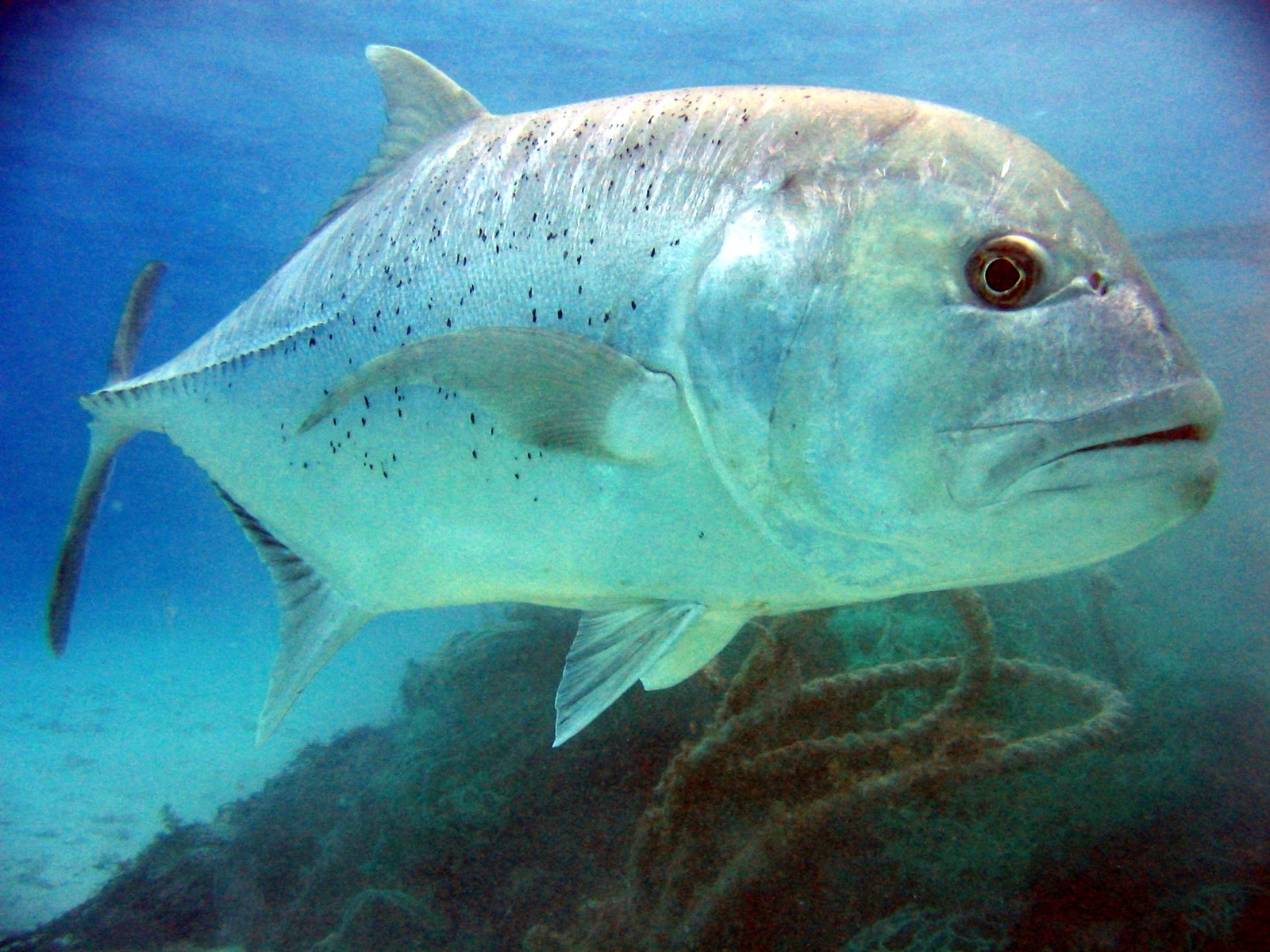
Giant Trevally
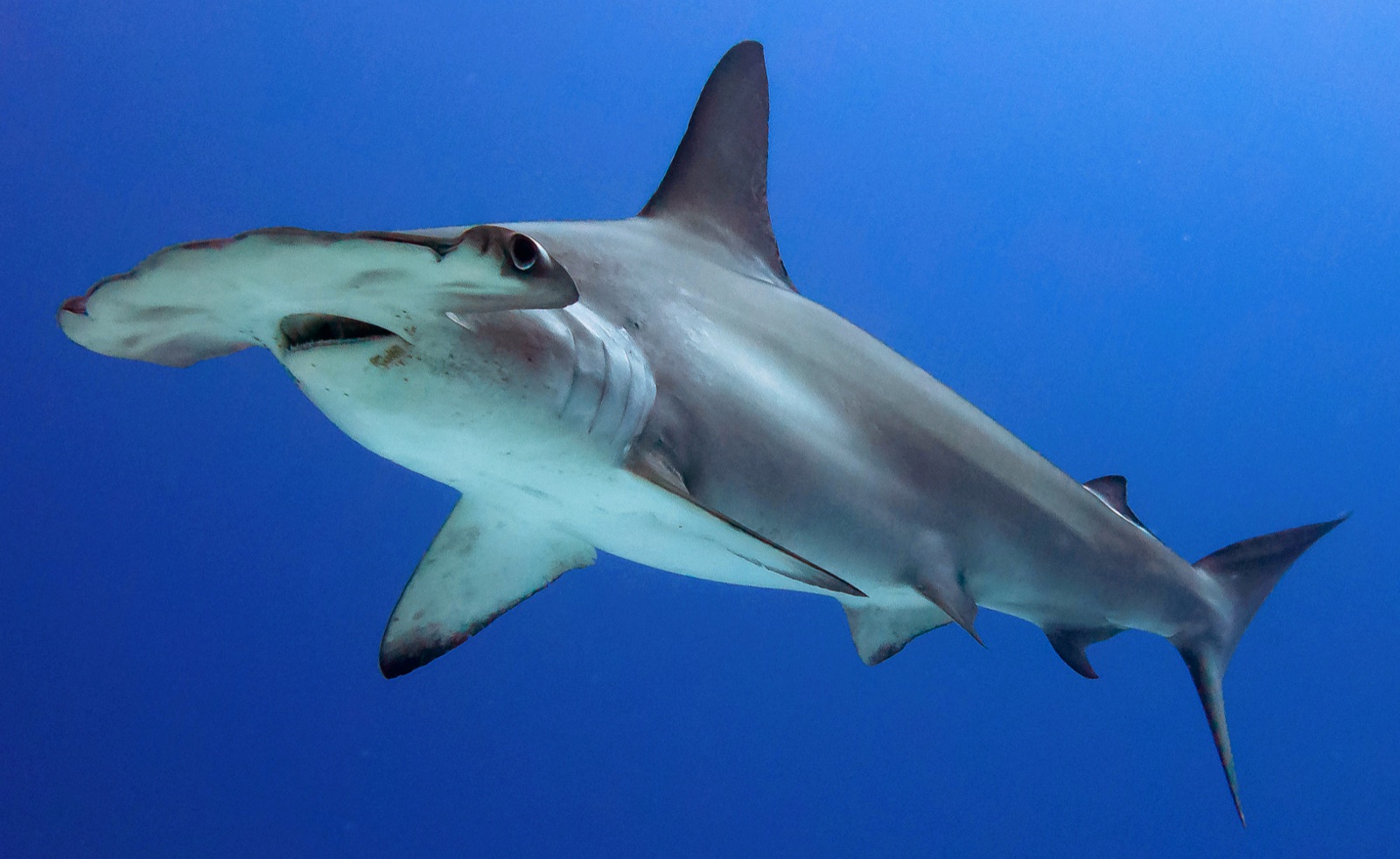
Scalloped Hammerhead
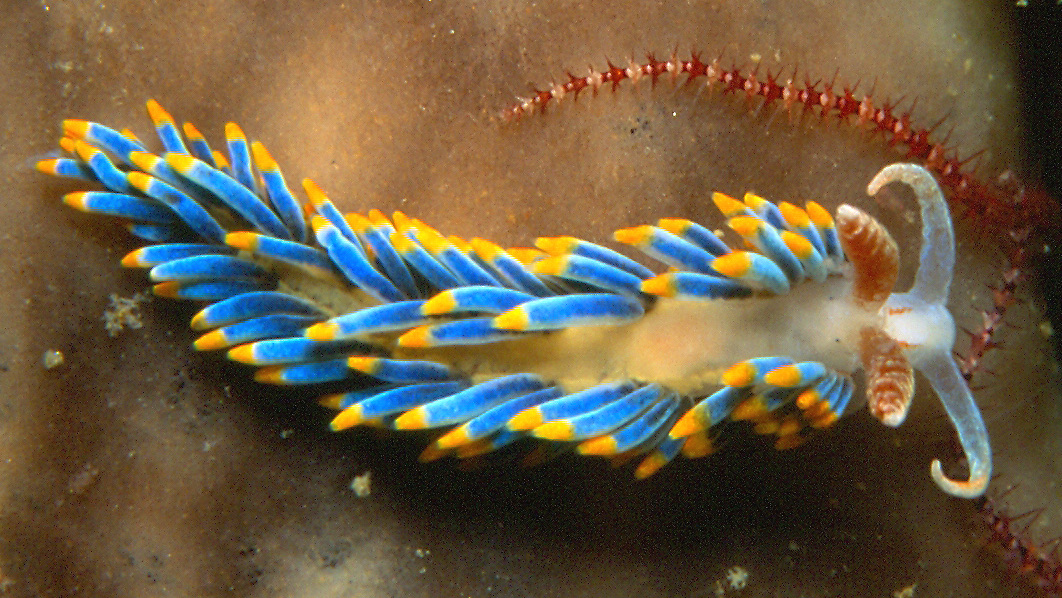
Nudibranchs
Les espèces « cartographiées ici » ont été répertoriées par nos éditeurs à partir des sources indiquées sur cette page. Les comptages correspondent aux occurrences GBIF : observations enregistrées dans un rayon d'environ 5 km autour de la position cartographiée depuis 1990, comparées uniquement aux espèces de notre catalogue. Ils indiquent ce qui a été observé à cet endroit, sans garantir ce que vous y verrez.
Pour les photographes
Grand angle: ★★★★★ · Macro: ★★☆☆☆ (note 1–5 des éditeurs sur ce que ce site offre à chaque style de prise de vue)