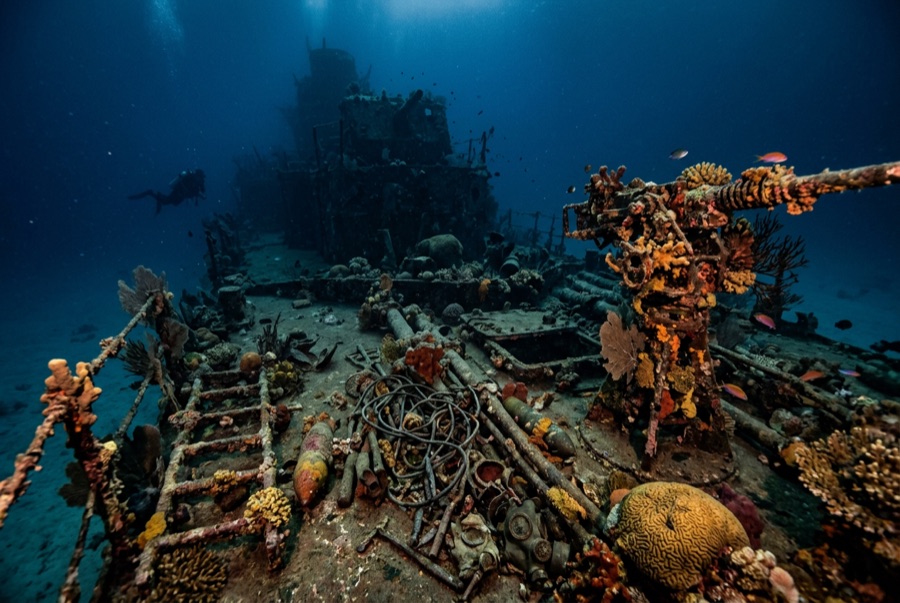
Akitsushima
La profundidad es el rango desde la cima del punto de buceo hasta su máximo habitual; la "certificación recomendada" es el nivel que los operadores suelen pedir según las agencias principales, no una norma legal. Las corrientes y la visibilidad cambian a diario, así que trata todo esto como rangos de planificación.
Akitsushima was a true warship, a seaplane tender of about 118 m built to service flying boats, and she fought back when Task Force 38's aircraft found the fleet on 24 September 1944. She lies hard over on her port side at up to 38 m, her huge stern crane collapsed toward the sand where the flying boat once rode. Crew died with the ship, and briefings say so plainly. Divers run the tilted hull past gun positions and the crane lattice, while trained teams enter holds and machinery spaces where fuel-dark corridors demand lights and level heads. Barracuda and snapper school along the shadowed keel line.
El momento por el que vienes: Genuine warship history, the seaplane crane, atmospheric side-lying hull for experienced divers
Topografía: Hull on its port side on sand at 36-38 m
Corriente: Sheltered between islands; mild flow along the hull on exchanges.
Lo que debes saber antes de tirarte al agua
Riesgos: Depth, disorienting sideways geometry, and confined silty interiors; penetration is for the trained with a knowledgeable guide.
Conservación: A wartime loss with fatalities; dive with the restraint owed to the dead, and leave all wreckage in place.
Nitrox: Vale la pena aquí: los perfiles están en el rango donde el nitrox amplía de forma significativa el tiempo sin parada (con la formación necesaria para usarlo).
A quién encontrarás
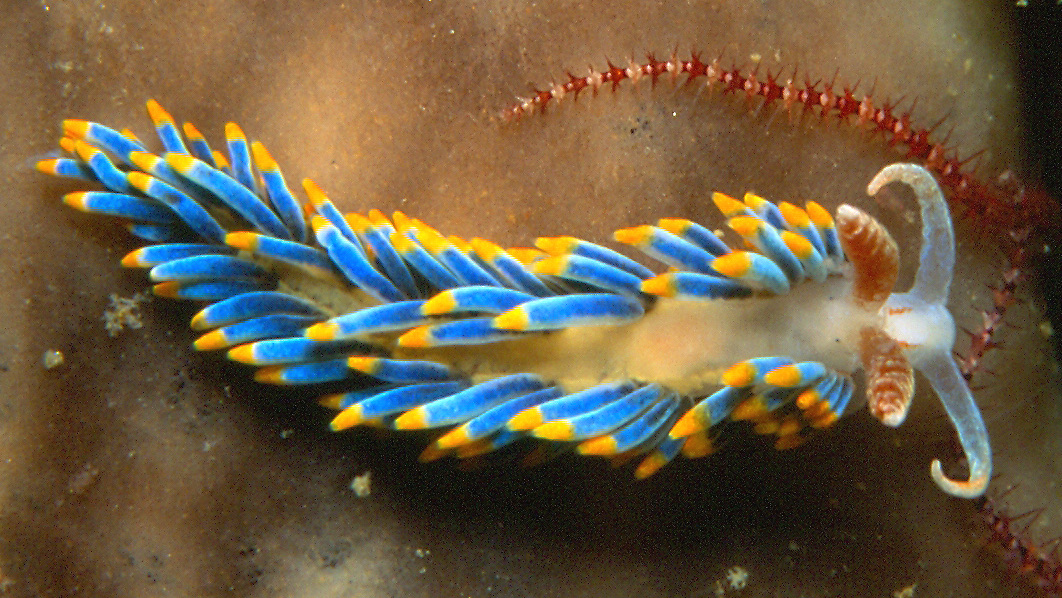
Nudibranchs
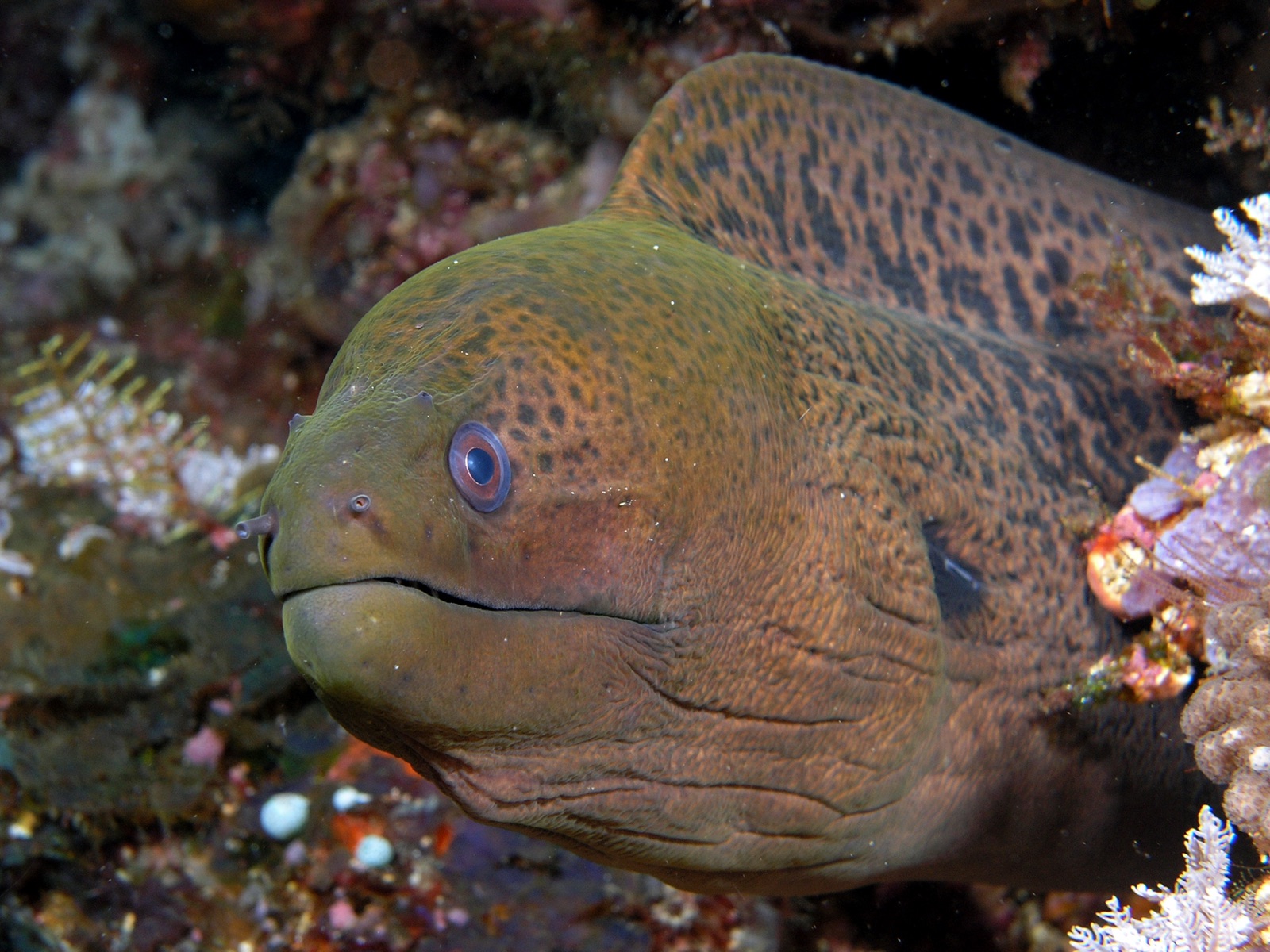
Giant Moray Eel
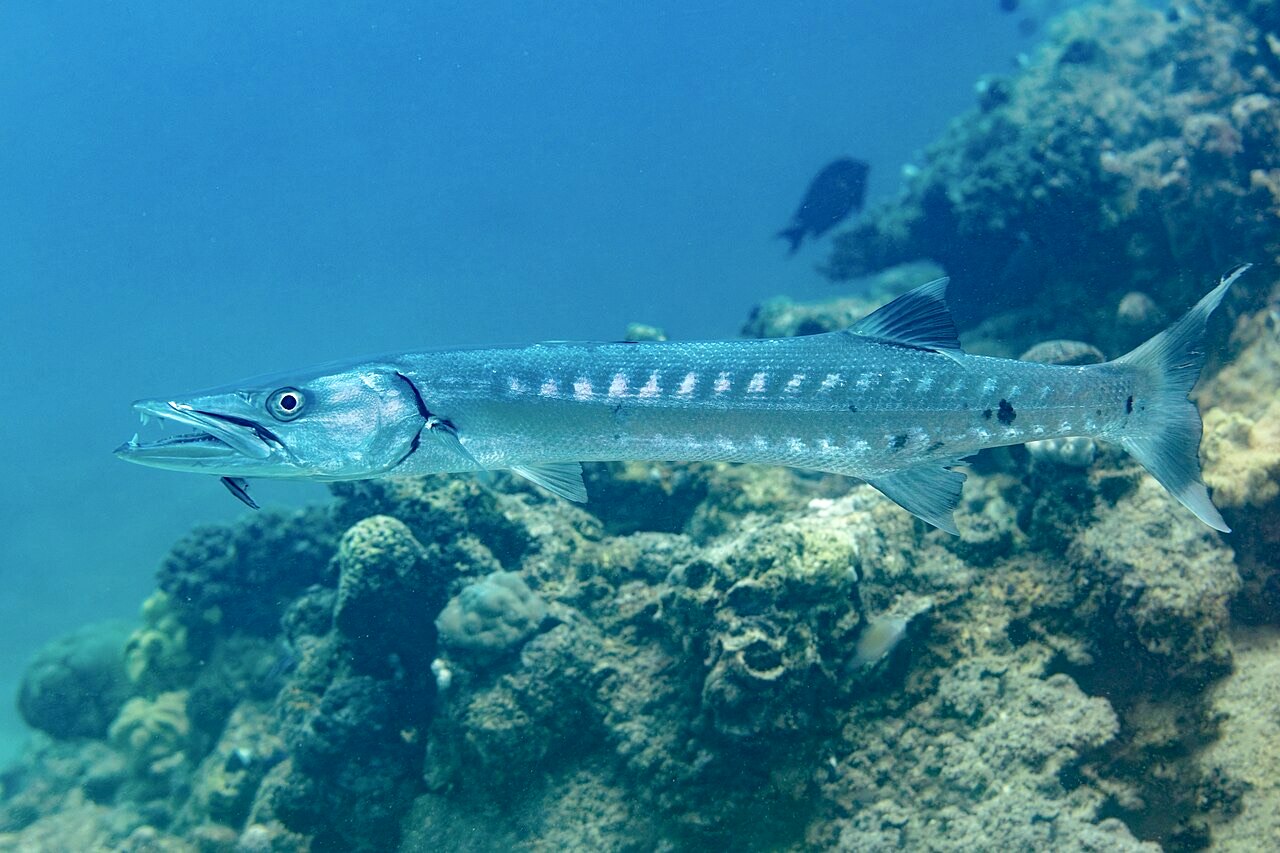
Great Barracuda
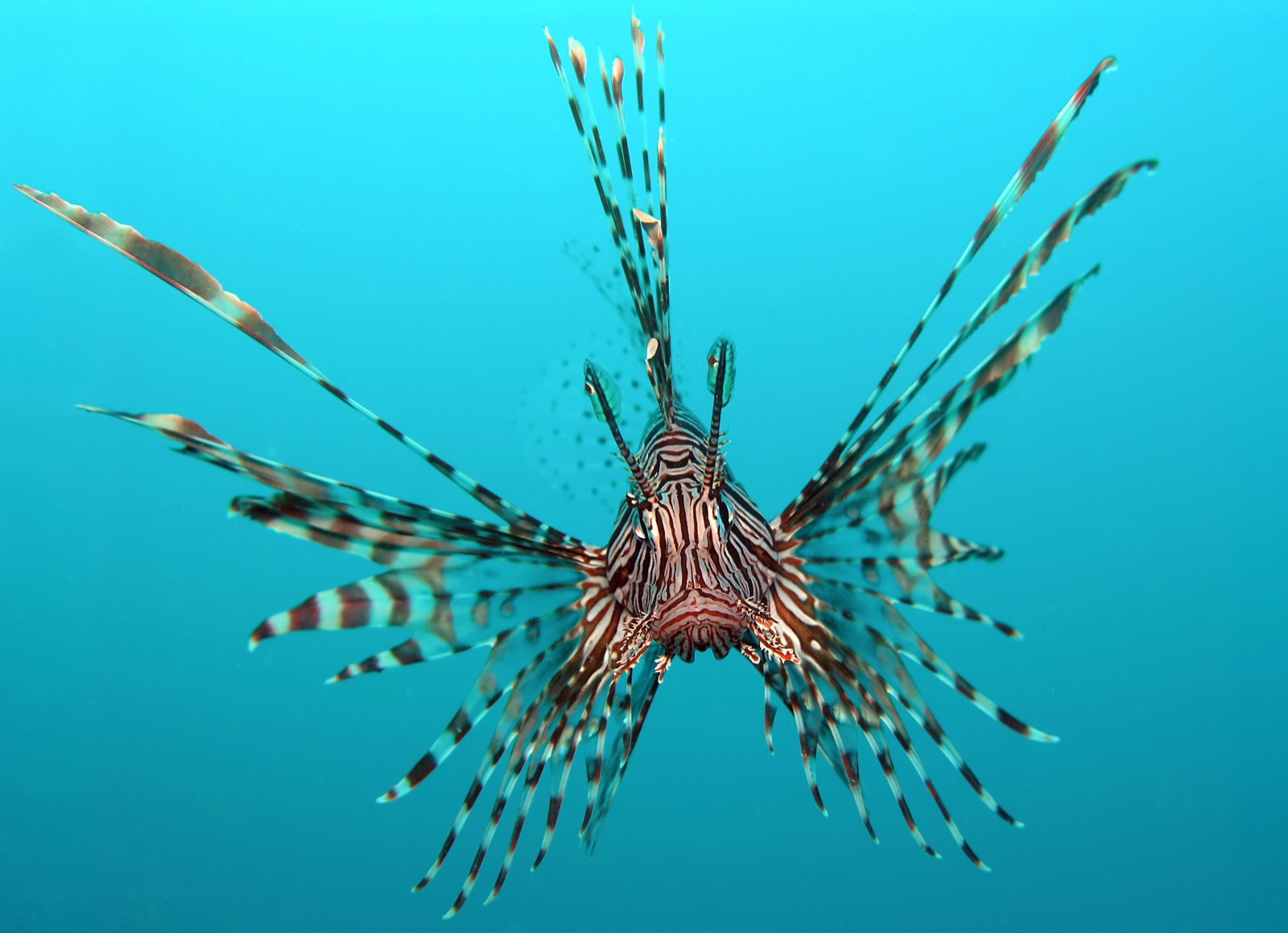
Lionfish
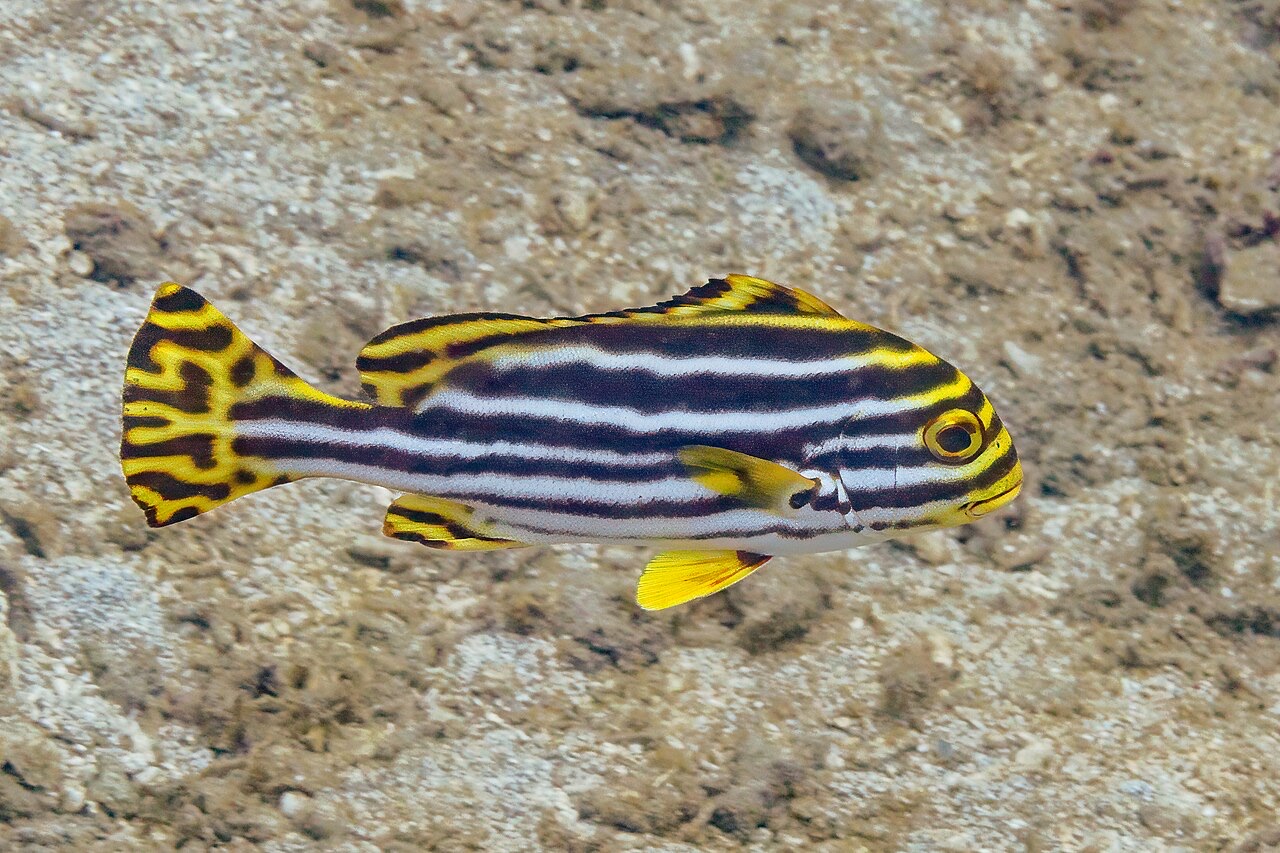
Oriental Sweetlips
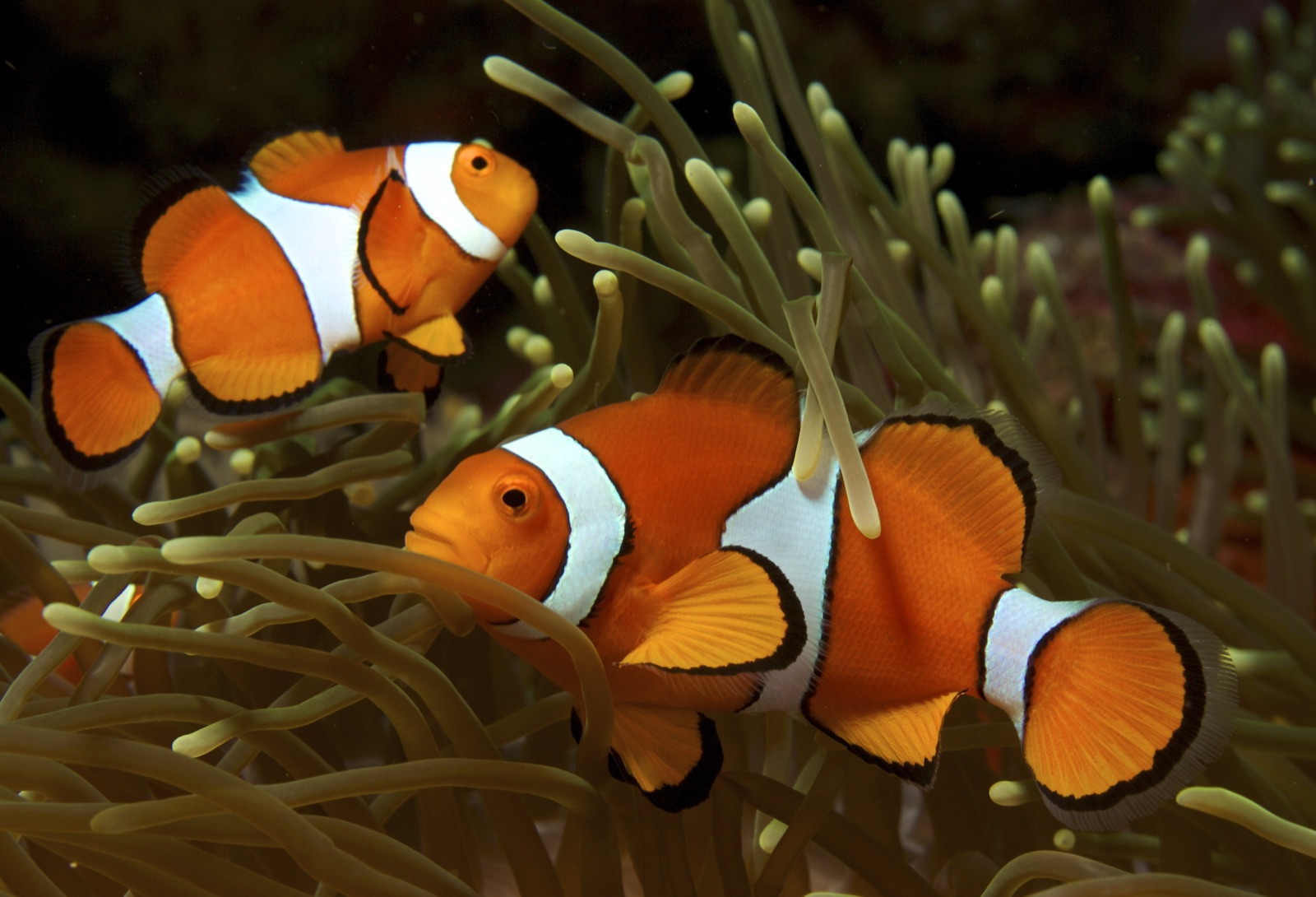
Clownfish & Anemonefish
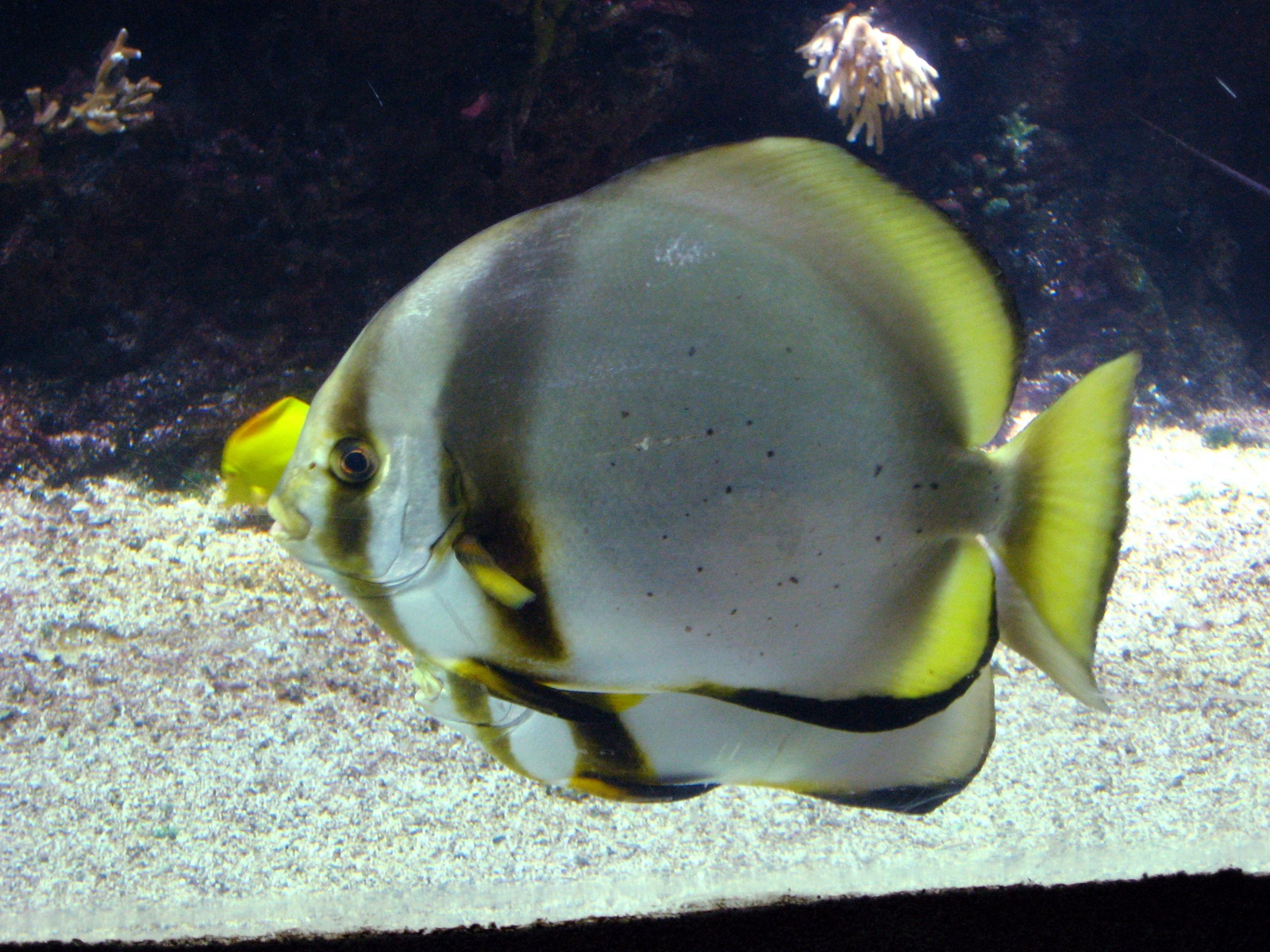
Pinnate Batfish
Las especies "aquí registradas" fueron añadidas por nuestros editores a partir de las fuentes de esta página. Los recuentos son registros de ocurrencia de GBIF: observaciones anotadas en un radio de unos 5 km de la posición registrada desde 1990, cotejadas únicamente con las especies de nuestro catálogo. Muestran lo que se ha avistado allí, no una garantía de lo que verás.
Para fotógrafos
Gran angular: ★★★★☆ · Macro: ★★☆☆☆ (valoración de 1 a 5 de los editores sobre lo que ofrece este sitio para cada estilo de fotografía)