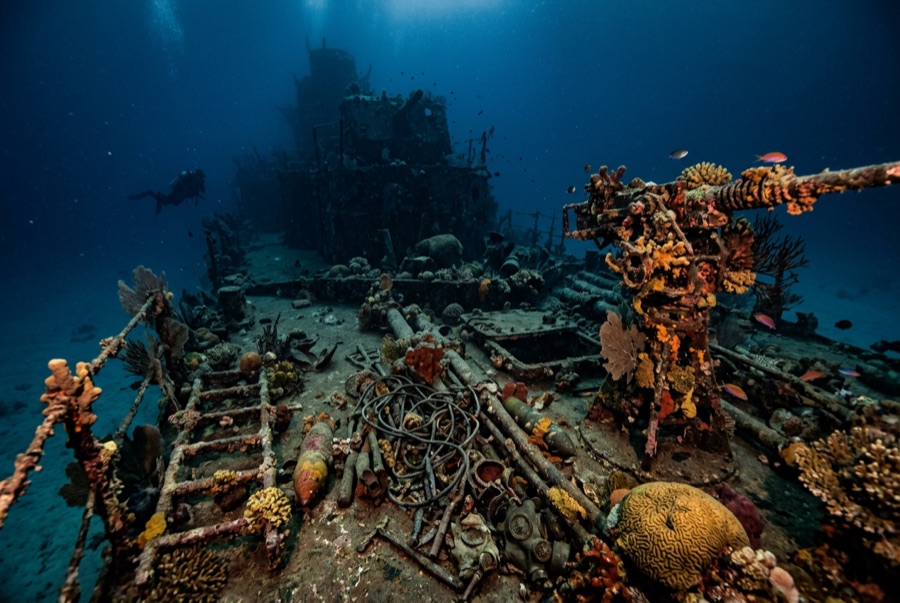
Okikawa Maru
La profondità indica l'intervallo dalla sommità del sito al suo massimo abituale; il "brevetto consigliato" è il livello richiesto dalla maggior parte degli operatori delle principali agenzie, non una norma di legge. Correnti e visibilità cambiano ogni giorno, quindi considera tutto come intervalli di pianificazione.
The Okikawa Maru, an oil tanker on the order of 160 m, is the friendliest big ship in Coron: her main deck lies at just 10-16 m, shallow enough for long, unhurried laps of a hull that seems to go on forever. Corals and anemones have colonized the deck fittings so thoroughly that parts read as reef, patrolled by batfish, sweetlips, and turtles. The bow section, mangled by the 1944 attacks and later salvage, makes dramatic wide-angle scenery, and trained divers can thread the propeller-shaft tunnel and pump spaces. Generous light, generous time; many divers log their first-ever wreck penetration here.
Il momento che aspettavi: Shallow sprawling tanker deck, coral-and-anemone overgrowth, approachable first penetrations
Topografia: Nearly upright hull on sand around 26 m
Corrente: More exposed than the inner bay wrecks; current over the deck is common and occasionally calls the dive.
Entrata: Moored off Concepcion on Busuanga's west side; the longest boat ride of the main fleet from Coron town.
Sapere prima di tuffarsi
Pericoli: Current over the deck, entangling lines near the bow wreckage, and silt in the shaft tunnel.
Conservazione: Part of the protected 1944 fleet; no artifact recovery, no souvenir chipping.
Nitrox: Vale la pena qui: i profili rientrano nell'intervallo in cui l'aria arricchita (nitrox) prolunga in modo significativo il tempo di non-decompressione (con la formazione necessaria per utilizzarla).
Chi incontrerai
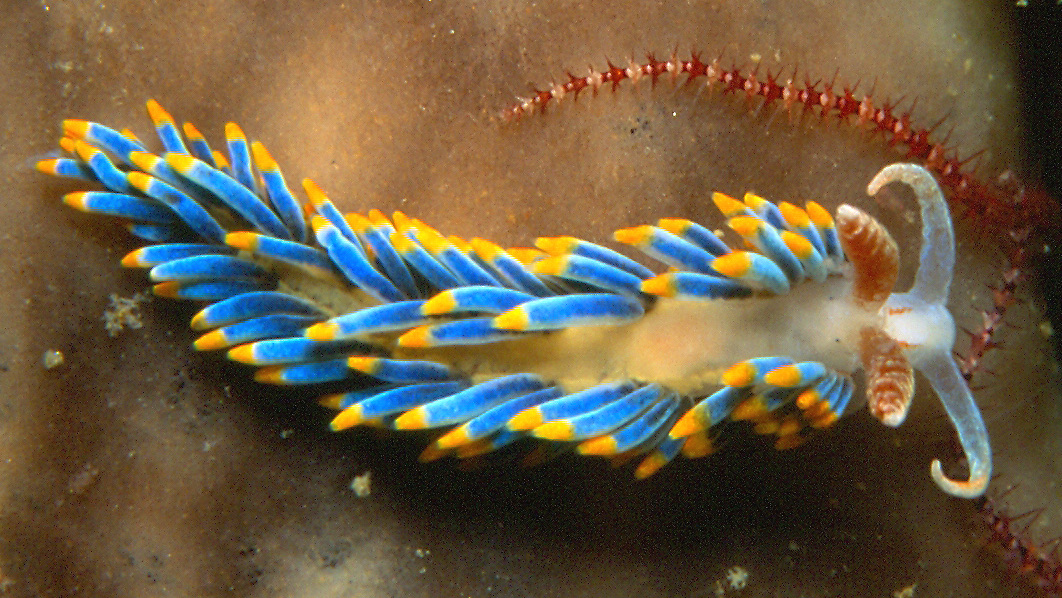
Nudibranchs
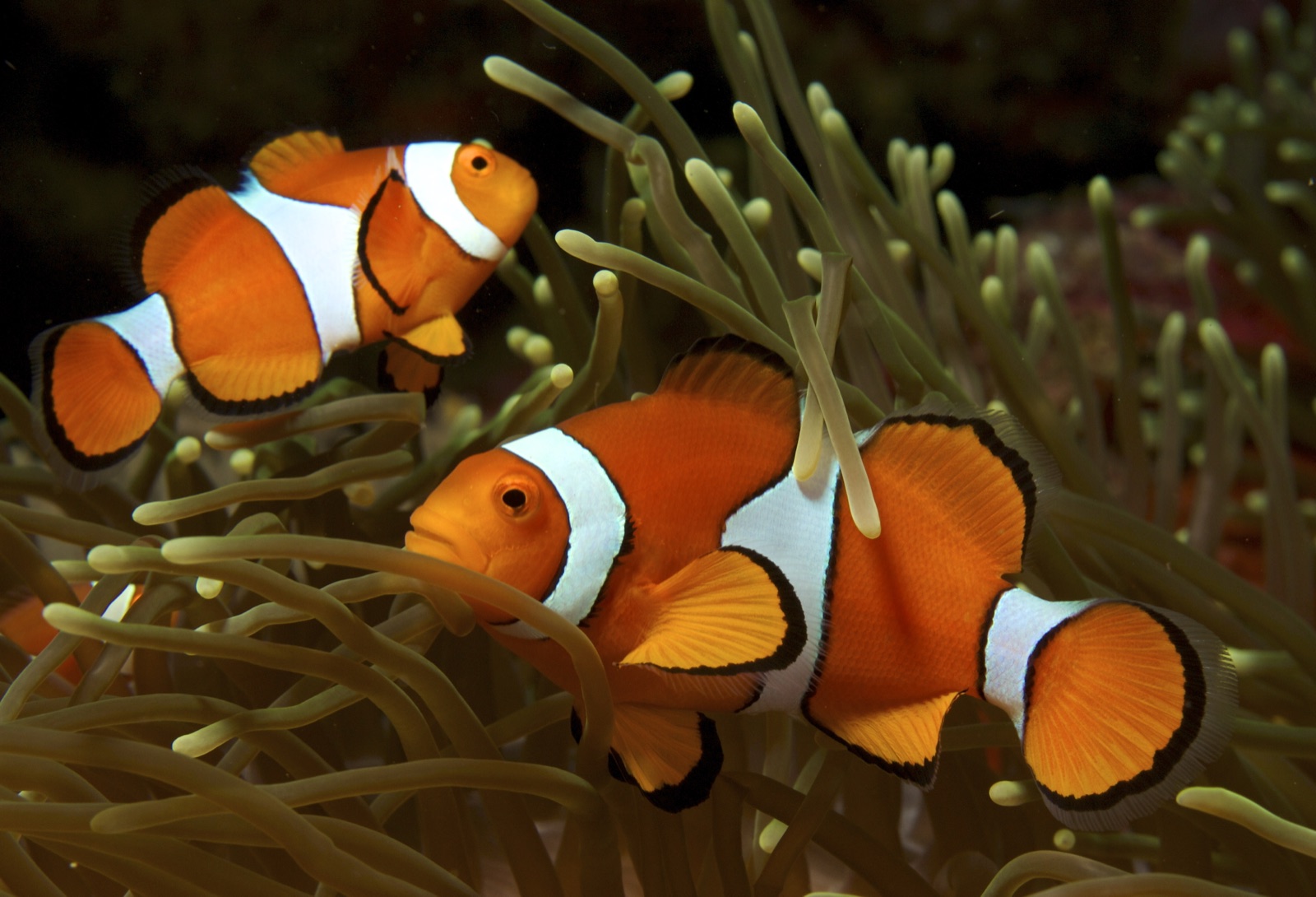
Clownfish & Anemonefish
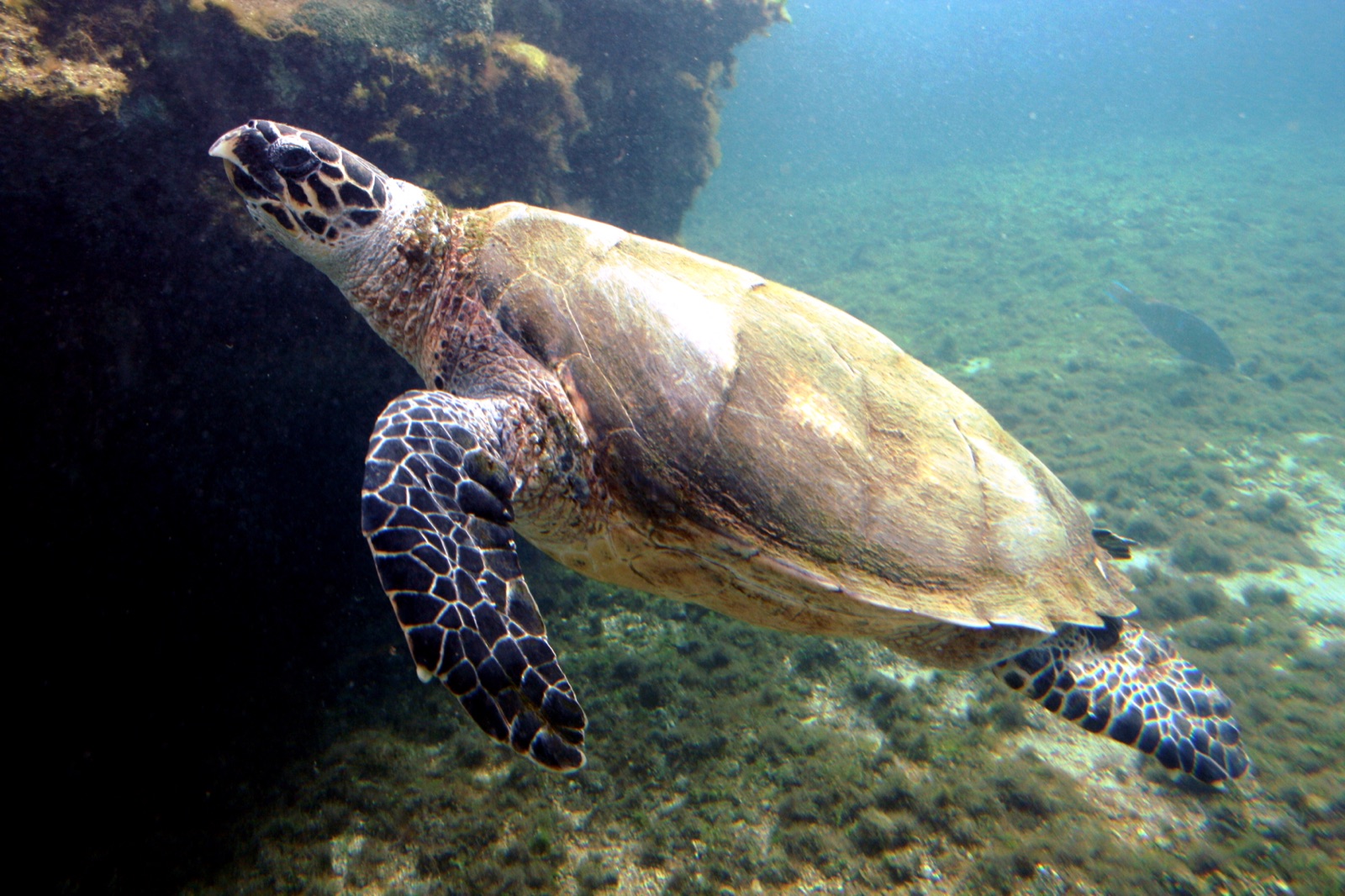
Hawksbill Turtle
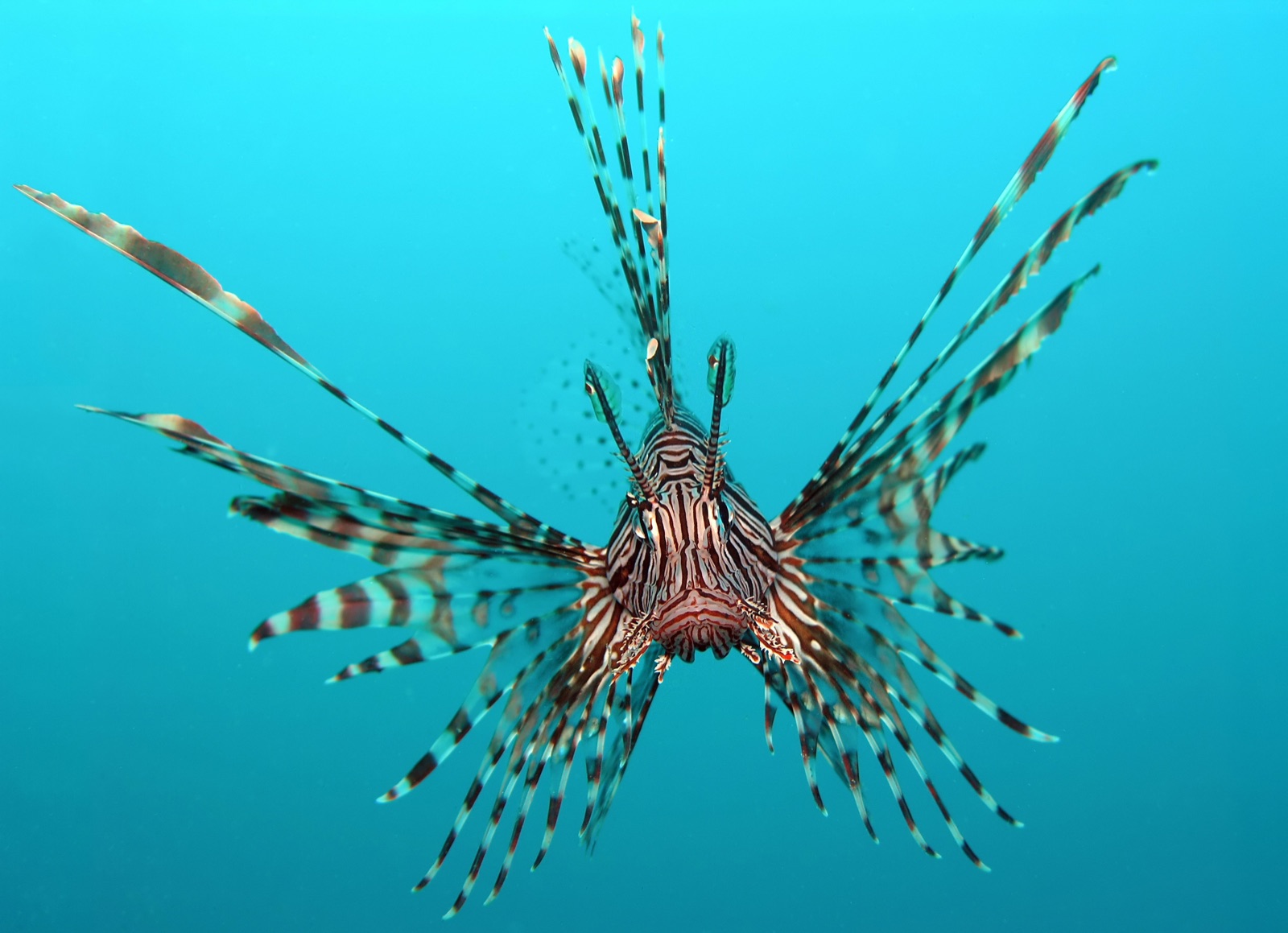
Lionfish
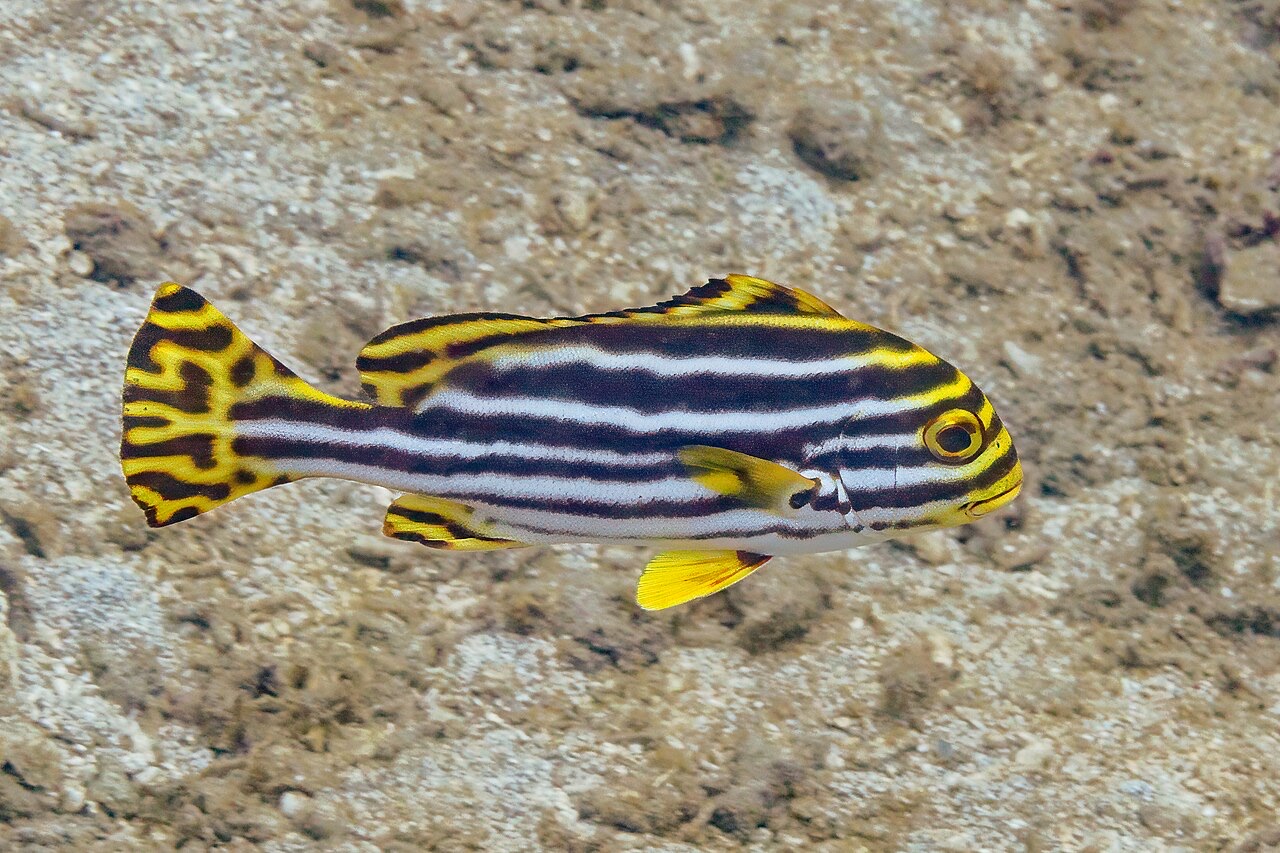
Oriental Sweetlips
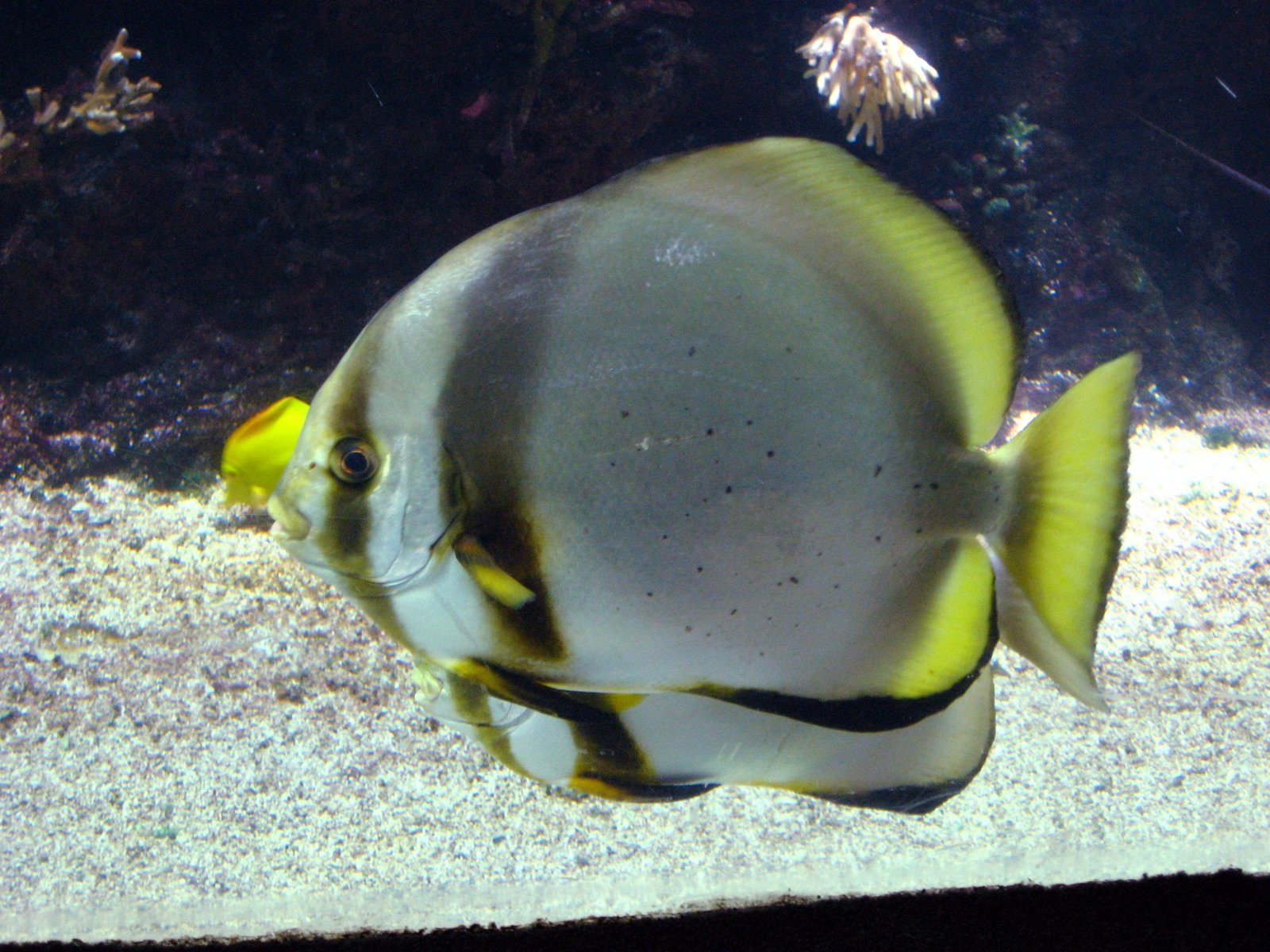
Pinnate Batfish
Le specie "schedate qui" sono state inserite dai nostri redattori a partire dalle fonti indicate in questa pagina. I conteggi sono record di occorrenza GBIF: osservazioni registrate entro circa 5 km dalla posizione indicata in carta a partire dal 1990, confrontate esclusivamente con le specie presenti nel nostro catalogo. Mostrano ciò che è stato avvistato in quel luogo, non una garanzia di ciò che vedrete.
Per i fotografi
Grandangolo: ★★★★★ · Macro: ★★★☆☆ (valutazione da 1 a 5 dei redattori su ciò che questo sito offre per ogni stile di ripresa)