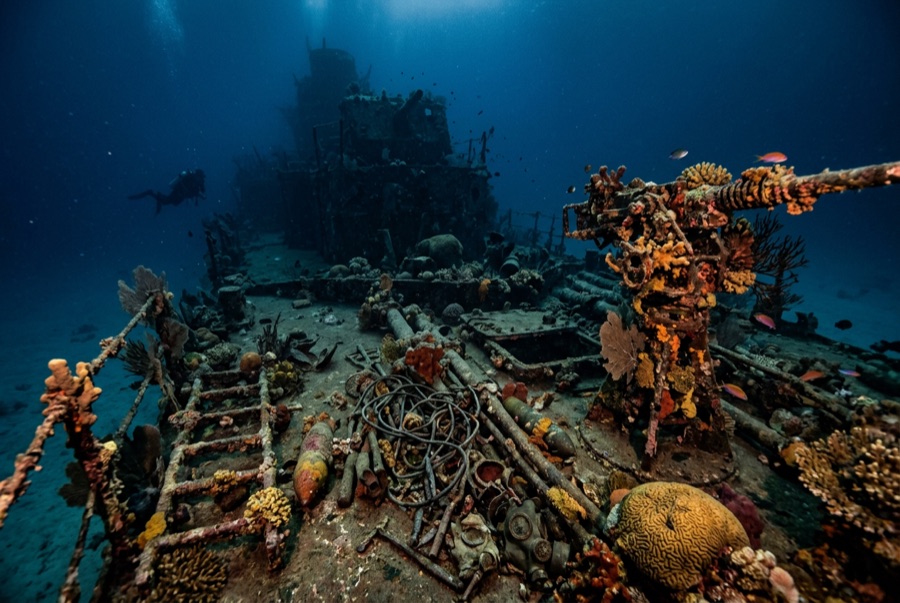
Kogyo Maru
العمق هو المدى من أعلى الموقع إلى الحد الأقصى المعتاد، و"الشهادة الموصى بها" هي المستوى الذي تطلبه الوكالات الكبرى في الغالب، لا قاعدة قانونية. التيارات والرؤية تتغير يومياً، فاعتبر كل ما هنا مدى تخطيطياً.
The Kogyo Maru, a freighter of roughly 130 m sunk in the September 1944 strikes, lies on her starboard side with her cargo still legible: holds full of construction materials for Japanese airfield works, including cement bags fused into stone, stacked framing, and tracked equipment that divers universally describe as the bulldozer. Swimming the tilted holds feels like touring a hardware depot mid-earthquake. Outside, soft corals and hydroids fuzz the port rail, sweetlips hold under the counter, and squid often hang off the masts. Penetration routes are roomy by Coron standards, though silt and angle still demand care.
اللحظة التي جئت من أجلها: Cargo holds with cement and machinery, readable wartime purpose, comfortable side-lying swim-throughs
التضاريس: Hull on its starboard side on sand around 34-36 m
اعرف قبل أن تقفز في الماء
المخاطر: Depth on the sand, silt in the holds, and rotated orientation that confuses navigation.
الحفاظ على البيئة البحرية: The cargo is the museum; prying anything loose is both illegal and vandalism.
نيتروكس: يستحق الأمر هنا: الملفات الشخصية تقع في النطاق الذي يُمدّد فيه الهواء المدعّم (نيتروكس) وقت الغوص دون توقف تمديدًا ملموسًا، مع التدريب اللازم لاستخدامه.
من ستلتقي
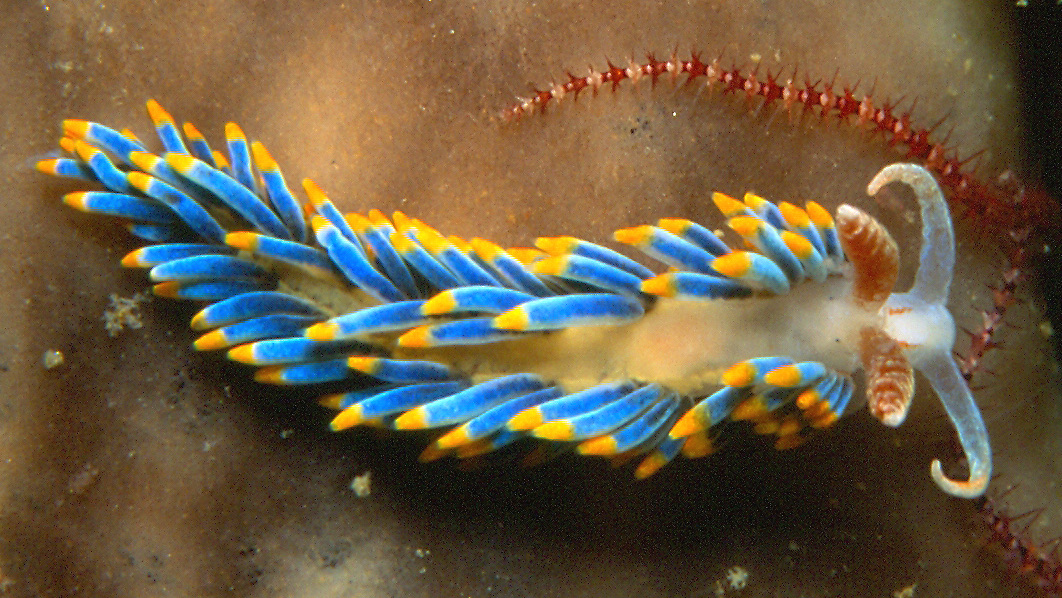
Nudibranchs
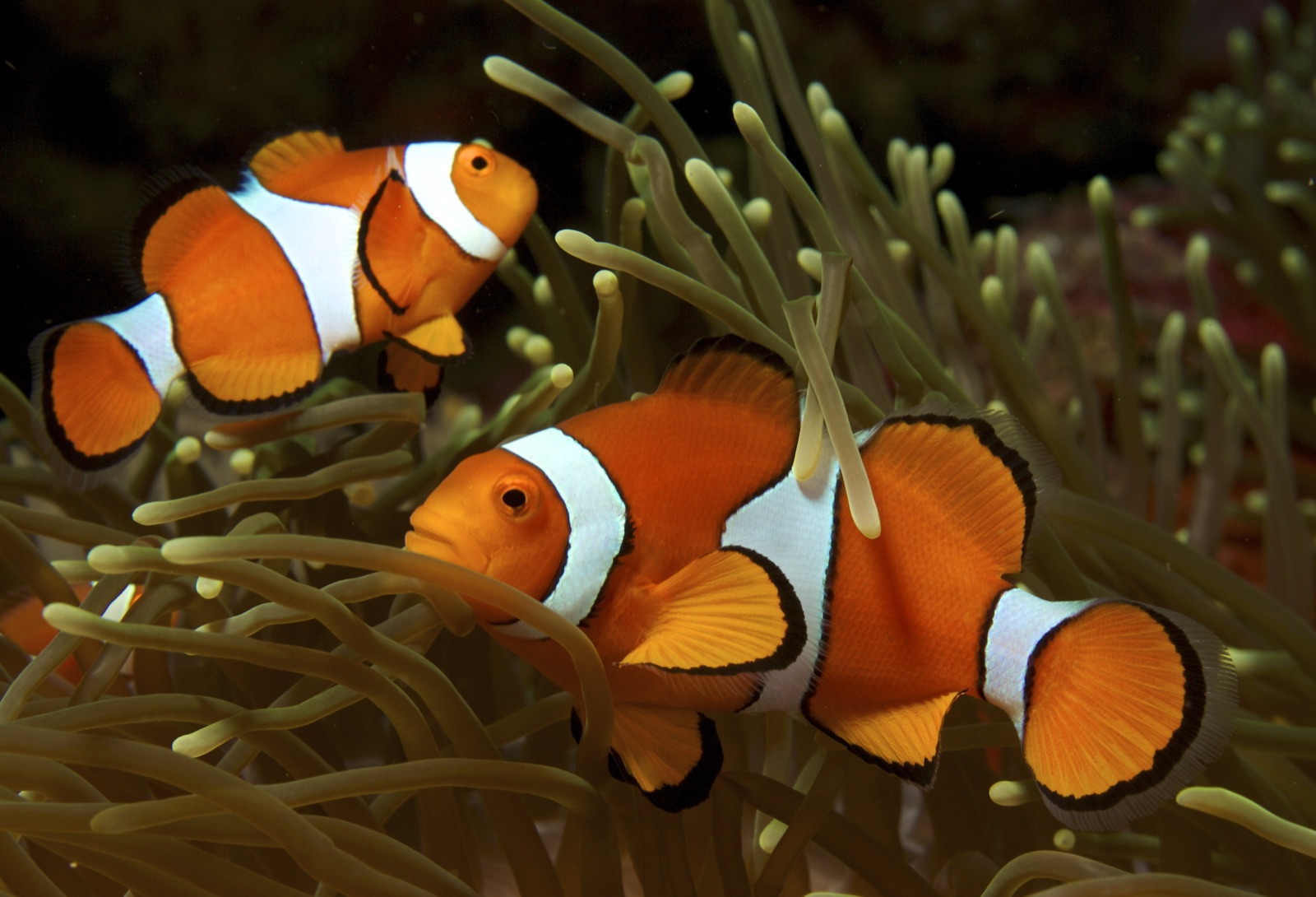
Clownfish & Anemonefish
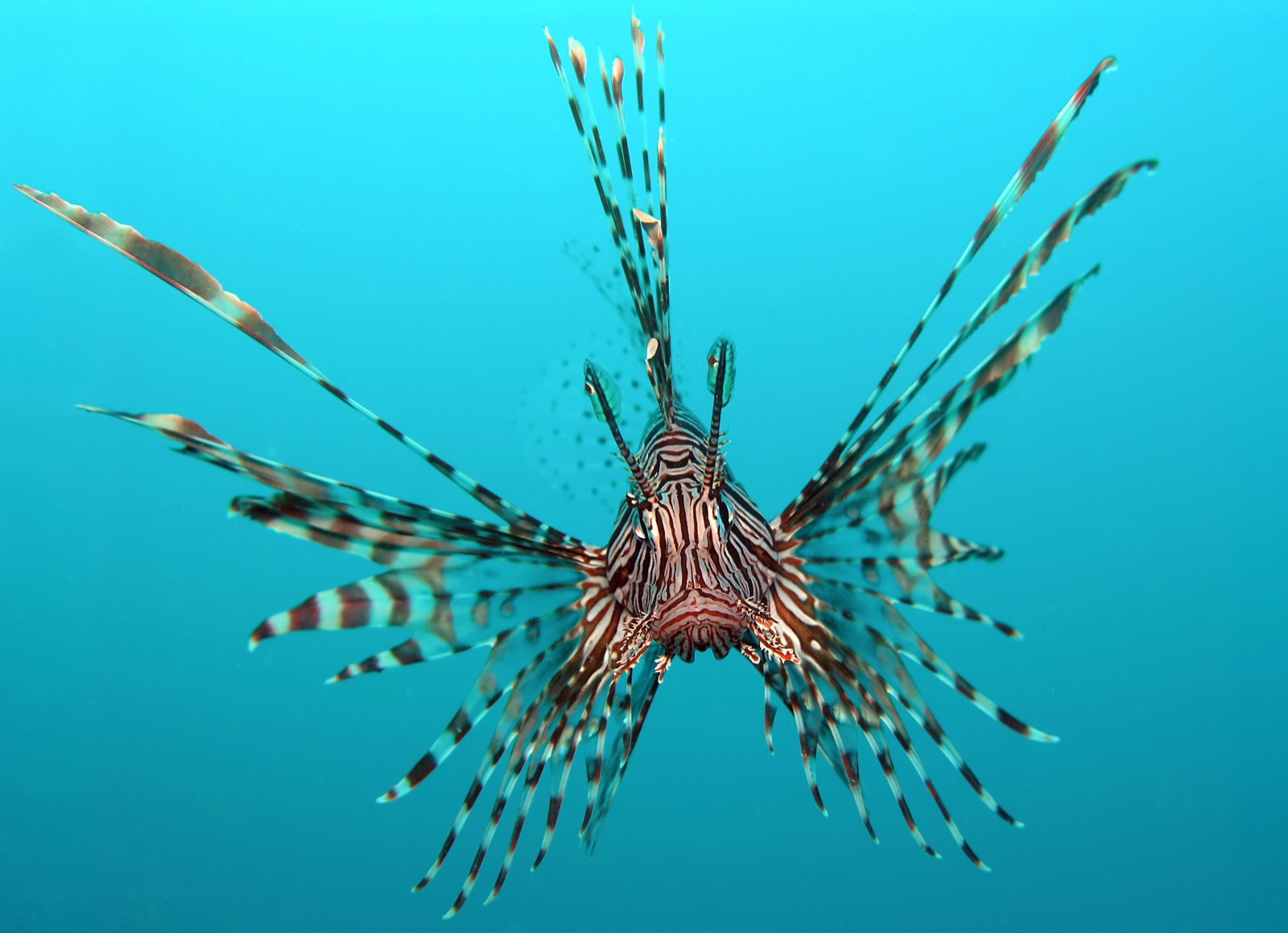
Lionfish
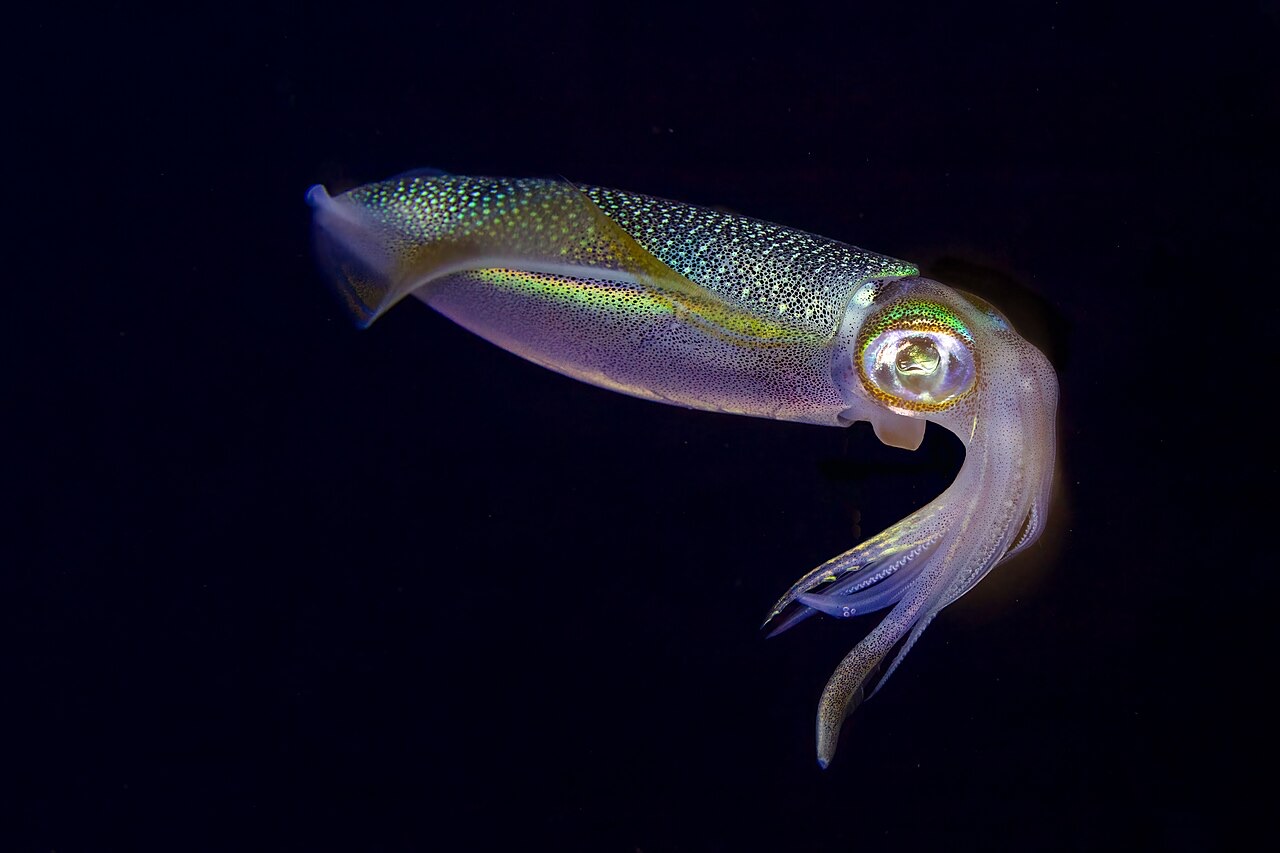
Bigfin Reef Squid
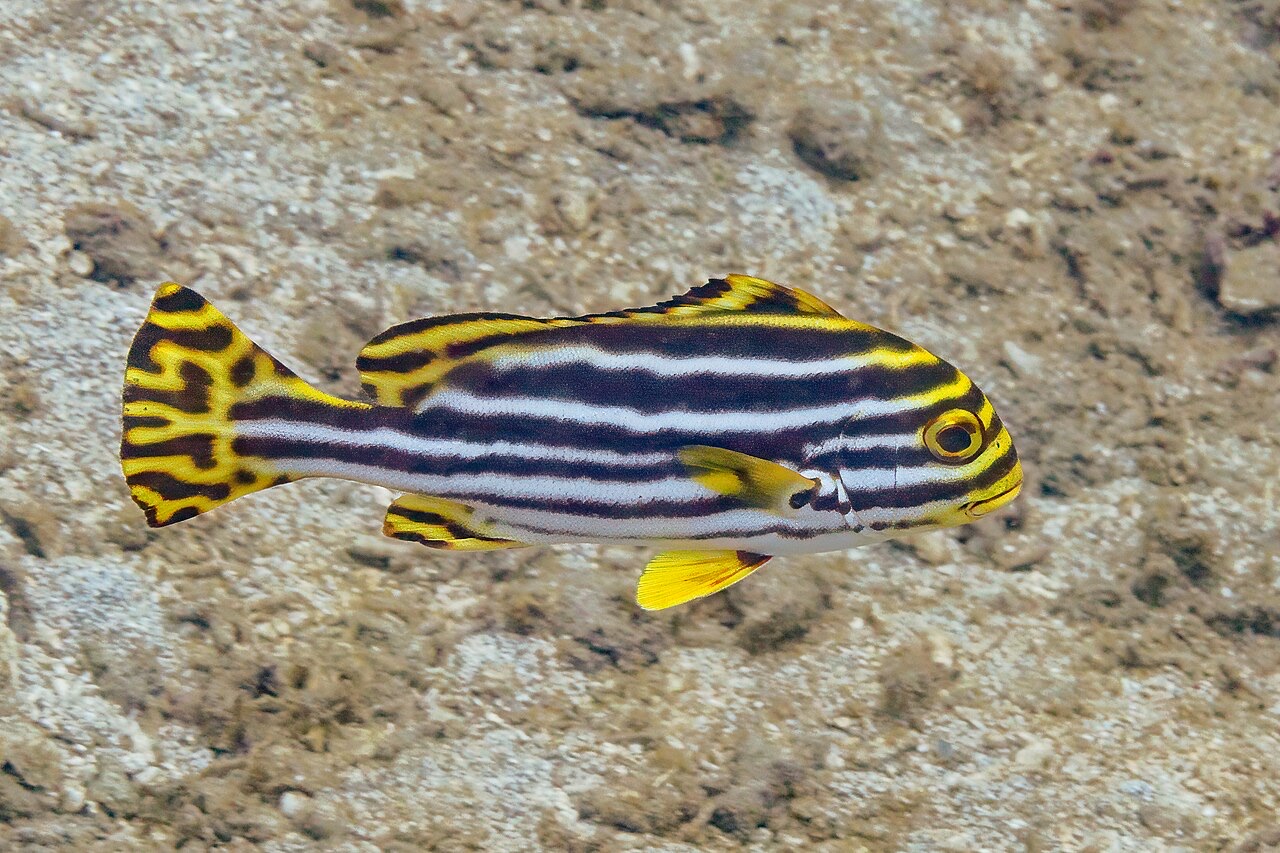
Oriental Sweetlips
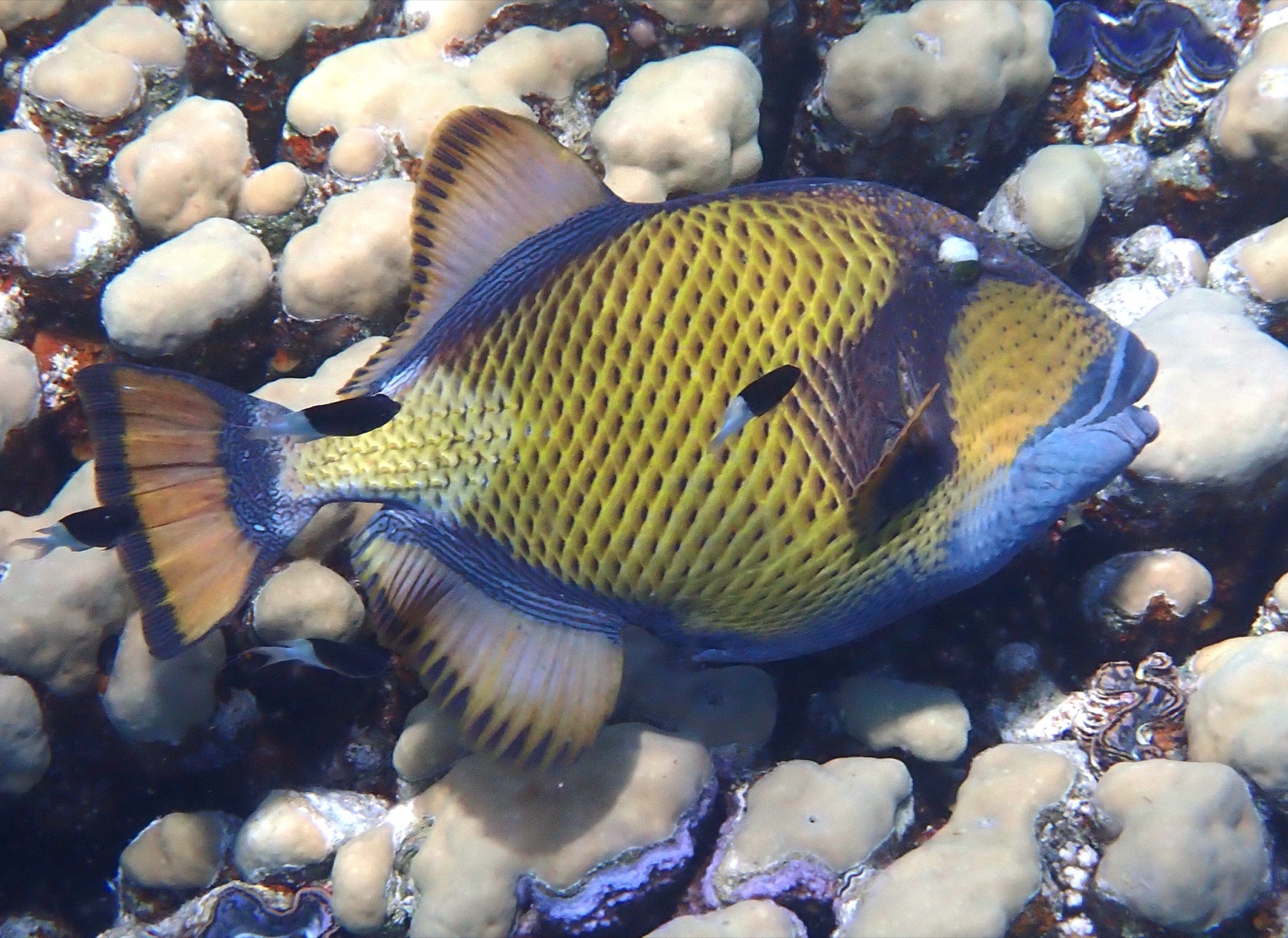
Titan Triggerfish
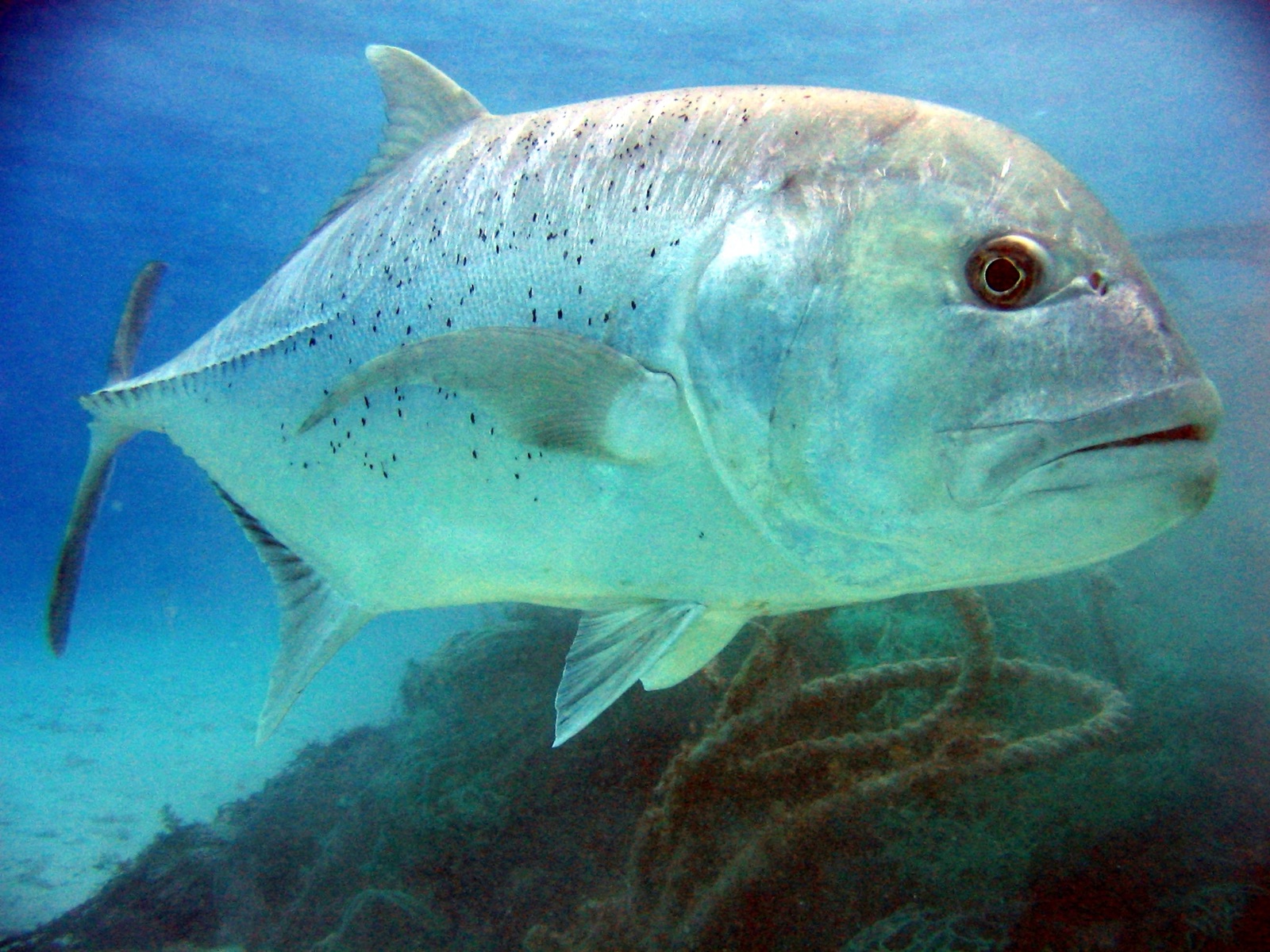
Giant Trevally
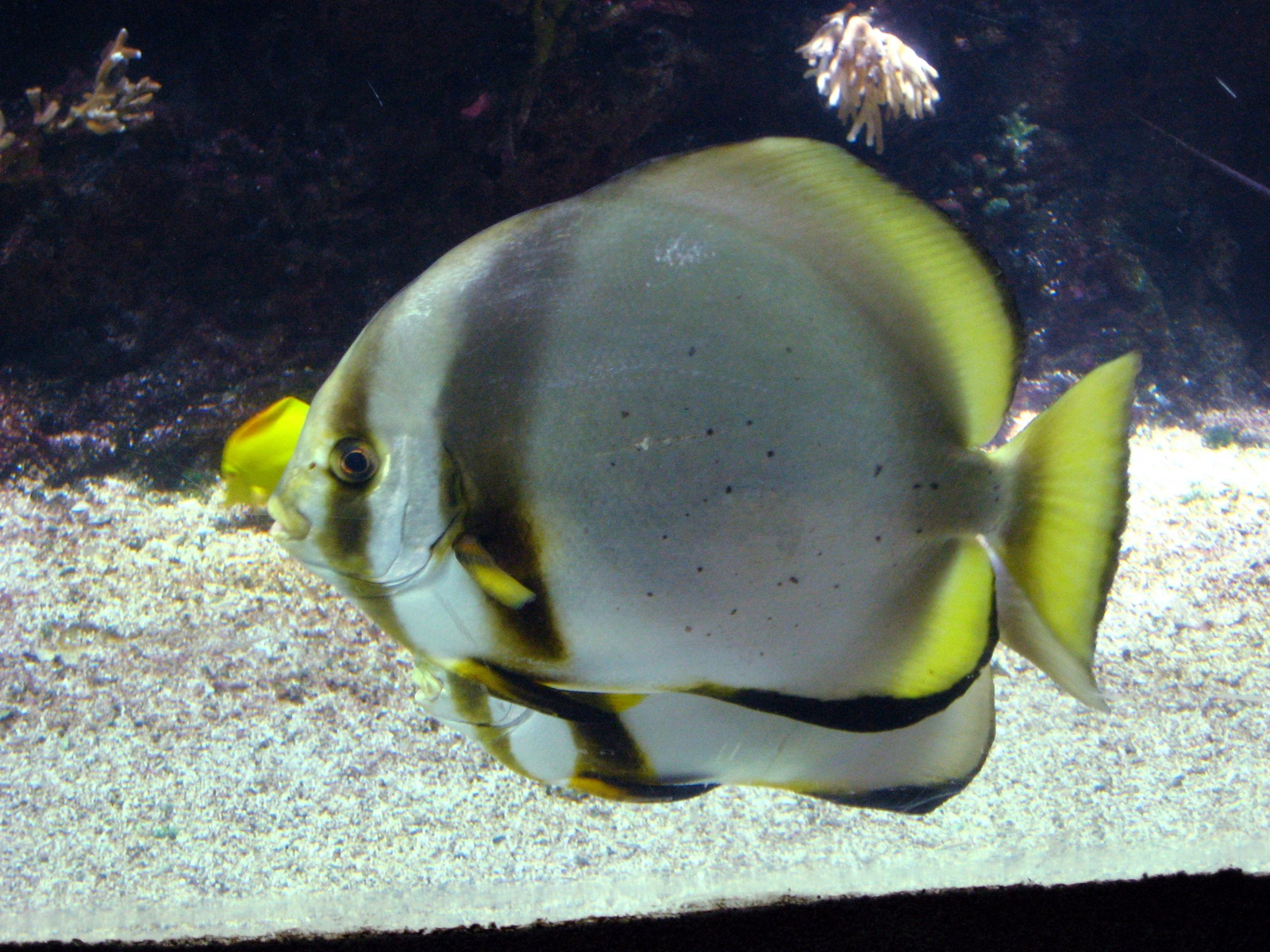
Pinnate Batfish
مُسجَّل في المنطقة المجاورة أيضًا
أنواع "مُرسَّمة هنا" أدرجها محرّرونا من المصادر الواردة في هذه الصفحة. الأعداد هي سجلات ظهور GBIF: مشاهدات مُسجَّلة في نطاق نحو 5 كم من الموضع المُرسَّم منذ عام 1990، ومُطابَقة فقط مع الأنواع الموجودة في فهرسنا. وهي تُظهر ما شوهد هناك، لا وعدًا بما ستراه.
للمصوّرين
زاوية واسعة: ★★★★☆ · الماكرو: ★★★☆☆ (تقييم المحرّرين من 1 إلى 5 لما يتيحه هذا الموقع لكل أسلوب تصوير)