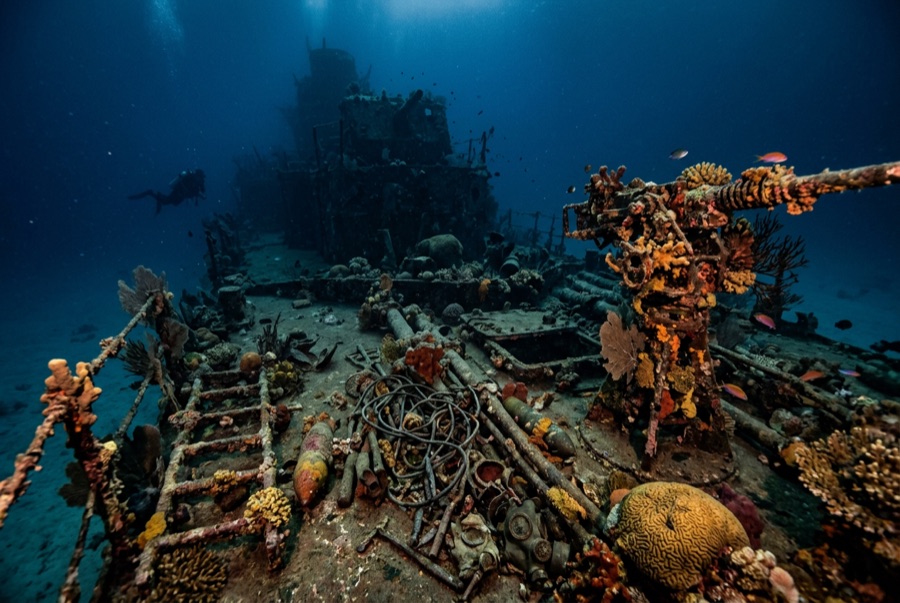
Kogyo Maru
La profondeur correspond à la plage allant du sommet du site jusqu'à son maximum habituel ; le « niveau recommandé » est le niveau demandé en général par les opérateurs auprès des grandes agences, pas une règle légale. Les courants et la visibilité varient chaque jour, traitez donc tout cela comme des plages indicatives de planification.
The Kogyo Maru, a freighter of roughly 130 m sunk in the September 1944 strikes, lies on her starboard side with her cargo still legible: holds full of construction materials for Japanese airfield works, including cement bags fused into stone, stacked framing, and tracked equipment that divers universally describe as the bulldozer. Swimming the tilted holds feels like touring a hardware depot mid-earthquake. Outside, soft corals and hydroids fuzz the port rail, sweetlips hold under the counter, and squid often hang off the masts. Penetration routes are roomy by Coron standards, though silt and angle still demand care.
Le moment pour lequel vous venez: Cargo holds with cement and machinery, readable wartime purpose, comfortable side-lying swim-throughs
Topographie: Hull on its starboard side on sand around 34-36 m
À savoir avant de plonger
Dangers: Depth on the sand, silt in the holds, and rotated orientation that confuses navigation.
Conservation: The cargo is the museum; prying anything loose is both illegal and vandalism.
Nitrox: Pertinent ici : les profils se situent dans la plage où le nitrox prolonge significativement le temps sans palier (avec la formation pour l'utiliser).
Qui vous croiserez
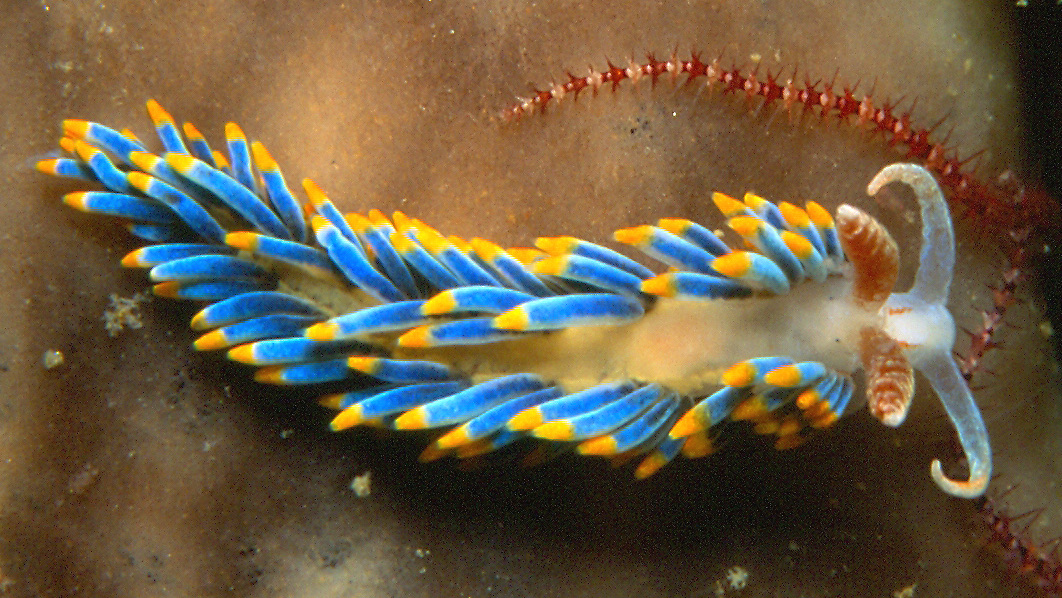
Nudibranchs
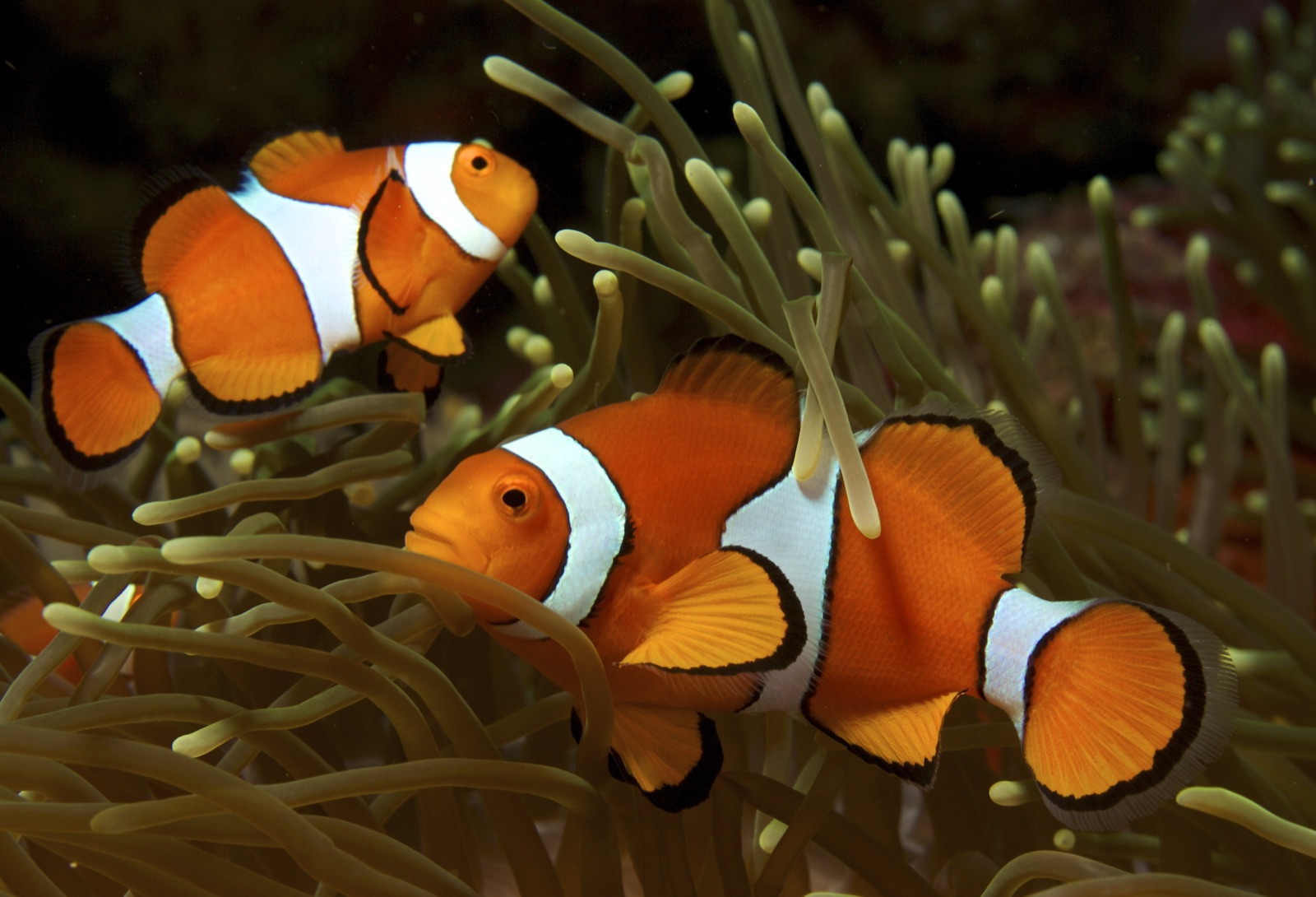
Clownfish & Anemonefish
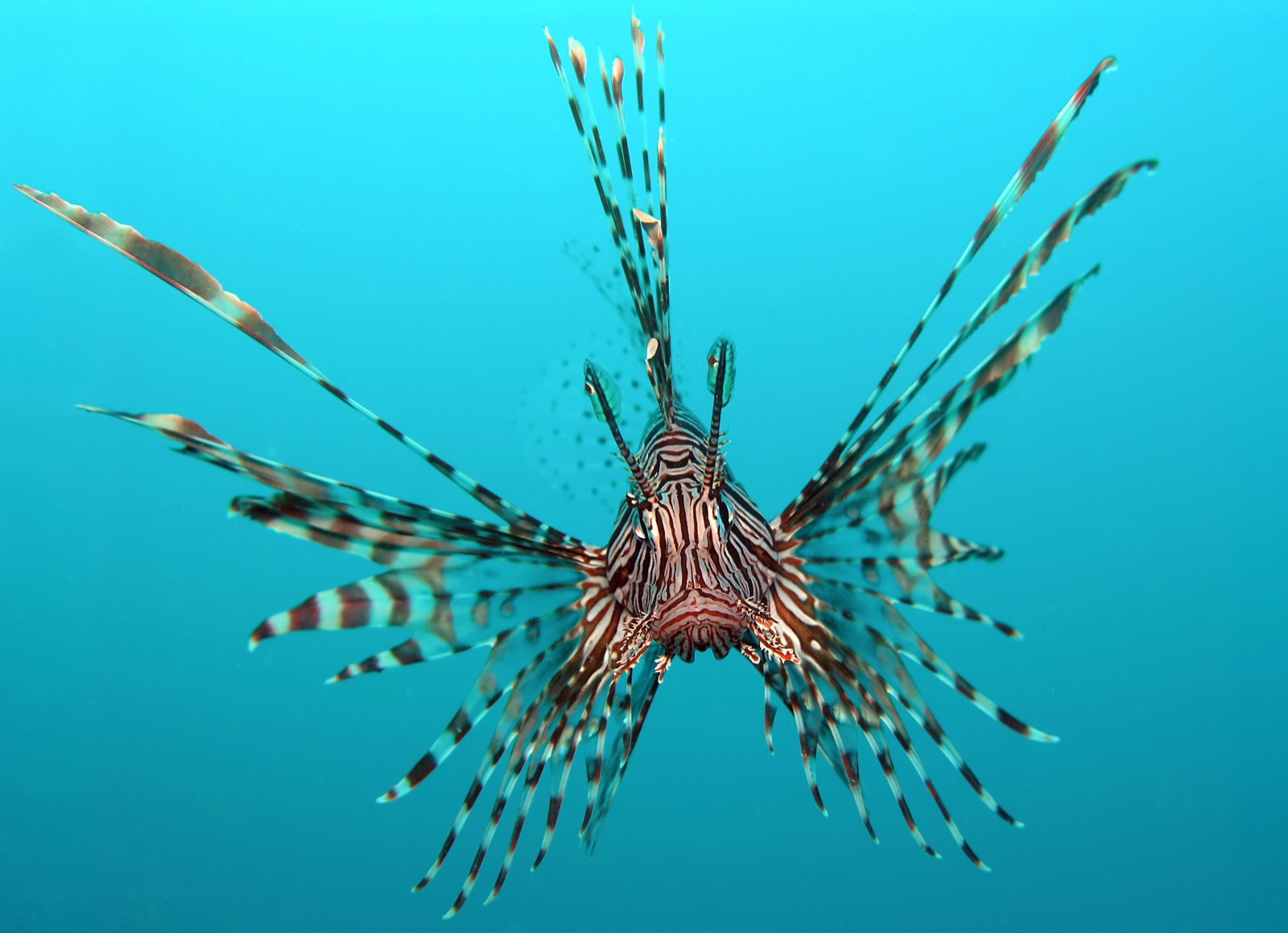
Lionfish
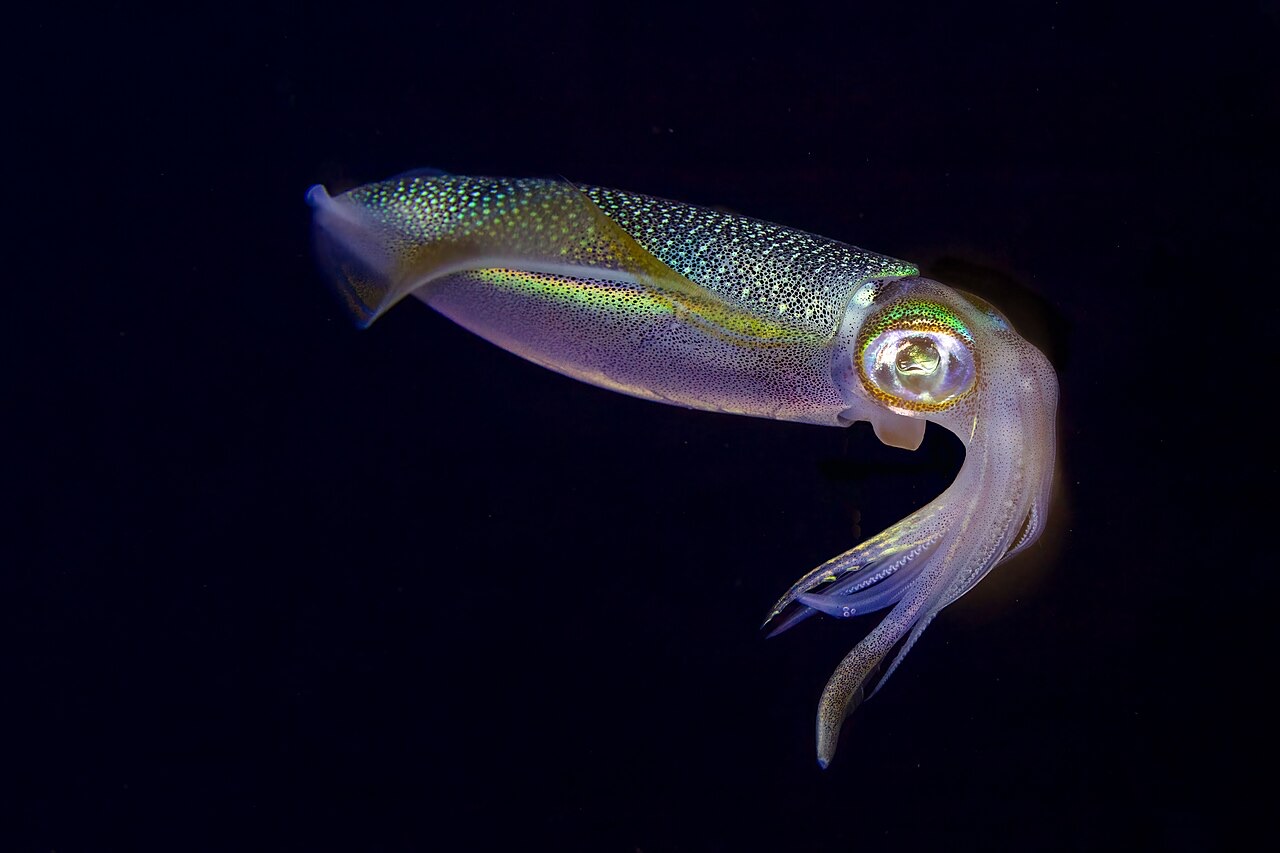
Bigfin Reef Squid
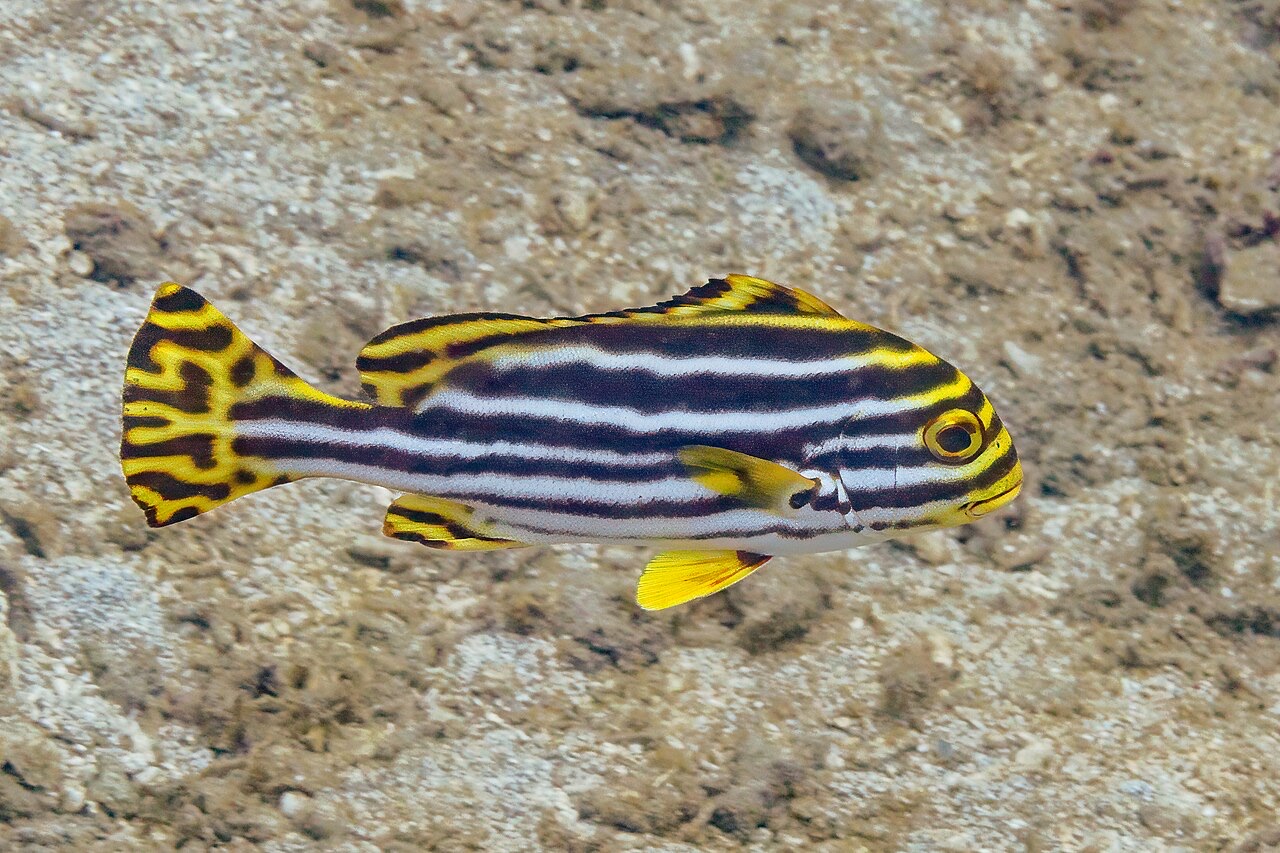
Oriental Sweetlips
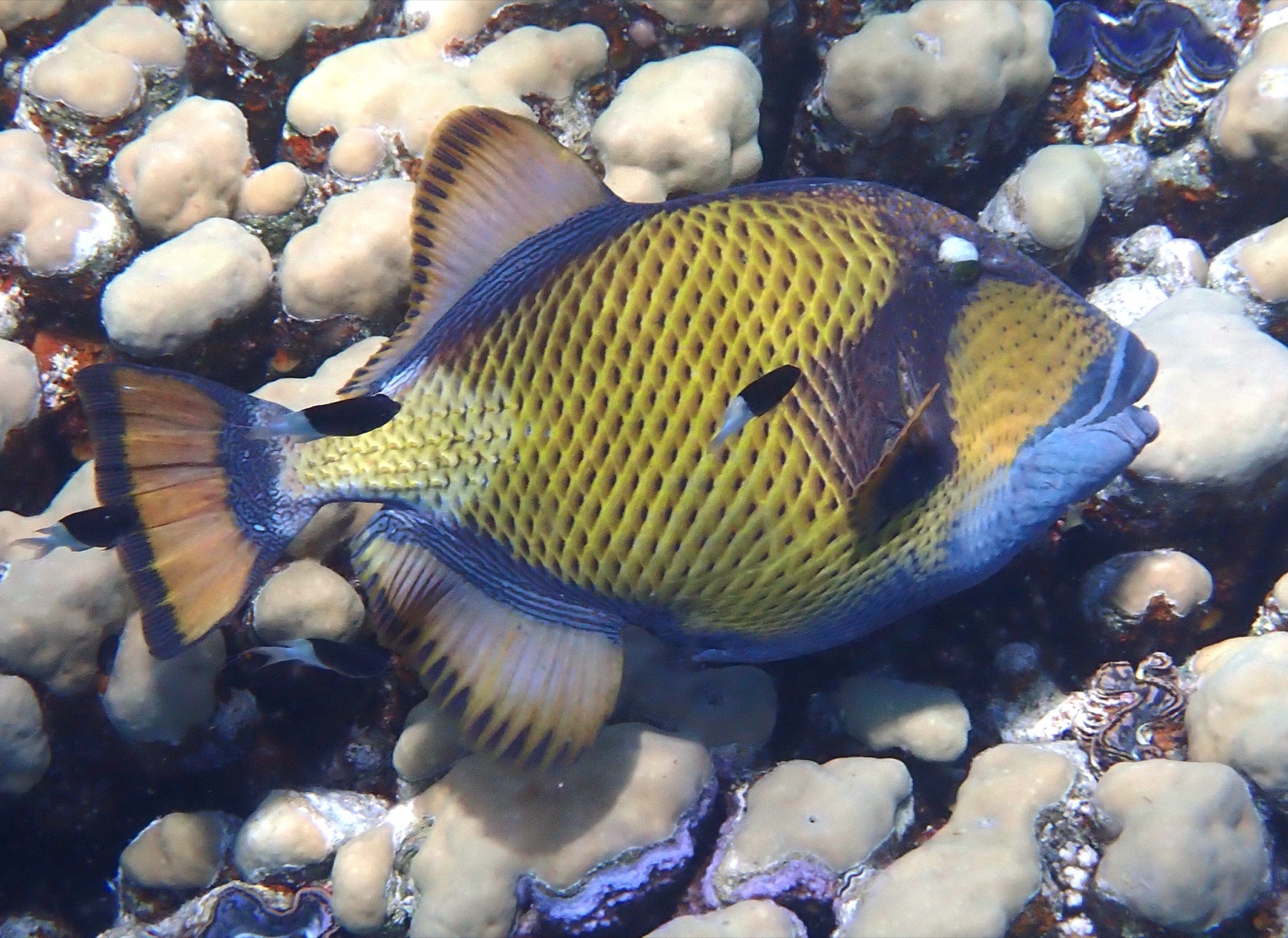
Titan Triggerfish
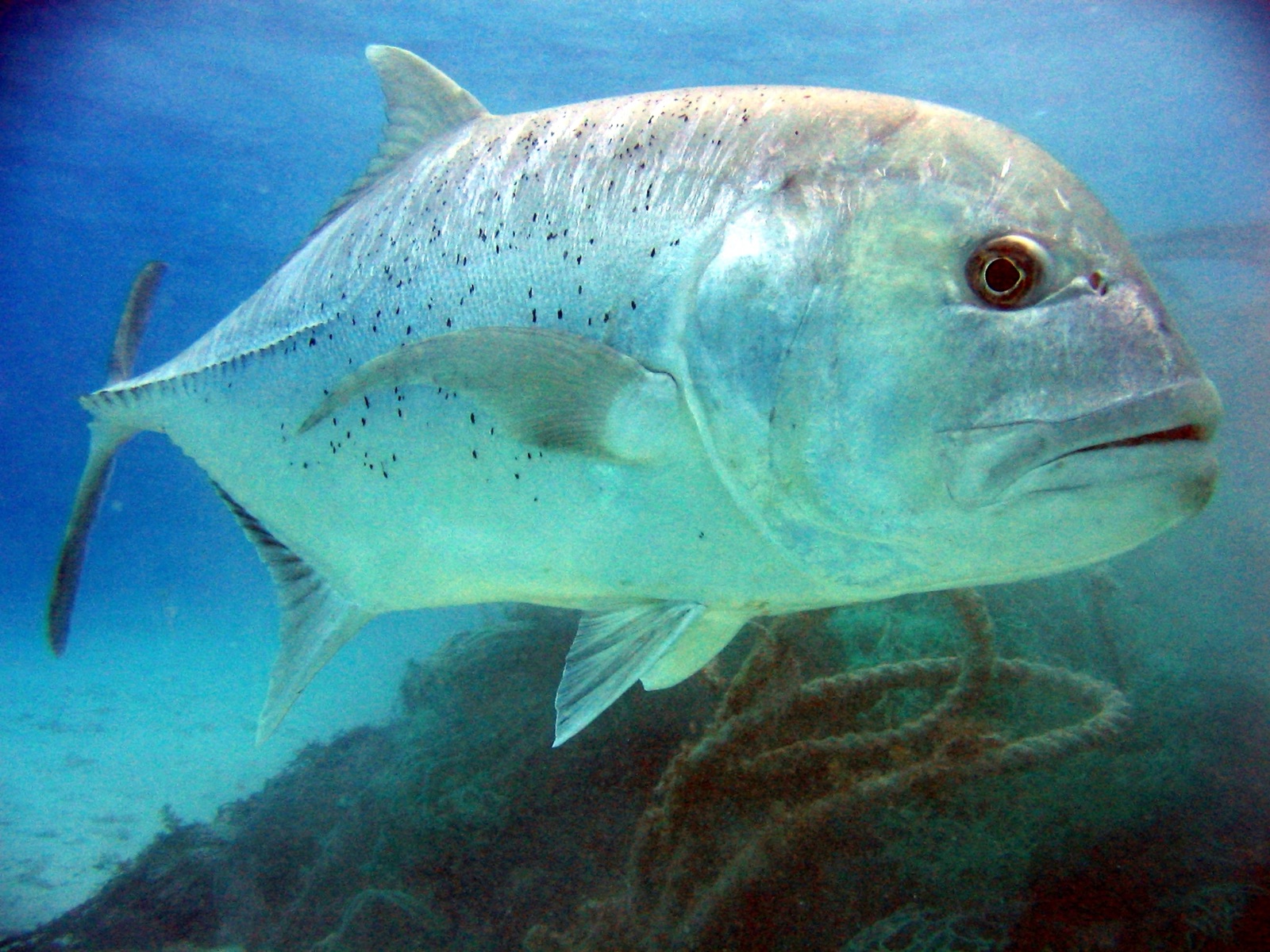
Giant Trevally
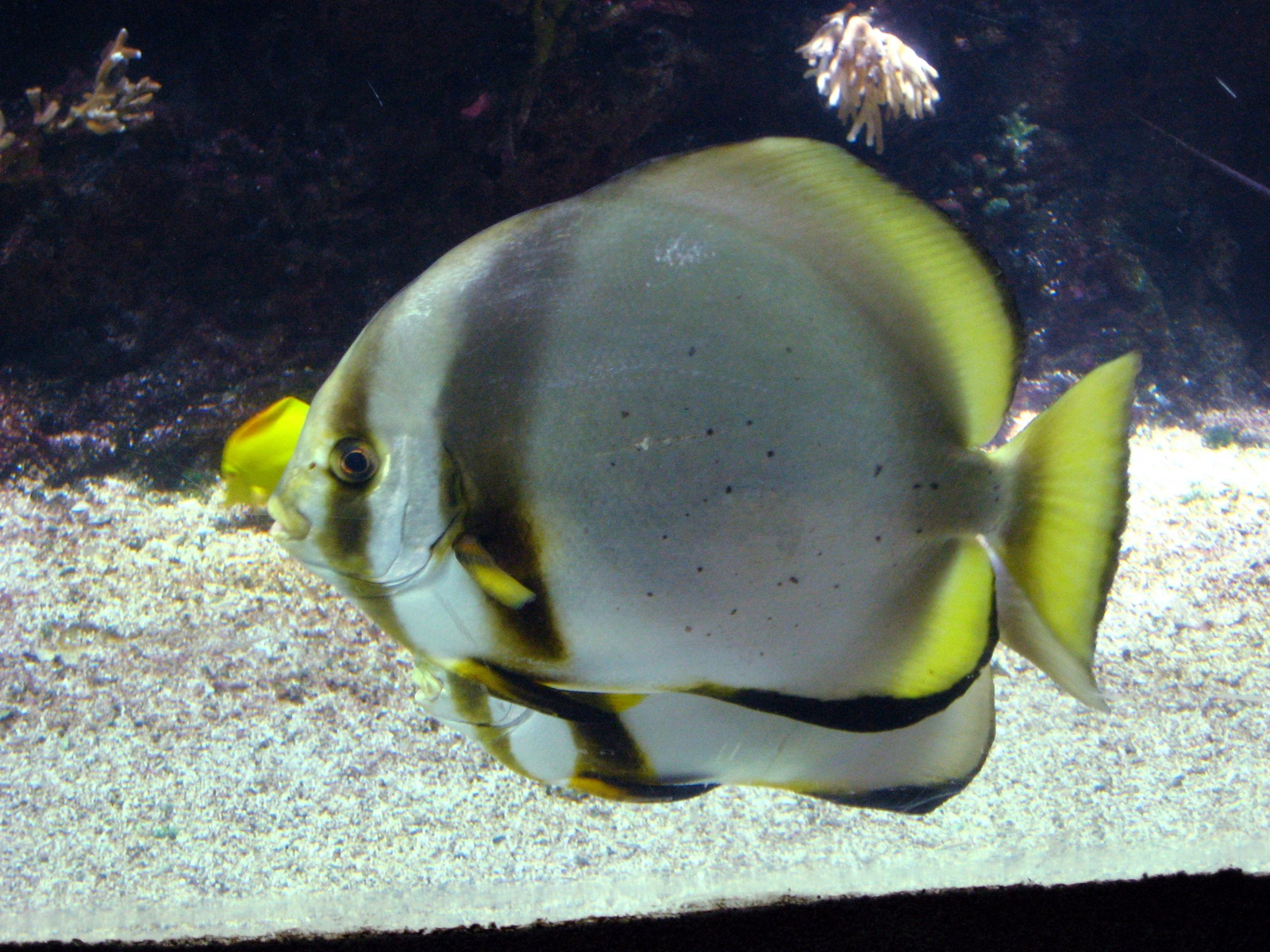
Pinnate Batfish
Également observé à proximité
Les espèces « cartographiées ici » ont été répertoriées par nos éditeurs à partir des sources indiquées sur cette page. Les comptages correspondent aux occurrences GBIF : observations enregistrées dans un rayon d'environ 5 km autour de la position cartographiée depuis 1990, comparées uniquement aux espèces de notre catalogue. Ils indiquent ce qui a été observé à cet endroit, sans garantir ce que vous y verrez.
Pour les photographes
Grand angle: ★★★★☆ · Macro: ★★★☆☆ (note 1–5 des éditeurs sur ce que ce site offre à chaque style de prise de vue)