
Kogyo Maru
A profundidade é o intervalo entre o topo do local e o seu máximo habitual; "certificação recomendada" é o nível das agências convencionais que os operadores normalmente exigem, não uma regra legal. As correntes e a visibilidade mudam diariamente, por isso trata tudo isto como intervalos de planeamento.
The Kogyo Maru, a freighter of roughly 130 m sunk in the September 1944 strikes, lies on her starboard side with her cargo still legible: holds full of construction materials for Japanese airfield works, including cement bags fused into stone, stacked framing, and tracked equipment that divers universally describe as the bulldozer. Swimming the tilted holds feels like touring a hardware depot mid-earthquake. Outside, soft corals and hydroids fuzz the port rail, sweetlips hold under the counter, and squid often hang off the masts. Penetration routes are roomy by Coron standards, though silt and angle still demand care.
O momento pelo qual você vem: Cargo holds with cement and machinery, readable wartime purpose, comfortable side-lying swim-throughs
Topografia: Hull on its starboard side on sand around 34-36 m
Sabe antes de entrar na água
Perigos: Depth on the sand, silt in the holds, and rotated orientation that confuses navigation.
Conservação: The cargo is the museum; prying anything loose is both illegal and vandalism.
Nitrox: Vale a pena aqui: os perfis situam-se na gama em que o nitrox prolonga significativamente o tempo sem paragem de descompressão (com a formação para o usar).
Quem vai encontrar
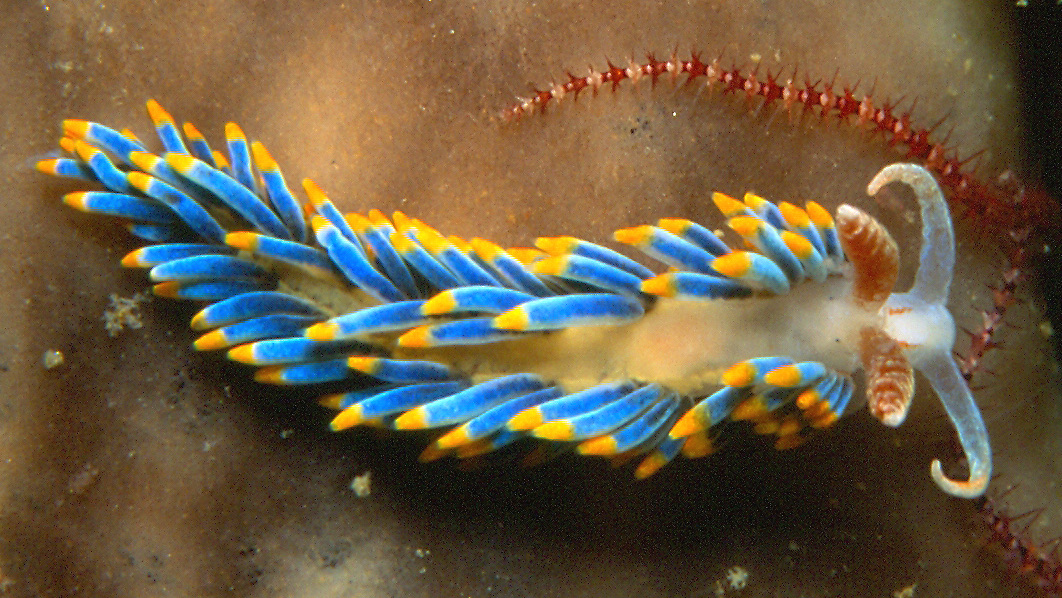
Nudibranchs
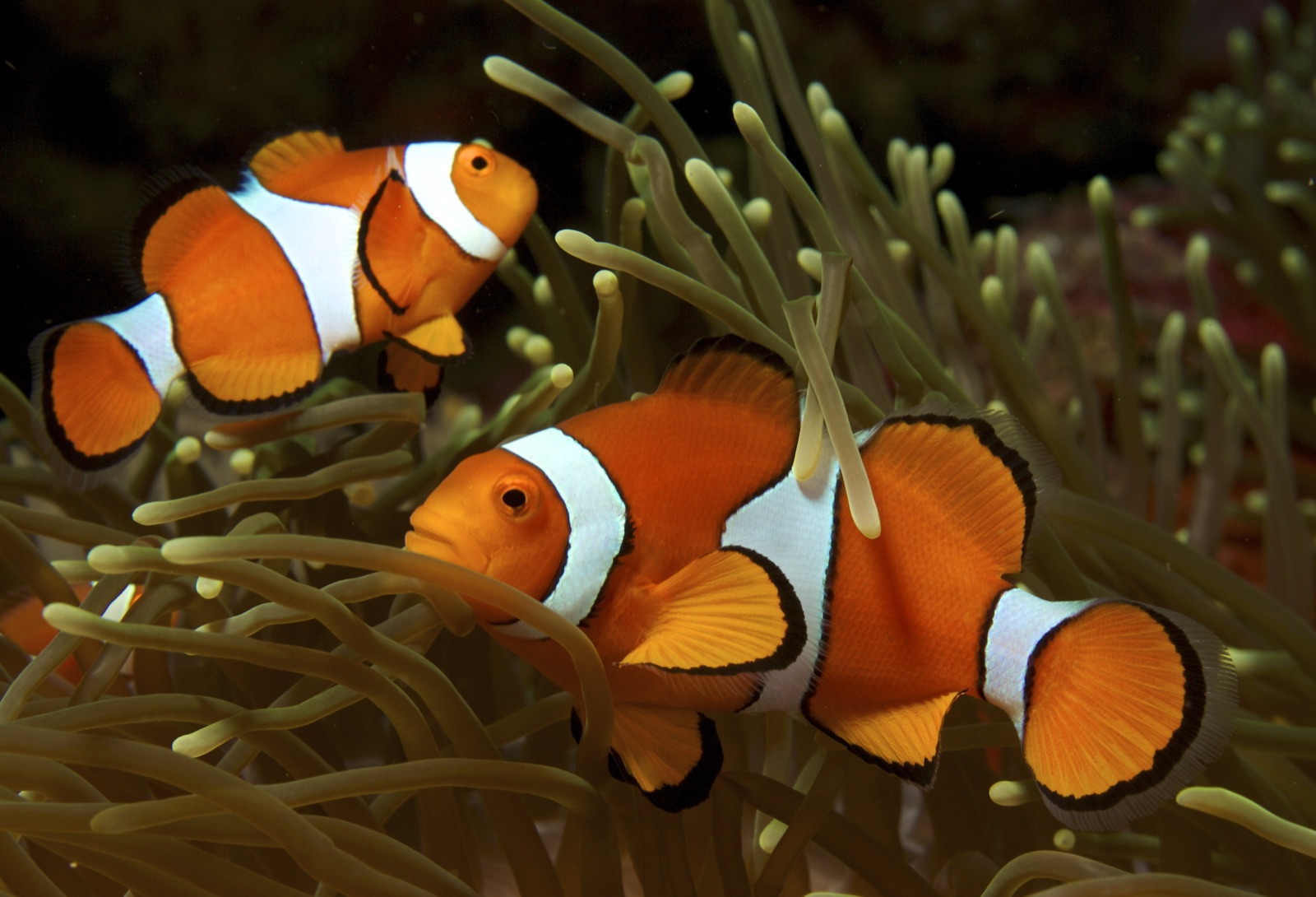
Clownfish & Anemonefish
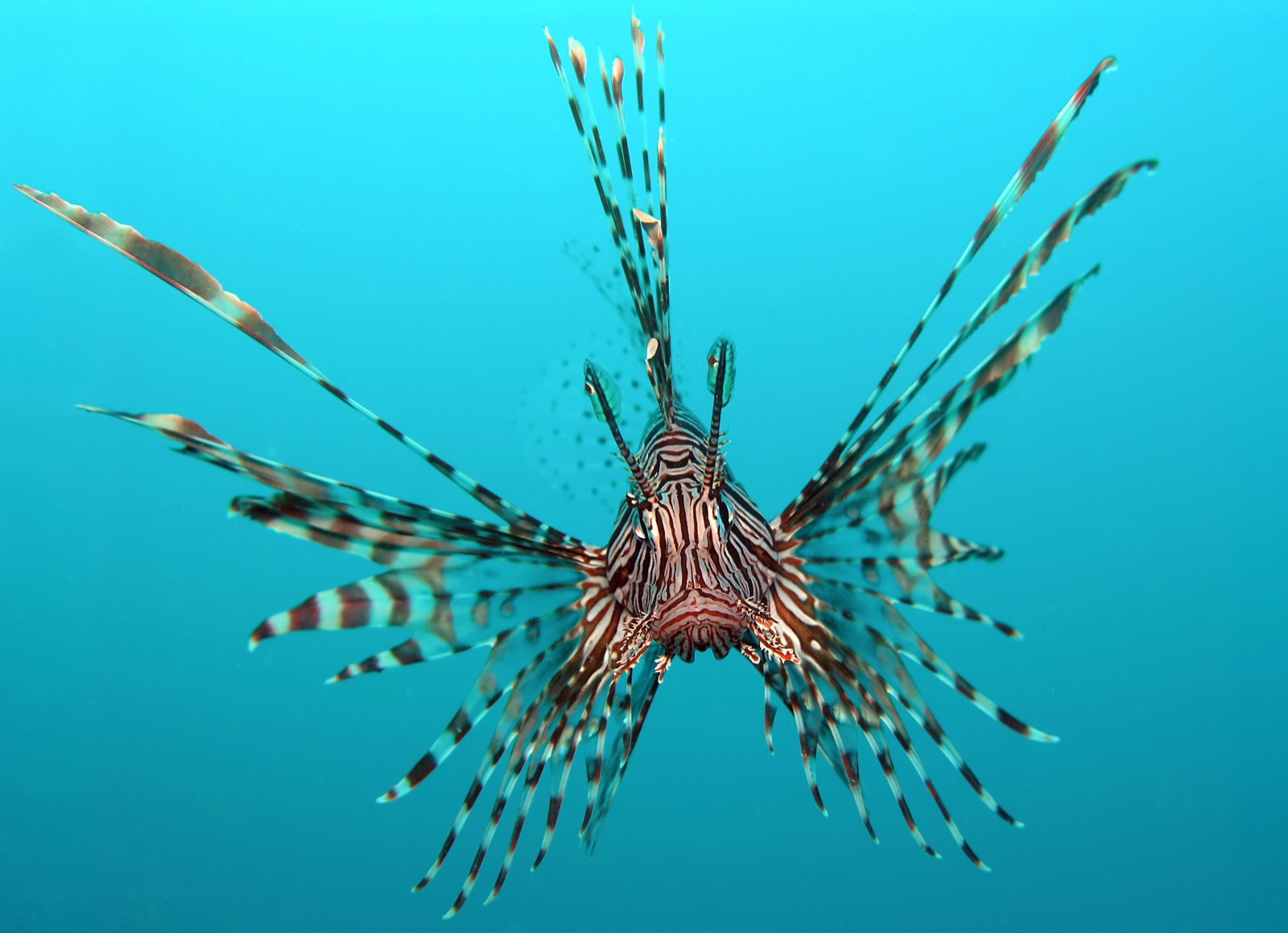
Lionfish
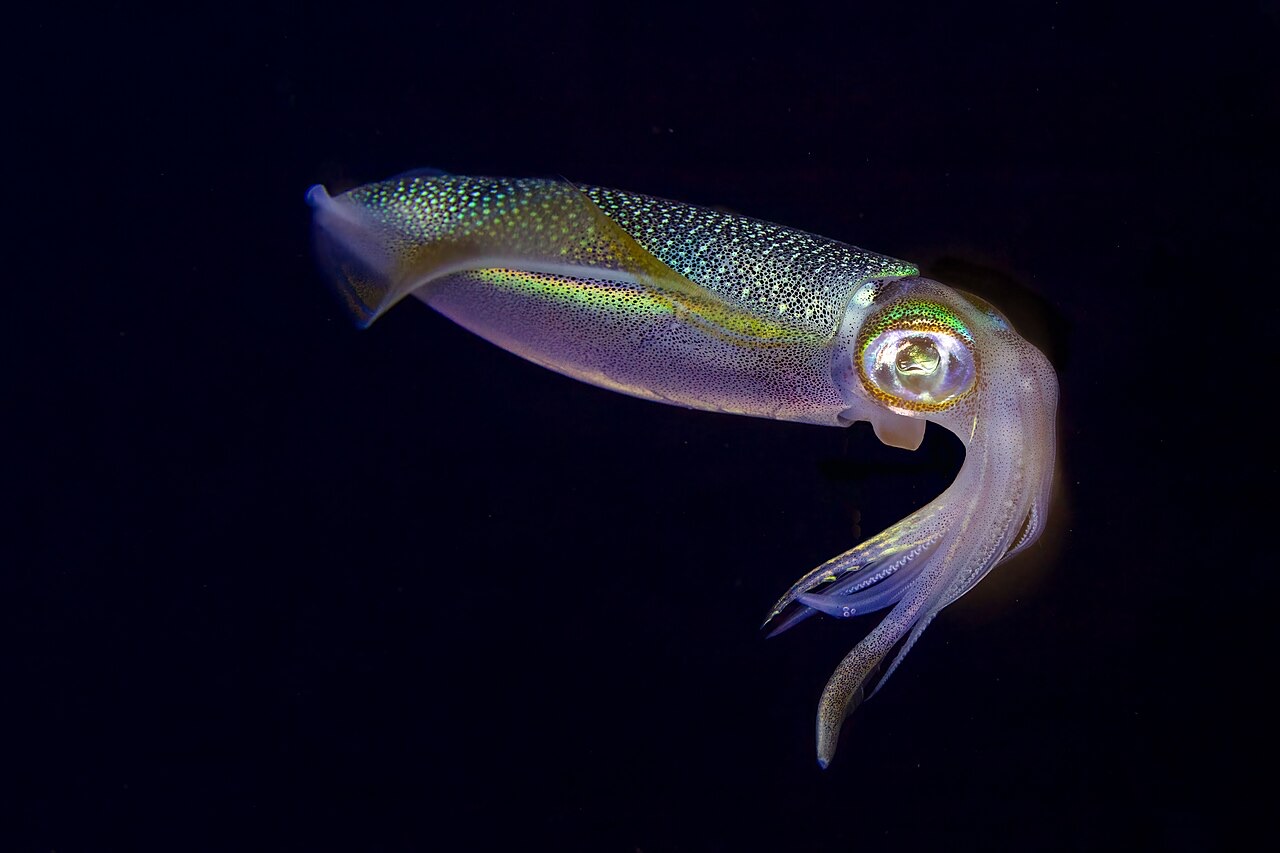
Bigfin Reef Squid
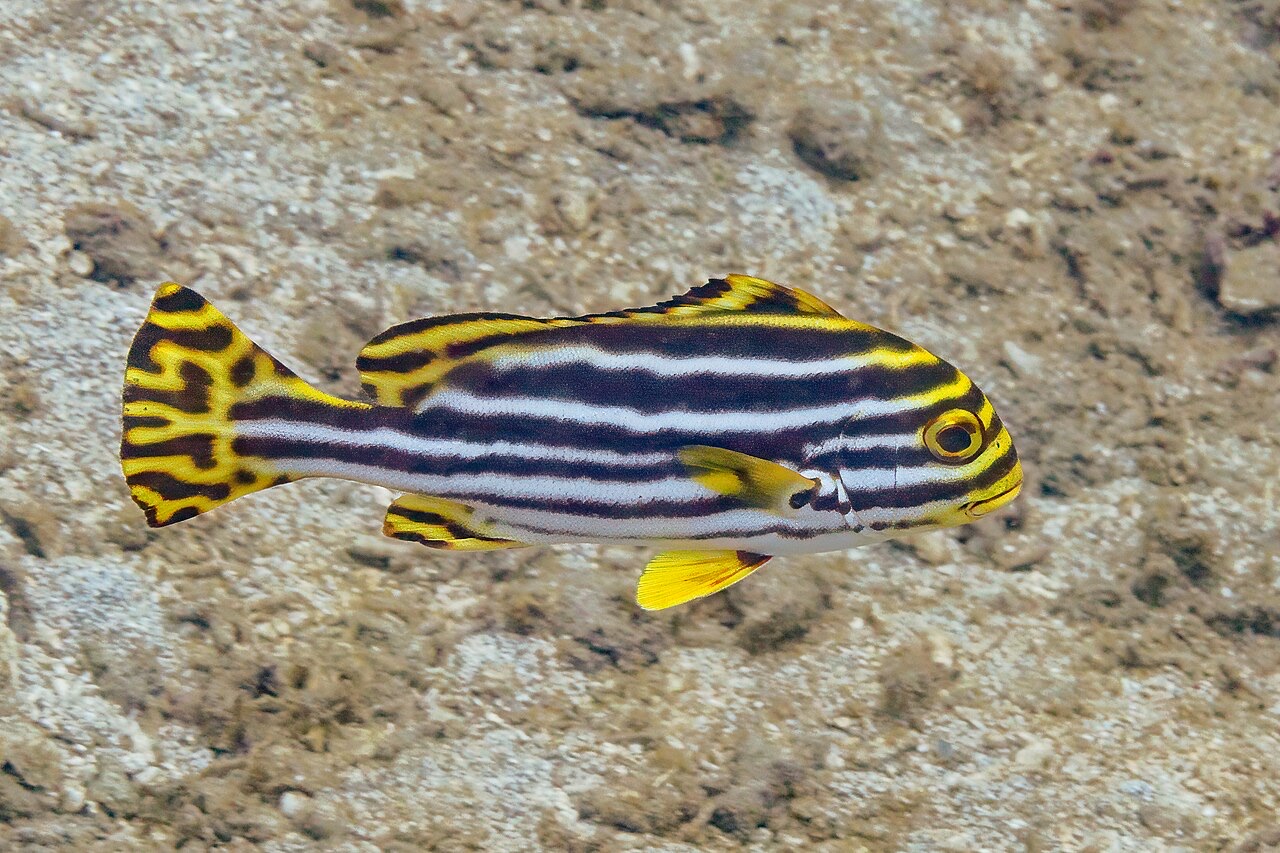
Oriental Sweetlips
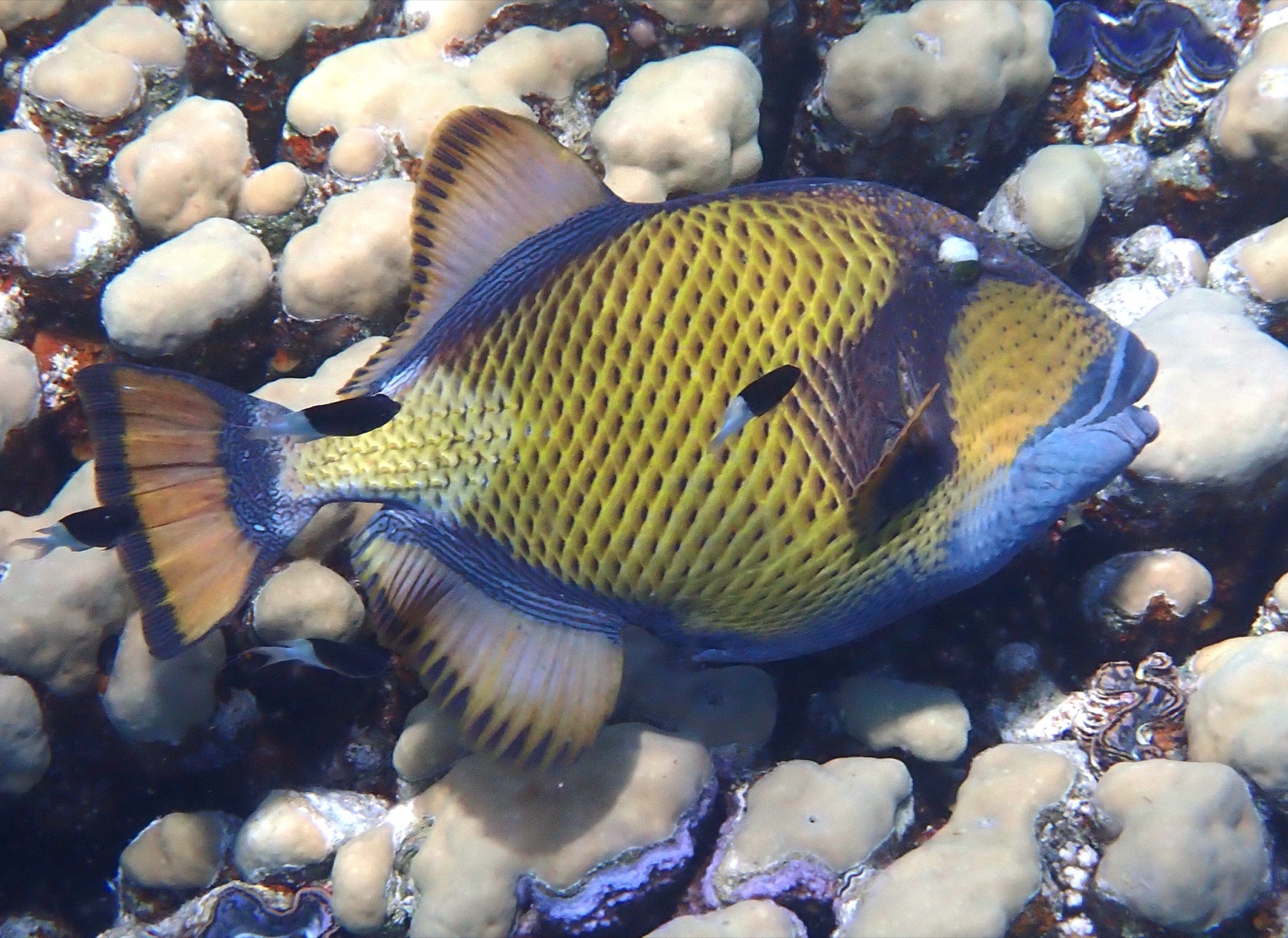
Titan Triggerfish
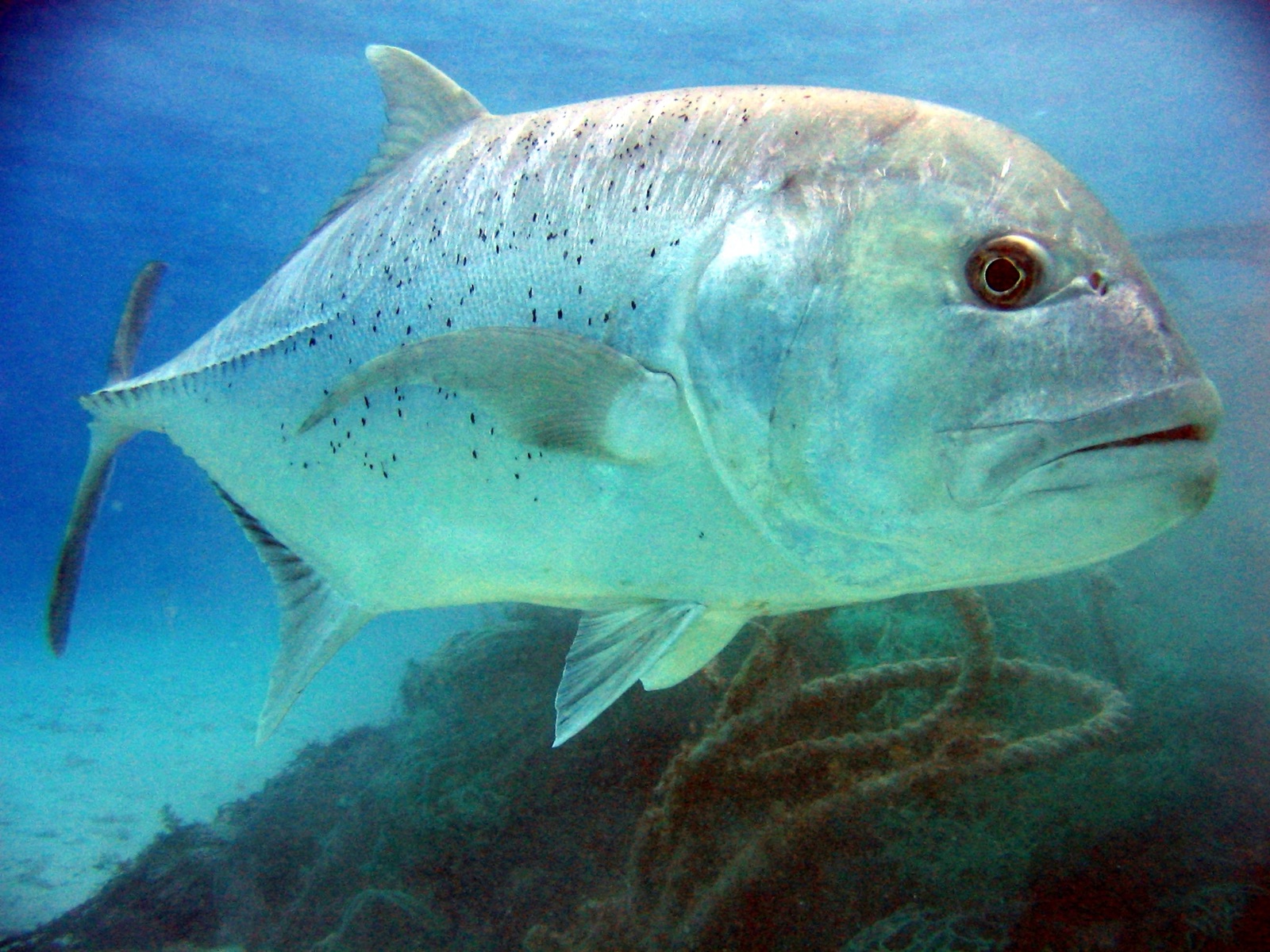
Giant Trevally
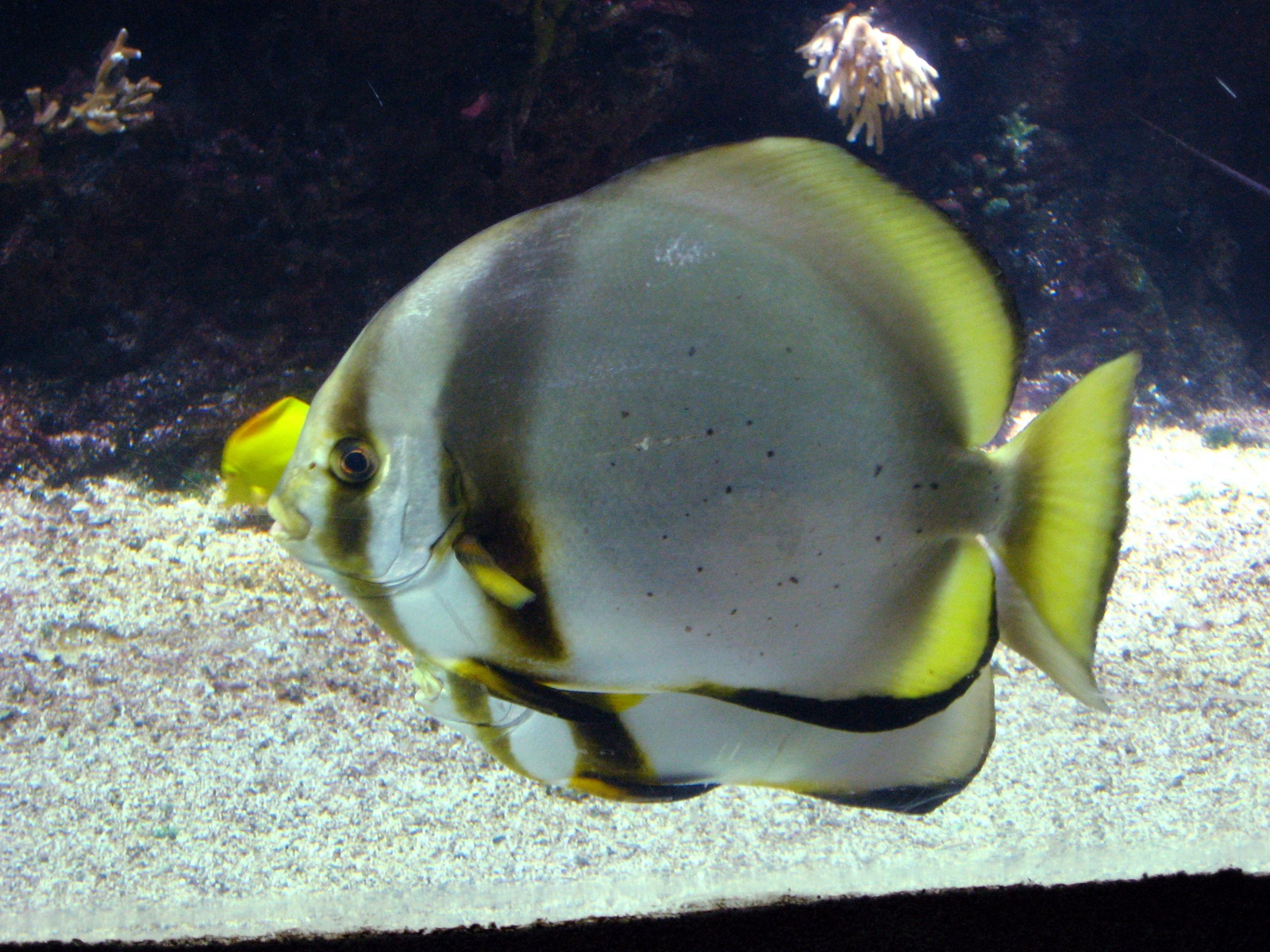
Pinnate Batfish
Também registado nas proximidades
As espécies "registadas aqui" foram listadas pelos nossos editores a partir das fontes desta página. As contagens são registos de ocorrência do GBIF: observações registadas num raio de cerca de 5 km da posição indicada desde 1990, cruzadas apenas com as espécies do nosso catálogo. Mostram o que foi avistado no local, não uma garantia do que irá encontrar.
Para fotógrafos
Grande angular: ★★★★☆ · Macro: ★★★☆☆ (classificação de 1–5 dos editores sobre o que este sítio oferece a cada estilo de fotografia)