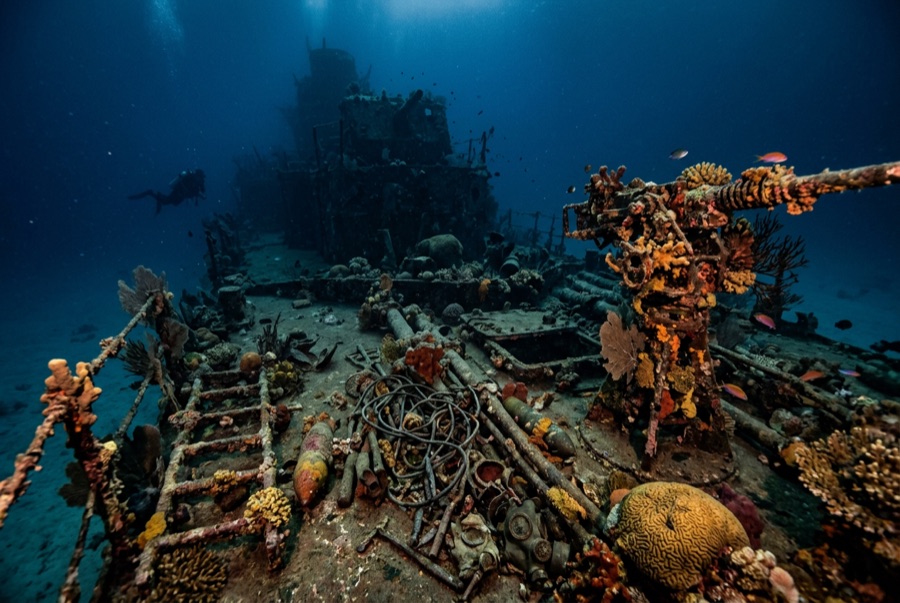
Kogyo Maru
Глубина указана в диапазоне от верхней точки объекта до обычного максимума; «рекомендуемый уровень сертификации» означает стандарт крупных агентств, который операторы обычно запрашивают, а не юридическое требование. Течения и видимость меняются ежедневно, поэтому воспринимайте все данные здесь как ориентировочные.
The Kogyo Maru, a freighter of roughly 130 m sunk in the September 1944 strikes, lies on her starboard side with her cargo still legible: holds full of construction materials for Japanese airfield works, including cement bags fused into stone, stacked framing, and tracked equipment that divers universally describe as the bulldozer. Swimming the tilted holds feels like touring a hardware depot mid-earthquake. Outside, soft corals and hydroids fuzz the port rail, sweetlips hold under the counter, and squid often hang off the masts. Penetration routes are roomy by Coron standards, though silt and angle still demand care.
Момент, ради которого вы приехали: Cargo holds with cement and machinery, readable wartime purpose, comfortable side-lying swim-throughs
Рельеф дна: Hull on its starboard side on sand around 34-36 m
Узнай до того, как войдёшь в воду
Опасности: Depth on the sand, silt in the holds, and rotated orientation that confuses navigation.
Охрана природы: The cargo is the museum; prying anything loose is both illegal and vandalism.
Найтрокс: Здесь это оправдано: профили находятся в диапазоне, где обогащённый воздух реально увеличивает время без декомпрессии (при наличии соответствующей подготовки).
Кого вы встретите
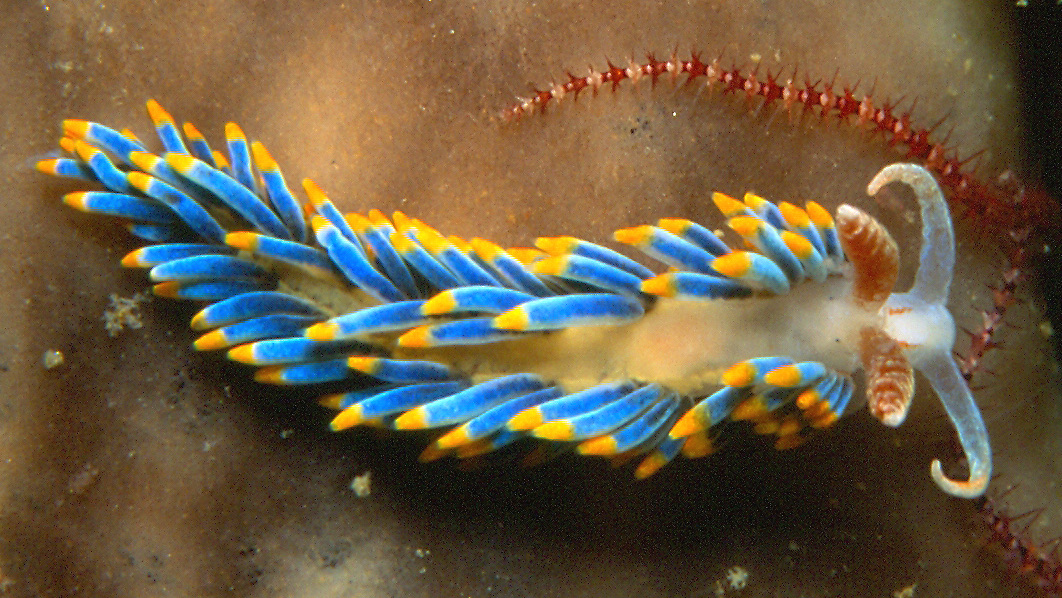
Nudibranchs

Clownfish & Anemonefish
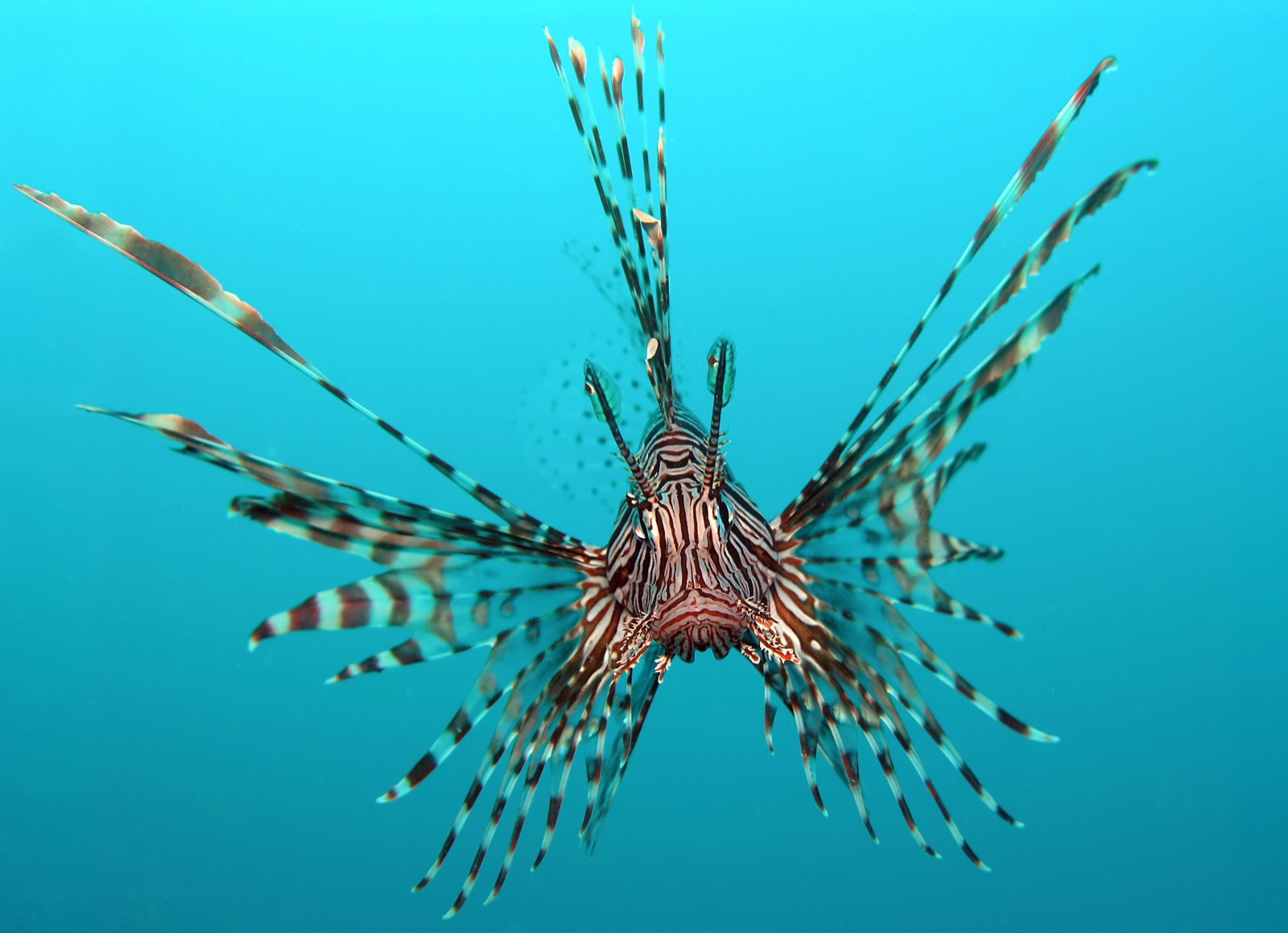
Lionfish
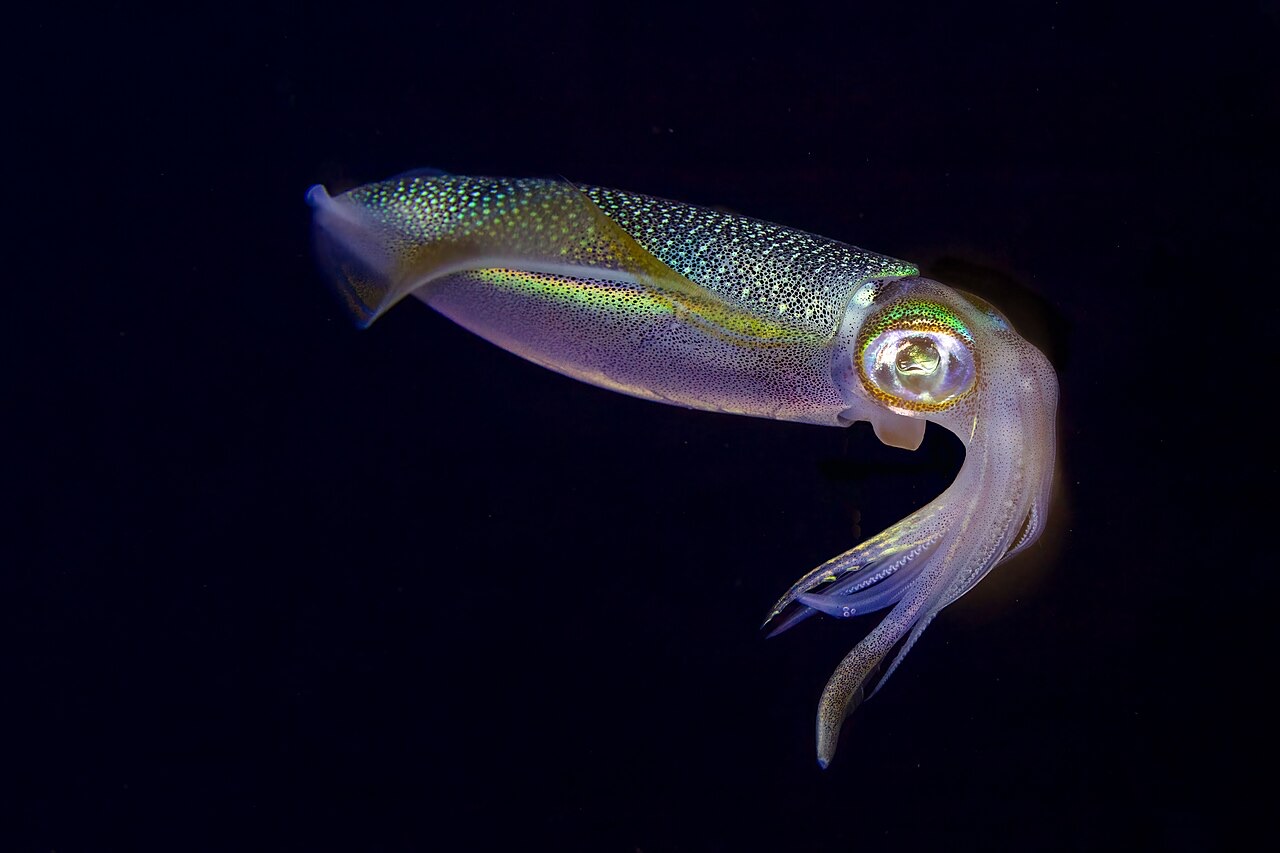
Bigfin Reef Squid
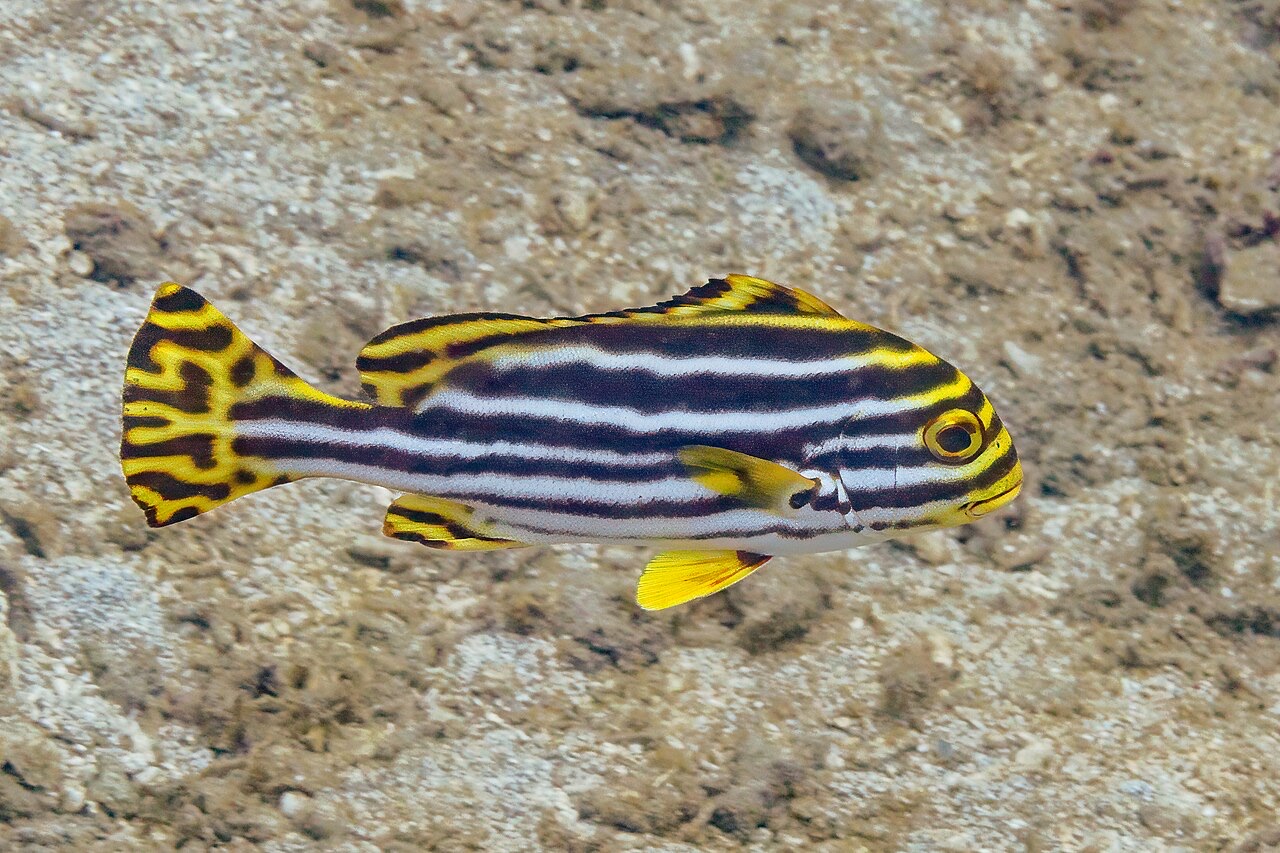
Oriental Sweetlips
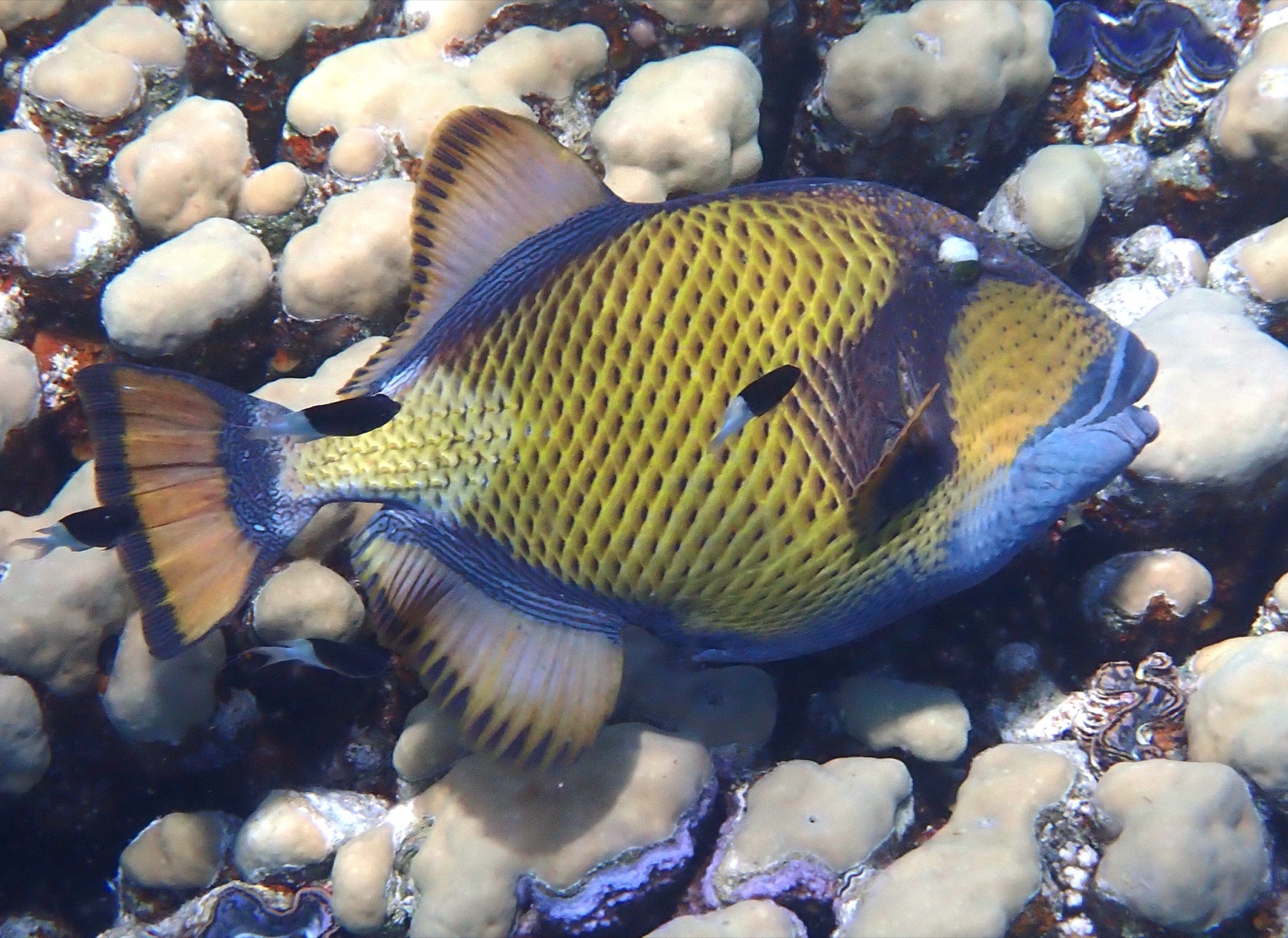
Titan Triggerfish
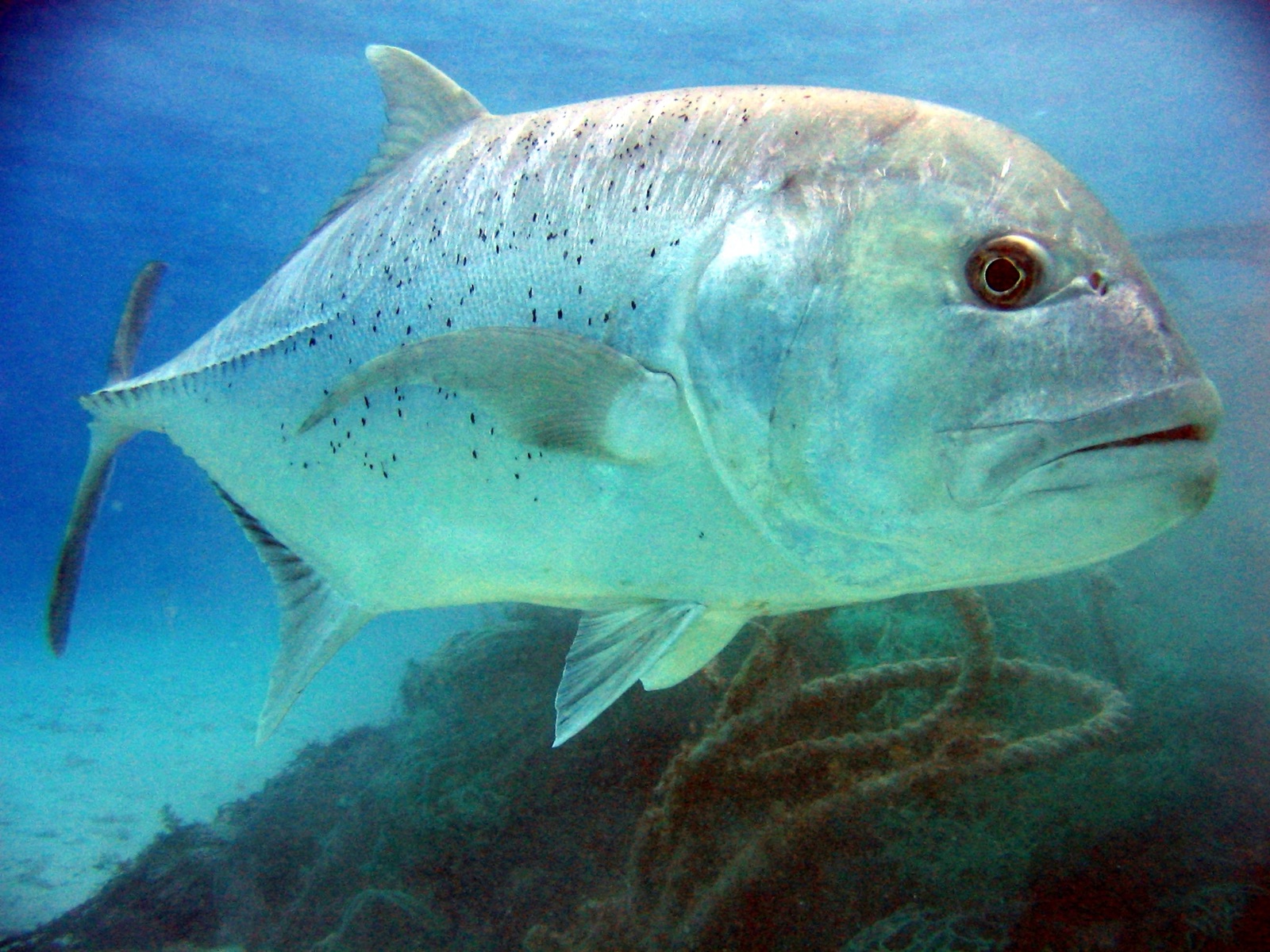
Giant Trevally
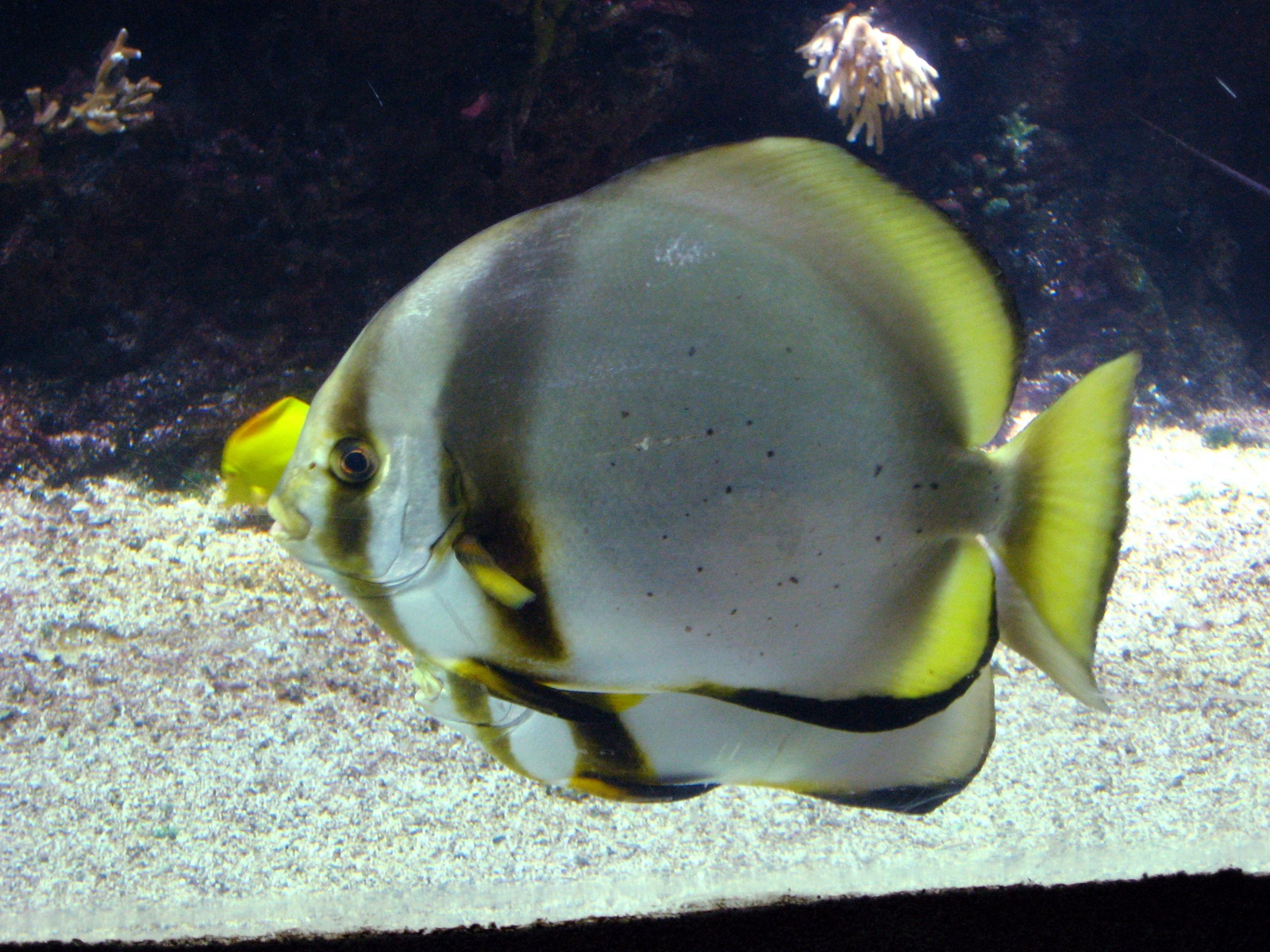
Pinnate Batfish
Также отмечено поблизости
Виды, отмеченные здесь как «занесённые в каталог», добавлены нашими редакторами на основе источников, указанных на этой странице. Счётчики отражают записи о наблюдениях в GBIF: наблюдения, зафиксированные в радиусе примерно 5 км от указанной позиции начиная с 1990 года, сопоставленные только с видами из нашего каталога. Они показывают, что там видели, а не гарантируют, что вы это увидите.
Для фотографов
Широкий угол: ★★★★☆ · Макро: ★★★☆☆ (редакционная оценка от 1 до 5 того, что этот сайт даёт каждому стилю съёмки)