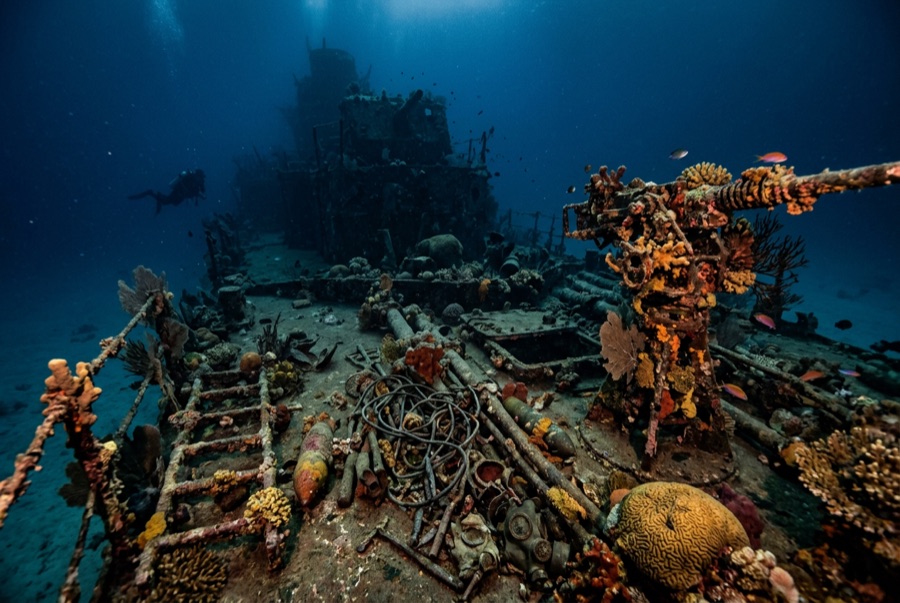
Kogyo Maru
Độ sâu là khoảng từ đỉnh của địa điểm đến mức tối đa thông thường; "chứng chỉ được khuyến nghị" là cấp độ mà các đơn vị điều hành thuộc tổ chức đào tạo chính thống thường yêu cầu, không phải quy định pháp lý. Dòng chảy và tầm nhìn thay đổi theo ngày, vì vậy hãy xem mọi thứ ở đây như các phạm vi tham khảo khi lập kế hoạch.
The Kogyo Maru, a freighter of roughly 130 m sunk in the September 1944 strikes, lies on her starboard side with her cargo still legible: holds full of construction materials for Japanese airfield works, including cement bags fused into stone, stacked framing, and tracked equipment that divers universally describe as the bulldozer. Swimming the tilted holds feels like touring a hardware depot mid-earthquake. Outside, soft corals and hydroids fuzz the port rail, sweetlips hold under the counter, and squid often hang off the masts. Penetration routes are roomy by Coron standards, though silt and angle still demand care.
Khoảnh khắc bạn đến vì nó: Cargo holds with cement and machinery, readable wartime purpose, comfortable side-lying swim-throughs
Địa hình: Hull on its starboard side on sand around 34-36 m
Biết trước khi xuống nước
Nguy hiểm cần lưu ý: Depth on the sand, silt in the holds, and rotated orientation that confuses navigation.
Bảo tồn: The cargo is the museum; prying anything loose is both illegal and vandalism.
Nitrox: Đáng dùng ở đây: các hồ sơ nằm trong khoảng mà nitrox thực sự kéo dài thời gian không giảm áp đáng kể (với điều kiện đã được đào tạo sử dụng).
Bạn sẽ gặp ai
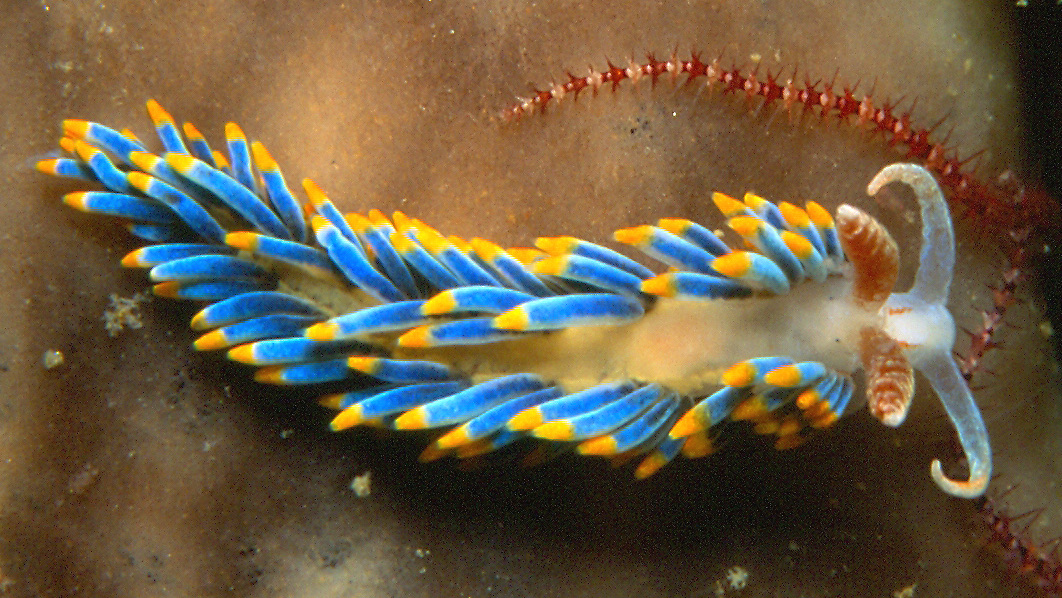
Nudibranchs
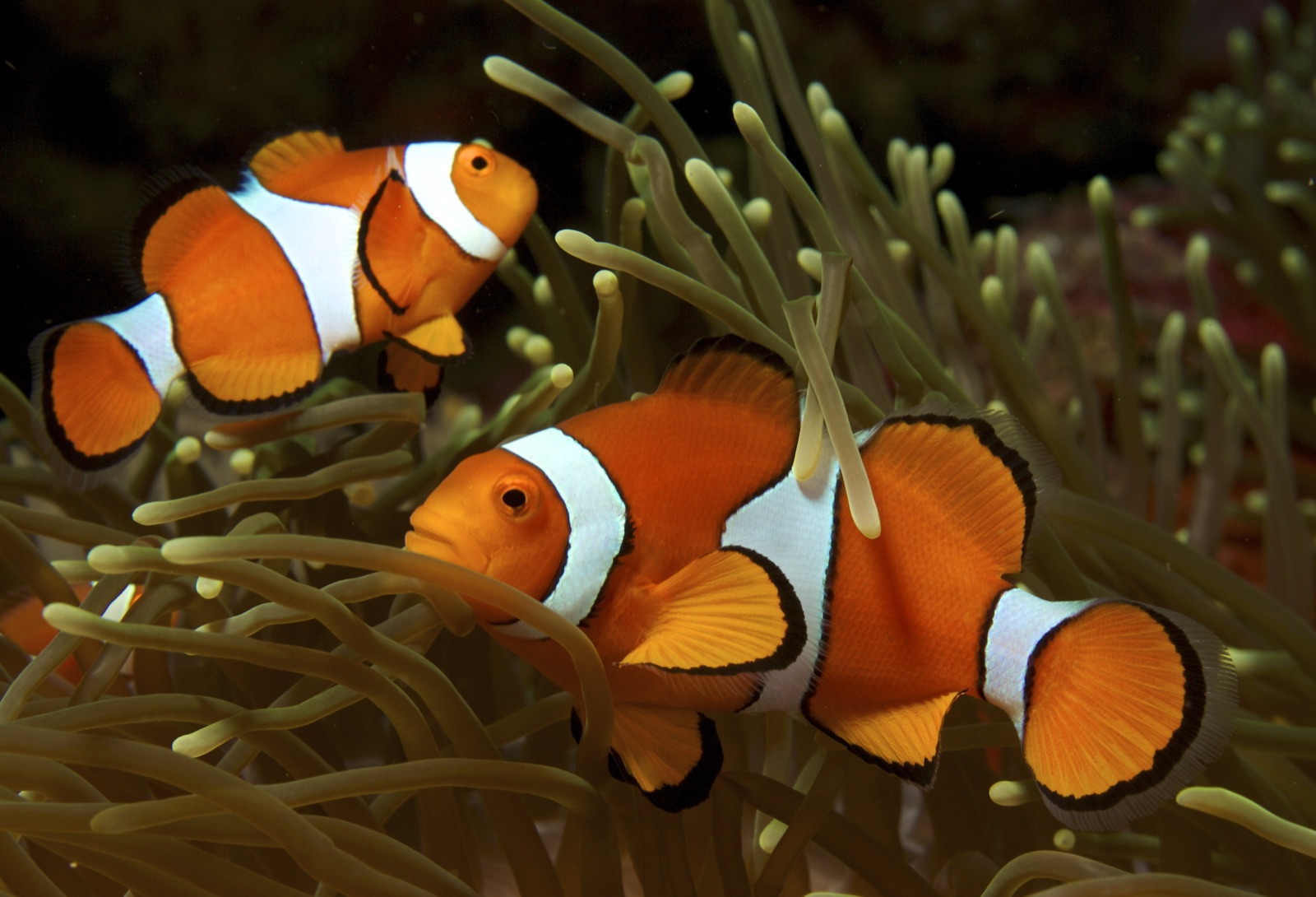
Clownfish & Anemonefish
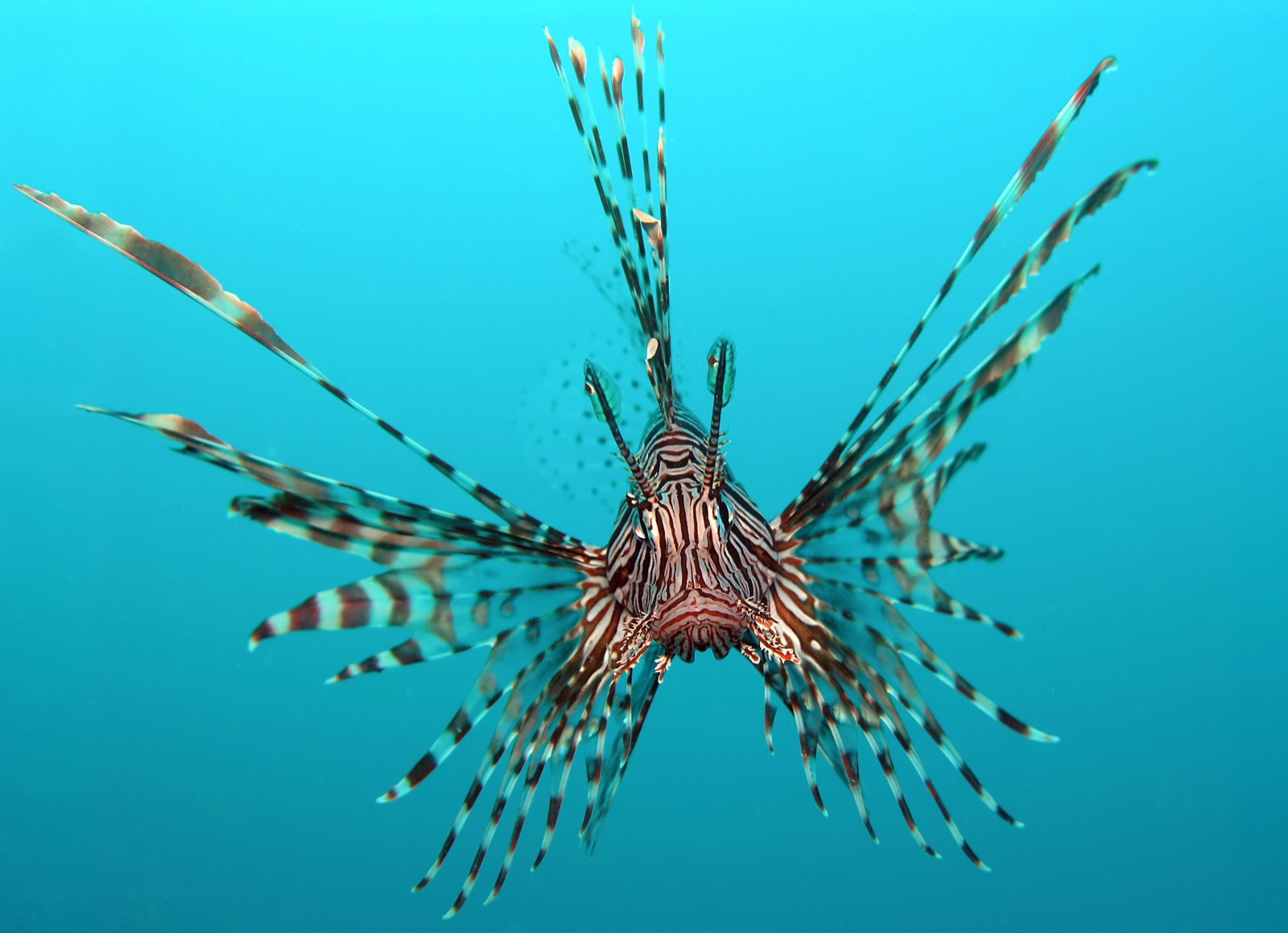
Lionfish
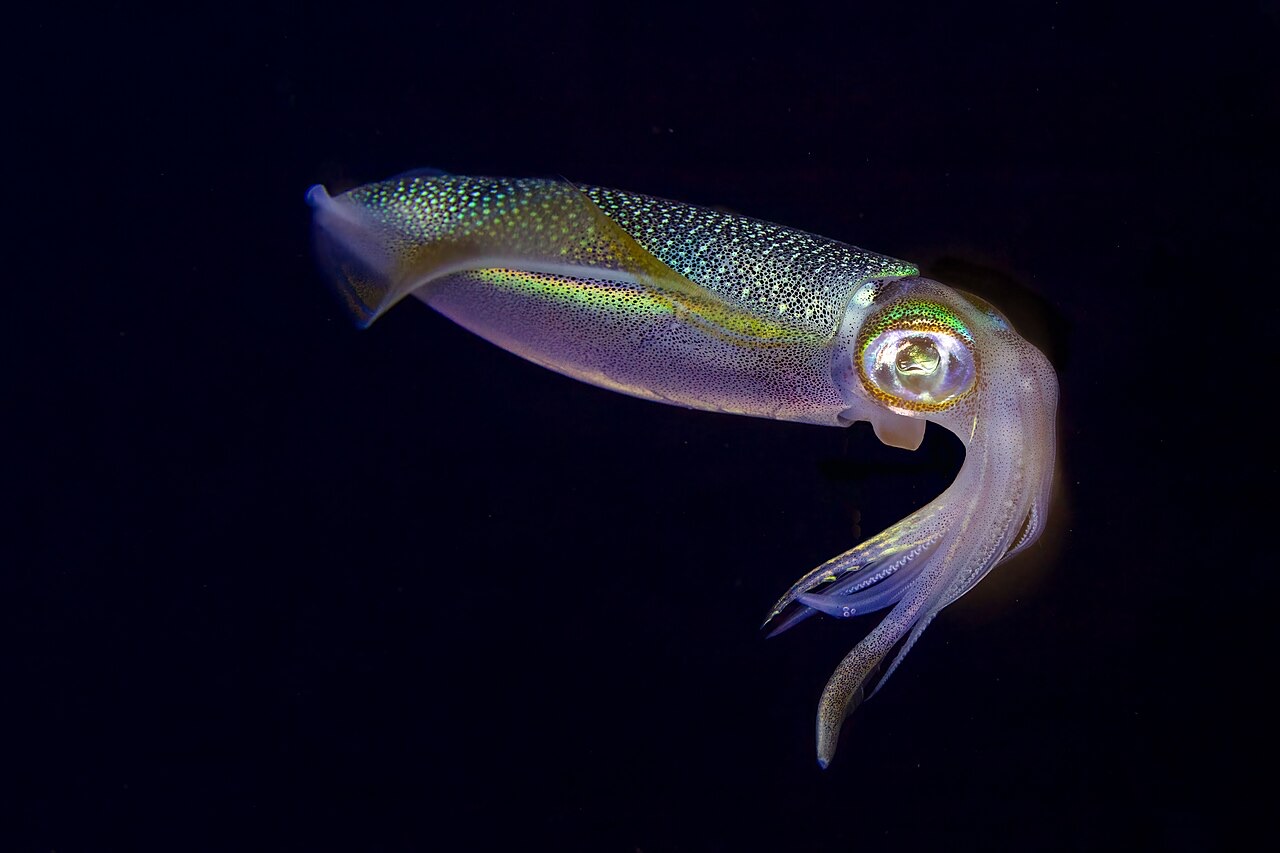
Bigfin Reef Squid
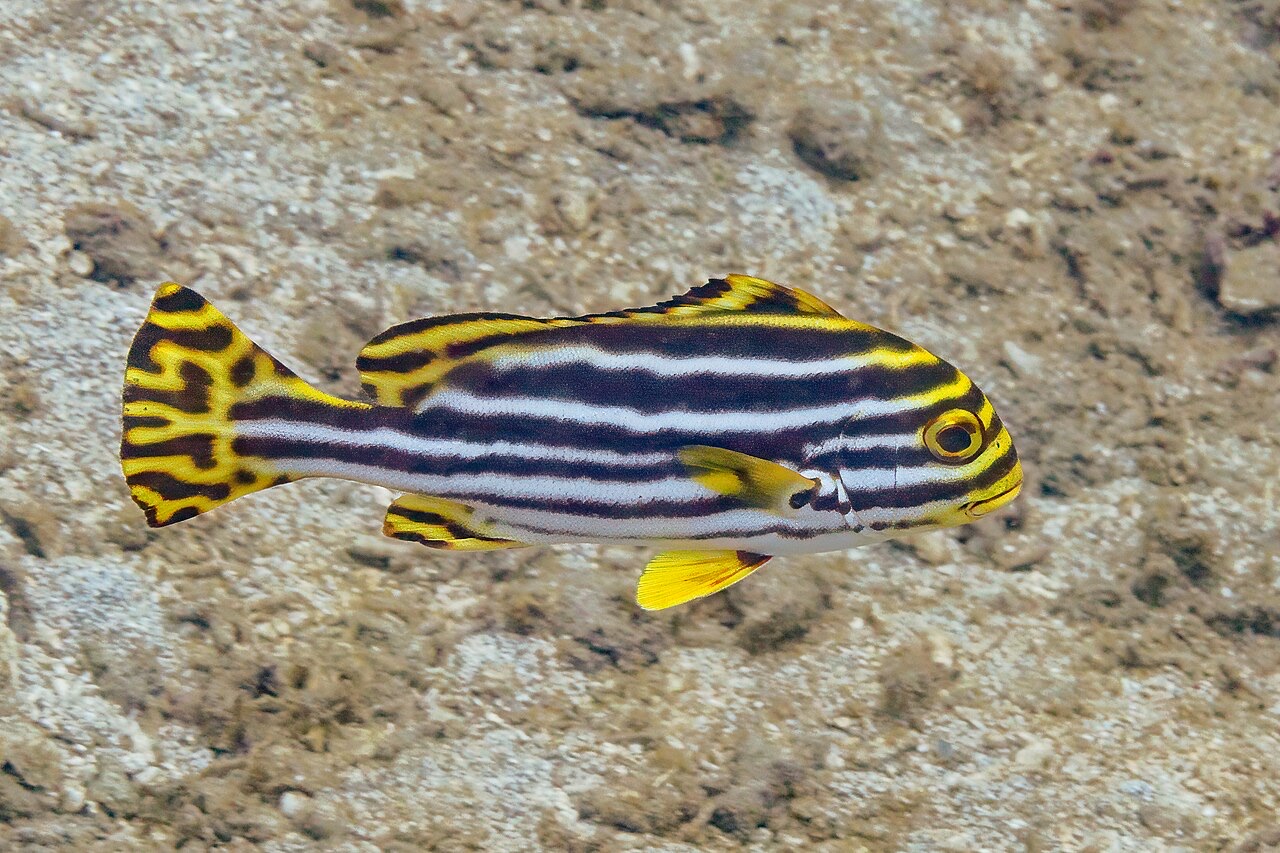
Oriental Sweetlips
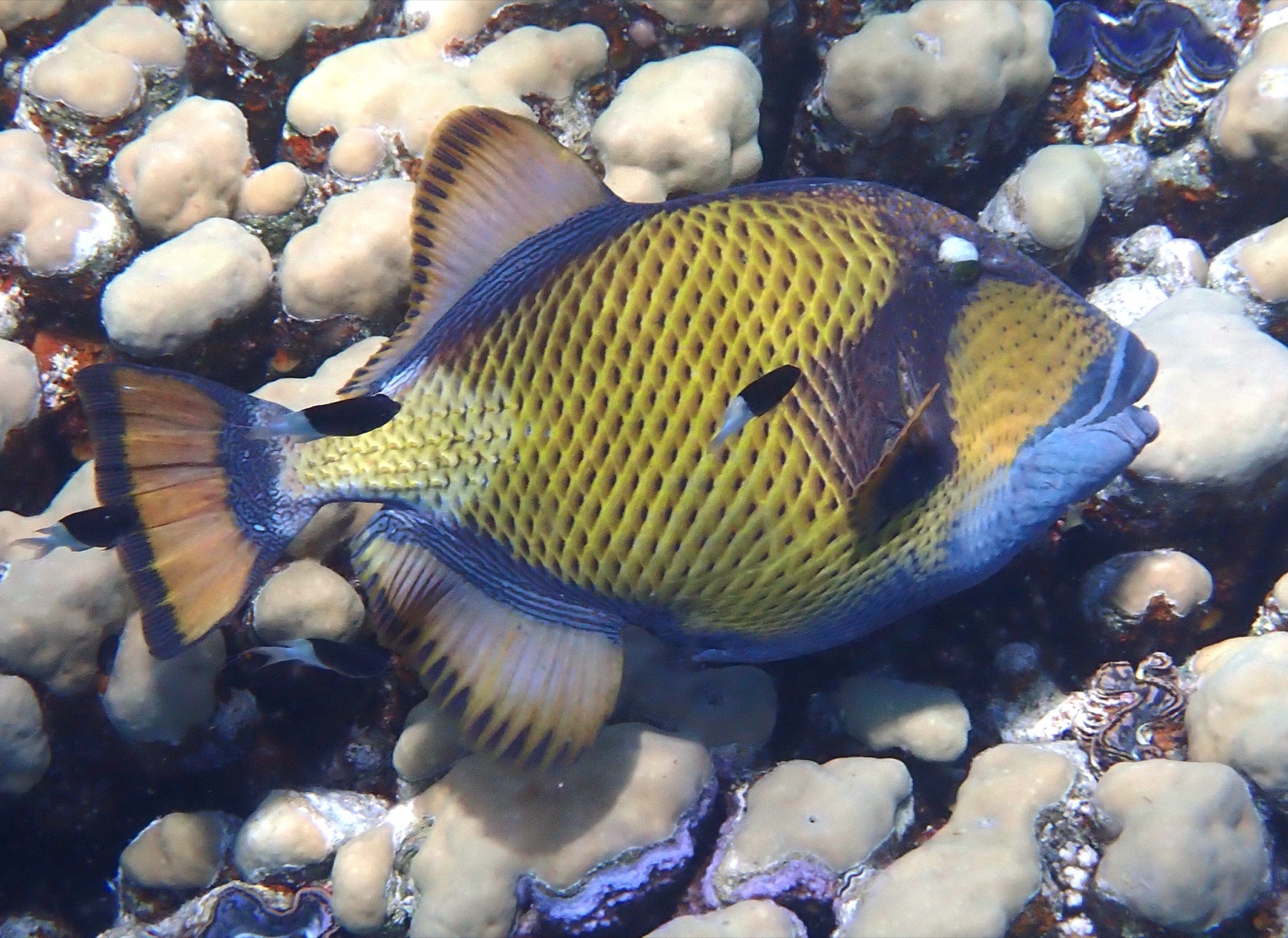
Titan Triggerfish
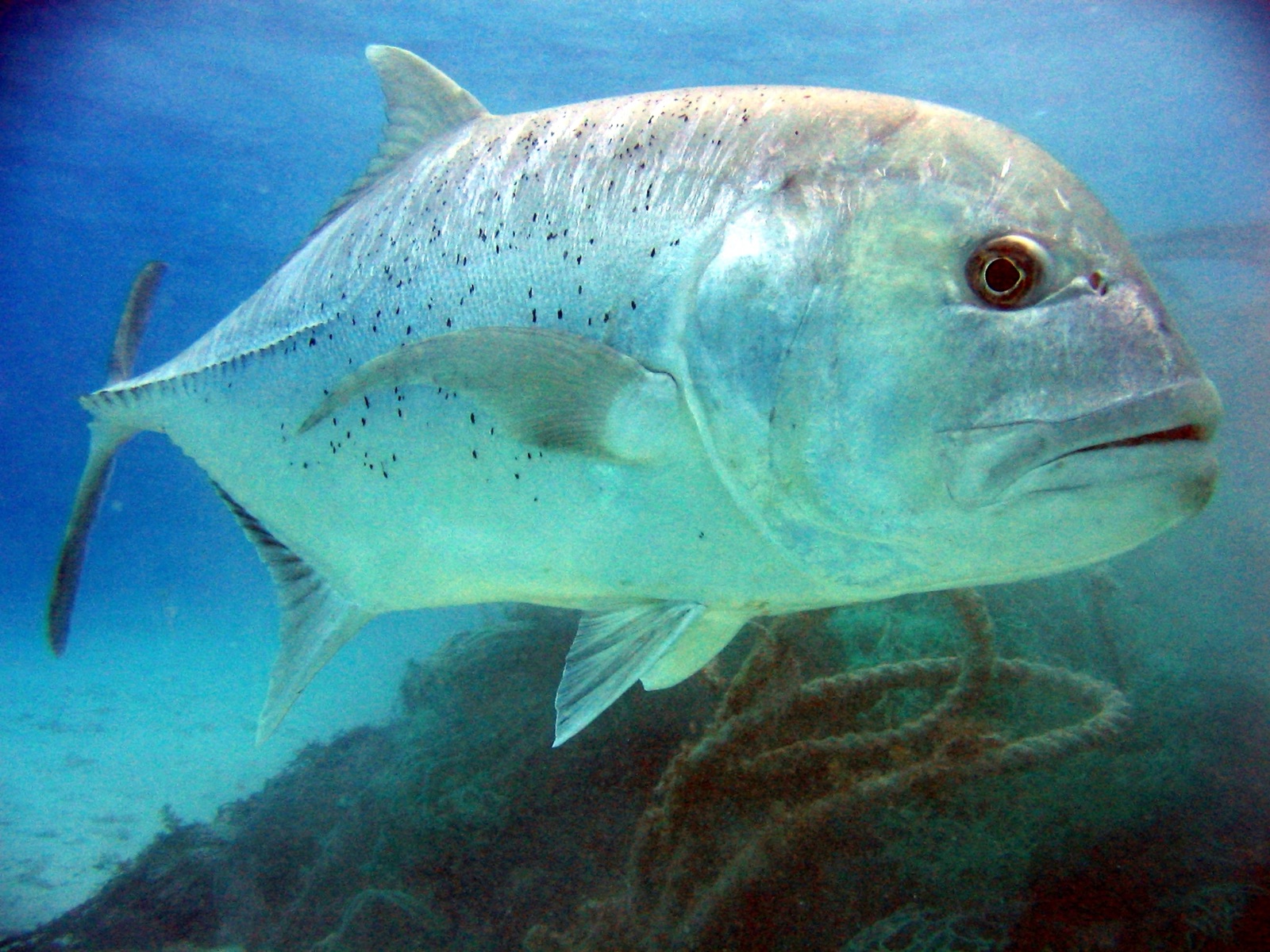
Giant Trevally
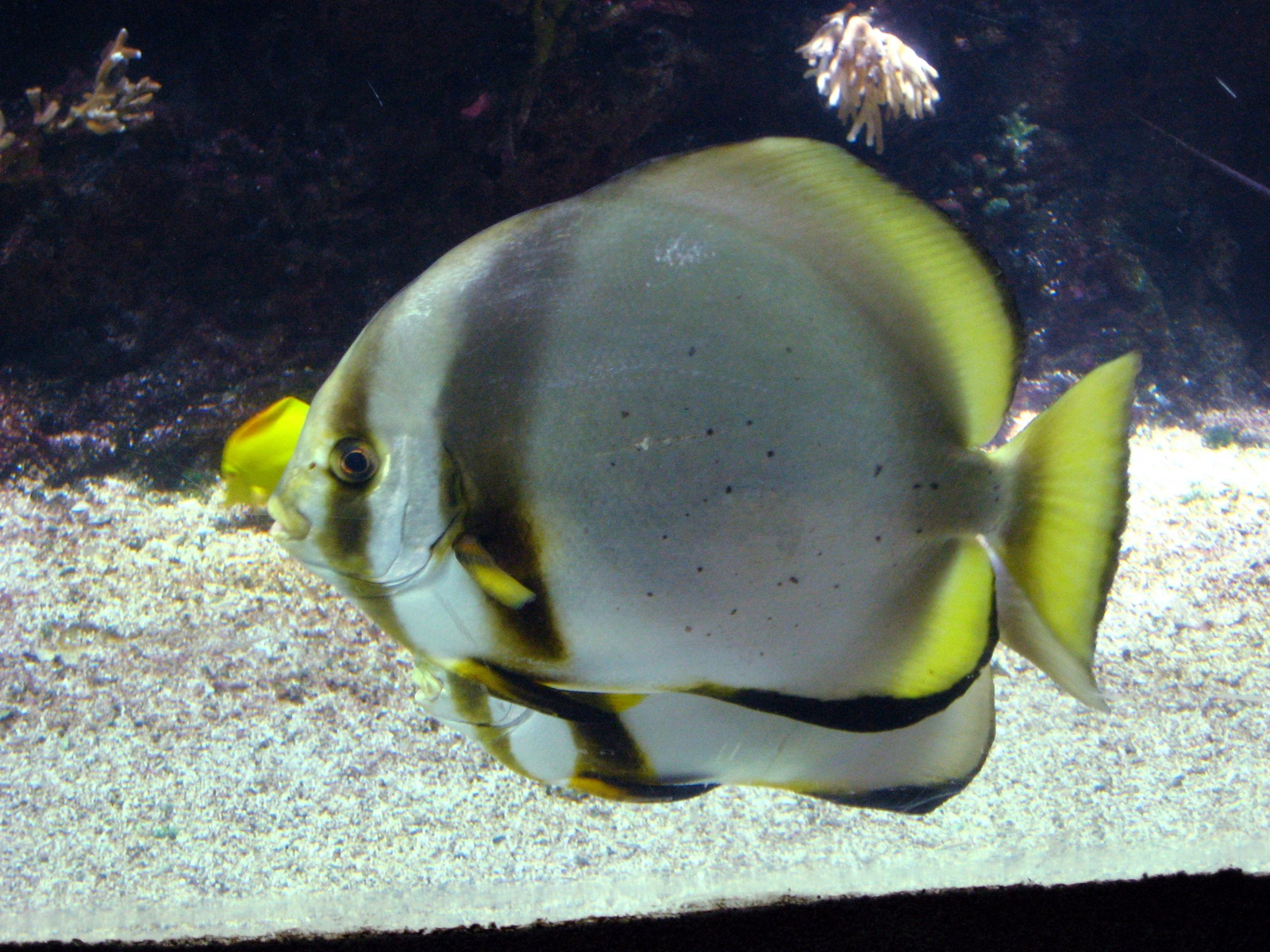
Pinnate Batfish
Cũng được ghi nhận ở vùng lân cận
Các loài "được ghi chép tại đây" do ban biên tập của chúng tôi tổng hợp từ các nguồn trên trang này. Số lượng là bản ghi xuất hiện từ GBIF: các quan sát được ghi nhận trong phạm vi khoảng 5 km tính từ vị trí đã ghi chép kể từ năm 1990, chỉ đối chiếu với các loài trong danh mục của chúng tôi. Chúng cho thấy những gì đã được nhìn thấy tại đó, không phải cam kết về những gì bạn sẽ thấy.
Dành cho thợ lặn chụp ảnh
Góc rộng: ★★★★☆ · Macro: ★★★☆☆ (đánh giá 1–5 của biên tập viên về những gì địa điểm này mang lại cho từng phong cách chụp ảnh)