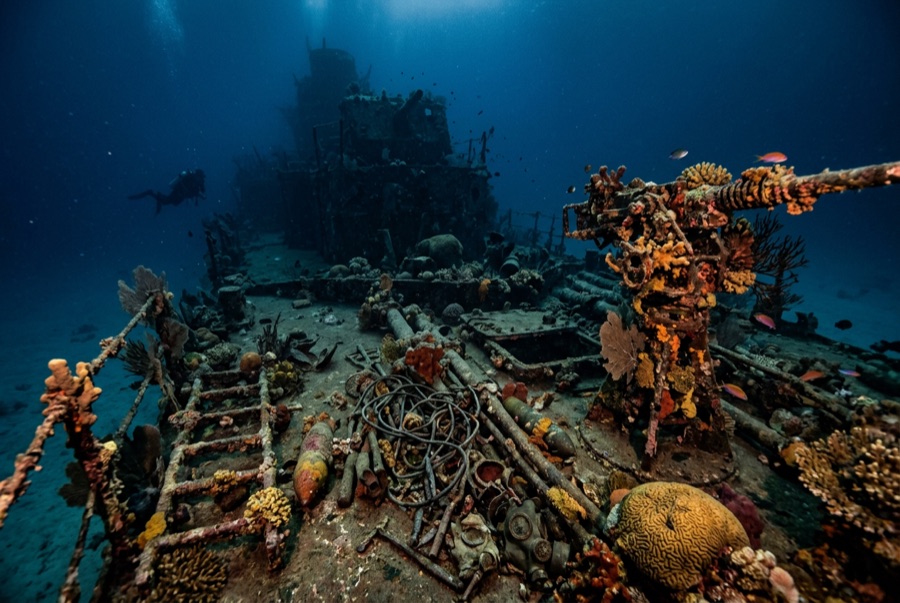
Okikawa Maru
Die Tiefe gibt den Bereich von der Oberkante des Tauchplatzes bis zur üblichen Maximaltiefe an; „empfohlene Zertifizierung" ist das von Anbietern üblicherweise geforderte Mainstream-Agenturniveau – keine gesetzliche Vorschrift. Strömungen und Sichtweite ändern sich täglich – behandle alle Angaben hier als Planungsbereiche.
The Okikawa Maru, an oil tanker on the order of 160 m, is the friendliest big ship in Coron: her main deck lies at just 10-16 m, shallow enough for long, unhurried laps of a hull that seems to go on forever. Corals and anemones have colonized the deck fittings so thoroughly that parts read as reef, patrolled by batfish, sweetlips, and turtles. The bow section, mangled by the 1944 attacks and later salvage, makes dramatic wide-angle scenery, and trained divers can thread the propeller-shaft tunnel and pump spaces. Generous light, generous time; many divers log their first-ever wreck penetration here.
Der Moment, für den du kommst: Shallow sprawling tanker deck, coral-and-anemone overgrowth, approachable first penetrations
Topografie: Nearly upright hull on sand around 26 m
Strömung: More exposed than the inner bay wrecks; current over the deck is common and occasionally calls the dive.
Einstieg: Moored off Concepcion on Busuanga's west side; the longest boat ride of the main fleet from Coron town.
Was du wissen solltest, bevor du ins Wasser gehst
Gefahren: Current over the deck, entangling lines near the bow wreckage, and silt in the shaft tunnel.
Naturschutz: Part of the protected 1944 fleet; no artifact recovery, no souvenir chipping.
Nitrox: Hier lohnt es sich – die Profile liegen in einem Bereich, in dem Nitrox die Nullzeiten spürbar verlängert (mit der entsprechenden Ausbildung).
Wen du triffst
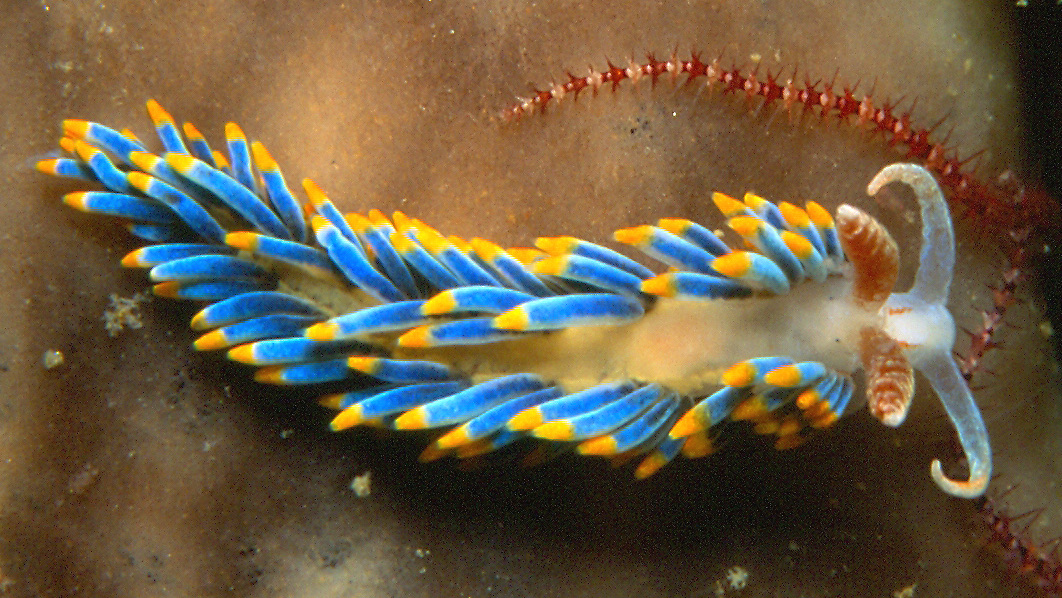
Nudibranchs
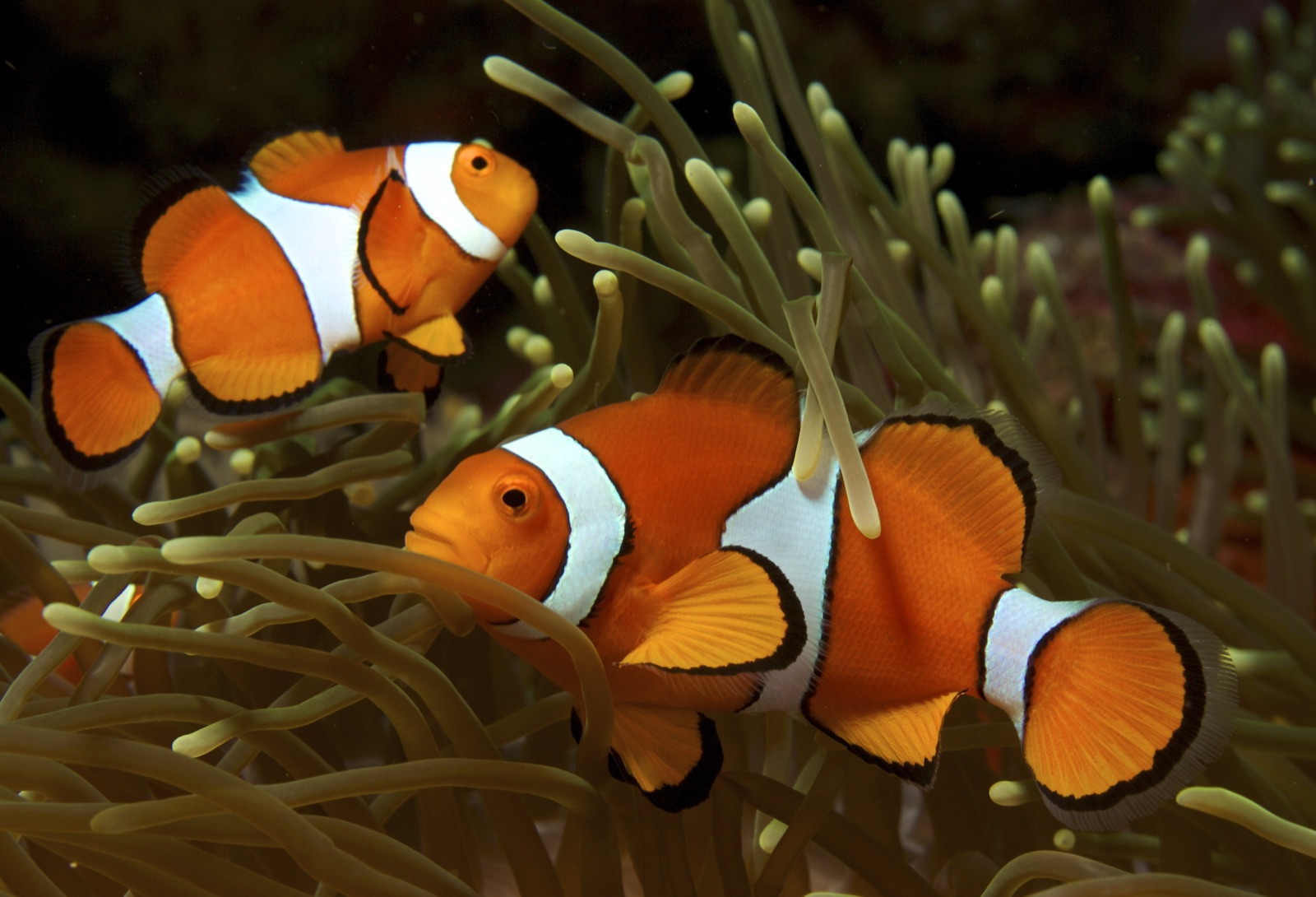
Clownfish & Anemonefish
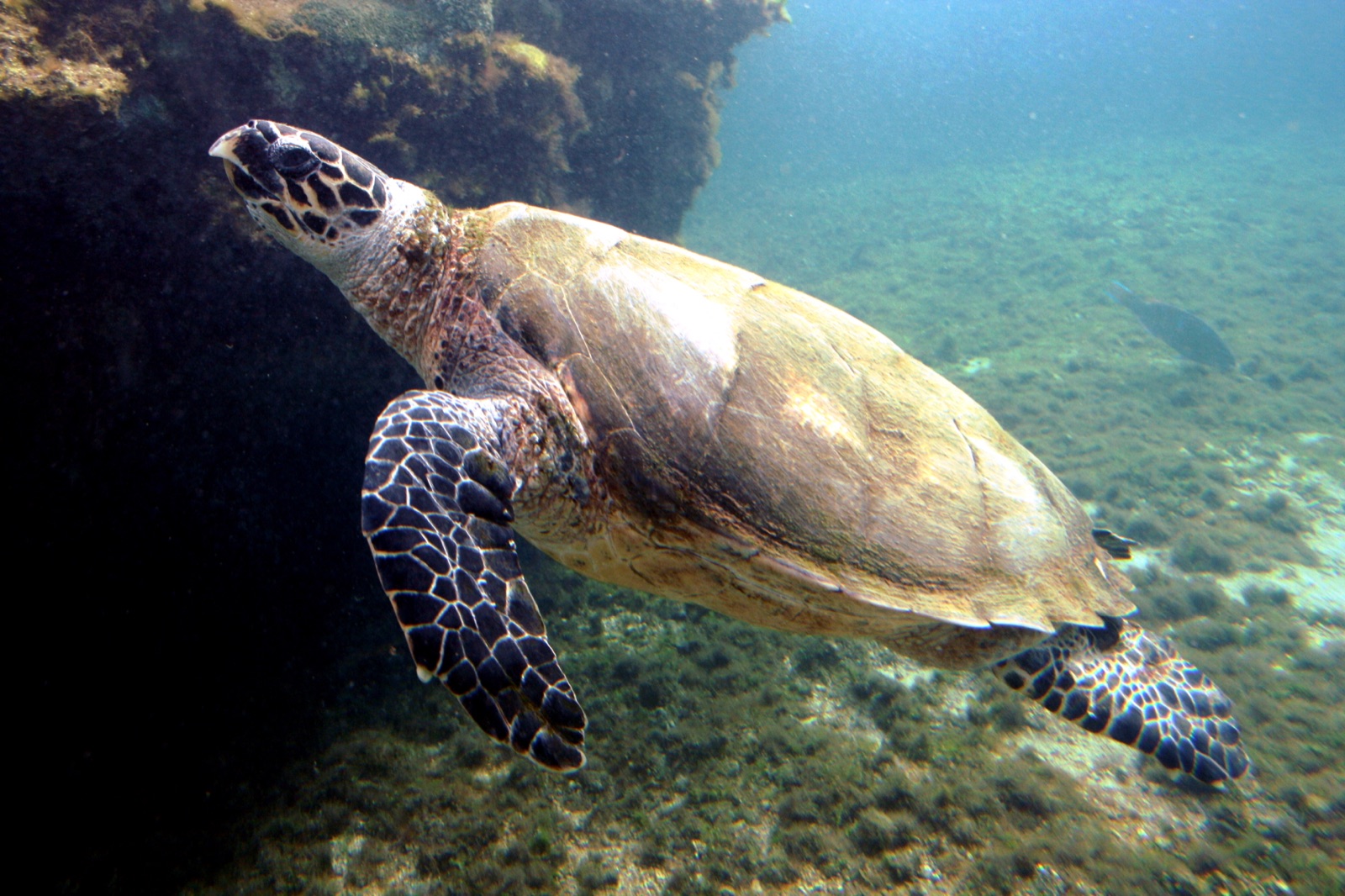
Hawksbill Turtle
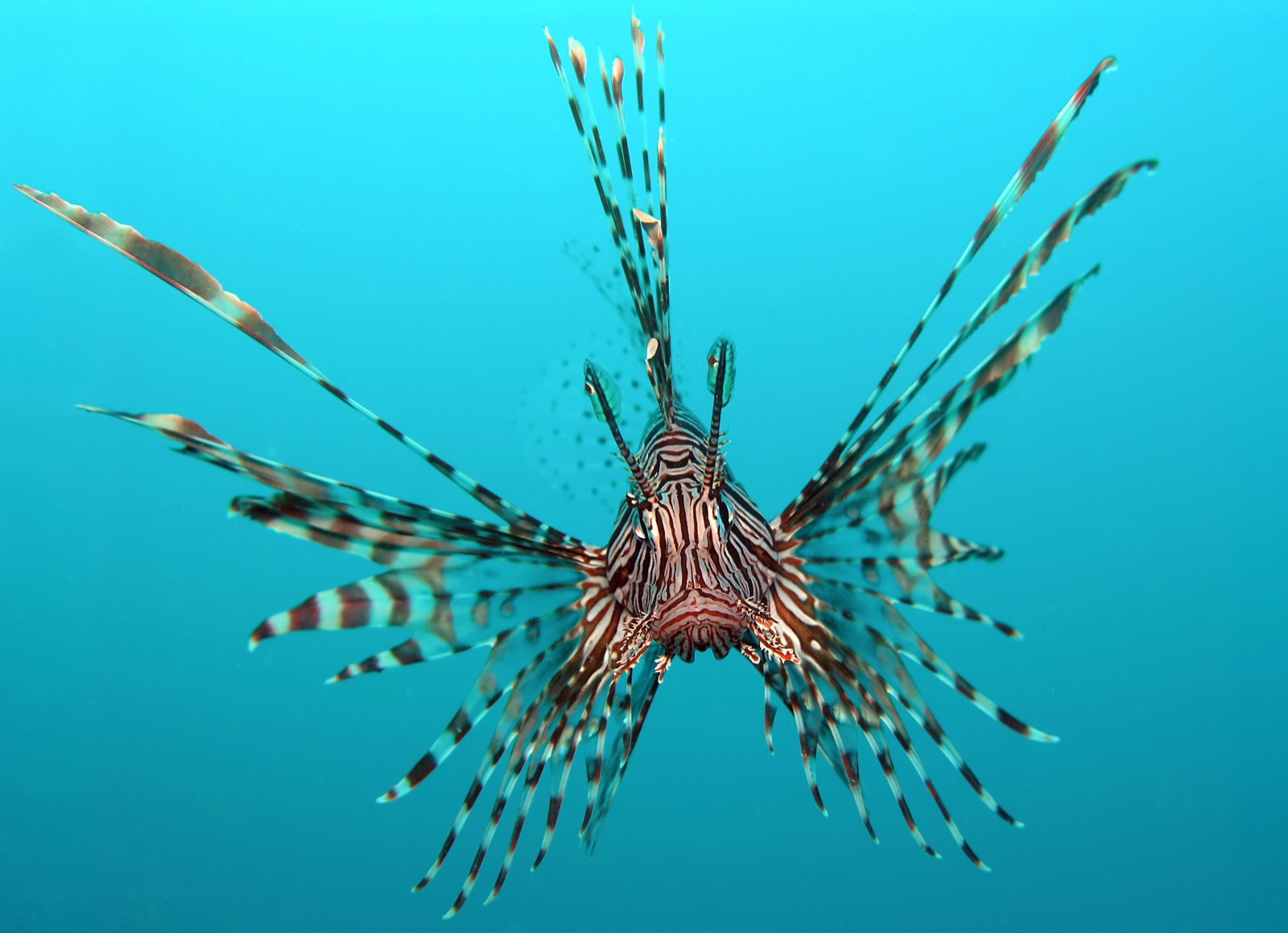
Lionfish
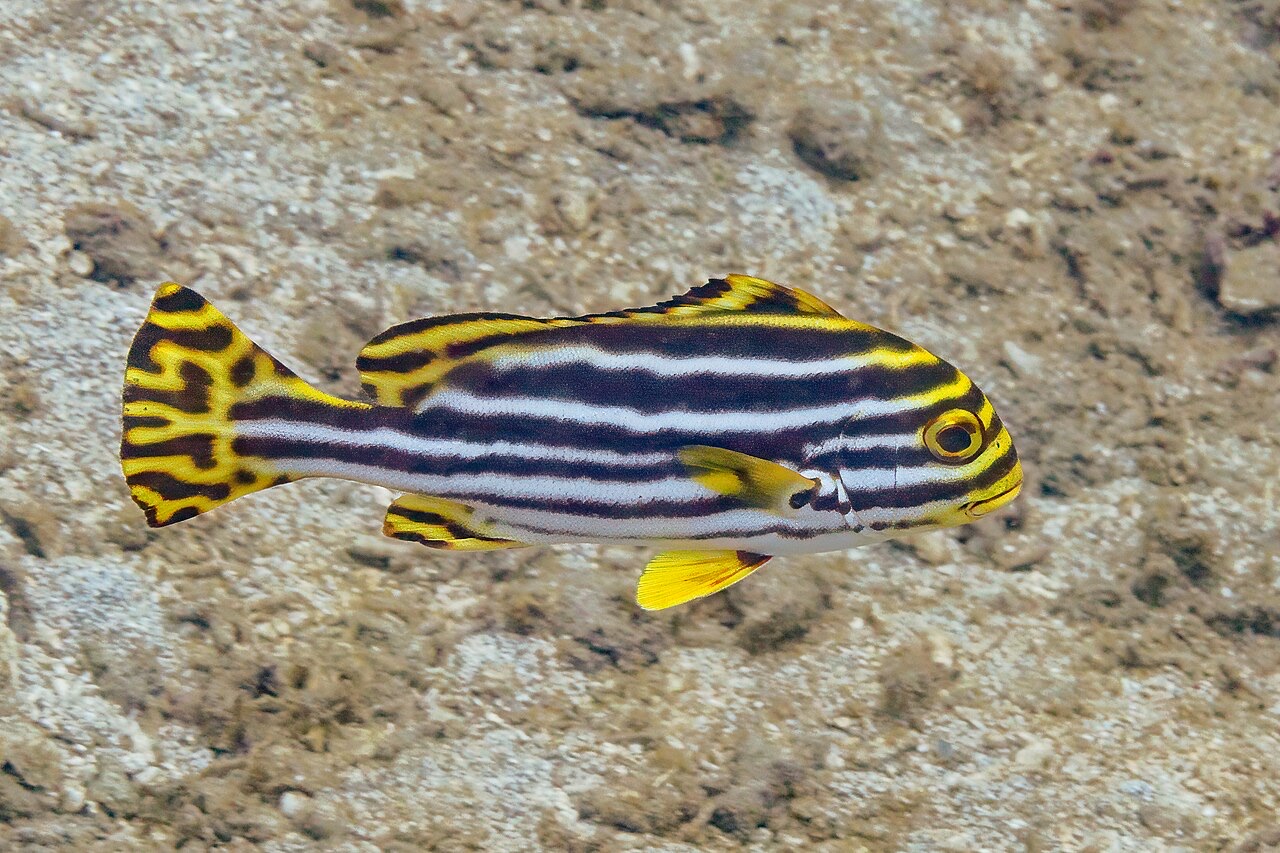
Oriental Sweetlips
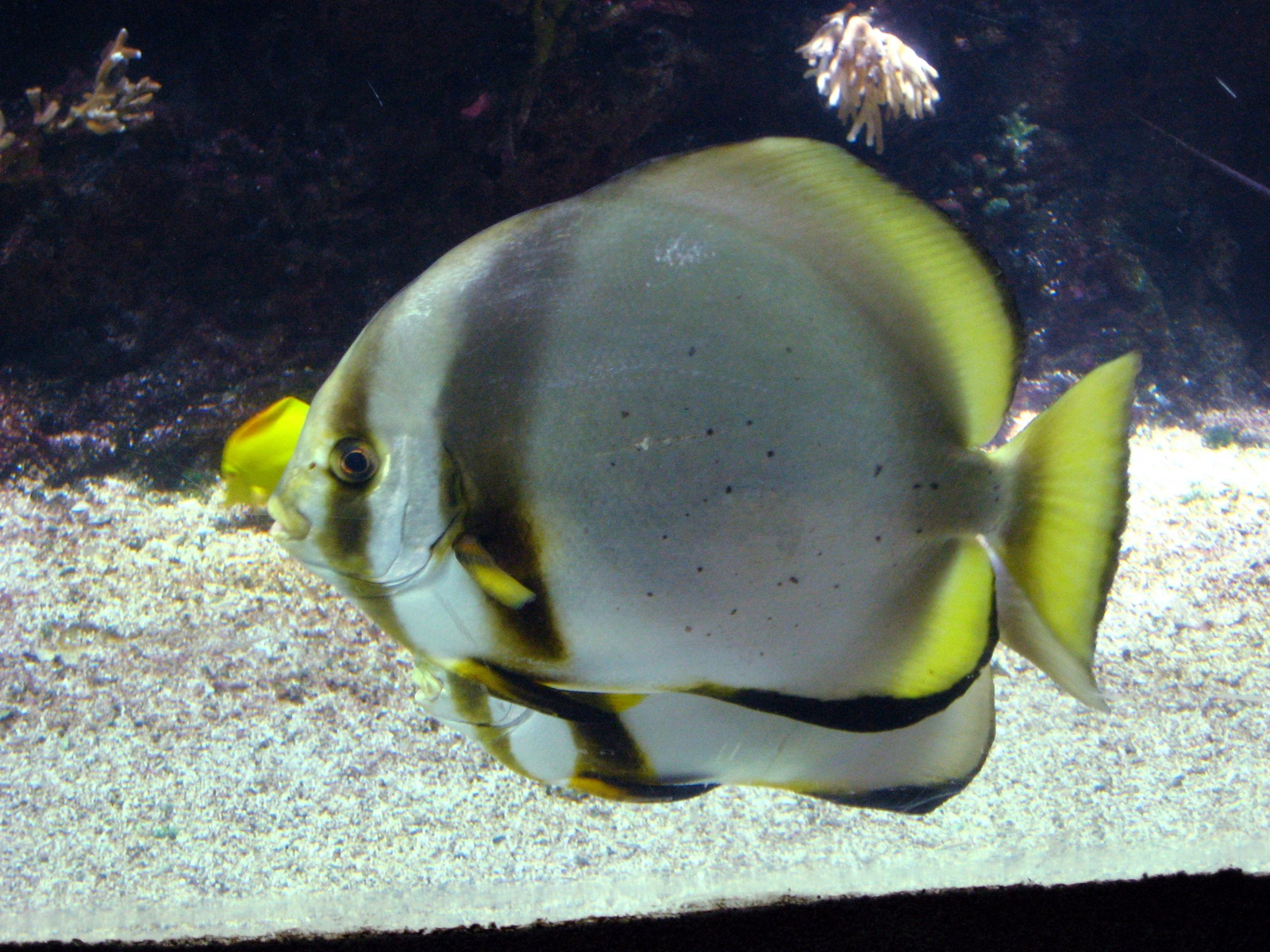
Pinnate Batfish
„Hier kartiert" – Arten wurden von unseren Redakteuren anhand der Quellen auf dieser Seite erfasst. Die Zahlen sind GBIF-Vorkommensdatensätze: Beobachtungen, die seit 1990 im Umkreis von etwa 5 km um die kartierte Position protokolliert wurden, ausschließlich abgeglichen mit den Arten in unserem Katalog. Sie zeigen, was dort gesichtet wurde – keine Garantie, was du sehen wirst.
Für Fotografen
Weitwinkel: ★★★★★ · Makro: ★★★☆☆ (Redaktionelle 1–5-Bewertung, was dieser Platz für jeden Fotografie-Stil bietet)