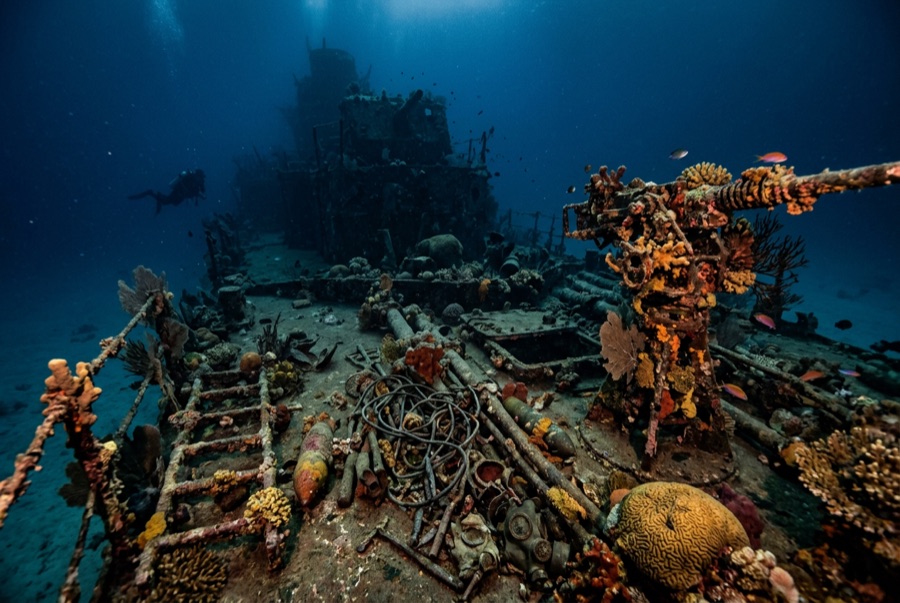
Okikawa Maru
La profundidad es el rango desde la cima del punto de buceo hasta su máximo habitual; la "certificación recomendada" es el nivel que los operadores suelen pedir según las agencias principales, no una norma legal. Las corrientes y la visibilidad cambian a diario, así que trata todo esto como rangos de planificación.
The Okikawa Maru, an oil tanker on the order of 160 m, is the friendliest big ship in Coron: her main deck lies at just 10-16 m, shallow enough for long, unhurried laps of a hull that seems to go on forever. Corals and anemones have colonized the deck fittings so thoroughly that parts read as reef, patrolled by batfish, sweetlips, and turtles. The bow section, mangled by the 1944 attacks and later salvage, makes dramatic wide-angle scenery, and trained divers can thread the propeller-shaft tunnel and pump spaces. Generous light, generous time; many divers log their first-ever wreck penetration here.
El momento por el que vienes: Shallow sprawling tanker deck, coral-and-anemone overgrowth, approachable first penetrations
Topografía: Nearly upright hull on sand around 26 m
Corriente: More exposed than the inner bay wrecks; current over the deck is common and occasionally calls the dive.
Entrada: Moored off Concepcion on Busuanga's west side; the longest boat ride of the main fleet from Coron town.
Lo que debes saber antes de tirarte al agua
Riesgos: Current over the deck, entangling lines near the bow wreckage, and silt in the shaft tunnel.
Conservación: Part of the protected 1944 fleet; no artifact recovery, no souvenir chipping.
Nitrox: Vale la pena aquí: los perfiles están en el rango donde el nitrox amplía de forma significativa el tiempo sin parada (con la formación necesaria para usarlo).
A quién encontrarás
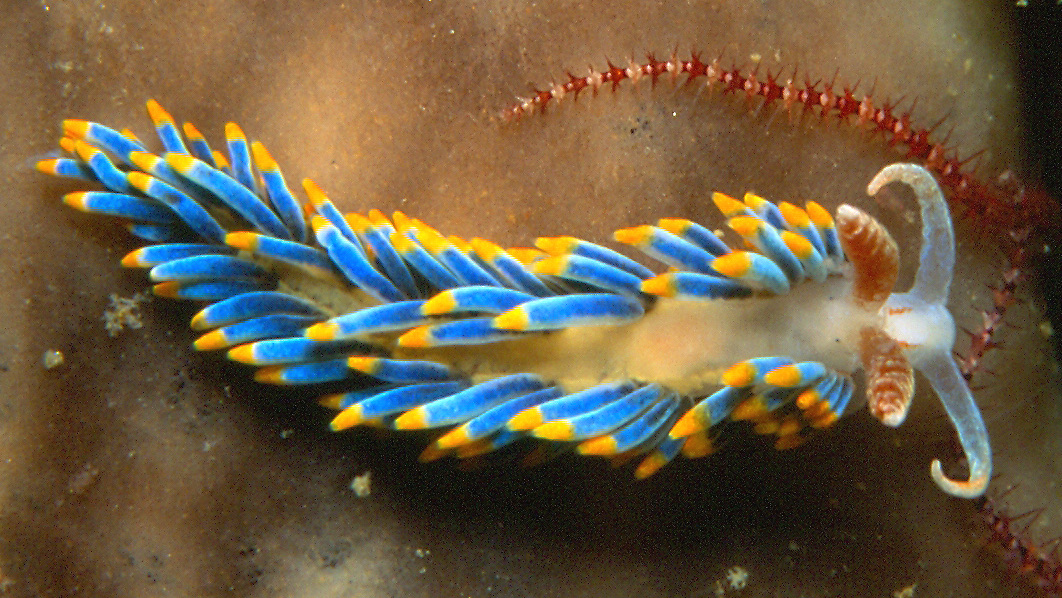
Nudibranchs
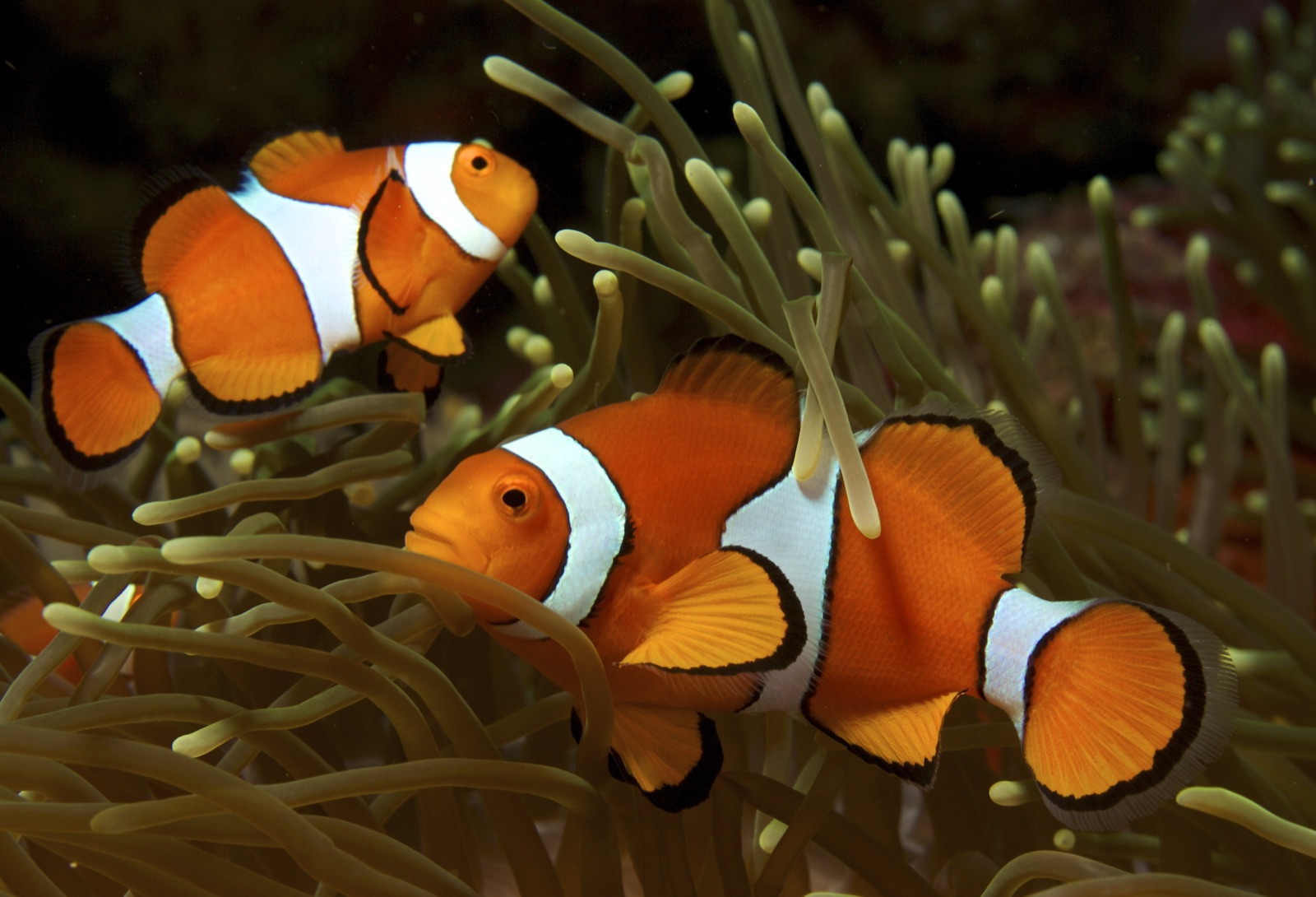
Clownfish & Anemonefish
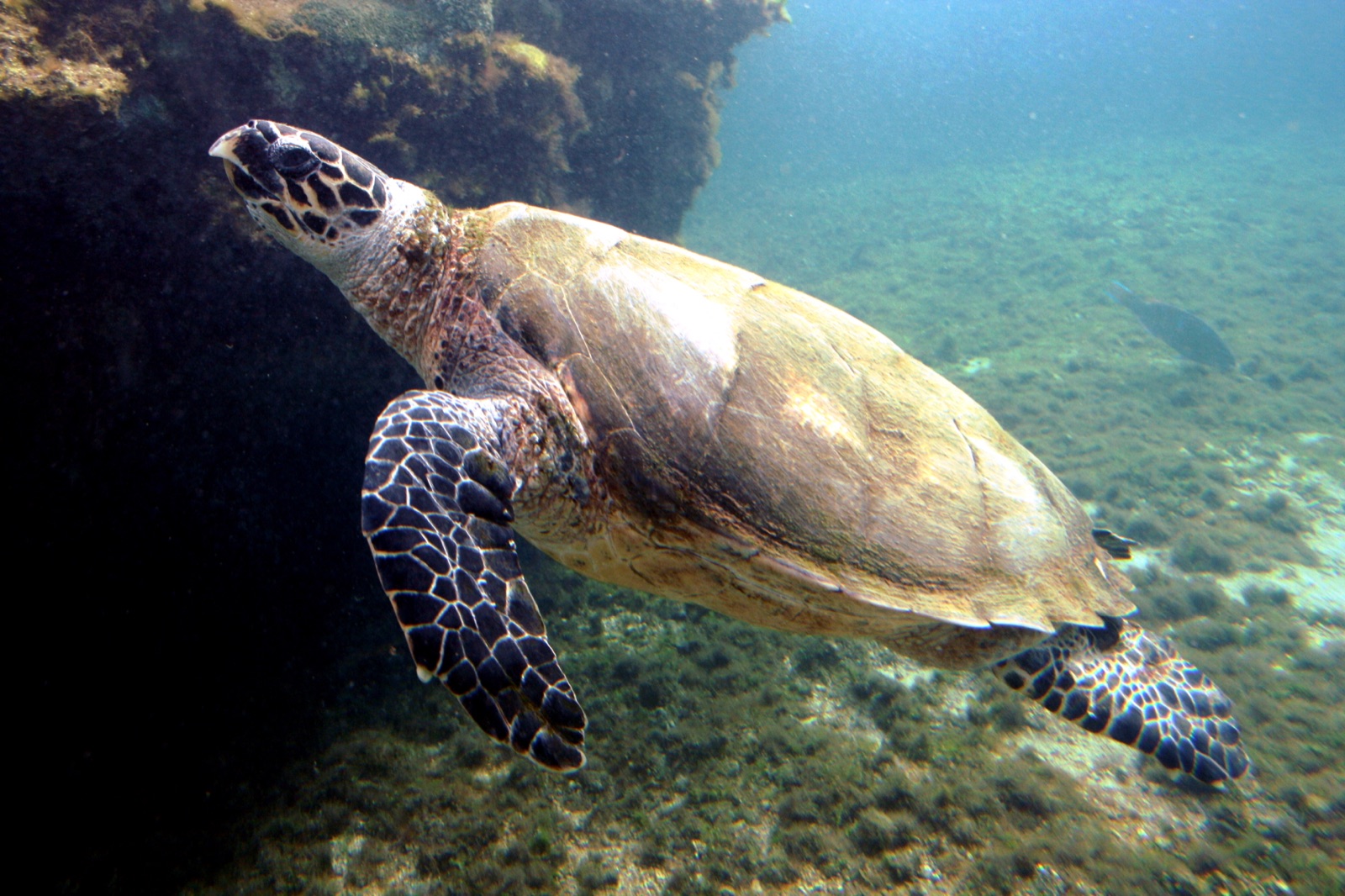
Hawksbill Turtle
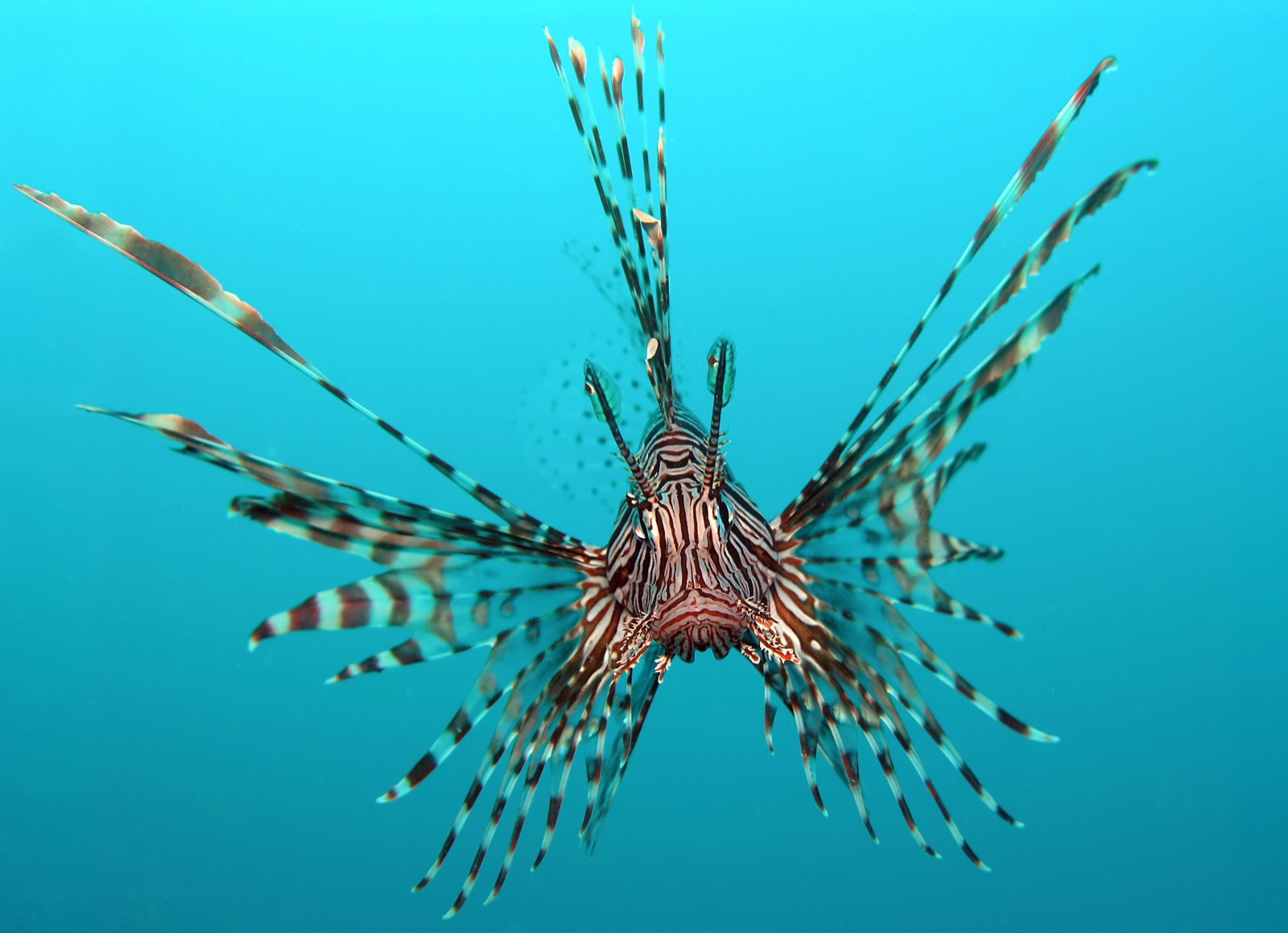
Lionfish
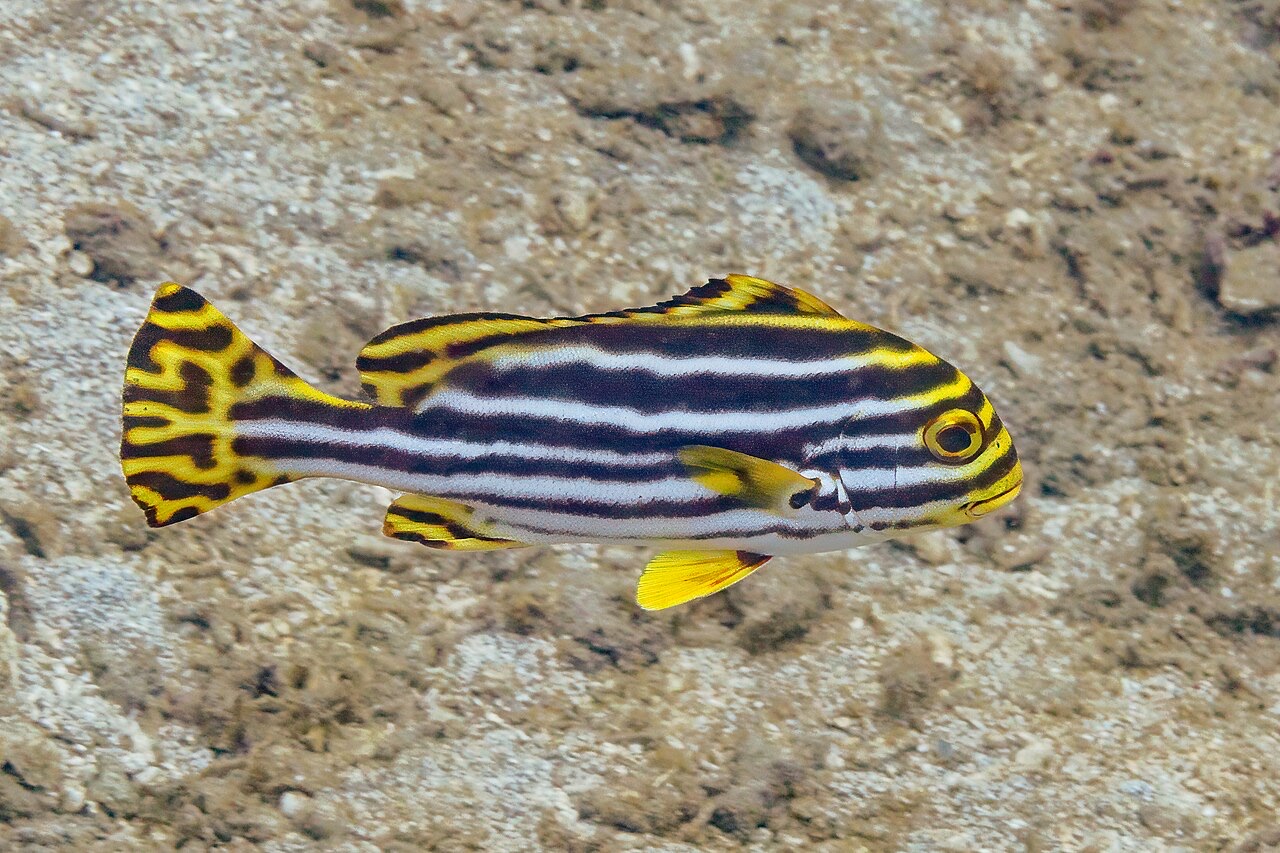
Oriental Sweetlips
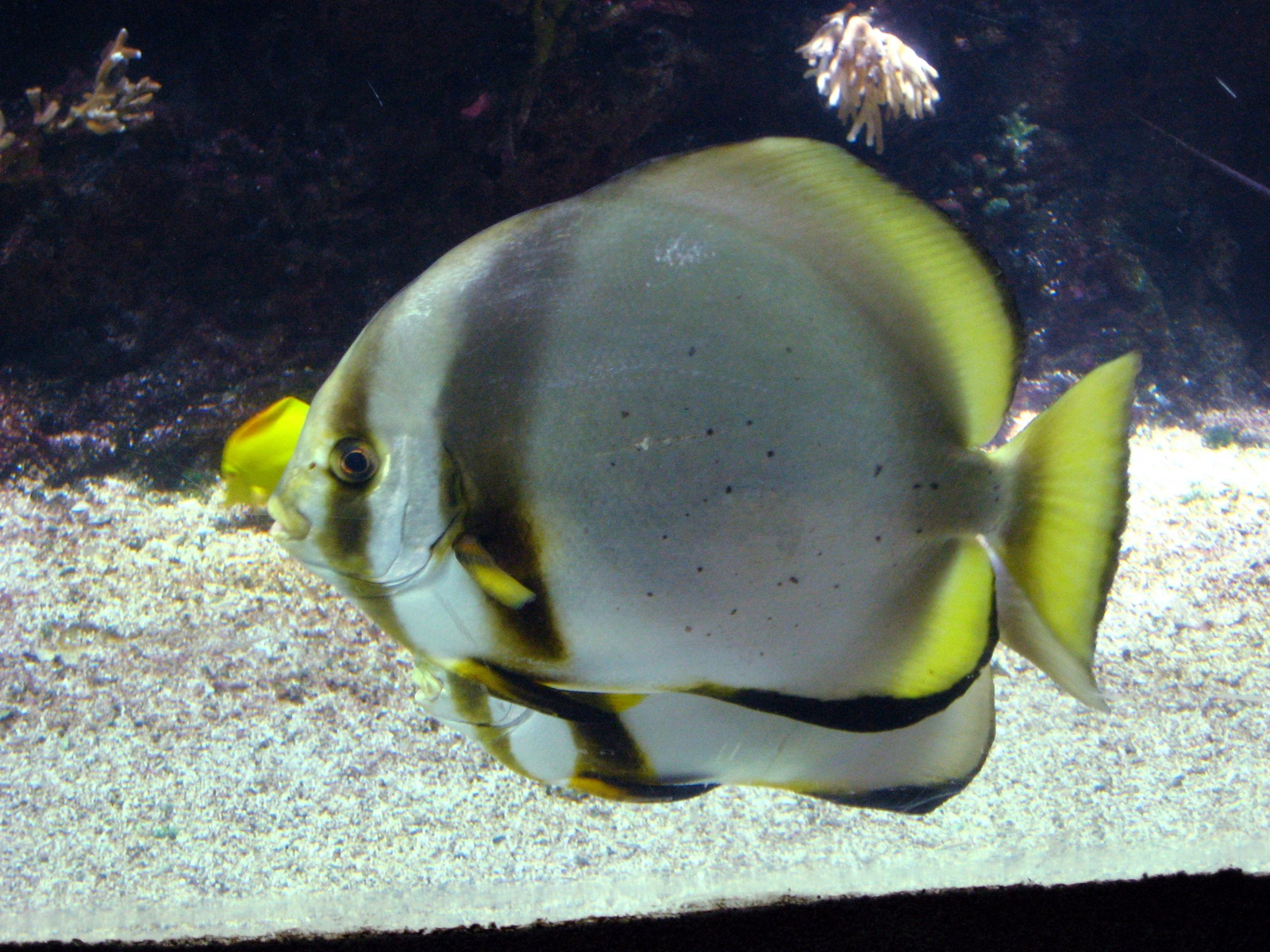
Pinnate Batfish
Las especies "aquí registradas" fueron añadidas por nuestros editores a partir de las fuentes de esta página. Los recuentos son registros de ocurrencia de GBIF: observaciones anotadas en un radio de unos 5 km de la posición registrada desde 1990, cotejadas únicamente con las especies de nuestro catálogo. Muestran lo que se ha avistado allí, no una garantía de lo que verás.
Para fotógrafos
Gran angular: ★★★★★ · Macro: ★★★☆☆ (valoración de 1 a 5 de los editores sobre lo que ofrece este sitio para cada estilo de fotografía)